
Museum · London, United Kingdom
Victoria and Albert Museum
Decorative-arts collection including enamelled and jewelled watches and clocks.
Institution photographs
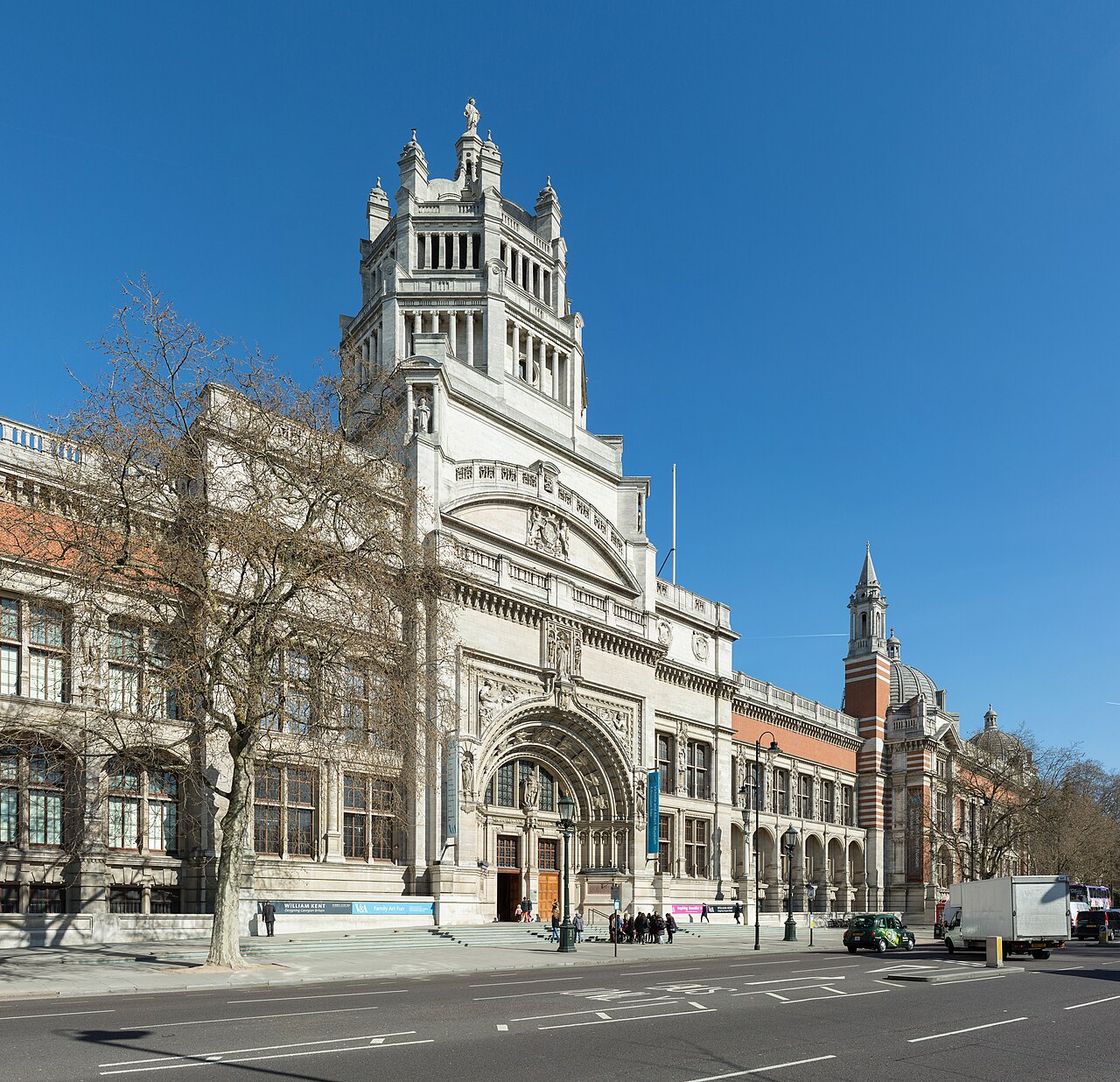
The caption identifies the institution shown; follow the source record for attribution and context.
Overview
Victoria and Albert Museum is a museum based in London, United Kingdom. Decorative-arts collection including enamelled and jewelled watches and clocks.
Directory record: a detailed institutional history and collection catalogue have not yet been checked. The research and visiting notes below are general guidance, not confirmation of this institution's services.
Catalogued timepieces and instruments
Exact collection records with credited photographs. Institutional holdings do not establish current display or public research access.
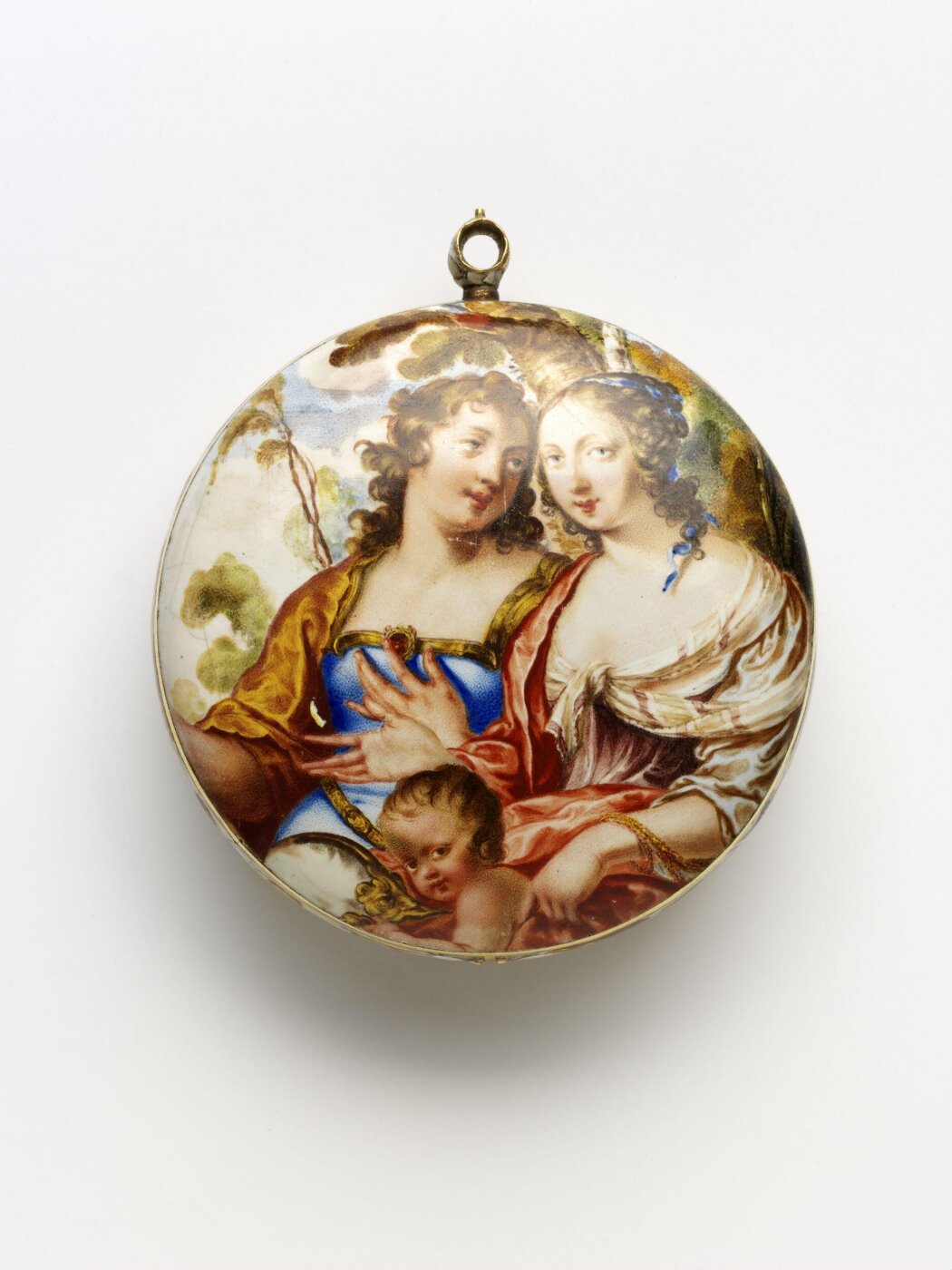 Case 1640–1660; movement 1740–1760 (date field)Painted-enamel watch with Mars, Venus and CupidThis gold case is painted with figures the museum reasonably identifies as Mars, Venus and Cupid; the qualification matters because iconographic interpretation is not an inscription naming the subject. Landscape vignettes continue around the sides and inside the case. The dial combines a painted centre with a white enamel chapter ring.
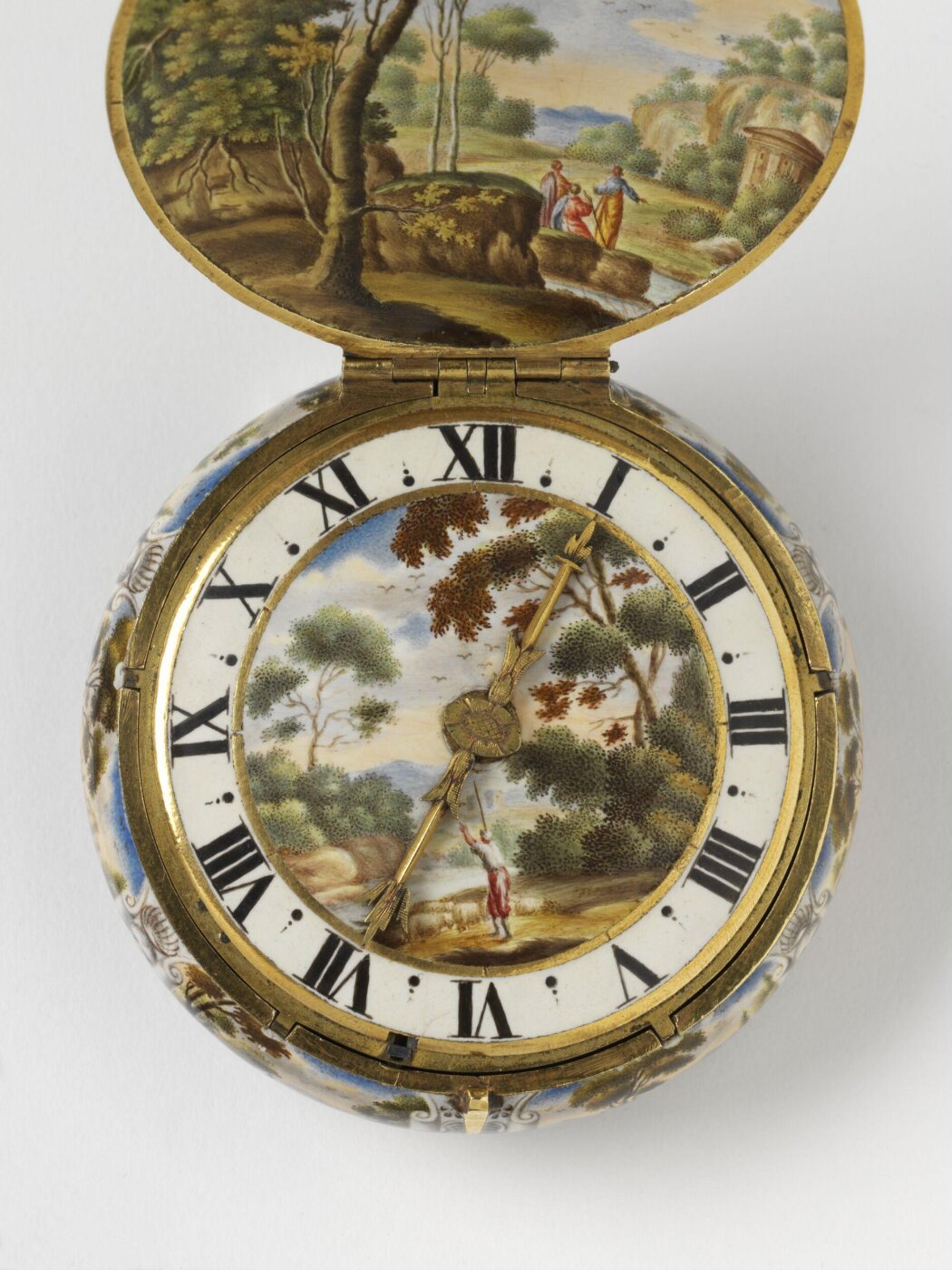 1640–1650Nicolas Bernard watch with Faith, Hope and CharityThe V&A names Nicolas Bernard as watchmaker and identifies a gold case painted with Charity on the front and Faith and Hope on the back. Landscapes decorate the dial, sides and interior surfaces. Its summary connects the case to improved miniature painting in enamel around 1630, while naming Jean Toutin among the key figures in that development; this is not an attribution of this particular case to Toutin.
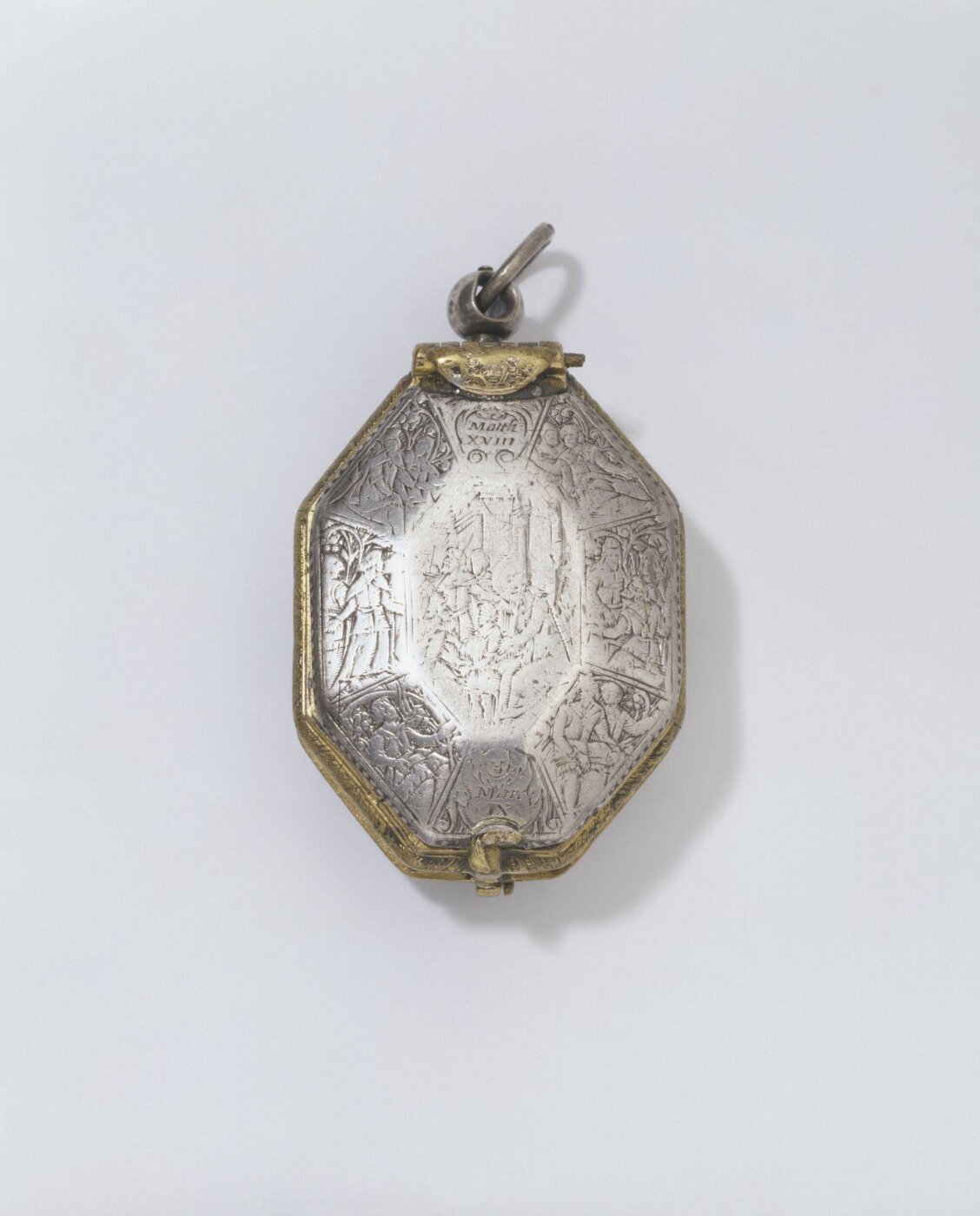 ca. 1610–1620; brief description separately says about 1640Octagonal watch signed Robert GrinkinThe octagonal watch has an engraved silver and brass case, brass dial, silver chapter ring and single hand. Its movement bears the name Robert Grinkin. The museum discusses two London watchmakers of that name, father and son, and suggests that the earlier date may point to the elder. A signature and a plausible date do not remove that qualified identity.
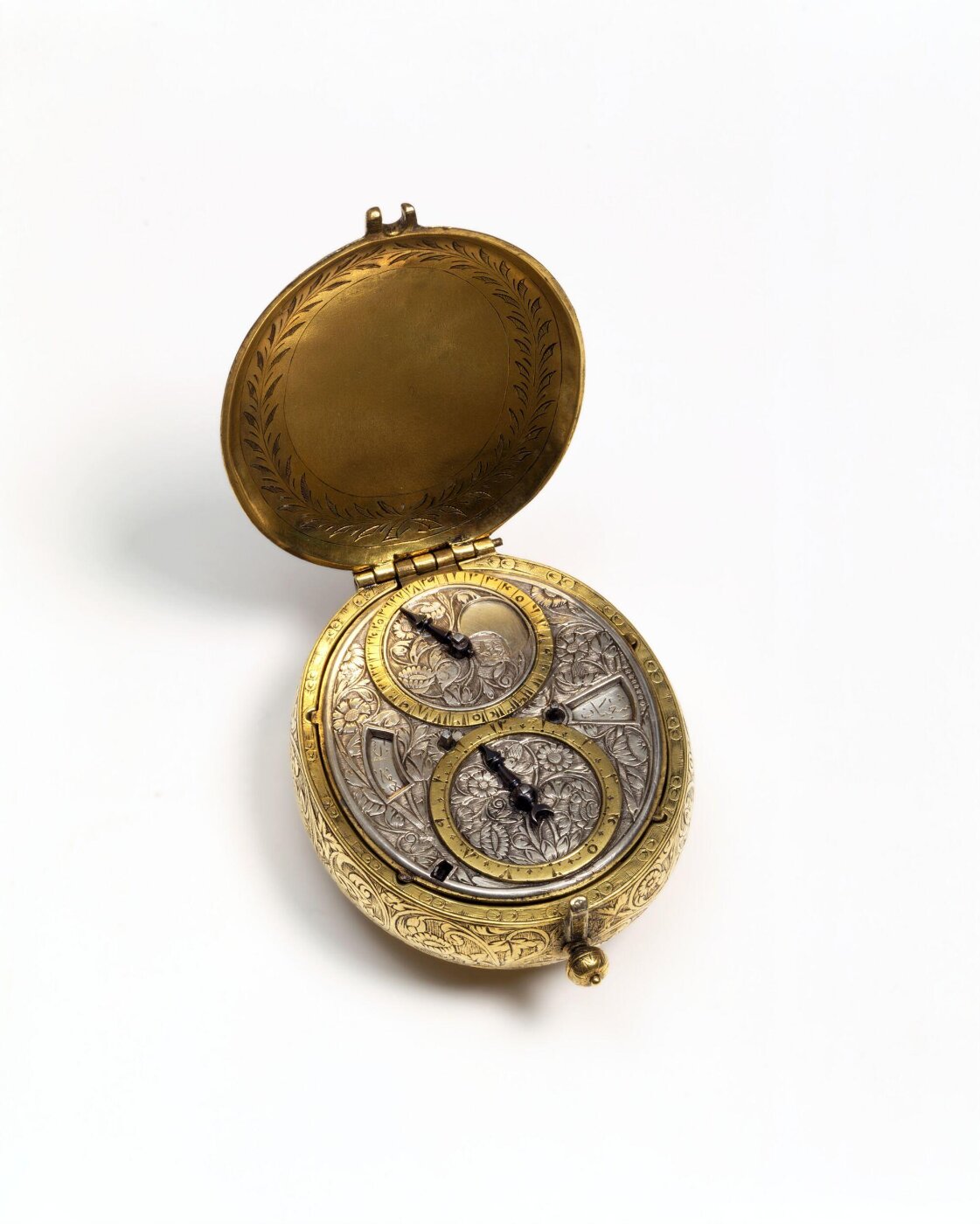 ca. 1670Calendar watch with Arabic inscriptions, 136-1907This engraved gilt-brass and silver watch has separate calendar and hour indications, with apertures for lunar phases, days of the week and months. The museum describes the date ring as numbered 1–29 and the hour ring 1–12 using numerals it calls “Indian”. This is a transcription of the institutional description, not a claim that the complete calendar system has been independently demonstrated.
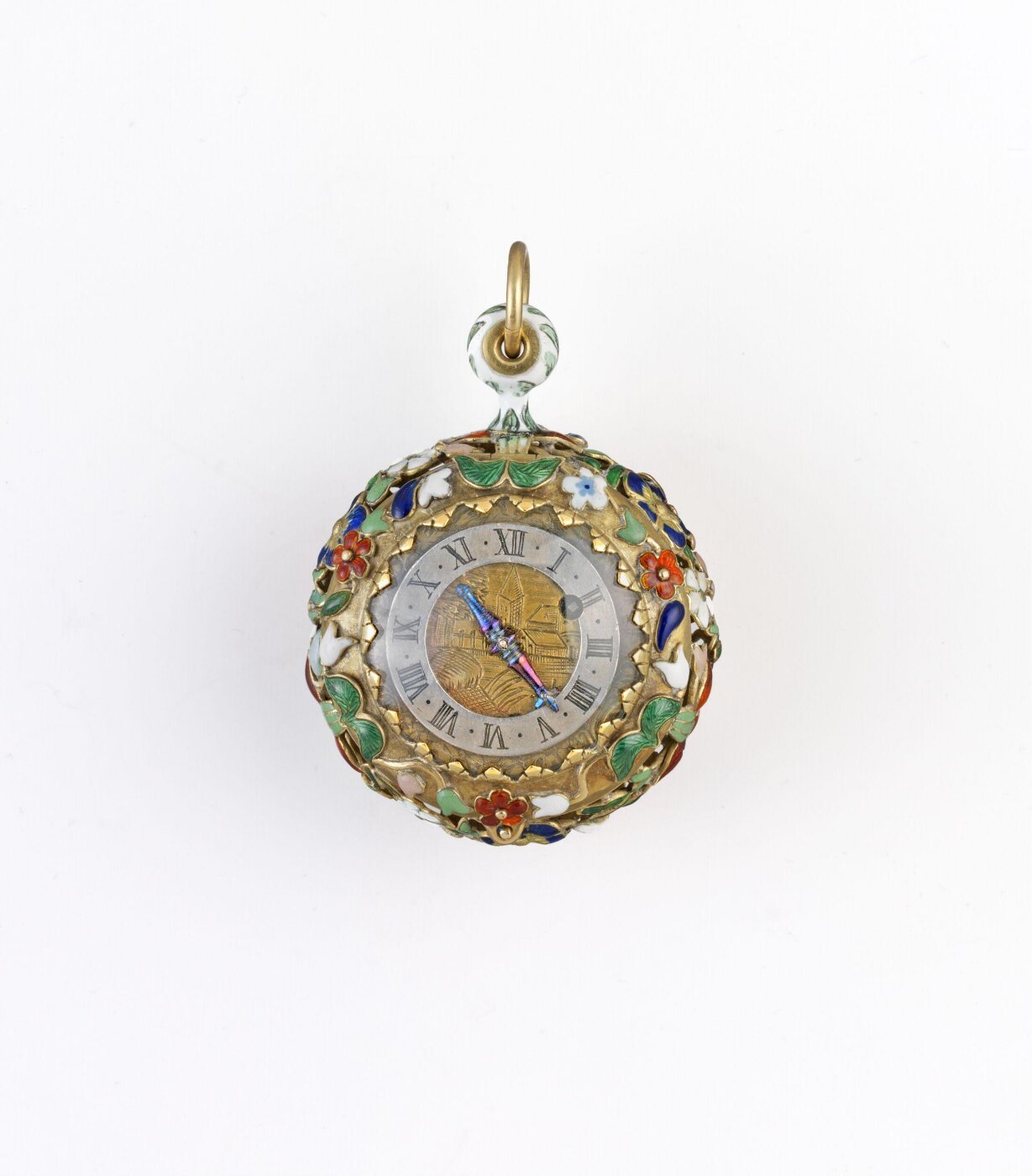 Case enamel 1650–1670; movement 1750–1775Openwork floral enamel watch with later Caille movementThe gold exterior is constructed as flowers and foliage decorated with opaque and basse-taille enamel. The museum dates the enamelled exterior to 1650–1670 and the movement to 1750–1775. Its silver chapter ring, blued steel hand and engraved dial belong to the preserved assembled object; they should not all be assigned the exterior’s seventeenth-century date.
From its online collection
Objects in this encyclopedia's catalogue that were recorded from the institution's own online collection pages. A collection record does not establish current display.
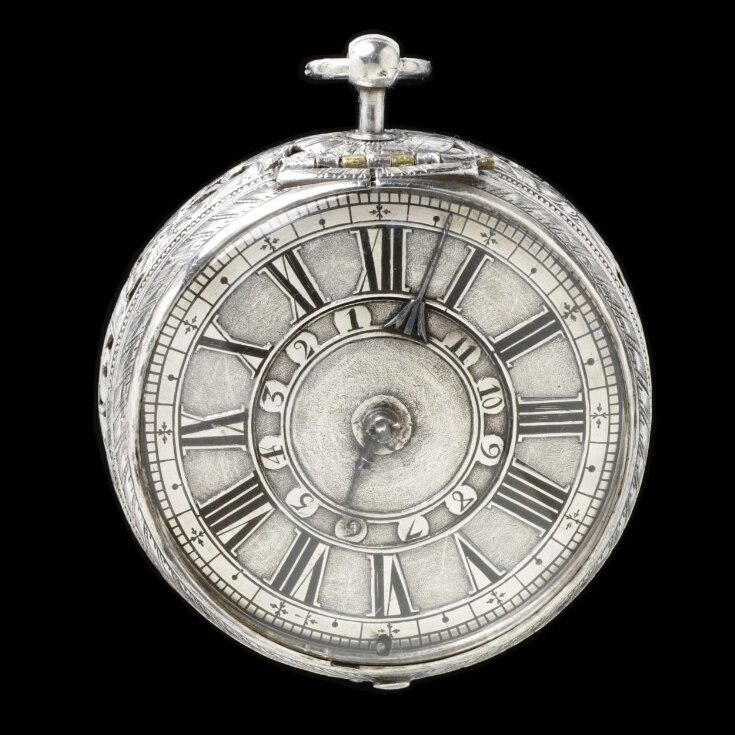
Pocket watch
Engraved and pierced silver watch by Joseph Knibb
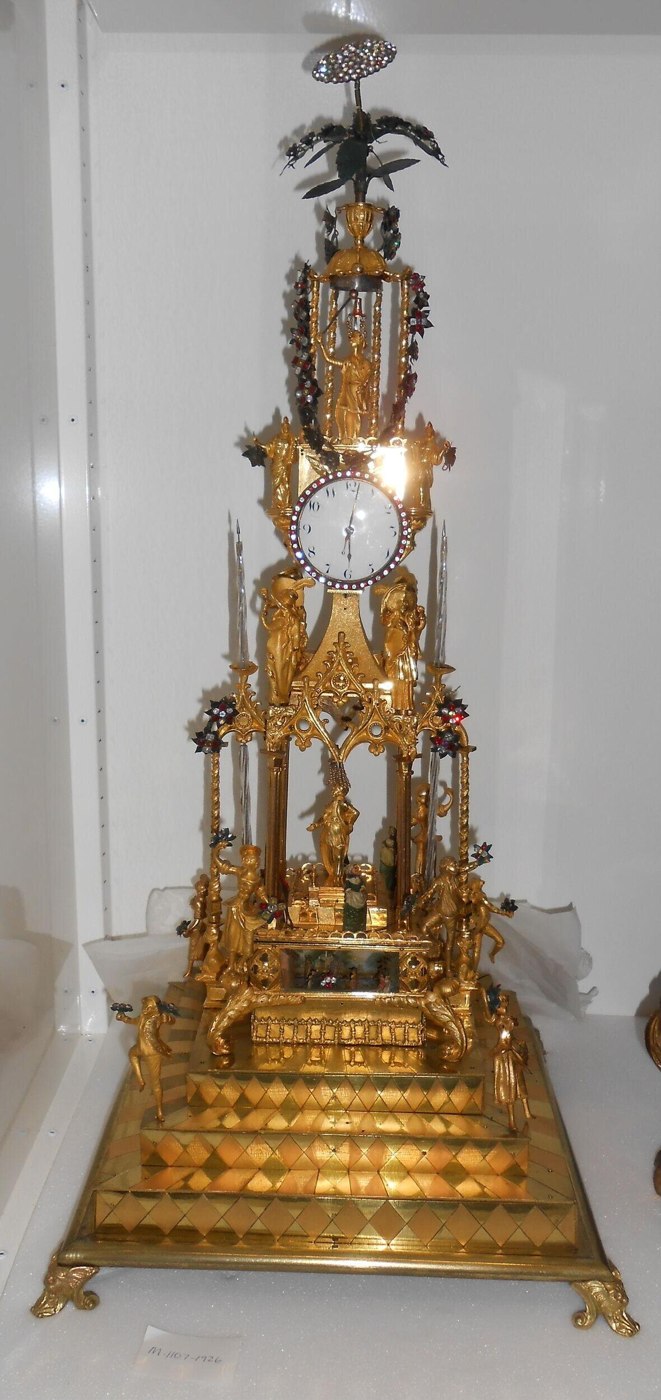
Clock
Automaton and Musical Clock by Tobias Morris
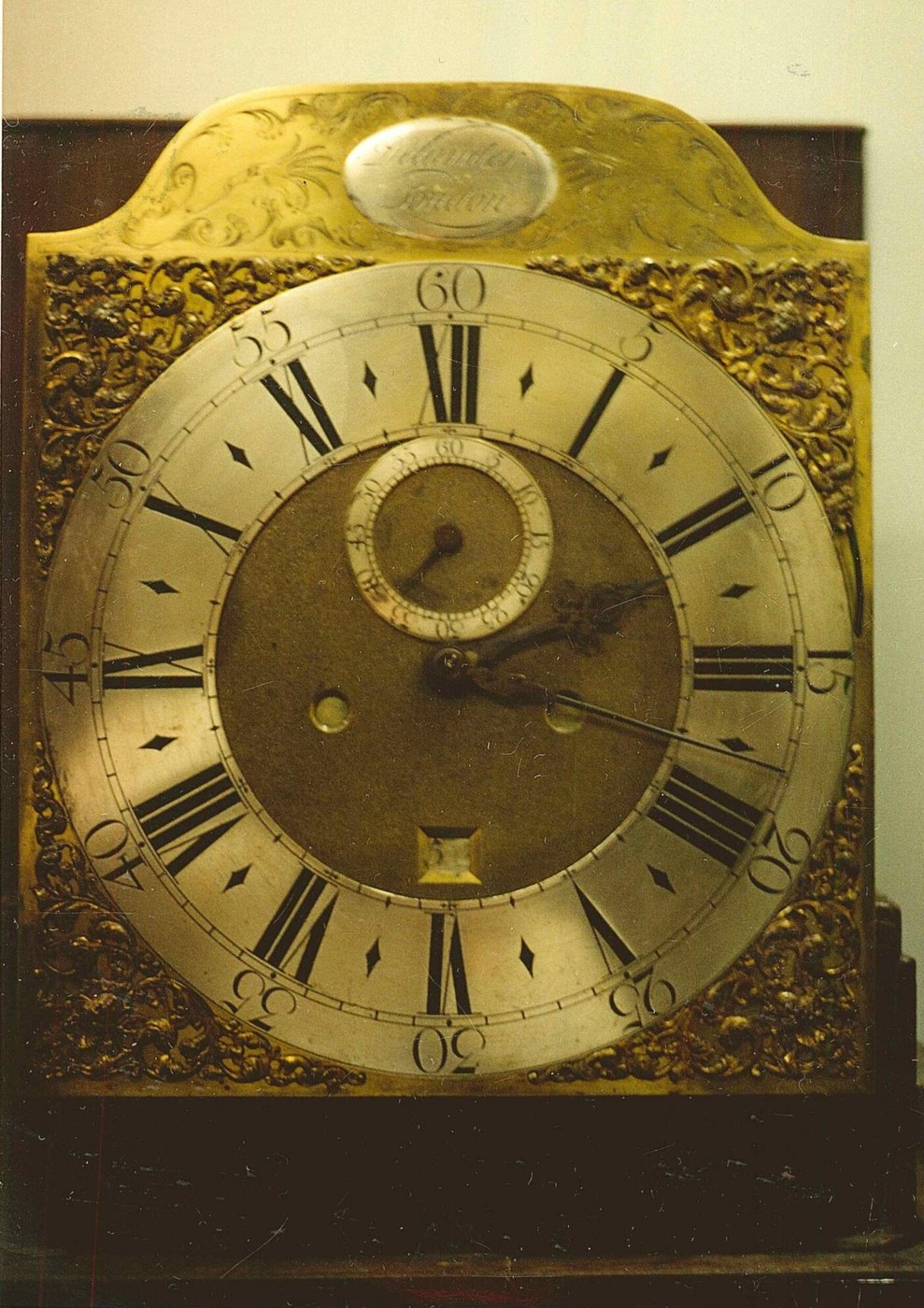
Clock
Longcase clock by Daniel Delander
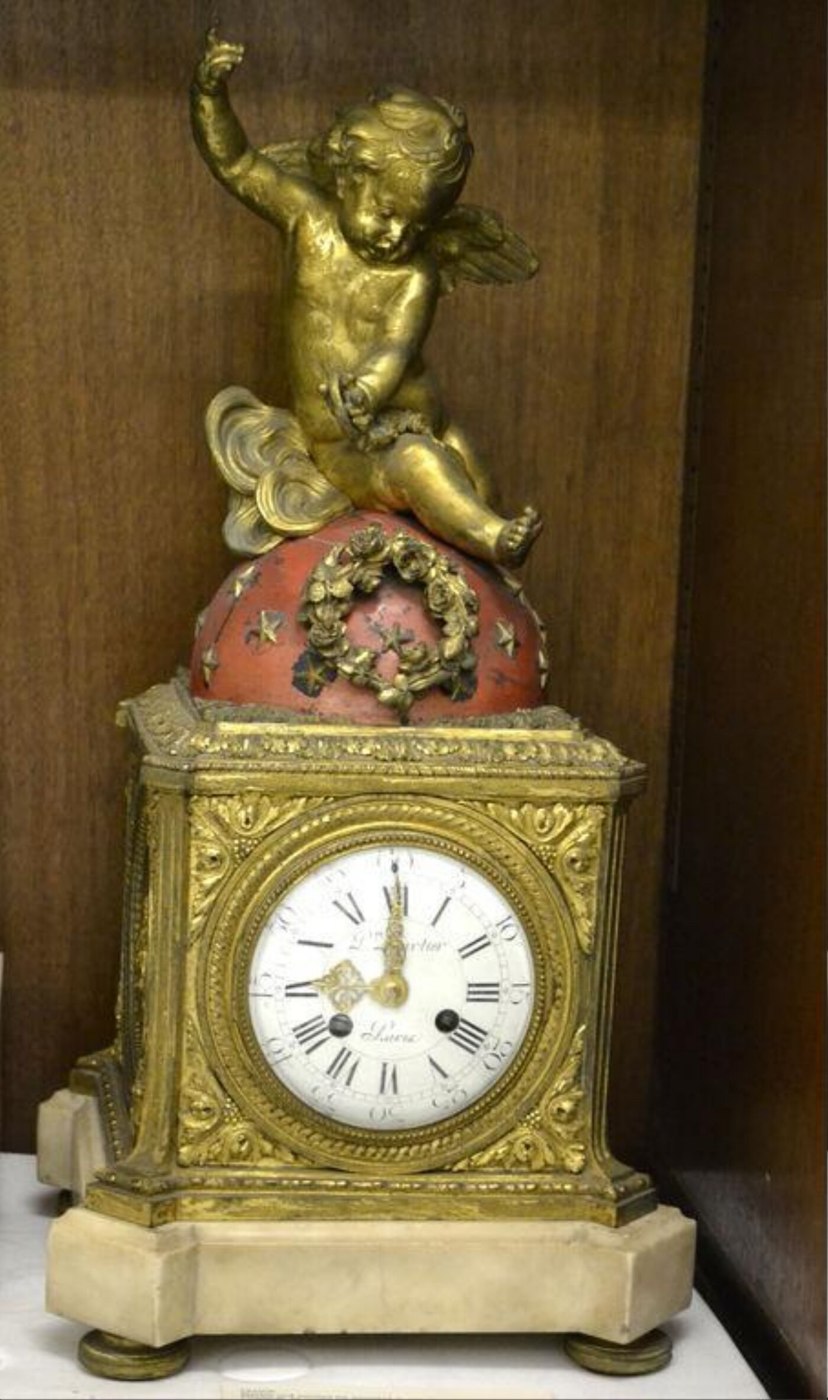
Clock
Mantel clock by Pierre Leurtier
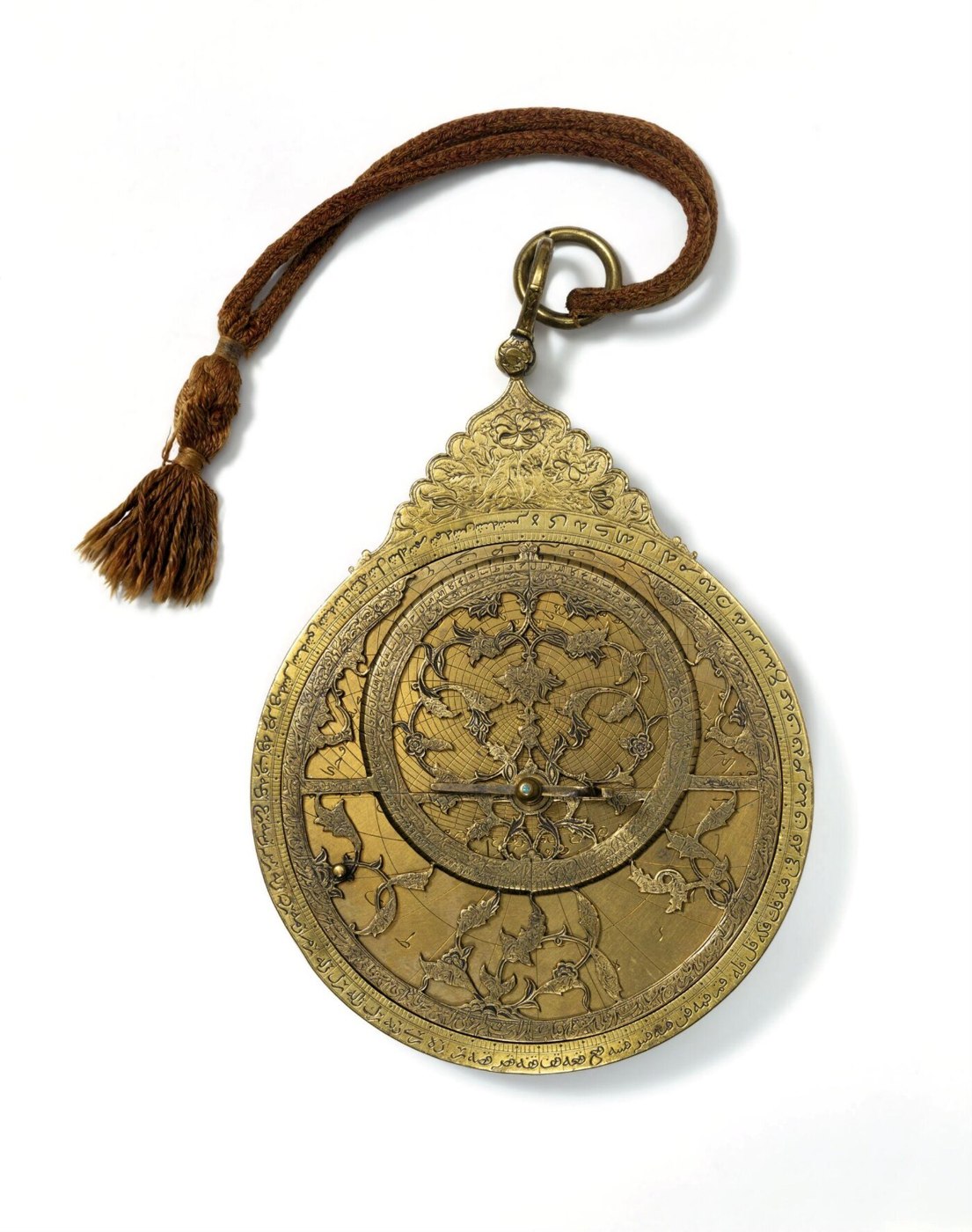
Tool
Astrolabe by Muhammad Khalil and Muhammad Mahdi
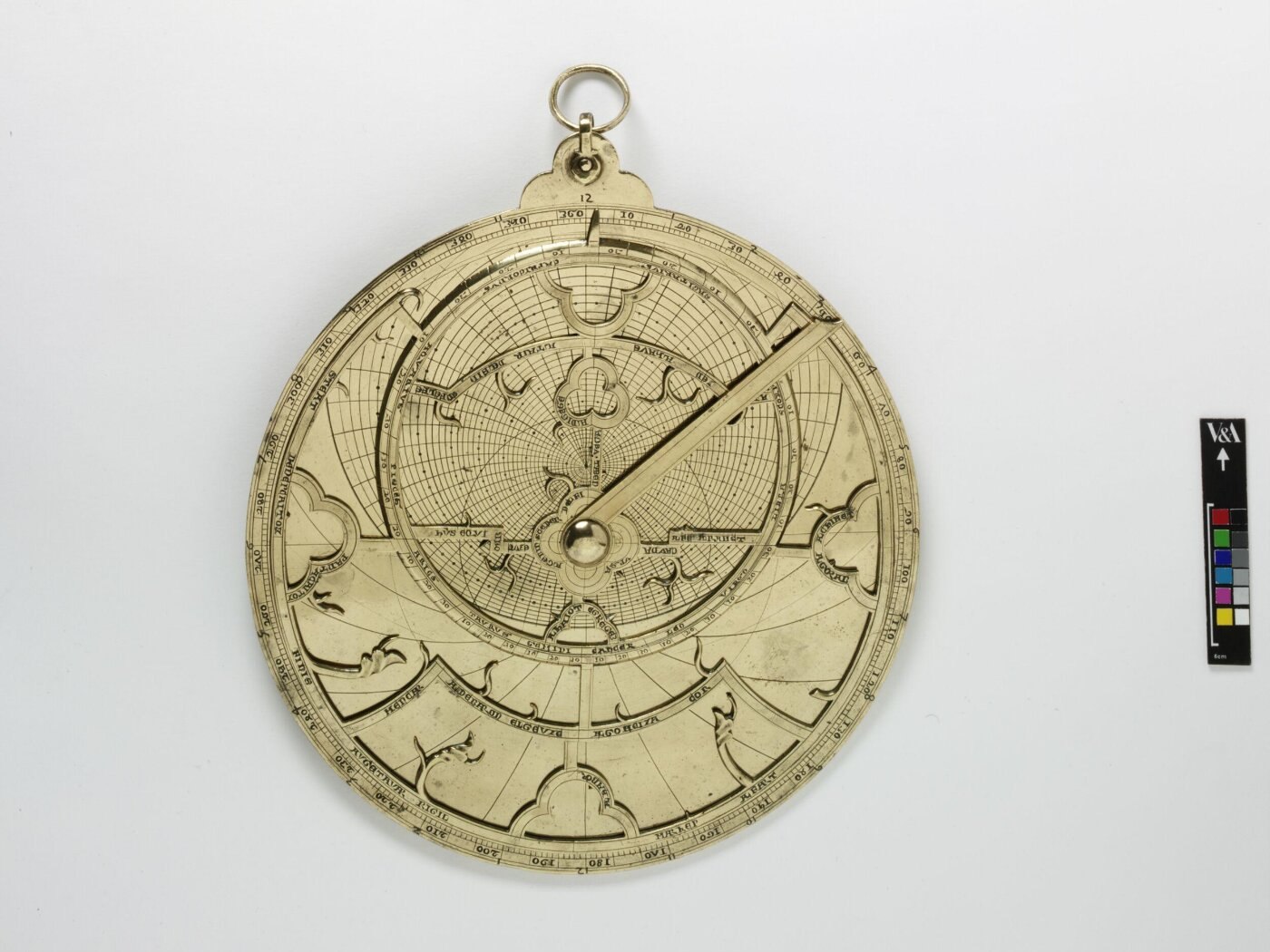
Tool
14th Century Engraved Brass Astrolabe
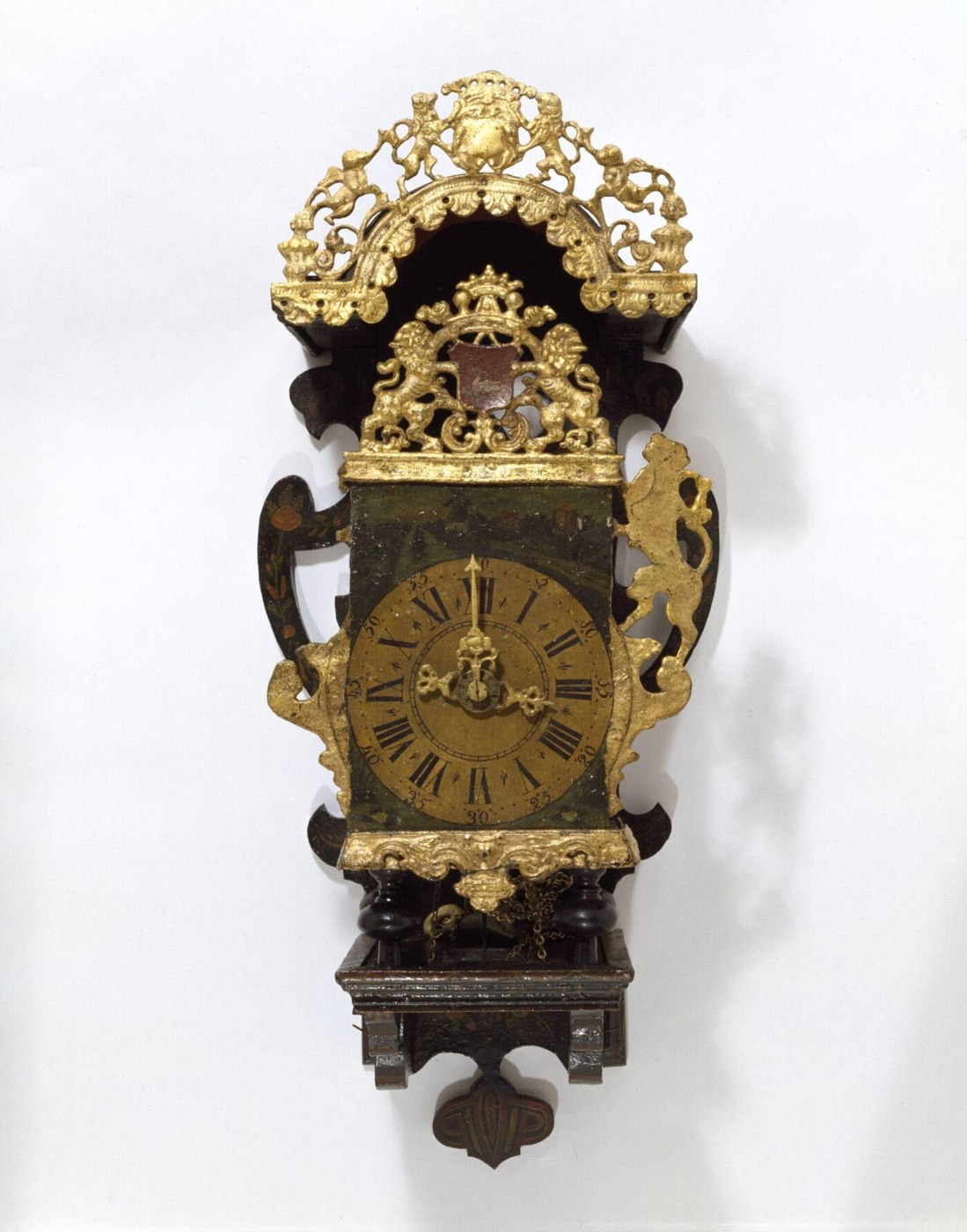
Clock
Friesland Stoelklok
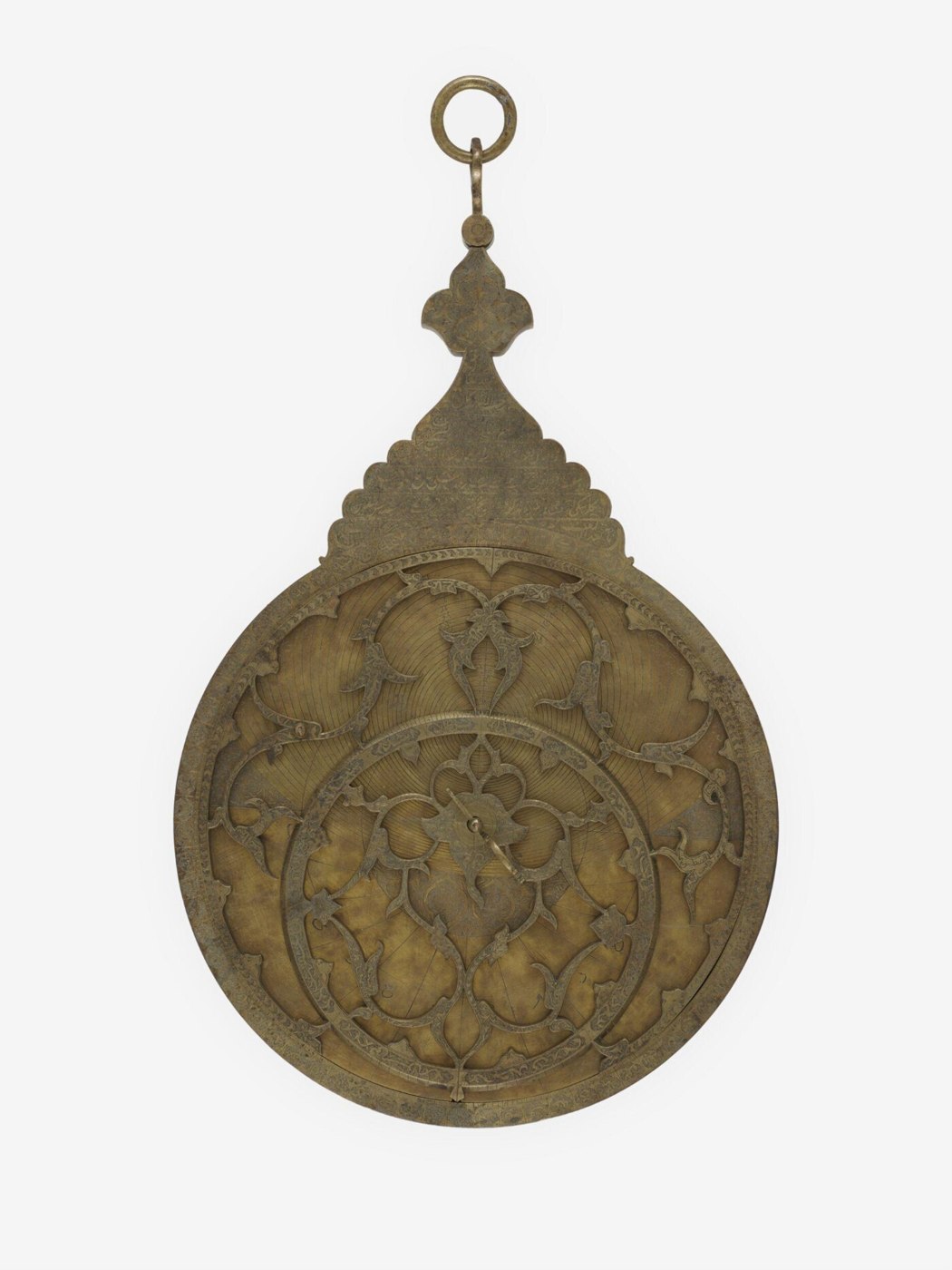
Tool
Astrolabe
Using it for research
- Ask whether an online collection catalogue exists — accession numbers make a citation precise and let other researchers find the same object.
- Curatorial departments can sometimes confirm attributions, maker signatures and provenance for objects in their own collection; they do not normally authenticate or value private pieces.
- Catalogues of past exhibitions are often the best published record of what a collection holds.
Before you visit
General visiting guidance; institution-specific arrangements have not been verified here.
- Confirm opening arrangements, temporary closures and photography rules directly with the institution before travelling — this encyclopedia does not record them.
- Working clocks and automata may be demonstrated only at set times.