
Museum · London, United Kingdom
Science Museum
Major holdings in clocks, watches and scientific instruments, including early mechanical timekeeping.
Institution photographs
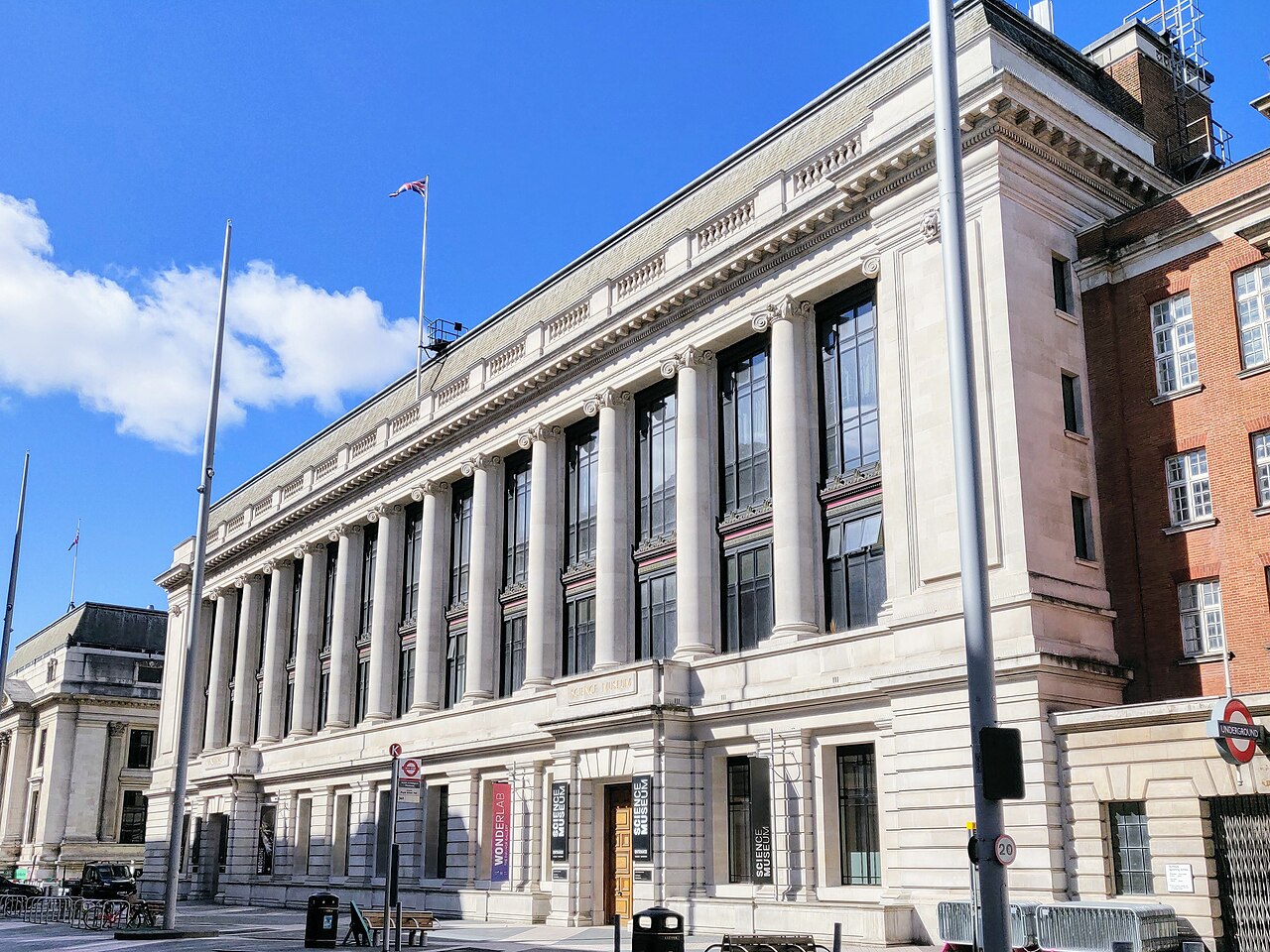
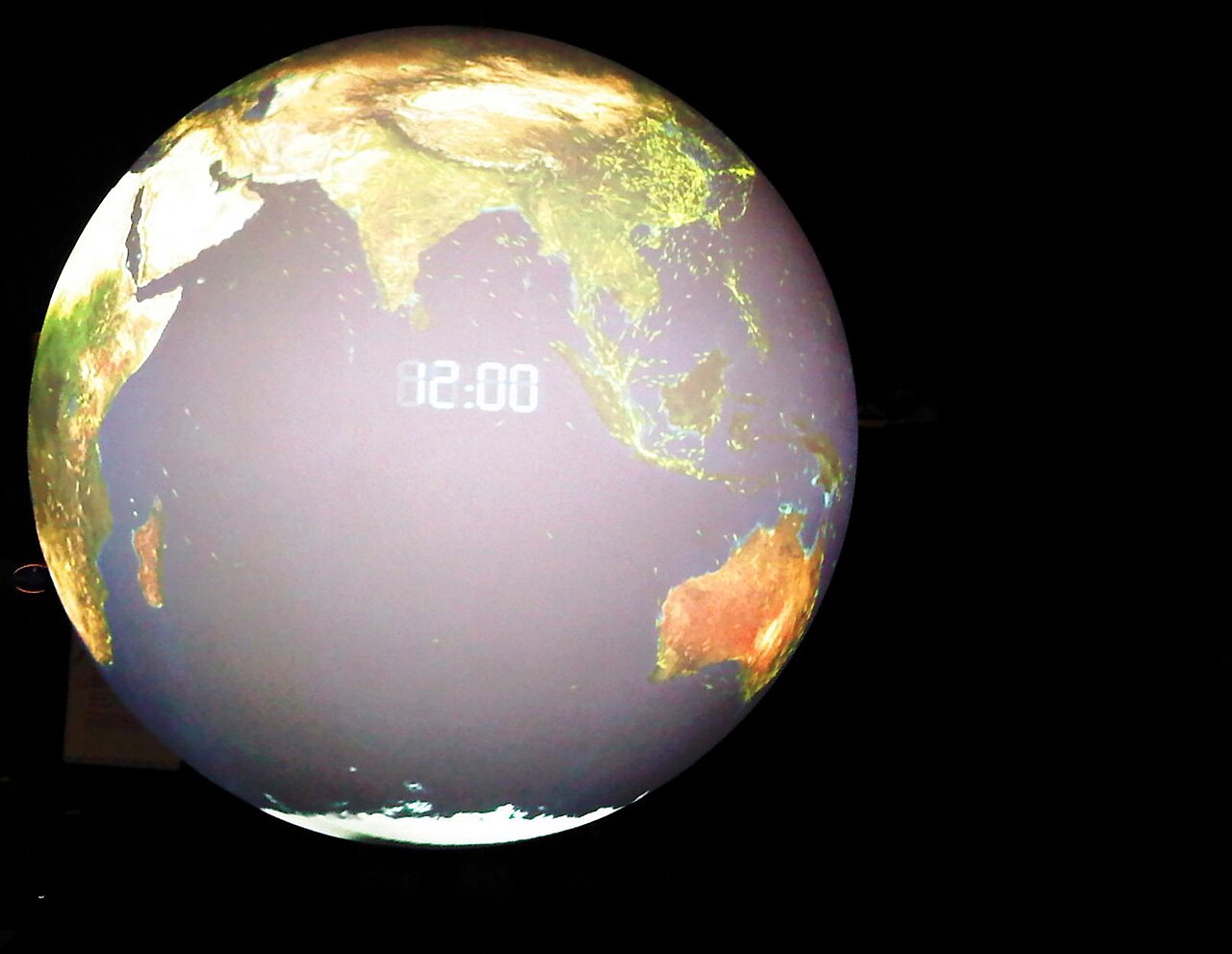
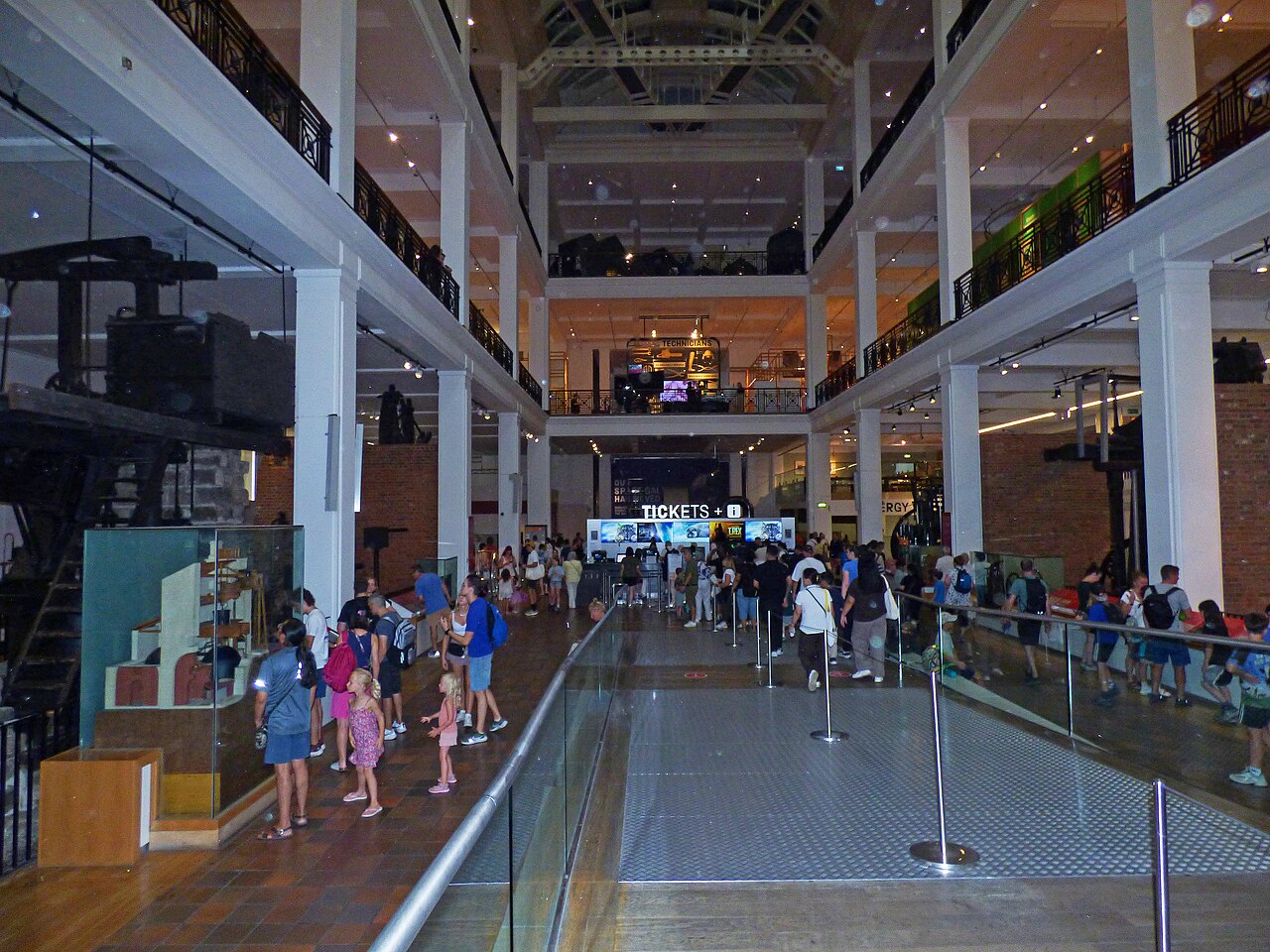
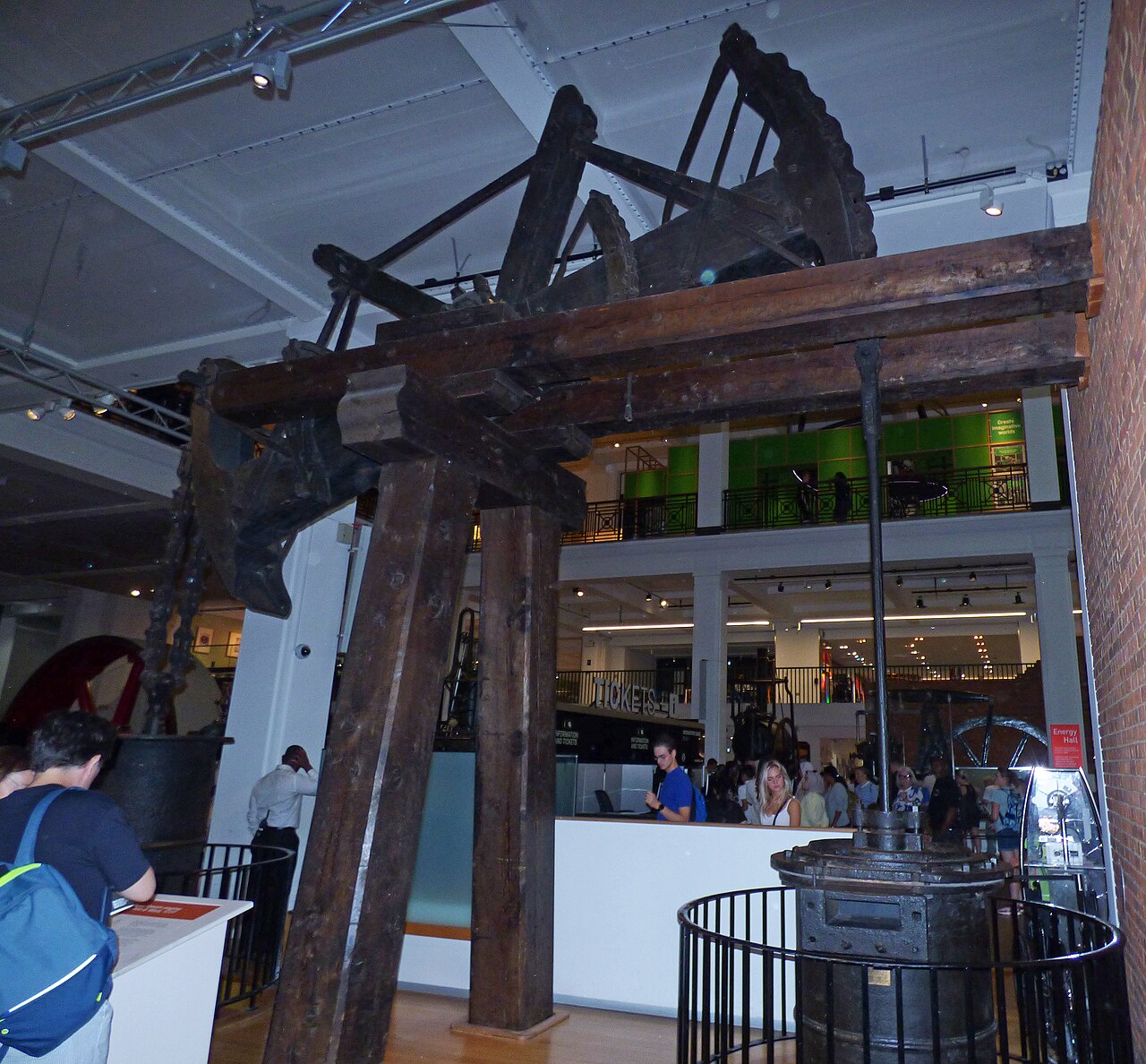
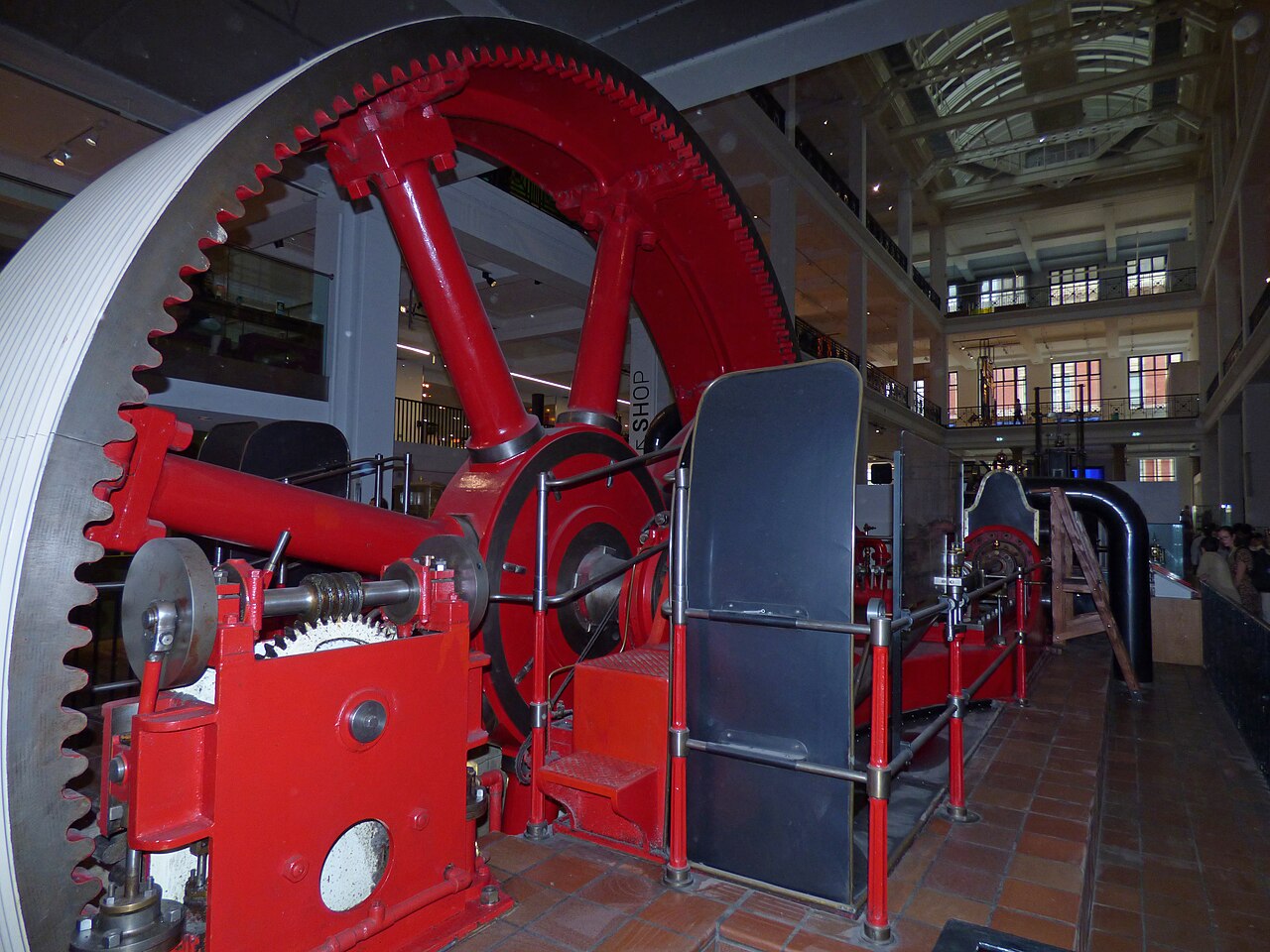
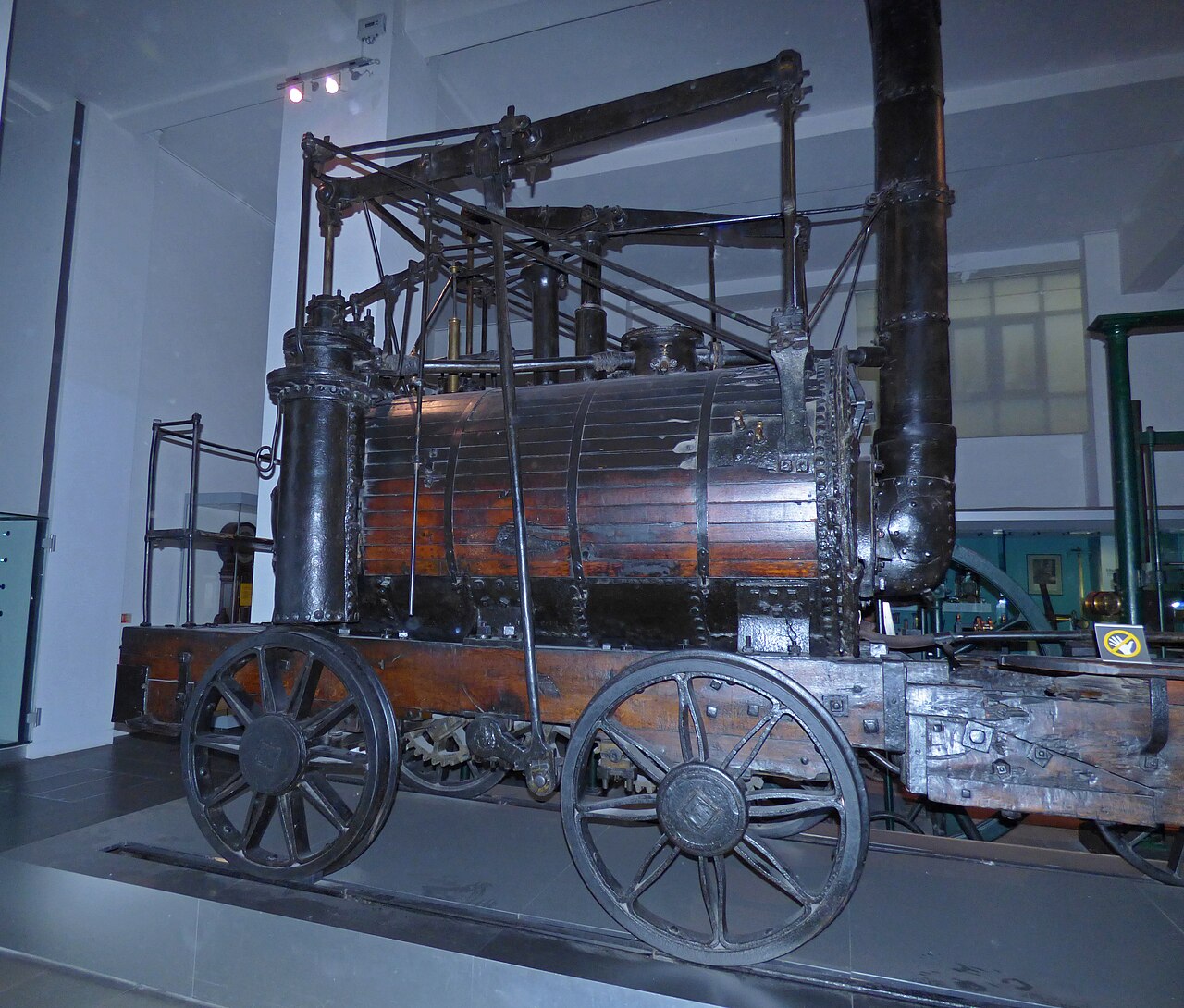
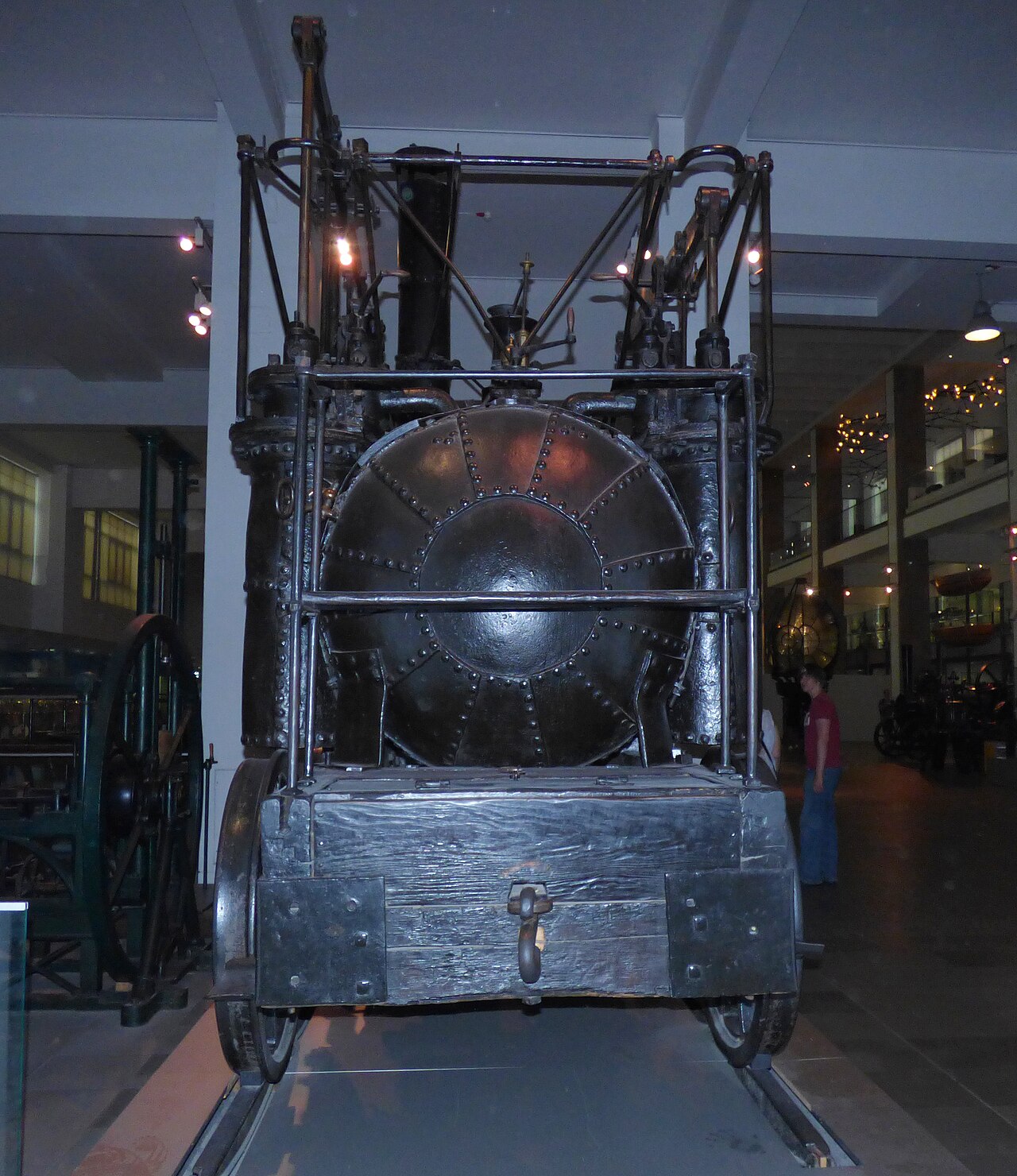
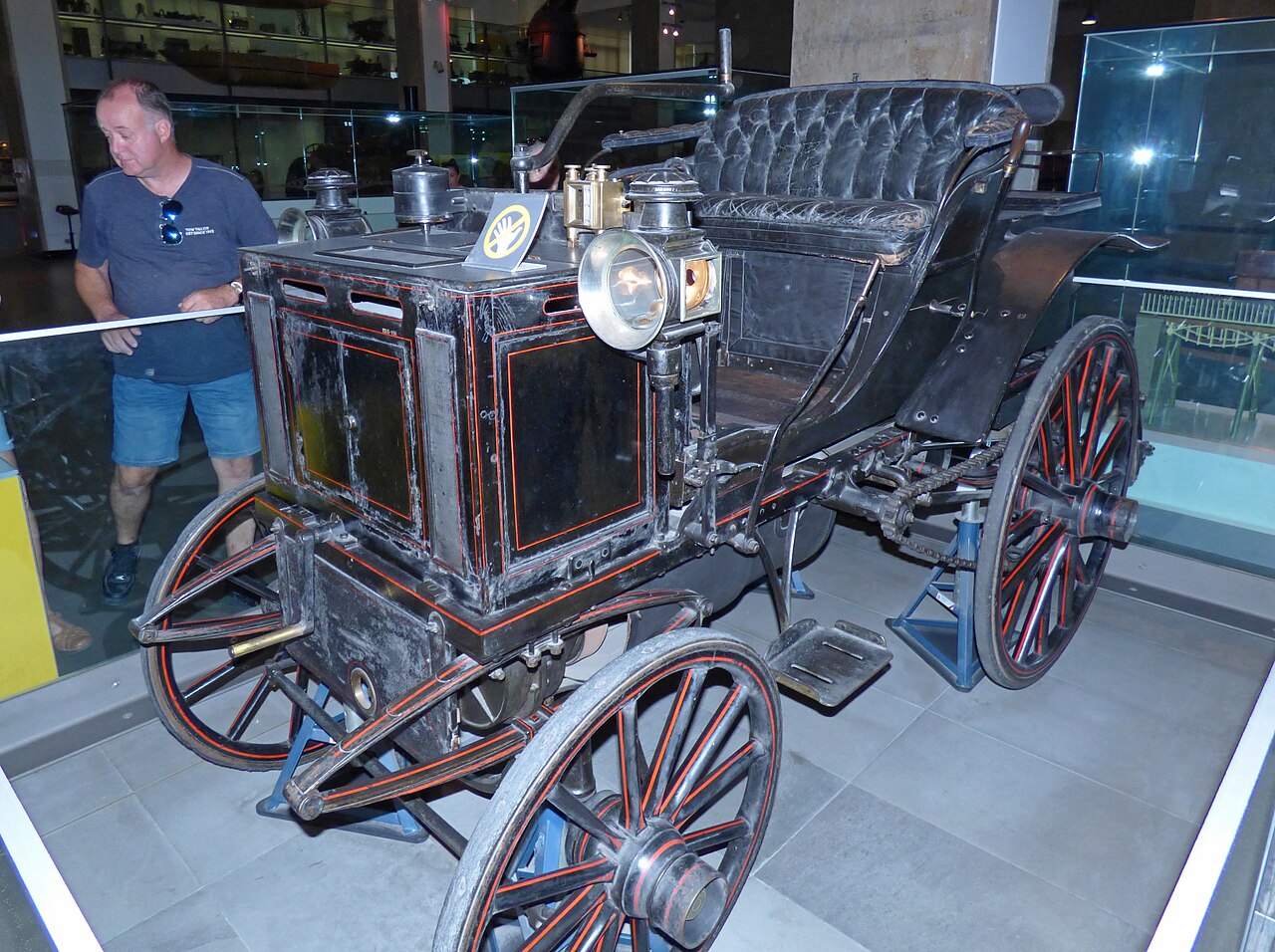
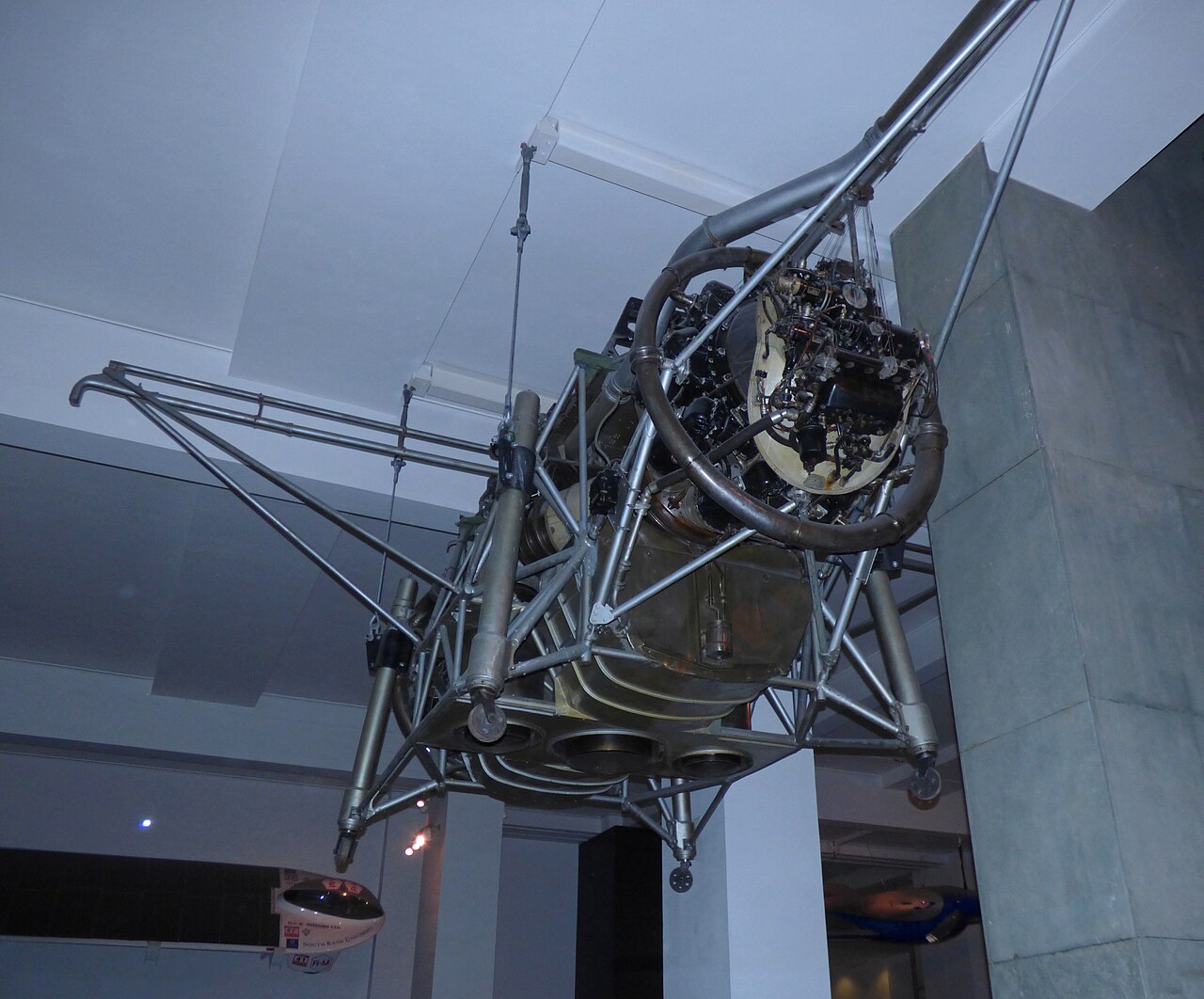
The caption identifies the institution shown; follow the source record for attribution and context.
Overview
The Science Museum in London places timekeeping alongside scientific instruments and other technologies. It also hosts the Clockmakers' Museum, the separate collection of the Worshipful Company of Clockmakers. Distinguishing a host institution from the owner of a collection is important when citing an object or tracing its provenance.
The Clockmakers' display provides a concentrated account of London clock and watch making and includes Harrison's H5 marine timekeeper. H5 is a different object from the H1–H4 sequence associated with the Royal Observatory at Greenwich. A reference simply to 'Harrison's watch in London' is therefore too imprecise for comparative research.
Use the official exhibit information to establish the collection context, then consult the individual object record where available. Location and exhibition arrangements may change, so this page does not promise that a particular object is on display on the day of a visit. Research enquiries and access to collections should be confirmed directly.
Collection focus
- Timekeeping in the history of science and technology
- Host of the Clockmakers' Museum
- Harrison's H5 within the Clockmakers' collection
Catalogued timepieces and instruments
Exact collection records with credited photographs. Institutional holdings do not establish current display or public research access.
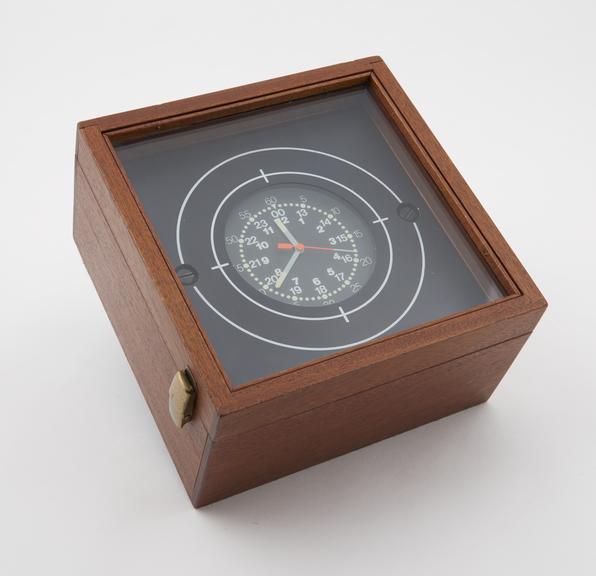 1965–1984 (museum estimate)Patek Philippe crystal-controlled marine chronometerScience Museum Group identifies object 1998-735 as a quartz crystal-controlled marine chronometer made by Patek Philippe, Geneva, and supplied by Kelvin Hughes, London.
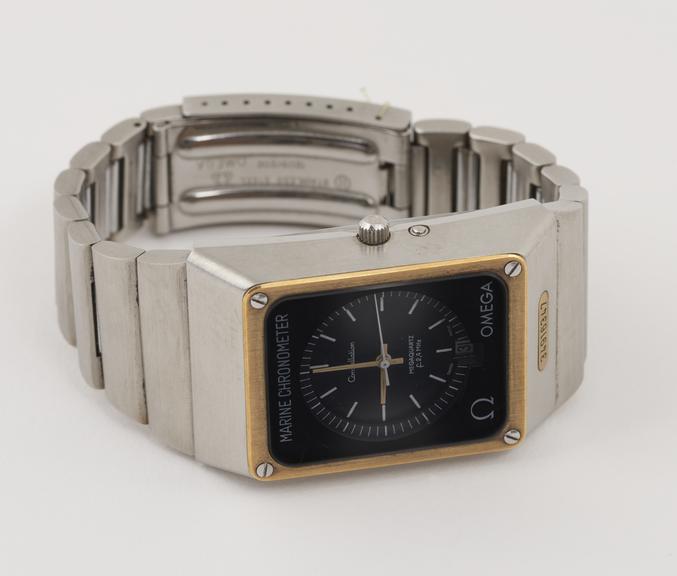 1950–1976 (museum range; not independently narrowed)Omega Megaquartz 2400 Marine Chronometer wristwatchScience Museum Group catalogues object 1975-13 as “Omega Megaquartz 2400 marine chronometer, 1950-1976”. The exact photograph shows a wristwatch with bracelet, not a boxed shipboard chronometer.
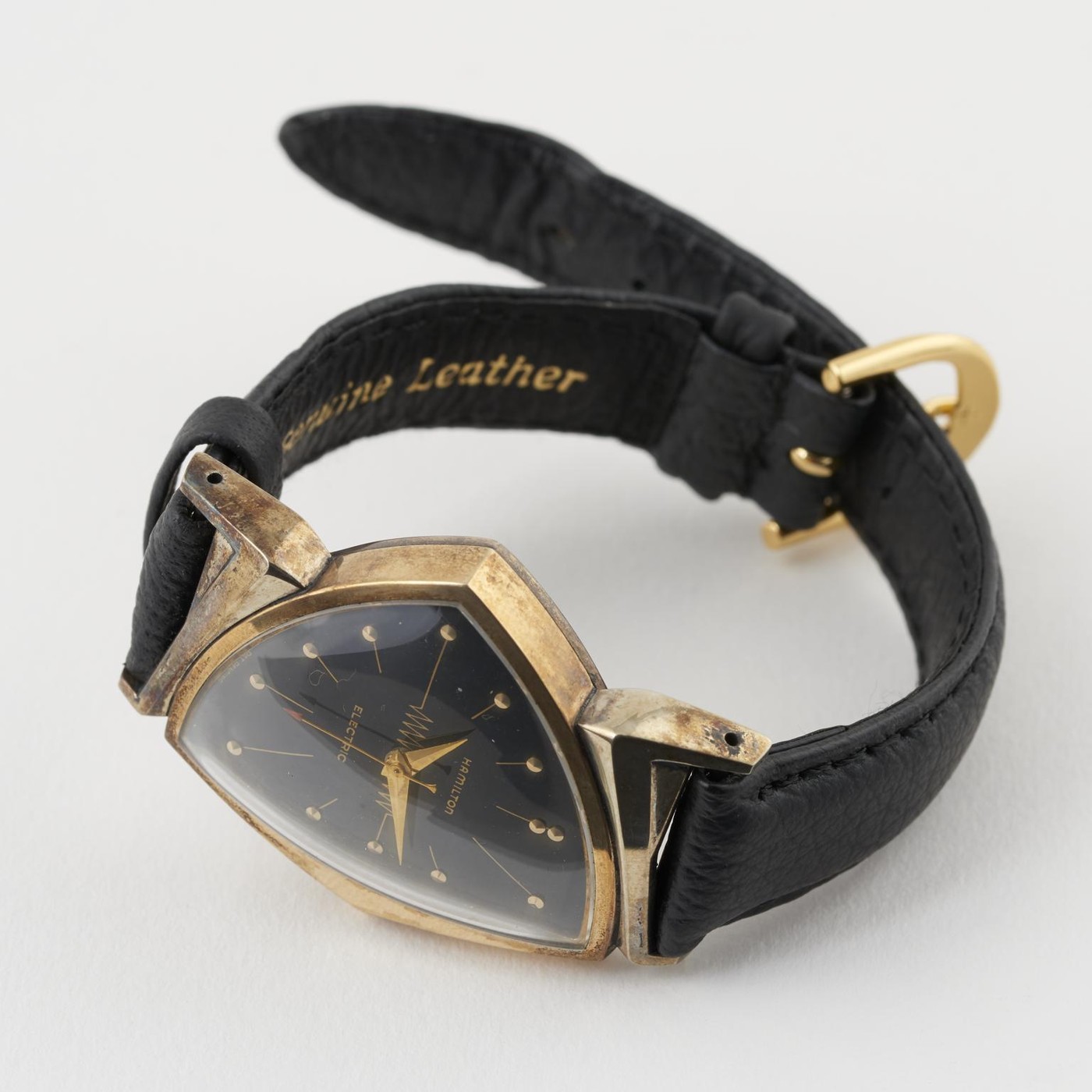 1957 (catalogue date)Hamilton electric wristwatch and components, 1958-248The museum records a complete electric watch, case, strap and spare battery, made in 1957. The exact exterior photograph shows an asymmetric gold-coloured watch on a leather strap; a separate catalogue part shows the movement and spare cell. The object is not identified here by an unverified model or calibre number.
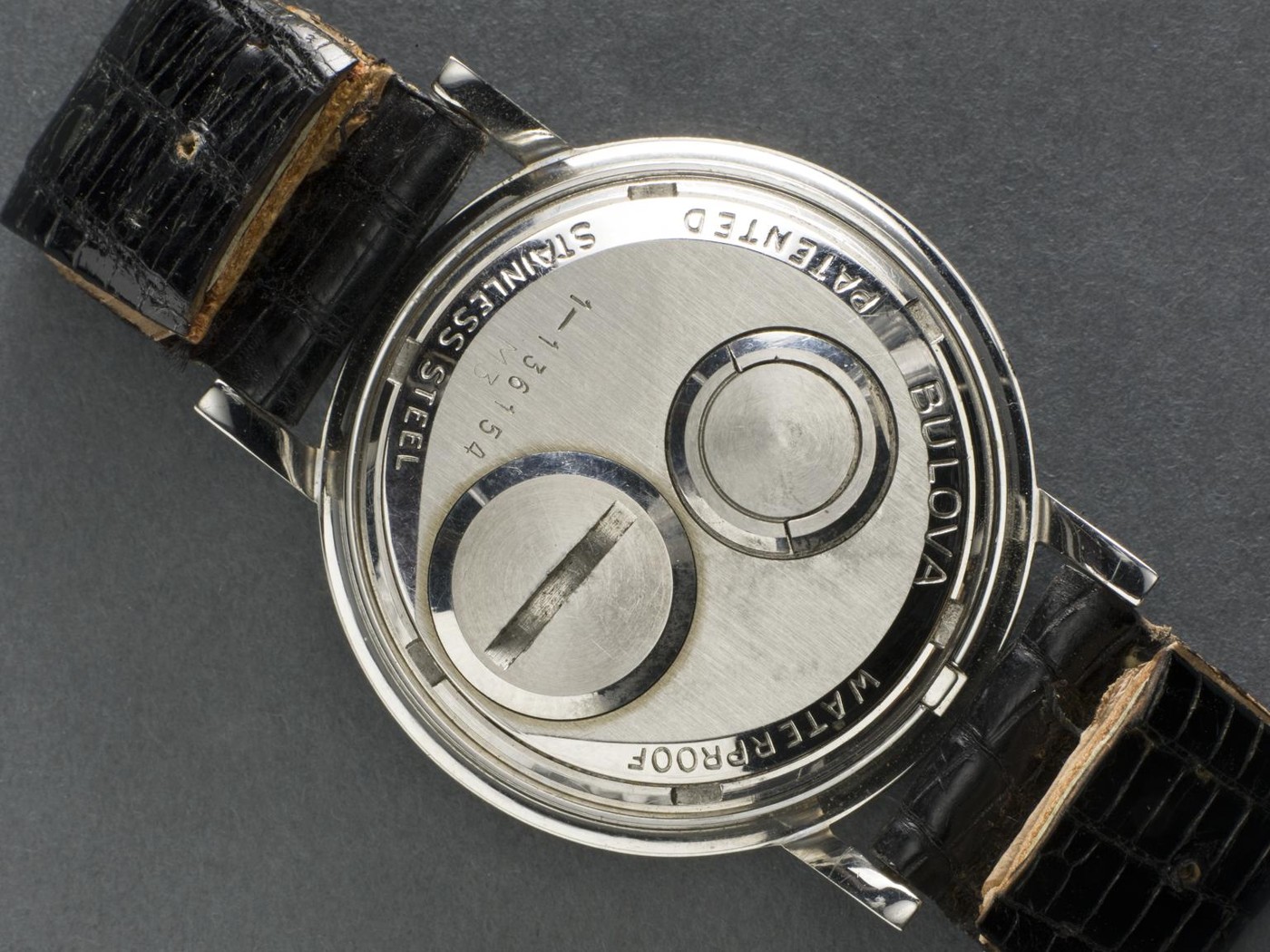 1960–1963; title c. 1963Bulova Accutron electronic wristwatch, 1963-306Science Museum Group describes a tuning-fork-controlled electric watch on a sloping wooden stand, accompanied by an animated diagram illustrating its operation. That diagram is part of the museum accession; it is not an interactive diagram supplied on this page.
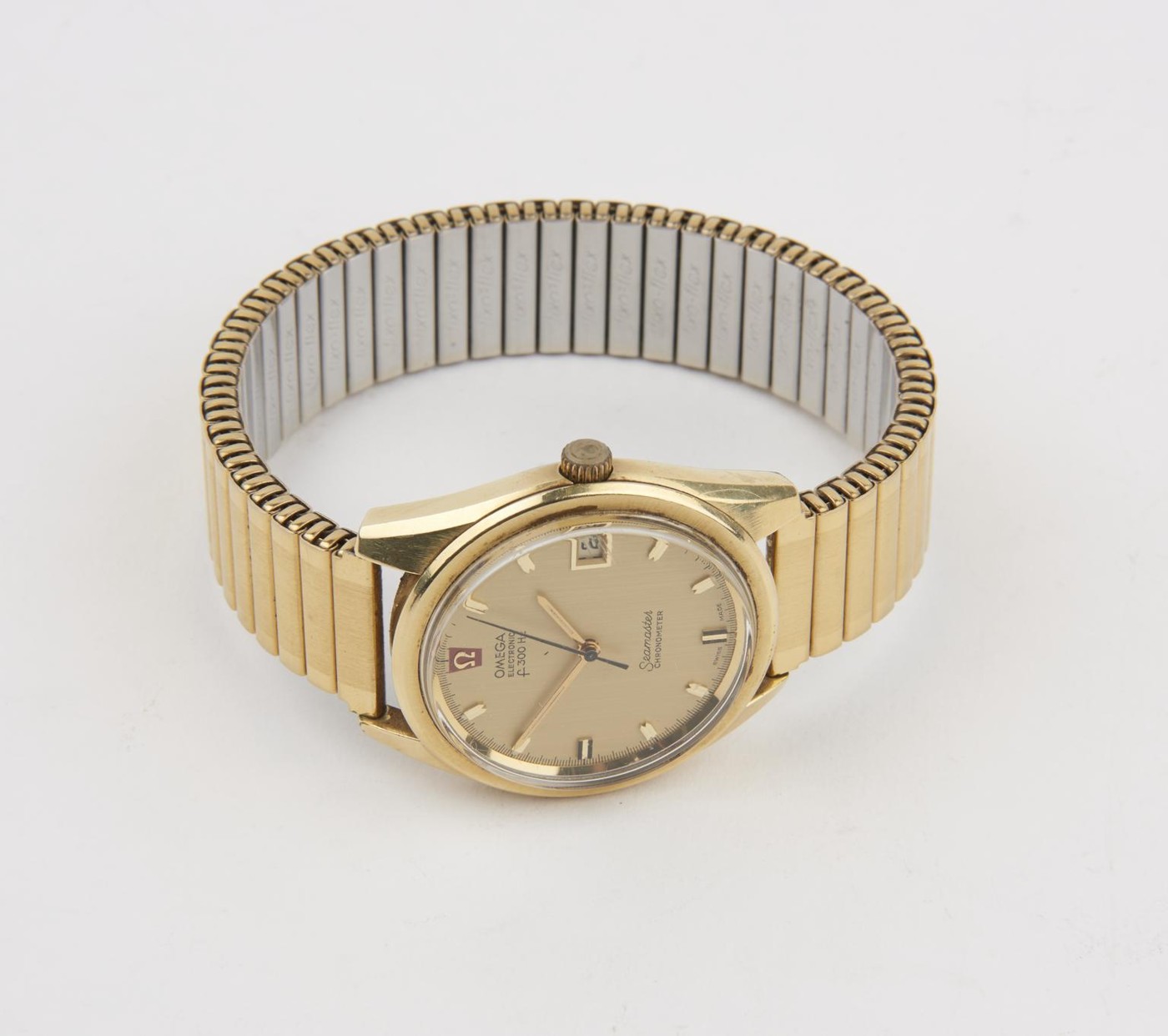 1972 (catalogued sale new)Omega Seamaster f300 Hz electronic chronometer, 2004-33The official record describes an Omega Seamaster with an escapement made by Bulova, controlled by an electrically maintained tuning fork. It records sale new in Jersey, Channel Islands, in 1972. Sale location and place of manufacture are different facts.
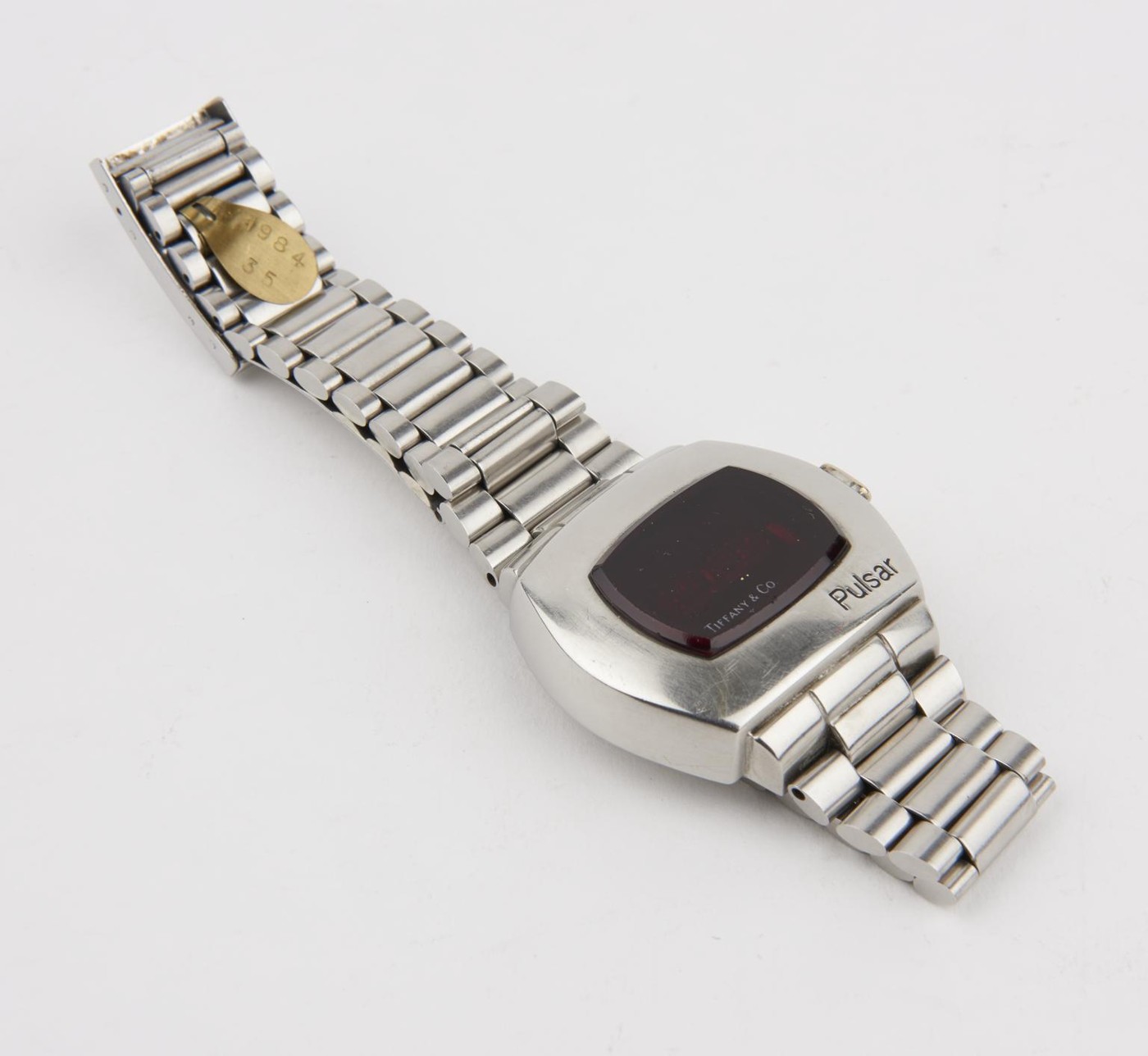 1972 (catalogue date)Hamilton Pulsar LED quartz wristwatch, 1984-35The museum identifies this exact watch as a quartz-controlled Hamilton Pulsar with a light-emitting diode display. Its history distinguishes introduction in 1970 from large-scale production in 1972; neither date should automatically be treated as the production date of every Pulsar.
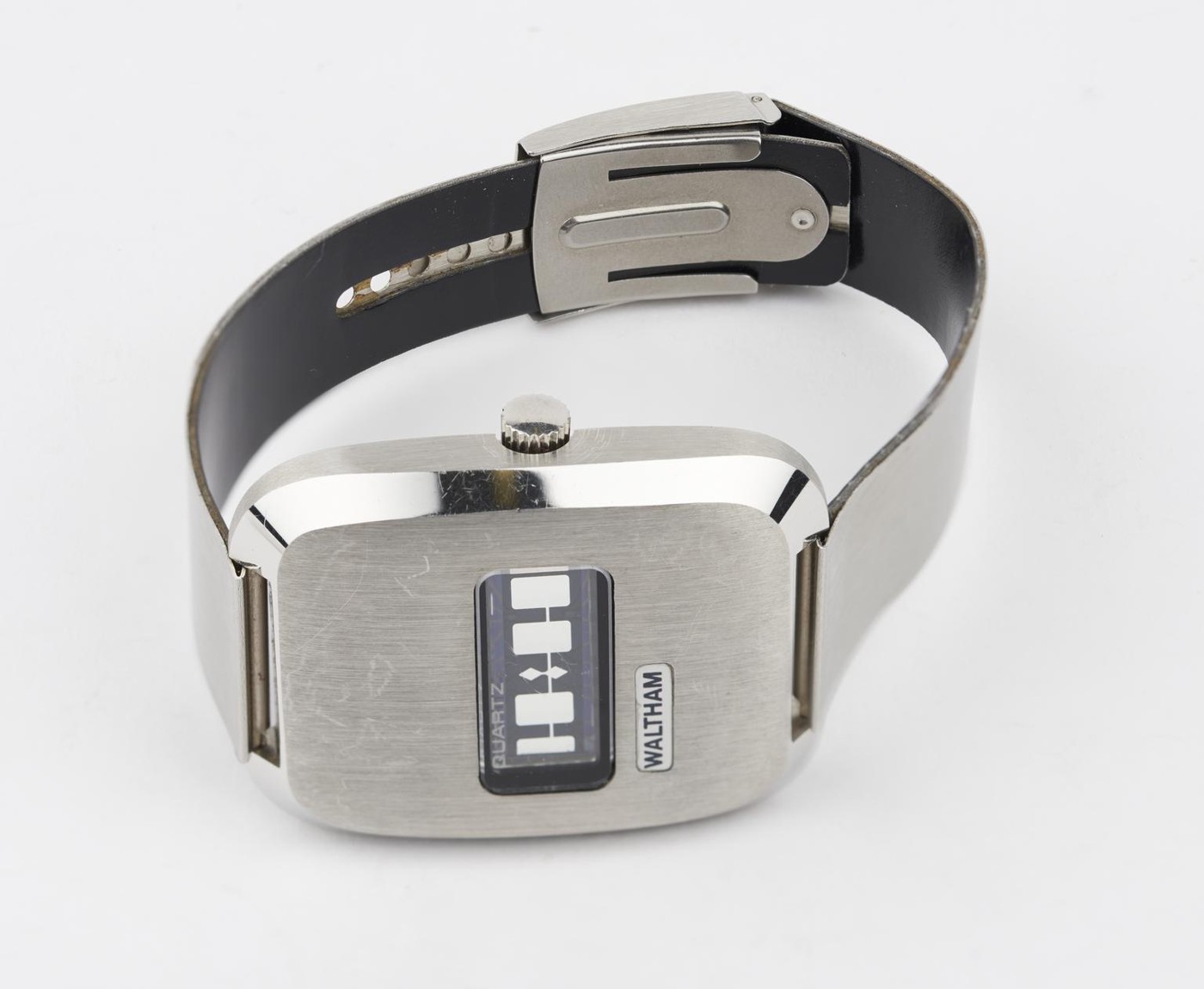 1972 (catalogue date)Waltham International LCD quartz wristwatch, 1976-464Science Museum Group describes a Waltham International digital watch with a quartz movement made by Société des Gardes Temps (SGT), Switzerland, in 1972. This specific attribution is not a continuation of an American factory claim inferred from the Waltham name.
From its online collection
Objects in this encyclopedia's catalogue that were recorded from the institution's own online collection pages. A collection record does not establish current display.
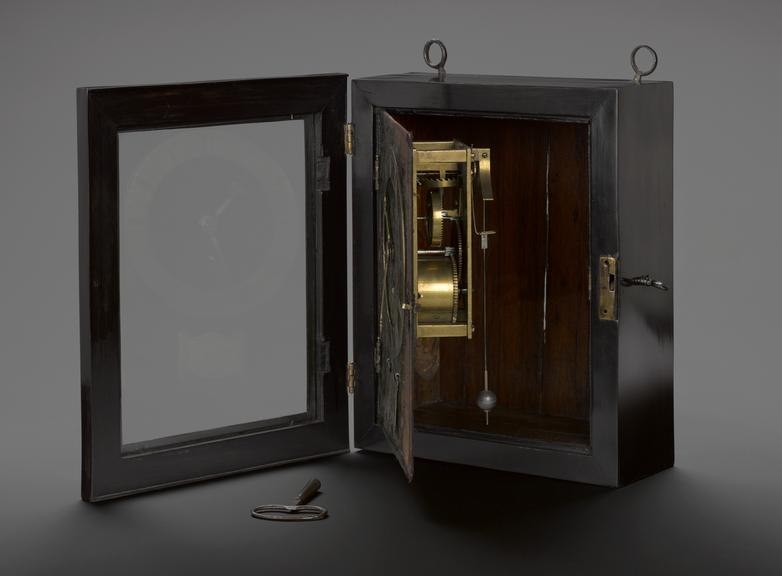
Clock
Early pendulum clock by Salomon Coster, c.1657
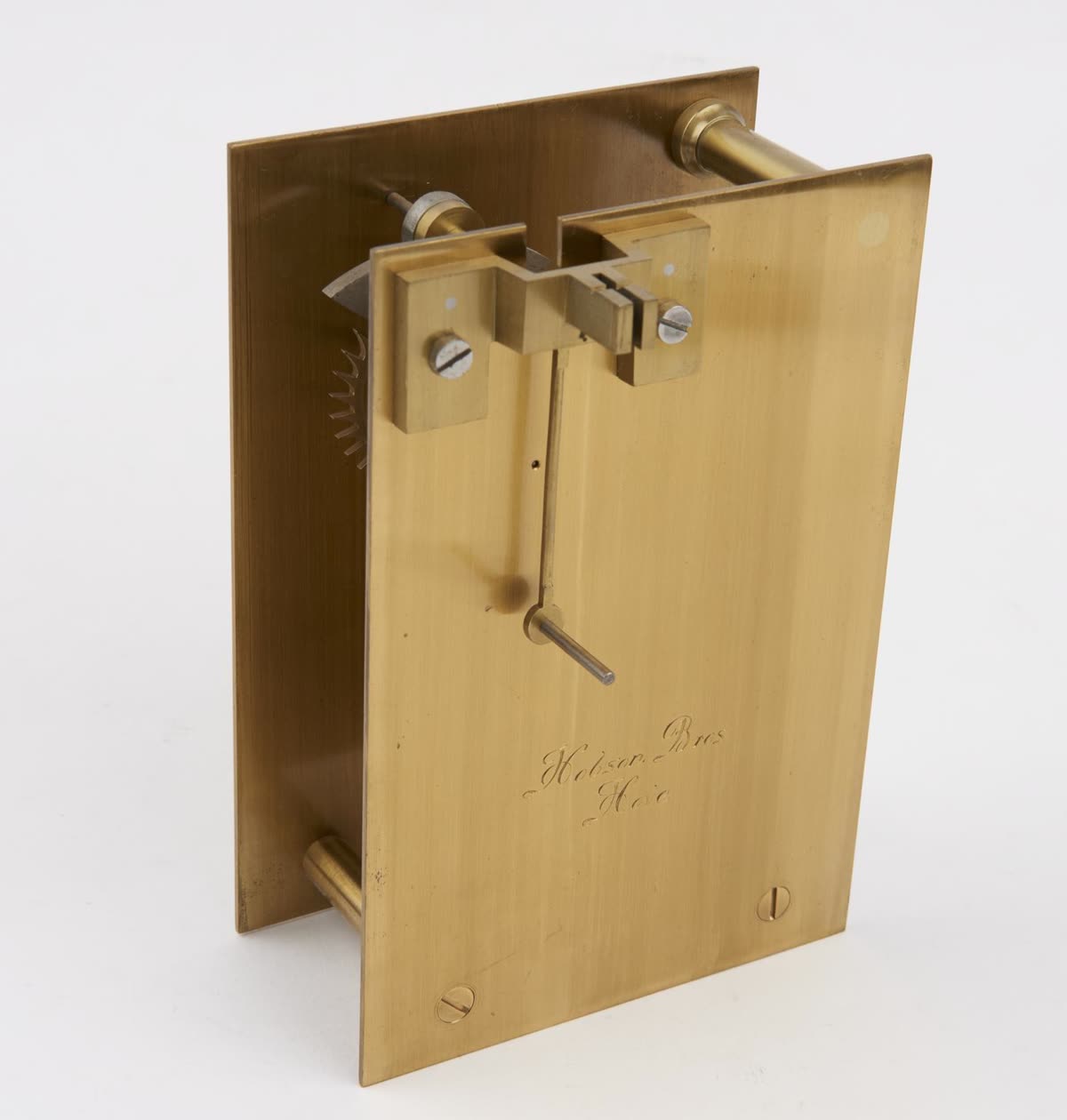
Component
Model of anchor escapement
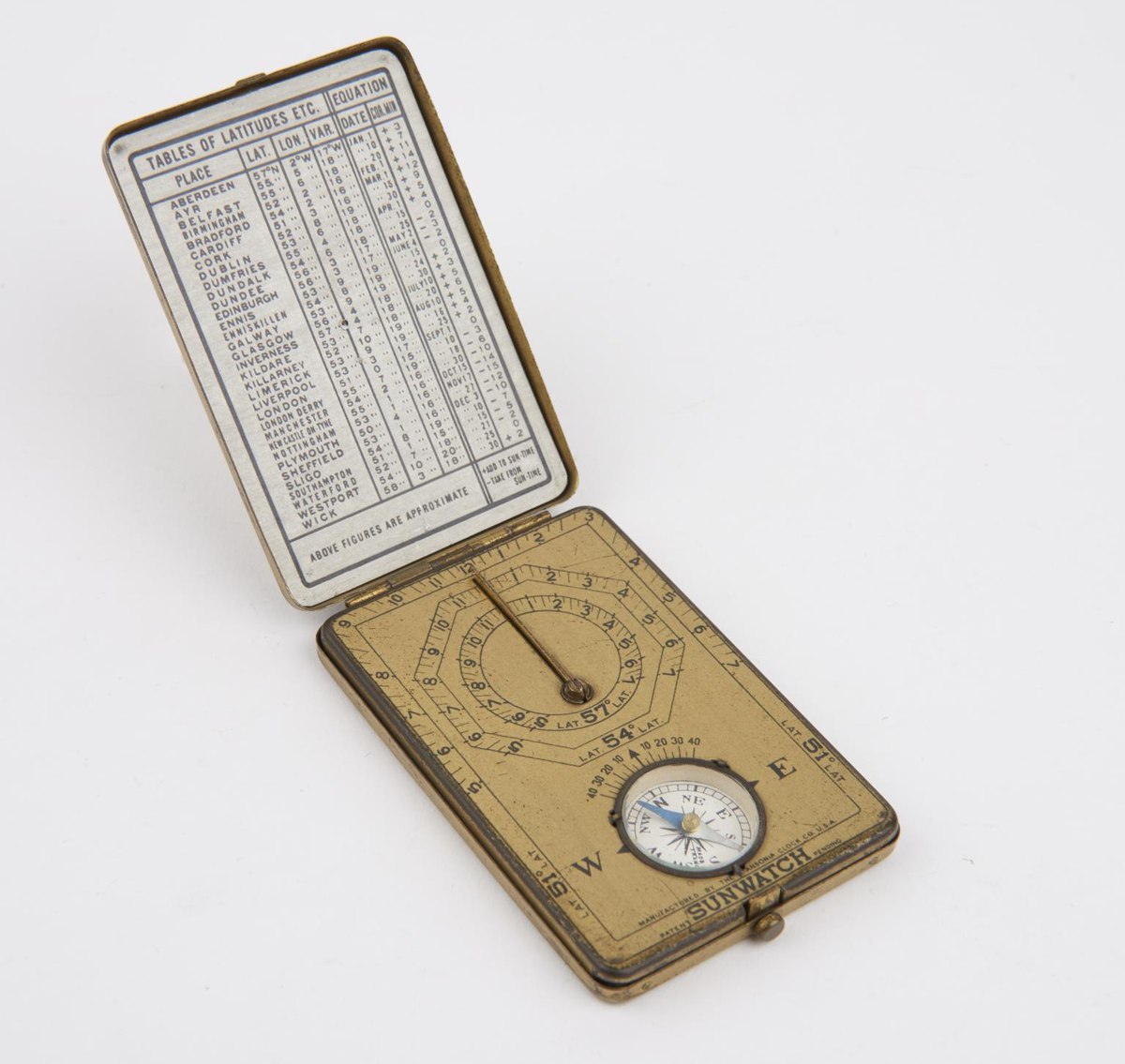
Tool
Ansonia Sunwatch (pocket compass dial)
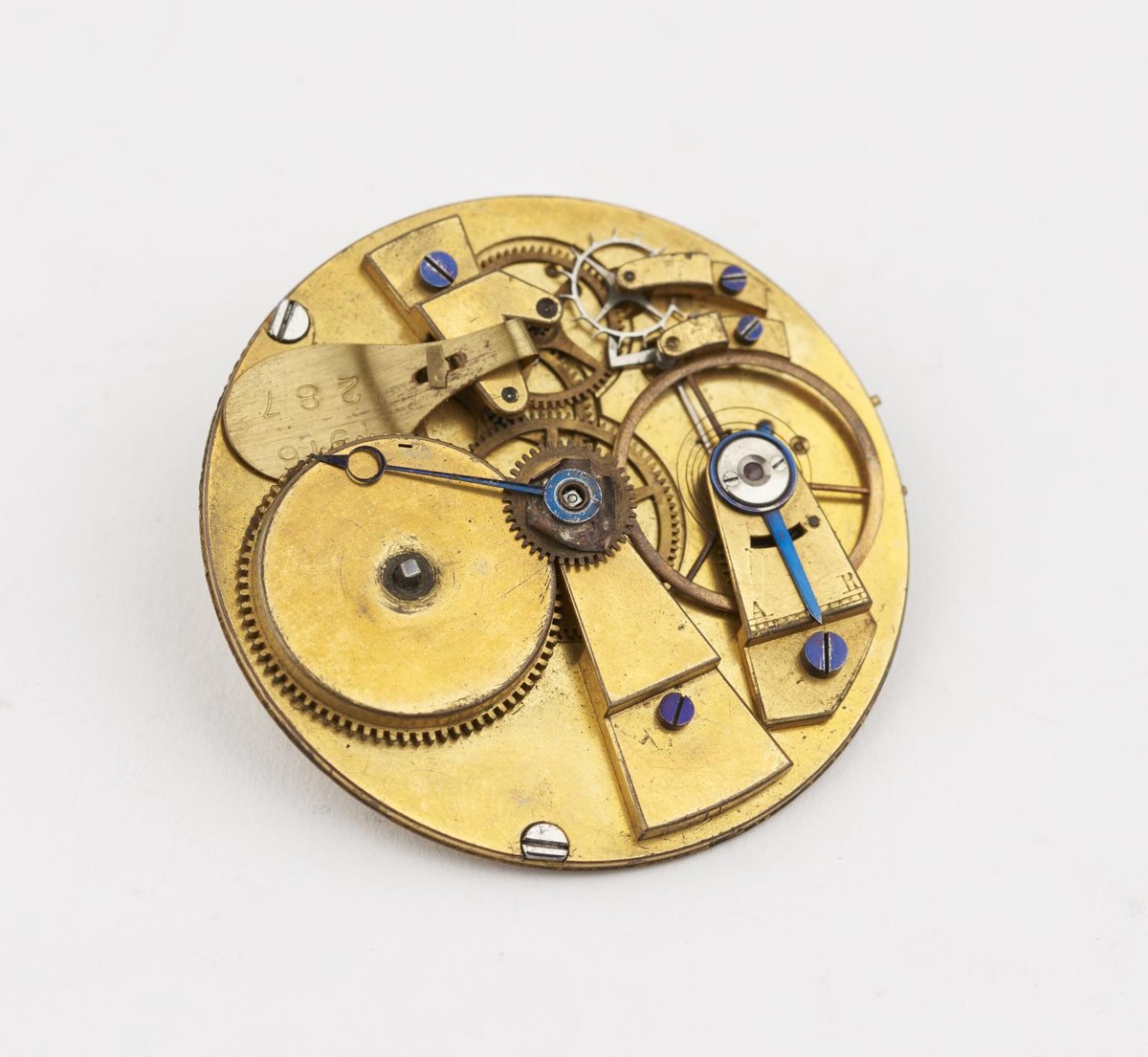
Movement
Bar movement with Geneva lever escapement no. 16670
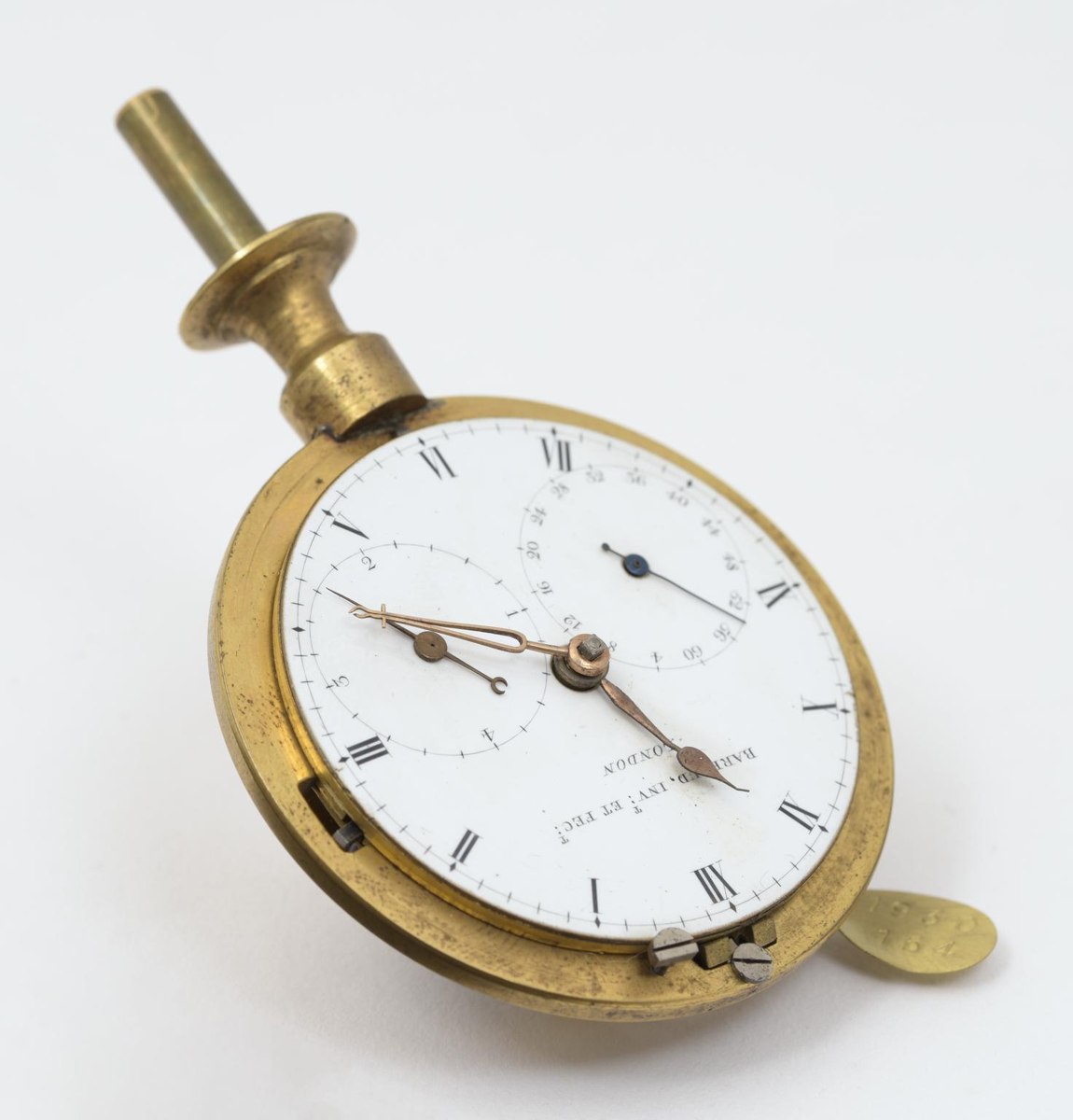
Movement
Pocket Watch Mechanism by Barraud
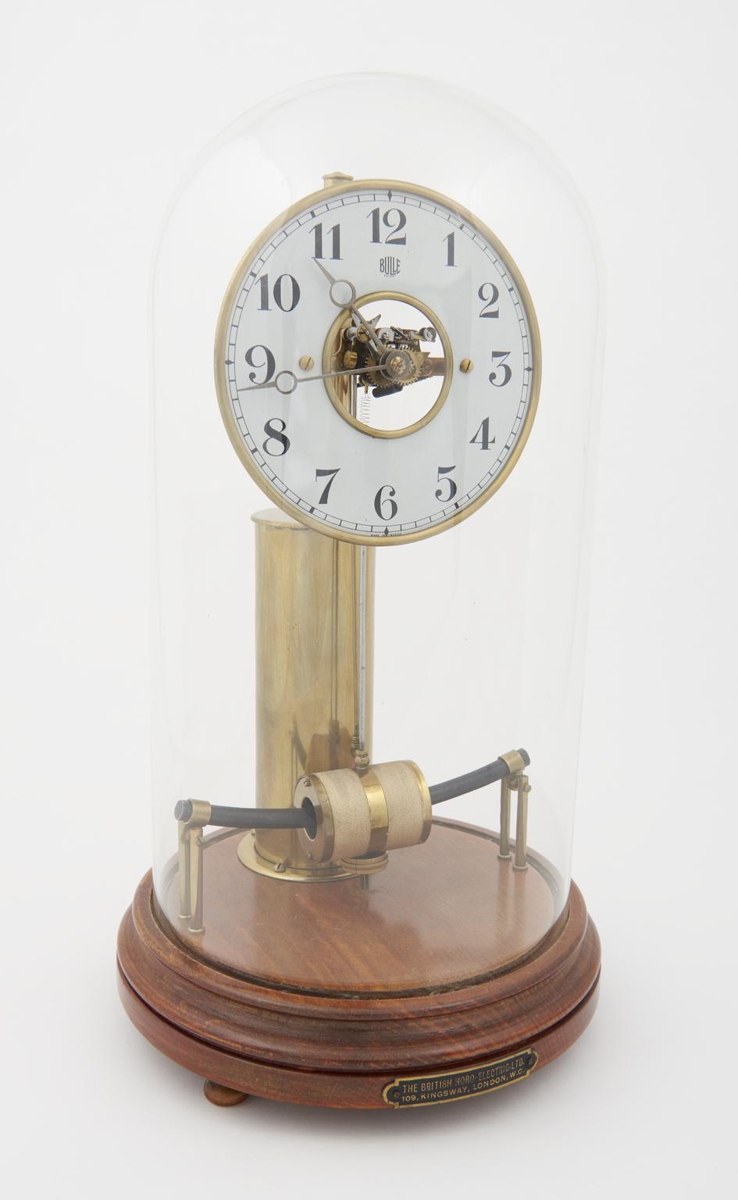
Clock
Type A 'Bulle' electric clock
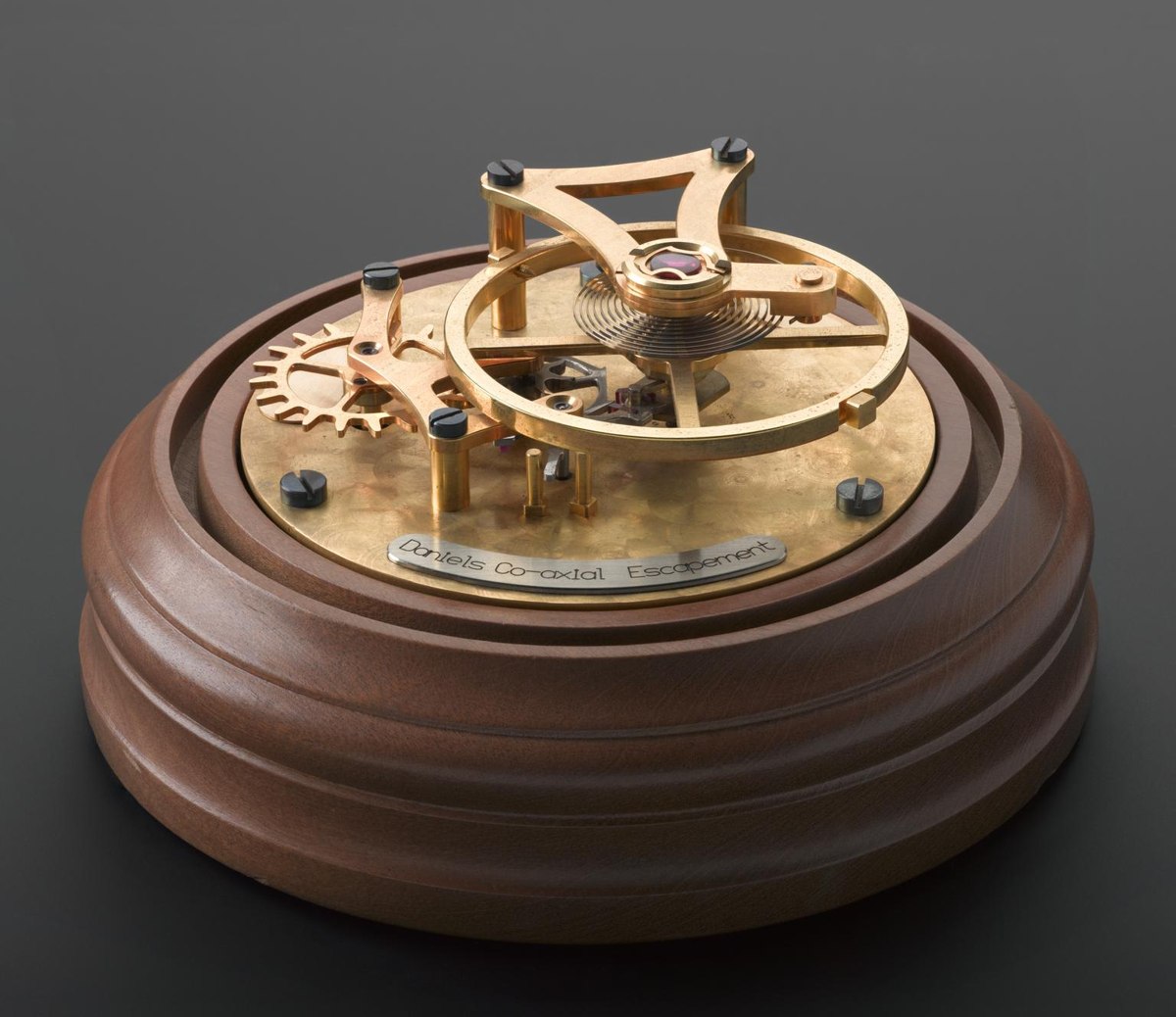
Component
Model of co-axial escapement
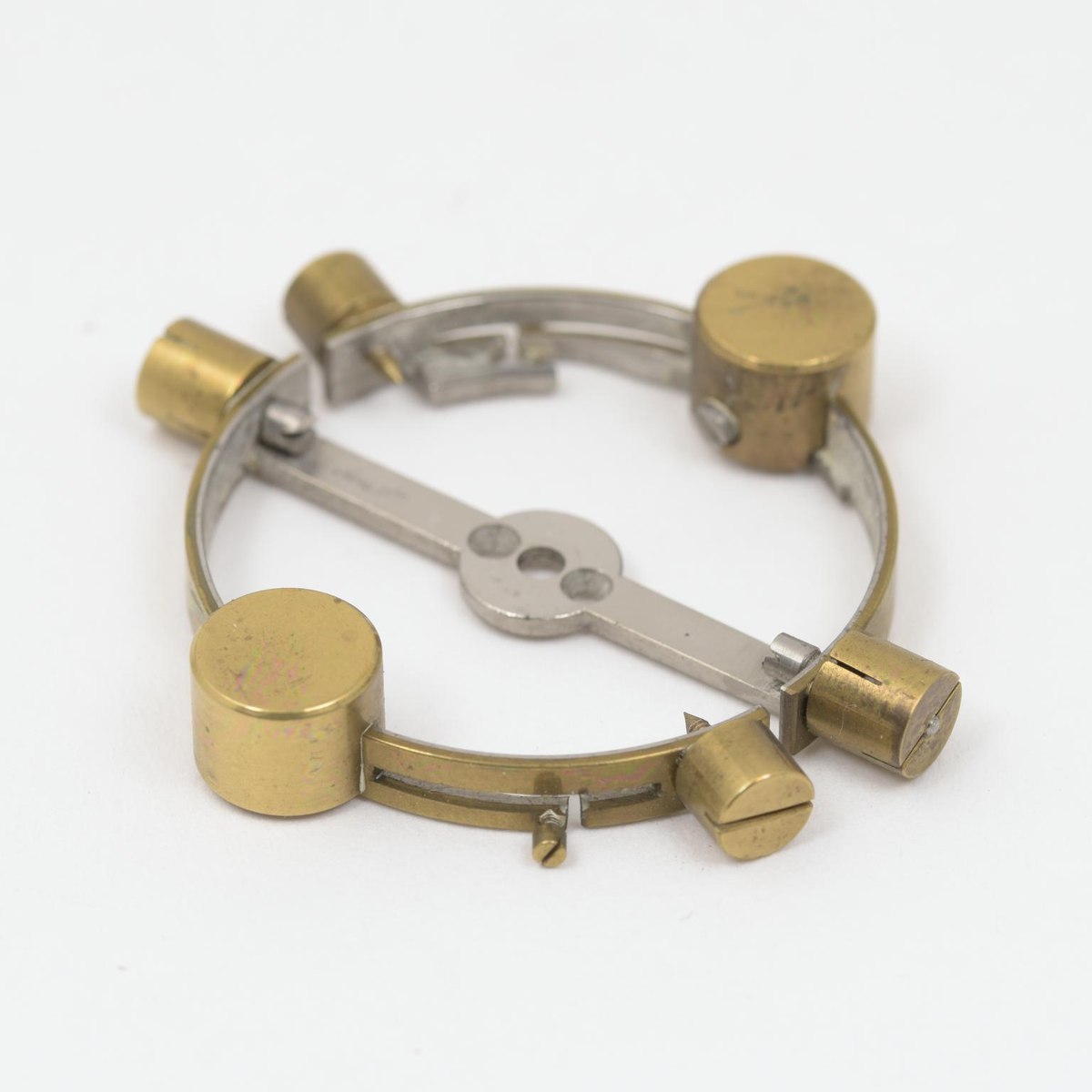
Component
Compensation balance with Kullberg's auxiliary
Using it for research
- Identify the owning collection as well as the display institution.
- Use an individual object identifier when comparing construction or provenance.
- Confirm display and access with the museum before planning object-based research.
Before you visit
General visiting guidance; institution-specific arrangements have not been verified here.
- Confirm opening arrangements, temporary closures and photography rules directly with the institution before travelling — this encyclopedia does not record them.
- Working clocks and automata may be demonstrated only at set times.