
Museum · Oxford, United Kingdom
Museum of the History of Science
University collection of scientific instruments including early clocks, sundials and astrolabes.
Institution photographs
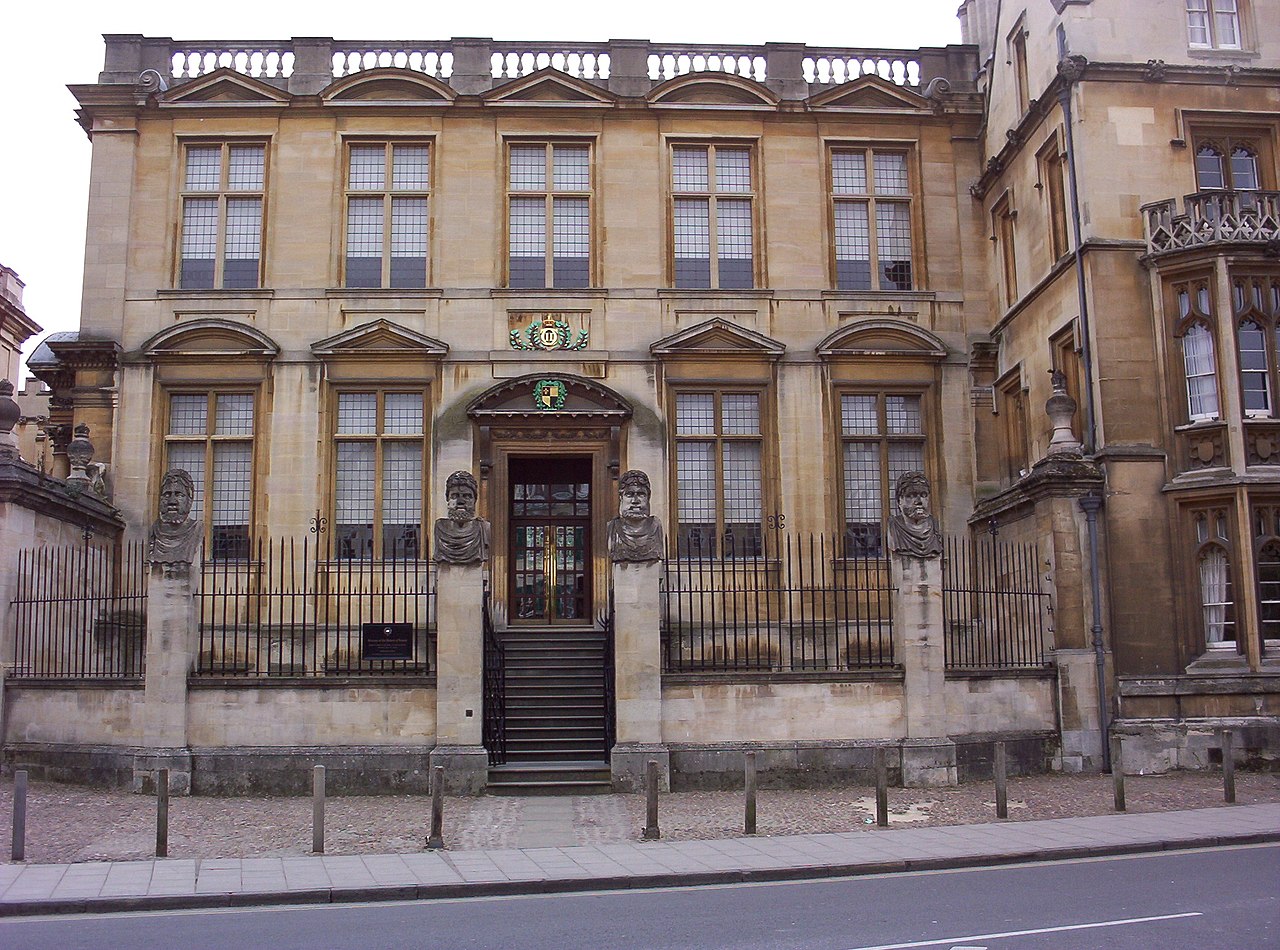
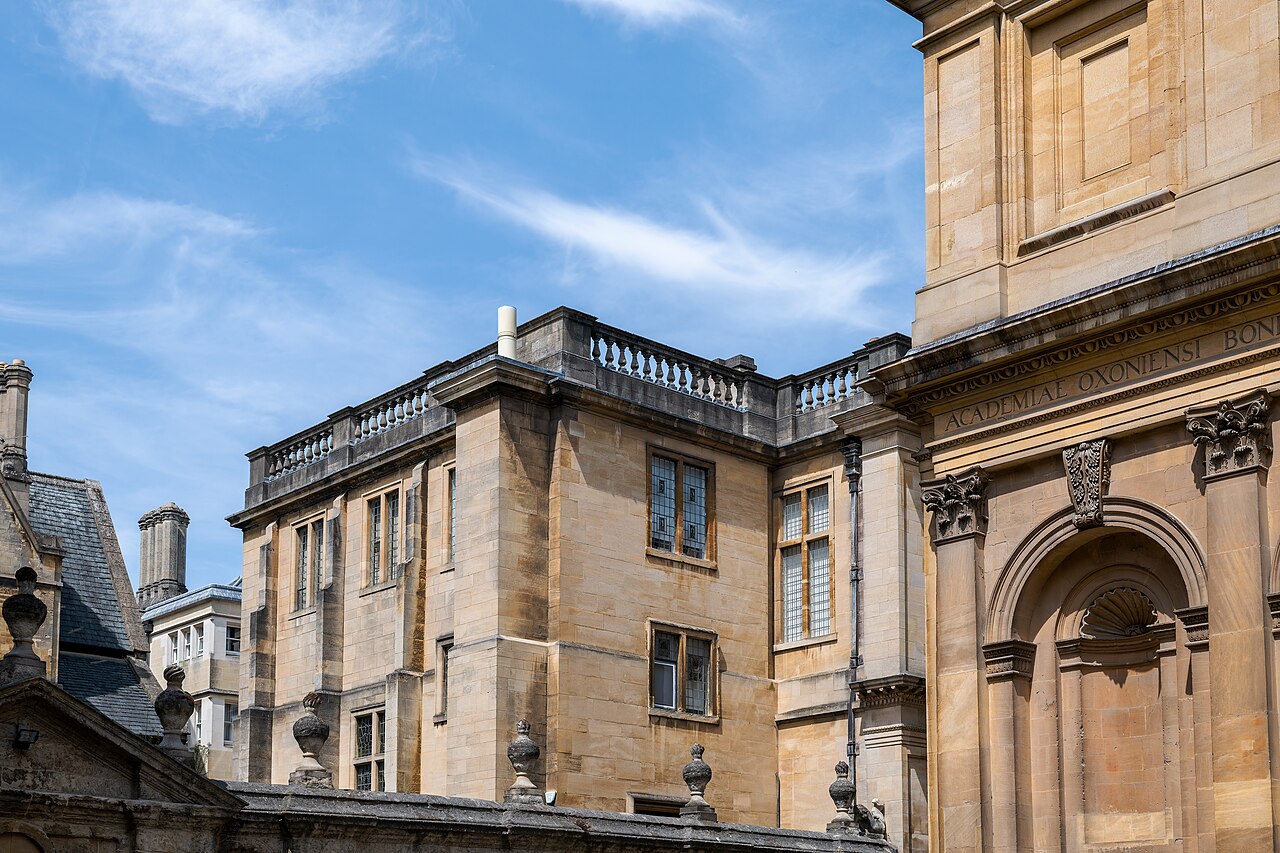
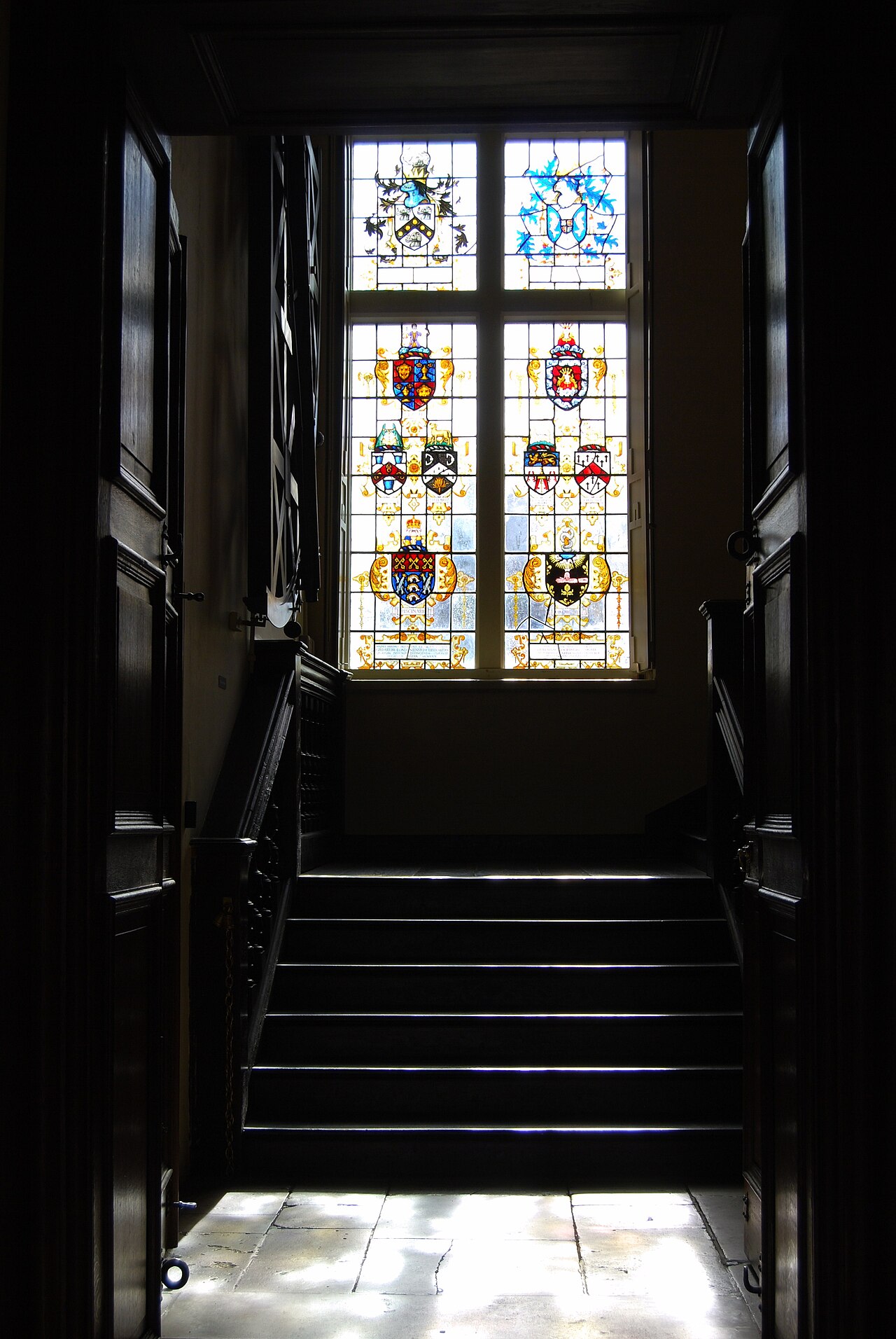
The caption identifies the institution shown; follow the source record for attribution and context.
Overview
The History of Science Museum in Oxford is one of the University of Oxford's museums, as its official website shows. It is listed in this directory because scientific-instrument collections of this kind can include clocks, sundials and astronomical instruments, but the specific horological holdings have not yet been checked against the museum's own collection records.
The museum publishes an online collection database and a collections enquiry address. Use those records to confirm whether a particular timekeeping or astronomical object is held, along with its maker, date and inventory number, before citing it.
Uncertain: this profile doesn't yet list key horological pieces, because the official collection and history pages couldn't be read in full when checked. No objects are named here until a museum record supports them.
Collection focus
- University of Oxford museum of the history of science
- Online collection database for object-level checks
- Free general admission (official visitor page)
Catalogued timepieces and instruments
Exact collection records with credited photographs. Institutional holdings do not establish current display or public research access.
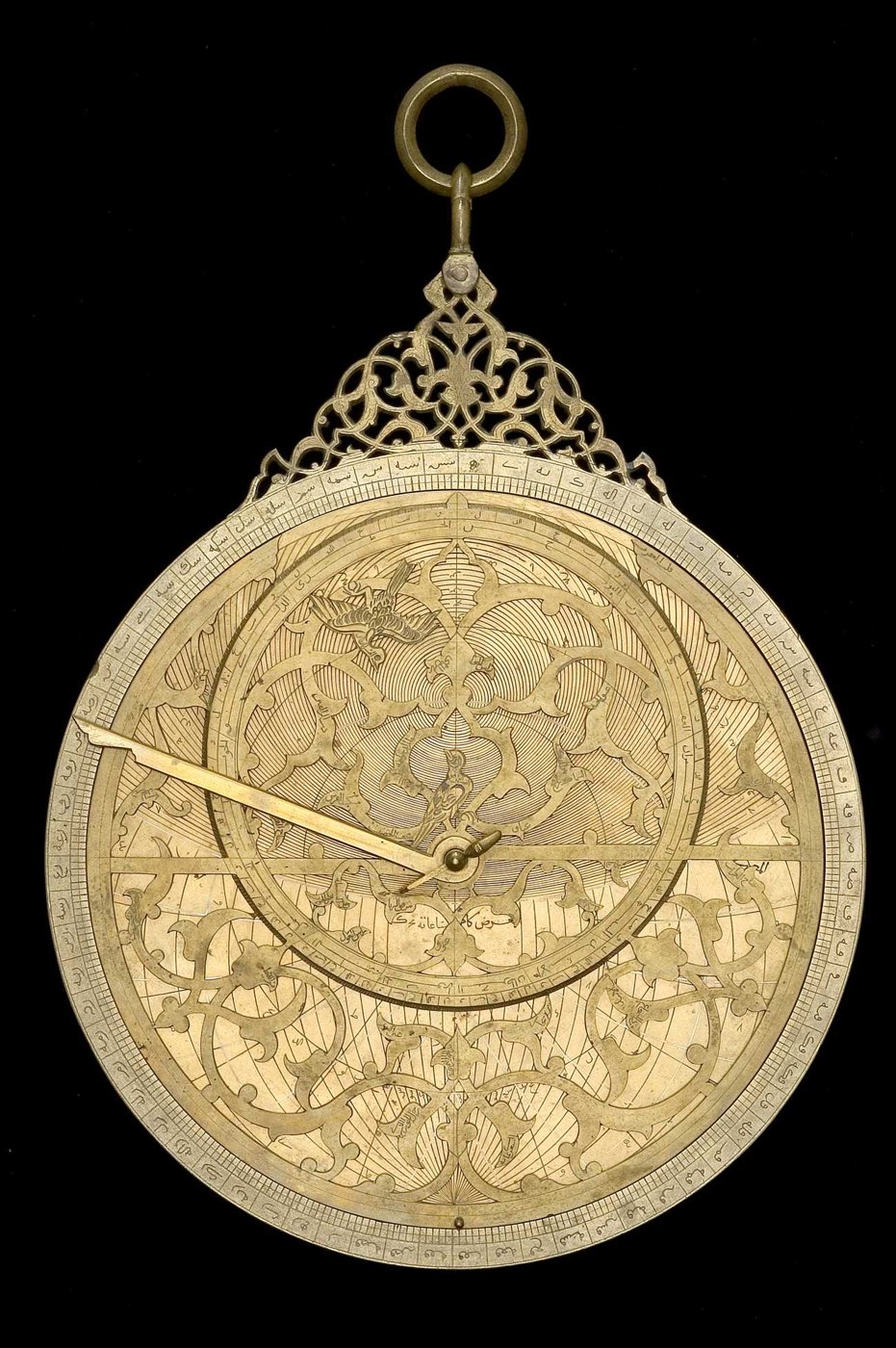
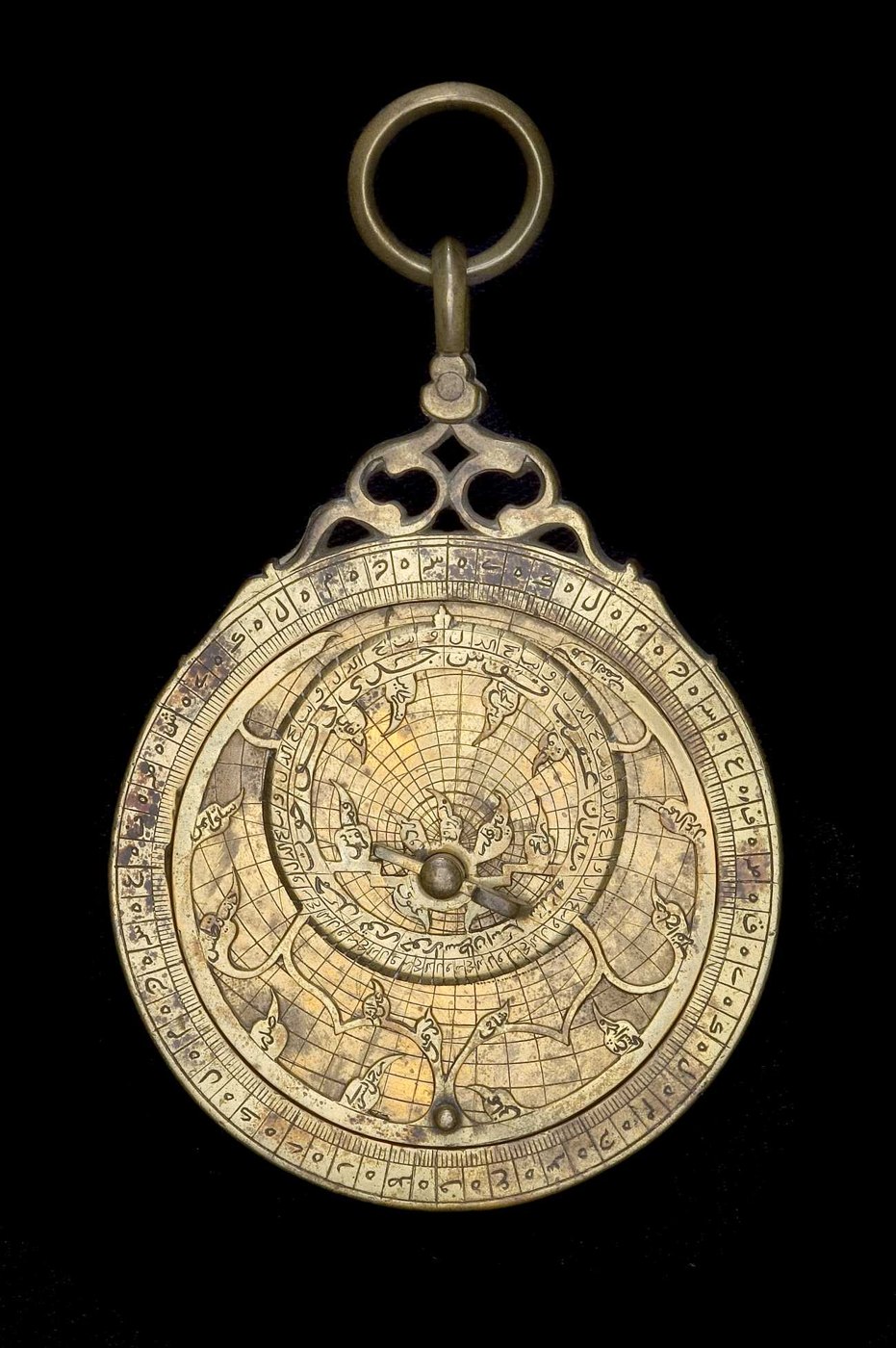
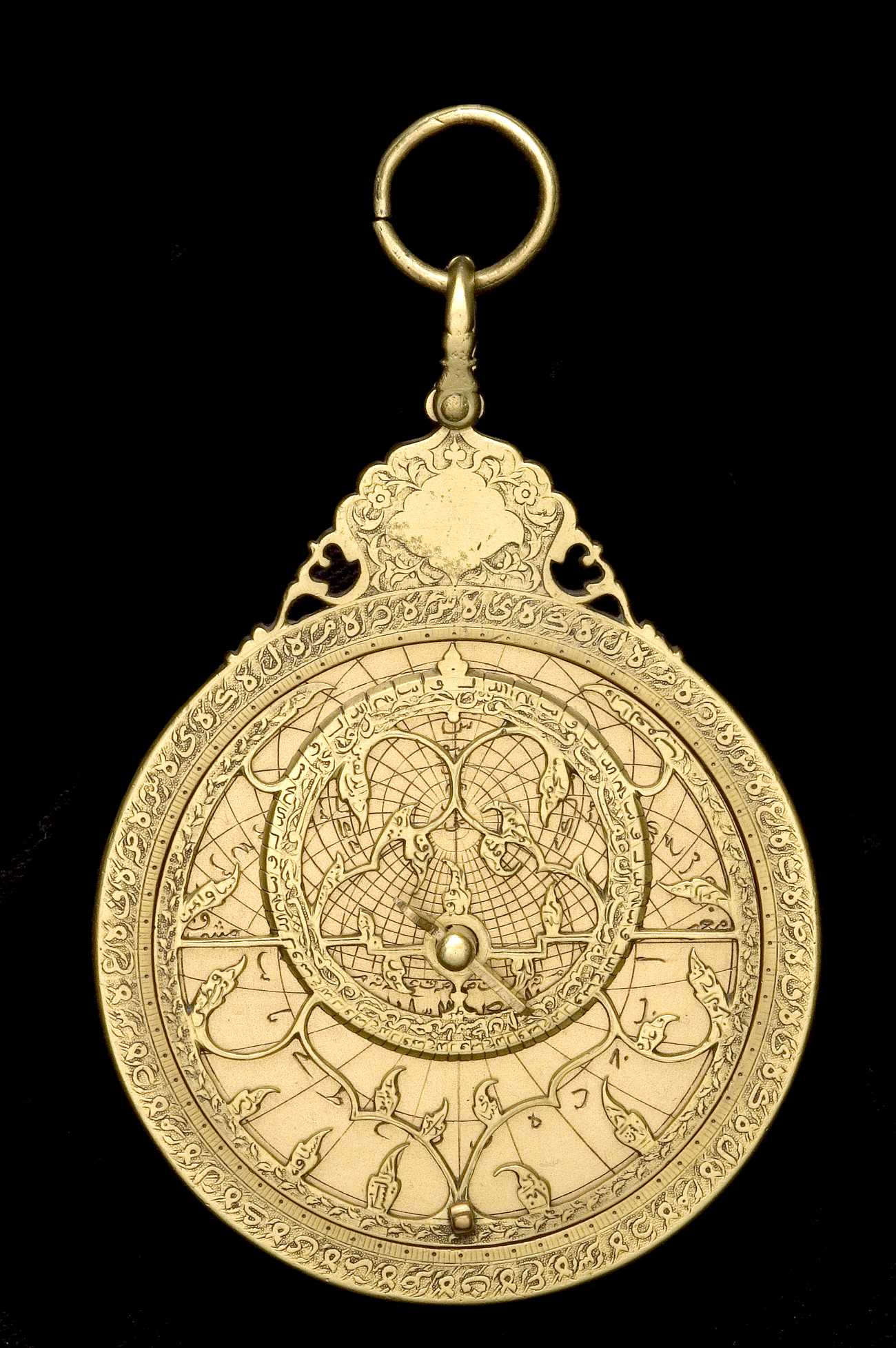 ca. 1715Abd al-A'imma astrolabe, Oxford inventory 37321Oxford's historical astrolabe catalogue attributes inventory 37321 to ‘Abd al-A’imma, gives Isfahan as its place and dates it approximately to 1715. It transcribes the signature on the back as ‘Made by ʿAbd al-Aʾimmah’. This is a different object from Saint Louis 41:1926, whose record assigns that name to the decoration rather than manufacture.
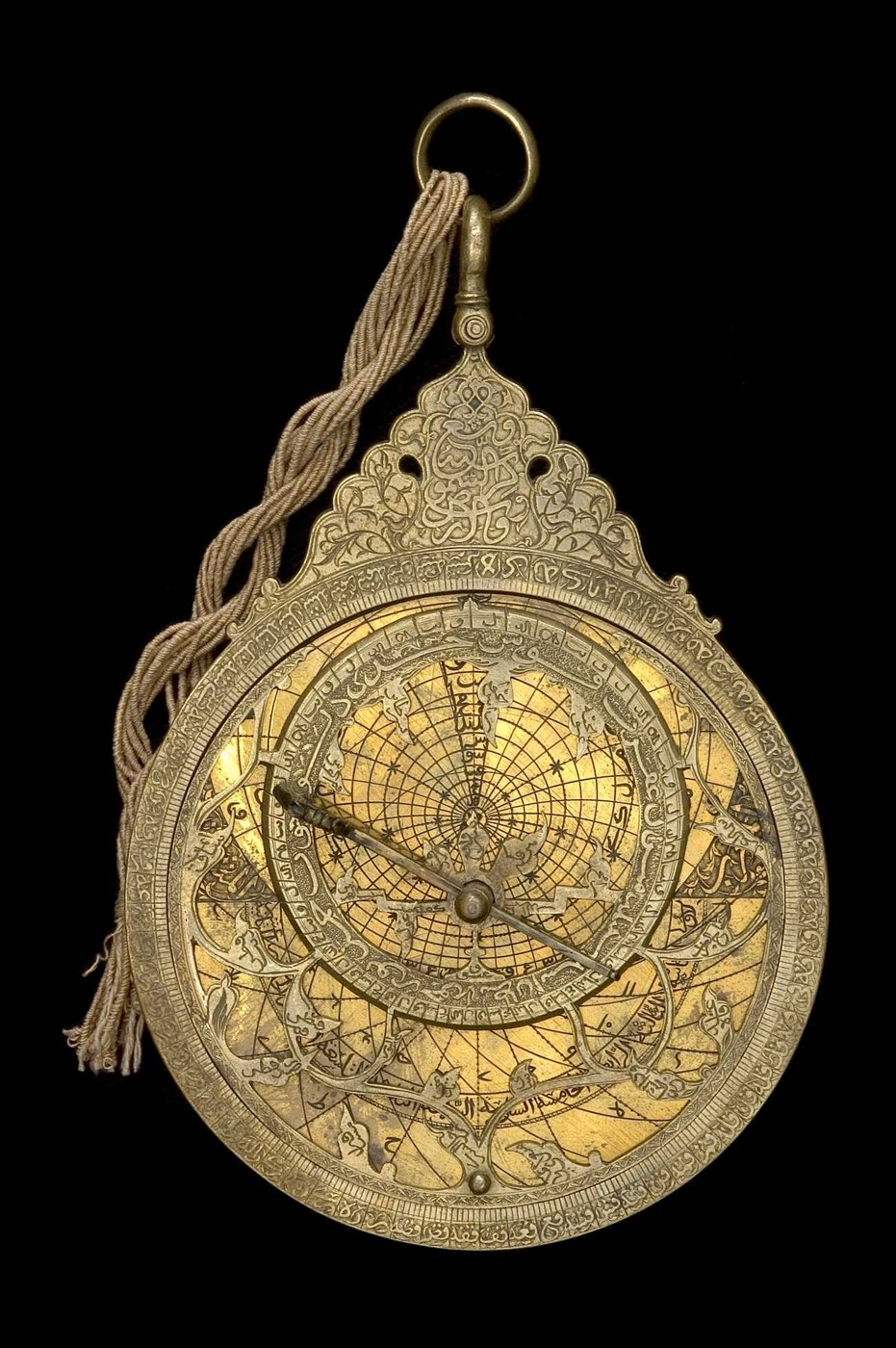
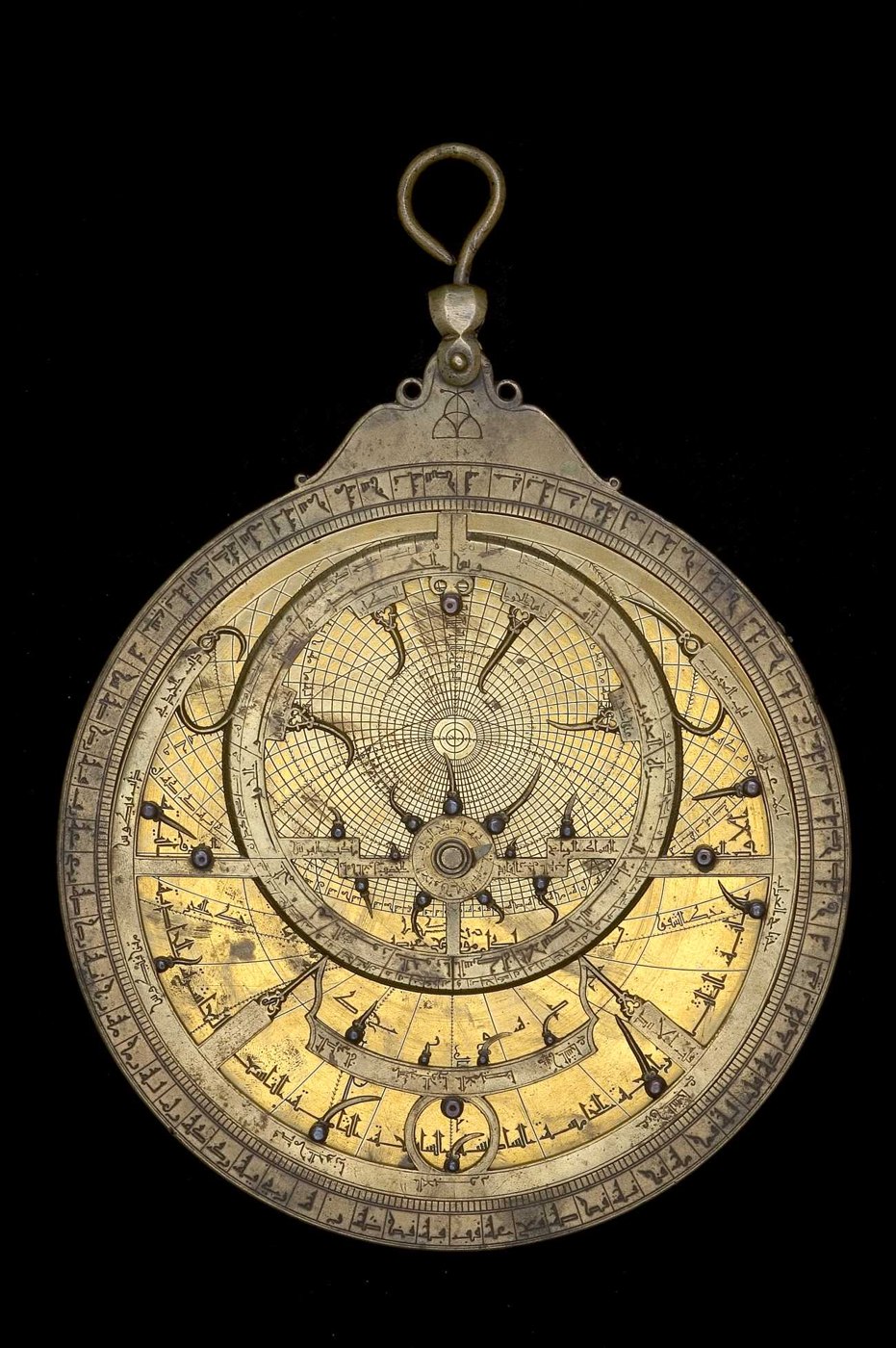
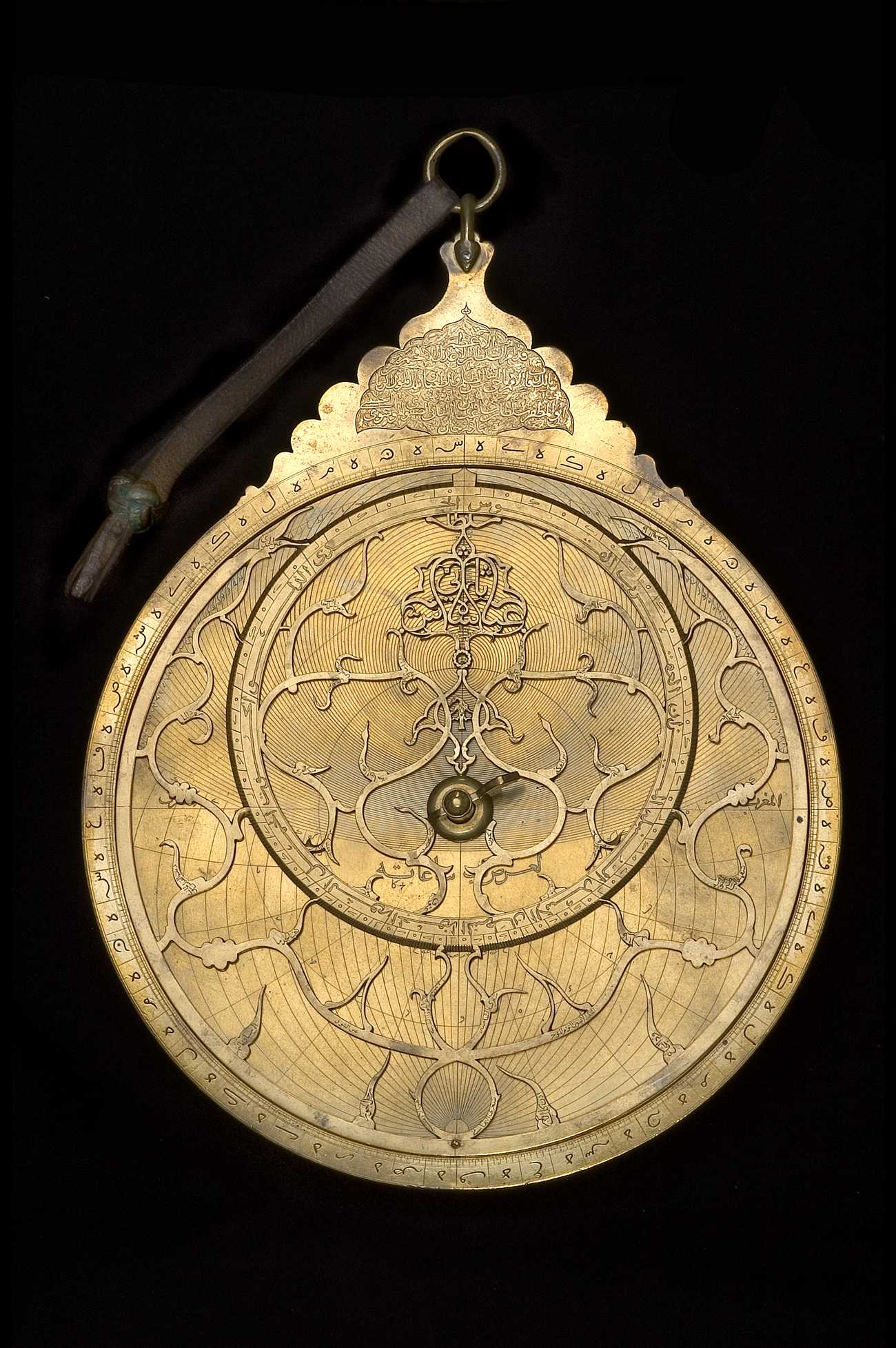 1647/8 (A.H. 1057)Astrolabe for Shah Abbas II, Oxford inventory 45747The Oxford catalogue dates this brass astrolabe to 1647/8, corresponding to A.H. 1057, and names Muḥammad Muqīm al-Yazdī as maker. Its place field says Persia, not a particular city. A name associated with Yazd or the prominence of Isfahan workshops is not sufficient evidence to assign this object to either city.
From its online collection
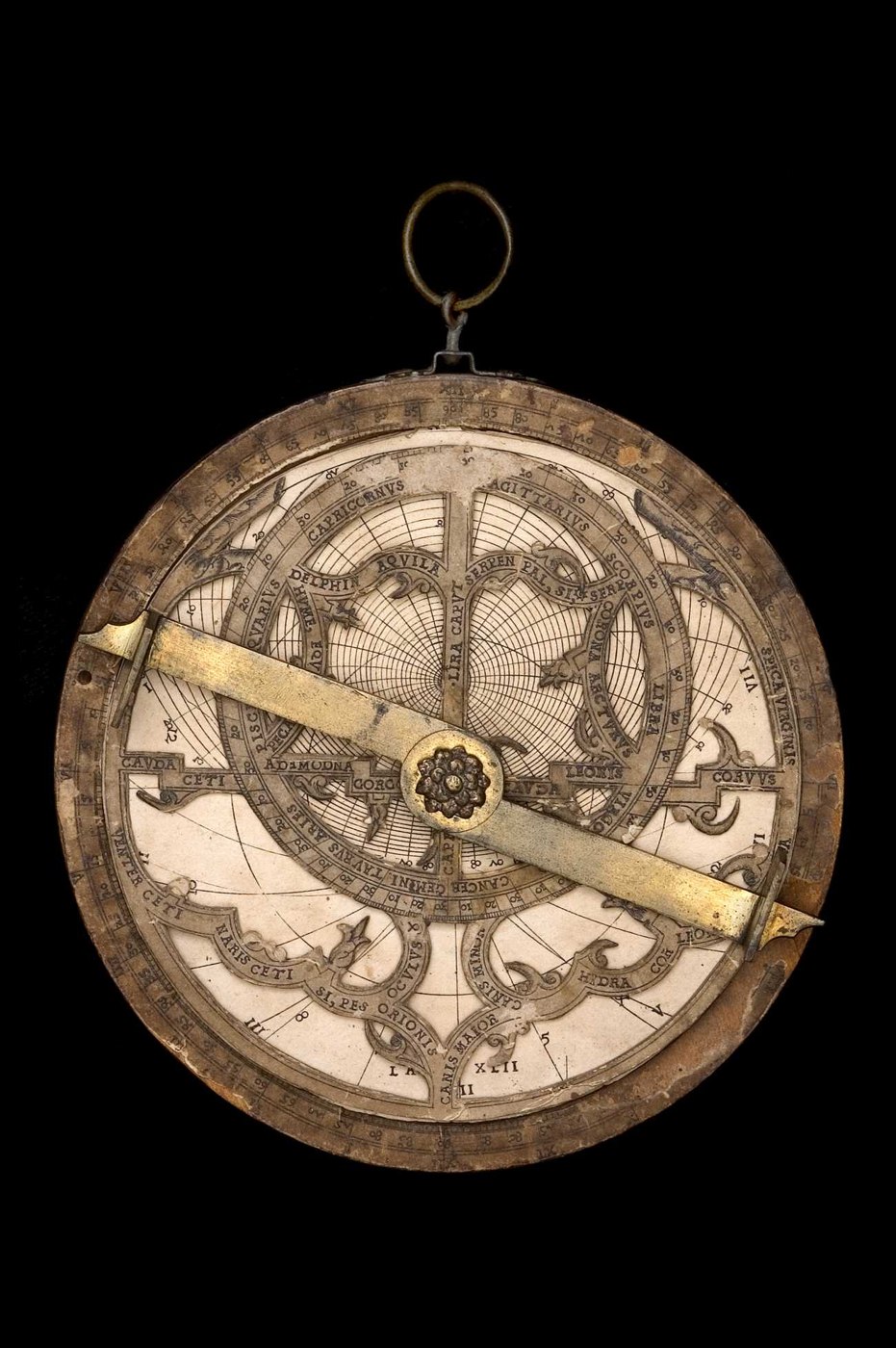
Objects in this encyclopedia's catalogue that were recorded from the institution's own online collection pages. A collection record does not establish current display.
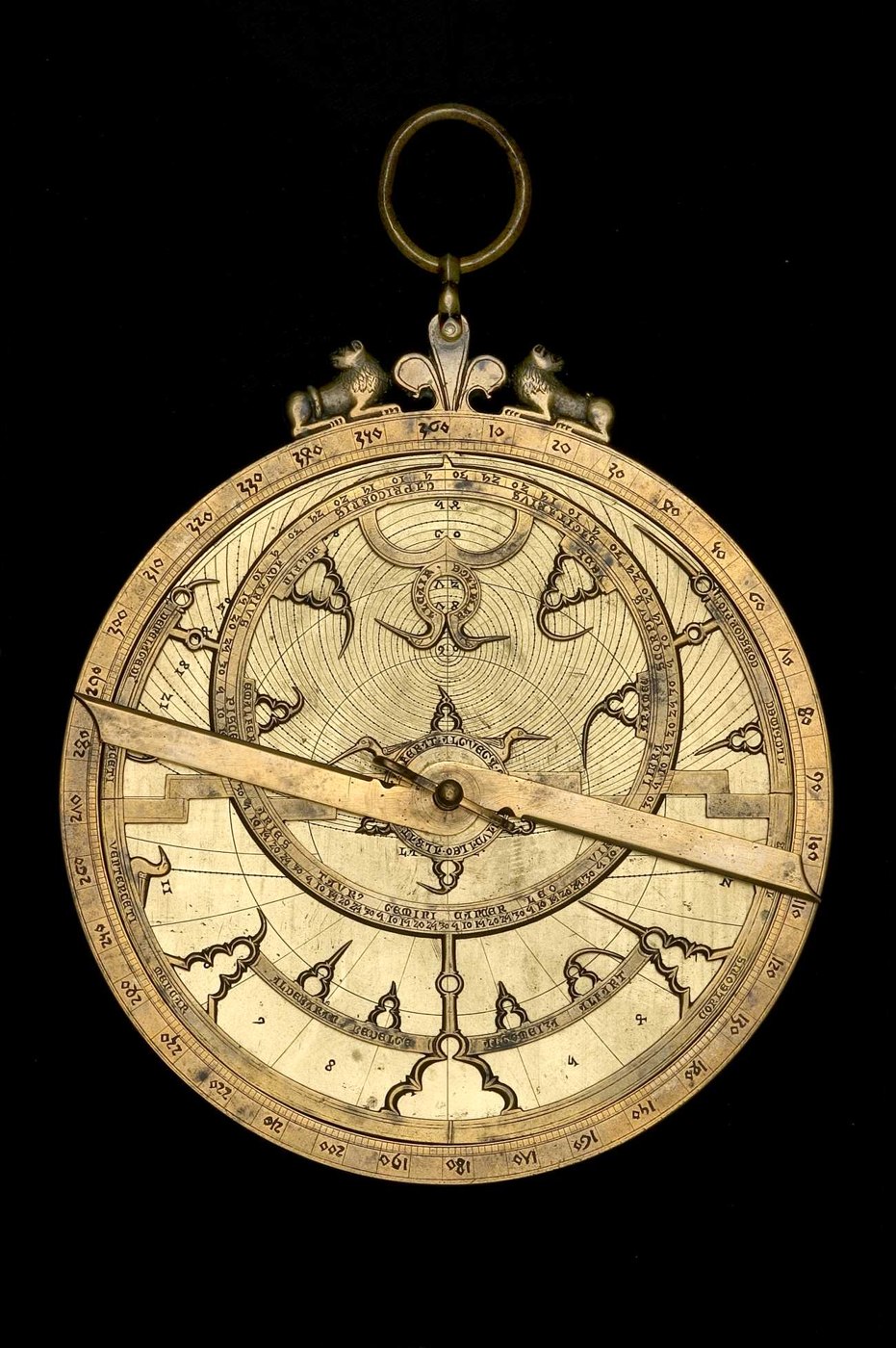
Using it for research
- Search Collections Online for sundials, clocks or astronomical instruments, and cite the inventory number.
- Email the collections team for questions the online records do not answer.
- Do not assume an object is on display because it appears in the online database.
Before you visit
- According to the official visitor page, general admission is free, no booking is needed and donations are welcome.
- At the time of checking, the published opening times were Tuesday to Sunday, 10am to 5pm, with last admission at 4.50pm; holiday hours differ. Check the official page before travelling.