
Glossary · Complication
Locking plate (count wheel)
A notched wheel that counts a clock's hour blows.
Explanation
The locking plate is the notched wheel of count-wheel striking. Its notches are spaced so a detent falls in after the right number of blows each hour, stopping the train. Because it does not read the time directly, a clock with a locking plate can strike out of step with its hands and must be corrected by striking it round or moving the hand.
In the object catalogue
Catalogued objects whose own source record mentions “Locking plate (count wheel)”. The quoted line shows where; it is the seller’s or museum’s wording, not independent verification.
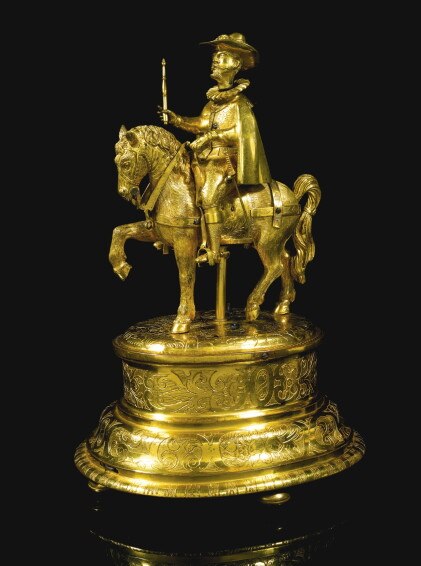
Clock
A German Renaissance gilt-copper and gilt-brass 'reiter uhr' automaton table clock, Nikolaus Schmidt
“According to the auction catalogue, this German Renaissance automaton table clock dates to circa 1580 and is attributed to Nikolaus Schmidt in Augsburg. The gilt-copper and bras…”
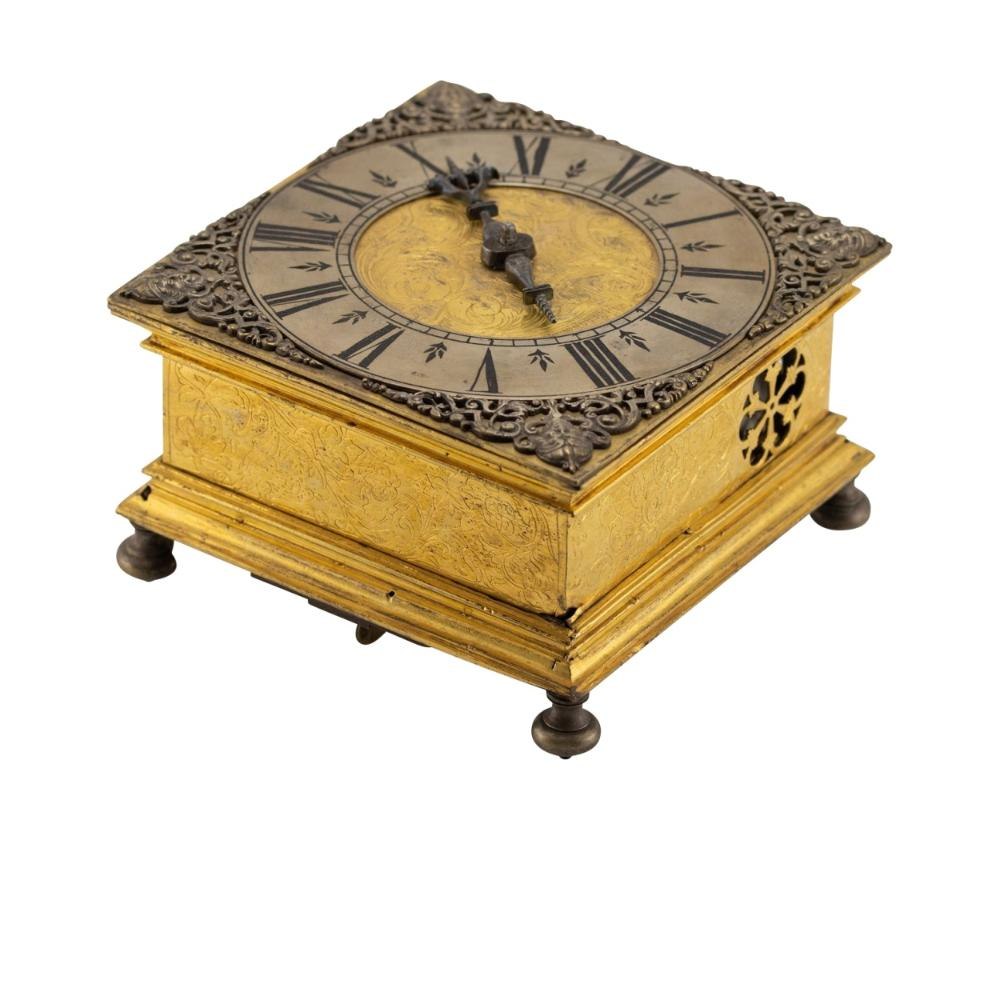
Clock
South German Table Clock
“This horizontal square table clock is catalogued as South German with origin noted as Österreich, dated circa 1640. The moulded firegilt bronze case rests on turned baluster fee…”
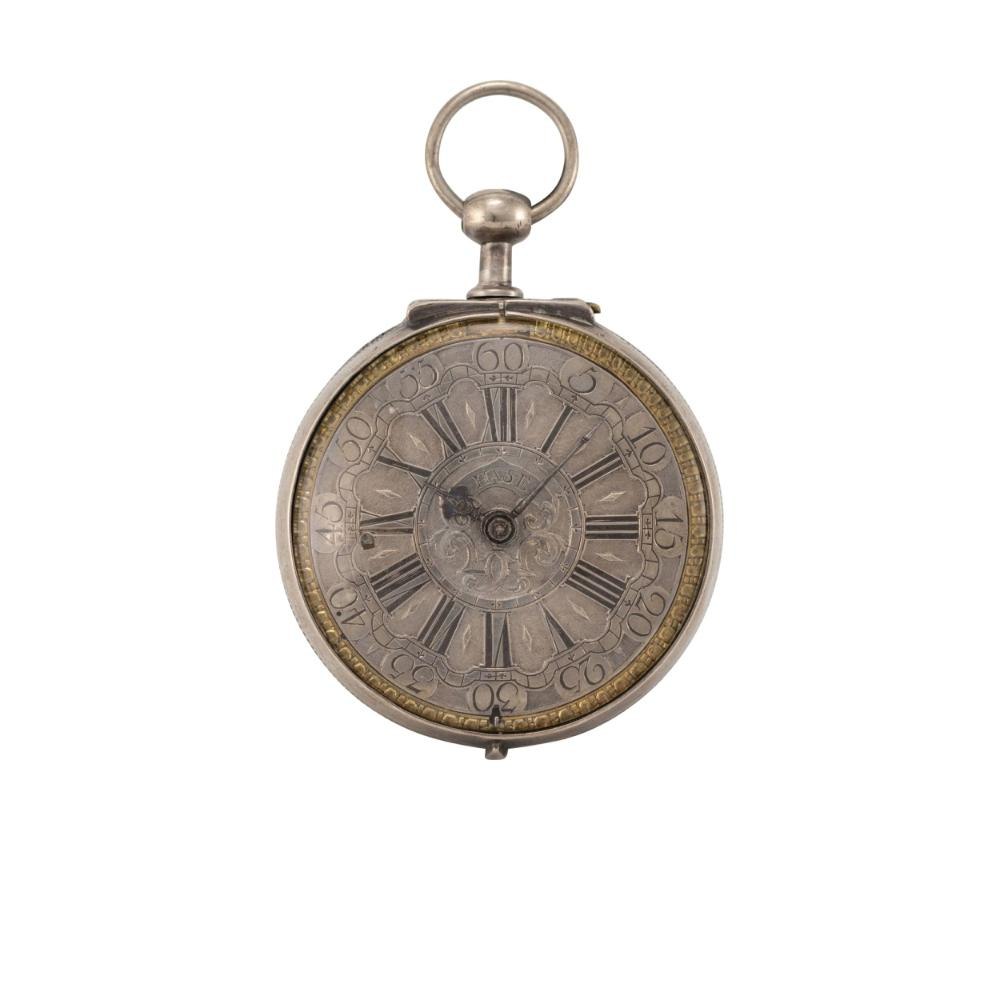
Clock
Jacob Hase Hour-Striking Coach Clock
“This coach clock, measuring 61 mm in diameter and weighing 227 g, is dated circa 1725 with origins reported in Germany. The auction house attributes the piece presumably to Augs…”
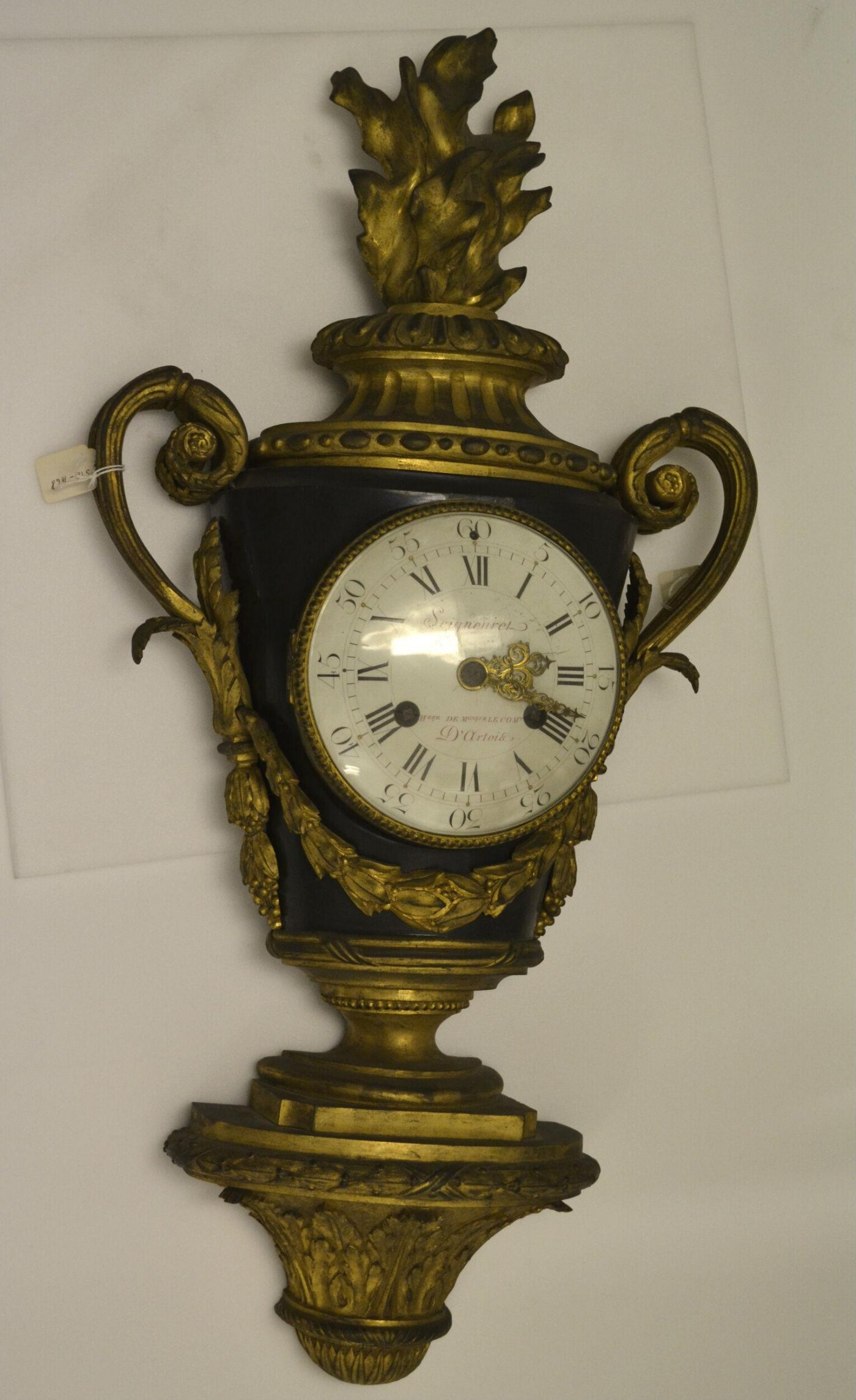
Clock
Bracket clock
“This bracket clock, attributed to Pierre Seigneuret, is a mid-to-late 18th-century French timepiece housed in an urn-shaped case. The construction features an iron body painted …”
Clock
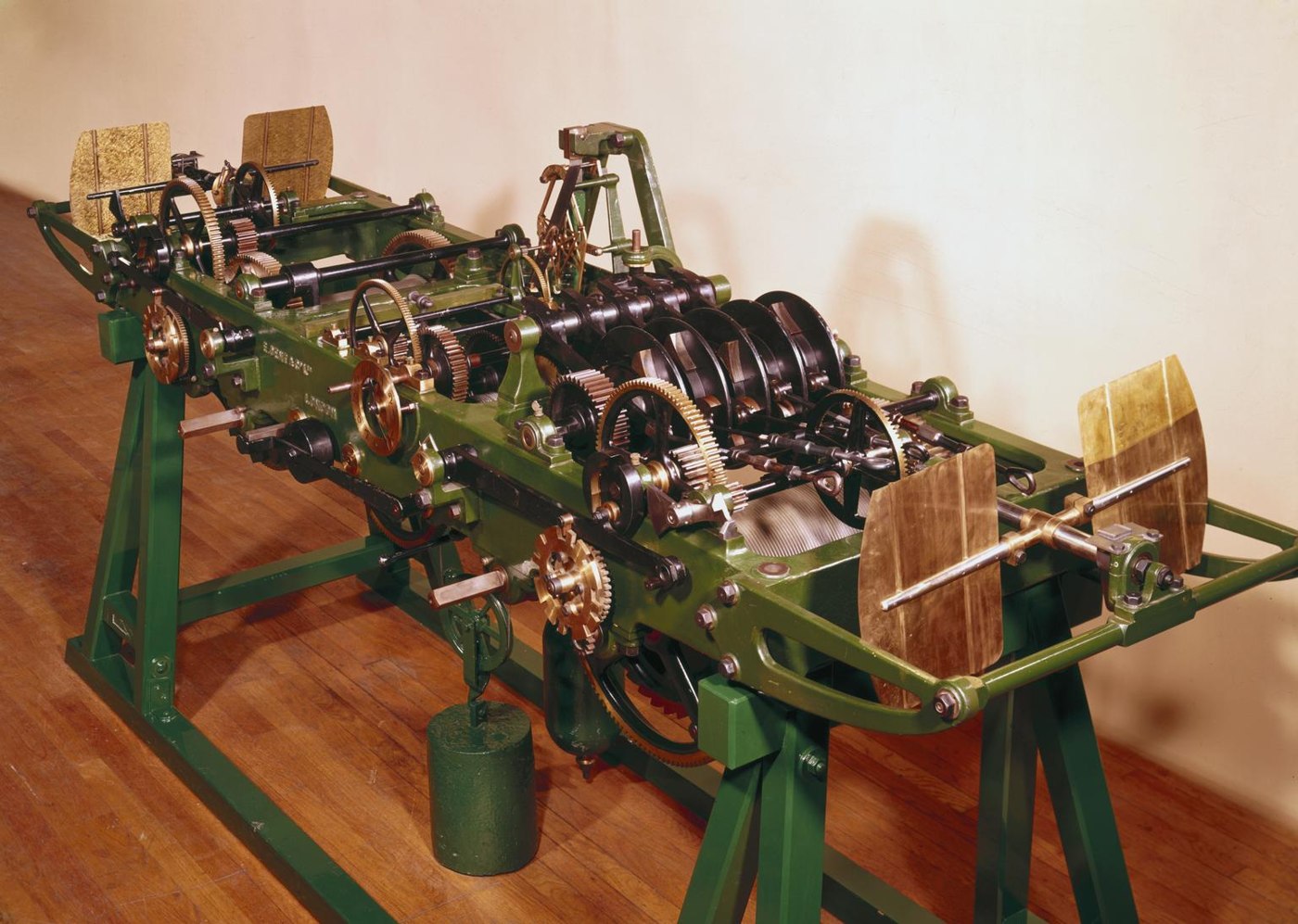
Three-train flatbed turret clock movement
“This is a three-train turret clock movement produced by E. Dent and Co. Ltd, dating to approximately 1939. The mechanism is designed as a weight-driven system mounted on a flatb…”
Clock
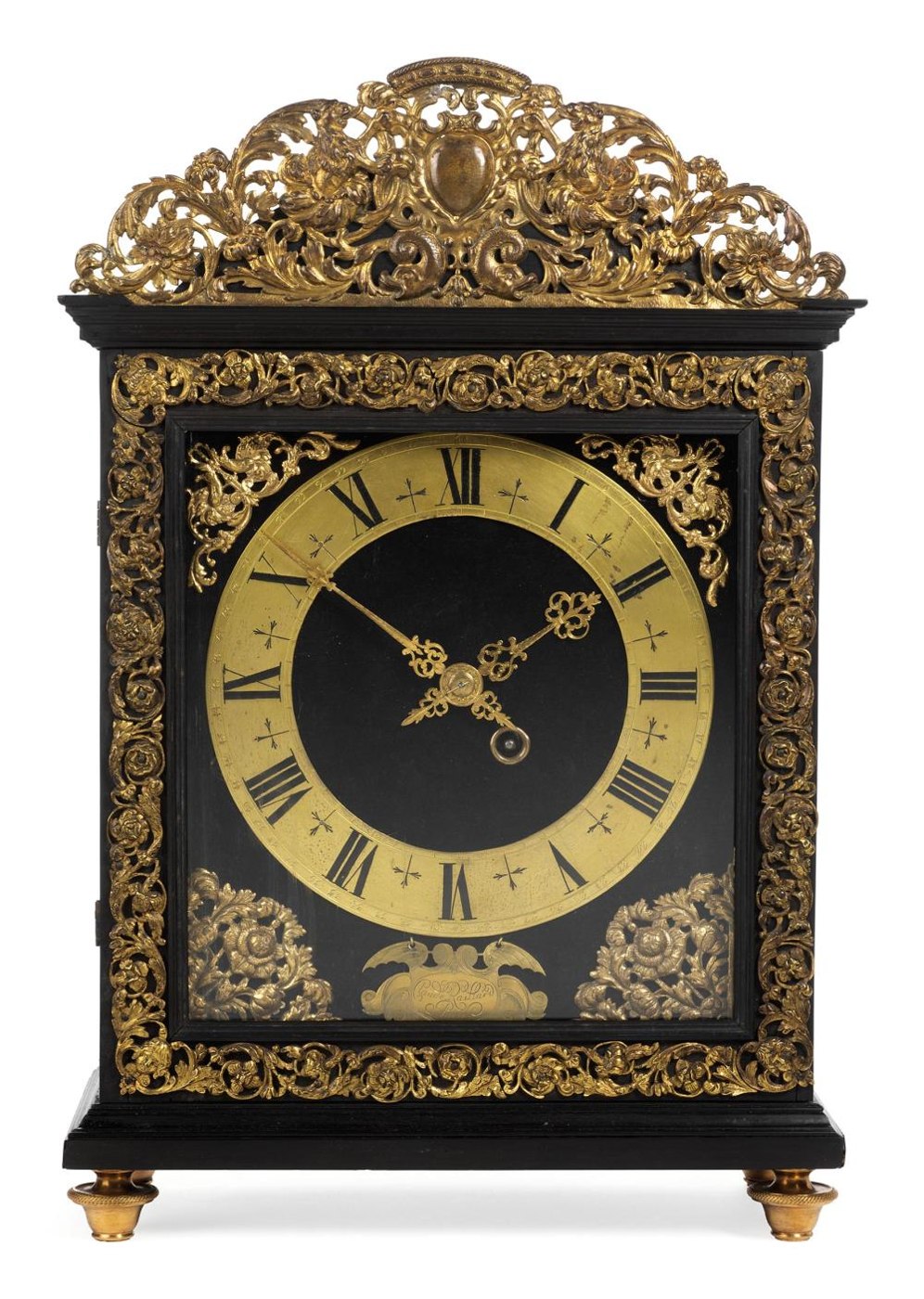
Louis XIV Religieuse-Pendule
“This Louis XIV period religieuse-pendule is an ebonized wooden mantle clock attributed to the Parisian clockmaker Claude Raillard, who was active during the second half of the 1…”