
Nuremberg, Germany · Hans I (c.1513–1550), Hans II (1536–1615), Hans III (1547–1632)
Hans Tucher
Partially verifiedNuremberg compass and ivory sundial makers
Life & work
The Tucher family produced instruments across multiple generations in Nuremberg, with three successive masters known as Hans Tucher appearing between 1537 and 1632.
Hans II worked in the Grasergasse area of the city until his death, while Hans III, known as 'The Elder,' maintained a workshop in Maiengasse. In his final years, Hans III was admitted to the Mendel Zwoelfbruederhaus, a charitable institution for elderly craftsmen in Nuremberg, where he remained until his death in 1632.
The fuller biography summarises the open references listed under Sources; each statement was checked against the cited passage. Confirm key dates in period documents before relying on them.
Training, contributions & innovations
- They were instrumental in the production of ivory sundials during the late 16th and early 17th centuries.
Documented works
- A diptych dial featuring the maker's signature and snake trademark was brought to Florence by Prince Mattias de' Medici.
Collecting significance
The catalogued pieces listed on this page show the kinds of objects auction houses, dealers and museums attribute to this maker; each attribution is the source's own.
Firms, key models & movements
No firm, model or movement in this encyclopedia is yet recorded under this maker's name.
In the object catalogue
10 catalogued objects are recorded under Hans Tucher. Attributions are as given by each source and are not independent authentication.
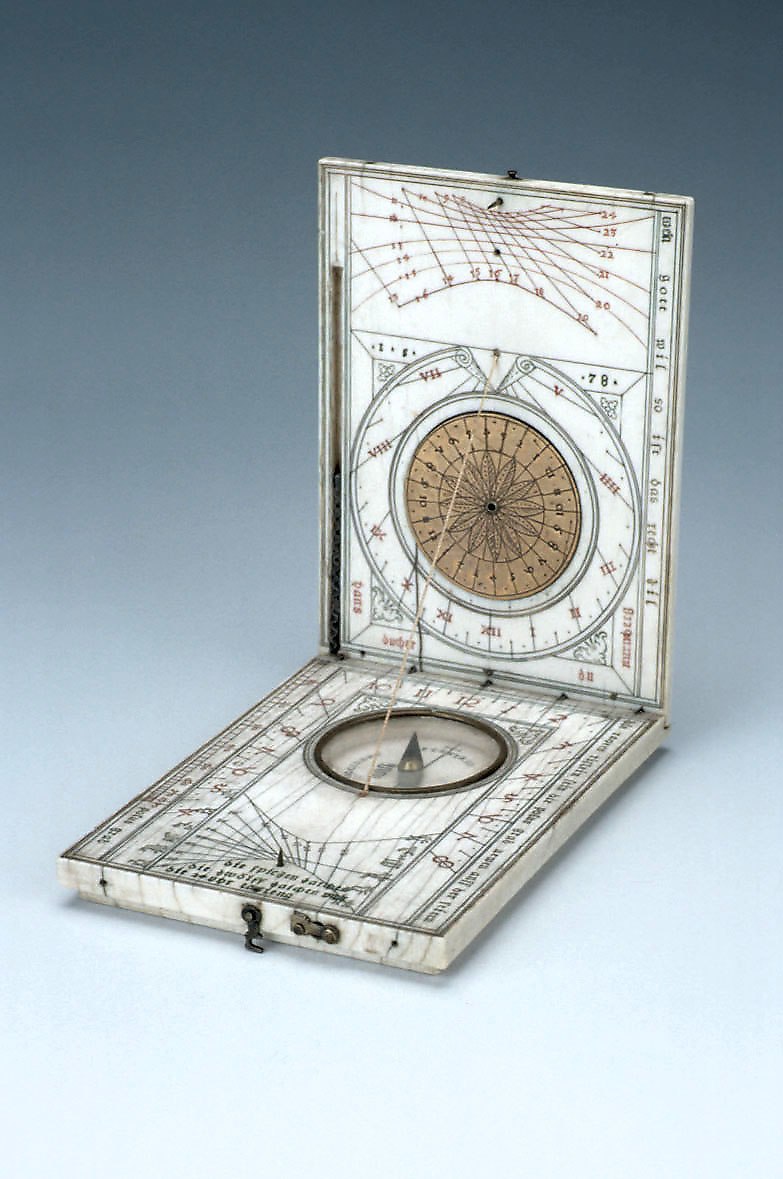
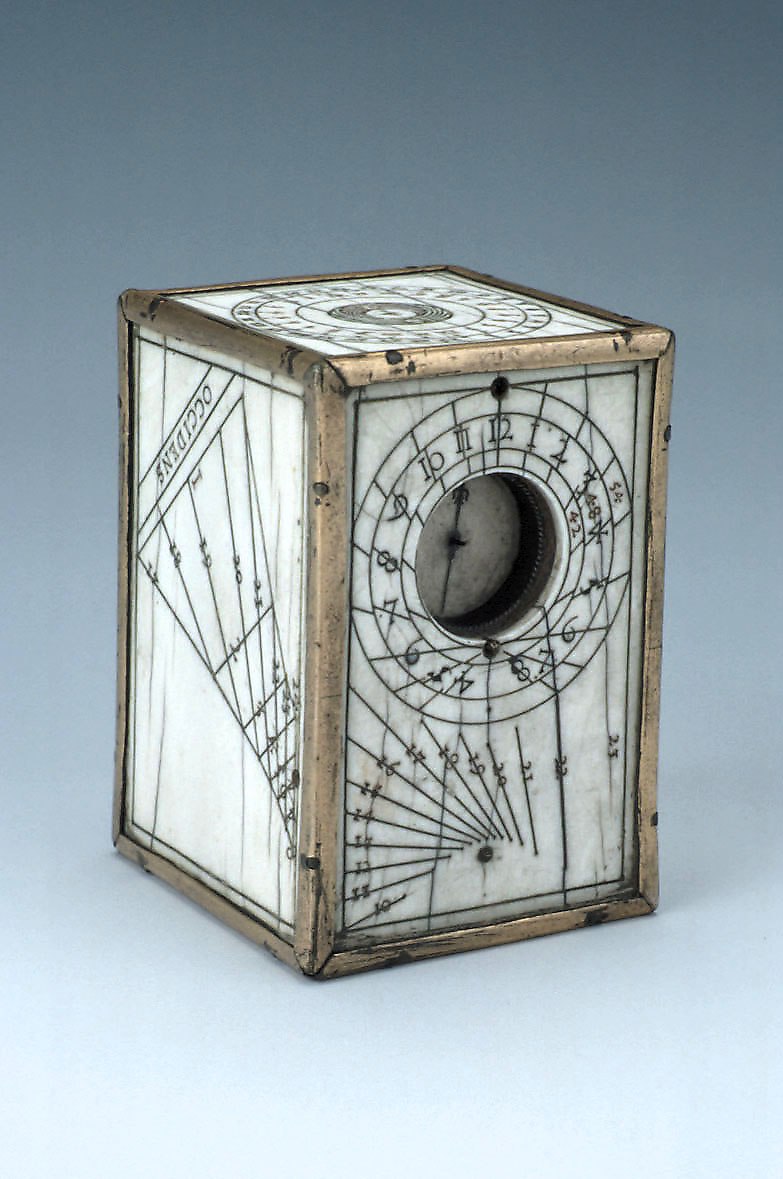
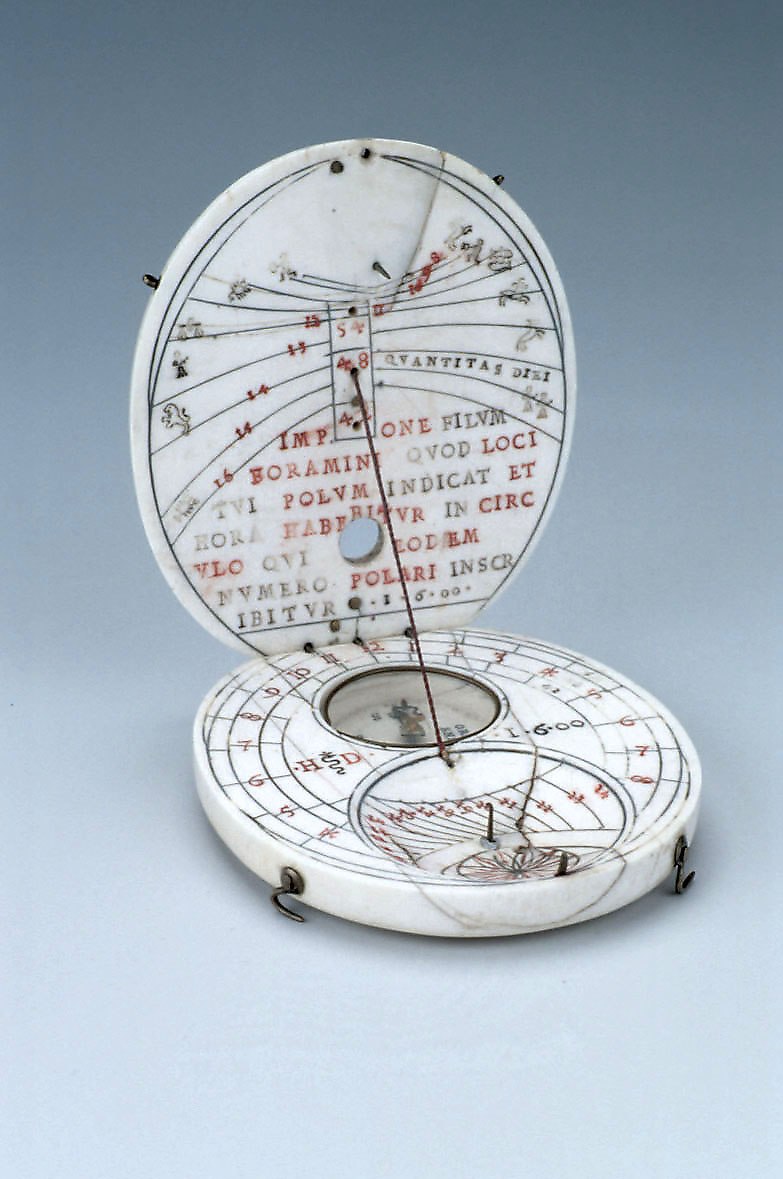
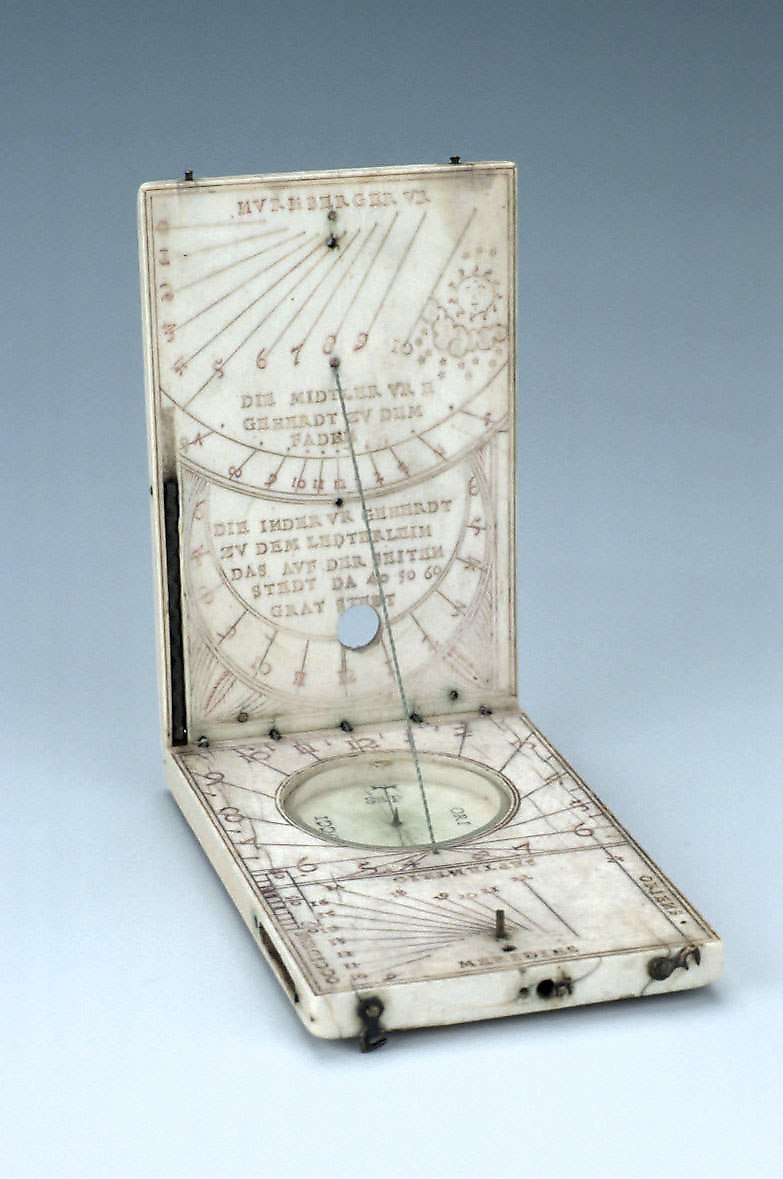
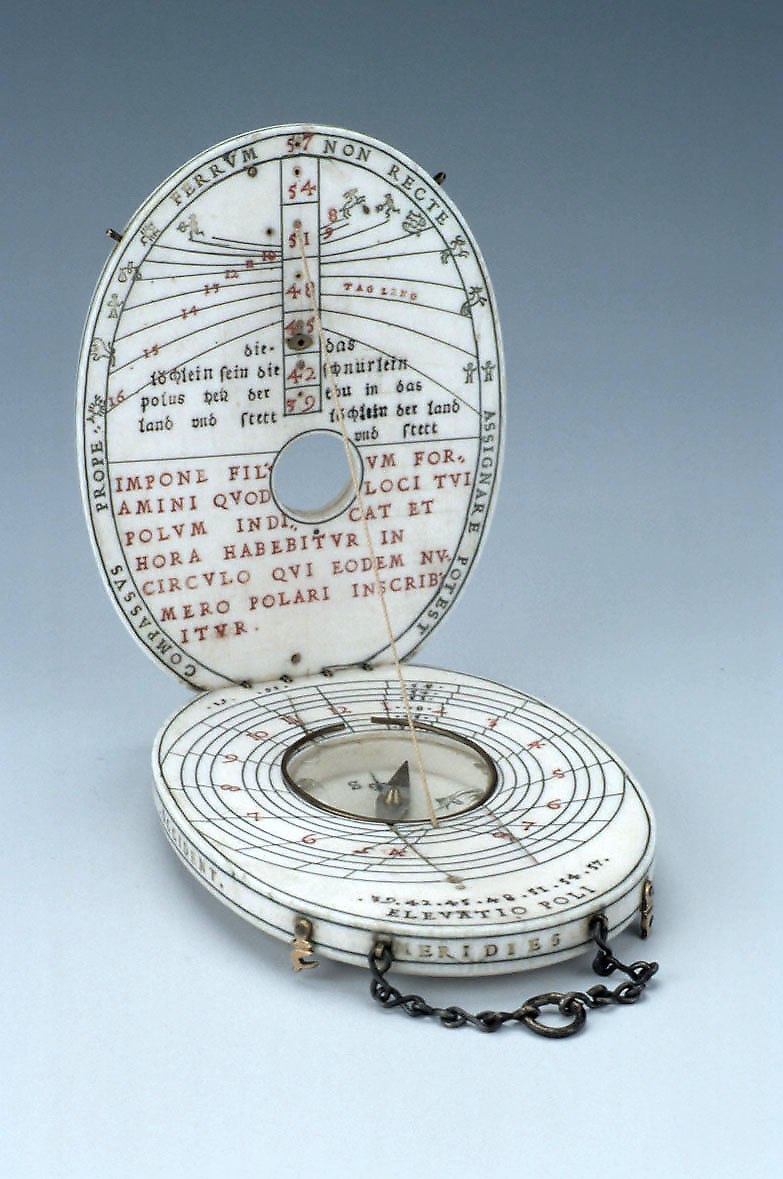
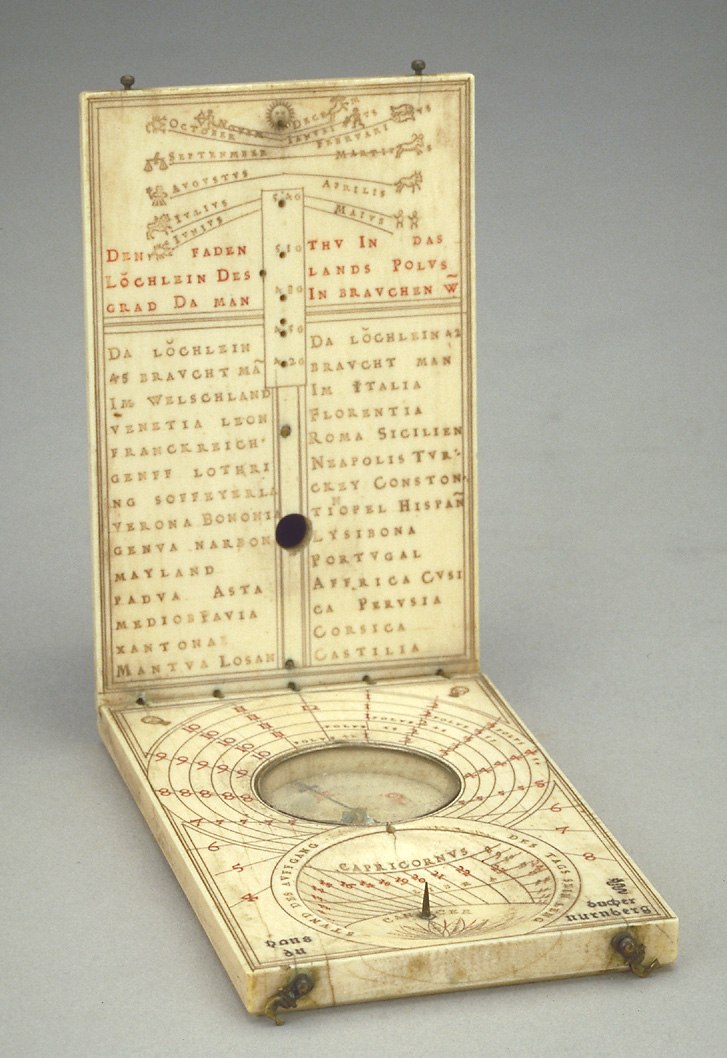
- Diptych DialDiptych sundial · 1579
- Diptych Dial by Hans TucherDiptych sundial · 1578
- Diptych Dial by Hans TucherDiptych sundial · 1567
- Diptych Dial by Hans TucherDiptych sundial · 1595
- Diptych Dial by Hans TucherDiptych sundial · 1581
- Diptych Dial by Hans TucherDiptych sundial · 1600
- Hans Tucher Diptych DialDiptych sundial · circa 1600
- Oval Diptych Dial by Hans TucherDiptych sundial · 1582
- Polyhedral Dial by Hans TucherOther sundial · 1582
- Polyhedral SundialOther sundial · 1596
Sources & references
- Hans Tucher, British Museum, retrieved 2026-11-03 (paraphrased; text © the publisher)
- Museo Galileo - Hans Tucher, Museo Galileo, retrieved 2026-11-03 (paraphrased; text © the publisher)
- Museo Galileo - Diptych dial, Museo Galileo, retrieved 2026-11-03 (paraphrased; text © the publisher)
- Familie Tucher - Watch-Wiki - Das Uhrenlexikon, Watch-Wiki, retrieved 2026-11-03 (paraphrased; text © the publisher)
- Astronomie in Nürnberg – Information zu Hans (+ Familie) Tucher (Ducher), astronomie-nuernberg.de, retrieved 2026-11-03 (paraphrased; text © the publisher)
Where sources disagree, the disagreement is stated rather than resolved silently.