
Glossary · Mechanism
Stopwork (Geneva stop)
A mechanism limiting the available winding range; Geneva stopwork is one particular form.
Explanation
Stopwork restricts the part of the mainspring's range available for use. Geneva or Maltese-cross stopwork uses a finger and a shaped star to permit a selected sequence of turns and block further movement at its limits. It aims to avoid the extremes of the spring's working range. This moderation is not perfectly constant force and does not establish the watch's rate.
Different devices, mounting locations and spring ranges need exact documentation. The permitted number of turns cannot be inferred from the name alone. Stopwork may be missing, disabled or incorrectly phased following earlier repairs; record that condition rather than assuming a watch that winds has complete original stopwork. A fusee compensates through changing leverage, whereas stopwork restricts range. Both can coexist, but they solve different aspects of power delivery.
Sources & references
- de Carle, D., Practical Watch Repairing — technical further reading; exact procedures require calibre documentation
- Reymondin et al., The Theory of Horology — construction and terminology further reading
Where sources disagree, the disagreement is stated rather than resolved silently.
What to record
- Identify the actual stopwork form and mounting.
- Keep range limitation separate from fusee compensation.
- Record missing parts or treatment history where established.
Stopwork is connected to stored spring energy; do not reposition the star or finger as an experiment.
In the object catalogue
Catalogued objects whose own source record mentions “Stopwork (Geneva stop)”. The quoted line shows where; it is the seller’s or museum’s wording, not independent verification.
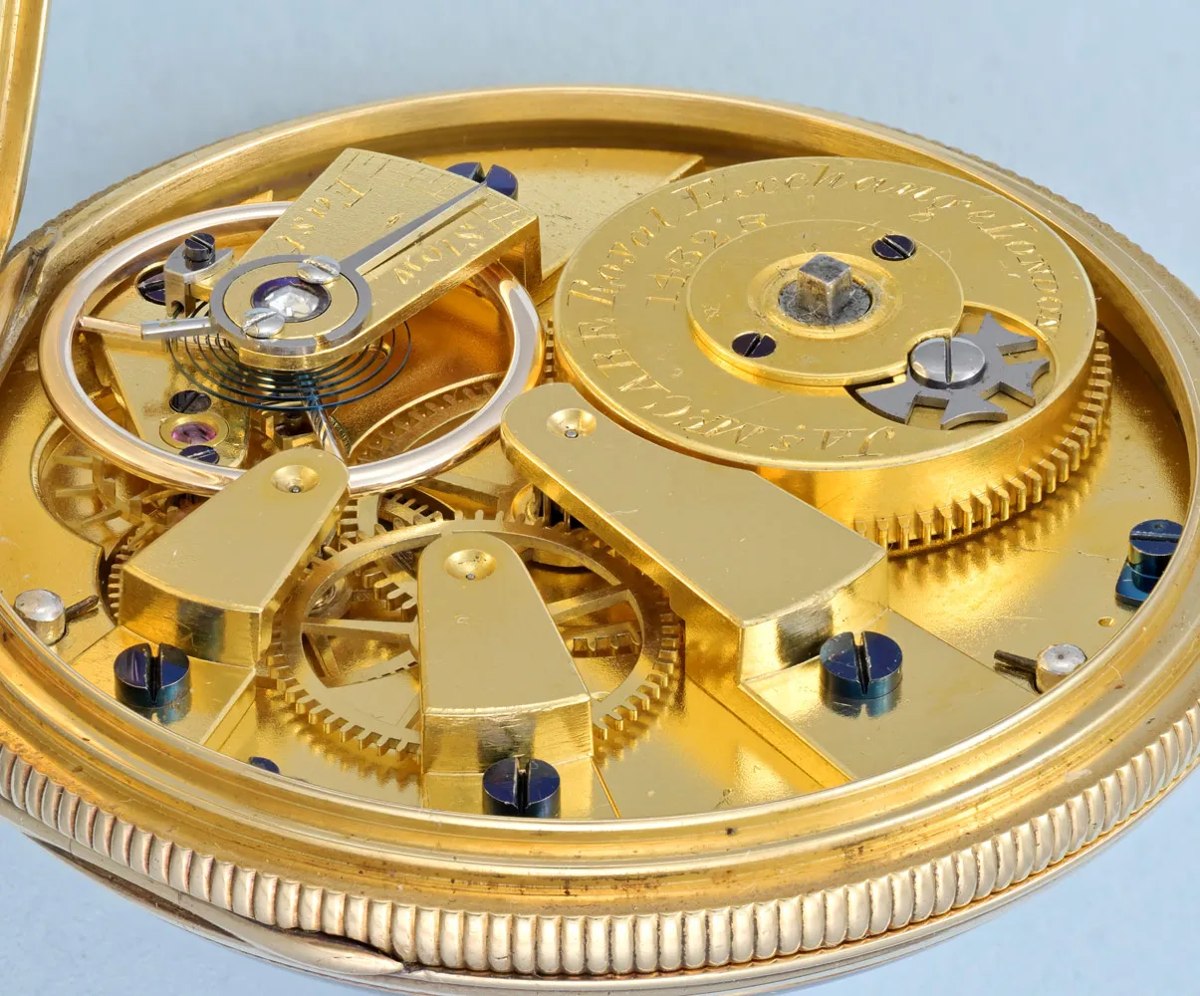
Pocket watch
James McCabe 1834 Gold Lepine Calibre Duplex Pocket Watch
“This nineteenth-century open face pocket watch features a keywind gilt Lepine calibre bar movement with a duplex escapement, crafted by James McCabe of Royal Exchange, London, a…”
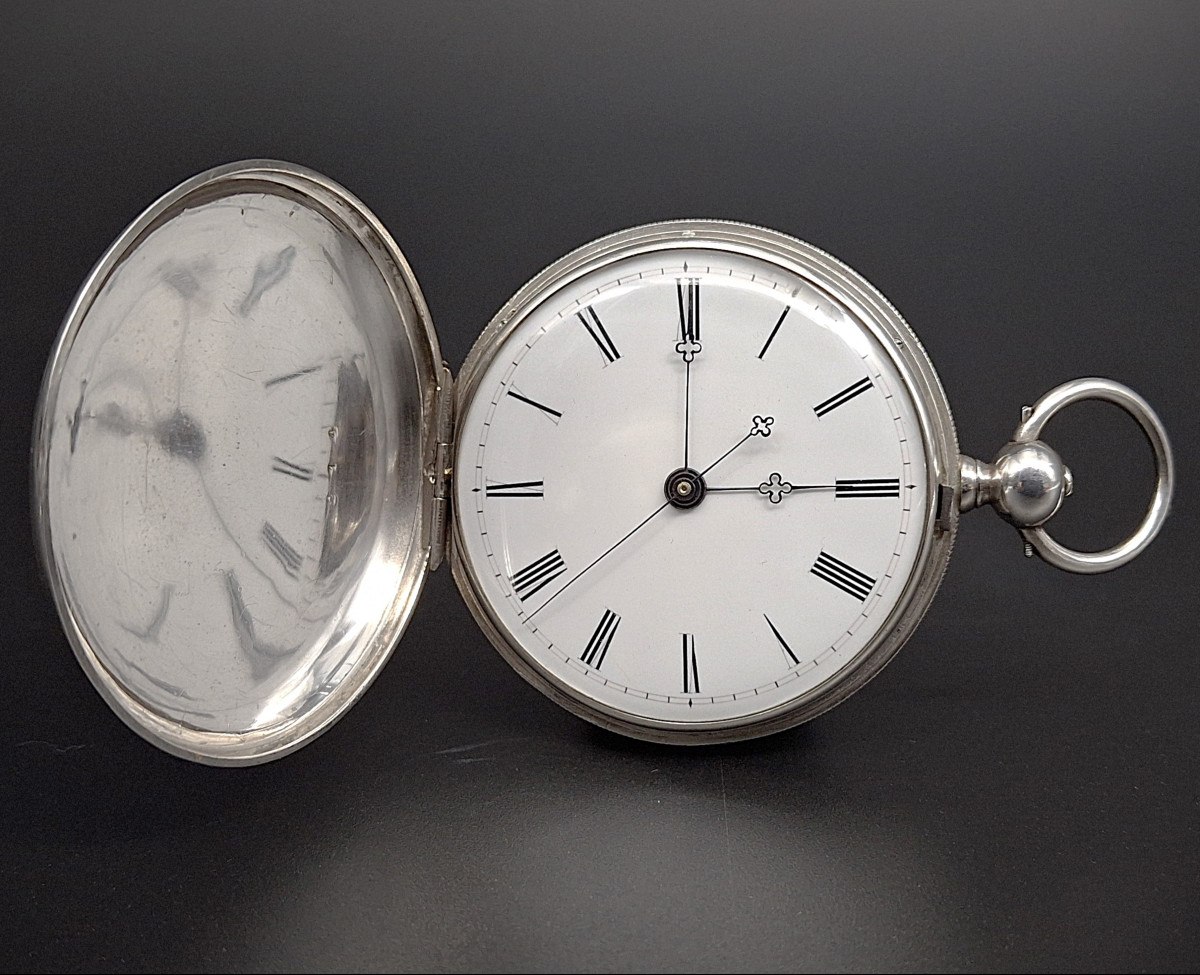
Pocket watch
Chinese market full hunter duplex escapement silver pocket watch
“This nineteenth-century full hunter pocket watch is reported by the dealer to have been made for the Chinese market and equipped with a duplex escapement. The watch features a s…”
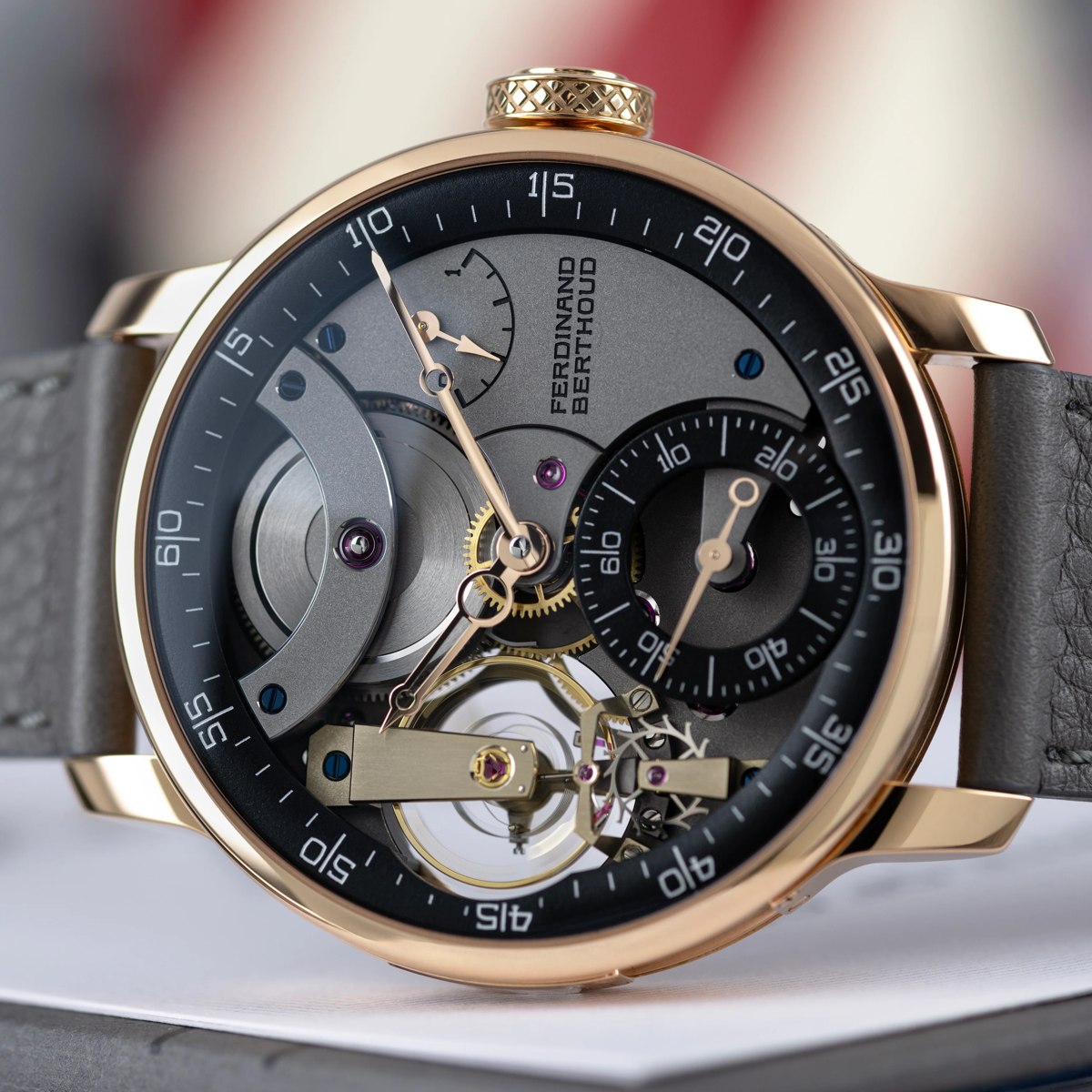
Wristwatch
Ferdinand Berthoud Chronomètre FB 3SPC.2
“The Ferdinand Berthoud Chronomètre FB 3SPC.2 is a chronometer wristwatch cased in 18k rose gold measuring 42.30 mm by 9.43 mm, offered by Phillips PERPETUAL in London. The movem…”
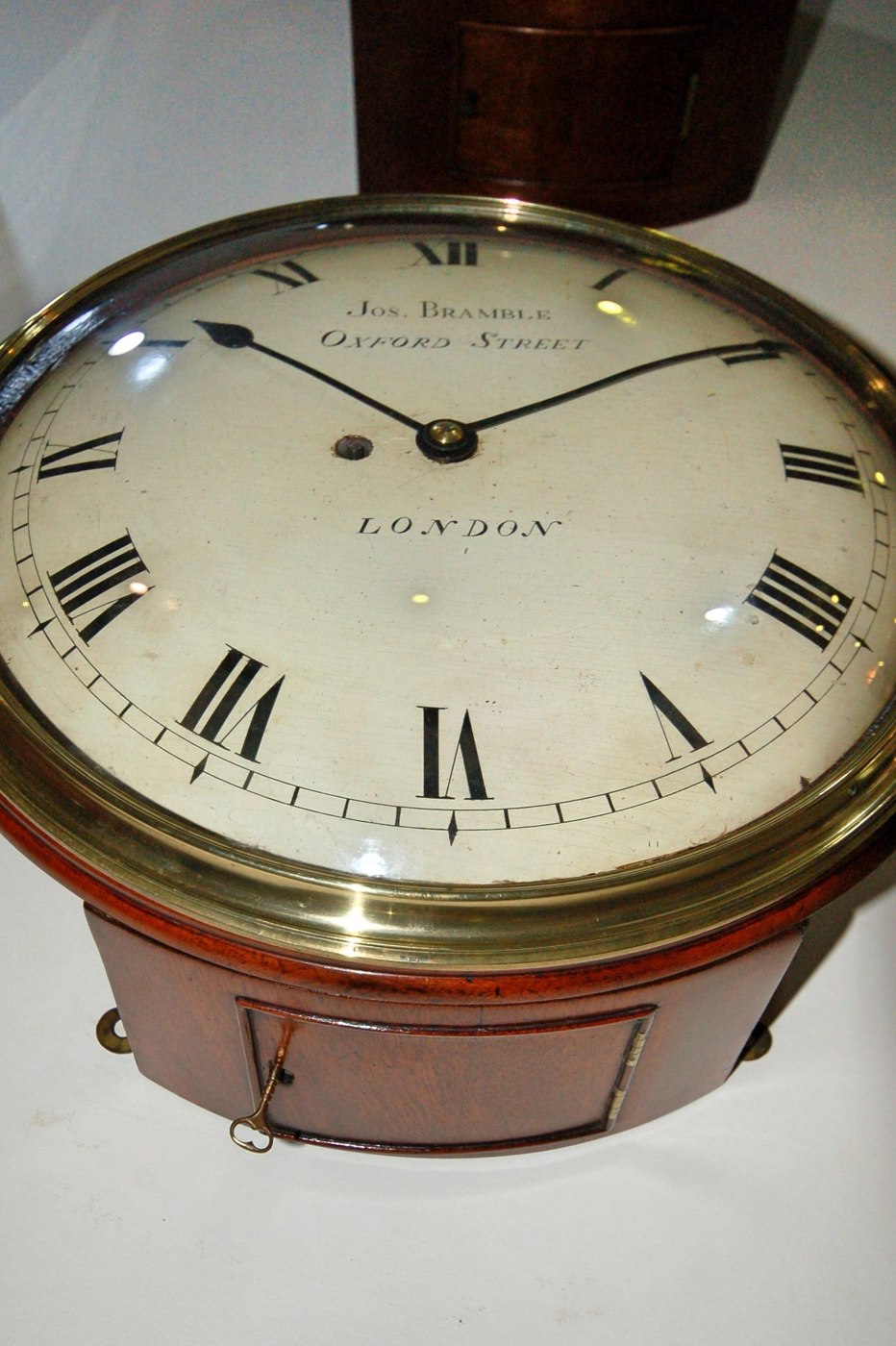
Clock
Antique English Fusee Wall Clock by Joseph Bramble
“This antique wall clock is attributed to the London-based clockmaker Joseph Bramble, active on Oxford Street, and dates to approximately 1820. It follows the traditional design …”
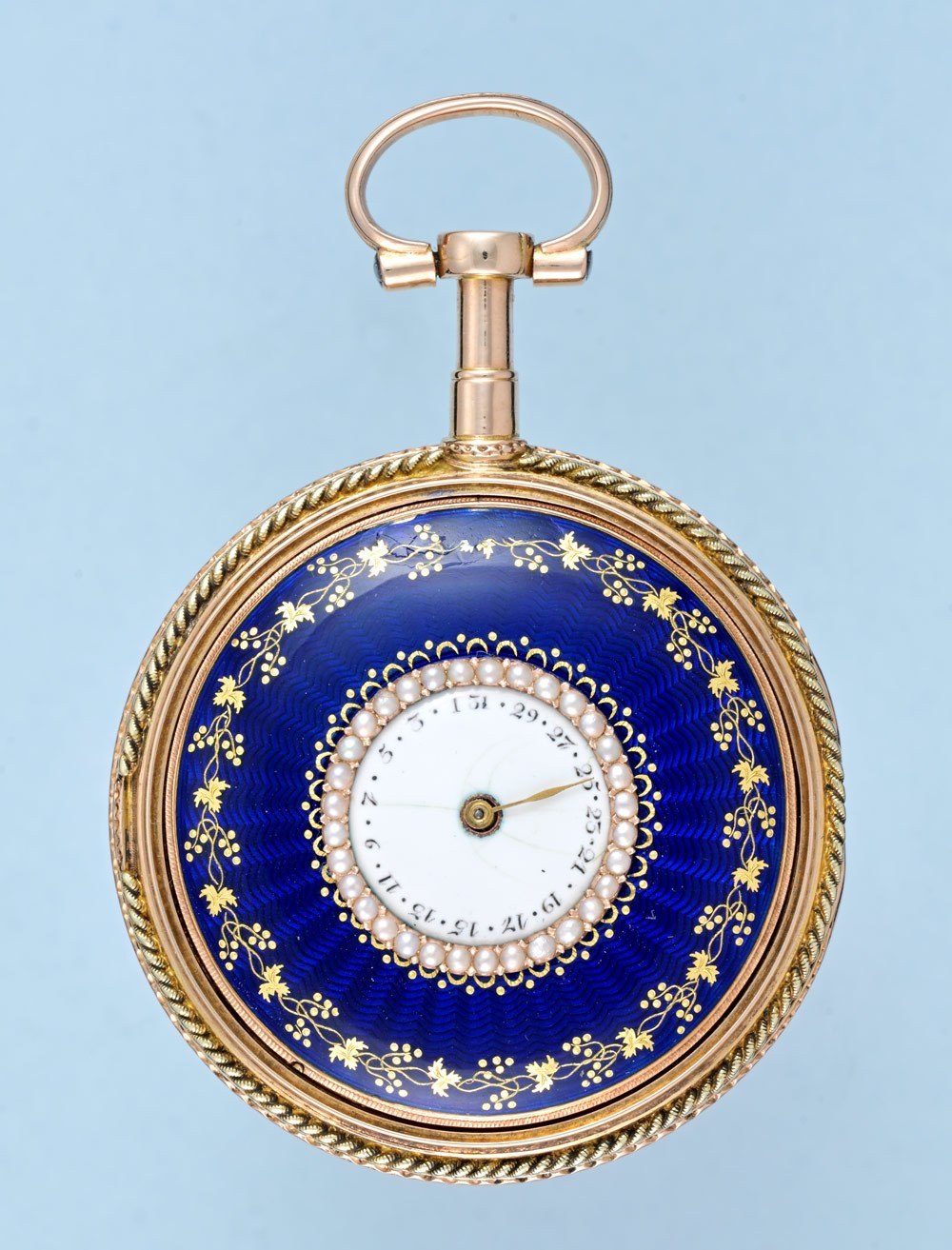
Pocket watch
Vauchez Double Sided Gold Cylinder Pocket Watch
“This late 18th-century French pocket watch, attributed to the maker Vauchez, features a double-sided gold consular case glazed on both sides. The primary white enamel dial displ…”