
Glossary · Mechanism
Maltese cross
The cross-shaped stopwork finger seen on high-grade Geneva barrels.
Explanation
The Maltese cross, or Geneva stopwork, limits the part of the mainspring's winding range that the watch uses. A finger on the barrel or fusee engages a cross-shaped stop so the spring is not taken into its strongest or weakest turns. The aim is steadier force, not absolute constant torque.
The device must be correctly phased. If it is assembled out of position, worn, missing its finger, or bypassed during repair, the watch may wind or run through a range the designer intended to exclude. The cross shape also became Vacheron Constantin's emblem, but that logo use should not be confused with proof that a particular movement contains the mechanism.
Sources & references
- Gazeley, W. J., Clock and Watch Escapements — mainspring control
- Britten, F. J., Watch & Clock Makers' Handbook — Geneva stopwork terminology
Where sources disagree, the disagreement is stated rather than resolved silently.
What to record
- Identify whether the stopwork is on a barrel, fusee or absent.
- Record missing, disabled or mis-phased parts as condition evidence.
- Keep logo history separate from mechanical construction.
Stopwork is connected with stored mainspring energy; do not release or reposition it casually.
In the object catalogue
Catalogued objects whose own source record mentions “Maltese cross”. The quoted line shows where; it is the seller’s or museum’s wording, not independent verification.
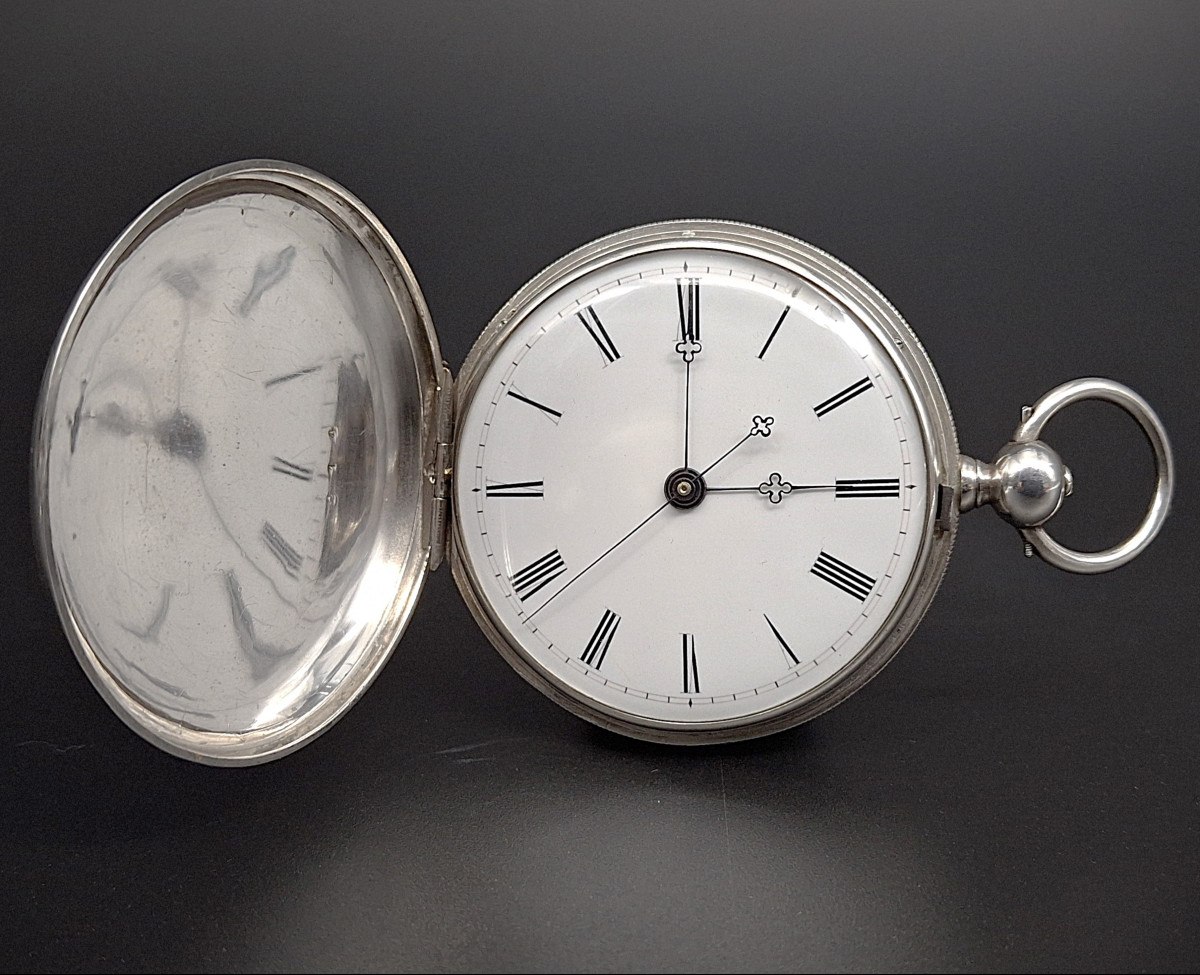
Pocket watch
Chinese market full hunter duplex escapement silver pocket watch
“This nineteenth-century full hunter pocket watch is reported by the dealer to have been made for the Chinese market and equipped with a duplex escapement. The watch features a s…”
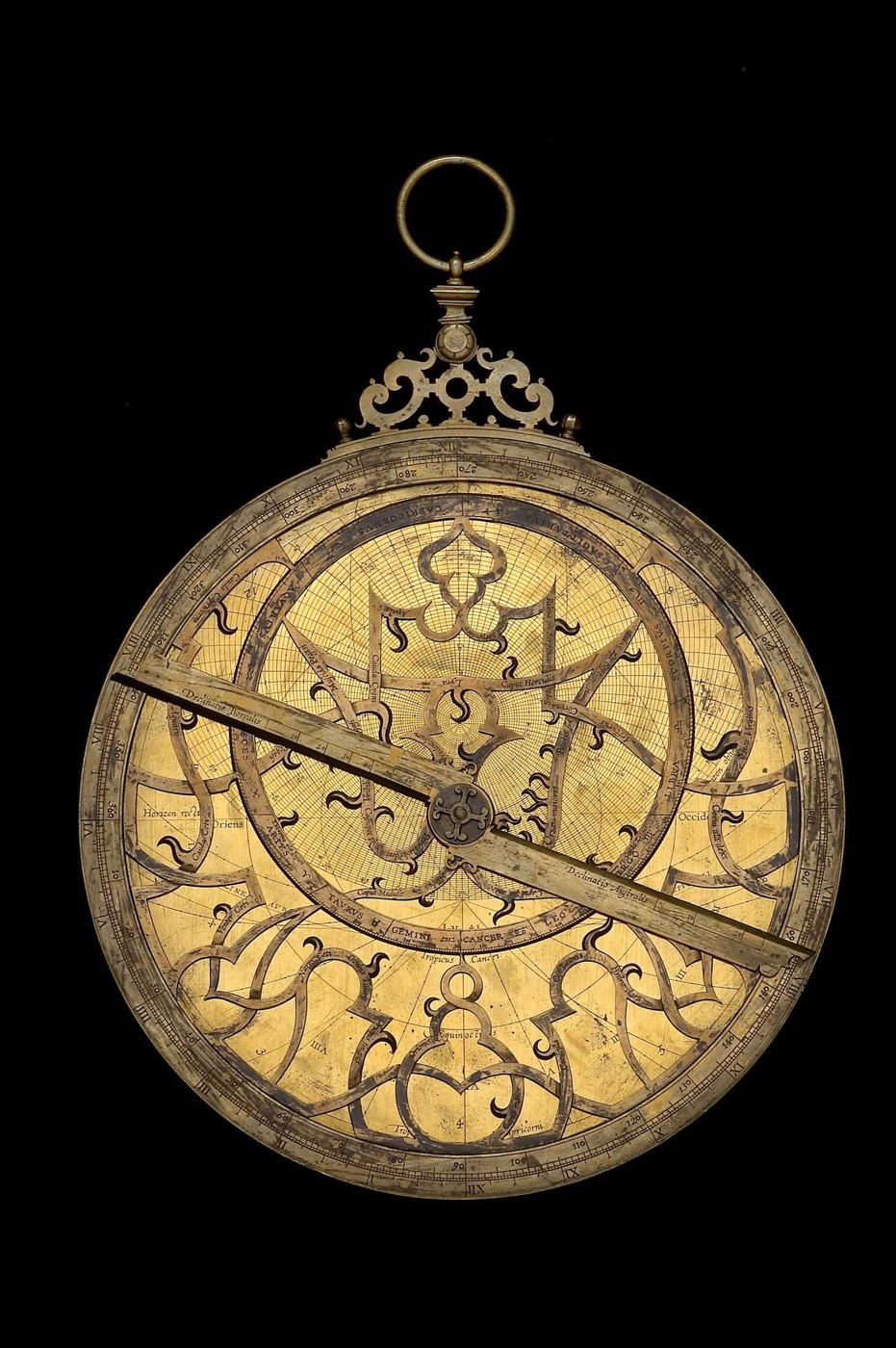
Tool
Astrolabe
“This late 16th-century brass astrolabe (inventory number 45365) from Flanders features a pierced throne with c-shaped scroll work and is secured with a simple, round cross-secti…”
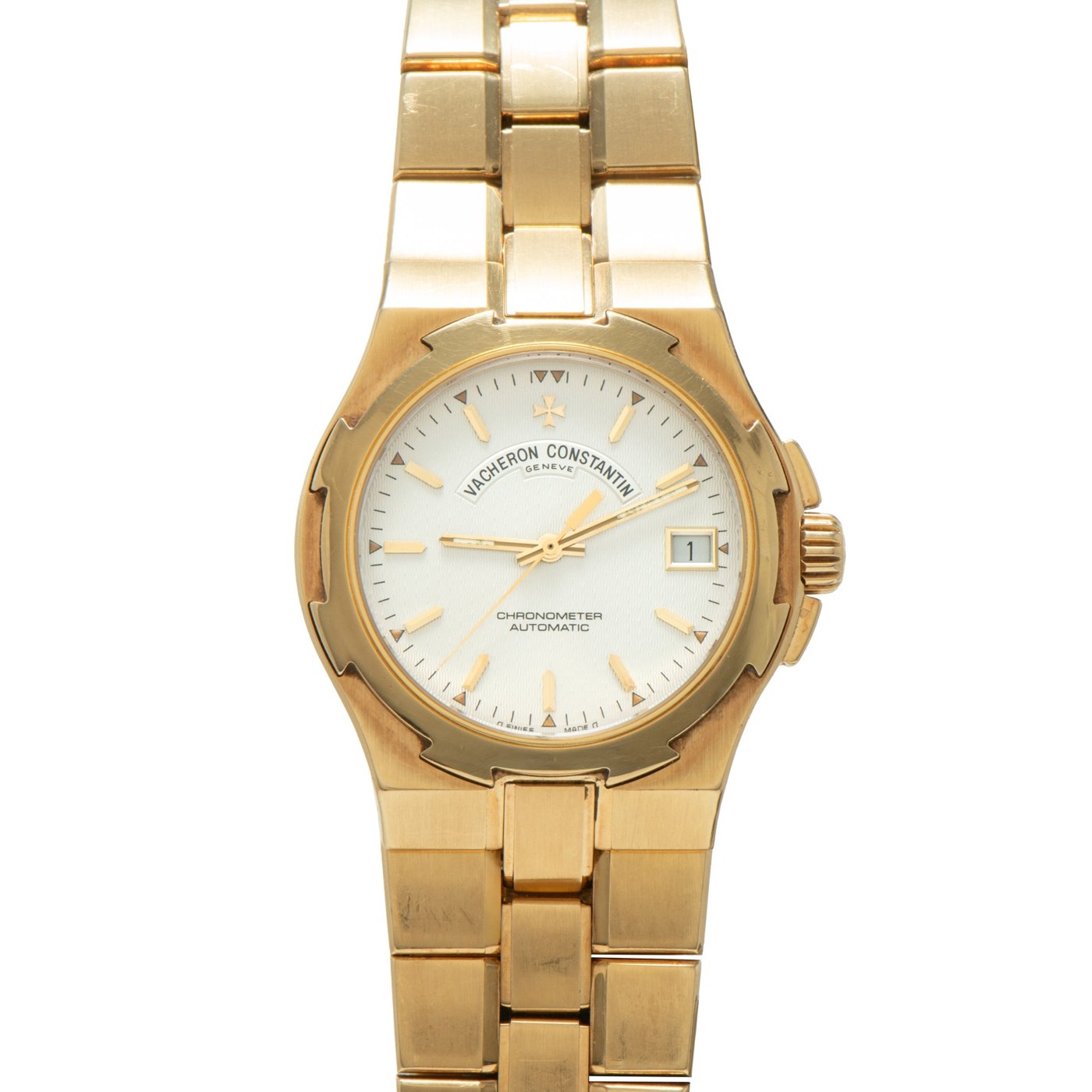
Wristwatch
Vacheron Constantin Overseas Reference 42040J
“Applied Vacheron Constantin Maltese cross emblem at 12 o'clock position”
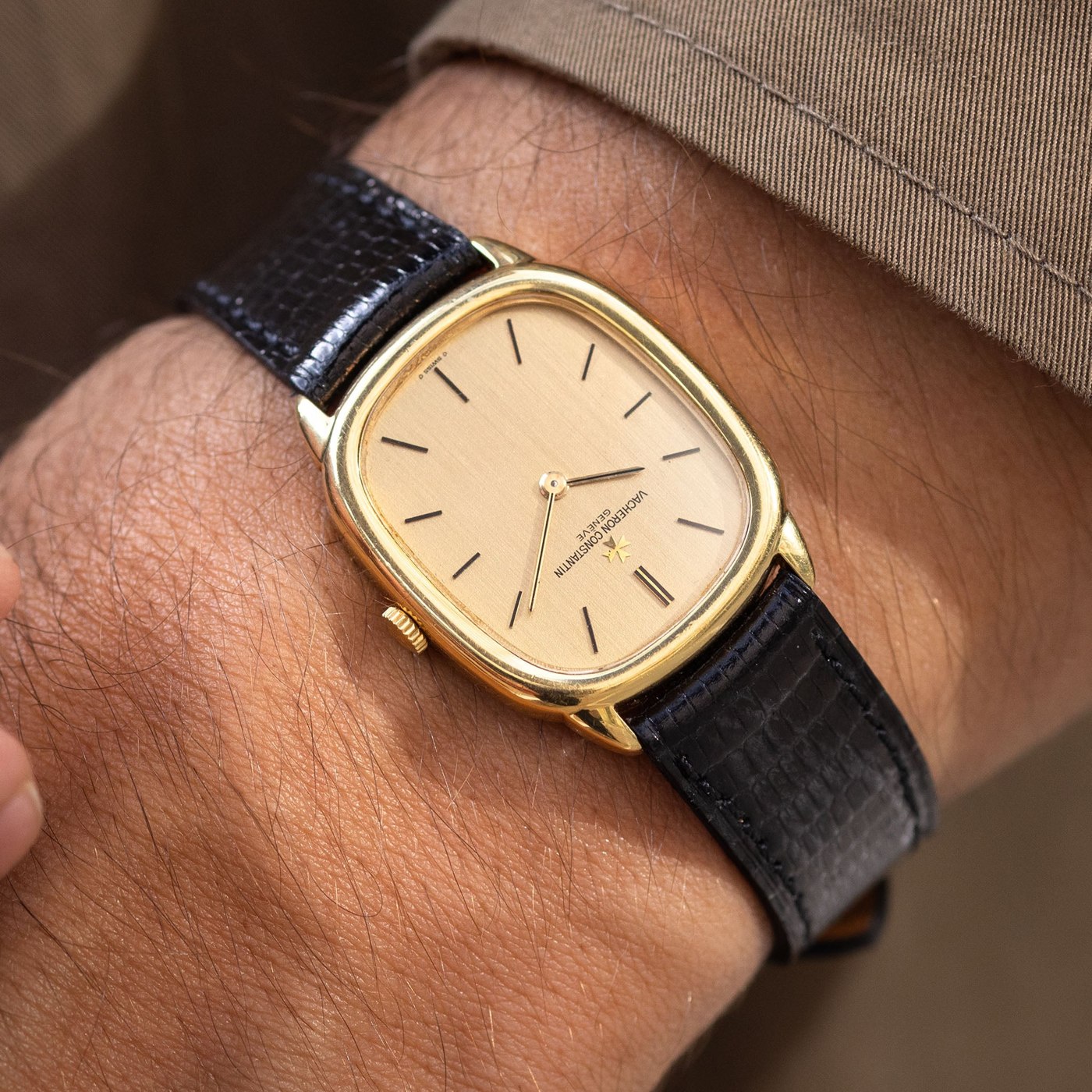
Wristwatch
Vacheron Constantin Ellipse Ref 39007
“This Vacheron Constantin Ellipse, reference 39007, is a manually wound wristwatch constructed with an 18k yellow gold case measuring 32 × 27mm. The timepiece features a vertical…”
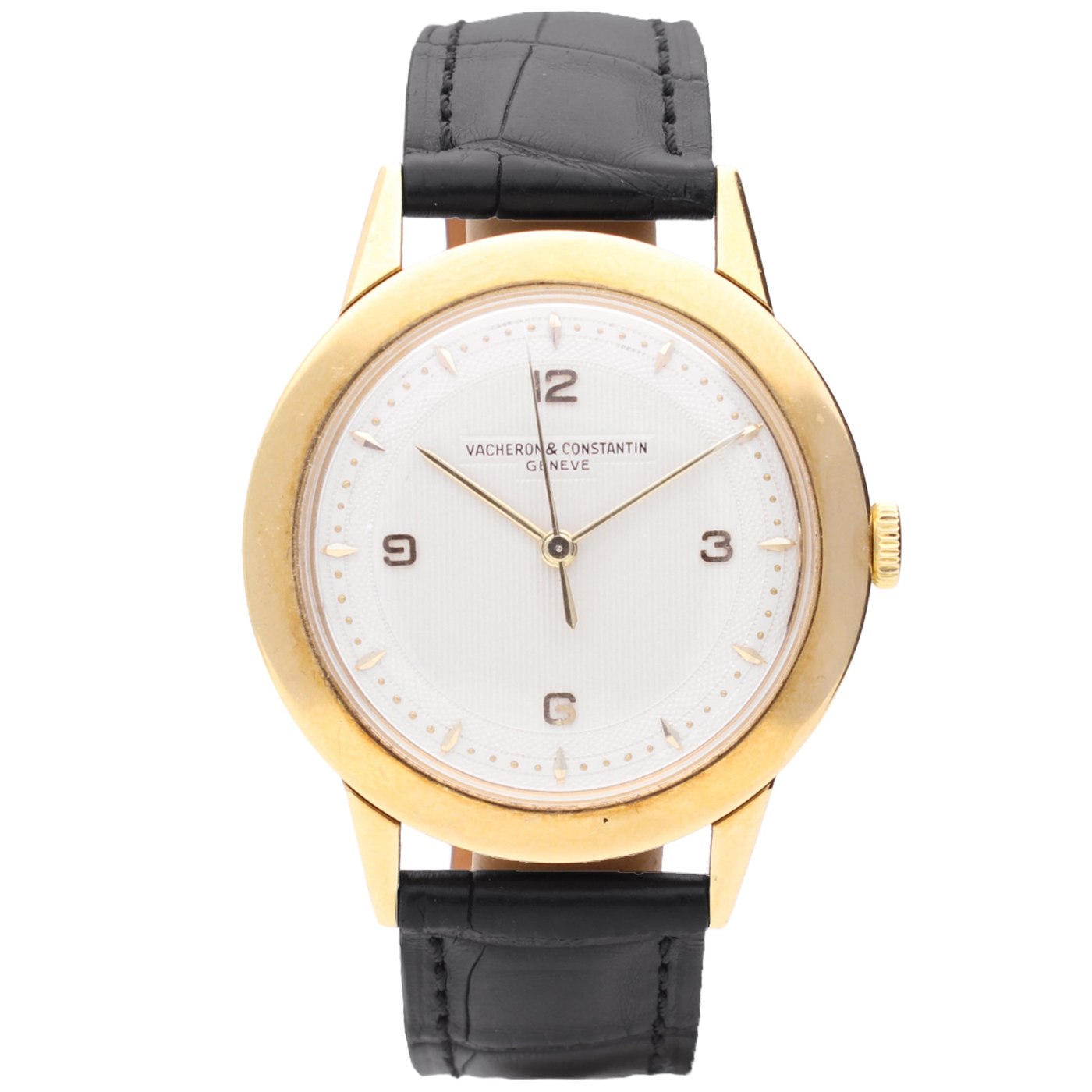
Wristwatch
Vacheron & Constantin 18ct yellow gold wristwatch
“The buckle on the leather strap appears to bear the Maltese cross emblem.”
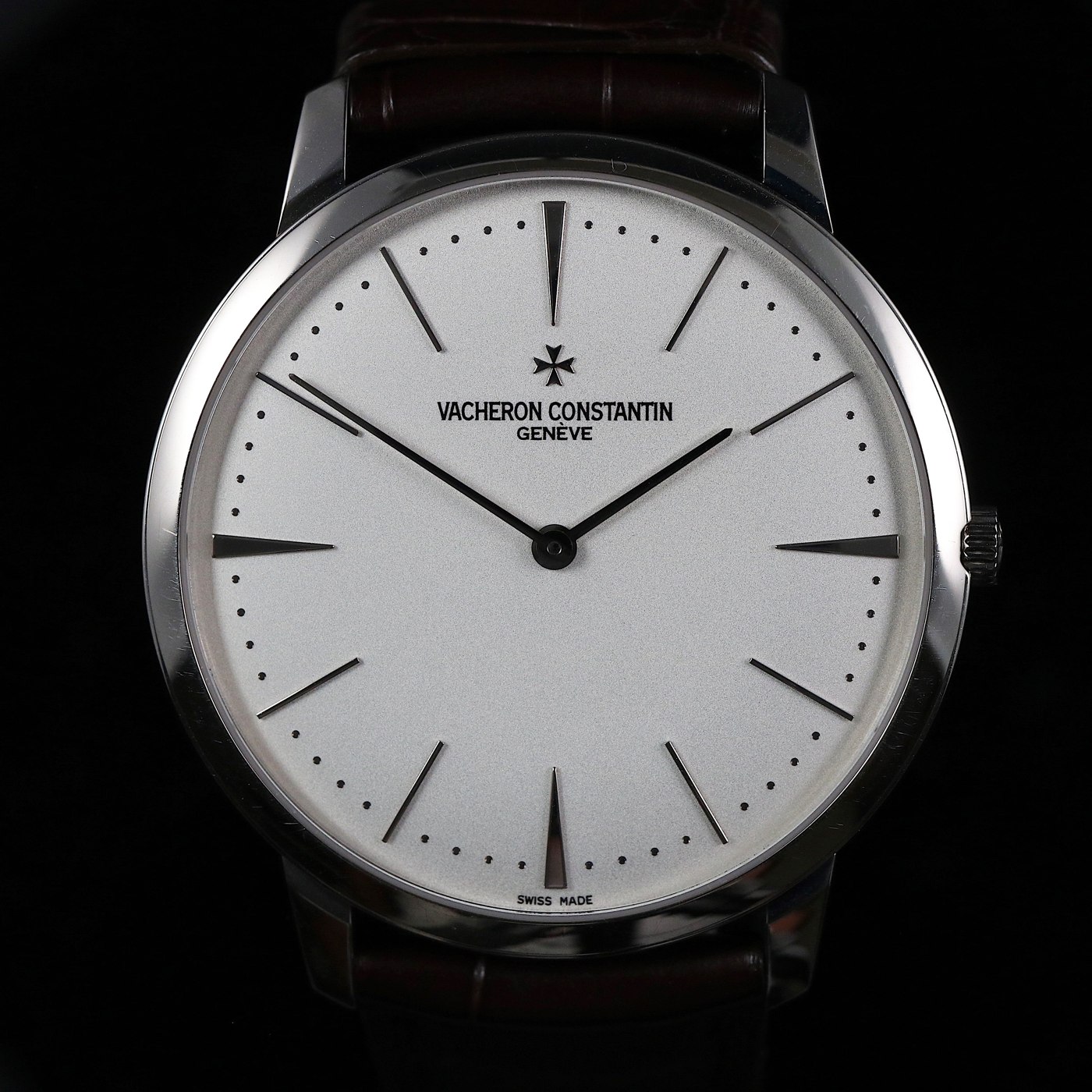
Wristwatch
Vacheron Constantin Patrimony Ref. 81180/000G-9117
“Signed crown with Maltese cross motif”