
Glossary · Mechanism
Mainspring
The coiled spring that stores energy to drive the train.
Explanation
The mainspring stores energy as a coiled strip of spring material inside a barrel. In older watches it may be carbon steel; later alloys improved resistance to set, corrosion and breakage. Material alone does not identify service condition: a modern replacement spring can be appropriate, while an original spring may be historically important but unsafe to run without assessment.
In a going barrel the spring barrel drives the train directly. Automatic watches usually use a slipping bridle so the spring can slip against the barrel wall when fully wound; many manual watches have a fixed attachment and a clear stop. Fusee systems take power through a chain or cord to moderate changing torque. These arrangements should be recorded separately rather than reduced to the single word mainspring.
Sources & references
- de Carle, D., Practical Watch Repairing — mainspring barrels
- Daniels, G., Watchmaking — mainspring and barrel construction
Where sources disagree, the disagreement is stated rather than resolved silently.
What to record
- Identify whether the watch uses a going barrel, fusee or other power path.
- Record fixed attachment versus slipping bridle where documented.
- Keep replacement-spring evidence separate from originality claims.
A wound mainspring stores dangerous energy; do not open a barrel or release power without the correct tools.
In the object catalogue
Catalogued objects whose own source record mentions “Mainspring”. The quoted line shows where; it is the seller’s or museum’s wording, not independent verification.
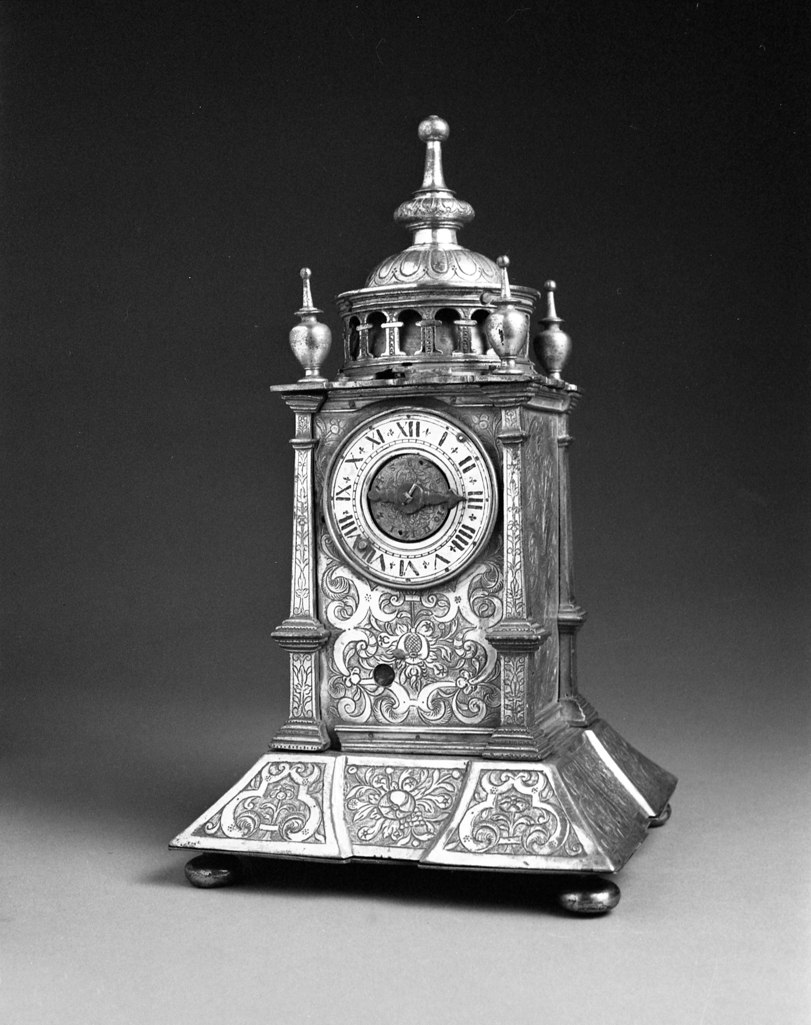
Clock
Tabernacle clock with hour striking and alarm movement
“Small circular aperture located near the lower left of the front plate, noted by the source as originally for mainspring set-up regulation and now blocked.”
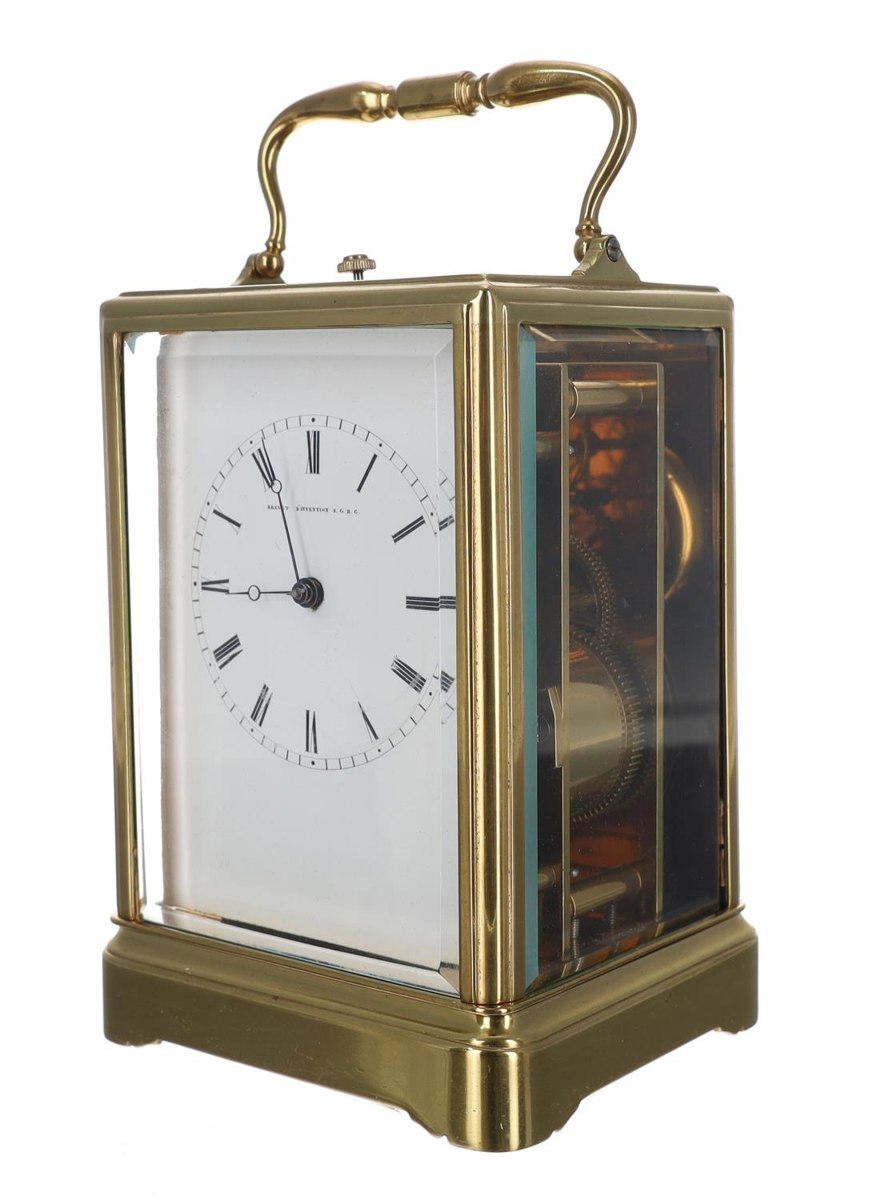
Clock
Japy Frères & Cie 19th-century French repeating carriage clock
“Gearing and mainspring barrel visible through the transparent side panel.”
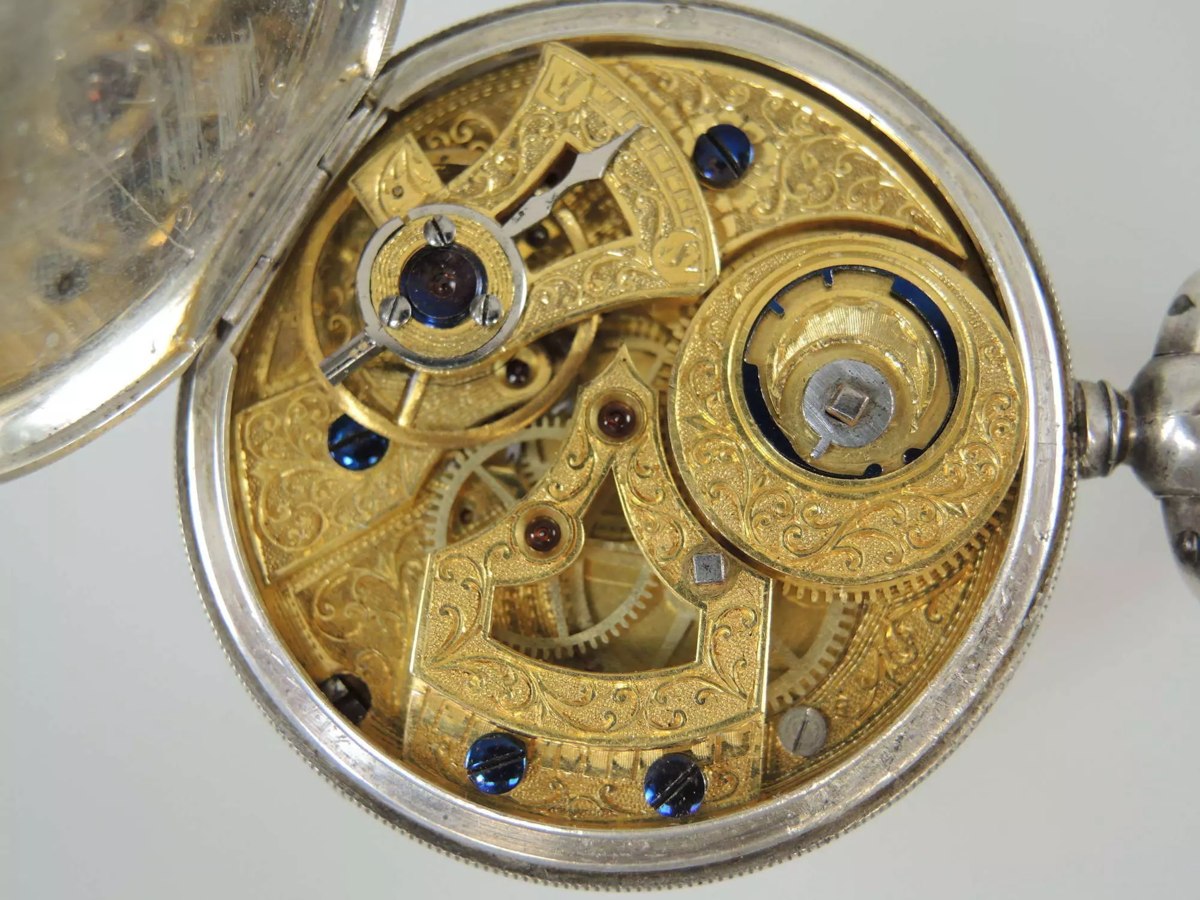
Pocket watch
Silver Chinese Market Duplex pocket watch
“This antique pocket watch is reported by the seller as a Swiss-made timepiece manufactured around 1850 for the Chinese market. It features a gilt bridge movement equipped with a…”
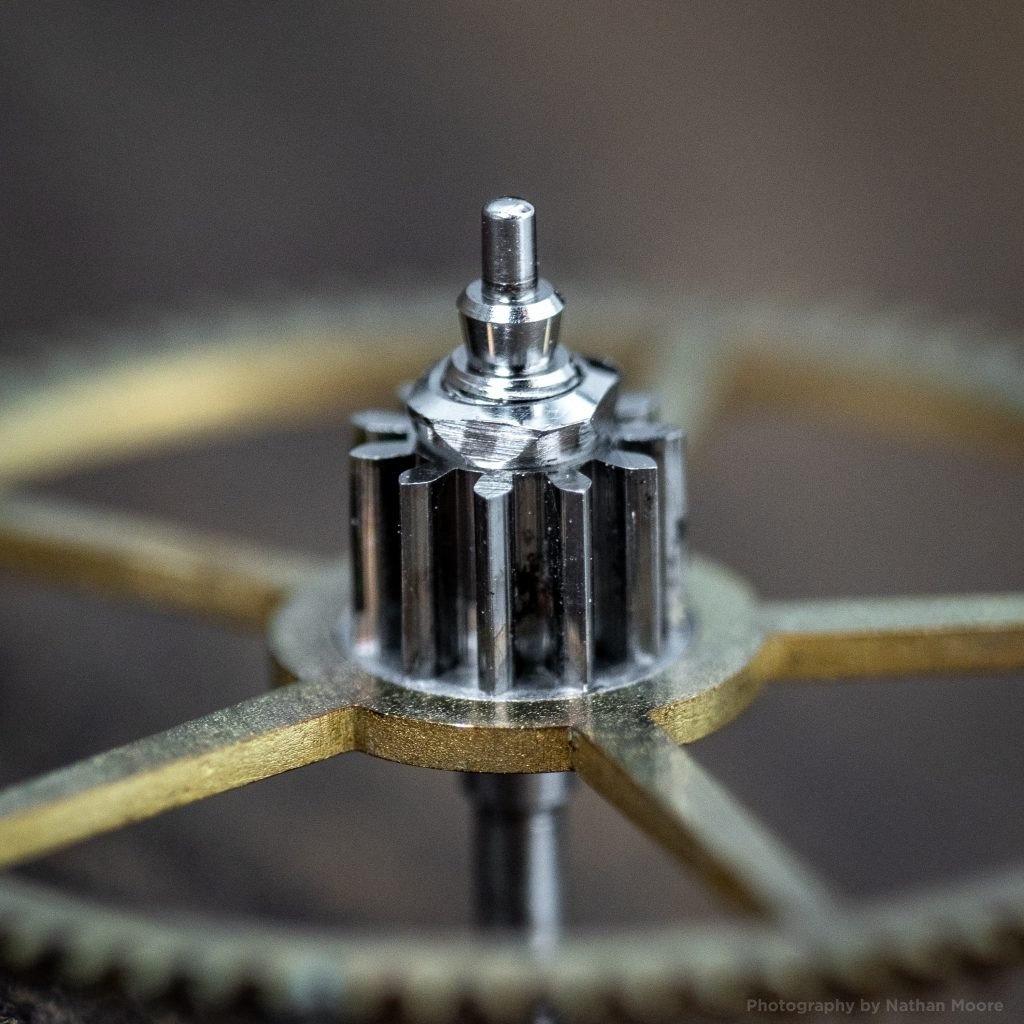
Component
National Watch Company center wheel and Merritt Burt patent safety pinion
“This component assembly consists of a brass center wheel and a steel safety pinion mechanism based on Merritt Burt's 1864 patent design, produced for the National Watch Company.…”
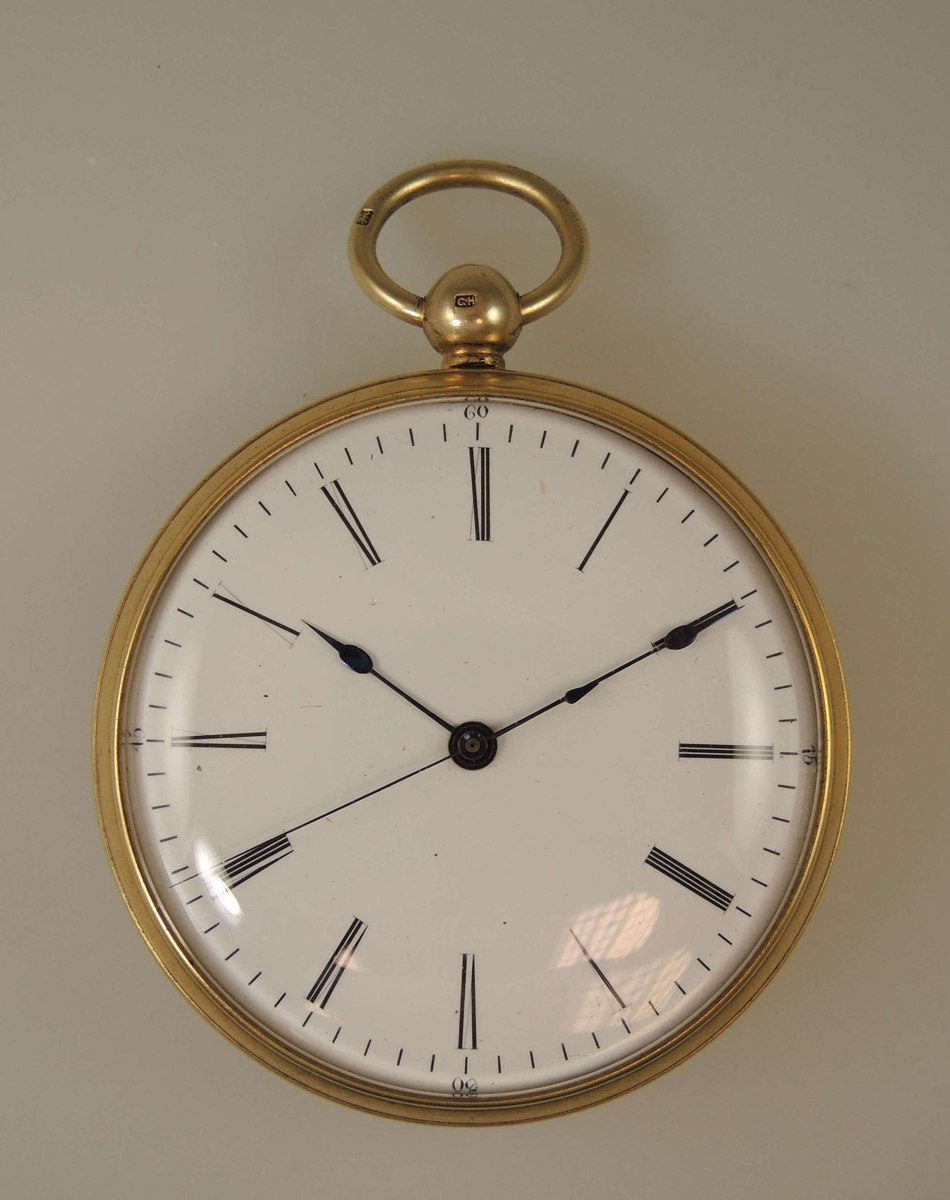
Pocket watch
Bovet & Fleurier Chinese Market Duplex pocket watch
“According to the seller, this key-wound and key-set pocket watch was produced for the Chinese market circa 1850 with a movement signed Bovet & Fleurier. The source states the mo…”
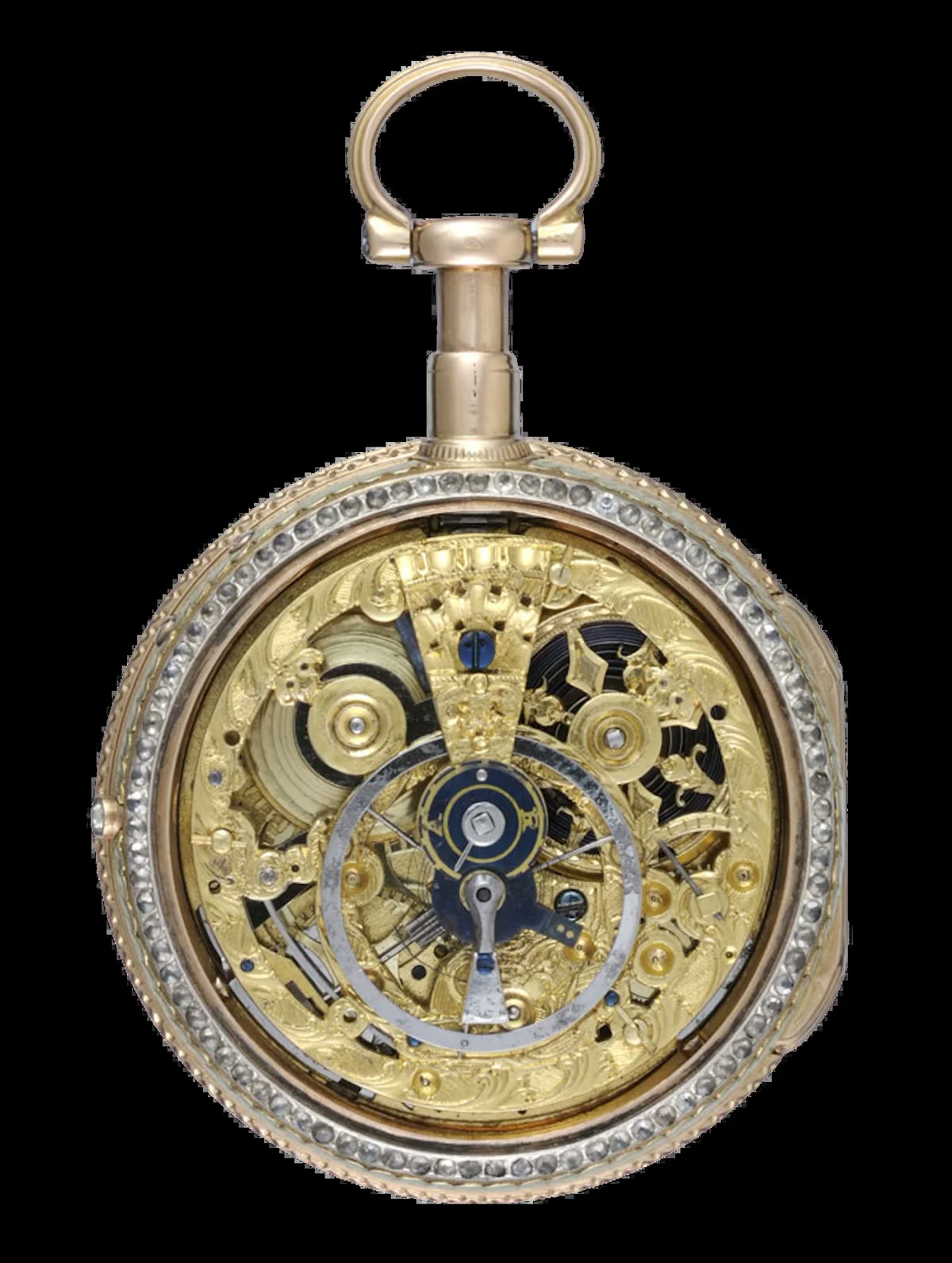
Pocket watch
Skeletonised Repeating Pocket Watch with Glass Dial
“According to the source, this antique pocket watch is a Swiss skeletonised verge quarter repeater dating to circa 1760. It is powered by a full-plate fusee movement constructed …”