
Glossary · Mechanism
Crutch
An arm linking the escapement arbor to a pendulum in common anchor-clock arrangements.
Explanation
In a common anchor escapement the crutch is attached to the escapement arbor and ends in a fork or other connection to the pendulum rod or leader. It transmits the escapement's impulse to the pendulum and follows the pendulum's movement back to the escapement. The crutch is not normally the part that supports the pendulum's weight: suspension and impulse linkage have different jobs. Forks, pins, slots and leaders differ between constructions.
Beat concerns the relationship between alternate escapement actions and the pendulum's swing. Some clocks provide a beat adjustment; others require specialist setting of their linkage. Crutch length alone is not a universal beat control, and a beat screw is not present on every clock. Uneven ticking, contact with the case or a stop may involve mounting, suspension, clearances, power or escapement condition. An external symptom does not identify a bent crutch as its sole cause.
A useful photograph shows the connection, not merely the movement's front plate. Record the actual fork or pin arrangement and any established earlier alteration. Preserve uncertain condition as uncertain: a still photograph cannot show freedom throughout the swing or quantify an impulse. During a move, protect the suspension and hanging parts according to exact instructions rather than bend the crutch to make the pendulum fit a new position.
Sources & references
- https://en.wikipedia.org/wiki/Pendulum_clock
- https://www.icon.org.uk/conservation-hub/caring-for-your-collections/clocks.html
Where sources disagree, the disagreement is stated rather than resolved silently.
What to record
- Locate the escapement-arbor connection and pendulum contact.
- Distinguish the impulse linkage from the weight-bearing suspension.
- Keep uneven beat separate from rate and stopping symptoms.
Do not bend a crutch or force its fork as an improvised beat adjustment.
In the object catalogue
Catalogued objects whose own source record mentions “Crutch”. The quoted line shows where; it is the seller’s or museum’s wording, not independent verification.
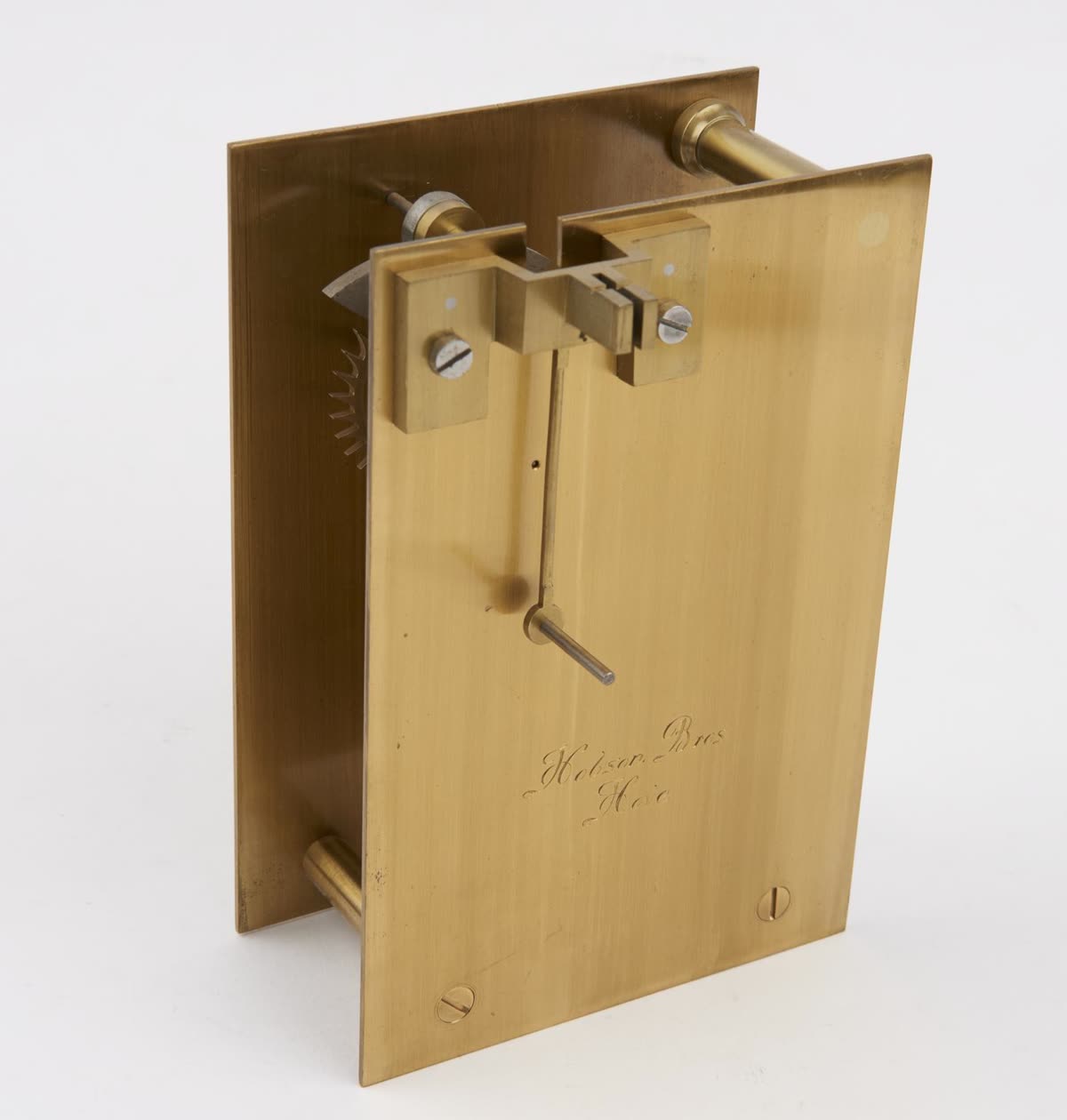
Component
Model of anchor escapement
“This object is a demonstration model of an anchor escapement as used in bracket clocks, preserved in the Science Museum Group collection under object number 1952-344. Constructe…”
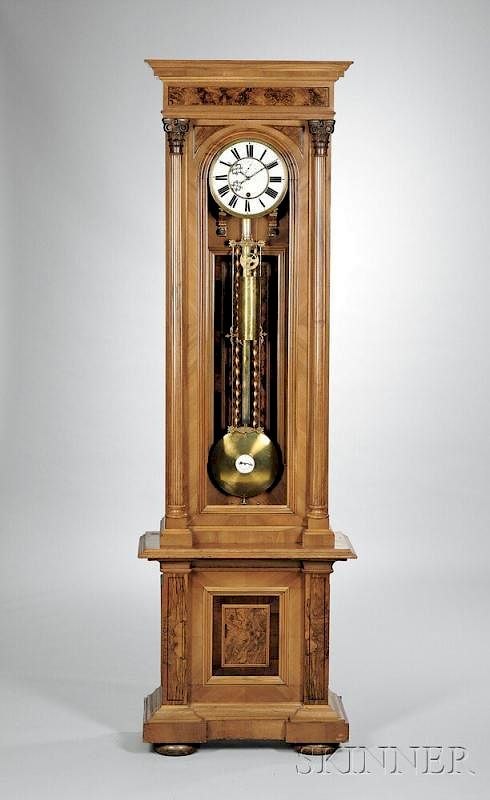
Clock
Floor-standing Vienna Regulator attributed to J. Schulz
“This floor-standing Vienna regulator clock, dated to circa 1880 and attributed by the source to J. Schulz, measures 79 inches in height. The flat-top mahogany-veneered case feat…”
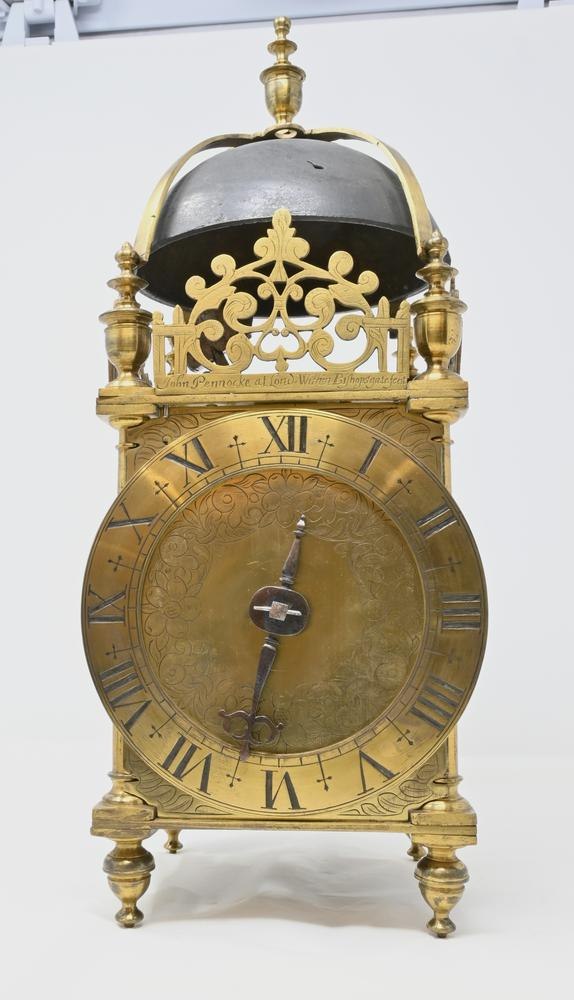
Clock
Lantern clock by John Pennocke
“This English brass lantern clock is signed by London maker John Pennocke, dating to circa 1625–1635 or circa 1640 according to British Museum catalogue records. Built with a pos…”