
Glossary · Mechanism
Crown wheel
A context-dependent name: a winding-train wheel, or the toothed escape wheel of a verge escapement.
Explanation
Crown wheel has two important horological uses. In common keyless winding work, it transmits rotation from the winding pinion towards the ratchet wheel on the barrel arbor. In a verge escapement, crown wheel instead names the escape wheel with teeth projecting around its rim to act on the verge pallets. Those are different mechanisms, not two views of the same component.
Use the surrounding parts to resolve the meaning. A winding crown wheel belongs beside the winding transmission and barrel; a verge crown wheel interacts with the verge staff. Screw direction, tooth geometry and support arrangements must come from the actual calibre. Some winding-wheel screws have left-hand threads, but the name crown wheel is not sufficient evidence for a universal unscrewing direction. A generic chronograph balance photograph cannot identify either wheel without its position being shown.
Sources & references
- de Carle, D., Practical Watch Repairing — technical further reading; exact procedures require calibre documentation
- Reymondin et al., The Theory of Horology — construction and terminology further reading
Where sources disagree, the disagreement is stated rather than resolved silently.
What to record
- Specify winding crown wheel or verge escape wheel.
- Identify neighbouring parts before using a shared name.
- Confirm fastener direction from exact documentation.
Do not turn a crown-wheel screw based on a general rule; a mistaken direction can damage a scarce part.
In the object catalogue
Catalogued objects whose own source record mentions “Crown wheel”. The quoted line shows where; it is the seller’s or museum’s wording, not independent verification.
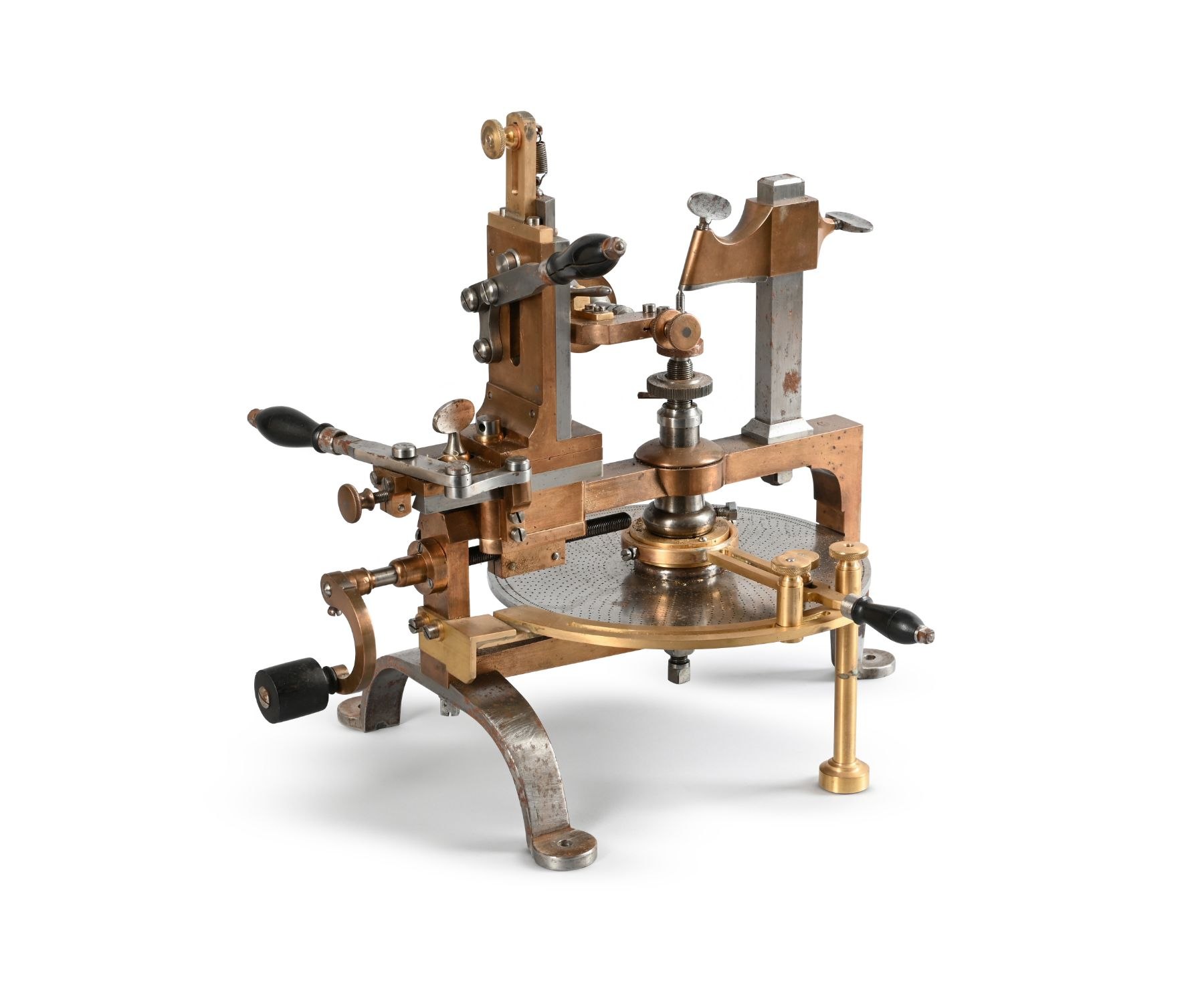
Tool
Swiss brass and steel wheel cutting engine retailed by L.H. Keller and Company
“According to the auction catalogue, this Swiss brass and steel wheel cutting engine was retailed by L.H. Keller and Company of New York circa 1900. It features a locking pivot c…”
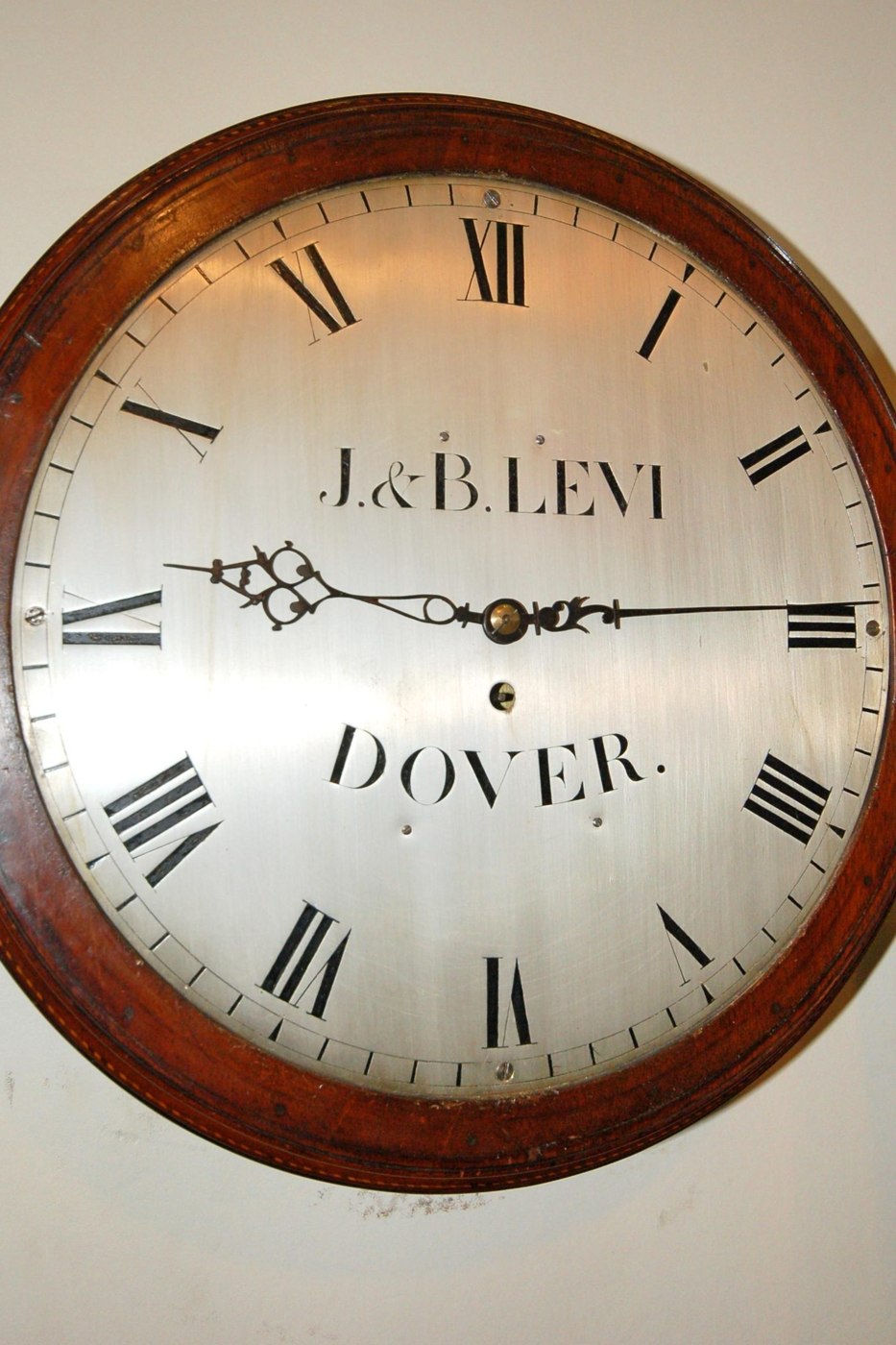
Clock
J. & B. Levi Salt-box Wall Clock
“This wall clock is attributed to the makers J. & B. Levi of Dover, England, and is dated to approximately 1795. The clock features a characteristic salt-box form case constructe…”
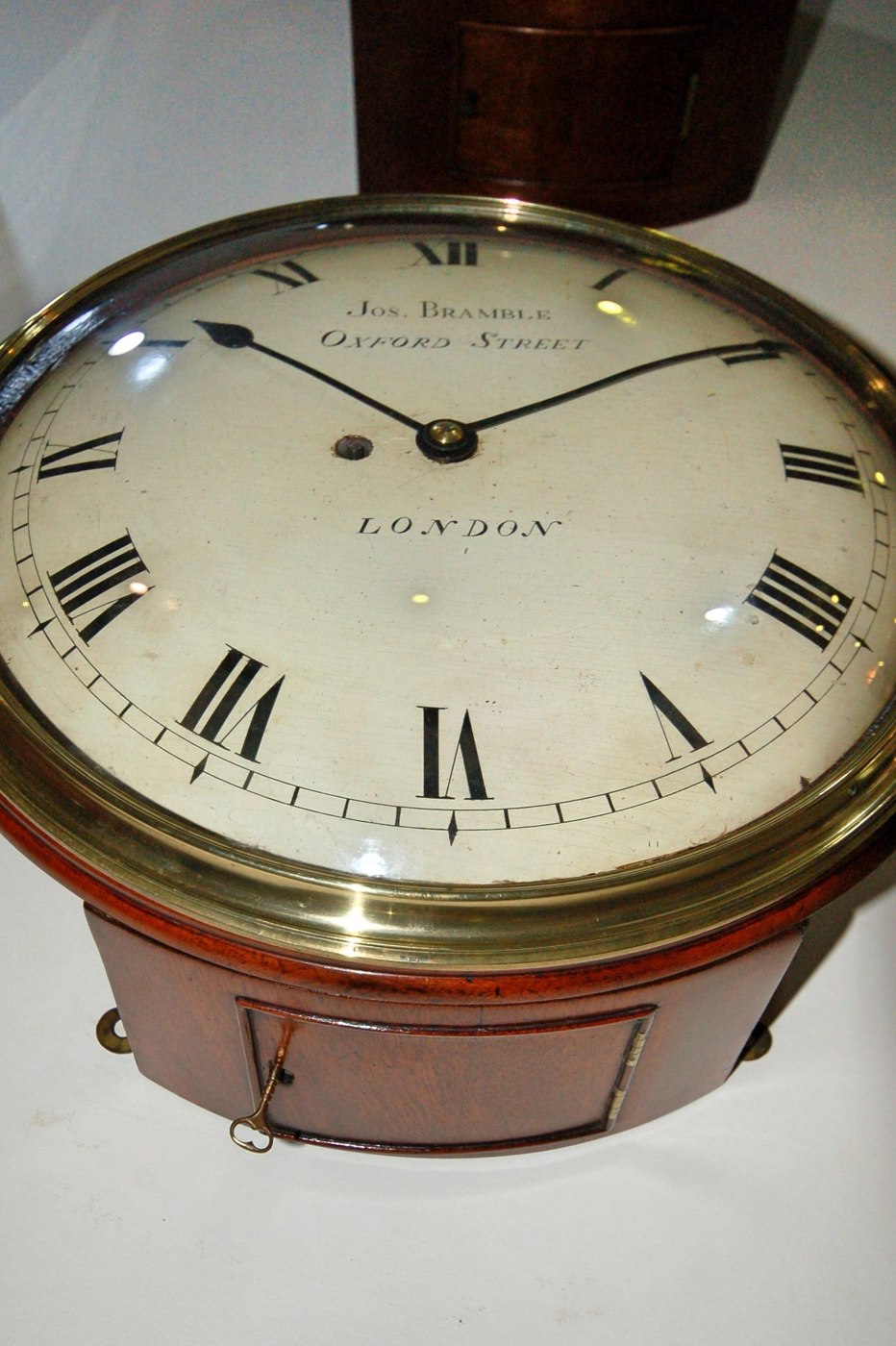
Clock
Antique English Fusee Wall Clock by Joseph Bramble
“This antique wall clock is attributed to the London-based clockmaker Joseph Bramble, active on Oxford Street, and dates to approximately 1820. It follows the traditional design …”
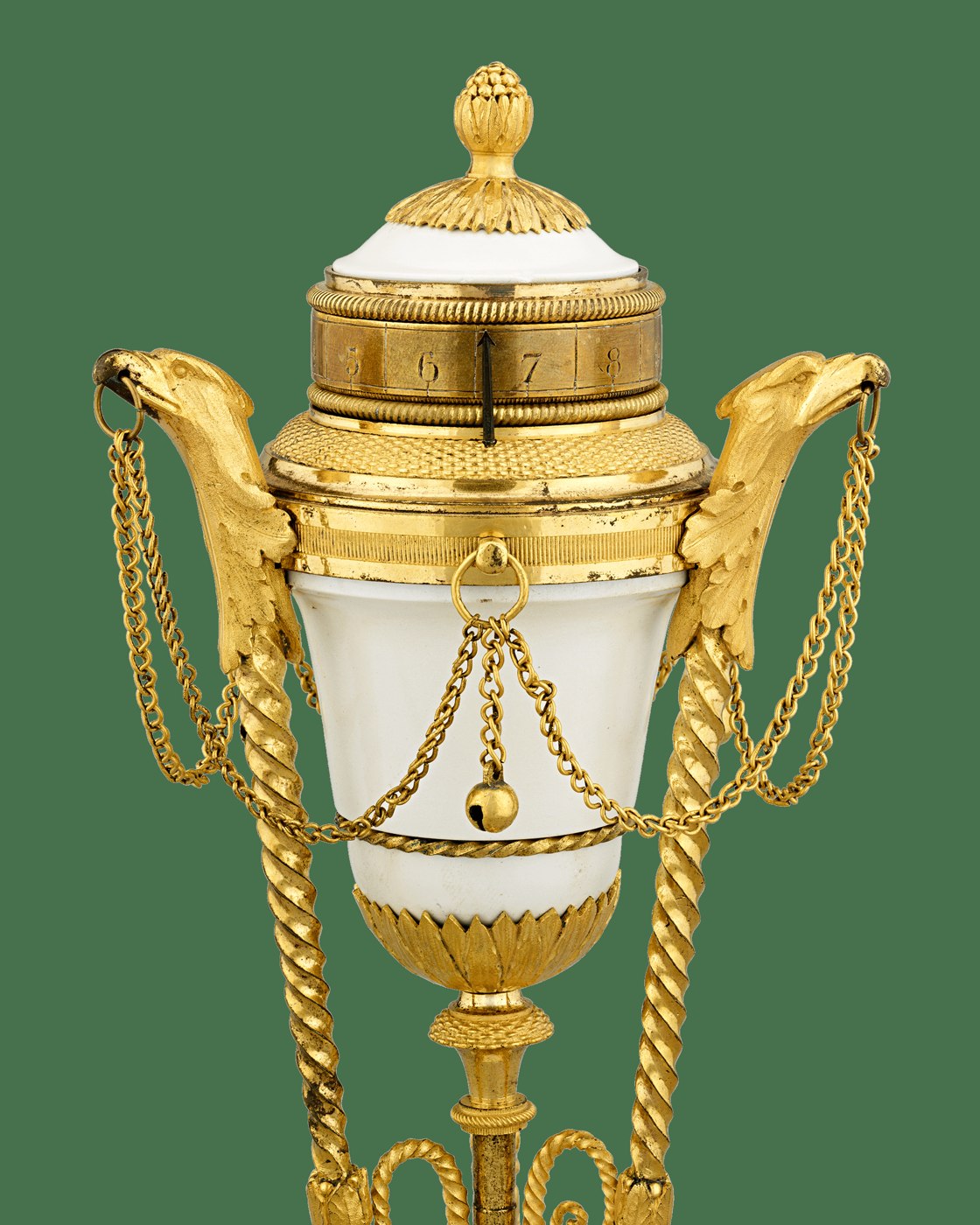
Clock
Louis XVI Style Gilt and Marble Clock and Cassolettes
“This set consists of an annular clock and two matching cassolettes, all created in a neoclassical design. The components are primarily constructed from white Carrara marble with…”