
Glossary · Mechanism
Dead-beat escapement
A clock escapement, credited to George Graham, with no recoil of the escape wheel.
Explanation
The dead-beat escapement, credited to George Graham around 1715, locks the escape wheel without the recoil (backward push) of the anchor escapement. With a good pendulum it gave the accuracy needed for regulators and observatory clocks. It requires precise depthing and is sensitive to wear, so it was reserved for better clocks.
In the object catalogue
Catalogued objects whose own source record mentions “Dead-beat escapement”. The quoted line shows where; it is the seller’s or museum’s wording, not independent verification.
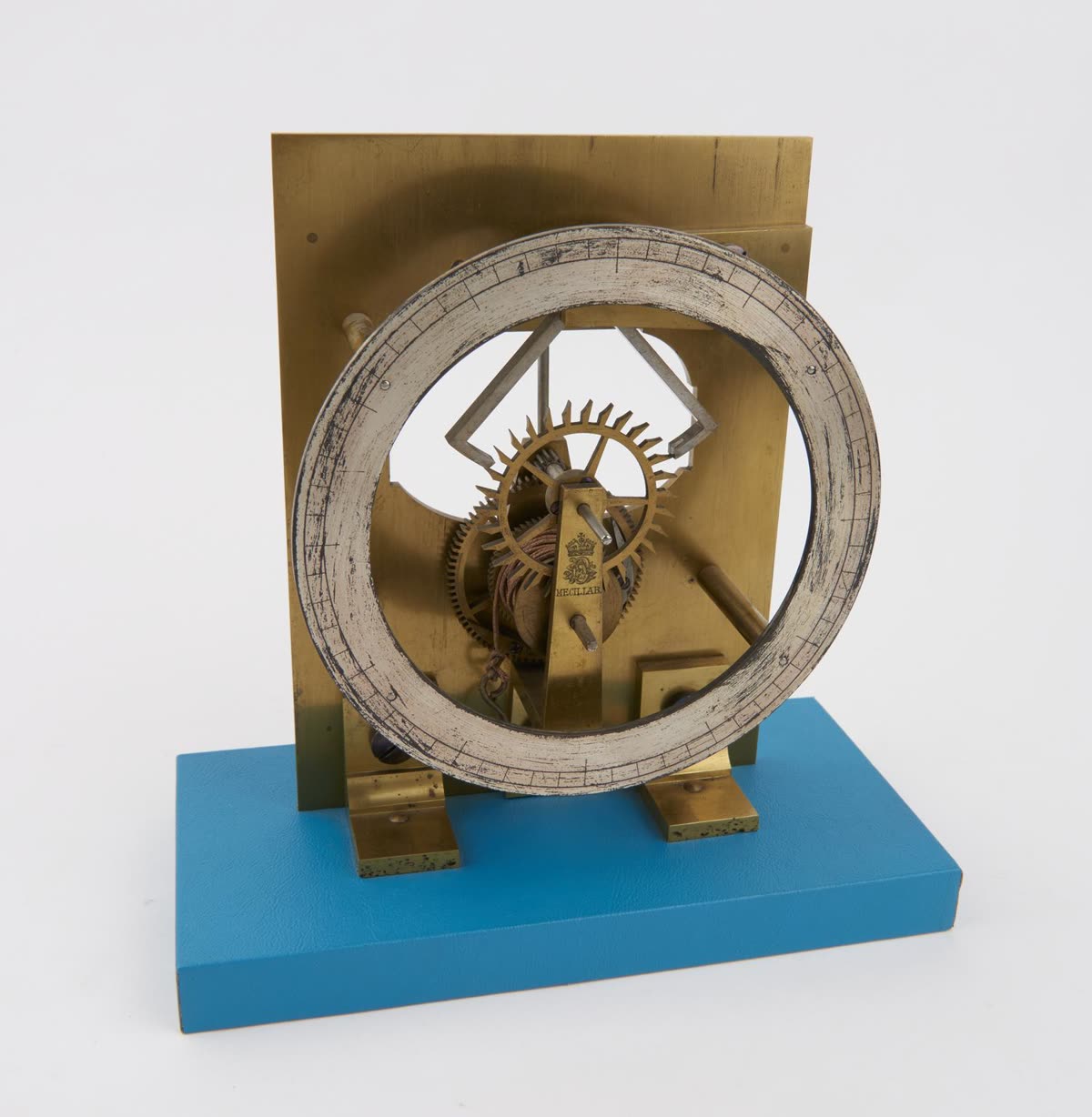
Clock
Dead-beat escapement model (full size) with wooden stand
“Dead-beat escapement model (full size) with wooden stand”
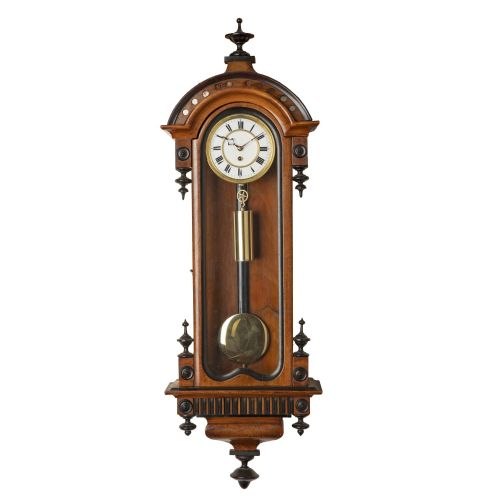
Clock
A Small 8-Day Vienna Regulator Timepiece Wall Clock
“This antique wall clock is a small Vienna regulator timepiece dated by the dealer to circa 1895. The clock is reported to house an 8-day weight-driven movement equipped with a d…”
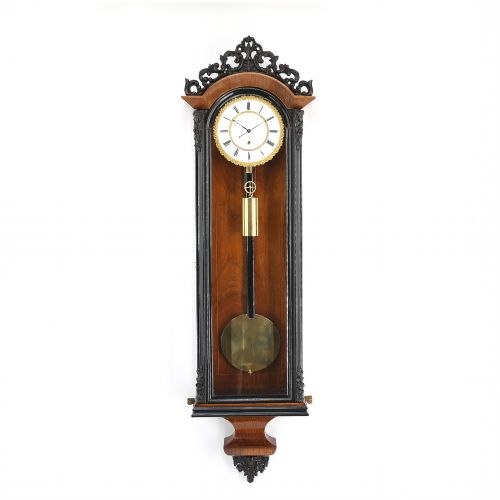
Clock
Month Duration Vienna Regulator Wall Clock
“This antique wall timepiece is a month-duration Vienna regulator dated by the dealer to circa 1850. The glazed case features walnut veneers on the arched crest and base terminal…”
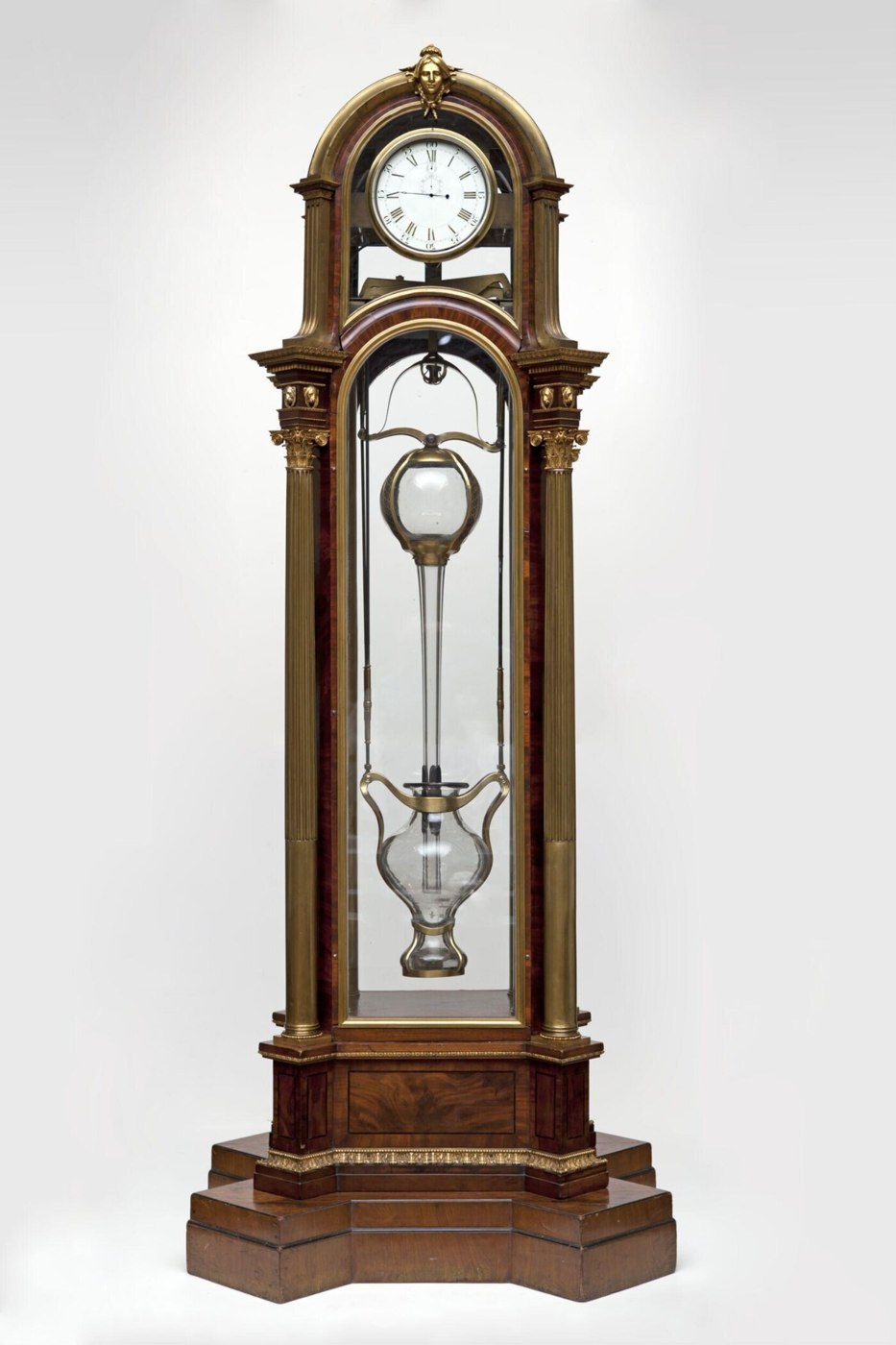
Clock
Longcase clock
“This longcase clock, dating to approximately 1760, was created by James Cox with later modifications attributed to Thomas Weeks. The clock is housed in a mahogany case with ormo…”
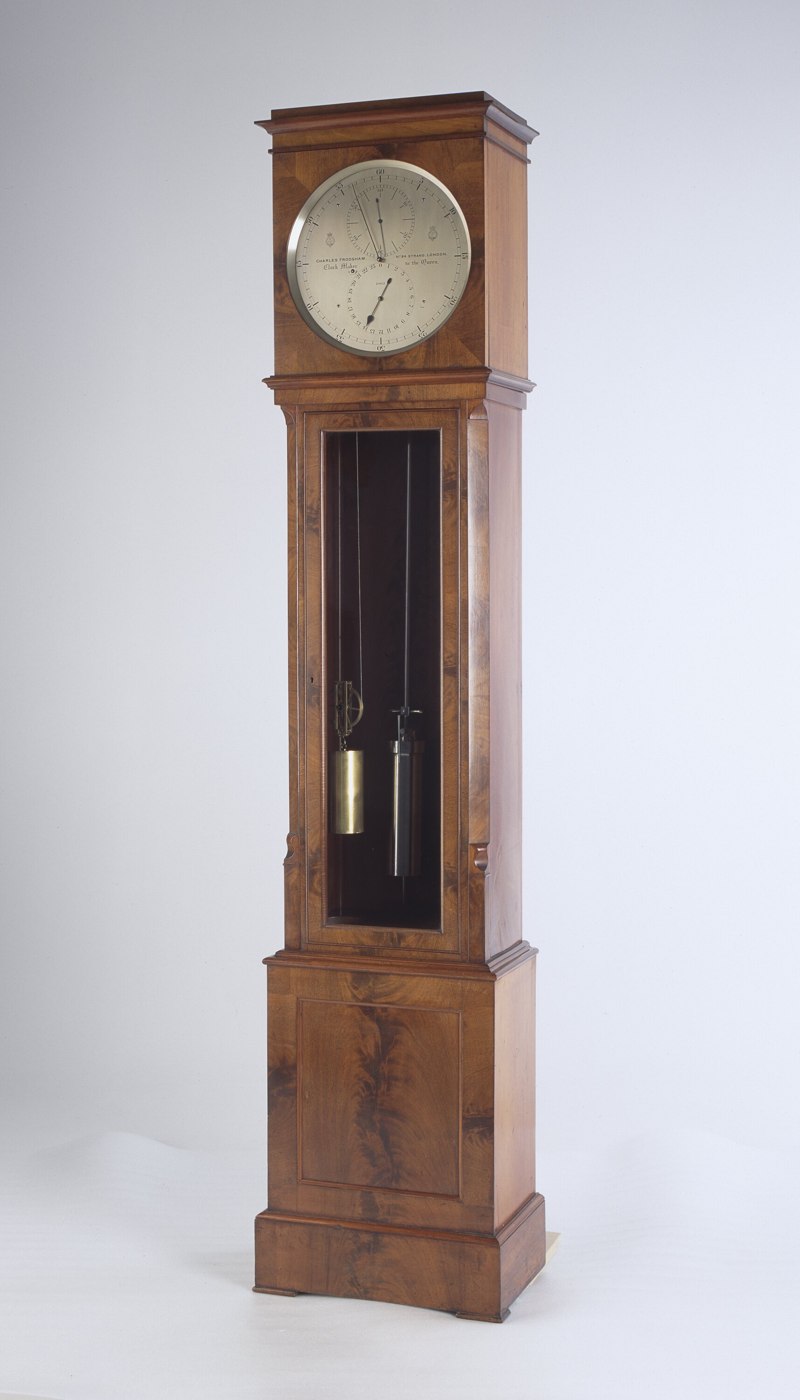
Clock
Charles Frodsham Eight Day Astronomical Regulator Clock
“This eight-day long-case astronomical regulator clock, manufactured in 1865 by Charles Frodsham in London, represents an example of precise 19th-century horological instrumentat…”
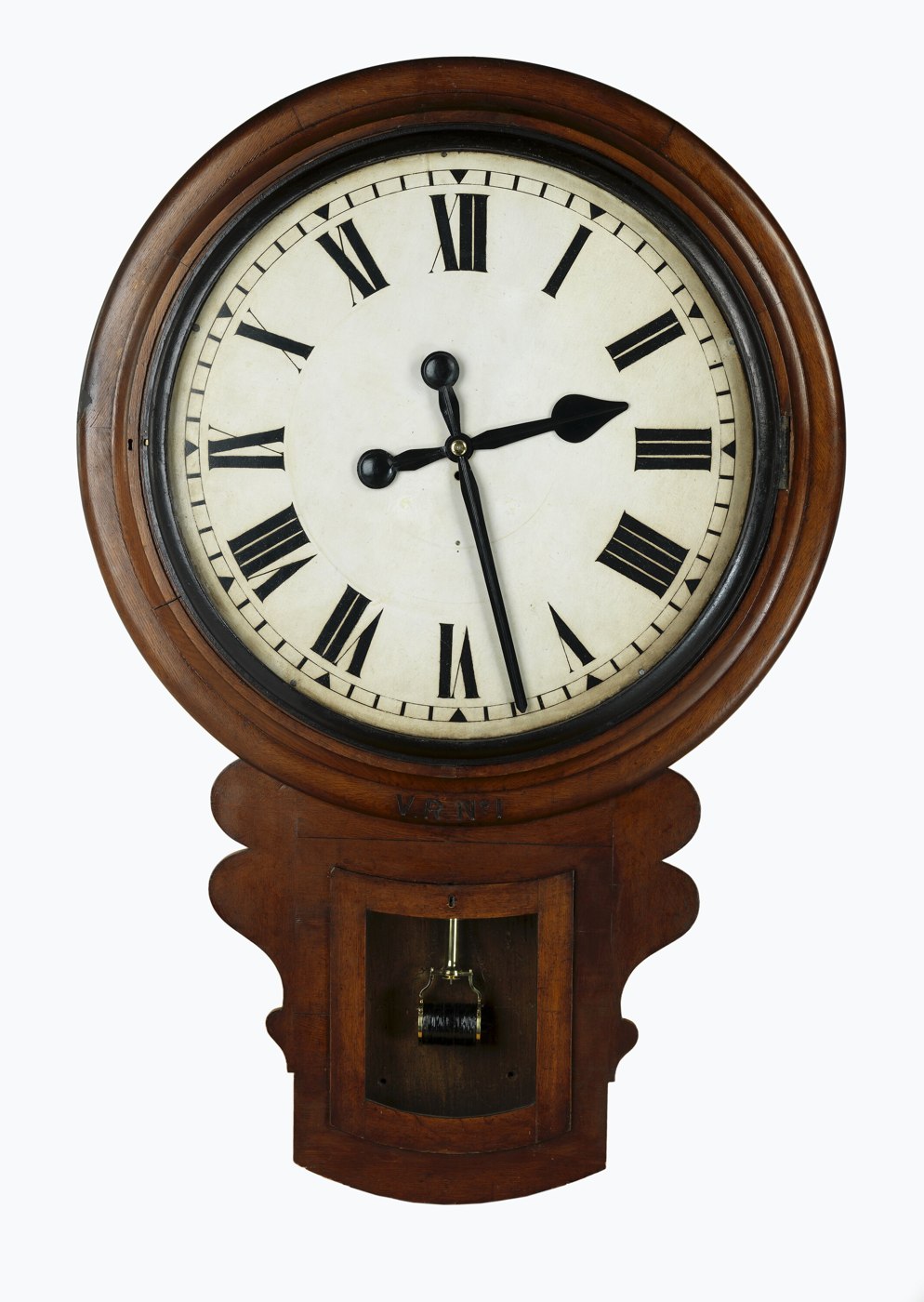
Clock
Victorian Railways No.1 Wall Clock
“This wall clock, known as the Victorian Railways No.1 or 'Main Line Starter Clock', is constructed with a cedar drop dial case featuring a glazed, 914 mm diameter face and a cas…”