
Museum · Florence, Italy
Museo Galileo
History of science museum with instruments and timekeeping devices.
Institution photographs
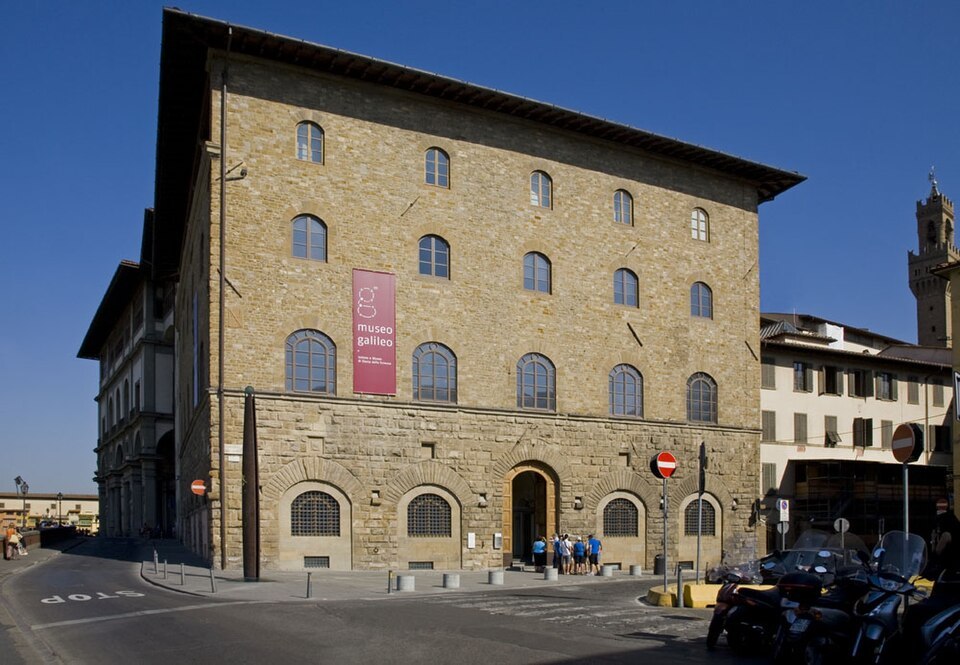
The caption identifies the institution shown; follow the source record for attribution and context.
Overview
The Museo Galileo in Florence is a museum and research institute for the history of science, whose collections of scientific instruments include timekeeping. Its horological work is illustrated by the 2023 exhibition Ore italiane (14 July – 15 October 2023), curated by Antonio Lenner and Giorgio Strano.
That exhibition showed more than sixty original Italian clocks made between the fifteenth and early nineteenth centuries, selected from Gian Carlo Del Vecchio's specialist collection of over three hundred pieces, together with instruments for telling the time from before mechanical clocks and tools used by clockmakers. The exhibition is over; it is cited as evidence of the museum's research on Italian clockmaking, not as a current display.
Collection focus
- History-of-science collections including timekeeping
- Research on Italian clockmaking
- Pre-mechanical time-finding instruments
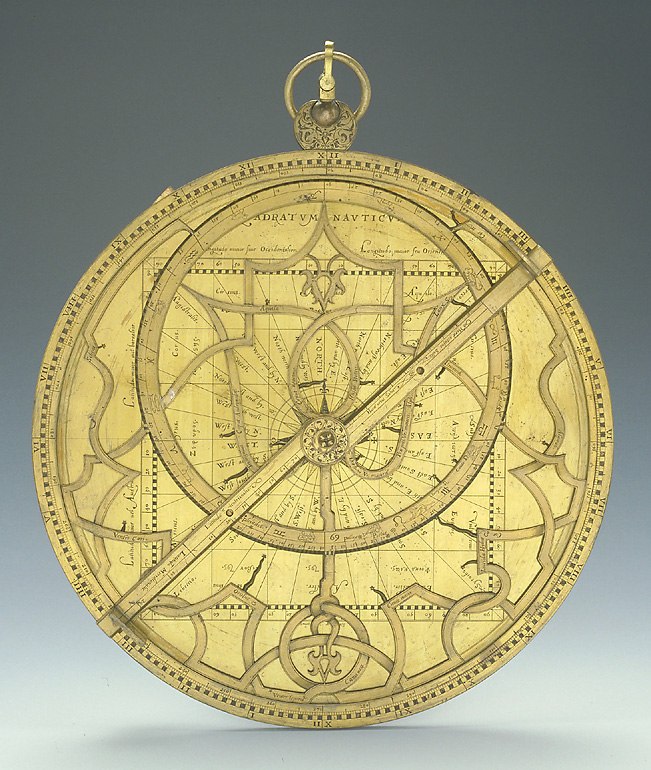
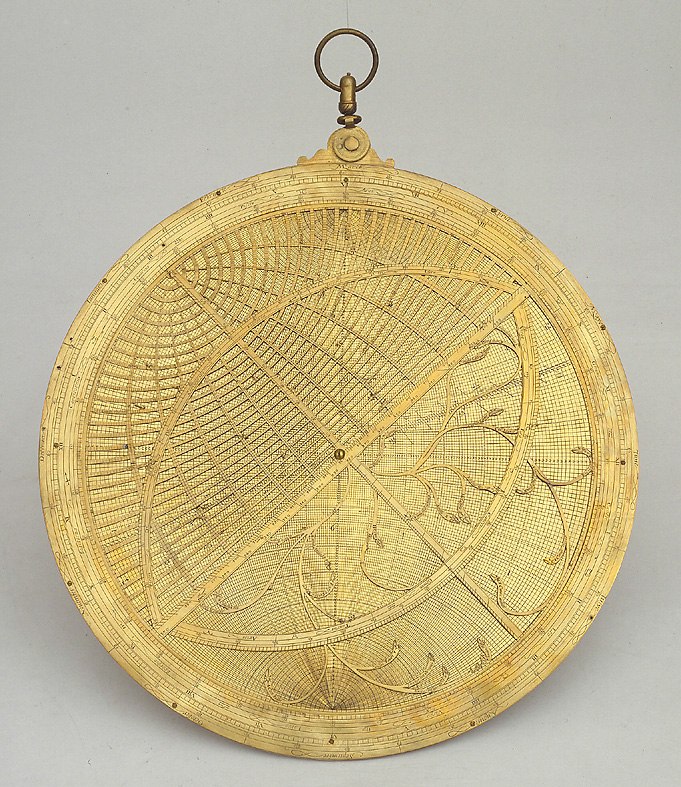
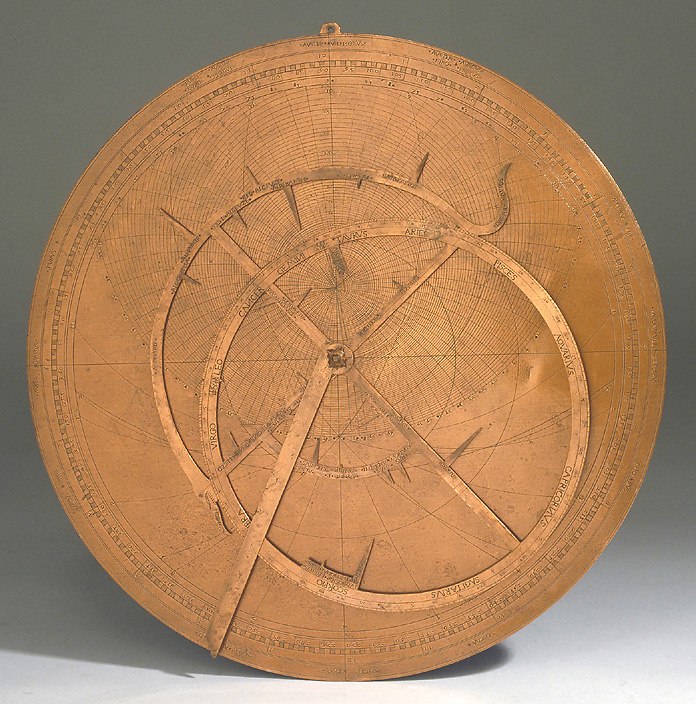
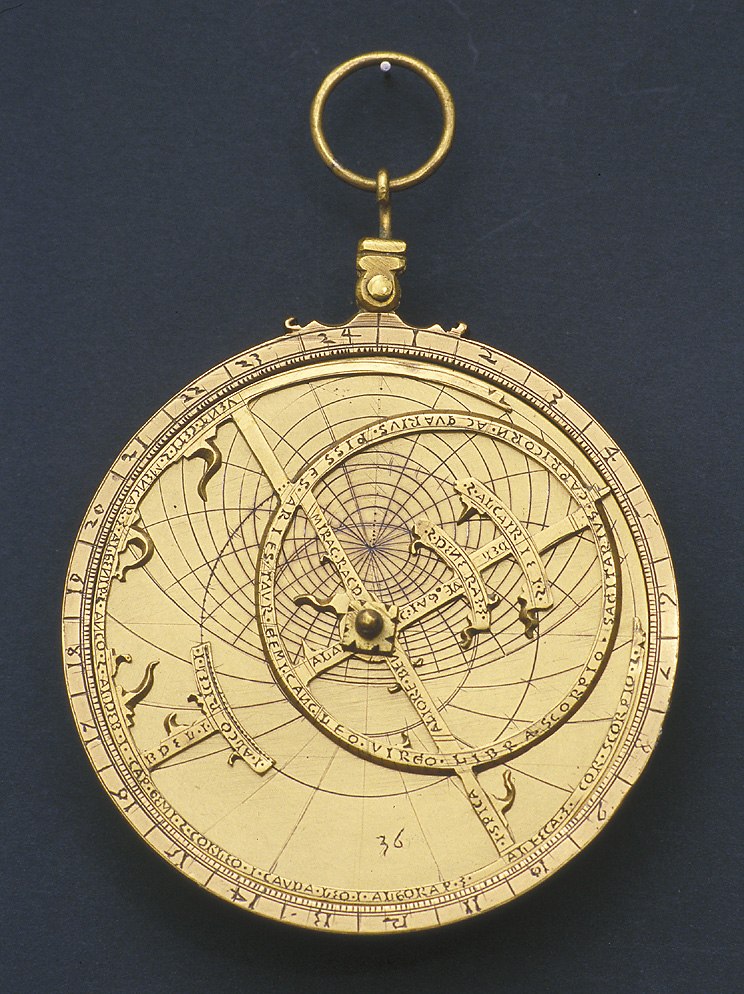
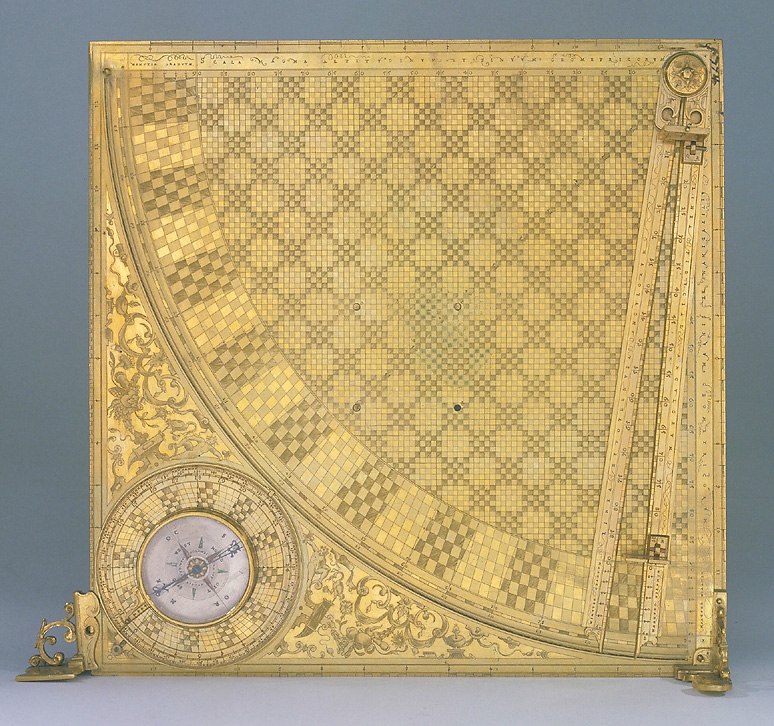
From its online collection
Objects in this encyclopedia's catalogue that were recorded from the institution's own online collection pages. A collection record does not establish current display.
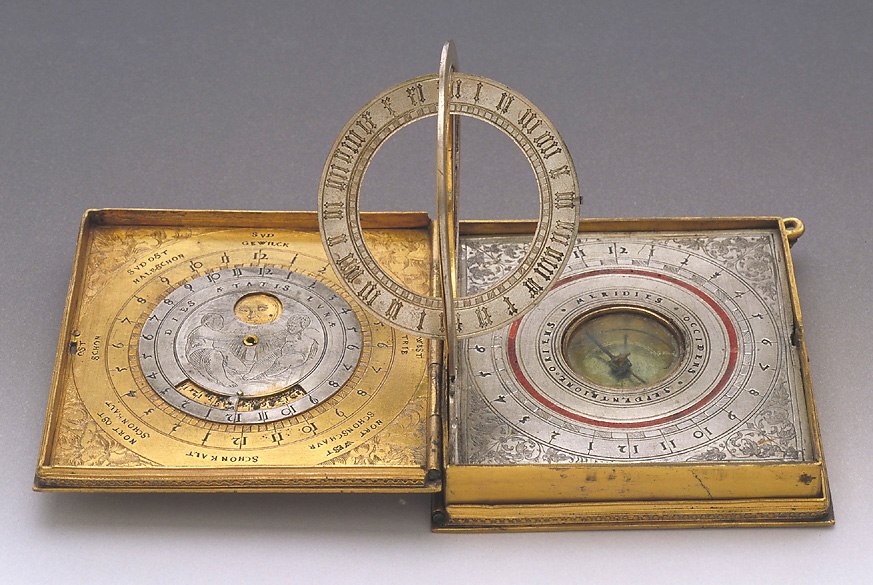
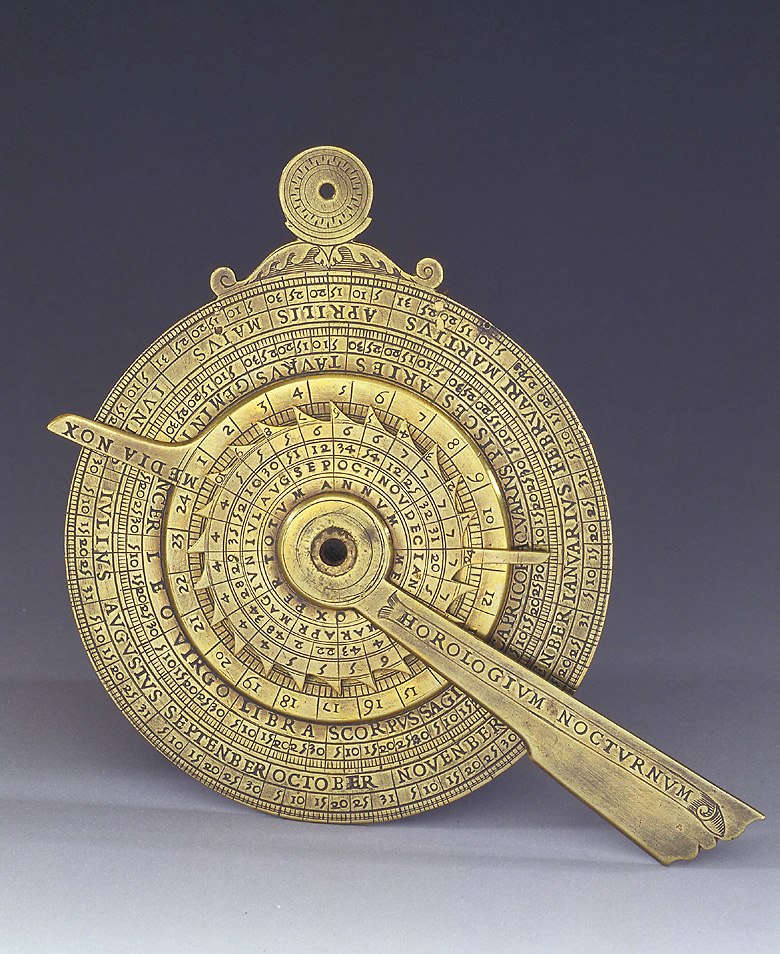
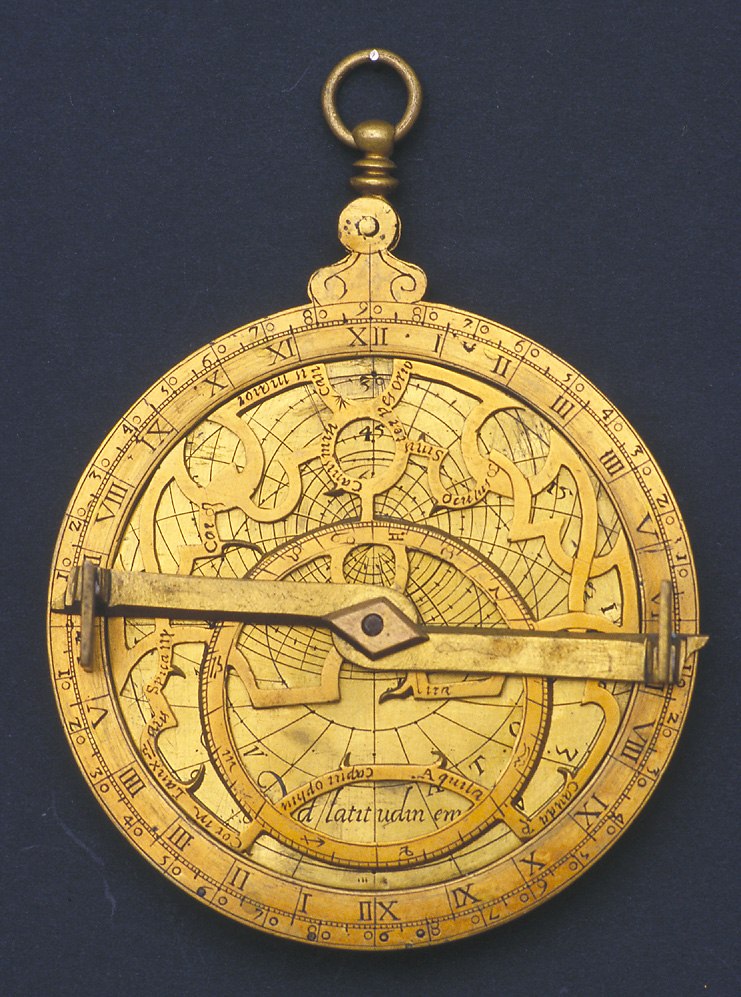
Using it for research
- Use the museum's library and research institute for history-of-science literature.
- The Del Vecchio clocks belong to a private collection shown temporarily; do not cite them as museum holdings.
Before you visit
- Check the official site for current opening times and exhibitions.