
Magazine · Care, conservation & repair
How to Wind a Pocket Watch: The Definitive Guide
Winding a pocket watch is an act of mechanical stewardship that requires patience and an understanding of the internal movement architecture. Whether you possess a 19th-century [key-wind](L9) treasure or a later [stem-wind](L28) timepiece, the correct technique preserves the delicate mainspring and gear train for future generations.
November 23, 2026 · 4 min read
AI-drafted from search research. Not yet editorially reviewed — check important facts against the cited sources.
Key takeaways
- Identify your watch type before attempting any operation.
- Never force the winding mechanism; resistance is your signal to stop.
- Use appropriate, well-fitting keys for key-wind watches to avoid stripping the square.
- Consult professional horologists if the crown or key feels stuck.
- Maintain your watch by keeping it free of dust and debris.
Understanding Your Pocket Watch Mechanism
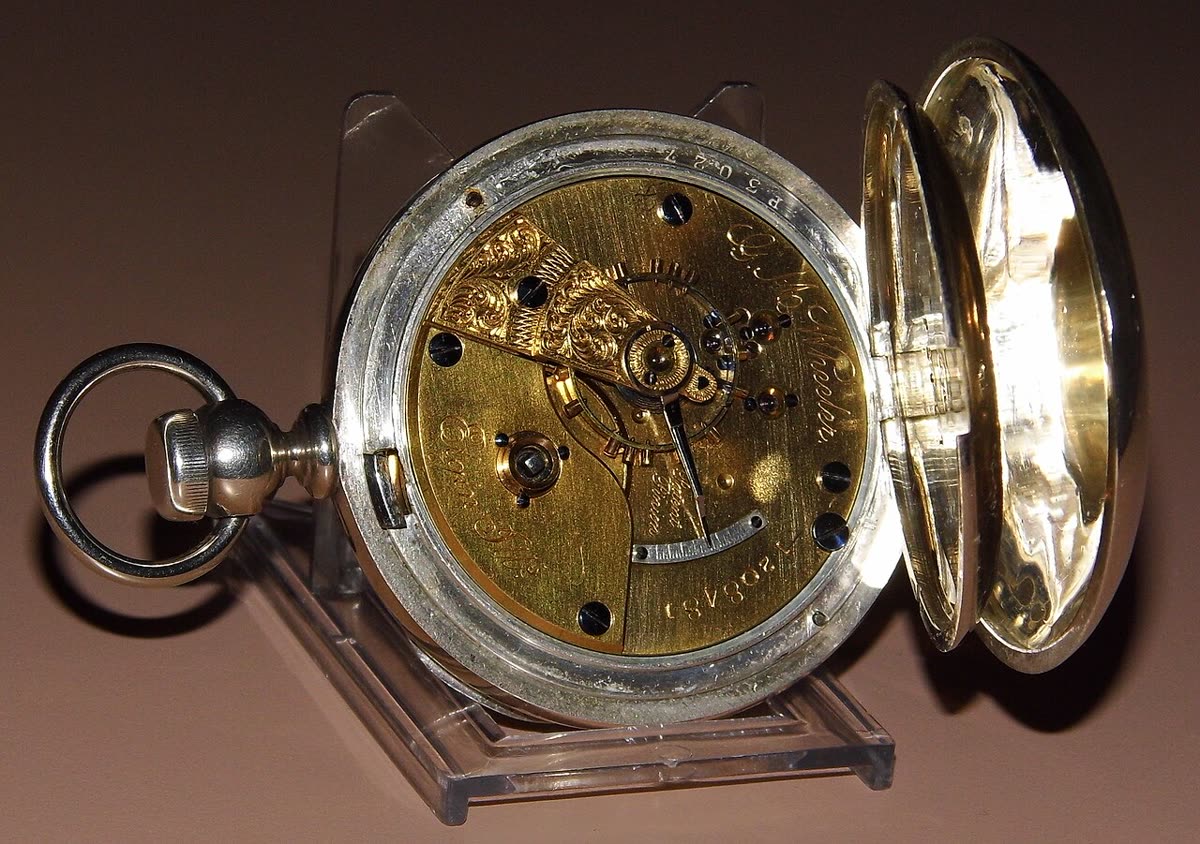
Before you apply force to any part of a pocket watch, you must identify its winding system. The Pocket Watch Encyclopedia categorizes these into two primary groups: Key-Wind, Key-Set and Keyless (Stem-Wind, Stem-Set). A key-wind watch requires a separate tool to interface with the winding square located either on the back of the movement (under a case lid) or, in some earlier examples, through a hole in the dial. Attempting to force these movements without the correct key size will damage the winding arbor and potentially the entire gear train.
Modern or transitional watches from the mid-19th century onwards often utilize keyless works. These systems allow you to wind the watch using the crown located at the pendant. As noted in the history of keyless winding, this development revolutionized the industry, replacing the inconvenient loose key with a permanently integrated winding stem. When you turn the crown, the winding pinion engages with the mainspring barrel to store energy. Understanding whether your watch utilizes this system or requires a key is essential for how to wind and set a pocket watch.
How to Wind an Antique Key-Wind Pocket Watch
To wind an antique key-wind watch, first locate the winding square. If the watch is a hunting-case style, you must open the back cover carefully following standard safety procedures. Once exposed, select a key that fits snugly on the square. If the key is too loose, you risk rounding off the corners of the arbor, which renders the watch nearly impossible to wind without significant repair. If the key is too tight, you may exert undue stress on the metal.
For Waltham or Elgin models, watchmakers often recommend a consistent, smooth rotation. Always wind in the direction that provides resistance—usually clockwise—and do not 'back-wind' unless the specific movement architecture dictates it, which is rare. If the key feels 'gritty' or if you hear a clicking sound that is inconsistent, stop immediately. These are signs that the movement requires conservation and professional inspection rather than further winding.
How to Wind Hamilton, Elgin, and Waltham Stem-Wind Watches
Winding a stem-wind watch from major American manufacturers like Hamilton or E. Howard is generally more intuitive but still requires a delicate touch. Hold the watch firmly in one hand and use your thumb and index finger to rotate the crown. You will feel a subtle resistance as the winding pinion drives the keyless works. The feel of the winding should be uniform. If the watch has been dormant for decades, the lubricants have likely dried, increasing internal friction. In such cases, avoid 'cranking' the crown.
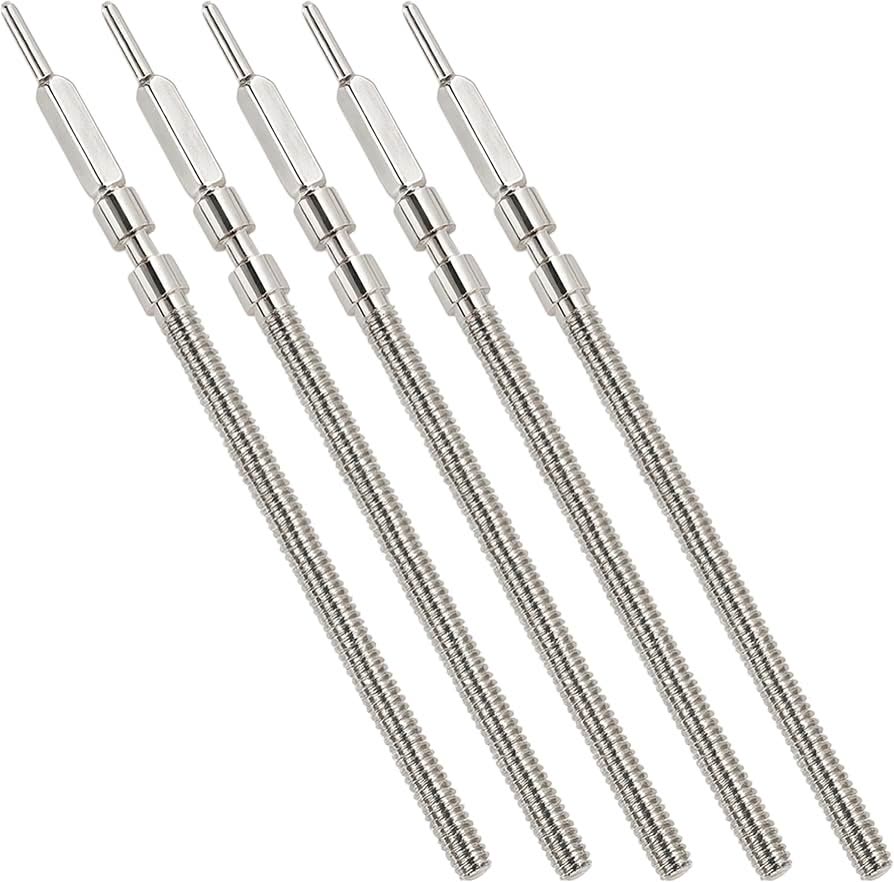
If you are struggling to identify your movement's grade, use the serial number to check databases such as the Pocket Watch Database. Knowing the specific grade helps you understand if your watch has a wolf-tooth winding mechanism, which requires a slightly different feel during the winding process to ensure the asymmetric teeth engage smoothly. Always treat the crown as a bridge between your hand and the movement; if the crown feels loose or wobbly, the winding stem may be bent or improperly seated.
Care, Conservation, and Maintenance
The golden rule of horological care is that conservation always precedes restoration. If your pocket watch is not running, do not force the wind to 'kickstart' it. Old oils can turn into a sticky varnish, and forcing the movement can cause the gear train to snap under the pressure of a fully wound mainspring. Qualified watchmakers possess the tools to disassemble the winding pinion and keyless works to clean away decades of debris.
| System Type | Winding Method | Common Maintenance Need |
|---|---|---|
| Key-Wind | Separate Key | Key fitment and square health |
| Stem-Wind | Crown Rotation | Stem and pinion lubrication |
| Automatic | Weight Oscillation | Rotor bearing service |
For collectors, buying a first pocket watch often leads to a desire to keep the piece ticking. However, even a functional watch should only be wound to roughly 80-90% of its capacity. Modern testing suggests that maintaining the spring at full tension for extended periods can accelerate material fatigue in antique steel alloys. If you only plan to wind it for display or occasional use, a partial wind is safer for the movement's long-term health.
Keyless Works Mechanism
Historical Context: From Key to Crown
The evolution from key-wind to stem-wind represents one of the most significant shifts in horological history. Before Adrien Philippe's contributions in the 1840s and 1850s, the key was a necessary evil. Because keys were frequently lost, watchmakers designed watches with various winding squares and port sizes, leading to the necessity of tipsy keys or compression keys. The move to integrated keyless works minimized the exposure of the movement to external environmental contaminants like dust and moisture, which had previously plagued watches that required openings in the case or crystal.
Frequently Asked Questions
Frequently asked questions
How many turns should I give a pocket watch?
There is no fixed number of turns. Wind until you feel the resistance gradually increase. Once the tension becomes firm and does not yield easily to light pressure, stop immediately. Forcing past this point is the primary cause of mainspring breakage in vintage timepieces.
Can I use a modern watch winder for my antique pocket watch?
Generally, no. Watch winders are designed for modern wristwatches with automatic movements. Antique pocket watches are almost exclusively manual-wind and require specific, controlled human interaction to prevent over-winding the fragile internal components.
My pocket watch feels gritty when winding. Is this normal?
No, this is not normal. Grittiness indicates that the internal lubricants have dried out, or there is dust and debris within the keyless works. Continued winding in this state will cause premature wear of the winding pinion and could damage the movement.
What should I do if I have lost the winding key for my watch?
Do not attempt to use pliers or ill-fitting tools. Take the watch to a qualified horologist who can measure the winding square with a gauge and provide a properly sized, period-appropriate bench key or replacement key.
Does a railway-grade pocket watch require special winding?
Railway-grade watches are built to higher tolerances, but they still follow the standard rules of manual winding. Their lever-escapement design and adjusted movement make them excellent timekeepers, but they are equally susceptible to damage from over-winding or neglecting the winding click.
Sources
- Cutmore, M., The Pocket Watch Handbook — pocket-watch construction
- Published factory grade and serial literature (Hamilton, Elgin, Illinois, Waltham)
- Pocket Watch Database — maker-specific movement serial and grade records, a secondary compilation
- de Carle, D., Practical Watch Repairing — inspection and faults
- https://www.ahsoc.org/blog/bhi-clock-watch-conservation-and-restoration-forum-5th-september-2015/
- de Carle, D., Practical Watch Repairing — inspection, cleaning and servicing
- de Carle, D., Practical Watch Repairing — mechanical inspection