
Pocket watches · Winding
Key-Wind, Key-Set Watches
VerifiedWatches wound and hand-set by inserting a separate key into a square arbor accessed through the case back or a hole in the crystal/dial.
Mechanism
A watch key with a female square engages the arbor; turning it winds the mainspring directly (going barrel) or via the fusee chain. A second, smaller key square resets the hands.
Typical characteristics
- Winding square on the barrel or fusee arbor
- Separate setting square for the hands
- No crown or pendant winding mechanism
Construction and interpretation
Key winding and key setting are separate operations. A removable key engages a square winding arbor, while another square connected to the motion works moves the hands. The two squares need not take the same key size. Access can be through the back, beneath an inner cover or at the dial side; the actual arrangement should be documented before attempting operation. The absence of a winding crown is useful evidence but does not identify the escapement.
A key-wound movement may drive its train through a fusee or through a going barrel. These systems manage the mainspring's output differently, so the presence of a key must not be used as shorthand for a fusee watch. Nor does key winding alone establish a precise date: construction methods overlapped and later watches retained older arrangements. For an object record, specify where the winding and setting squares are and whether the surviving key is known to belong to the watch.
| Observation | Mechanical meaning | Do not infer |
|---|---|---|
| Winding square | A key transmits winding torque | Escapement or exact date |
| Setting square | A key moves the hands | The same key size as winding |
| Chain and fusee | Variable leverage moderates spring pull | Every key-wind watch has a fusee |
| Going barrel | Barrel drives the train directly | That key winding is absent |
An ill-fitting key can round an arbor. Do not test an unserviced watch or change winding direction by trial and error.
Identification characteristics
- Winding and setting squares visible under a hinged cuvette or through case-back apertures
- Absence of a winding crown
- Often paired with a decorative watch key on the chain
Collector significance
Dates a watch to before widespread keyless adoption and is a basic sorting criterion for early pieces.
Known variations
- Dial-aperture key wind
- Cuvette-covered key wind
- Combined winding/setting key
Photographs
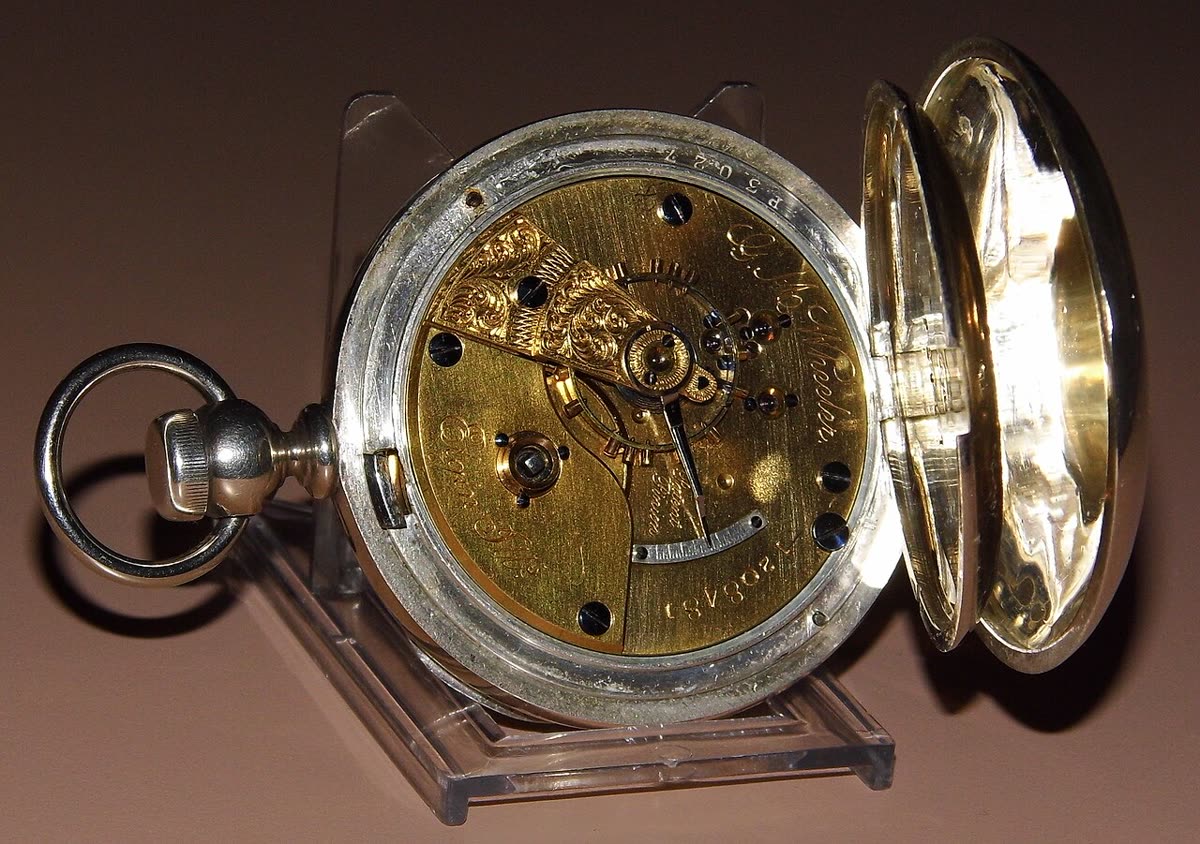
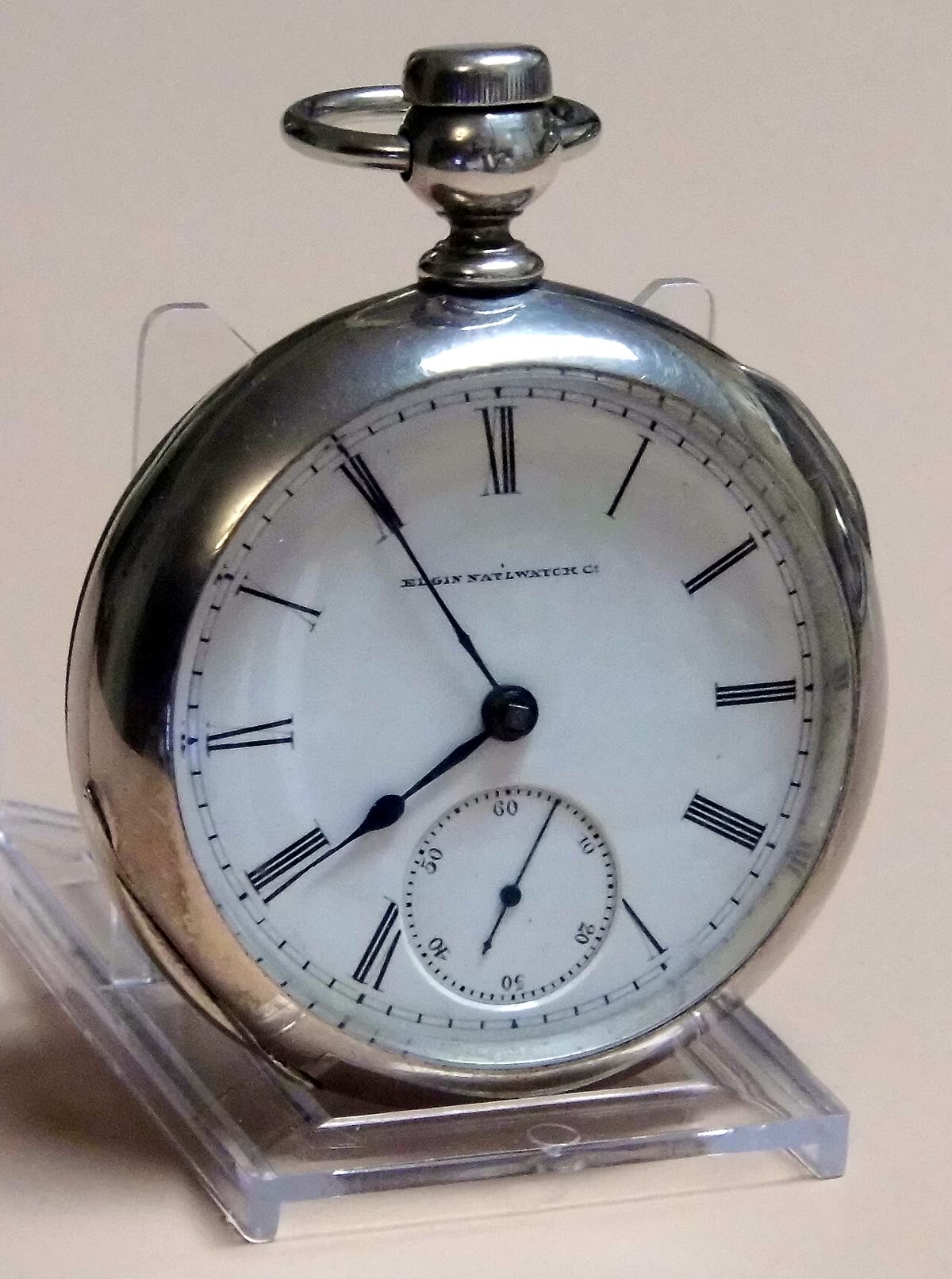
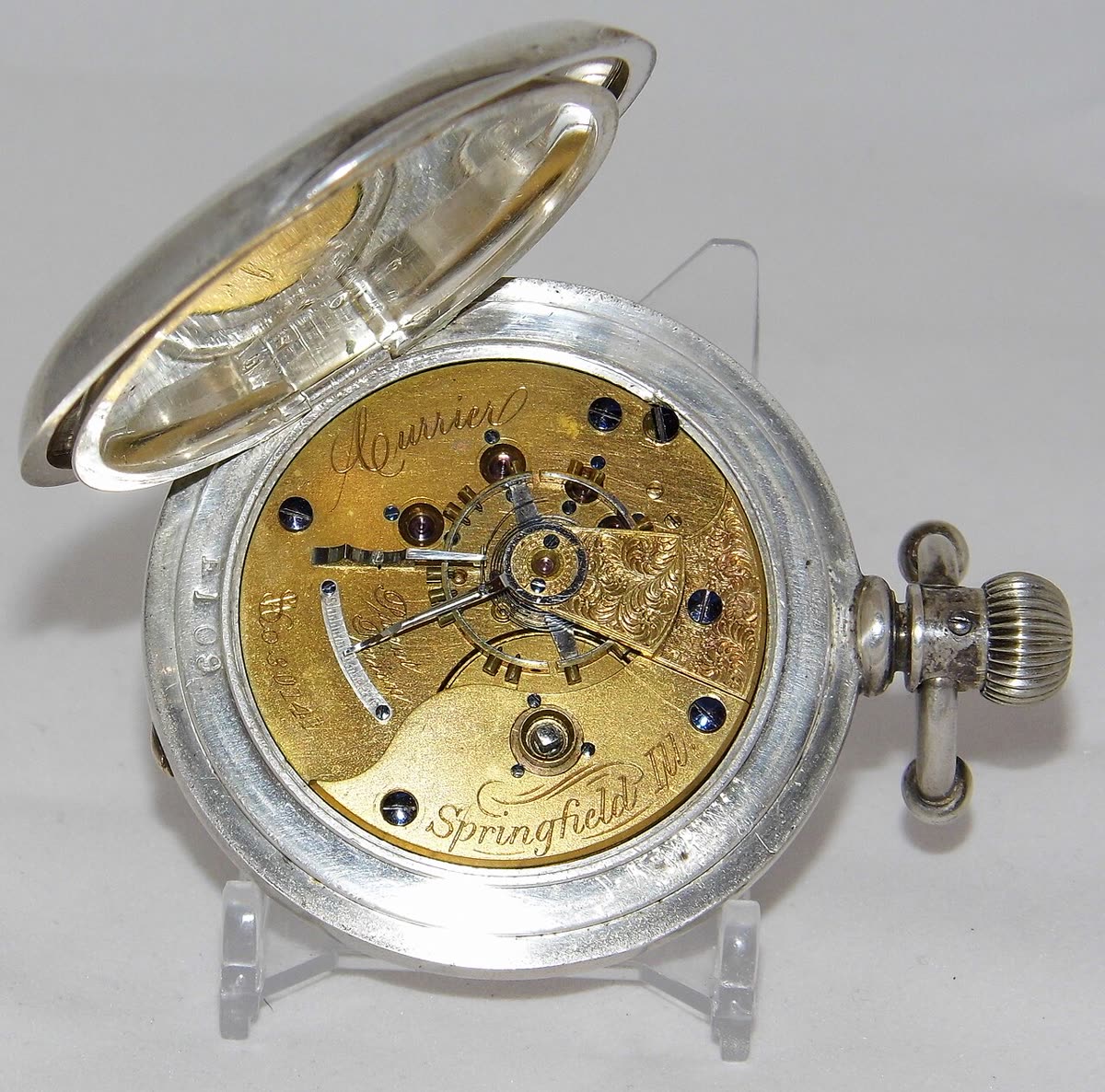
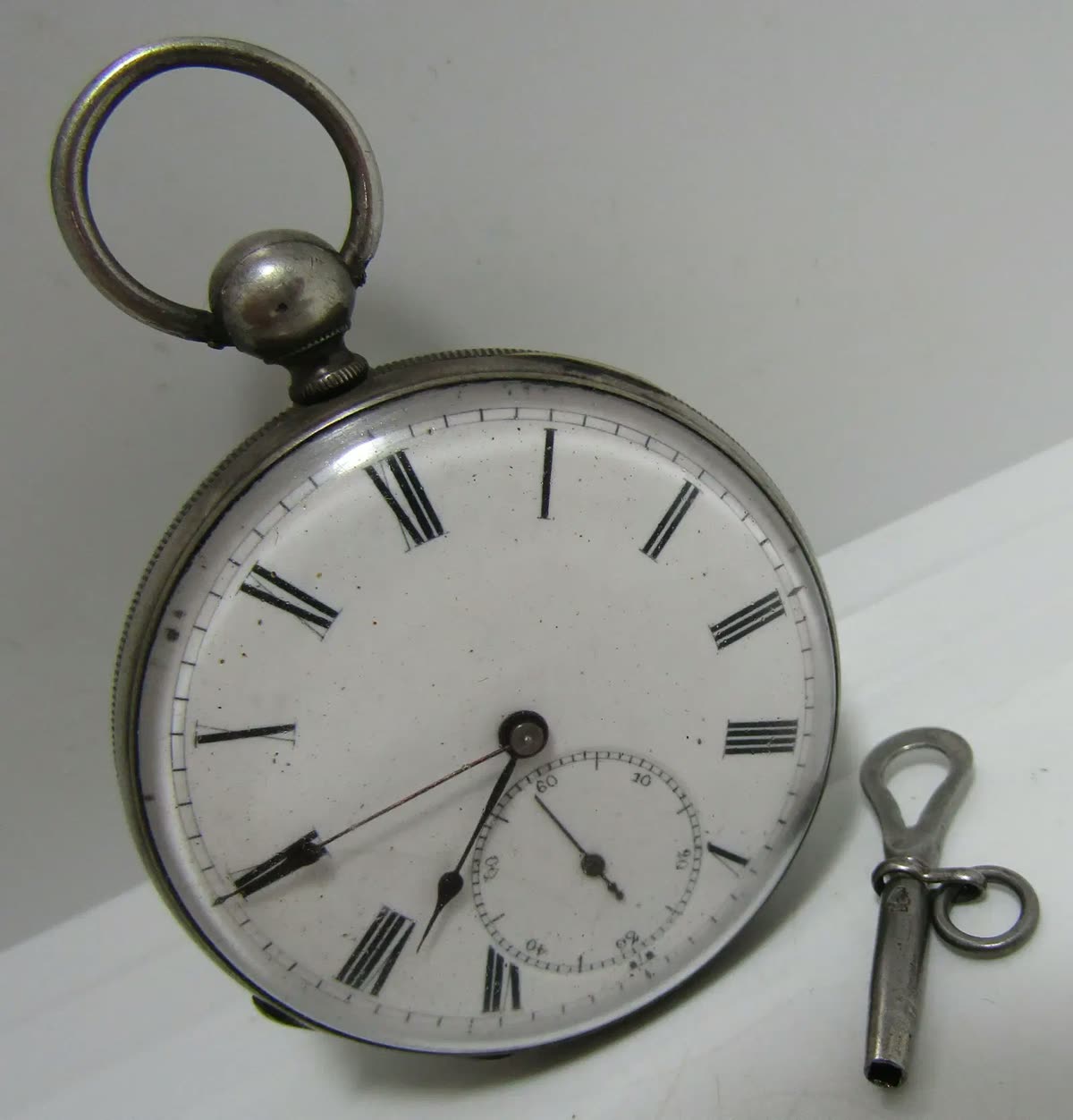
Photographs are illustrative examples of the type, not necessarily the exact object described. Verify details against the source file page.
Sources & references
- Britten, F. J., Old Clocks and Watches and Their Makers
- https://en.wikipedia.org/wiki/Pocket_watch
- https://en.wikipedia.org/wiki/Fusee_(horology)
Where sources disagree, the disagreement is stated rather than resolved silently.