
Pocket watches · Winding
Keyless (Stem-Wind, Stem-Set) Watches
VerifiedWatches wound and set through the crown and stem rather than a separate key, using a keyless works of clutch, winding pinion and setting mechanism.
Mechanism
Turning the crown drives a winding pinion through the clutch wheel to the barrel; pulling the crown (pendant set) or operating a lever/button (lever set, negative set) shifts the clutch to the setting train.
Typical characteristics
- Crown at the pendant
- Internal clutch (sliding pinion) engaging winding or setting
- No exposed winding squares
Construction and interpretation
Keyless means that a separate watch key is unnecessary; it does not mean that every watch uses a pull-out crown to set the hands. Crown rotation can wind the mainspring while setting is selected by a pulled pendant, an exposed setting lever or a small pin pressed beside the crown. The winding method and the selection method therefore belong in separate fields when cataloguing a watch.
In a sliding-pinion system, the stem drives a clutch which changes engagement between the winding train and the setting train. Other historical keyless arrangements differ, and case stems can be involved in the selection mechanism. Identify the actual system before operation. Lever setting is especially useful to distinguish from ordinary pendant setting because it deliberately separates winding from hand adjustment; the surrounding case and dial still need independent identity checks.
| Selection method | Typical action | Evidence to record |
|---|---|---|
| Pendant setting | Pull crown to select hand setting | Crown positions and stem fit |
| Lever setting | Expose and withdraw a setting lever | Lever position and bezel access |
| Pin setting | Hold a pin while turning the crown | Pin location and documented mechanism |
| Key winding | Use a removable key | Not a keyless winding system |
Pin setting is not synonymous with negative setting. Use a calibre-specific explanation rather than guessing from a small external button.
Identification characteristics
- Crown and stem with no winding squares present
- Setting method (pendant set, lever set, negative set) identifiable by testing or removing the bezel
Collector significance
The transition from key-wind to keyless is one of the clearest dating markers in pocket watch history.
Known variations
- Pendant set
- Lever set
- Pin set
- Negative setting (case-stem mechanism)
Photographs
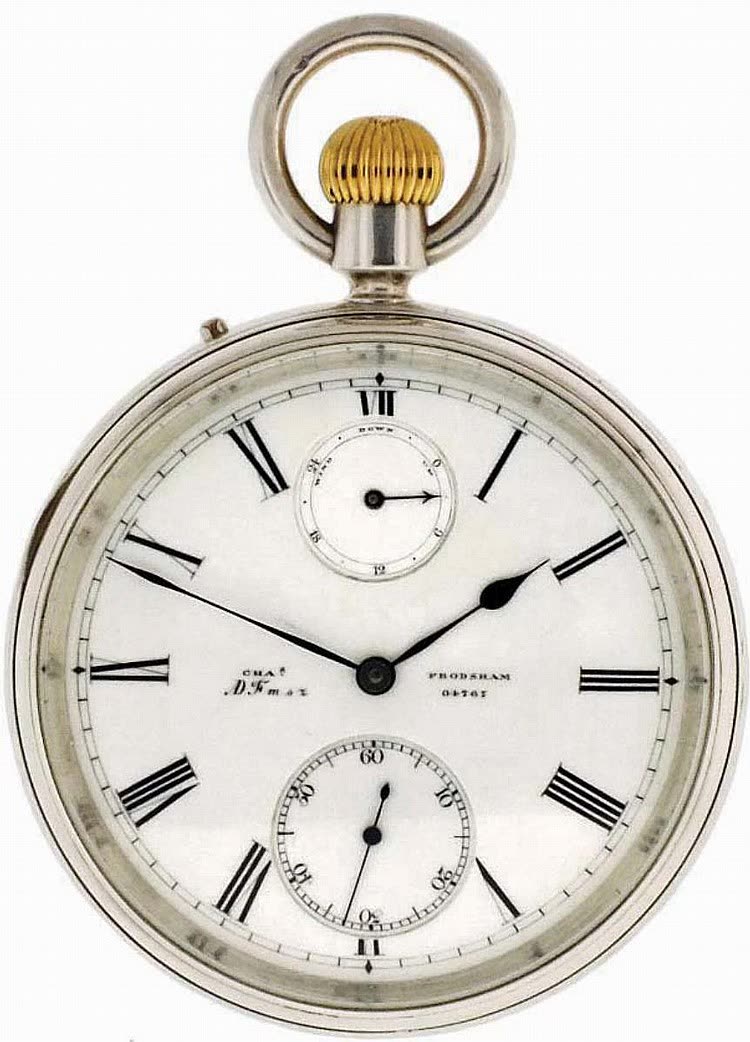



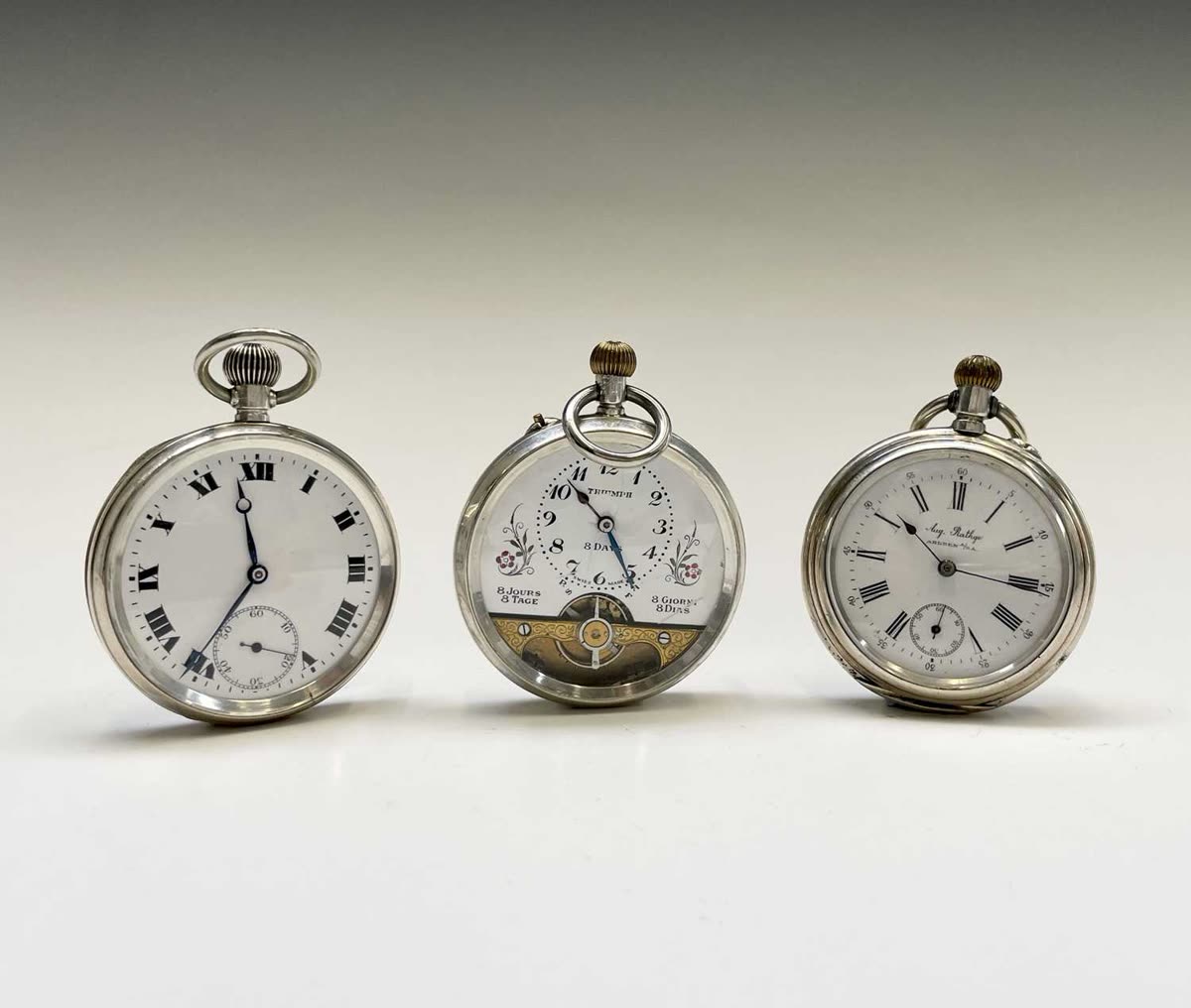
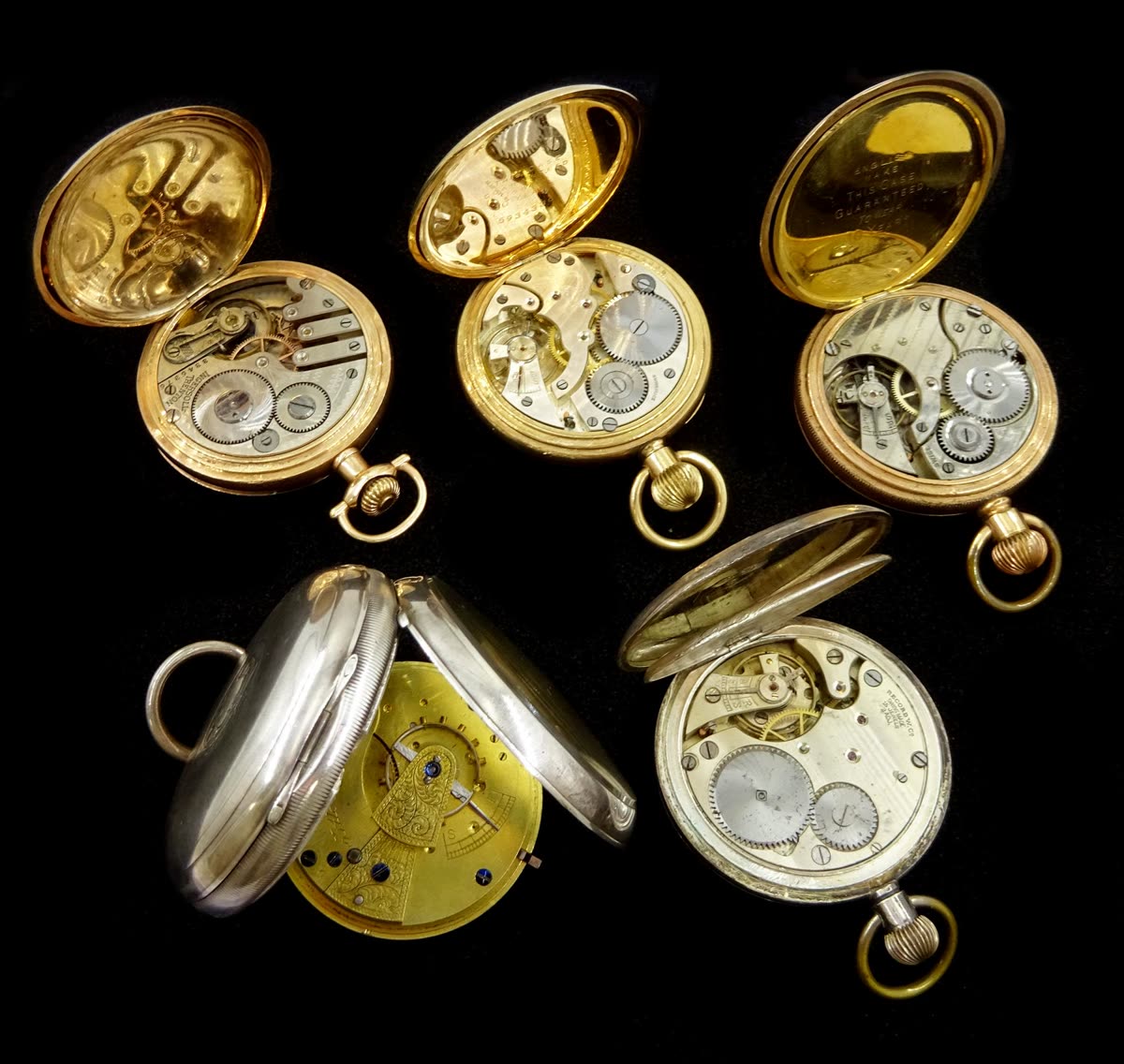
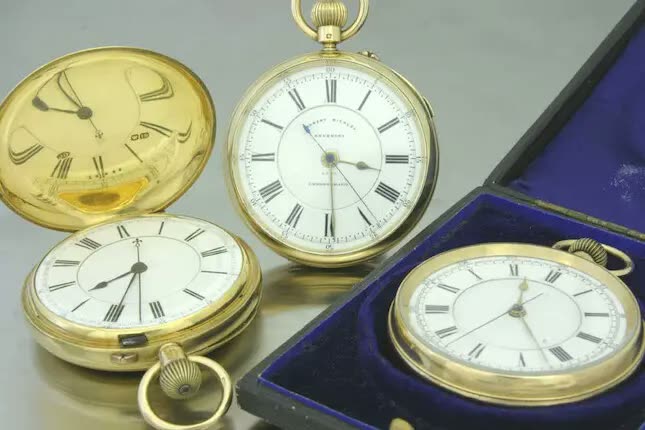
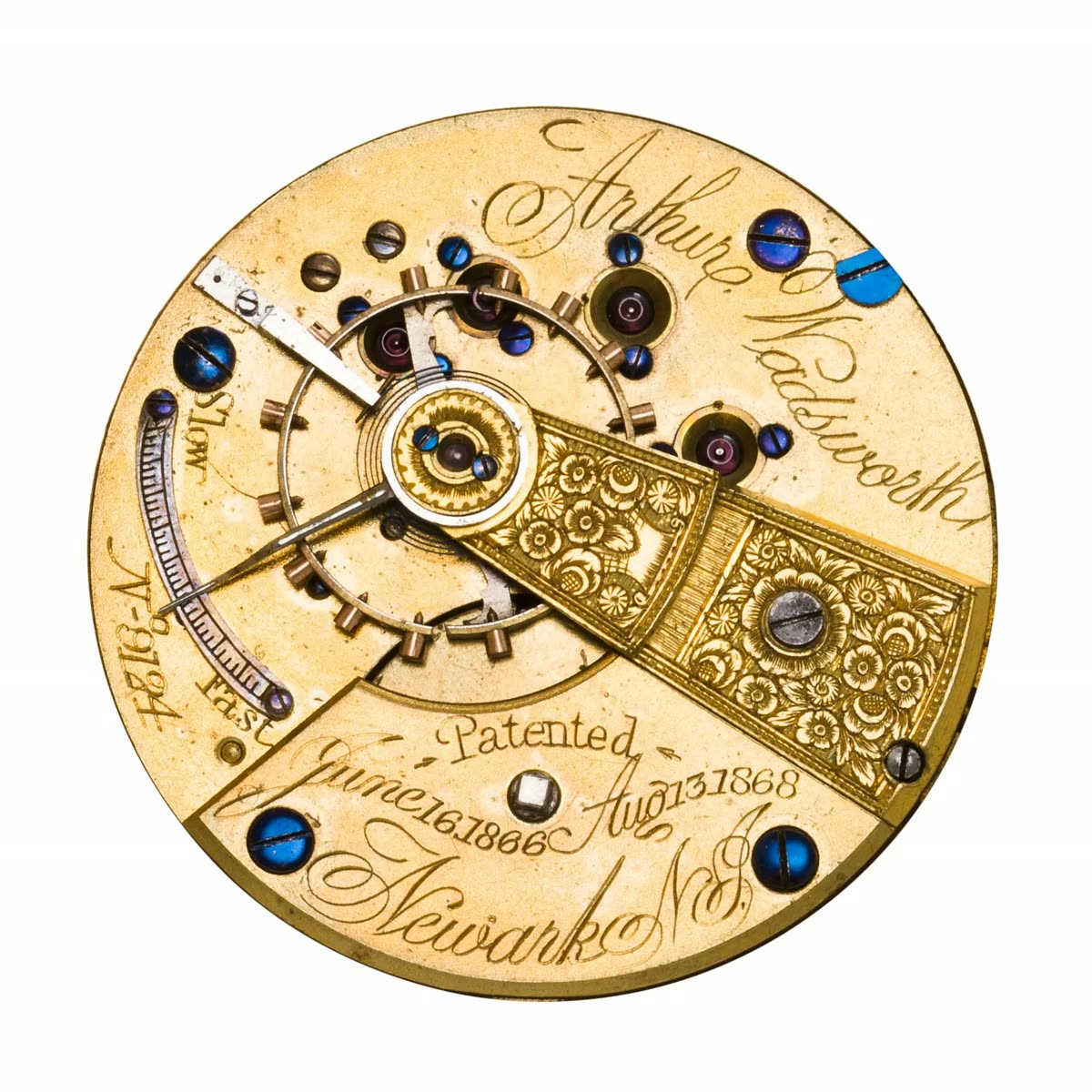
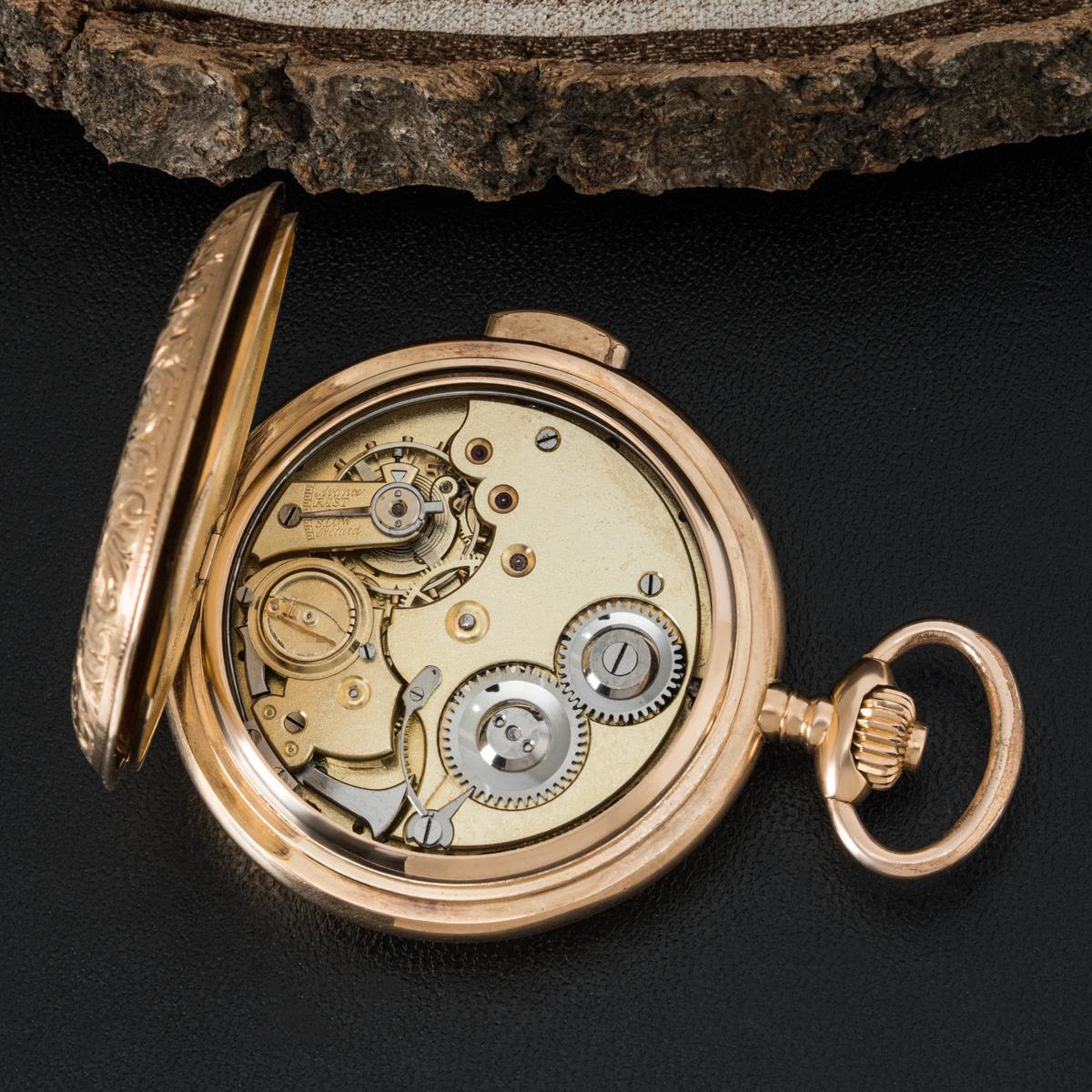
Photographs are illustrative examples of the type, not necessarily the exact object described. Verify details against the source file page.
Sources & references
- Cutmore, M., Watches 1850-1980
- https://en.wikipedia.org/wiki/Pocket_watch
Where sources disagree, the disagreement is stated rather than resolved silently.