
Related photographs
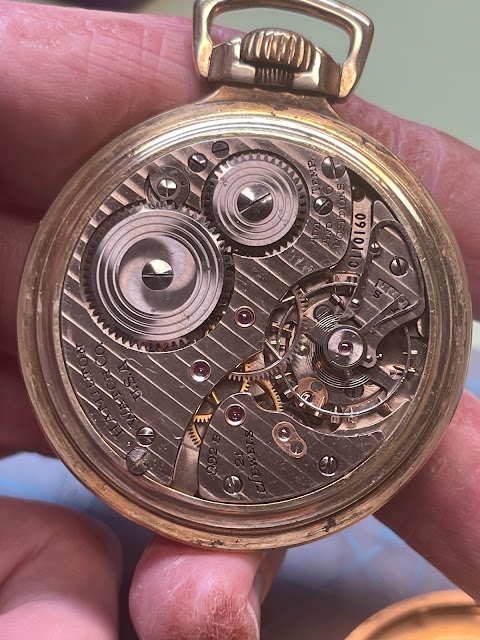
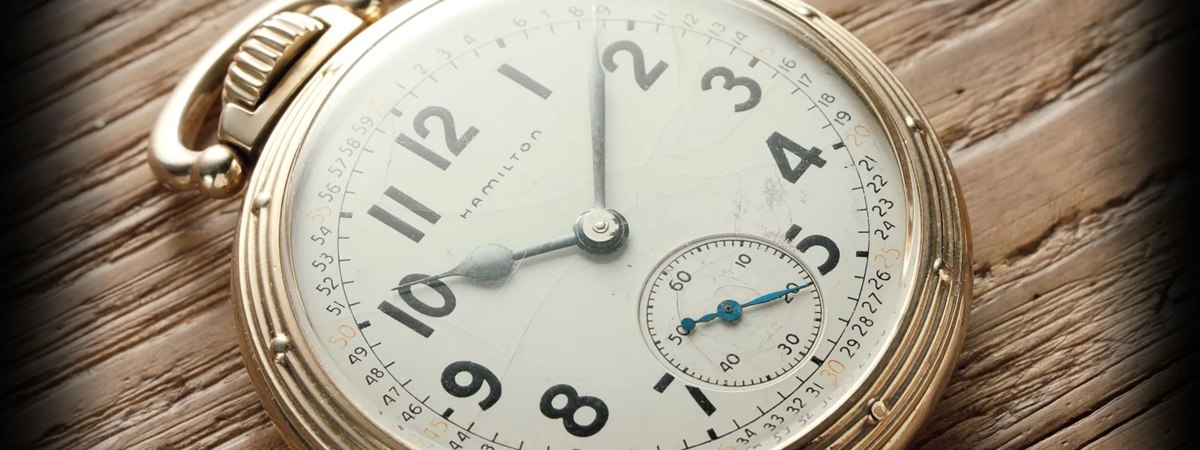
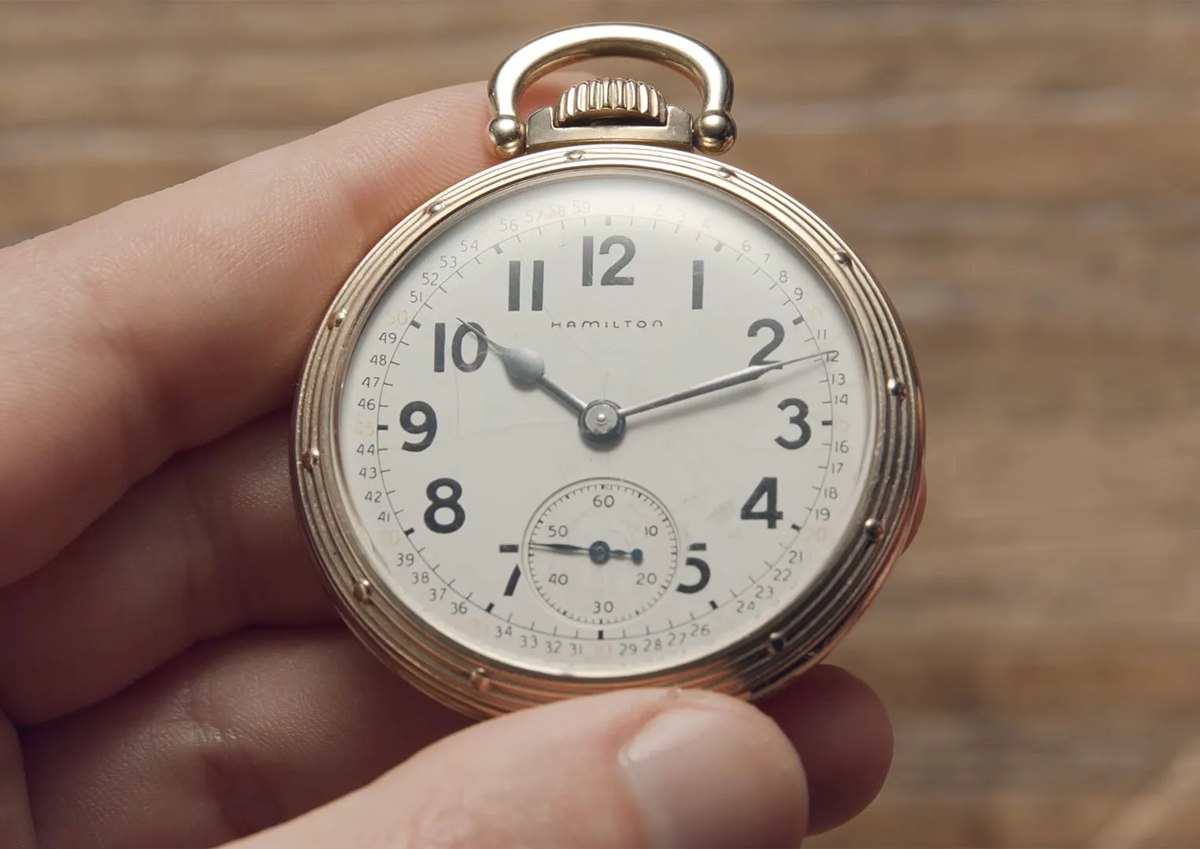
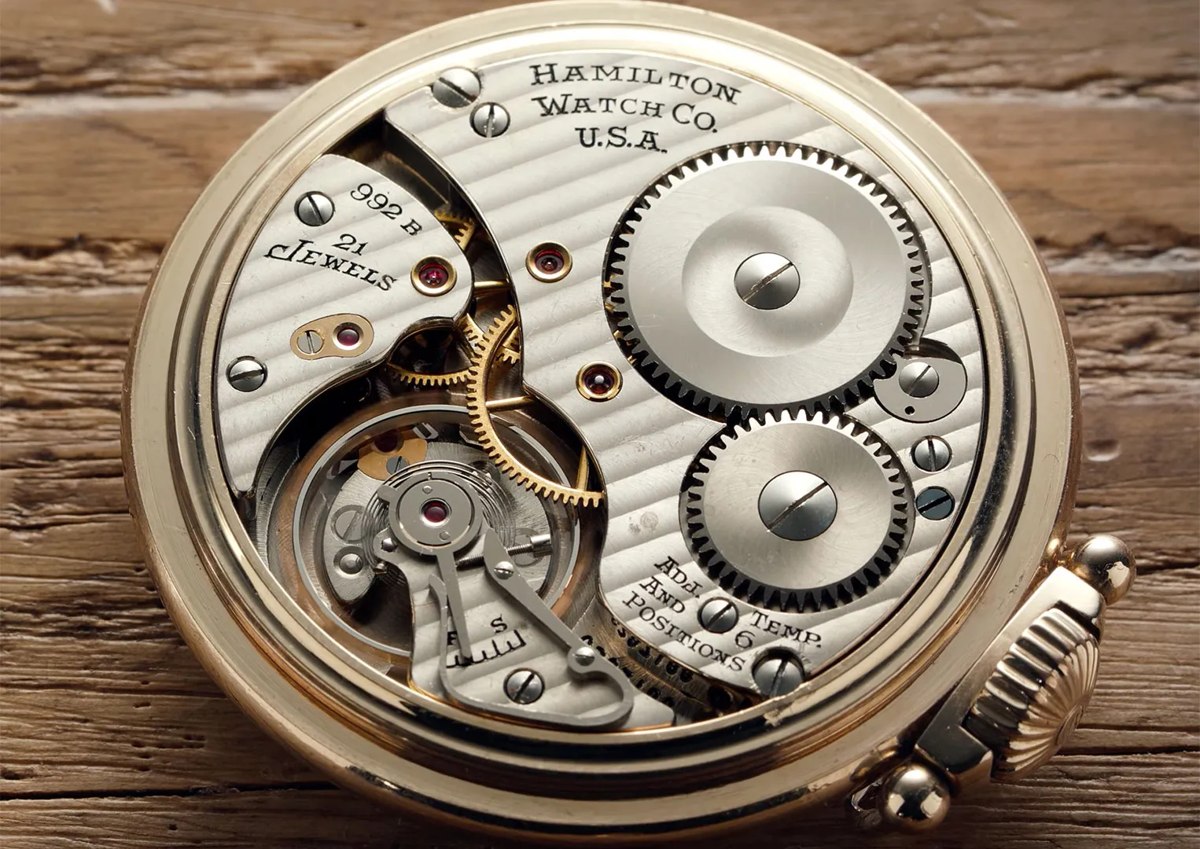
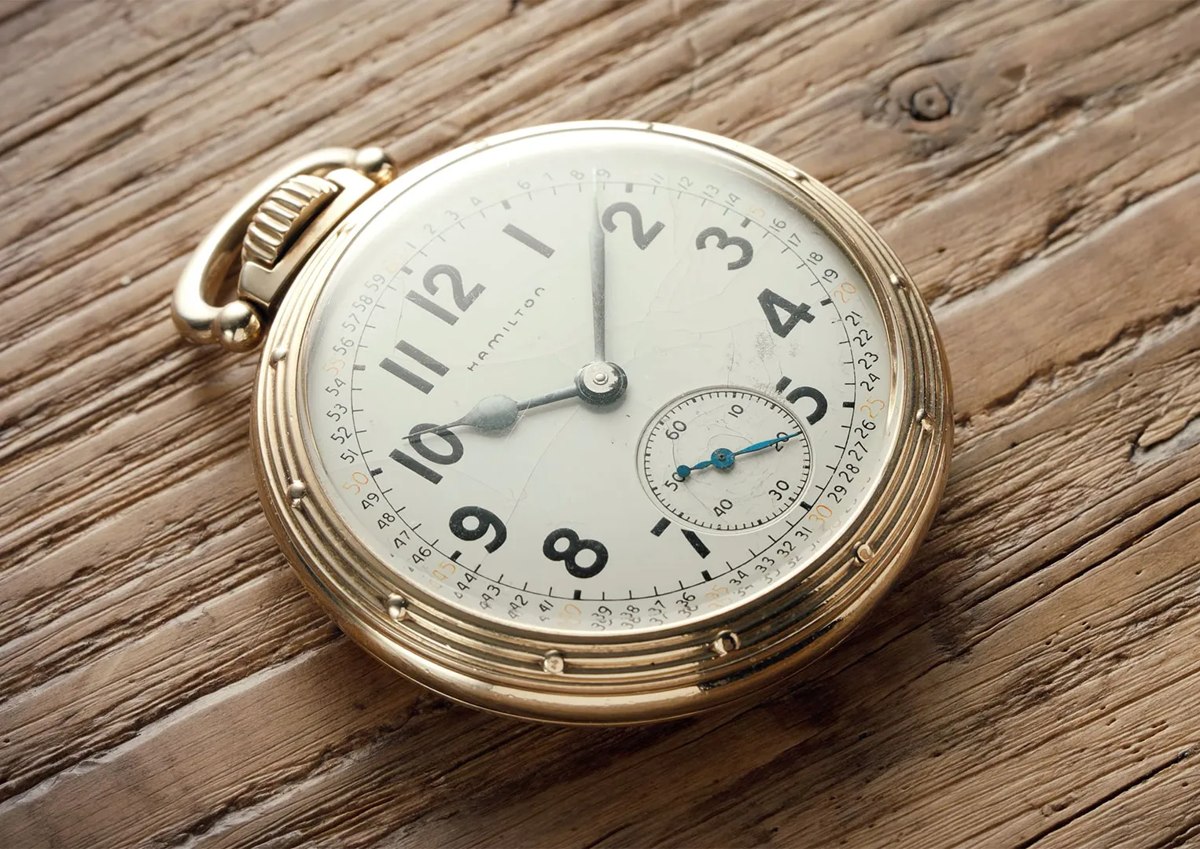
No confidently matched photograph of this subject has been found yet. These photographs show a closely related record, and are not examples of the type described on this page.
Start with the question you want the watch to answer. A clearly marked factory movement can introduce serial research; an unsigned movement can teach construction comparison; a retailer-signed watch can illuminate a local trade. An ordinary, documented example is often a more accessible starting point than an attribution you cannot yet evaluate. Neither rarity nor a prestigious dial name supplies the missing evidence.
Request clear photographs of the dial, hands, case and safely exposed movement, including all relevant signatures and numbers. Ask the seller to identify which number is on the movement and which is on the case. Do not ask an inexperienced person to dismantle a movement for the photograph. If there is no safe view of a component, its condition and markings remain unconfirmed.
Read the description as a set of claims to check. 'All original', 'railroad approved' and 'recently serviced' each require different supporting evidence. A signature can belong to a retailer, a railway-grade model need not have been used on a railway, and a service claim needs an account of the work. Attractive photographs can document appearance but cannot establish the condition of hidden pivots or the complete history of fitted parts.
Assess completeness and condition without demanding cosmetic perfection. Note dial damage, case wear, loose closures and unverified hands; distinguish these from known replacements or recasing. A restored example can still be useful if its treatment is disclosed. A damaged original component may retain valuable historical evidence, while a spotless replacement can conceal a change. Neither condition alone determines whether the object suits your research scope.
Ask a qualified watchmaker about suitability for operation and the availability of specialist service before deciding on regular use. An unknown service history should remain unknown. Do not force winding or setting to demonstrate function, and do not treat a few seconds of running as proof of sound mechanical condition. Some watches are better preserved as unwound study objects; a fragile escapement or complication may require expertise beyond routine servicing.
After acquisition, give the watch an inventory identifier and retain the listing, seller's statements and transaction documentation with your own photographs. Transcribe inscriptions exactly and record source-backed identification separately from tentative interpretation. Keep movement and case dates separate, export the record and maintain a backup. The best first watch is one whose evidence you can preserve and revisit—not one selected on an unsupported promise of appreciation or perfect originality.
Movement, case and valuation
The National Association of Watch & Clock Collectors (NAWCC) notes that before the mid-1920s only a small share of American-made watches, or Swiss watches made for the North American market, were cased at the factory. Buyers chose the make and grade of a movement at a jeweller's and then picked a case, or chose a case and spent the rest of their budget on the movement, and the jeweller fitted the two together in moments. For that reason, the NAWCC says, the best documentation exists for movements rather than cases, so it is the movement that identifies such a watch.
The NAWCC's library will help identify a watch from clear photographs of the case, dial and movement with every name, number and trademark transcribed, free for members and for a fee for others, but its librarians and researchers do not comment on value and refer appraisal questions to a business directory.
Written from the guidance and records listed under Sources, credited to each publisher and put in our own words; each statement was checked against the cited page.