Magazine · Care, conservation & repair
Accessing the Movement: How to Safely Open a Pocket Watch Case
Opening a vintage timepiece requires patience, proper technique, and the correct identification of the case construction. Improper force can permanently damage delicate hinges, soft gold, or fragile crystals.
November 23, 2026 · 5 min read
AI-drafted from search research. Not yet editorially reviewed — check important facts against the cited sources.
Key takeaways
- Identify your case type (snap, screw, or hinged) before applying any force.
- Never use makeshift tools like screwdrivers, which can mar the finish.
- Conservation is paramount; if the case does not open easily, stop immediately.
- Opening the movement should only be done in a clean, dust-free environment.
- Internal parts are delicate and require professional tools for adjustment.
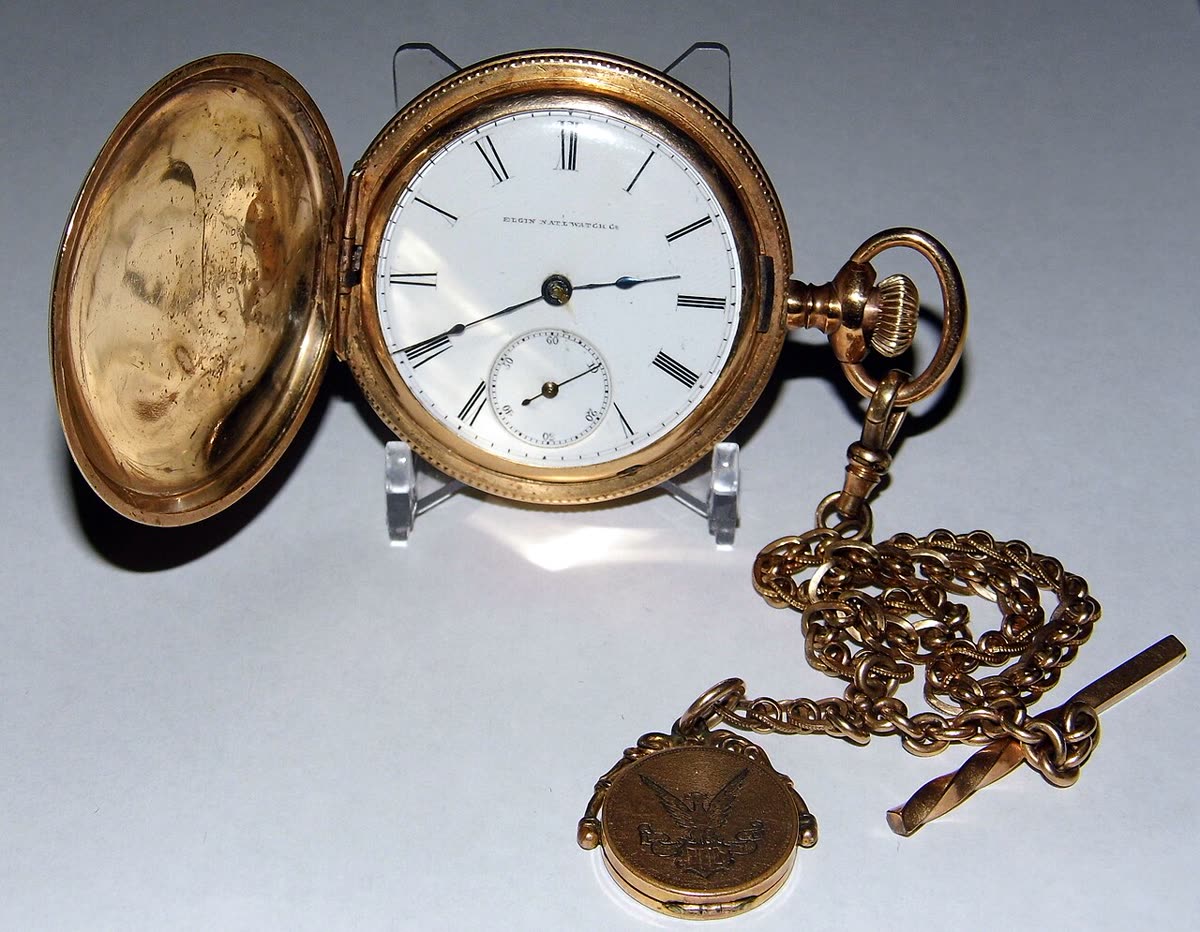
The allure of the pocket watch often lies in its hidden complexity. Whether you possess an American classic from the great factories of Elgin or Waltham, or a delicate hunter case European piece, curiosity about the mechanical heart beating inside is universal. However, the pocket watch case serves not just as a decorative housing but as a critical protective shell. Before you attempt to view the balance wheel or the movement serial numbers, you must understand the engineering of the case itself. A misaligned case back or a scratched hinge significantly devalues a piece and risks the structural integrity of the watch.
Identifying Your Case Type: Snap, Screw, or Hinged
The first step in any horological investigation is identifying an antique pocket watch. You must categorize your watch by its case back configuration. Most 19th and early 20th-century watches fall into three primary categories: the snap back, the screw back, and the hinged back. A snap back relies on a friction fit; it possesses a tiny indentation or 'lip' where a thin-bladed case knife can be inserted. Conversely, a screw back features fine threads along the case middle that require even, circular pressure to unscrew. Hinged backs are common on hunter-case watches and require careful handling to avoid bending the case joint.
How to Open a Snap Back Pocket Watch
Opening a snap back is the most common task but also the most prone to user error. Search for the pry point—a subtle notch—usually located opposite the hinge or crown. Using a high-quality, flat-edged case knife, insert the blade gently. Do not twist the knife like a lever; instead, apply steady, outward pressure. If the case does not release, check for hidden screws or accumulated debris. For Hamilton or other fine American pocket watches, the precision of the fit is tight. If you feel excessive resistance, STOP. Forcing a snap back can gouge the gold or silver, ruining the watch's aesthetic and historical value.
Opening a Screw Back Case: Methods and Risks
Screw backs, often found on later, dust-proof, or water-resistant models, require a different approach. Unlike snap backs, these should never be pried. The safest method involves a rubber friction ball, which provides enough grip to turn the back without scratching the metal. If the case is stubborn, do not use pliers or makeshift tools. A professional watchmaker uses a specialized jaxa-style opener with pins that lock into the notches on the case back. Remember that moisture or oxidation over decades may have 'seized' the threads; applying excessive torque can strip the fine threads of the case middle, making it impossible to reseal the watch.
Special Considerations for Hunter and Double-Hunter Cases
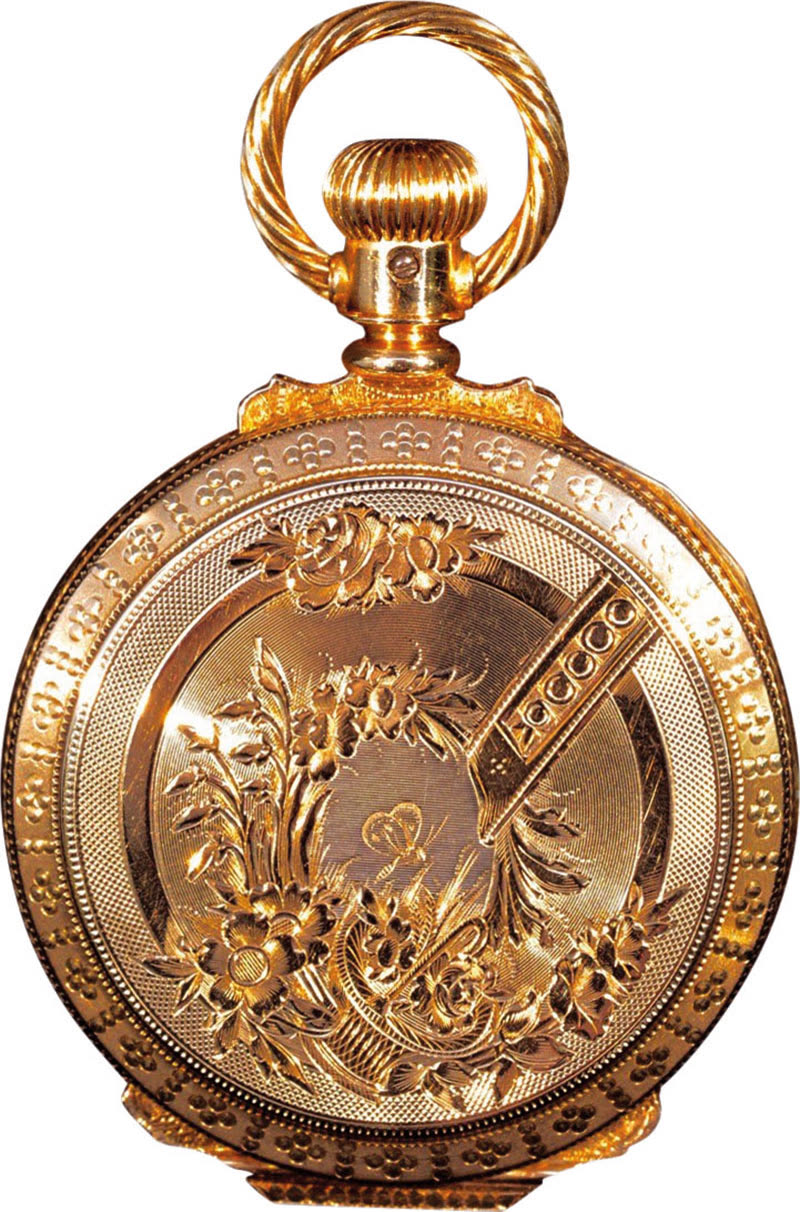
A hunter case is defined by its spring-loaded front cover. When opening these, you are dealing with a case spring. If the spring is damaged or if the case joint is bent, the lid will not close properly. Double-hunter watches feature covers on both sides, requiring a two-stage approach. Never attempt to force the lid if the crown-actuated release fails. The hunter-case mechanism is delicate; it is designed to be opened via the button in the crown. If you are struggling with a half-hunter, ensure you are not mistaking the glazed aperture for a loose bezel. Maintenance of these joints belongs in the workshop of a professional clockmaker, not on the kitchen table.
Tools of the Trade: What You Actually Need
For the enthusiast looking to perform basic inspections, the toolkit should remain minimal. Avoid standard household screwdrivers at all costs. You will need a proper watchmaker’s case knife (ensure the blade is not sharp, but tapered), a friction ball for screw backs, and a soft, lint-free microfiber cloth to hold the watch. If you intend to look at the back plate or examine case screws, use an eye loupe of 3x or 5x magnification. Keep your workspace clear of dust and metallic filings. Even a single particle of dust entering the movement can cause erratic timekeeping or stop the train entirely.
Conservation First: When to Stop
The primary rule of horology is conservation. If the watch has not been serviced in decades, the oils inside will have congealed into an abrasive sludge. Opening the case exposes the movement to humidity and microscopic debris. Once open, do not touch any component with your fingers; the natural oils in human skin are acidic and will cause immediate spotting on gilt or rhodium-plated bridges. If your objective is simply to clean a pocket watch safely, understand that you can clean the exterior case, but any intervention involving the escapement or mainspring is strictly for qualified professionals.
Addressing Common Issues: Why Won't It Open?
If a case remains shut despite your efforts, do not panic. Corrosion, often caused by poor storage environments, can essentially 'weld' a case shut at the case joint or threads. This is common in silver watches exposed to sulfur or high-humidity environments. Do not apply heat or penetrating oils (like WD-40), as these will destroy the internal lubricants and potentially damage the dial. A professional watchmaker may use an ultrasonic bath or controlled heat application to safely separate seized components without compromising the case number or hallmark integrity.
Understanding Case Markings and Authenticity
Once you successfully open the case, you may be tempted to start cataloging serial numbers. Be aware that dating a watch from its case can often be misleading. Recased watches are common; a movement from a 1910 Waltham might reside in a much later or earlier case. Always cross-reference the movement serial number with the manufacturer's grade records rather than relying solely on the case number. Hallmarks (if present) are also essential for reading gold standards, but they confirm the metal content and assay office, not the historical timeline of the mechanical movement itself.
The Evolution of Case Protection
Pocket watches underwent significant design changes throughout the 18th and 19th centuries. The early pair-cased watches provided a dust-prevention layer by essentially nesting one case inside another. As technology advanced, the consular case and eventually the standard hunter and open-face styles emerged. Understanding your watch's era helps predict how it should be opened. An 18th-century verge movement is vastly more fragile and housed in a very different type of case than a 1920s chronograph pocket watch. Always research the specific era and style of your timepiece through the Pocket Watch Encyclopedia before making your first attempt at access.