
Glossary · Mechanism
Back plate
The rear-most plate of a clock or watch movement.
Explanation
The back plate is the plate of a watch or clock movement furthest from the dial, carrying most of the train's upper pivots — in English full-plate watches it is the visible plate under the cock and bridges. Engraving, signatures and serial numbers usually live on the back plate, making it the primary identification surface.
In the object catalogue
Catalogued objects whose own source record mentions “Back plate”. The quoted line shows where; it is the seller’s or museum’s wording, not independent verification.
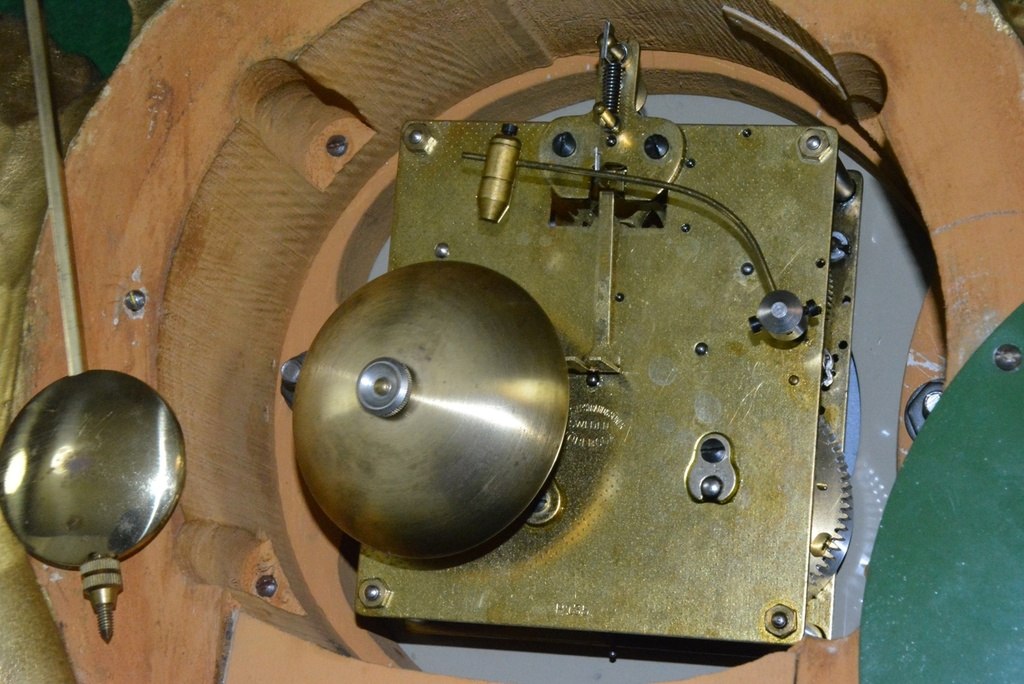
Clock
Westerstrand Cartel Wall Clock
“Central dome-shaped brass bell attached to the movement back plate.”
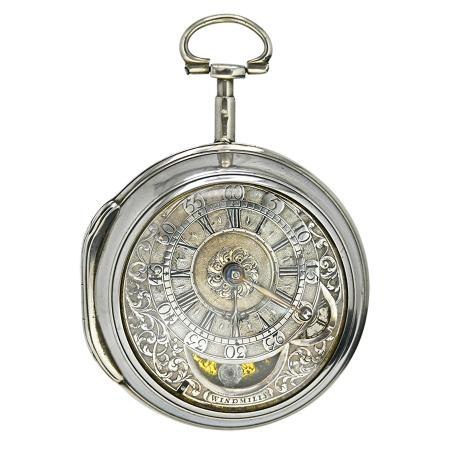
Pocket watch
English Consular Case Verge Fusée Pocket Watch by Windmills of London
“This early eighteenth-century English pocket watch, dated to circa 1710, is attributed to London clockmakers Joseph and Thomas Windmills. The timepiece features a sterling silve…”
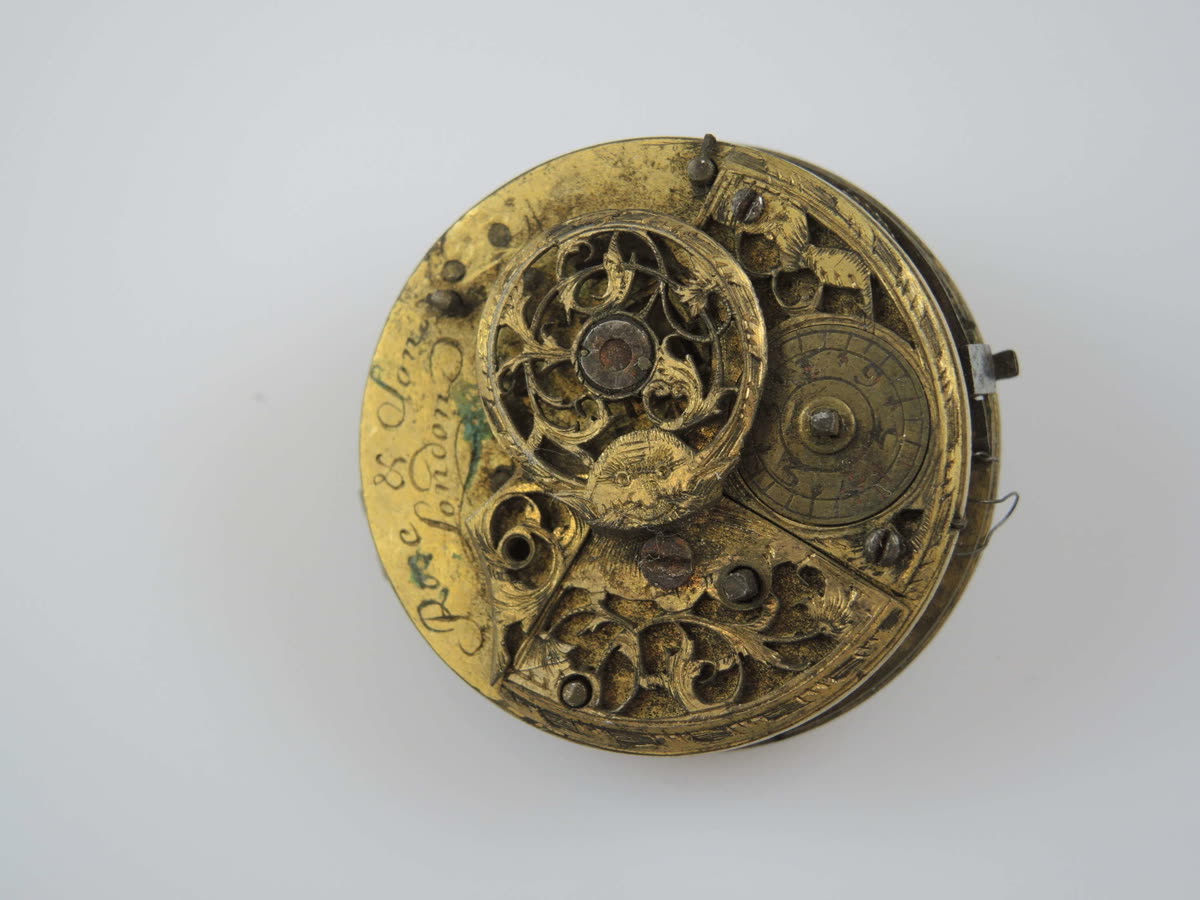
Movement
Georgian verge fusee pocket watch movement, Rose & Son, London
“This is an antique English verge fusee pocket watch movement dating source-reported to circa 1770 within the Georgian era. Listed by dealer Atlam Watches under reference ME104 (…”
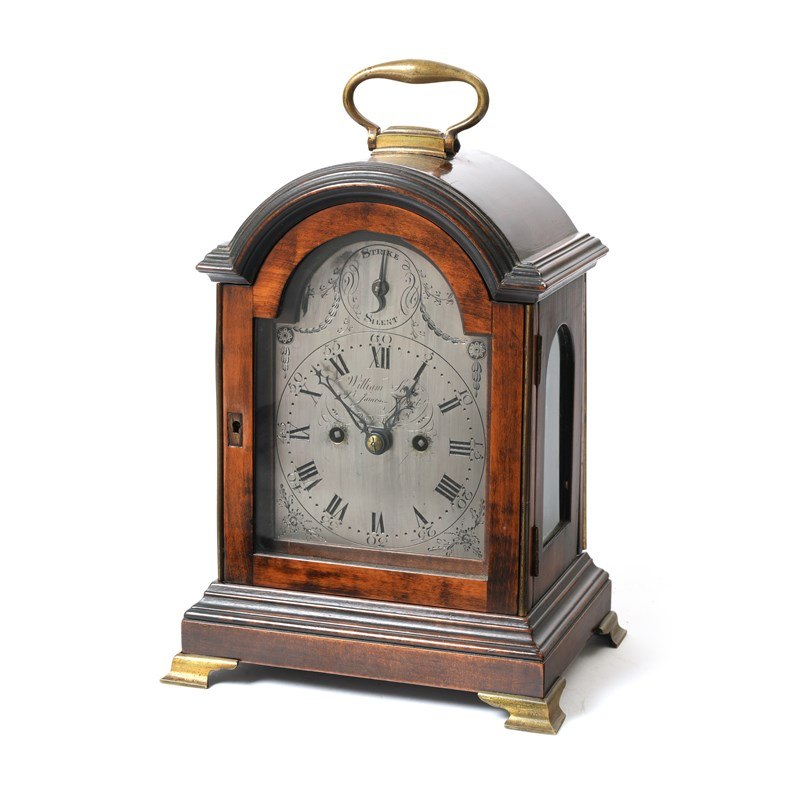
Clock
George III Mahogany Mantel Clock by William Storr
“According to the auction catalogue, this small George III mahogany mantel clock dates to circa 1780–1790. It is housed in a domed case fitted with brass corners, feet, and an ov…”
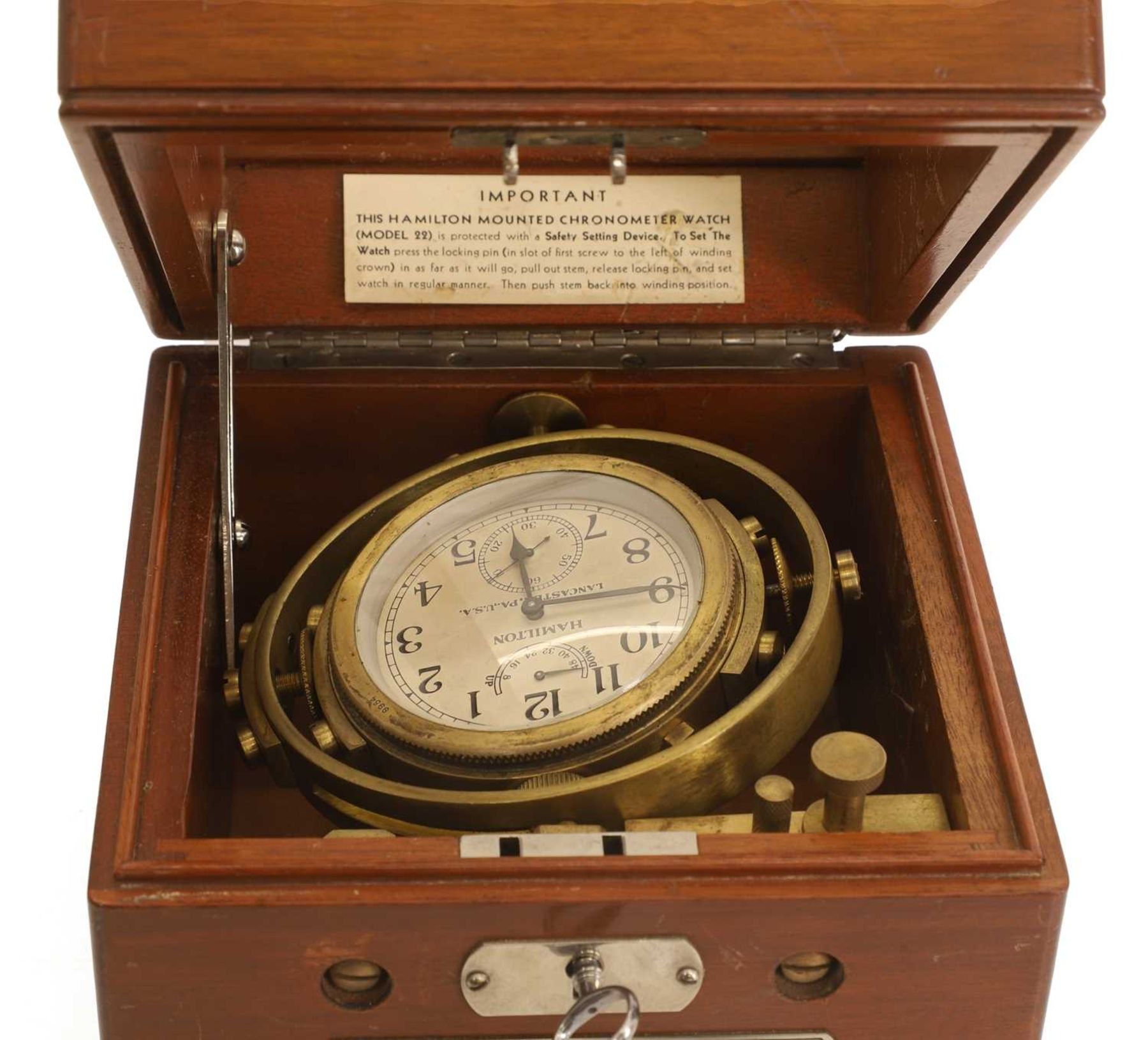
Marine chronometer
Hamilton Model 22 US Navy Two-Day Chronometer Watch
“This is a World War II US Navy two-day chronometer watch, Model 22, produced by Hamilton Watch Co. The timepiece features a 2.25-inch silvered dial with Arabic numerals, subsidi…”
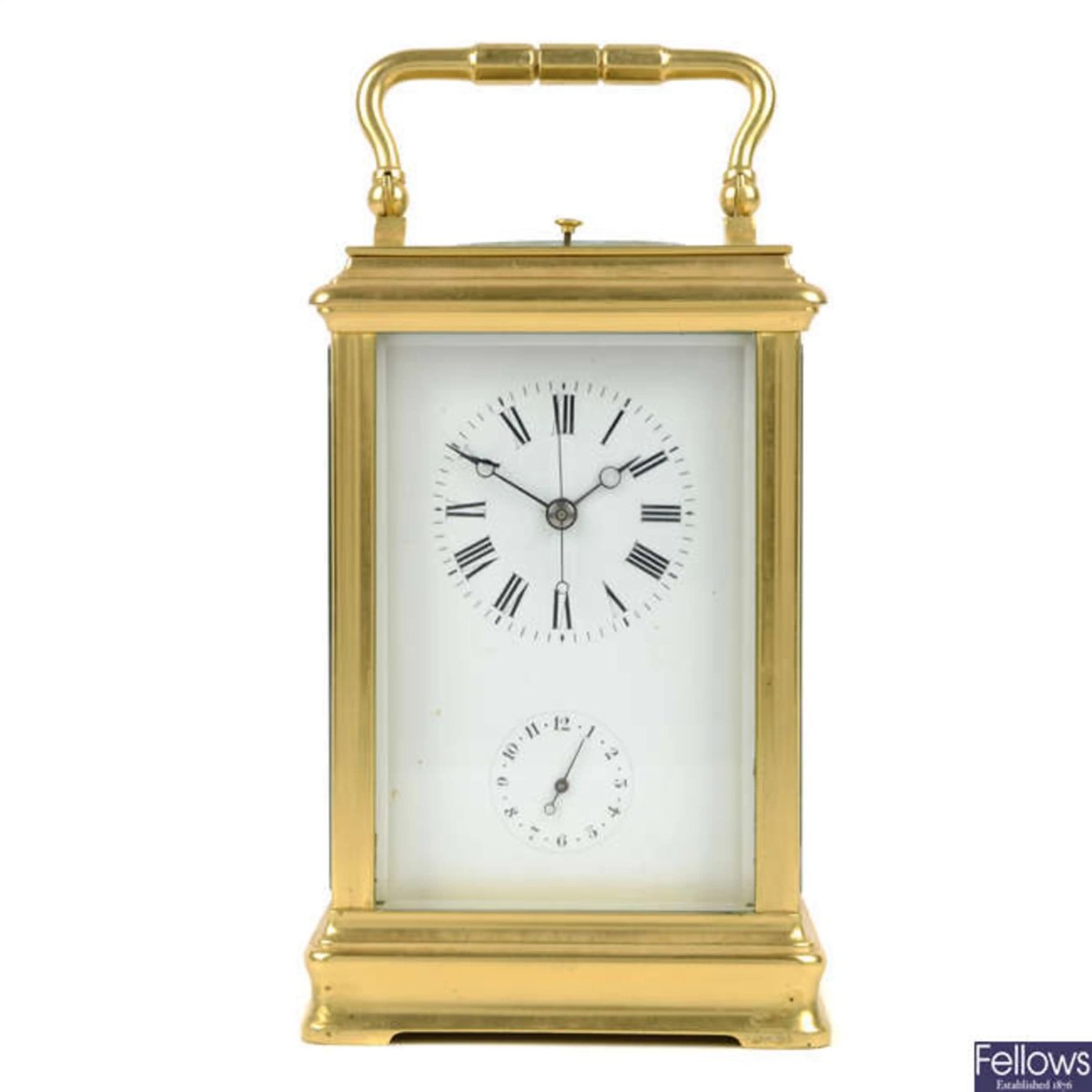
Clock
French Repeating Carriage Clock with Alarm for the Chinese Market
“This 19th-century French repeating carriage clock features an alarm mechanism and was catalogued as made for the Chinese market. It is cased in gilt-finished brass measuring 14.…”