
Magazine · Makers & history
The Evolution and History of Key-Wind Pocket Watches
Before the ubiquitous convenience of crown-operated winding, timekeepers relied on separate tools to power their movements. Key-wind pocket watches represent a foundational chapter in portable horology, bridging the gap between early clockwork and the modern wristwatch.
November 23, 2026 · 4 min read
AI-drafted from search research. Not yet editorially reviewed — check important facts against the cited sources.
Key takeaways
- Key-wind watches require a specific matching key to engage the winding square.
- Setting the time often involves a separate square arbor, sometimes hidden under the case back or dial.
- Always identify your specific mechanism before applying force to ensure the movement is not damaged.
- Proper conservation is vital for antique movements to ensure longevity for future generations.
- The transition to keyless winding transformed the accessibility and durability of portable timepieces.
Understanding the Key-Wind Mechanism
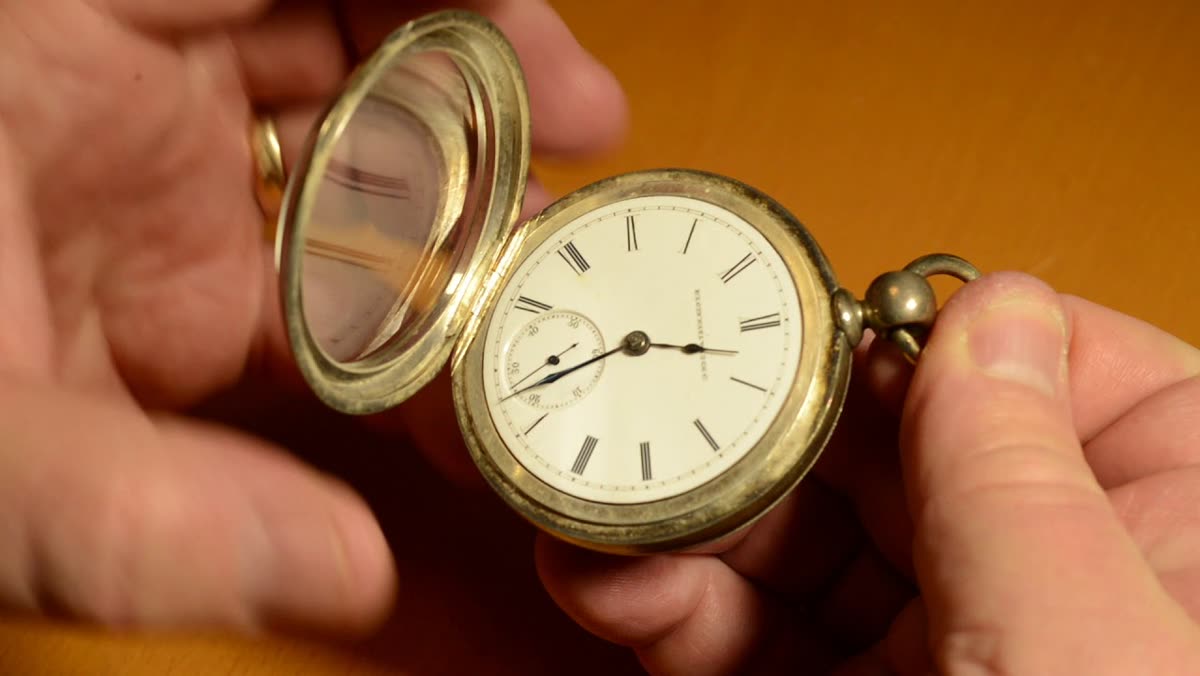
The fundamental architecture of a key-wind watch centers on the winding square, a protruding component of the mainspring barrel or, in older designs, the fusee. To power the watch, one must insert a key of the correct size and rotate it in a clockwise direction. Unlike keyless (stem-wind, stem-set) watches, which utilize an internal keyless works consisting of a winding stem, winding pinion, and clutch, the key-wind system is entirely external. The user acts as the primary mechanical interface, bridging the gap between the barrel and the power source. This direct connection requires careful operation to avoid over-winding, a risk that later keyless mechanisms and compression keys sought to mitigate through internal design.
Beyond winding, many antique key-wind, key-set watches utilize a secondary square for time setting. This is often accessed through a dust cover on the case back or by opening the hinged crystal to reach a square on the center pinion. Because these systems lack a setting lever connected to a crown, the hands are moved by directly rotating the center arbor. It is critical for the collector to understand that forcing a hand-setting operation on a watch that is tight or dirty can lead to snapped components within the motion works, necessitating professional intervention from a qualified watchmaker.
A Brief History of Key-Wound Timekeeping
For nearly four centuries, the separate key was the only method for powering portable timepieces. From the earliest verge-escapement watches in the 1500s to the fusee pocket watches of the 19th century, the key was an essential accessory. The evolution of this technology was not merely about convenience; it was about protecting the delicate gear trains inside the watch. Early makers struggled with the variability of mainspring force, leading to the development of the fusee pocket watches, where a chain and tapered pulley served to equalize torque. The key provided the necessary leverage to wind these complex systems, which were often housed in robust silver or gold cases.
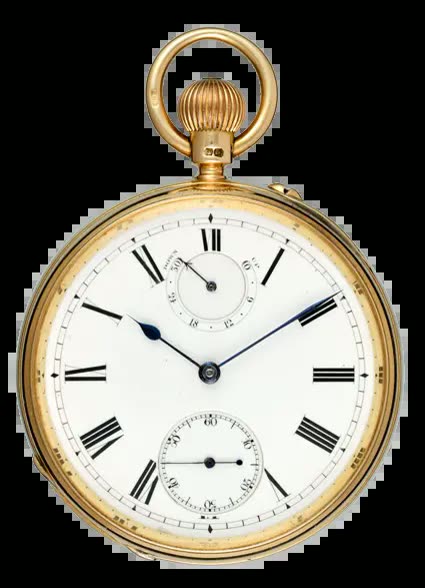
The turning point occurred in 1842, when Adrien Philippe successfully patented a mechanism that allowed a watch to be wound and set via a crown mounted on the case. This innovation, eventually known as keyless works, changed the industry. As The Development of Keyless Winding notes, the transition was gradual. While high-end horology embraced the new crown systems, key-wind watches continued to be produced for the budget and mid-tier markets, especially in the United States and England, well into the late 1800s. Manufacturers such as the E. Howard Watch Company or Seth Thomas Clock Company produced millions of units that moved between these two eras of technology.
How to Identify and Date Your Key-Wind Watch
Identifying a key-wind watch requires a methodical approach, as outlined in How to Identify an Antique Pocket Watch: A Step-by-Step Checklist. Begin by inspecting the movement layout; the presence of a square on the mainspring barrel is a definitive marker. Observe the winding square closely—is it centered, or does the watch employ a fusee arrangement? The presence of a fusee chain is a strong indicator of an 18th or early 19th-century origin. Checking the hallmarks on the case can provide a reliable date of manufacture, often narrowing the age down to a specific decade.
| Feature | Key-Wind | Keyless |
|---|---|---|
| Power Source | External Key | Crown/Stem |
| Setting Method | External Key | Crown/Stem |
| Mechanism Complexity | Low (Direct Drive) | High (Keyless Works) |
| Primary Era | 1500s–1880s | 1840s–Present |
Best Practices for Care and Conservation
Conservation is paramount when dealing with antique key-wind, key-set watches. Never force a key onto a square; if you do not have the original key, seek a professional bench key that matches the size perfectly. Using a worn or ill-fitting key can strip the metal of the winding square, causing permanent damage. When winding a mechanical watch, always feel for resistance. If the watch has not been serviced for decades, the lubricants have likely solidified; attempting to wind such a movement can break the brittle steel components. According to standards set in Practical Watch Repairing, a movement showing signs of age or neglect must be professionally cleaned before being wound.
When the watch is not in use, ensure it is kept in a dust-free environment. For silver-cased watches, consider that environmental sulfur can cause tarnishing. While simple cleaning of the exterior case is generally safe for an owner, the movement should remain sealed. If the watch is a fusee, extra caution is advised regarding the chain; these are notoriously fragile and require specialist knowledge to adjust or repair. Avoid any DIY attempts at oiling or adjusting the balance, as these actions require precise equipment and training.
The Role of the Key in Modern Collections
Today, key-wind pocket watches occupy a significant space in the Pocket Watch Encyclopedia. They serve as tangible reminders of how far horological engineering has evolved. Collectors often search for original keys, which can be as decorative as the watches themselves, featuring intricate patterns or materials such as gold and semi-precious stones. Whether one owns a simple silver key wind watch or a highly complex chronograph, the act of using a key provides a ritualistic connection to the history of timekeeping that a simple crown-wind cannot replicate.
Commonly Asked Questions
Sources
- Cutmore, M., The Pocket Watch Handbook — pocket-watch construction
- Cutmore, M., The Pocket Watch Handbook
- Jaquet, E. and Chapuis, A., Technique and History of the Swiss Watch
- Weiss, L., Watch-Making in England 1760–1820 (1982)
- de Carle, D., Practical Watch Repairing — inspection and faults
- de Carle, D., Practical Watch Repairing — jewelling and inspection