
Glossary · Mechanism
Seatboard
The board on which a longcase movement sits.
Explanation
The seatboard is the wooden board on which a longcase clock movement sits, resting on the cheeks of the trunk under the hood. The movement is held to it by hooks, bolts or screws through the pillar holes. The pendulum and weight lines pass through slots in the board.
Because seatboards are so often replaced, an original board is useful evidence that movement and case belong together. Extra slots, plugged holes or a board cut to fit can indicate a movement married to a different case.
What to record
- Compare the line slots with the barrel positions to see if they match.
- Look for old screw holes or packing that suggest an earlier movement.
Do not move a longcase clock with the movement only resting on its board; secure or remove it.
In the object catalogue
Catalogued objects whose own source record mentions “Seatboard”. The quoted line shows where; it is the seller’s or museum’s wording, not independent verification.
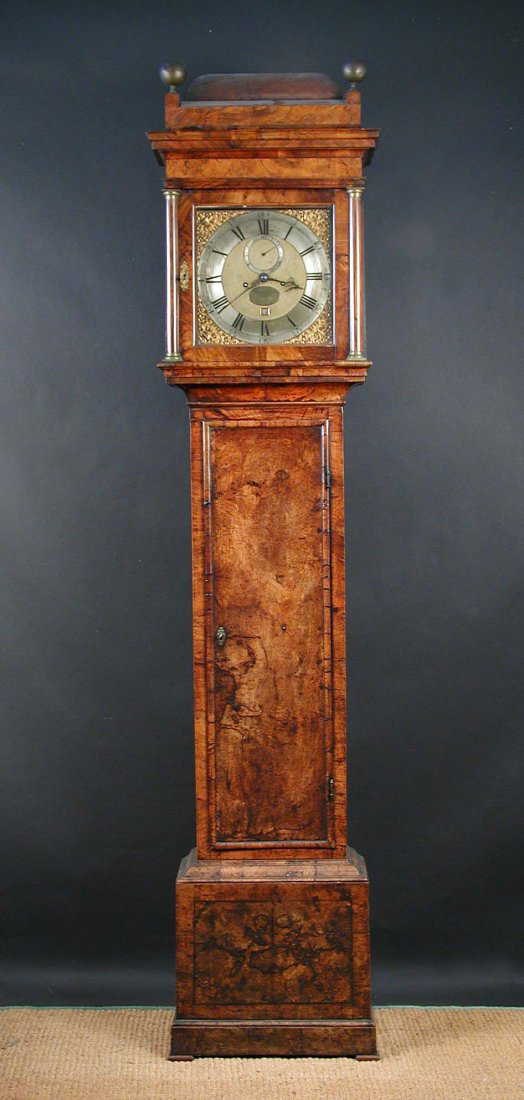
Clock
Benjamin Gray and Justin Vulliamy George II figured walnut longcase clock
“This George II longcase clock is signed on an oval dial plate by Benjamin Gray and Justin Vulliamy, London. Encased in figured walnut, the clock stands 225 cm tall and features …”
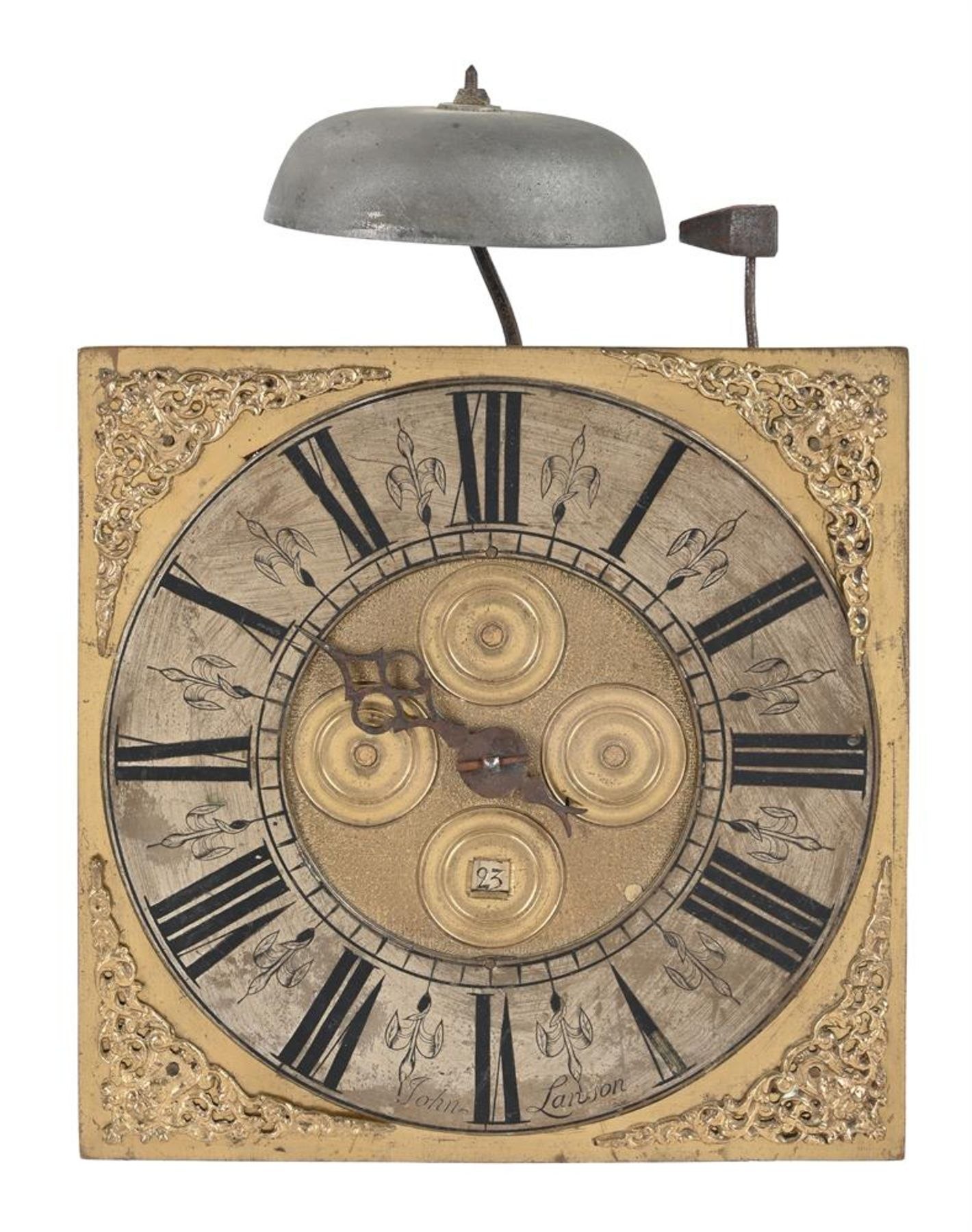
Movement
A George II thirty-hour longcase clock movement with eight-inch dial
“Missing Components: Lacks pendulum, weight, or seatboard”
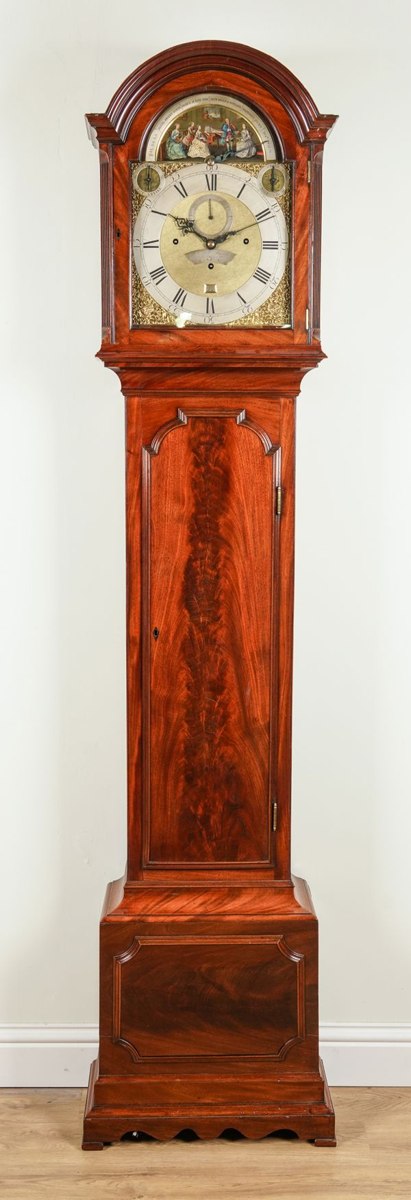
Clock
George III Mahogany Musical and Automaton Longcase Clock by Samuel Smith
“Condition note: Oak seatboard is a replacement”
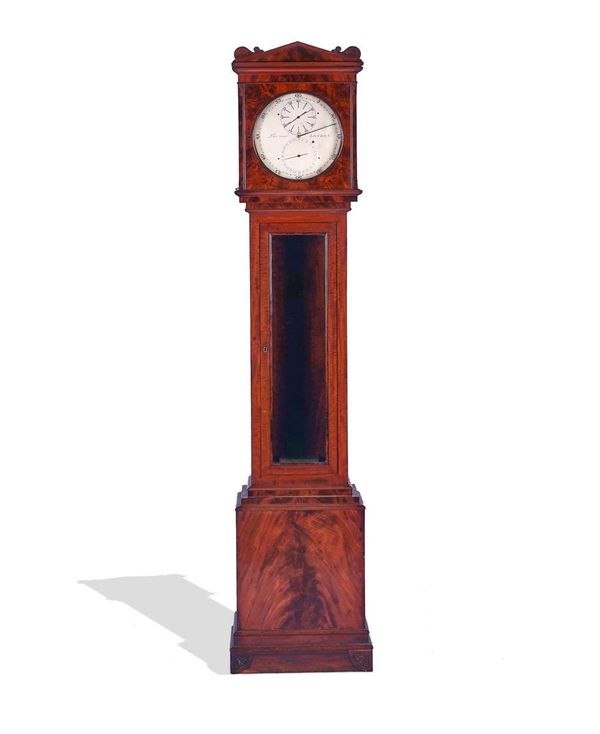
Clock
Early Victorian mahogany regulator with 24-hour dial, attributed to Barraud, London
“This early Victorian mahogany regulator stands 201 cm high and features a shallow-arched hood over a circular glazed dial opening, a glazed trunk door, and a plinth base. Its 11…”