
Glossary · Mechanism
Pillars
Posts separating the two plates of a full-plate movement.
Explanation
Pillars are posts or shaped supports that hold plates apart in many clock and watch movements. Their form, fastening and finish can help compare construction traditions, especially in earlier full-plate and clock movements. They are structural evidence, not a signature by themselves.
Pillar shape can be altered by period, workshop practice and repair. A decorative or familiar outline should be compared with the whole movement: plate layout, train positions, escapement, striking work and markings. Photograph pillars in context so their attachment and relationship to plates are clear.
Sources & references
- Gazeley, W. J., Clock and Watch Escapements — movement construction
- Daniels, G., Watchmaking — plates and bridges
Where sources disagree, the disagreement is stated rather than resolved silently.
What to record
- Record pillar shape and fastening method.
- Compare with plate layout and escapement, not in isolation.
- Note replacements or disturbed screws where visible.
Do not separate plates or release stored energy to inspect pillars.
In the object catalogue
Catalogued objects whose own source record mentions “Pillars”. The quoted line shows where; it is the seller’s or museum’s wording, not independent verification.
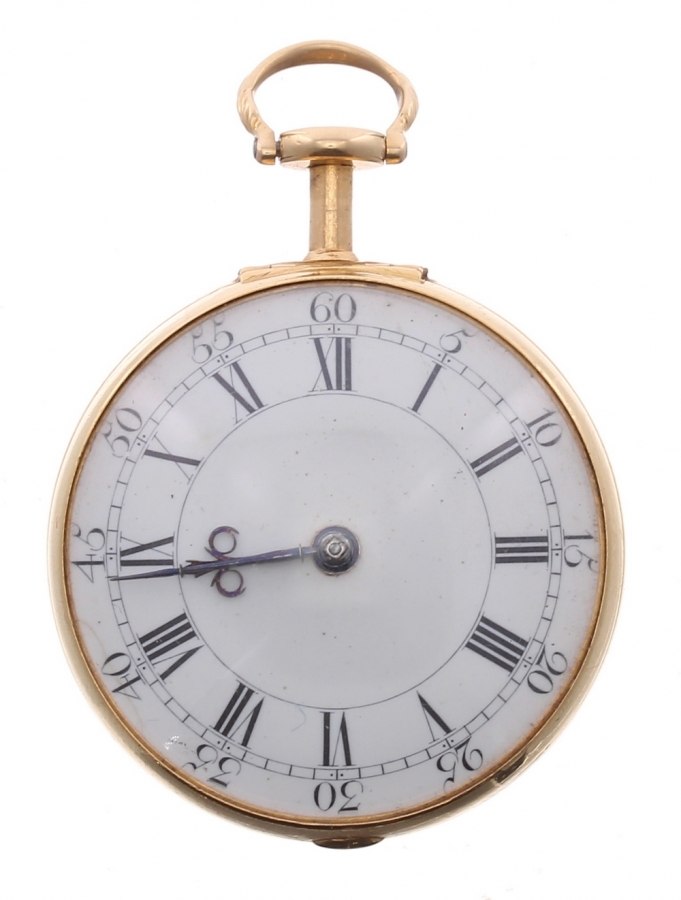
Pocket watch
Justin Vulliamy Gold Pair Cased Pocket Watch
“This 18th-century gold pair-cased pocket watch is reported by the auctioneer to date from London, 1778. The watch features a fusee cylinder movement signed 'Justin Vulliamy, Lon…”
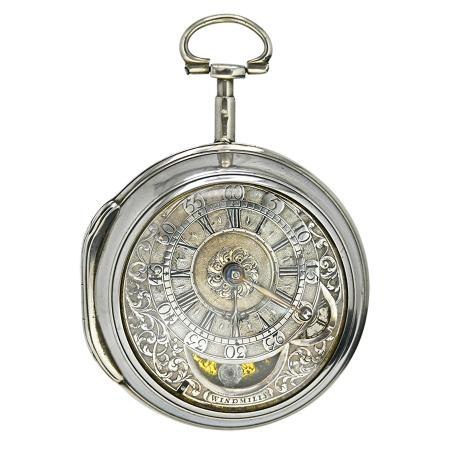
Pocket watch
English Consular Case Verge Fusée Pocket Watch by Windmills of London
“This early eighteenth-century English pocket watch, dated to circa 1710, is attributed to London clockmakers Joseph and Thomas Windmills. The timepiece features a sterling silve…”
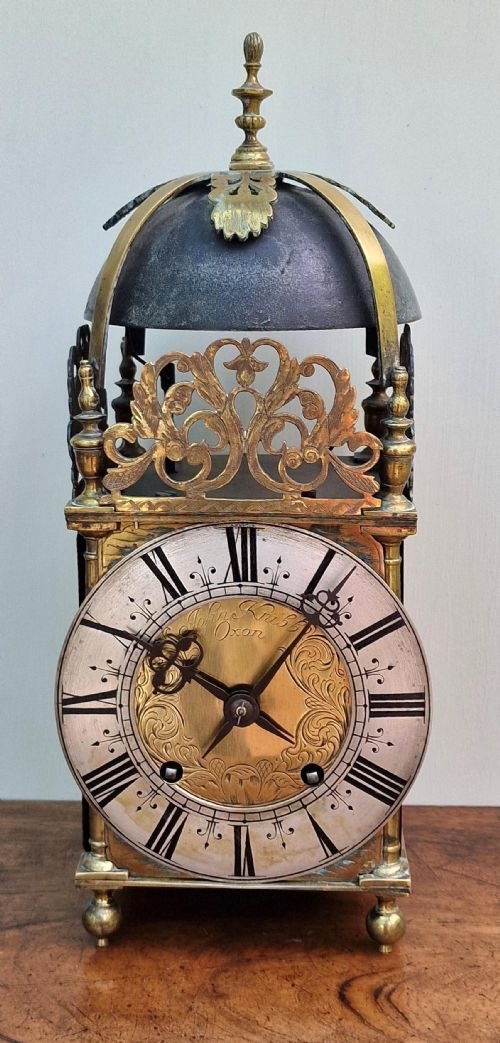
Clock
A 17th Century Lantern Clock, John Knibb of Oxford
“The case rests on turned brass feet and features turned corner column pillars and finials.”
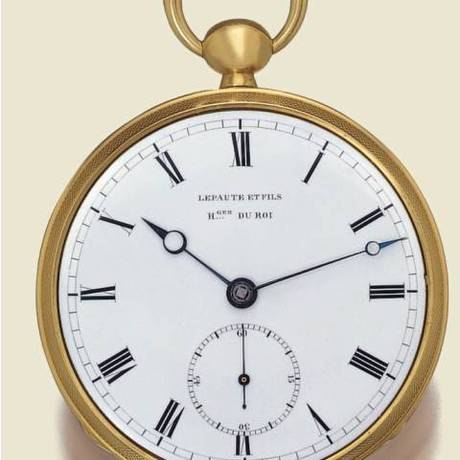
Pocket watch
Lepaute et Fils à Paris 18K gold pocket watch with stop feature, No. 3433 + 36
“This circa 1830 French pocket watch by Lepaute et Fils à Paris features a 52 mm four-body 18K gold case in 'bassine et filets' form, decorated with engine turning along the back…”
Pocket watch
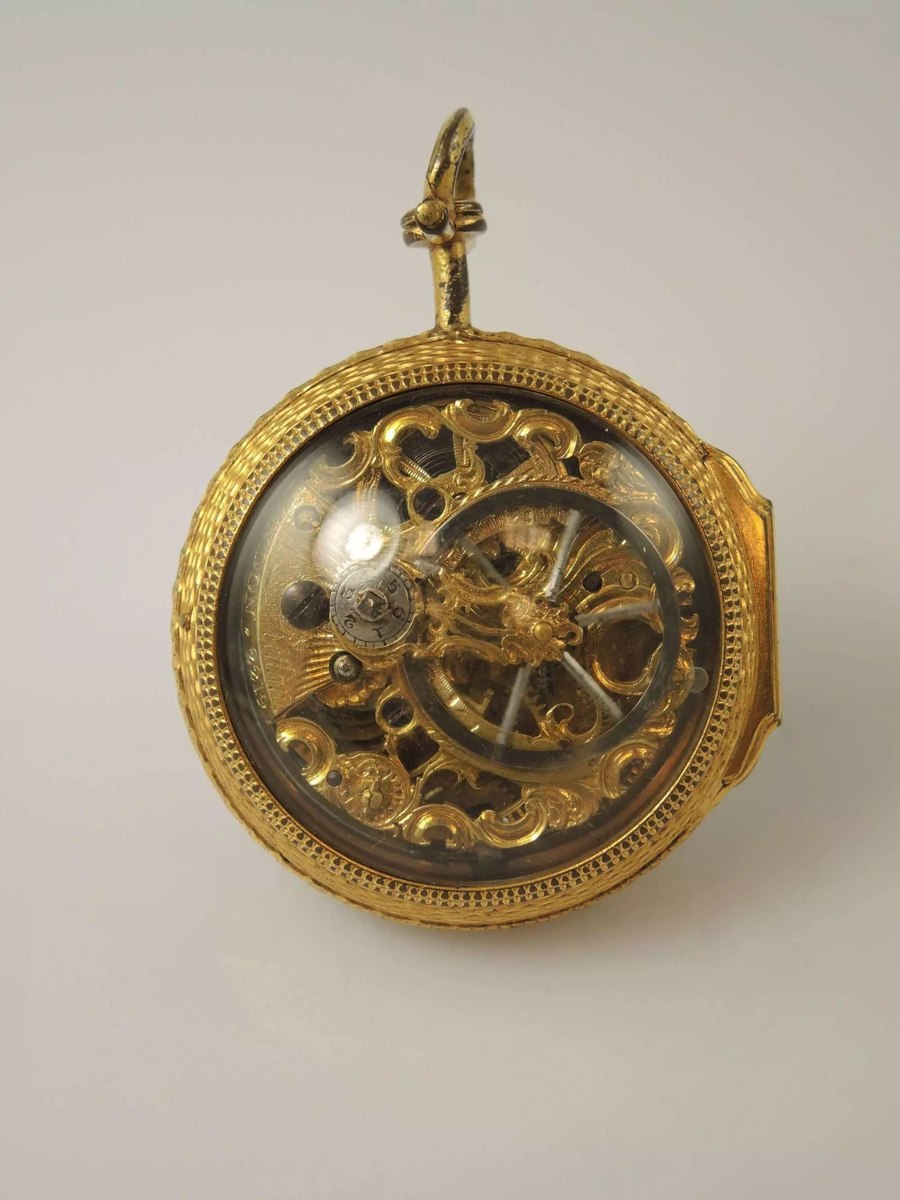
Skeletonised verge fusee pocket watch c1770
“This antique open-face verge fusee pocket watch is dated circa 1770 and attributed to Wm Retlaw in London. Housed in a gilt case with engine turning, it features a skeletonised …”
Marine chronometer
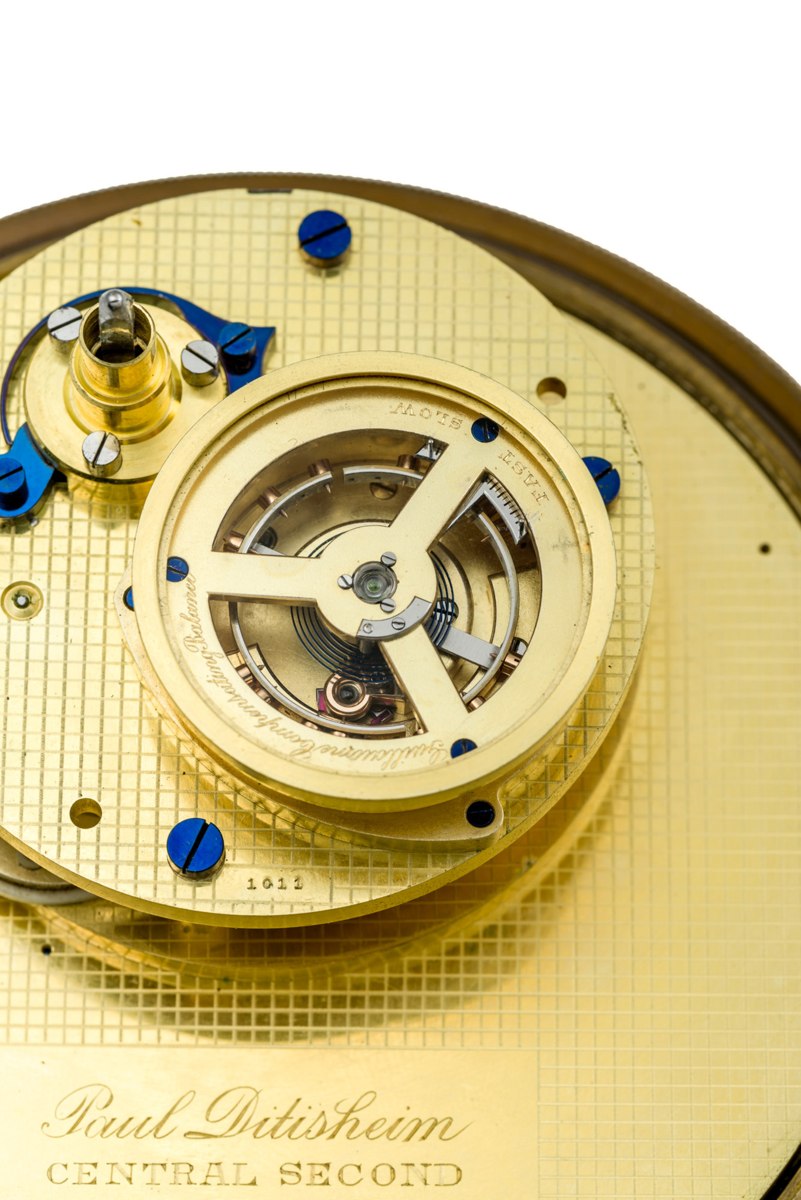
Paul Ditisheim Central Second Marine Chronometer
“Blued steel screws securing balance sub-assembly components and movement plate pillars.”