
Glossary · Mechanism
Pin set
Setting the hands by pressing a small pin beside the pendant.
Explanation
Pin setting uses a small external control, commonly near the pendant, to select hand setting while the winding control is turned. It is distinct from pulling a stem into a setting position or withdrawing a lever. The visible pin identifies a control to research, not an invitation to press it on an unfamiliar watch.
The internal selector and required operation vary. A pin that resists may be damaged or may not be the expected control. Consult the exact instructions and keep winding and setting observations separate. Case orientation alone cannot establish the mechanism; a photograph may fail to show a recessed or partly hidden pin.
Sources & references
- Britten, F. J., Watch & Clock Makers’ Handbook — winding and setting terminology
Where sources disagree, the disagreement is stated rather than resolved silently.
What to record
- Locate the control in an overall photograph.
- Confirm the intended operation from a reliable reference.
Never force a pin or crown to demonstrate setting.
In the object catalogue
Catalogued objects whose own source record mentions “Pin set”. The quoted line shows where; it is the seller’s or museum’s wording, not independent verification.
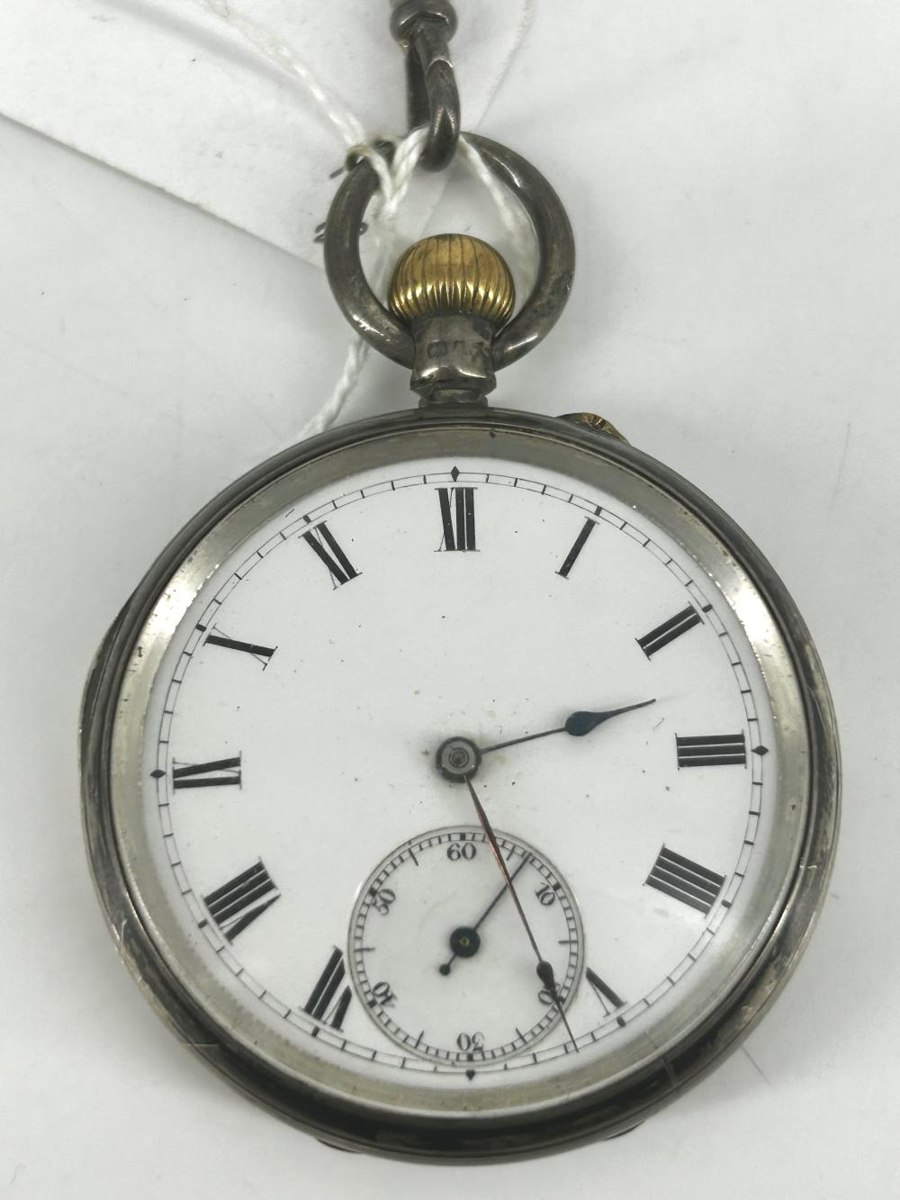
Pocket watch
Thomas Armstrong & Brother Sterling Silver Pocket Watch
“Movement Configuration: 3/4 plate, gilt finish, French pin set”
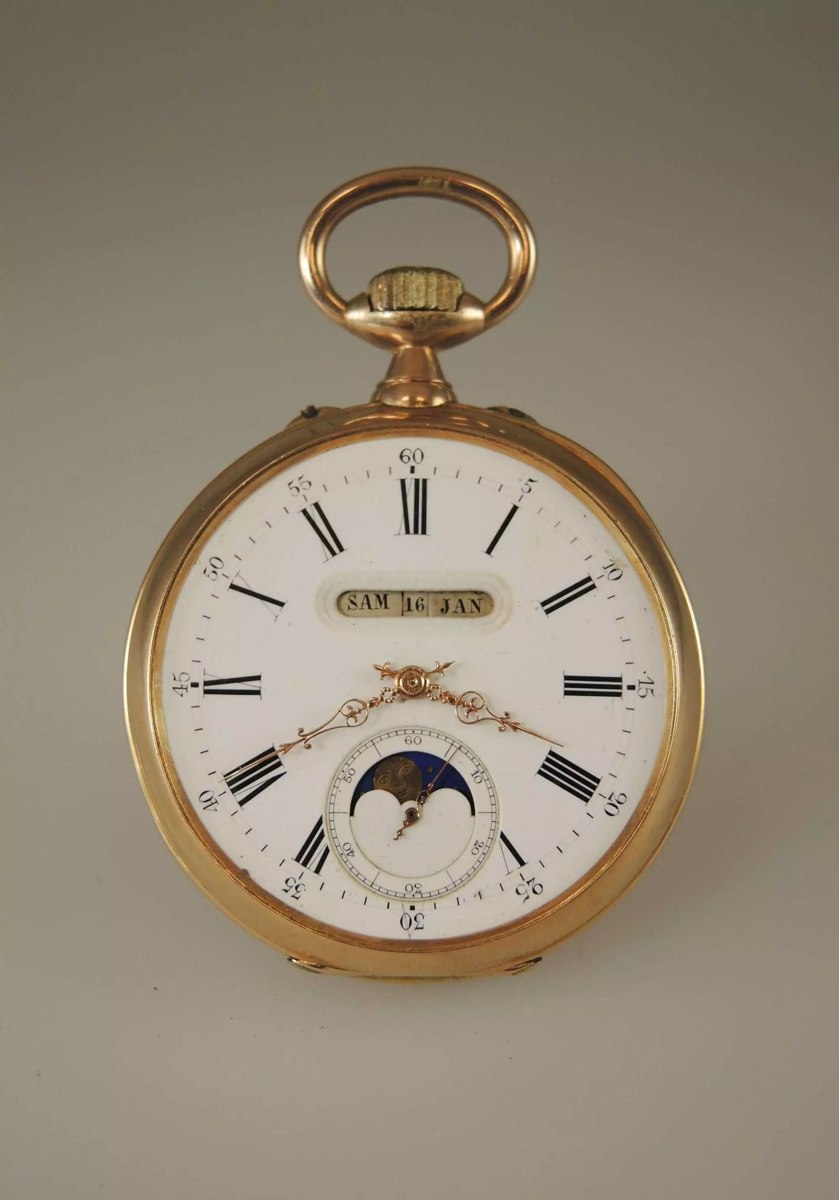
Pocket watch
18K Gold Moon-Phase Calendar Pocket Watch
“Winding and Setting: Stem wound, pin set”
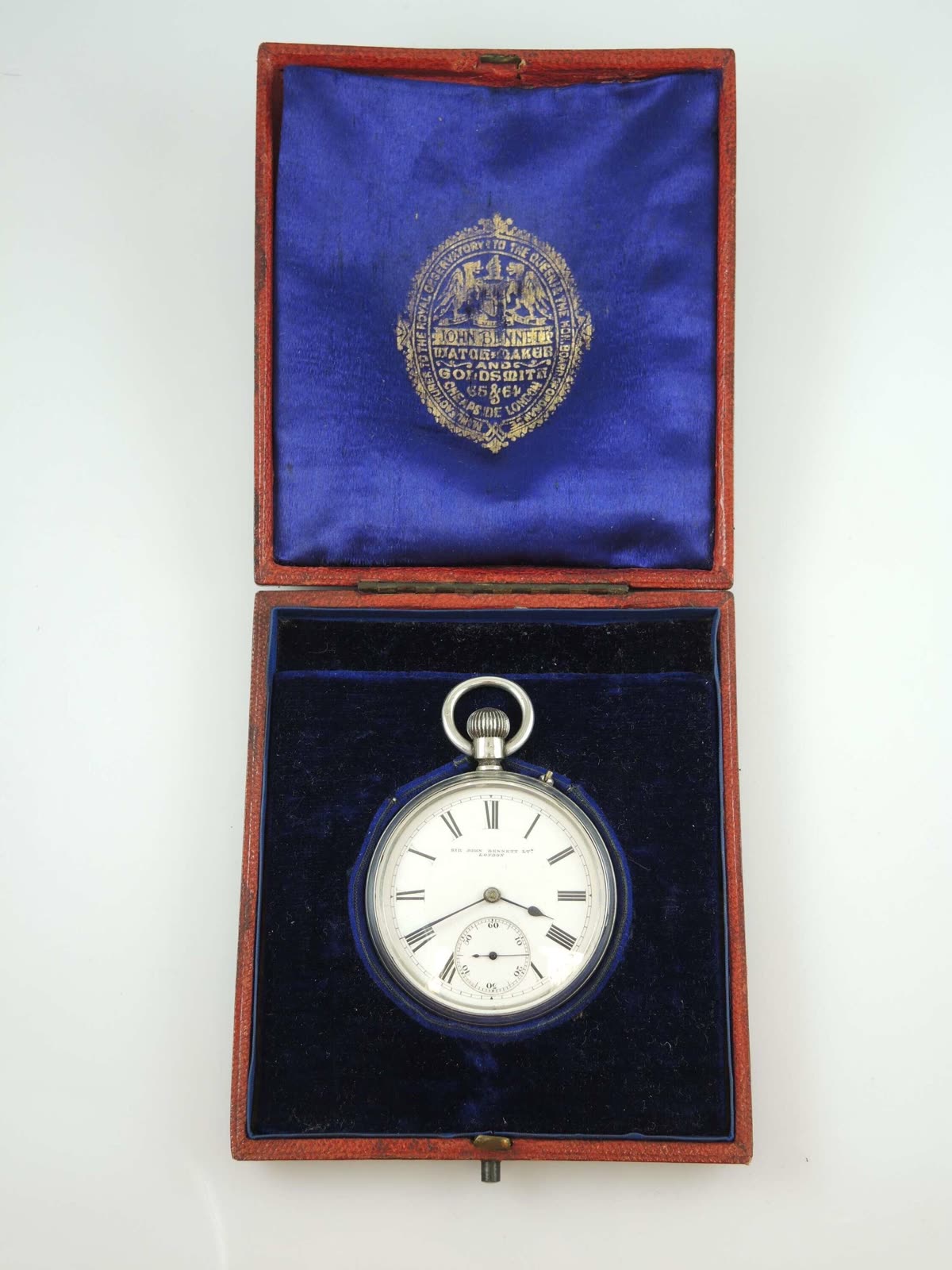
Pocket watch
Sir John Bennett English silver pocket watch with fitted box
“This Victorian pocket watch by Sir John Bennett features an English silver open-face case hallmarked for London, 1891. Measuring 50 mm wide by 17 mm deep, the watch is stem woun…”
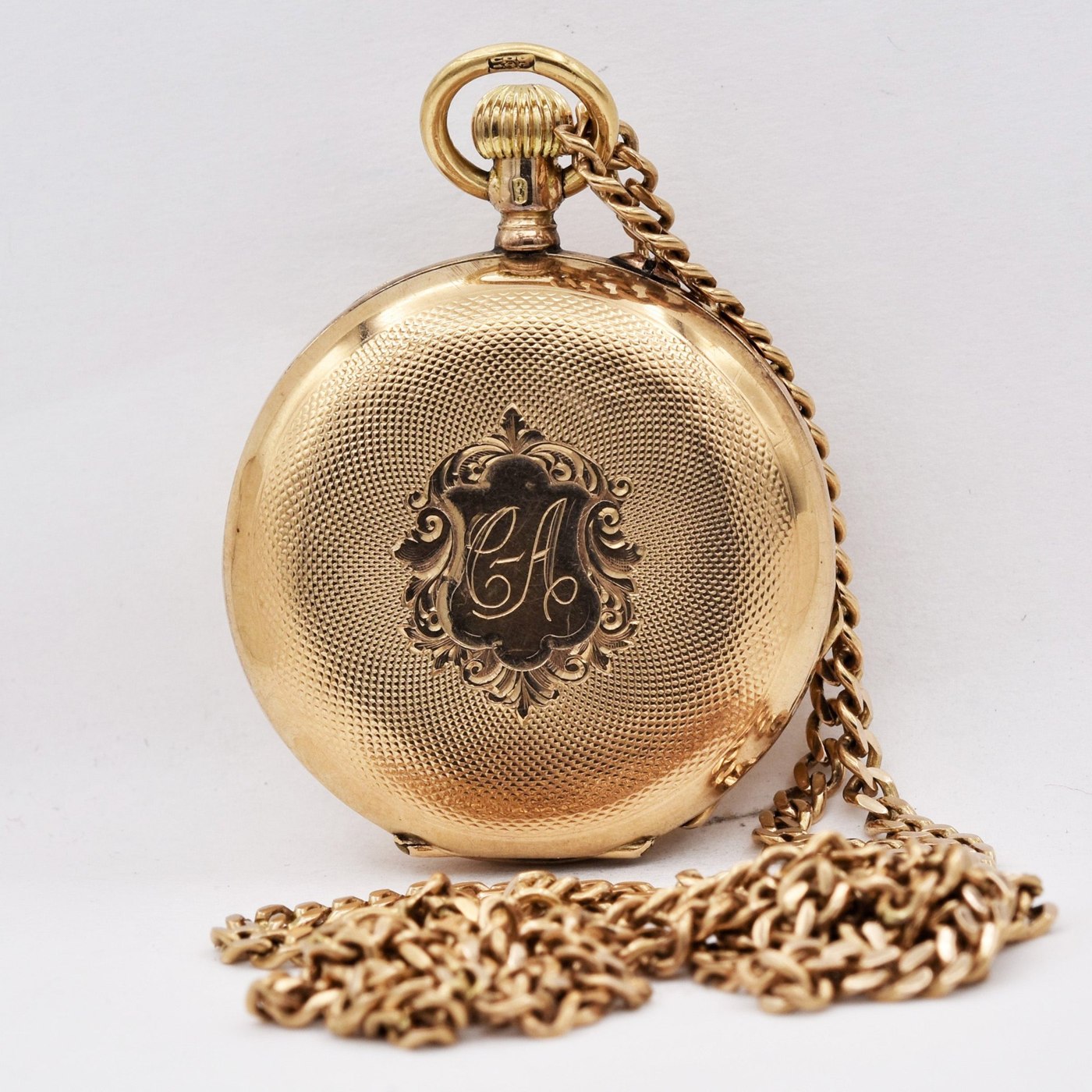
Pocket watch
Swiss 14k Rose Gold Hunting Cased Pocket Watch with Chain
“Setting: Pin set”
Pocket watch
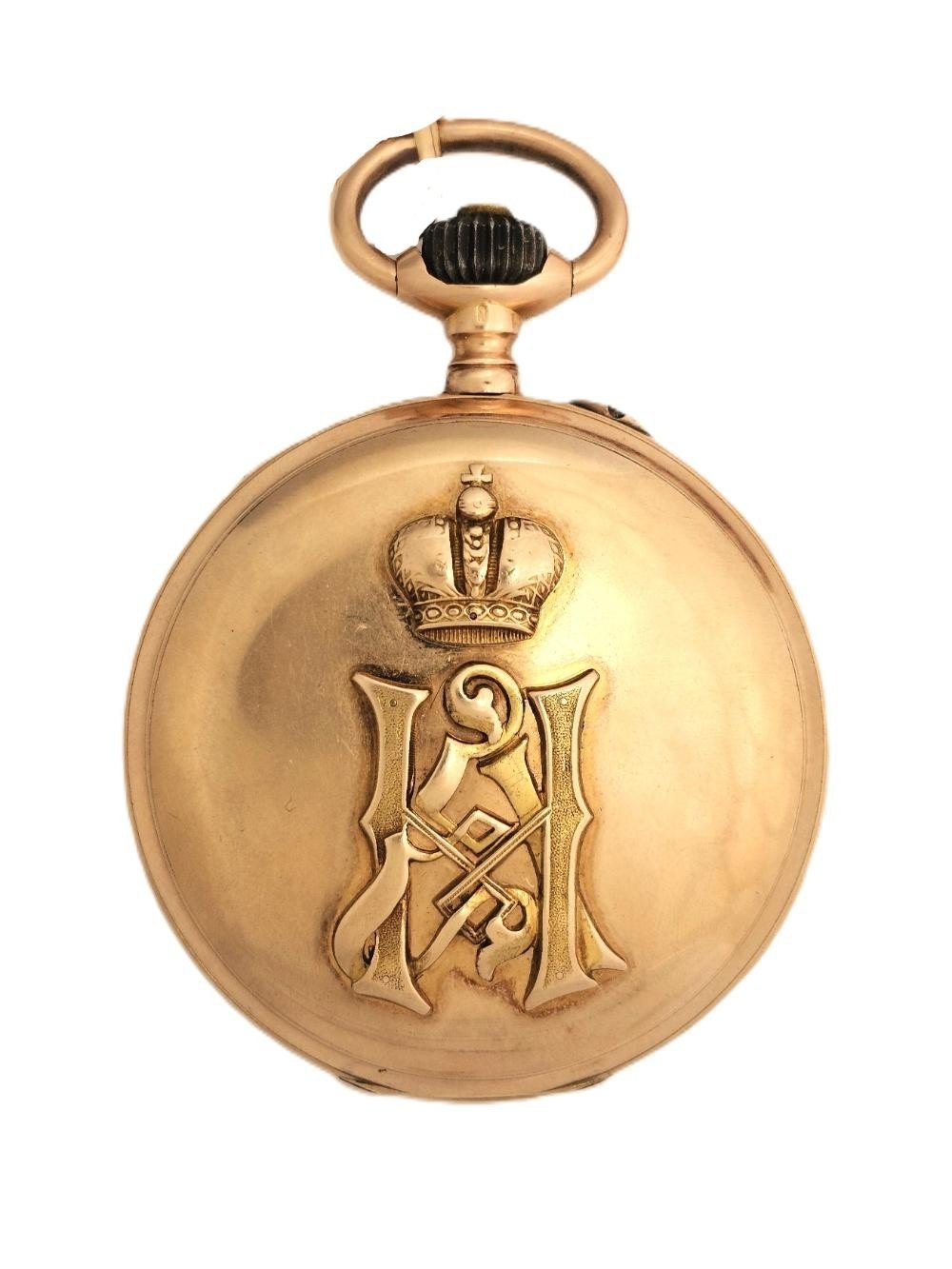
Paul Buhre Pocket Watch
“Setting Type: Pin Set”
Pocket watch
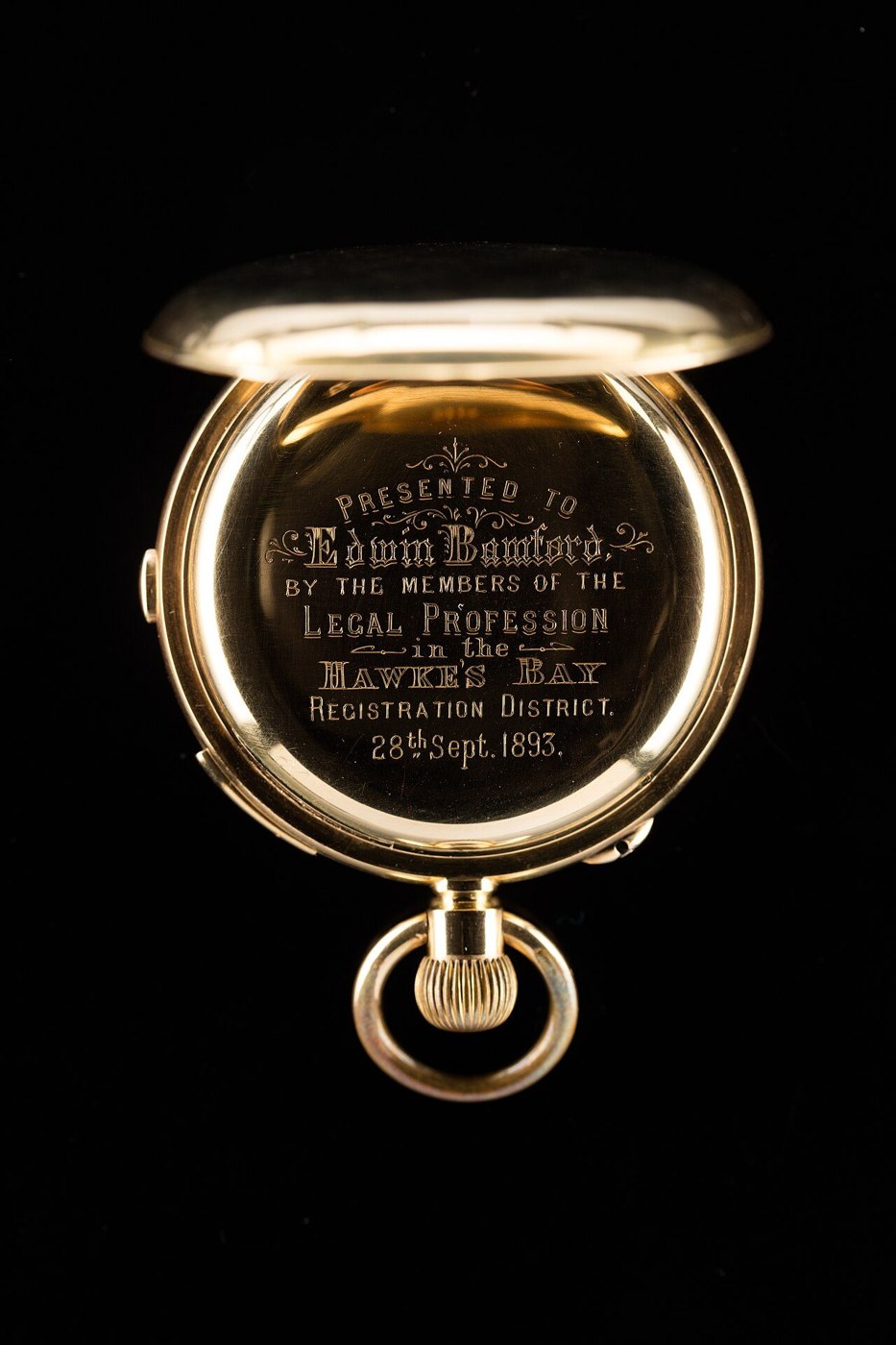
Gold quarter repeating hunting case pocket watch
“Setting Mechanism: Pin set”