
Glossary · Collecting
Accession number
A collection's permanent identifier for an object.
Explanation
When an object formally enters a museum collection it is given an accession number, recorded in the museum's register. The number links the object to its acquisition records, catalogue entries, photographs and conservation history, and it is the reliable way to identify a specific museum object.
Accession numbers often encode the year of acquisition, and some museums have changed numbering systems over time, so one object may carry old and new numbers. Citing the current number and the institution's name is the standard way to refer to a museum object.
What to record
- Use the institution's own online catalogue to confirm the current number.
- Old numbers painted or labelled on objects are evidence of earlier collection history.
An accession number confirms that a museum holds an object, not that it is on display.
In the object catalogue
Catalogued objects whose own source record mentions “Accession number”. The quoted line shows where; it is the seller’s or museum’s wording, not independent verification.
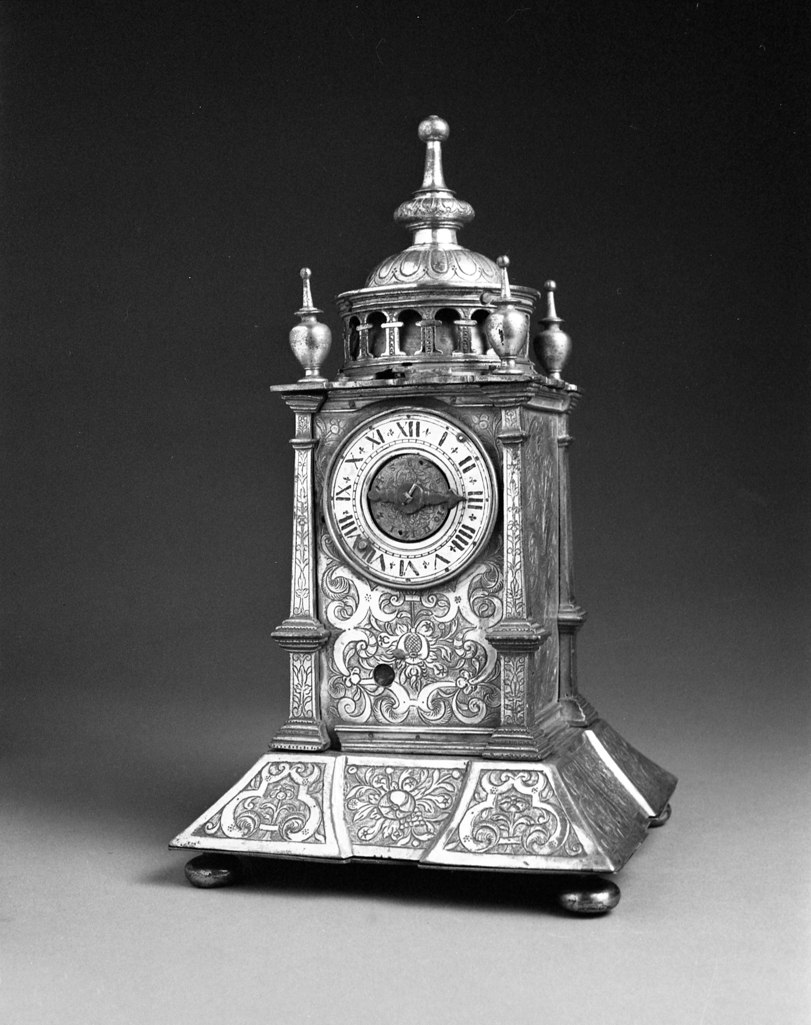
Clock
Tabernacle clock with hour striking and alarm movement
“Accession Number: M.16-1940”
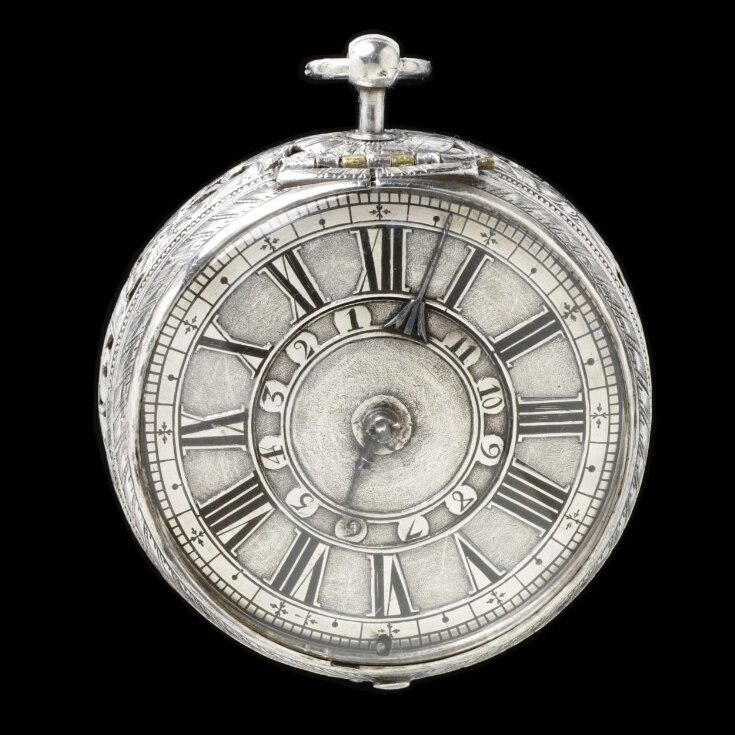
Pocket watch
Engraved and pierced silver watch by Joseph Knibb
“This antique silver pocket watch, accession number 1138-1905 in the Victoria and Albert Museum Metalwork Collection, is documented as made in London between approximately 1670 a…”
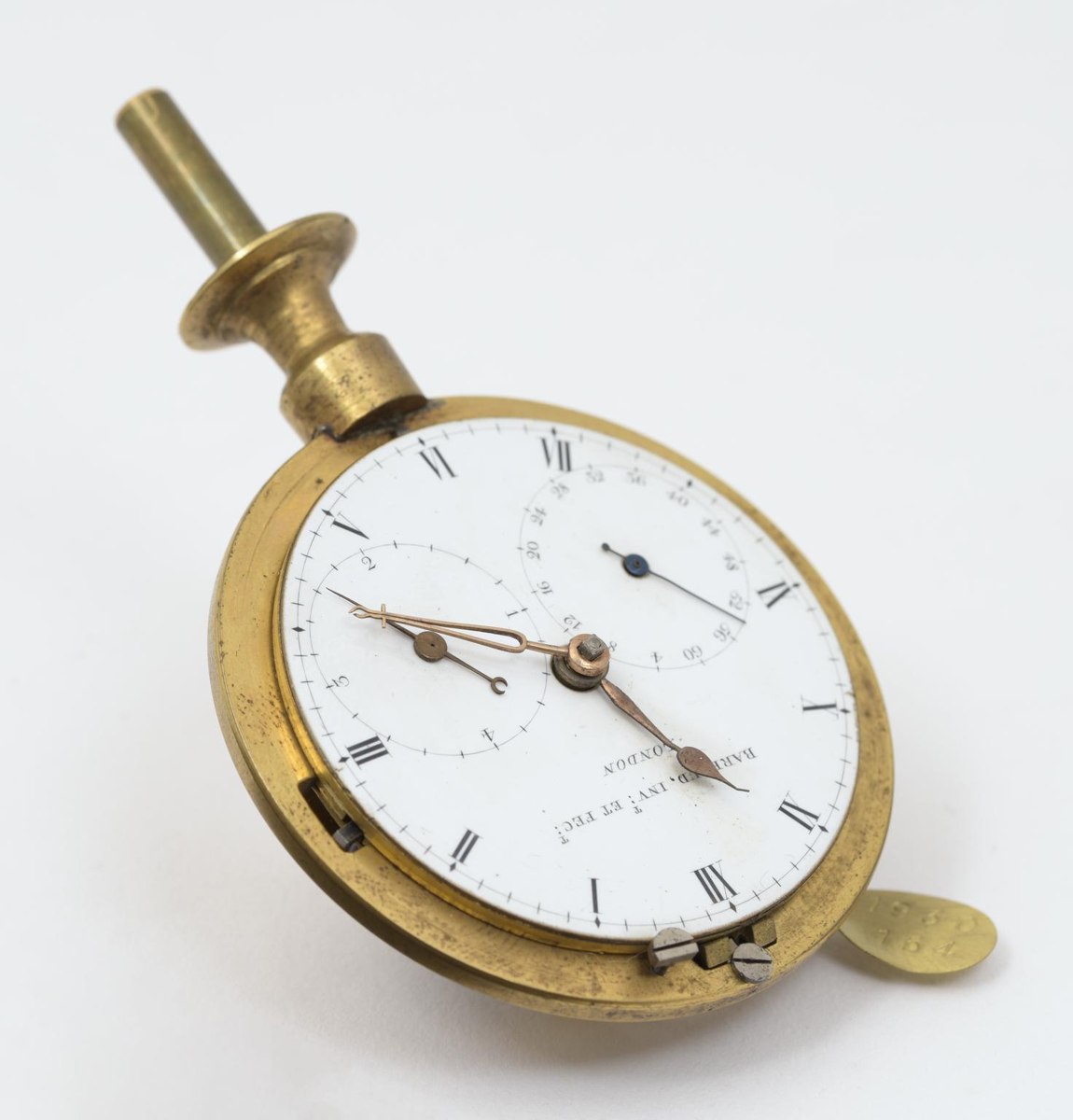
Movement
Pocket Watch Mechanism by Barraud
“This repeating pocket watch movement was produced in London between 1780 and 1810 by the Barraud family. Preserved in the Science Museum Group collection under object number 193…”
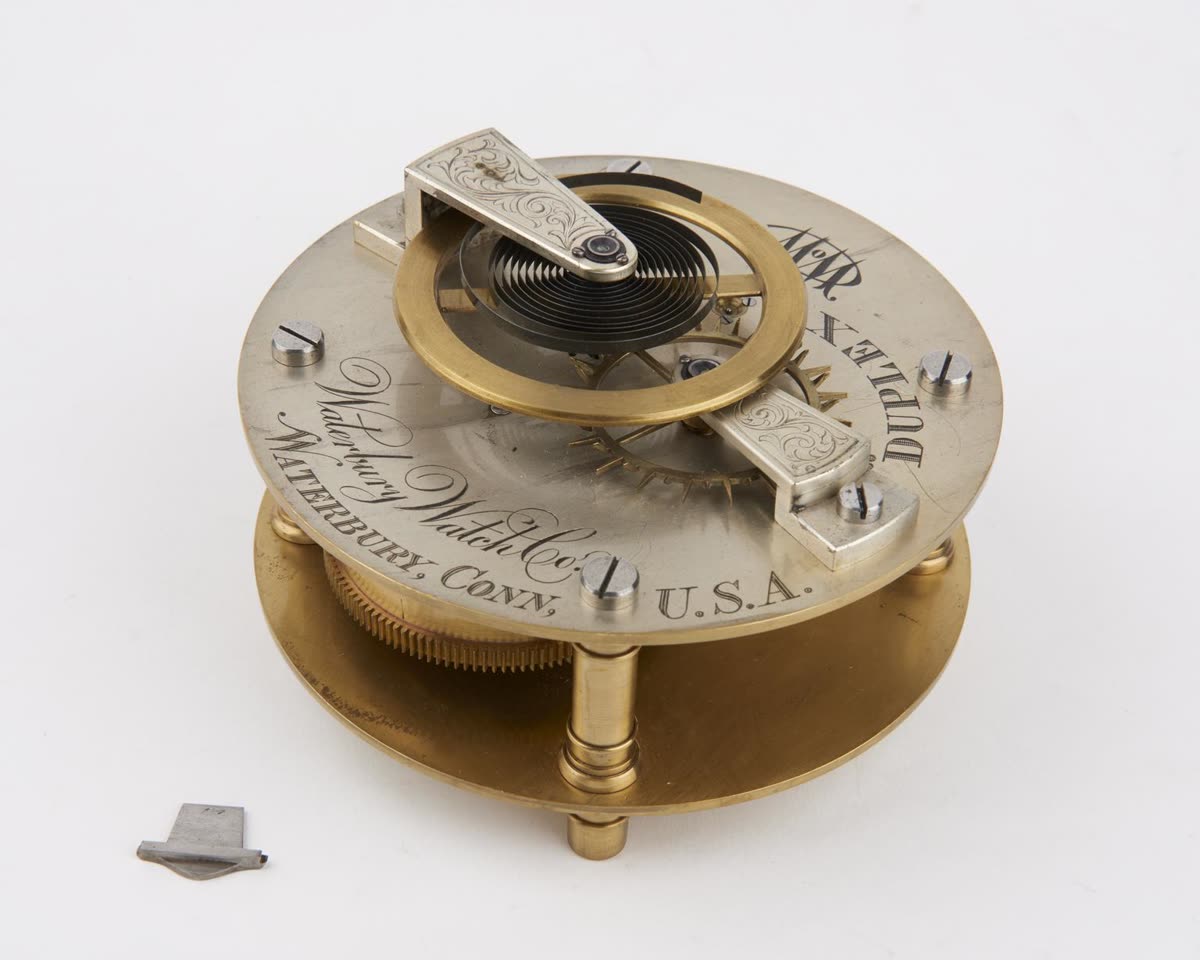
Movement
Model of Duplex escapement used in Waterbury watches
“This object is a demonstration model of a duplex escapement as employed in early Waterbury watches, dated by the Science Museum Group to between 1880 and 1935. Catalogued under …”
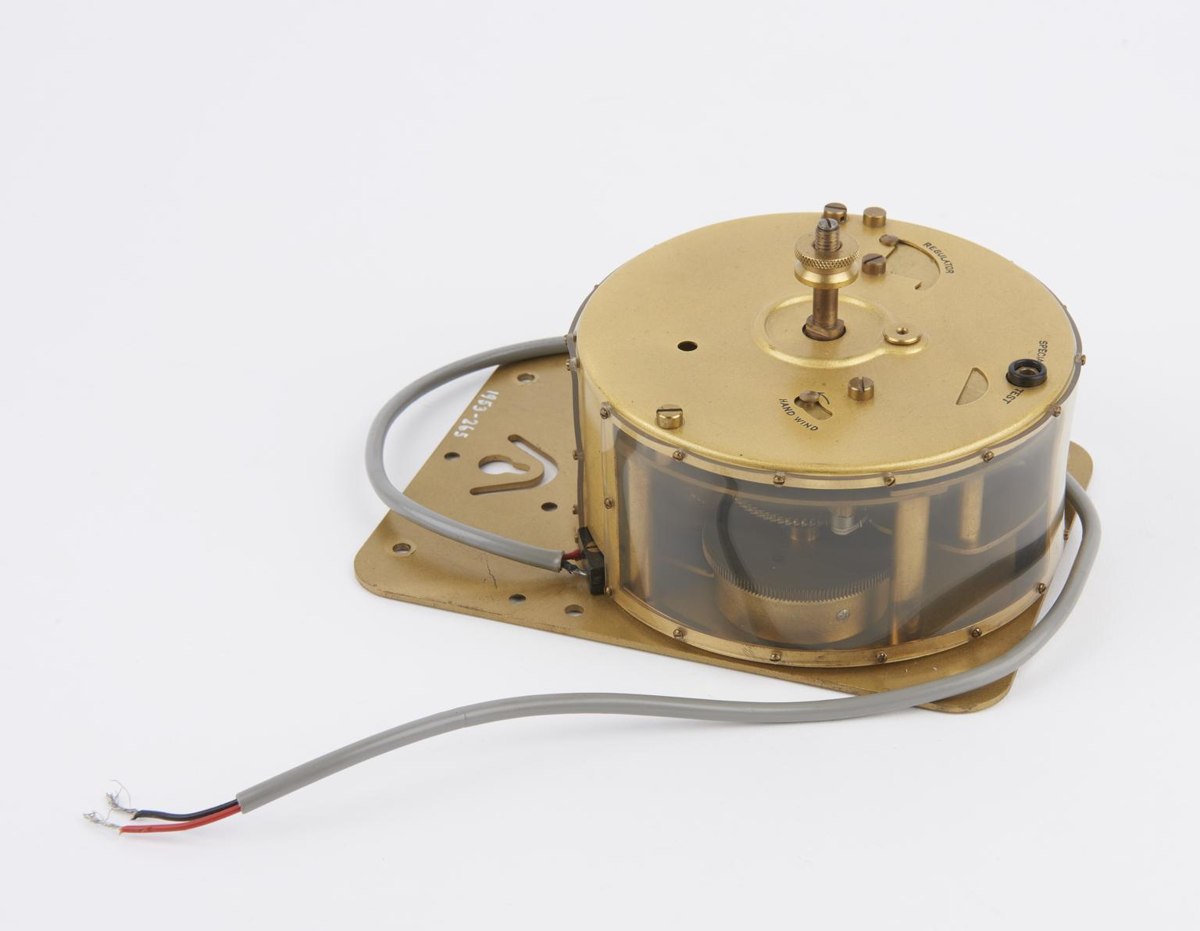
Movement
Synchronous motor driven clock movement, Venner Ltd., type ER
“White accession number '1953-265' inscribed on the extended flat brass mounting plate”
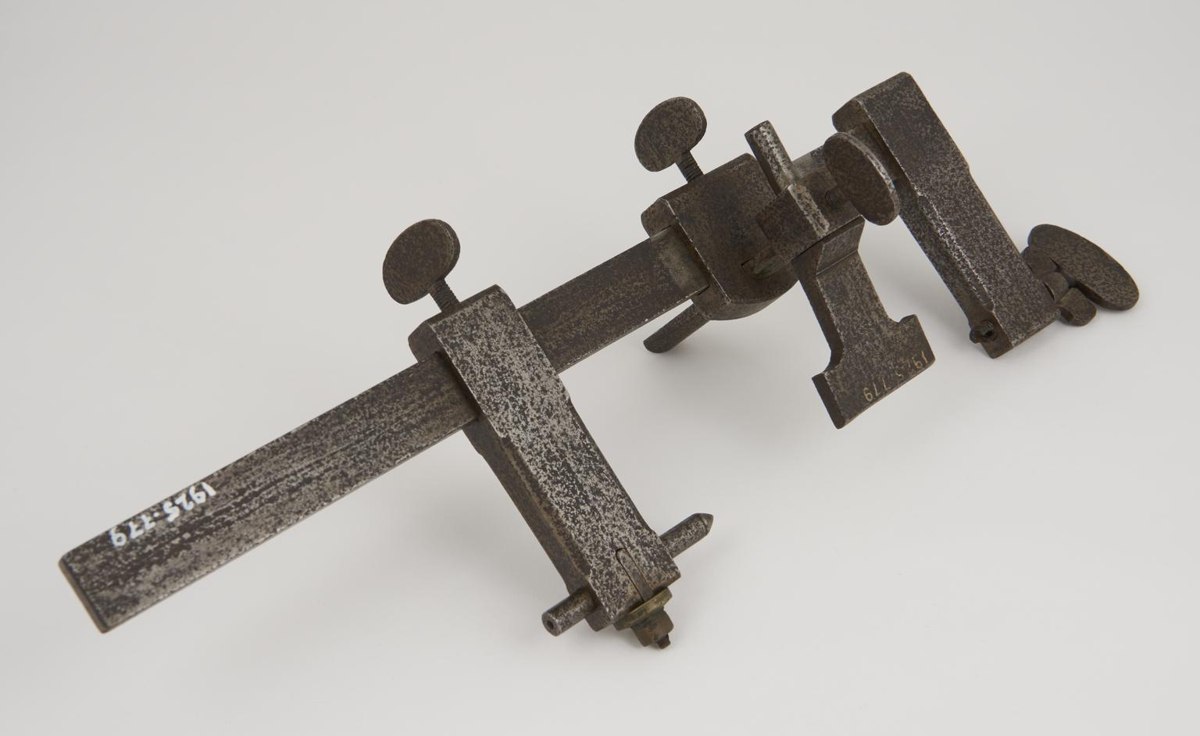
Tool
Watchmaker's lathe
“Museum accession number '1925-779' painted in white on the main rectangular iron bar and impressed on the foot of the hand rest”