
Glossary · Collecting
Documented provenance
Ownership history supported by records.
Explanation
Provenance is the ownership history of an object. Documented provenance rests on contemporary evidence such as invoices, auction catalogues, letters, photographs and service records rather than on family tradition. It can confirm a watch's history, connect it with a notable owner and support its authenticity.
Each link in a provenance chain should be supported by evidence that refers to the specific object, for example by serial number or a distinctive feature. Gaps are common and should be stated, not filled with assumptions.
What to record
- Match serial numbers in documents to the object itself.
- Distinguish published provenance from undocumented claims in sale descriptions.
A famous name in the story is not evidence; insist on documents that identify the object.
In the object catalogue
Catalogued objects whose own source record mentions “Documented provenance”. The quoted line shows where; it is the seller’s or museum’s wording, not independent verification.
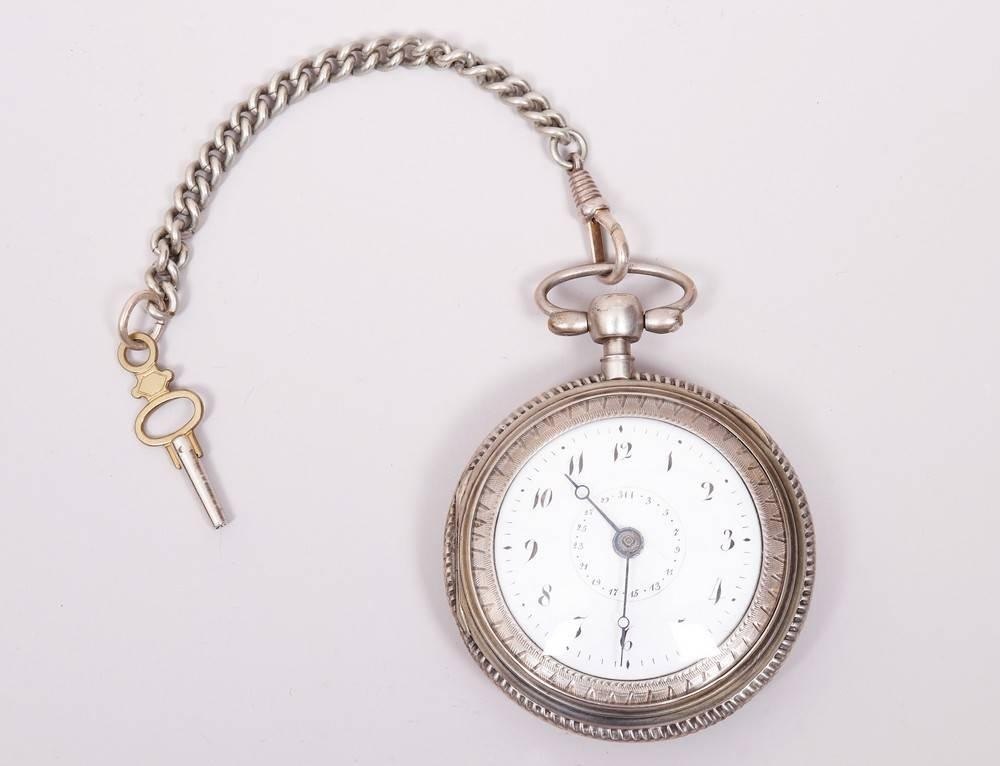
Pocket watch
Verge pocket watch with date by David Humbert Droz
“This 19th-century verge pocket watch is attributed to maker David Humbert Droz. The timepiece is constructed from a combination of metal, silver, and glass. The exterior case fe…”
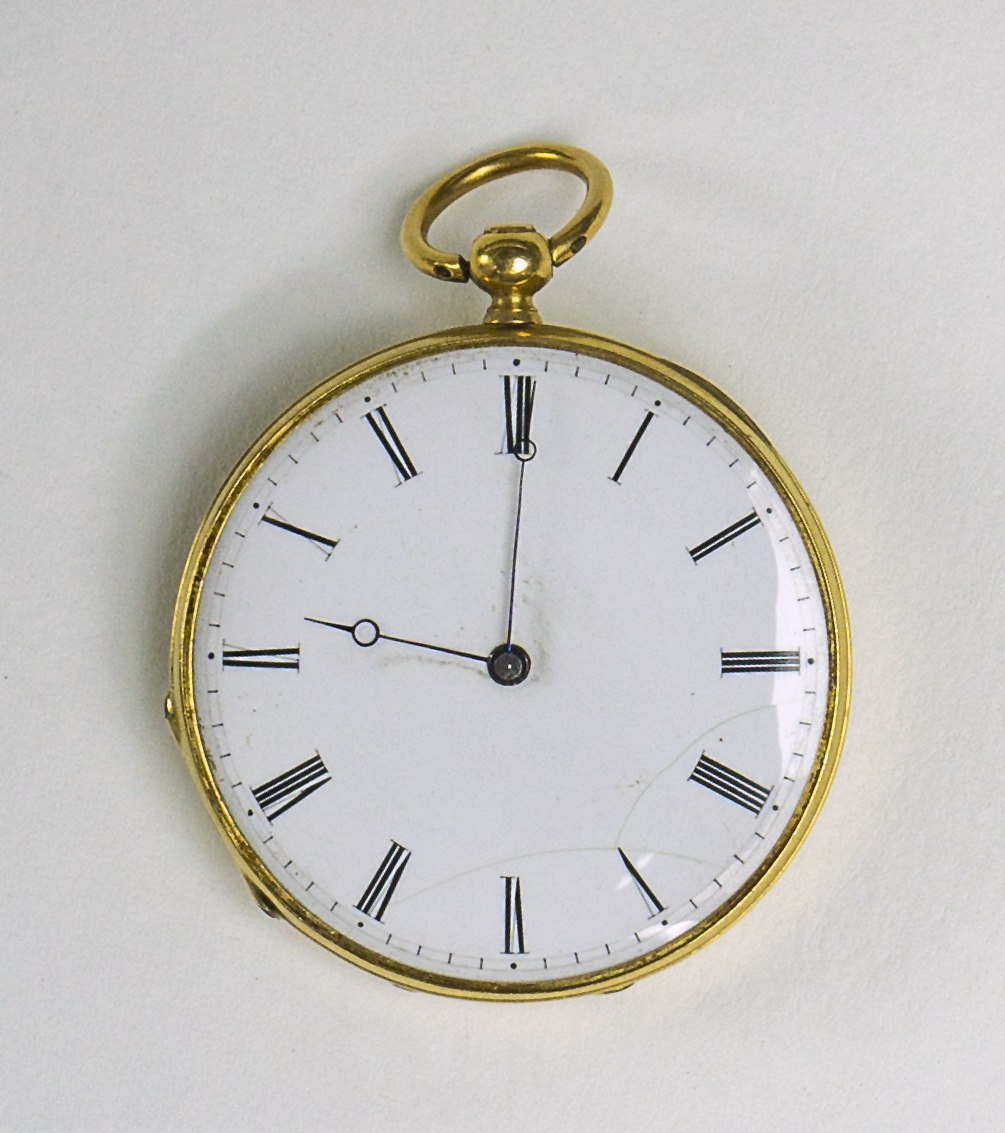
Pocket watch
Gold pocket watch with cylinder escapement
“This small gold pocket watch, held by the Sörmland Museum in Sweden, is an example of a cylinder escapement timepiece. Measuring four centimeters in diameter, the watch features…”
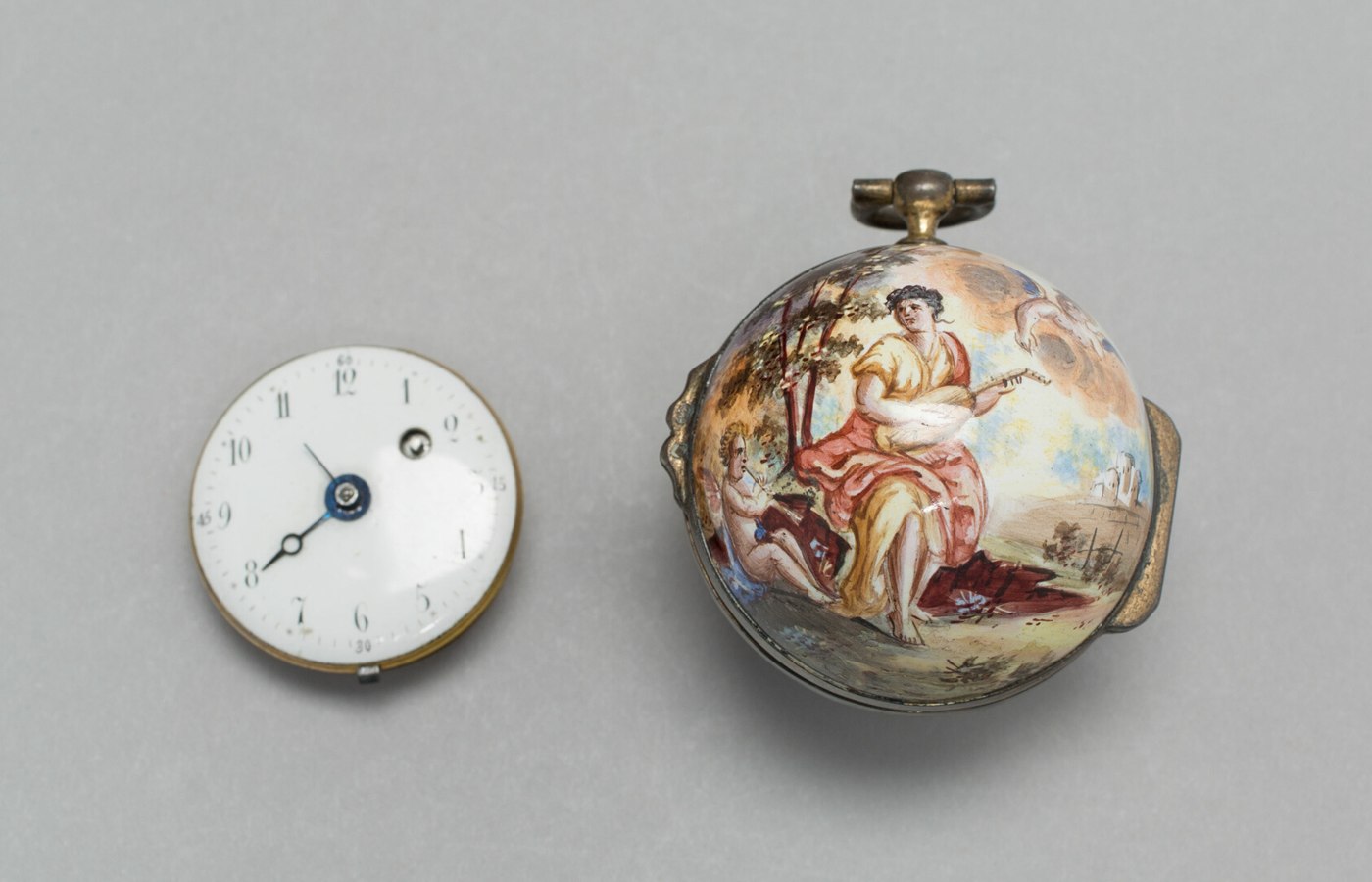
Pocket watch
Mid-19th-Century Enameled Metal Watch
“This mid-19th-century pocket watch, now held by the Art Institute of Chicago under accession number 1913.775, represents a category of enameled metal horological objects produce…”