
Glossary · Collecting
Attribution
Assigning an object to a maker or workshop.
Explanation
Attribution assigns an object to a maker, workshop or region with a stated degree of confidence. Cataloguers use terms such as signed, attributed to, workshop of, circle of or in the style of, each implying a different level of certainty.
Attributions for unsigned objects rely on construction, style, marks and comparison with signed or documented examples. They can change as research progresses. A good catalogue entry explains the basis of an attribution rather than simply stating it.
What to record
- Note the exact attribution wording used by the source.
- Look for the evidence offered: signatures, marks, comparable examples or documents.
Do not upgrade 'attributed to' to 'by' when repeating a description.
In the object catalogue
Catalogued objects whose own source record mentions “Attribution”. The quoted line shows where; it is the seller’s or museum’s wording, not independent verification.
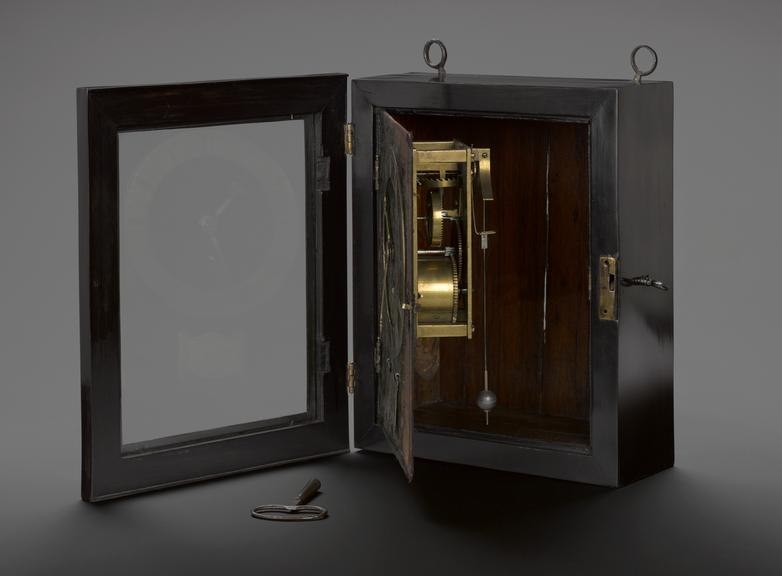
Clock
Early pendulum clock by Salomon Coster, c.1657
“Maker Attribution: Salomon Coster and Christiaan Huygens”
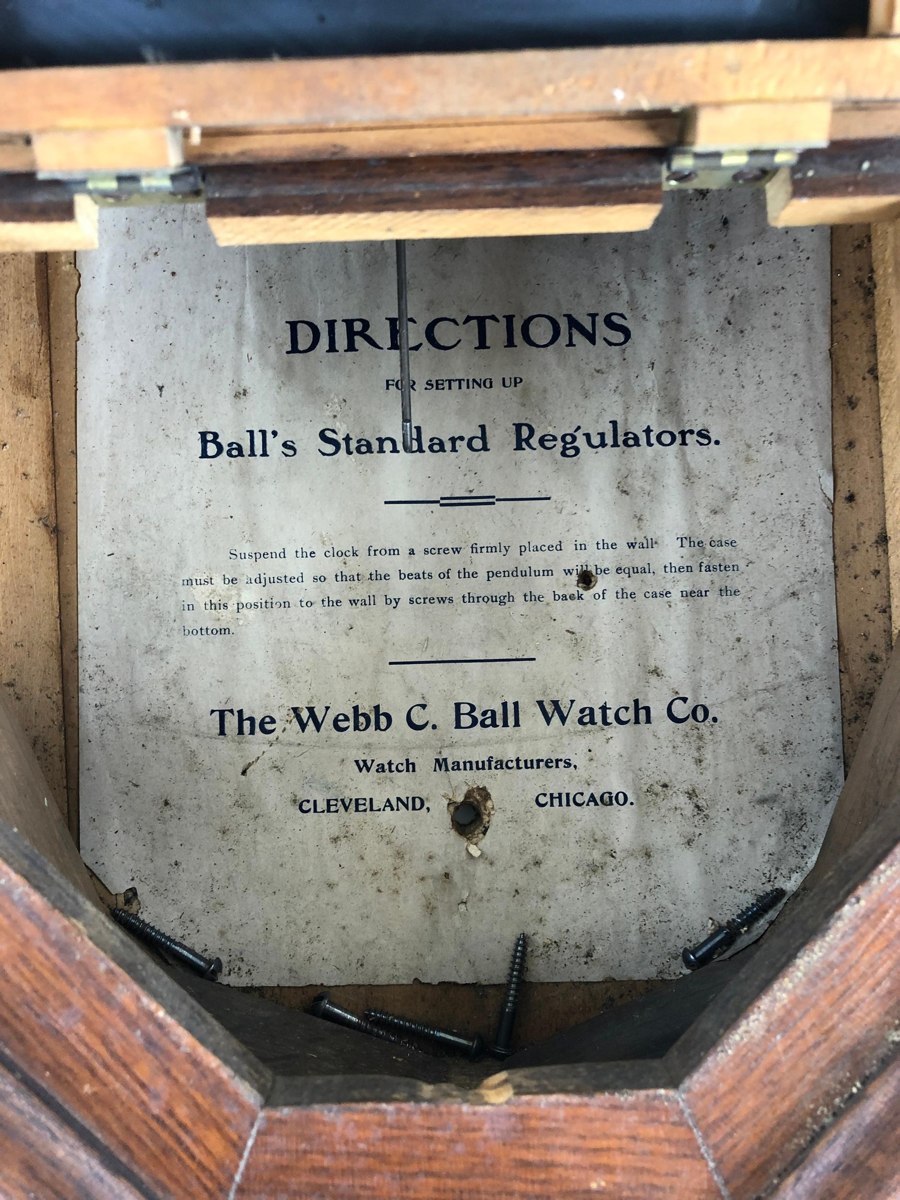
Clock
Webb C. Ball Hanging Regulator Clock
“Maker Attribution: Ball Watch Co., Cleveland”
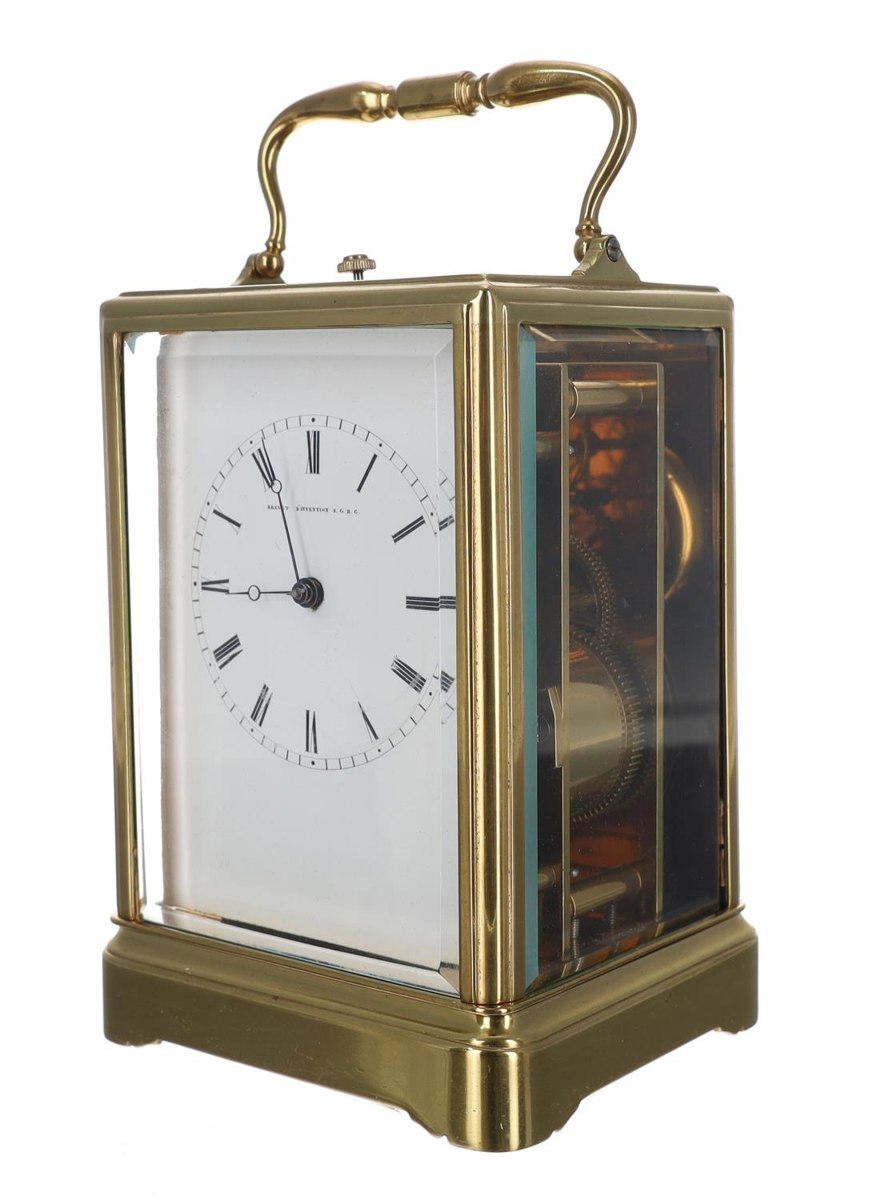
Clock
Japy Frères & Cie 19th-century French repeating carriage clock
“Maker Attribution: Japy Fréres & Cie”
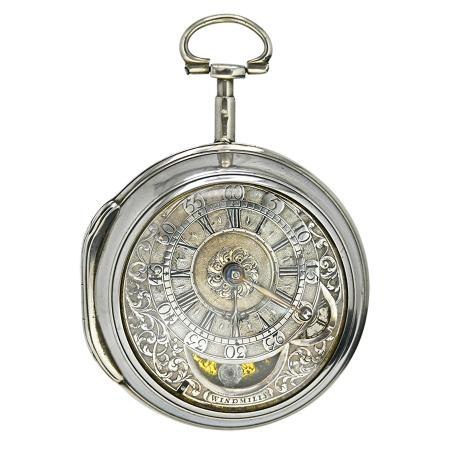
Pocket watch
English Consular Case Verge Fusée Pocket Watch by Windmills of London
“Maker attribution: Joseph and Thomas Windmills of London”
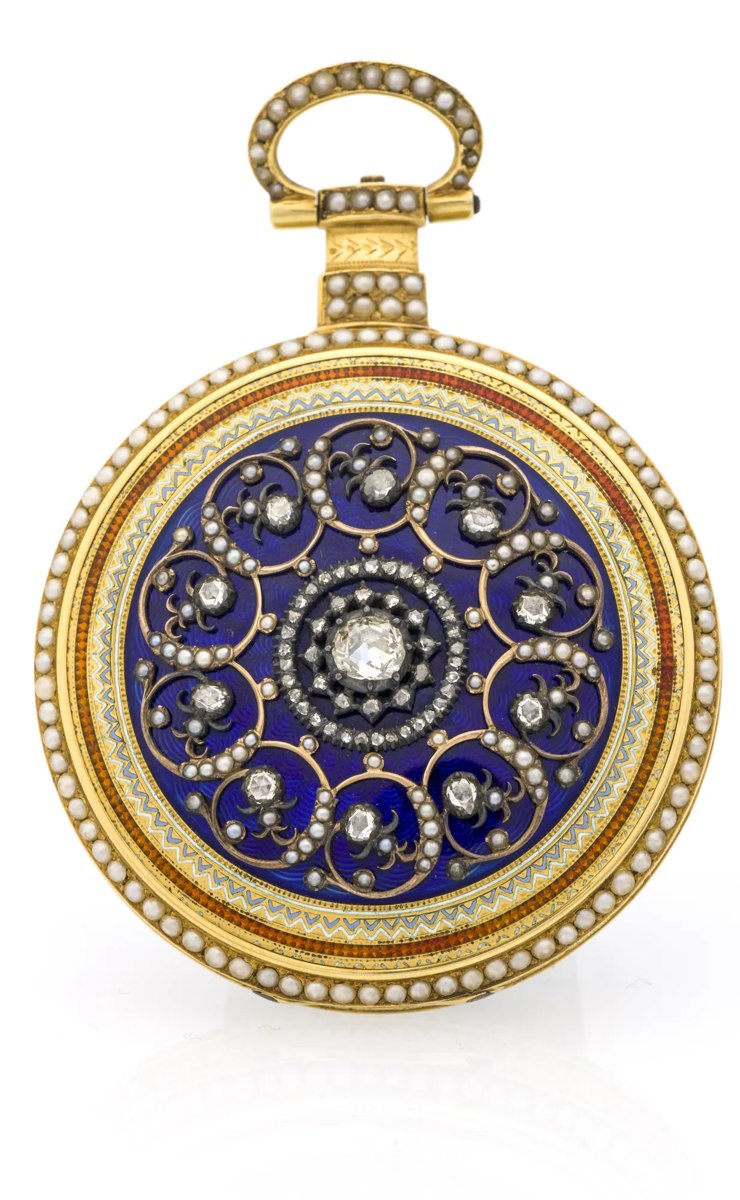
Pocket watch
William Anthony (attributed) 'Diamond Rosette' Pocket Watch, retailed by Just & Lane, No. 1855
“Attribution: Attributed to William Anthony”
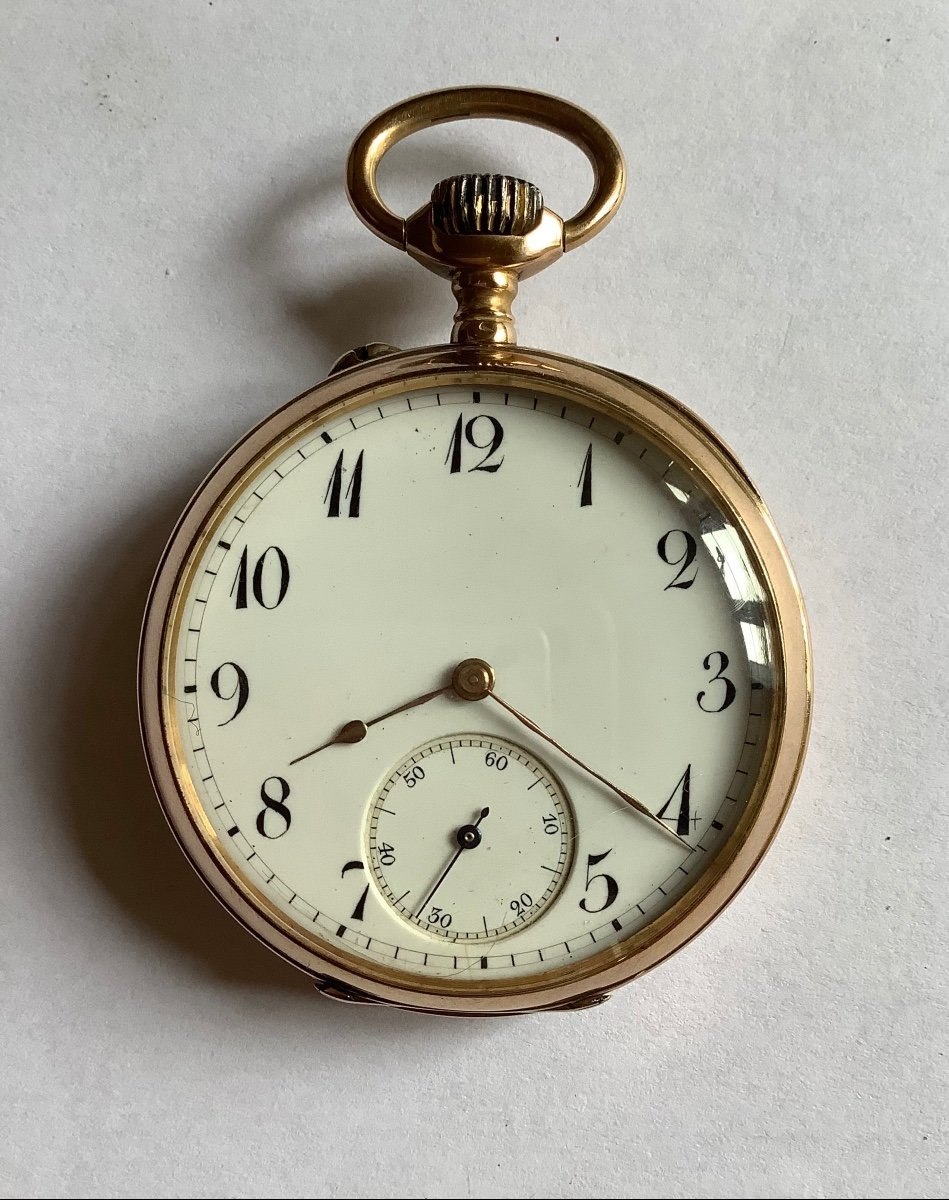
Pocket watch
Lecoultre & Co. 18K Gold Pocket Watch
“Maker attribution: Lecoultre et Cie”