
Iṣfahān, Not recorded · Dates not established
Khalīl Muḥammad ibn Ḥasan ‘Alī
Partially verifiedAstrolabist
Life & work
Khalīl Muḥammad ibn Ḥasan ‘Alī was a prominent maker of astrolabes active in Iṣfahān during the early 18th century.
He frequently practiced a division of labor, collaborating with specialized decorative engravers such as Muḥammad Bāqir and ‘Abd al-A'imma to enhance his instruments. His manufacturing process involved precise mathematical calculations, notably seen in how he divided the ecliptic as if it were inclined by 23.5 degrees. The aesthetic quality of his work is often highlighted by intricate engravings, such as the Quranic 'Ayat Al-Kursi' found on his brass instruments.
The fuller biography summarises the open references listed under Sources; each statement was checked against the cited passage. Confirm key dates in period documents before relying on them.
Training, contributions & innovations
- The maker is noted for his collaborative practice with other craftsmen to ensure fine decorative engraving on the back, womb, and rim of his instruments.
Documented works
- A brass astrolabe crafted by the maker around 1700 is held in the collection of the Museum of the History of Science in Oxford.
Collecting significance
The catalogued pieces listed on this page show the kinds of objects auction houses, dealers and museums attribute to this maker; each attribution is the source's own.
Firms, key models & movements
No firm, model or movement in this encyclopedia is yet recorded under this maker's name.
In the object catalogue
5 catalogued objects are recorded under Khalīl Muḥammad ibn Ḥasan ‘Alī. Attributions are as given by each source and are not independent authentication.
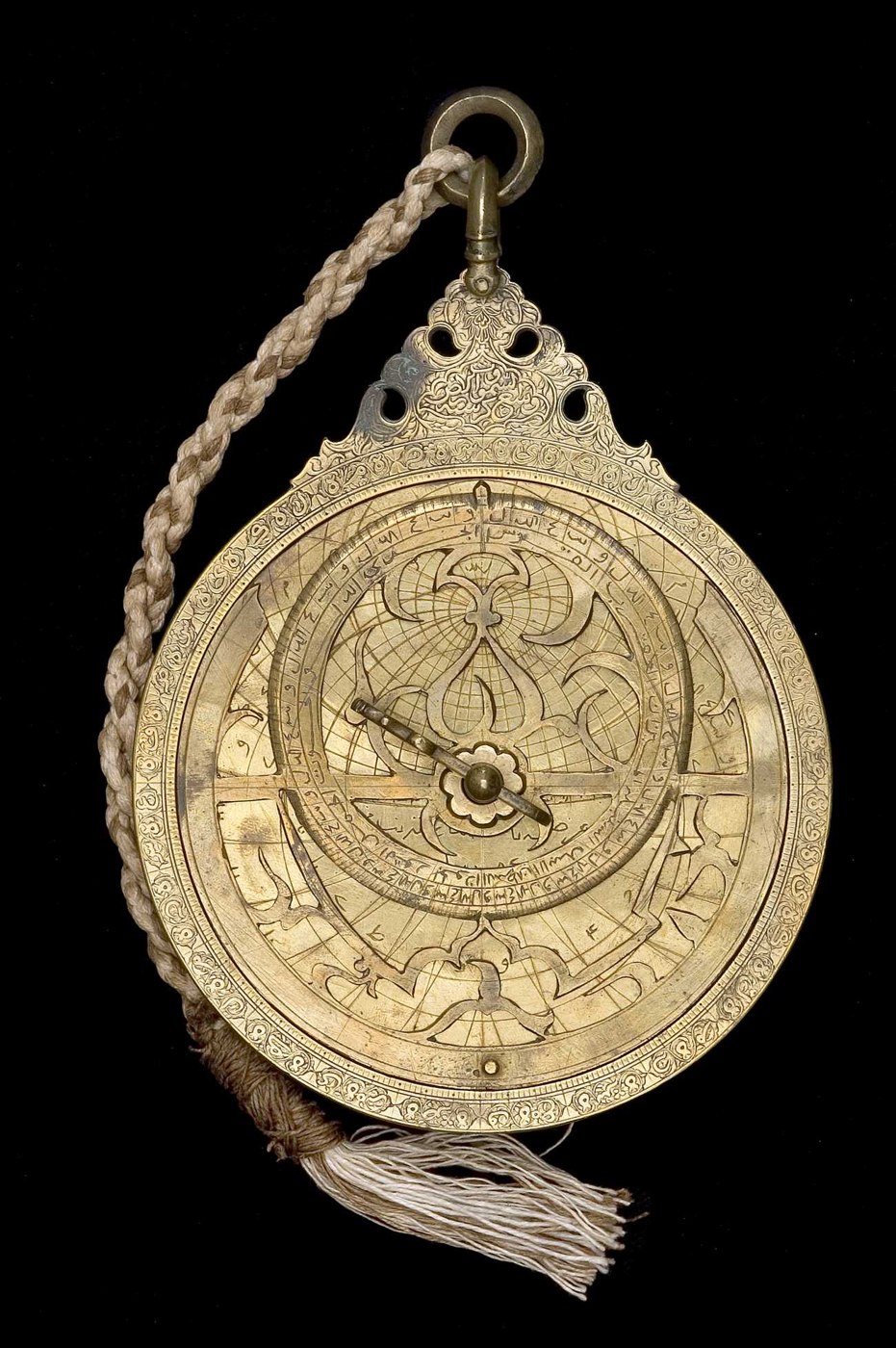
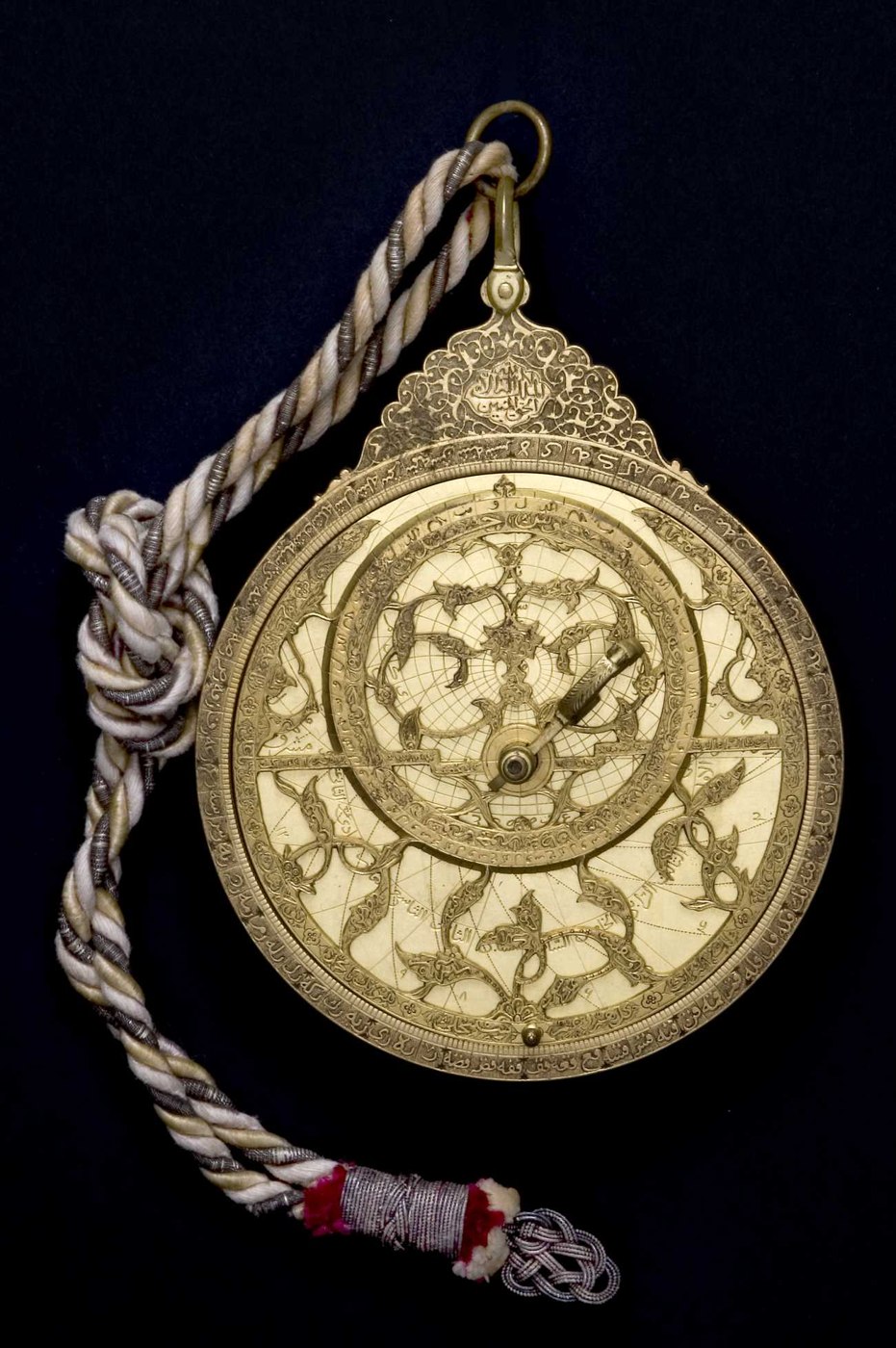
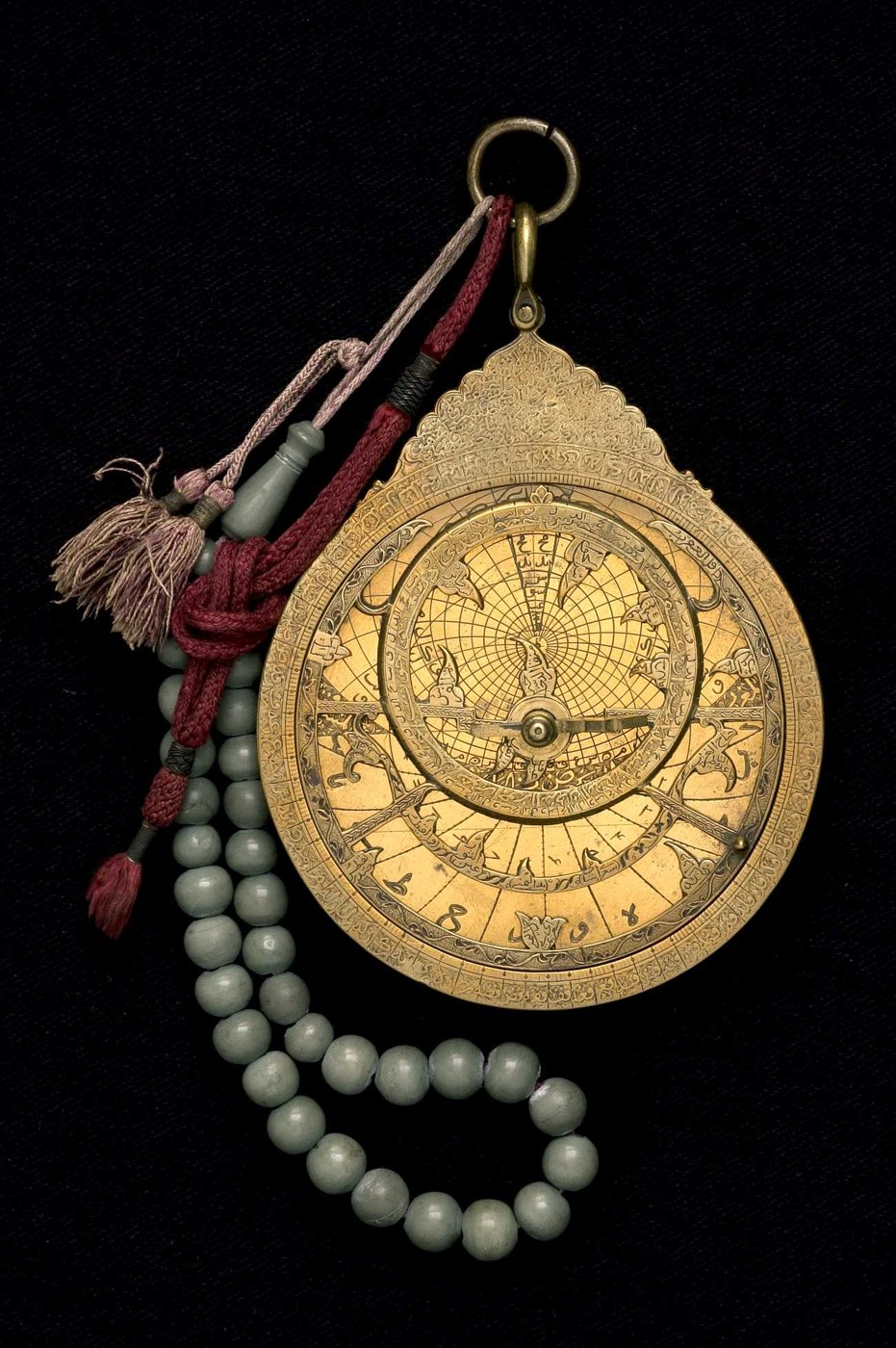
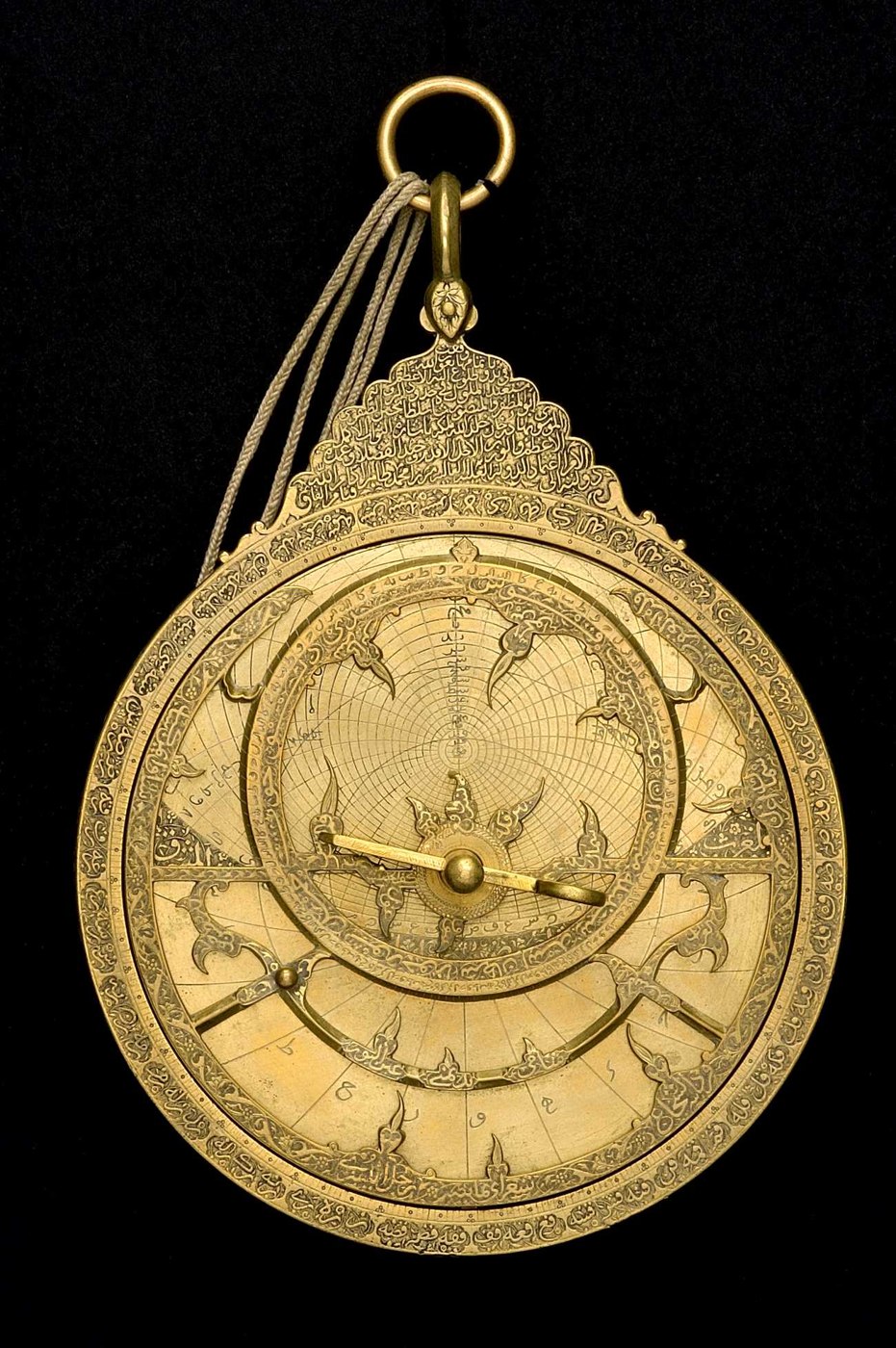
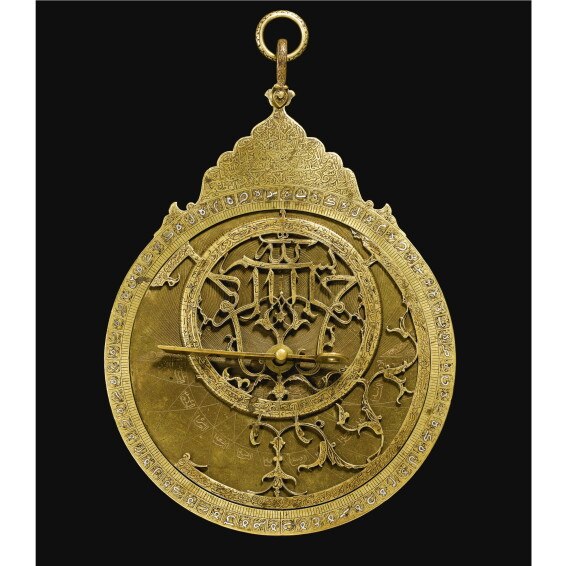
- Astrolabe by Khalīl Muḥammad ibn Ḥasan ‘AlīAstrolabe · ca. 1700
- Brass AstrolabeAstrolabe · ca. 1710
- Brass Astrolabe by Khalīl Muḥammad ibn Ḥasan ‘AlīAstrolabe · ca. 1700
- Brass Astrolabe by Khalīl Muḥammad ibn Ḥasan ‘AlīAstrolabe · ca. 1700
- Safavid silver-inlaid brass astrolabeAstrolabe · late 17th century
Sources & references
- Astrolabe report (inventory number 33739), History of Science Museum, Oxford, retrieved 2026-11-03 (paraphrased; text © the publisher)
- Astrolabe Catalogue, History of Science Museum, Oxford, retrieved 2026-11-03 (paraphrased; text © the publisher)
- My favourite object: an Islamic astrolabe - Inside HSM Oxford, History of Science Museum, Oxford, retrieved 2026-11-03 (paraphrased; text © the publisher)
Where sources disagree, the disagreement is stated rather than resolved silently.