
Louvain, Netherlands · Dates not established
Gualterus Arsenius
Partially verifiedMaker of astronomical instruments including astrolabes and sundials
Life & work
Gualterus Arsenius originated from Clevens and was the most prominent member of the Arsenius family of instrument makers.
He underwent an apprenticeship under the famous instrument maker Gemma Reyneri Frisius starting around 1546. Arsenius operated his own workshop in Louvain from the early 1550s until the late 1570s. His work was heavily influenced by the designs of Gemma Frisius and the cartographer Gerard Mercator.
The fuller biography summarises the open references listed under Sources; each statement was checked against the cited passage. Confirm key dates in period documents before relying on them.
Training, contributions & innovations
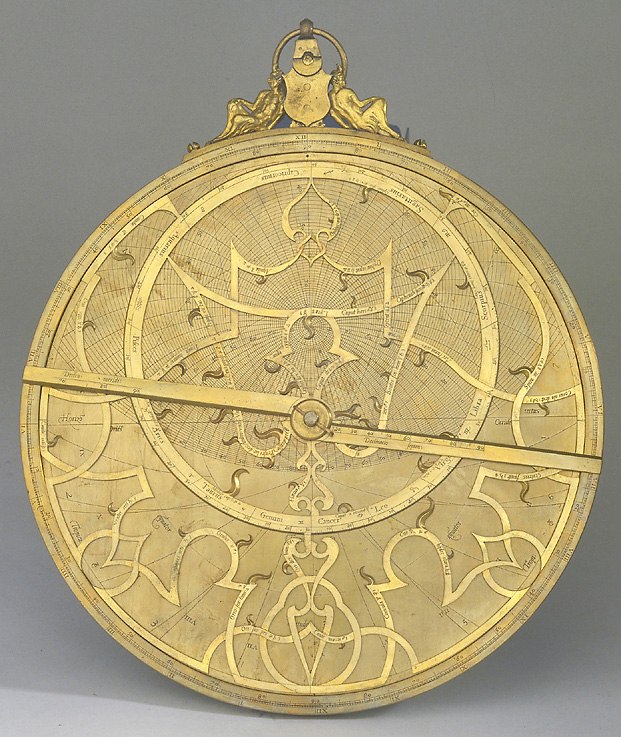
- Arsenius developed a unique rete pattern for each of his astrolabes, often featuring a distinct tulip-like aesthetic.
- His designs often featured a signature throne adorned with reclining satyrs and a sophisticated universal stereographic projection.
Documented works
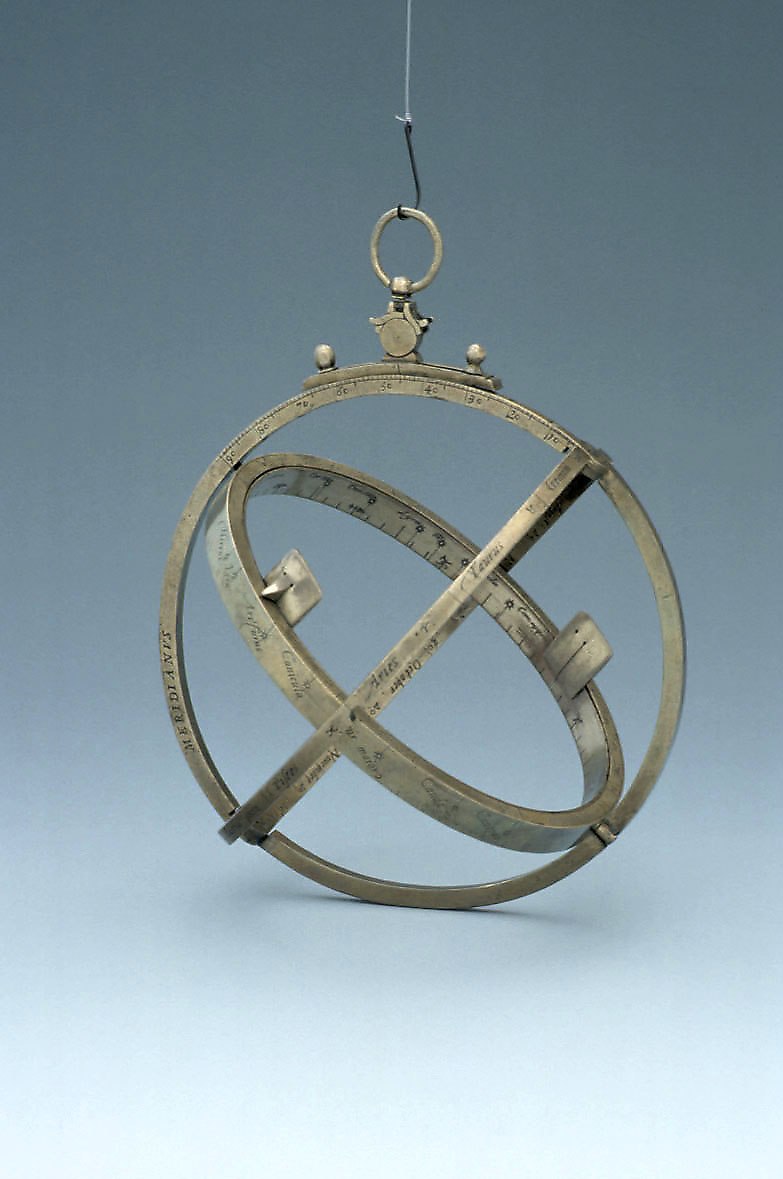
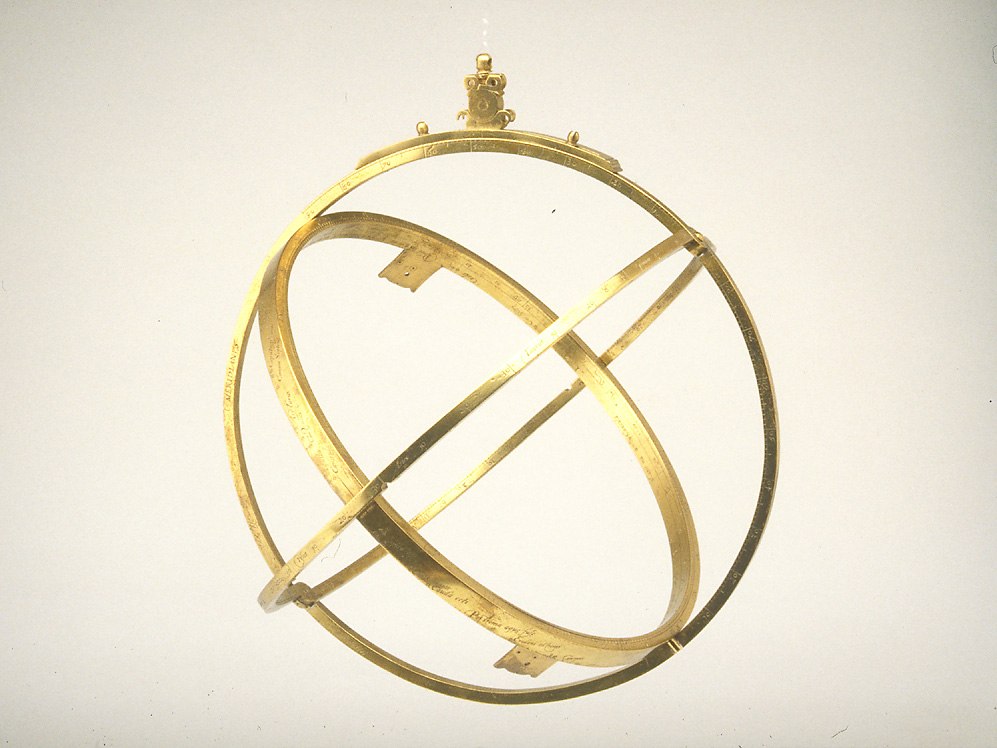
- An astronomical ring dial made by Arsenius in 1567 is held at the Museum of the History of Science in Oxford.
- A signed astrolabe dating from 1572 is preserved in the collections of the Museo Galileo in Florence.
- The British Museum holds a cross-staff signed by the maker dated to 1571.
Collecting significance
The catalogued pieces listed on this page show the kinds of objects auction houses, dealers and museums attribute to this maker; each attribution is the source's own.
Firms, key models & movements
No firm, model or movement in this encyclopedia is yet recorded under this maker's name.
In the object catalogue
5 catalogued objects are recorded under Gualterus Arsenius. Attributions are as given by each source and are not independent authentication.
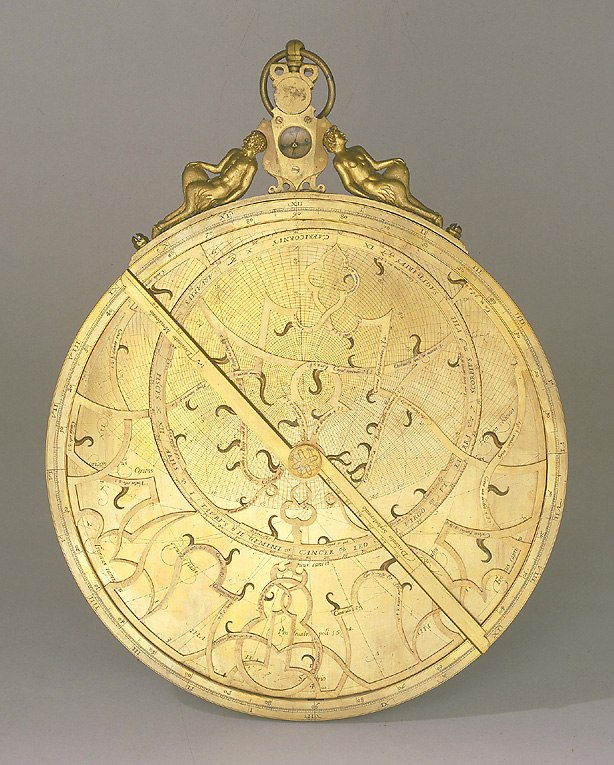
- AstrolabeAstrolabe · circa 1570
- Astronomical Ring Dial by Gualterus ArseniusRing & equinoctial sundial · 1567
- Astronomical Ring Dial by Gualterus ArseniusRing & equinoctial sundial · 1572
- Gualterus Arsenius AstrolabeAstrolabe · 1572
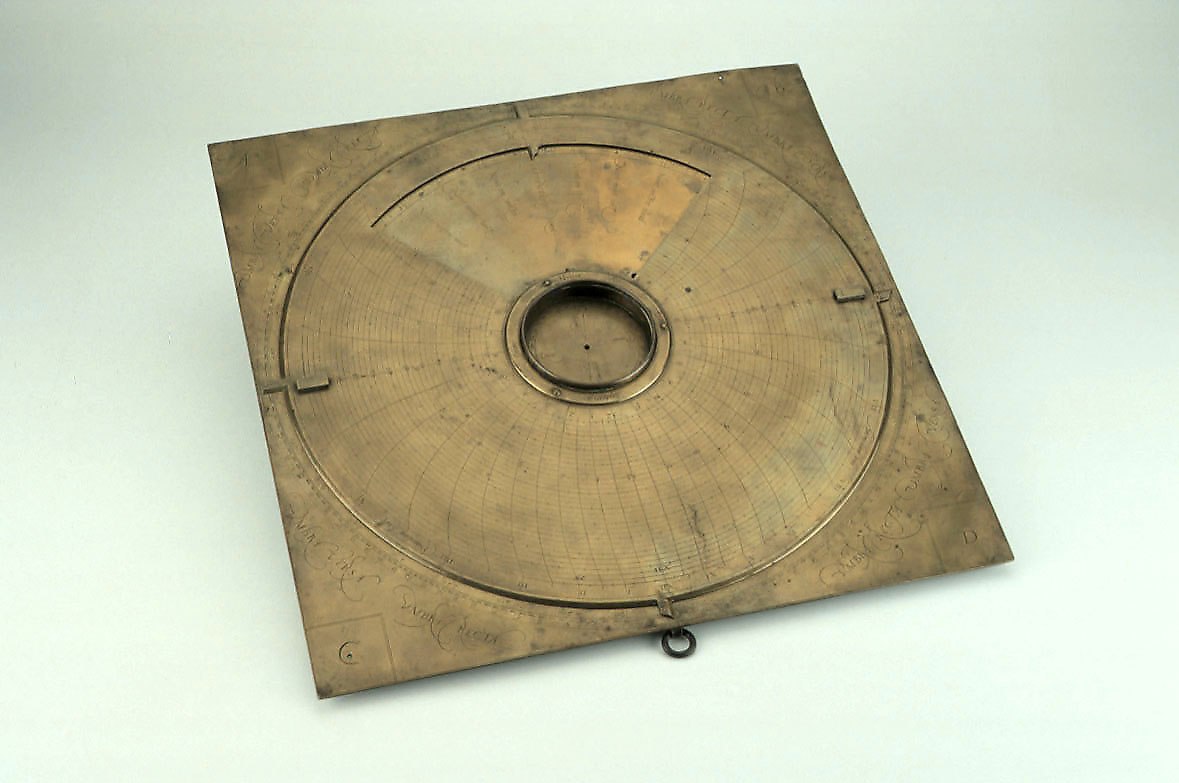
- Theodolite and sundialOther scientific instrument · circa 1570
Sources & references
- Gualterus Arsenius, British Museum, retrieved 2026-11-03 (paraphrased; text © the publisher)
- Planispheric astrolabe by Gualterus (Walter) Arsenius | Science Museum Group Collection, Science Museum Group, retrieved 2026-11-03 (paraphrased; text © the publisher)
- European astrolabe by Arsenius, 1566 | Science Museum Group Collection, Science Museum Group, retrieved 2026-11-03 (paraphrased; text © the publisher)
- Epact: Scientific Instruments of Medieval and Renaissance Europe, History of Science Museum, Oxford, retrieved 2026-11-03 (paraphrased; text © the publisher)
- 22. Astronomer’s rings by Gualterus Arsenius, Louvain, 1567 - Museum of the History of Science : Museum of the History of Science, History of Science Museum, Oxford, retrieved 2026-11-03 (paraphrased; text © the publisher)
Where sources disagree, the disagreement is stated rather than resolved silently.