
London, United Kingdom
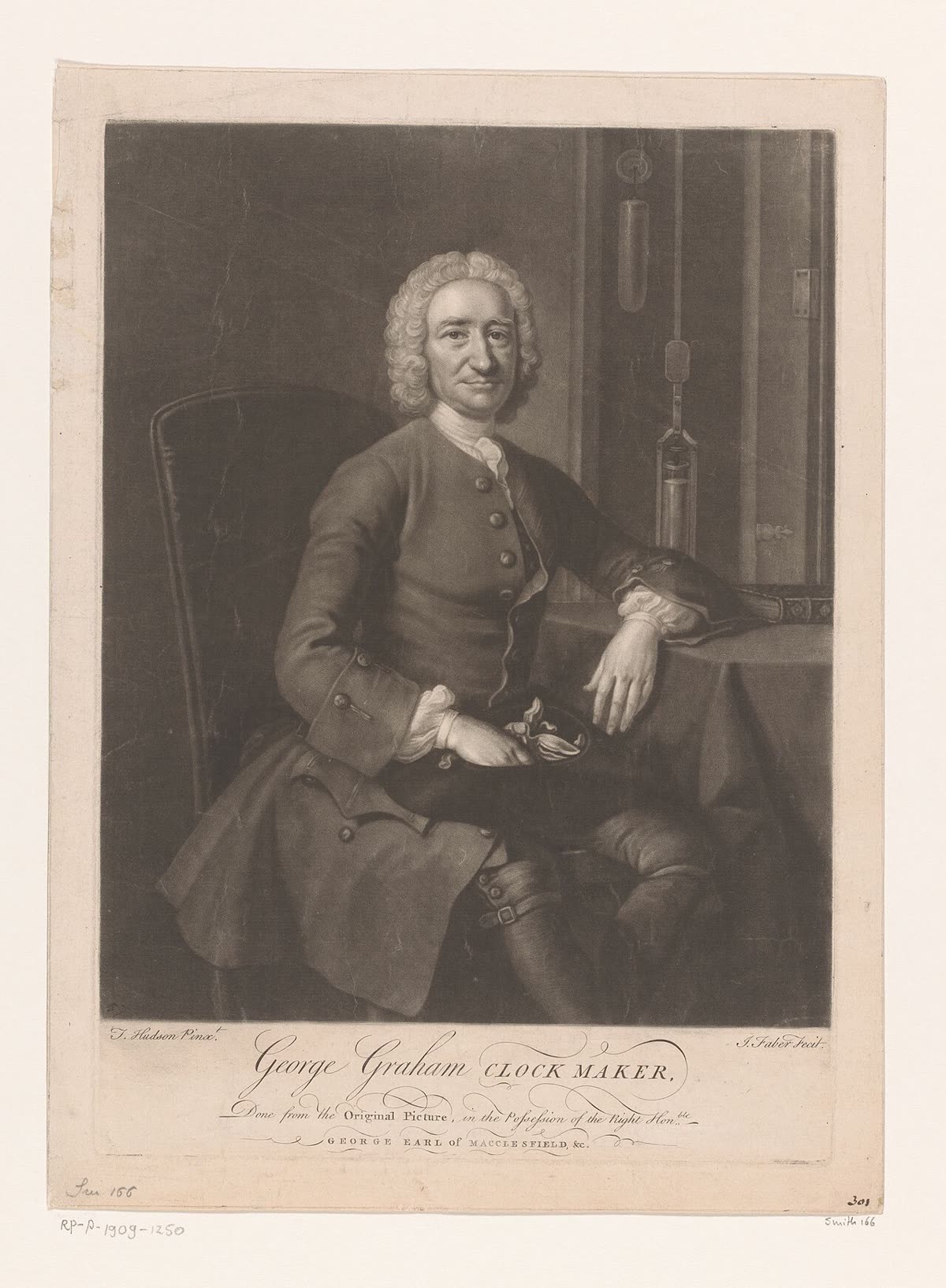
George Graham
Partially verifiedClocks, watches and instruments
History
Tompion's successor, associated with the deadbeat escapement, cylinder escapement and mercury pendulum.
George Graham was born in Kirklinton, Cumberland, and arrived in London in 1688 to begin his apprenticeship in clockmaking. He began working for the prominent clockmaker Thomas Tompion in 1695, eventually becoming his partner. Throughout his career in London, Graham became a respected inventor and astronomer who served as Master of the Worshipful Company of Clockmakers in 1722. Following his death in 1751, he was buried in Westminster Abbey in the same tomb as his friend Thomas Tompion.
The extended history summarises the open references listed under Sources; each statement was checked against the cited passage. Confirm key dates in period documents before relying on them.
Timeline
George Graham's recorded dates, dated events from this profile and its sources, and dated pieces and sales from the object catalogue. Dates are as each record gives them.
1688 · Career
George Graham was born in Kirklinton, Cumberland, and arrived in London in 1688 to begin his apprenticeship in clockmaking.
1695 · Career
He began working for the prominent clockmaker Thomas Tompion in 1695, eventually becoming his partner.
1715 · Career
He developed the deadbeat escapement for precision regulator clocks around 1715.
1719–20 · Catalogued piece
ca. 1720 · Catalogued piece
1722 · Career
Throughout his career in London, Graham became a respected inventor and astronomer who served as Master of the Worshipful Company of Clockmakers in 1722.
circa 1730 · Catalogued piece
circa 1747 · Catalogued piece
1751 · Career
Following his death in 1751, he was buried in Westminster Abbey in the same tomb as his friend Thomas Tompion.
Current watchmaking & later fate
Recorded as ceased: 1751 (death). Later use of the name by another firm, if any, is not covered here.
Key models
- Deadbeat escapement
- Graham introduced this precision regulator clock component around 1715.
- Mercury pendulum
- This temperature-compensating pendulum mechanism was developed by Graham in 1726.
- Orrery
- Graham constructed an innovative planetarium device known as an orrery.
Major innovations
- Graham invented the mercury pendulum to compensate for temperature effects.
- He developed the deadbeat escapement for precision regulator clocks around 1715.
- He also designed a cylinder escapement for watches based on Tompion's earlier work.
Known markings
- 'Geo. Graham'
- The clockmaker was commonly referred to by the trade name Honest George Graham.
Serial numbers
This archive holds no verified serial-number table for this maker. Do not date a piece from its serial number alone; use case hallmarks, movement design and documented comparison examples.
Collecting significance
Originality of dial, hands, case and movement is the main consideration. Check that the movement belongs to the case and that the dial has not been refinished.
Identification and dating notes
- Instruments bearing the name of George Graham were produced until his death in 1751.
Where sources differ
- Founding date: this record gives “c. 1713 (took over Tompion's business)”; a cited source gives “Graham began working for Tompion in 1695 and became a partner in 1708.”. The record is kept until the difference is resolved from period documents.
In the object catalogue
14 catalogued objects are recorded under George Graham. Attributions are as given by each source and are not independent authentication.
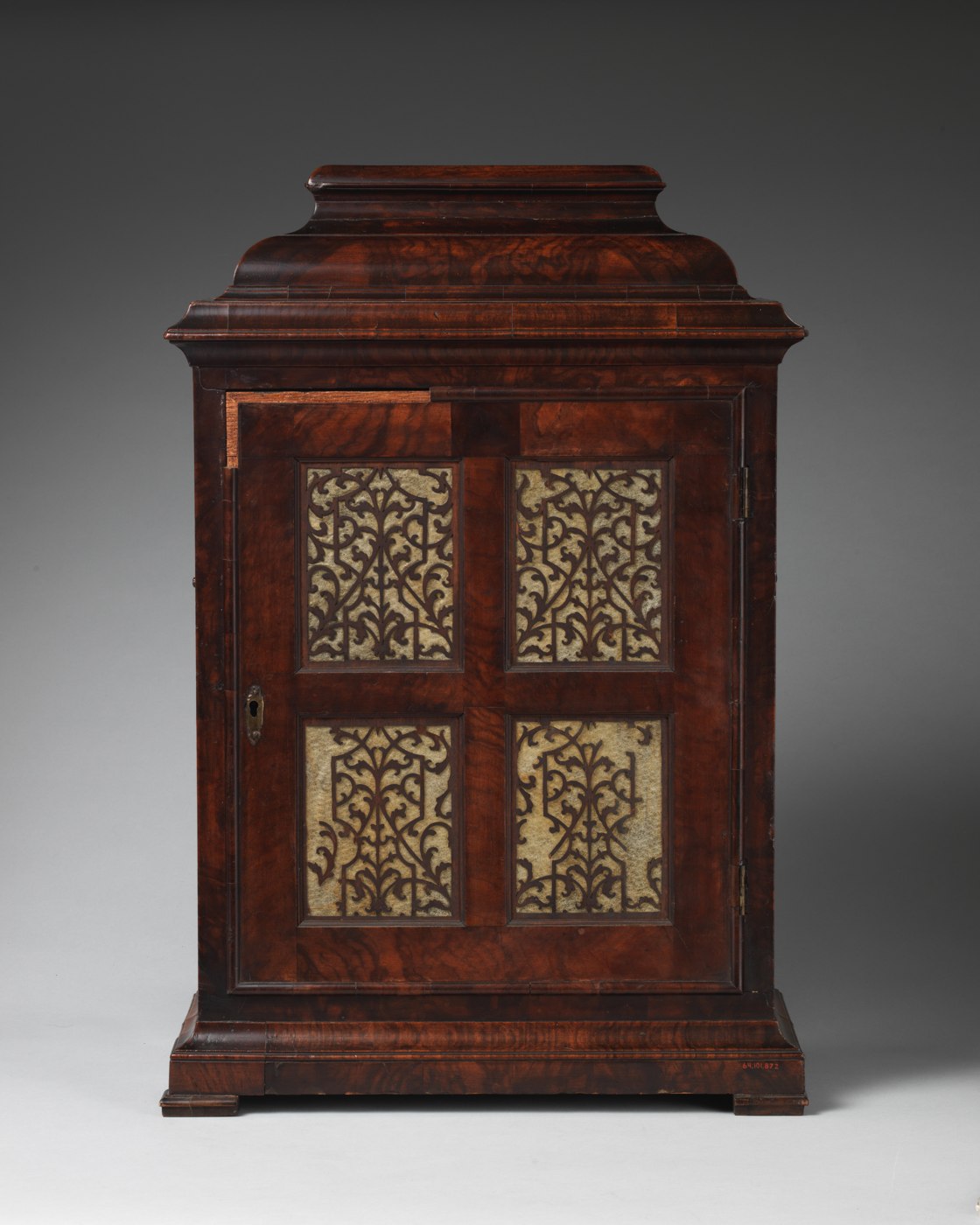
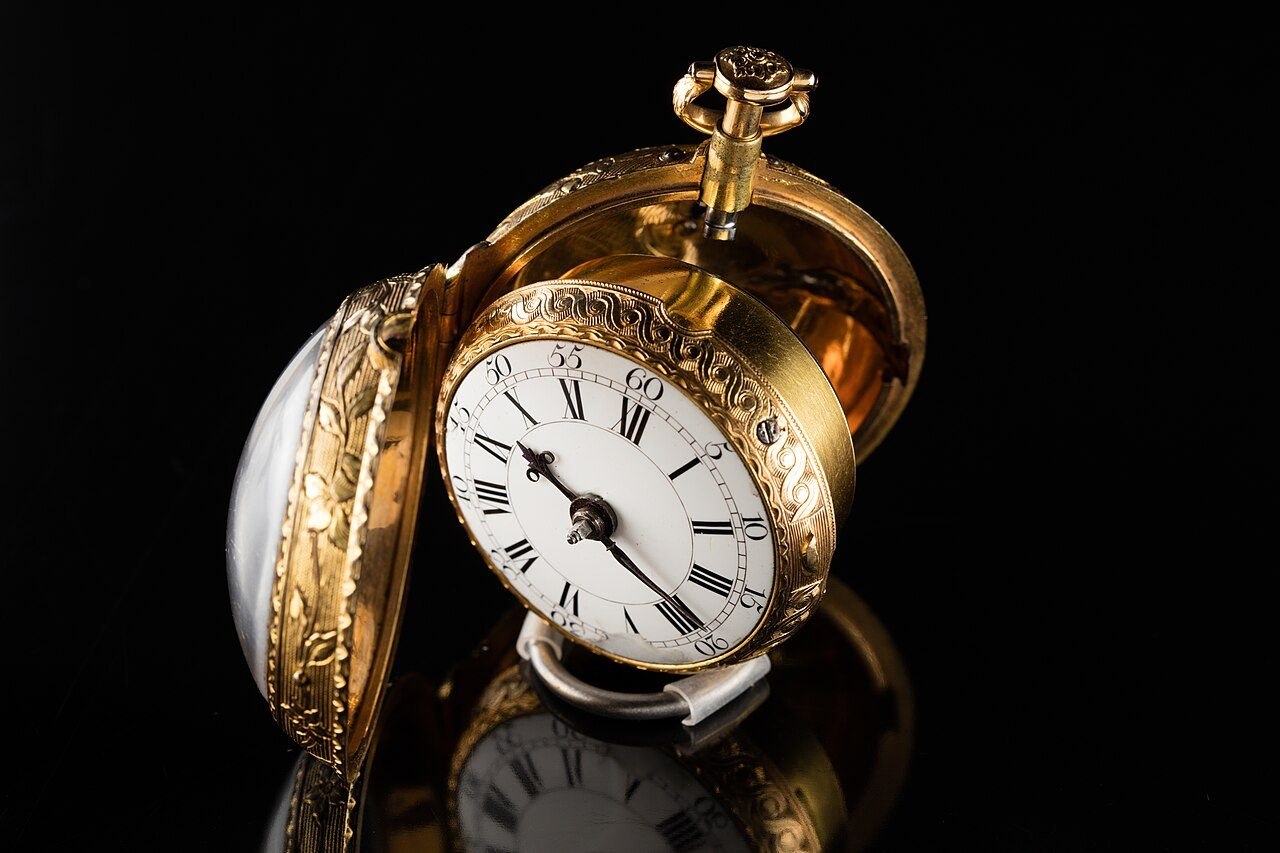
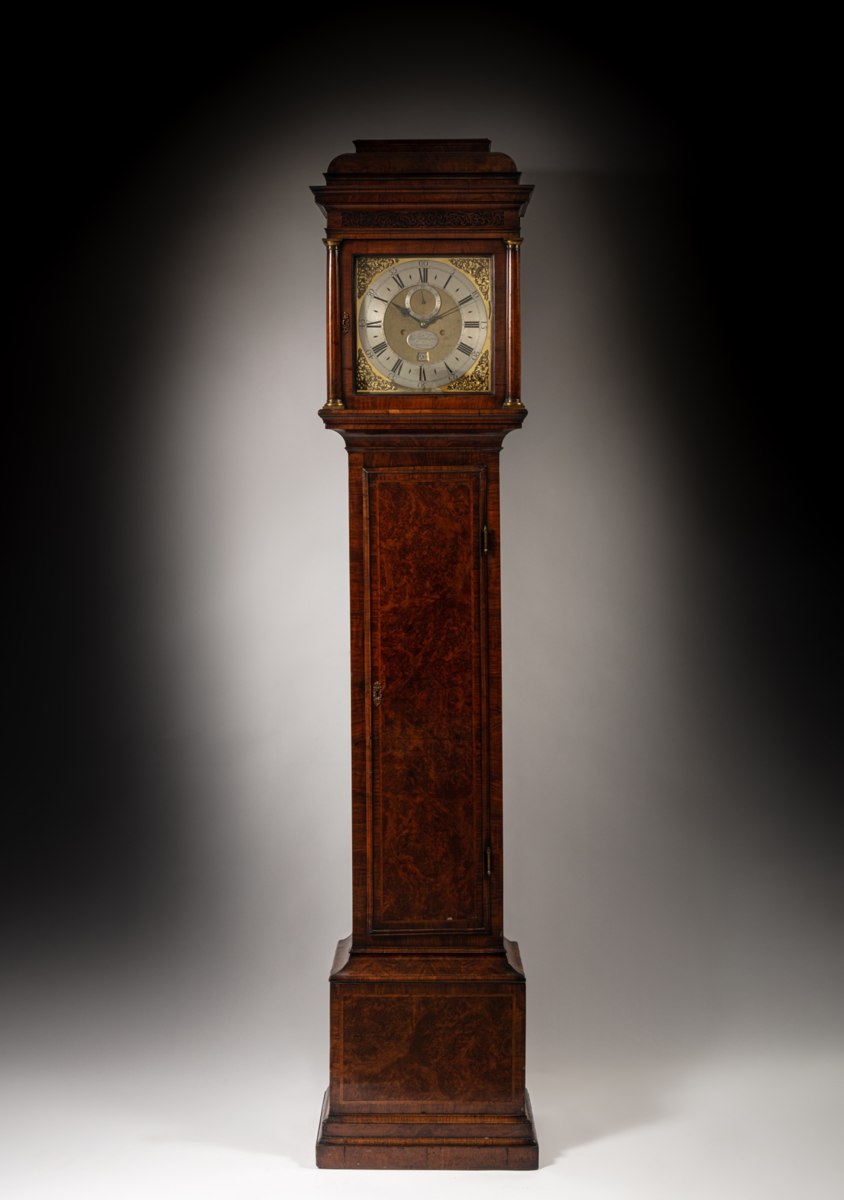
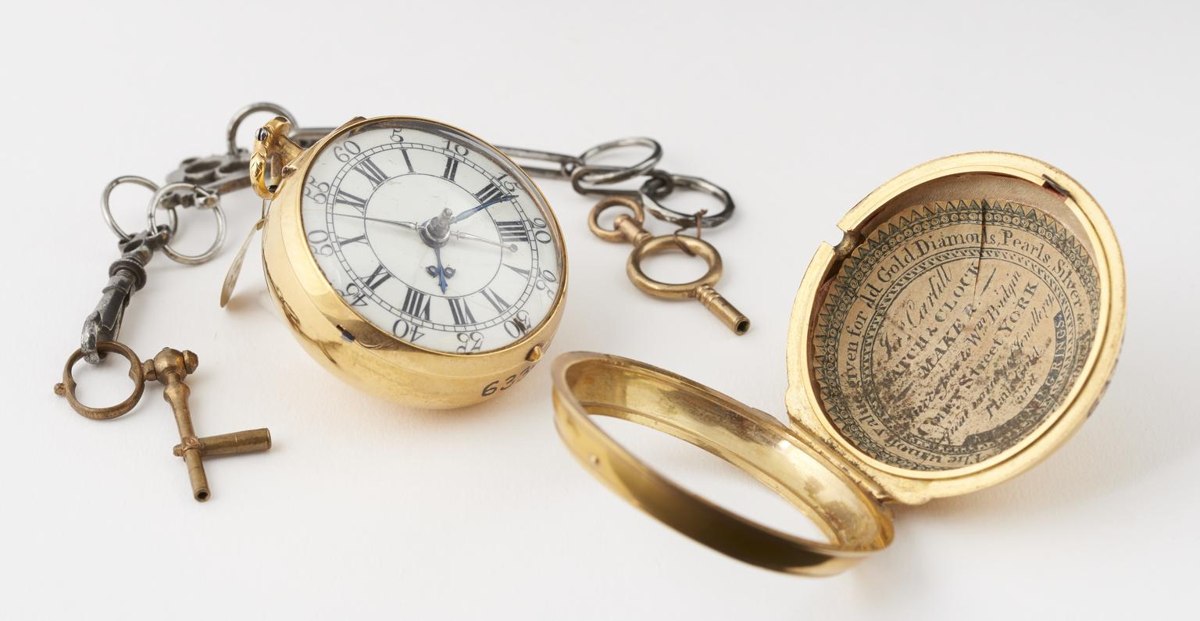
- George Graham cylinder pocket watch No. 5746Verge & pair-cased watch · circa 1735
- George Graham fusee pocket watchEarly watch (16th–17th century) · 1741
- George Graham George I Burr Walnut Eight-Day Longcase Clock, No. 662Longcase clock · circa 1725
- George Graham Gilt Metal Pair Case Cylinder Pocket Watch No. 6047Verge & pair-cased watch · Circa 1742
- George Graham Gilt-Metal Consular Cased Cylinder Pocket WatchOpen-face watch · circa 1744
- George Graham No. 679 George II Walnut Longcase ClockLongcase clock · circa 1730
- George Graham quarter dumb repeating verge pocket watchRepeating watch
- George Graham silver pair case pocket watchVerge & pair-cased watch · 1722 (movement), 1784 (case hallmark)
- George Graham Watch Movement Mounted in a Brass StandPocket watch movement · circa 1735
- Pair-case repeating watch by George GrahamRepeating watch · 1719–20
- Pocket Stop Watch in Gold Case by George GrahamStopwatch & timer · 1730-1748
- Pocket Watch by George Graham, No. 6363Early watch (16th–17th century) · circa 1747
Show 2 more
- Pocket Watch in Silver Case, by George Graham, 1725-1750Verge & pair-cased watch · 1725-1750
- Table or bracket clock by George GrahamBracket clock · ca. 1720
Provenance
Where the 14 catalogued pieces by George Graham were recorded, with the collectors, owners and sales their records name.
Provenance map
Each piece is linked to the museum, auction house or dealer whose record it comes from, and to any other house or collection its own provenance names. Select a name to see its pieces.
Museums · 5 pieces
Auction houses · 8 pieces
Dealers & other listings · 1 piece
Bonhams
Auction house · 4 pieces · Directory entry
George Graham cylinder pocket watch No. 5746Verge & pair-cased watch · circa 1735 · Record source
Bonhams: lot 4
George Graham fusee pocket watchEarly watch (16th–17th century) · 1741 · Record source
Bonhams: lot 49
George Graham Gilt Metal Pair Case Cylinder Pocket Watch No. 6047Verge & pair-cased watch · Circa 1742 · Record source
Earlier sale (from provenance): Sotheby's, 21st October 1977, lot 109
Bonhams: lot 45
Provenance: Sotheby's, 21st October 1977, lot 109
George Graham silver pair case pocket watchVerge & pair-cased watch · 1722 (movement), 1784 (case hallmark) · Record source
Earlier sale (from provenance): Sotheby's, 31st July 1980, lot 141
Bonhams: lot 43
Provenance: Sotheby's, 31st July 1980, lot 141
Collectors, owners and donors
- Sotheby's, 21st October 1977, lot 109Provenance · George Graham Gilt Metal Pair Case Cylinder Pocket Watch No. 6047
- Gift of Miss E G MartinProvenance · George Graham quarter dumb repeating verge pocket watch
- Sotheby's, 31st July 1980, lot 141Provenance · George Graham silver pair case pocket watch
- Victoria and Albert MuseumCredit · Pocket Stop Watch in Gold Case by George Graham
Auction history
| House | Sale & lot | Object |
|---|---|---|
| Bonhams | lot 4 | George Graham cylinder pocket watch No. 5746 |
| Bonhams | lot 49 | George Graham fusee pocket watch |
| Dreweatts | lot 236 | George Graham George I Burr Walnut Eight-Day Longcase Clock, No. 662 |
| Earlier sale (from provenance) | Sotheby's, 21st October 1977, lot 109 | George Graham Gilt Metal Pair Case Cylinder Pocket Watch No. 6047 |
| Bonhams | lot 45 | George Graham Gilt Metal Pair Case Cylinder Pocket Watch No. 6047 |
| Bellmans | lot 679 | George Graham Gilt-Metal Consular Cased Cylinder Pocket Watch |
| Sotheby's | lot 38 | George Graham No. 679 George II Walnut Longcase Clock |
| Earlier sale (from provenance) | Sotheby's, 31st July 1980, lot 141 | George Graham silver pair case pocket watch |
| Bonhams | lot 43 | George Graham silver pair case pocket watch |
| Bellmans | lot 9a | George Graham Watch Movement Mounted in a Brass Stand |
Each line is copied from the object's source record and is not independently verified. Holders are as recorded when the piece was catalogued: museum objects may not be on display, and sold lots have since changed hands.
Photographs
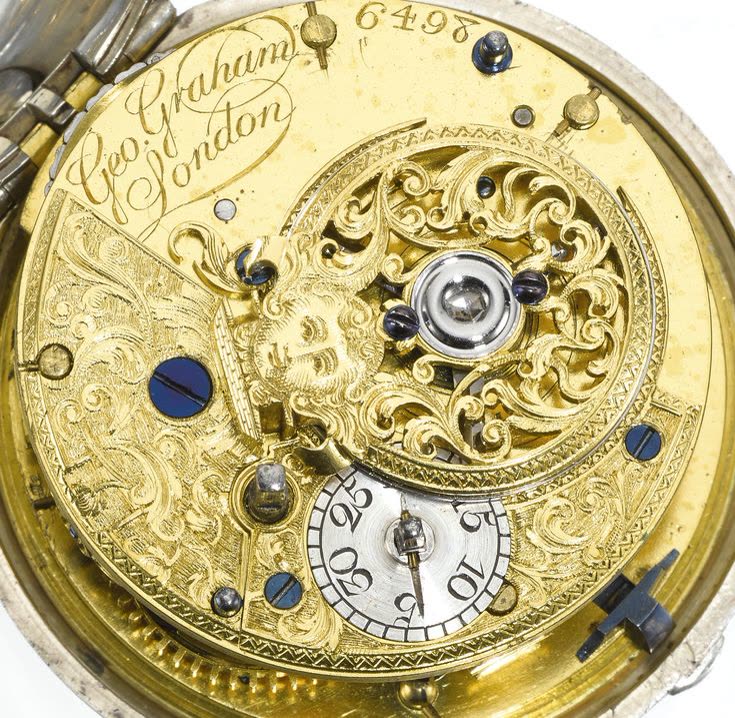
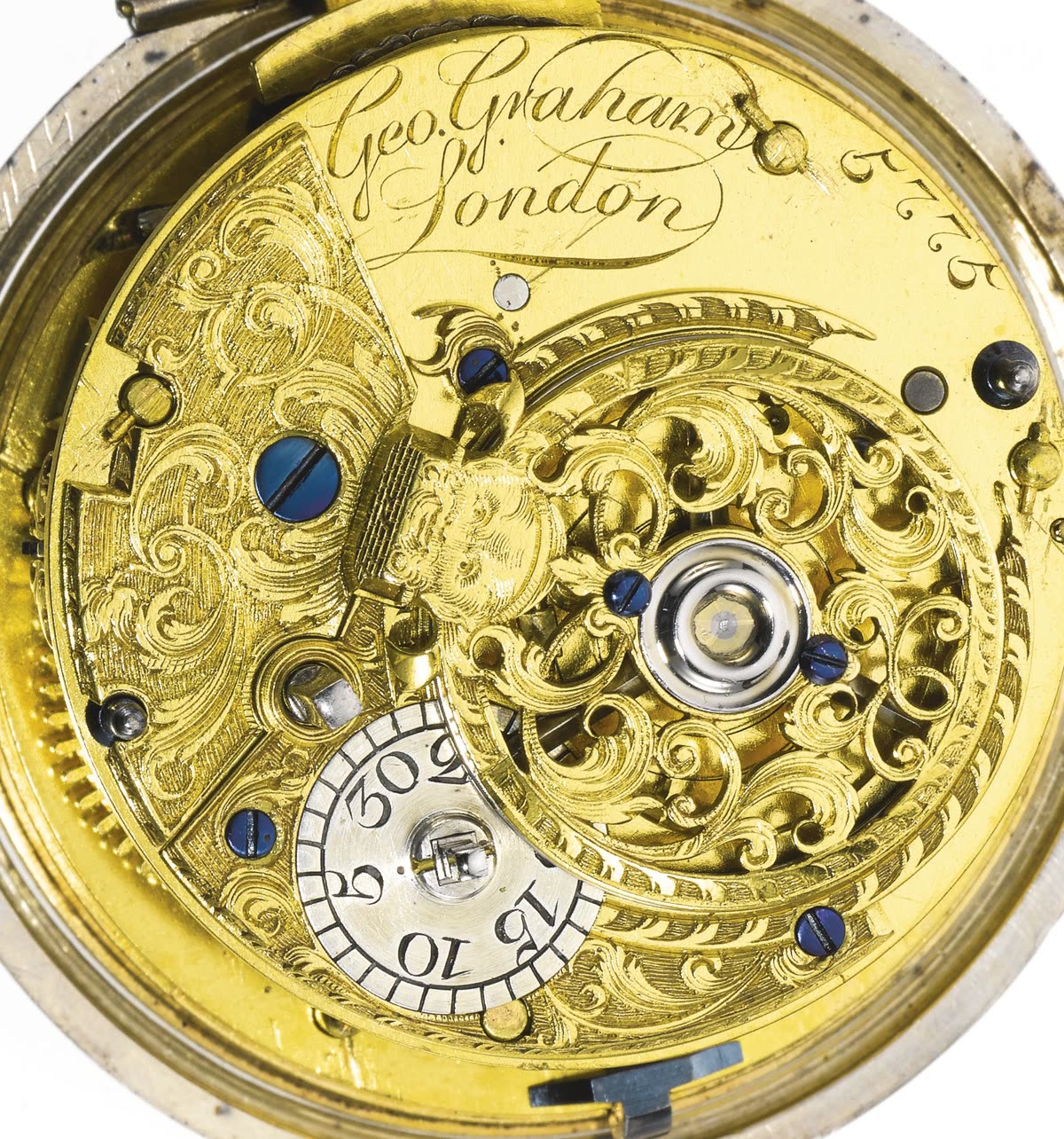
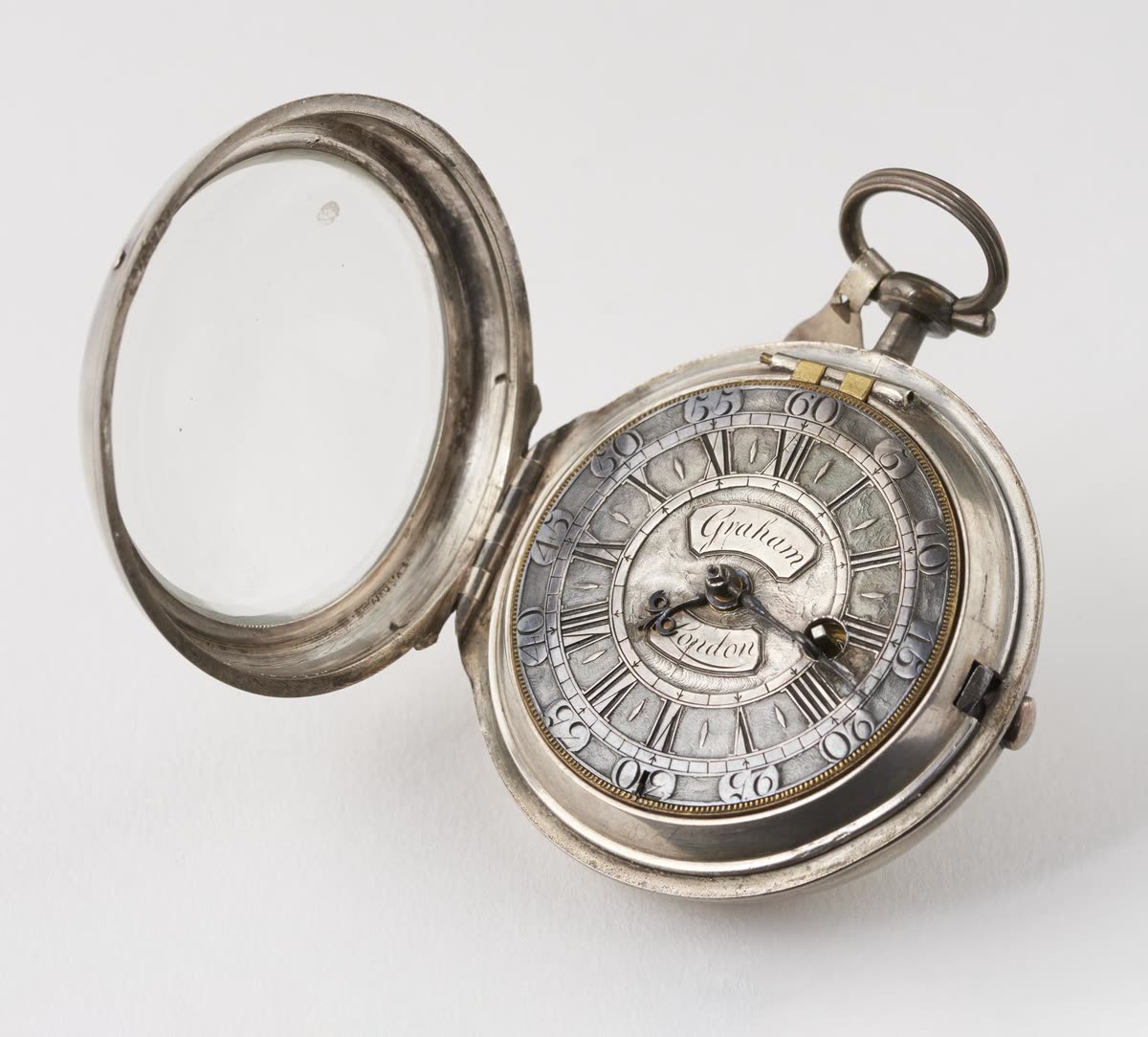
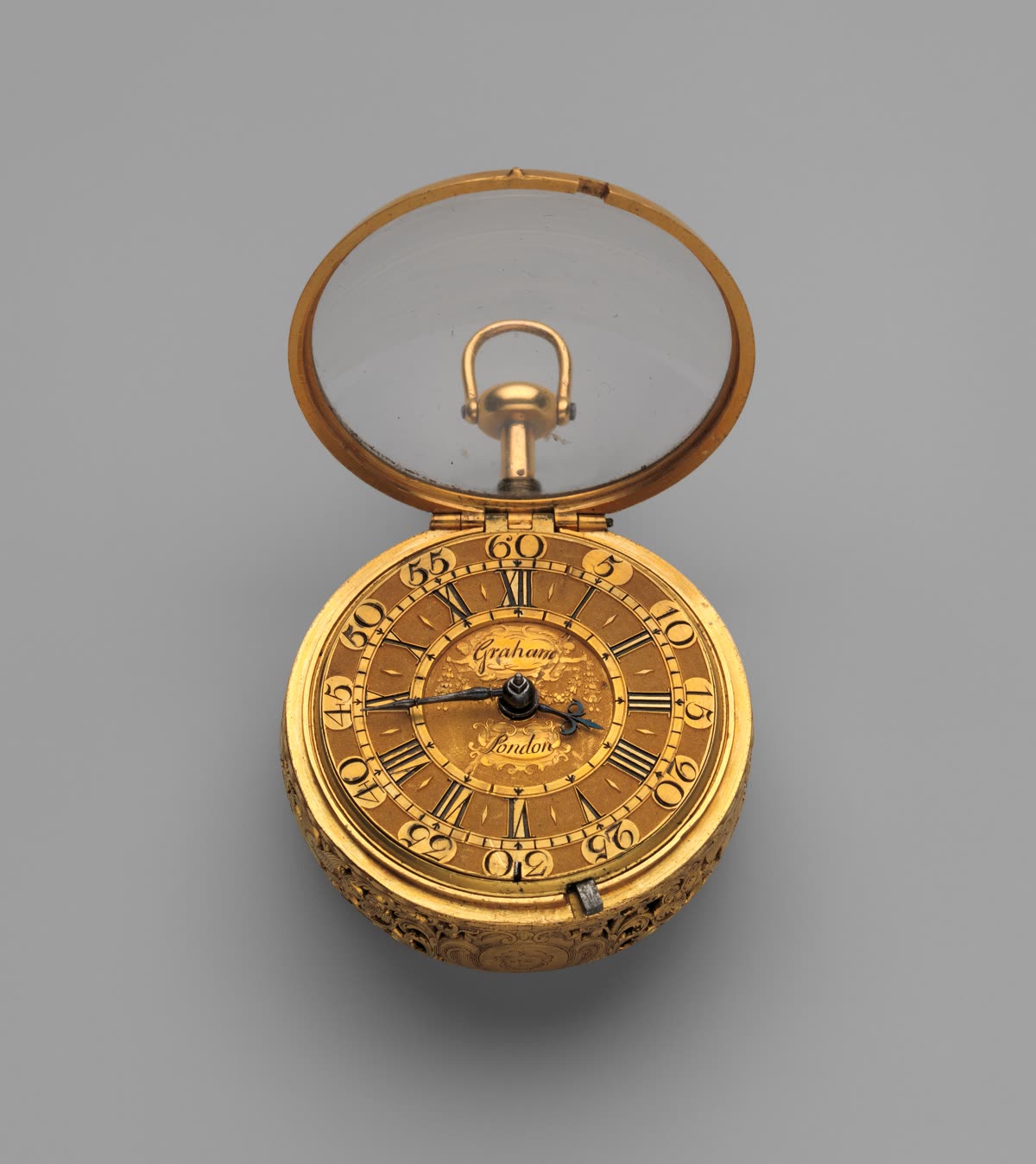
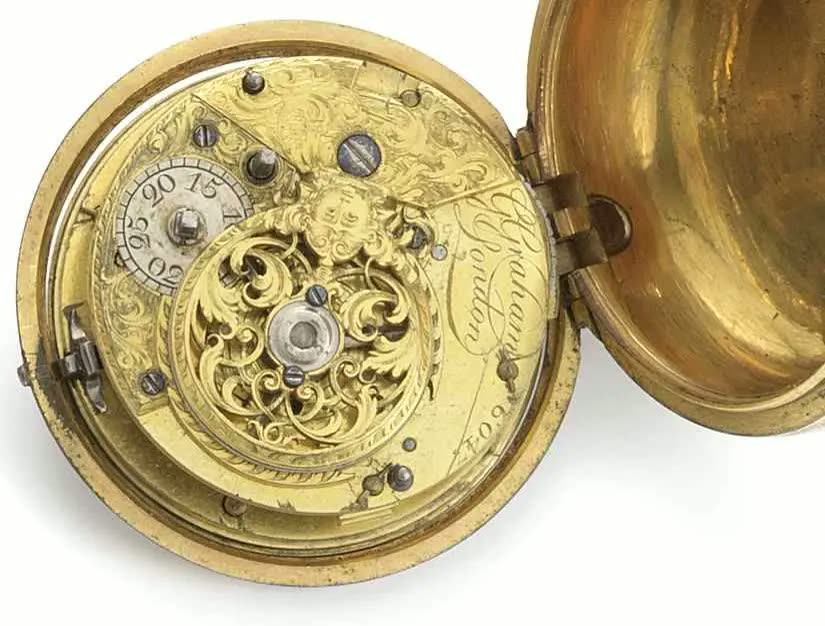
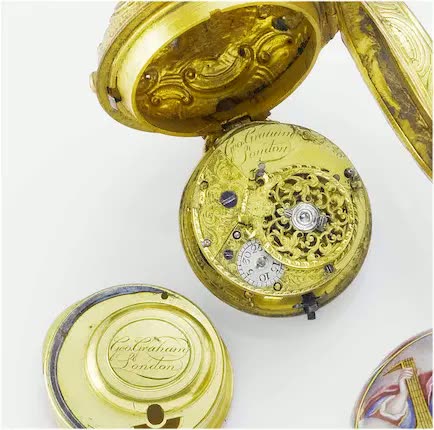
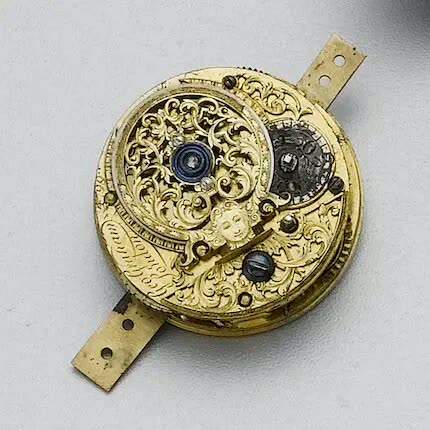
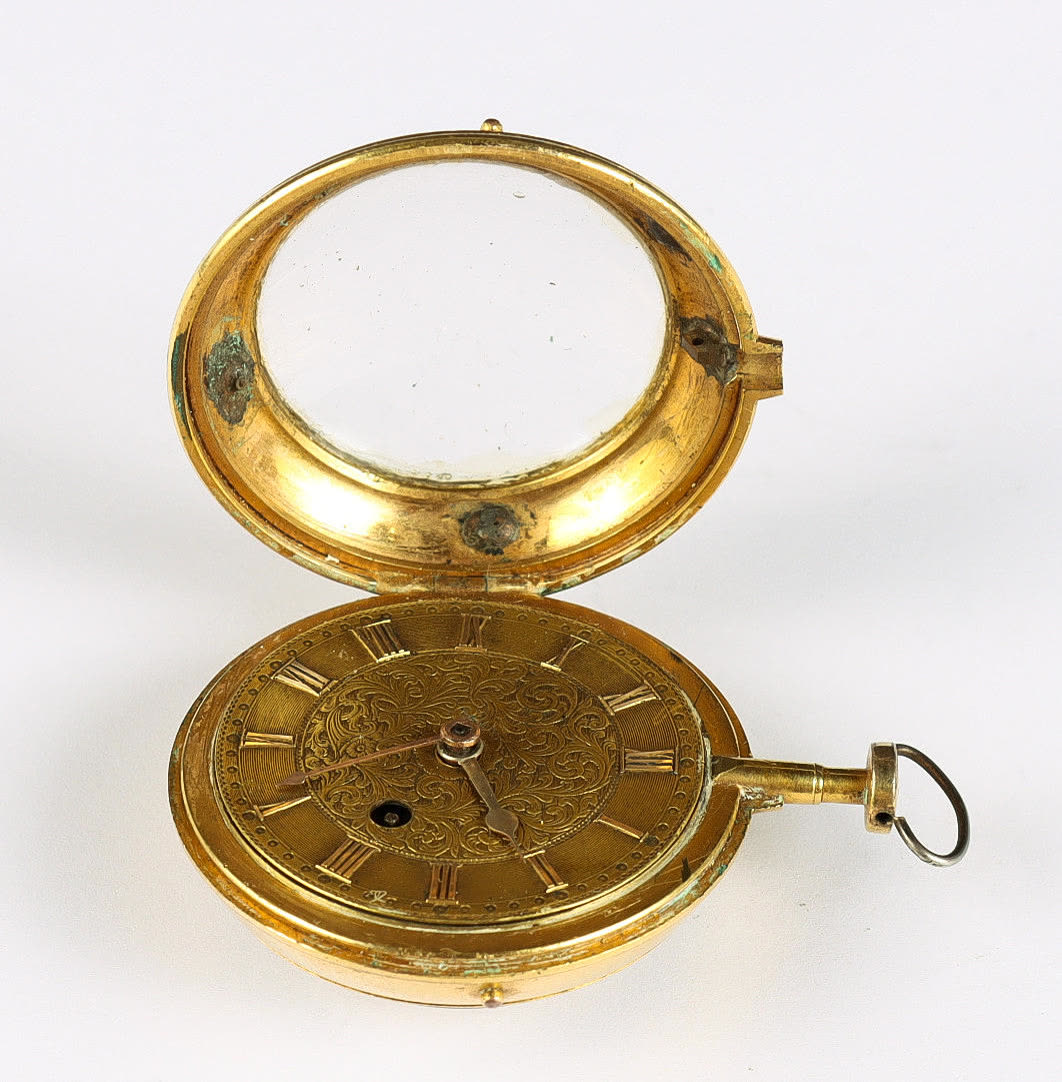
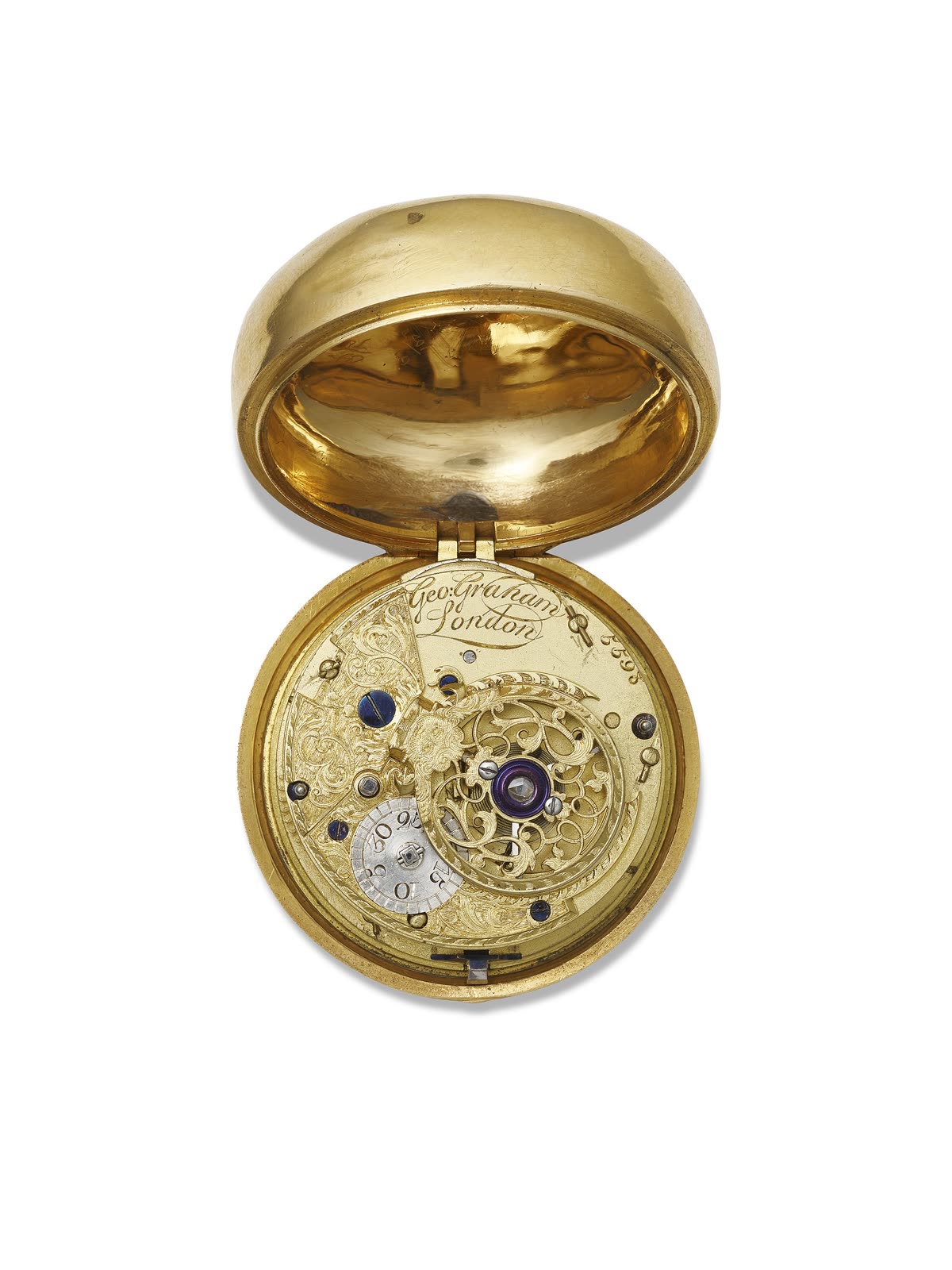
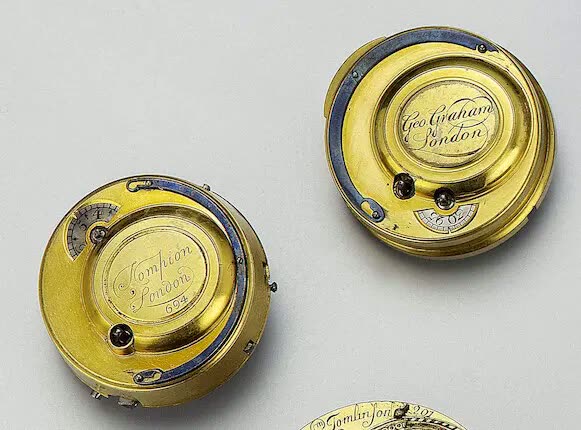
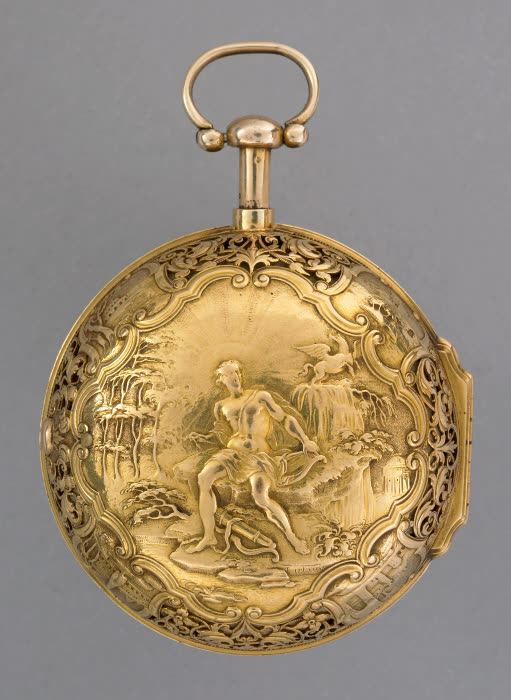
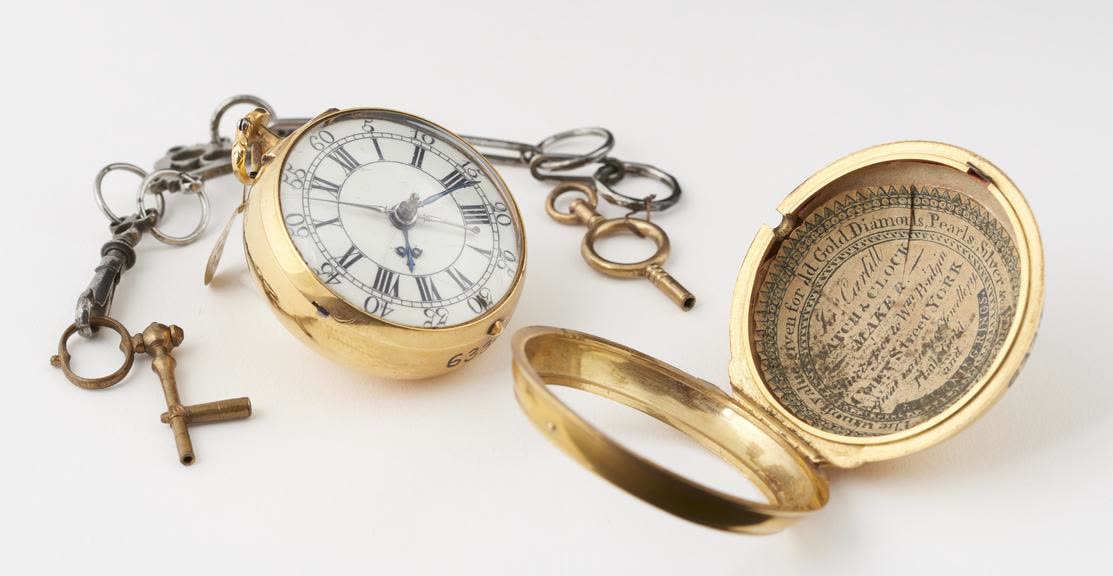
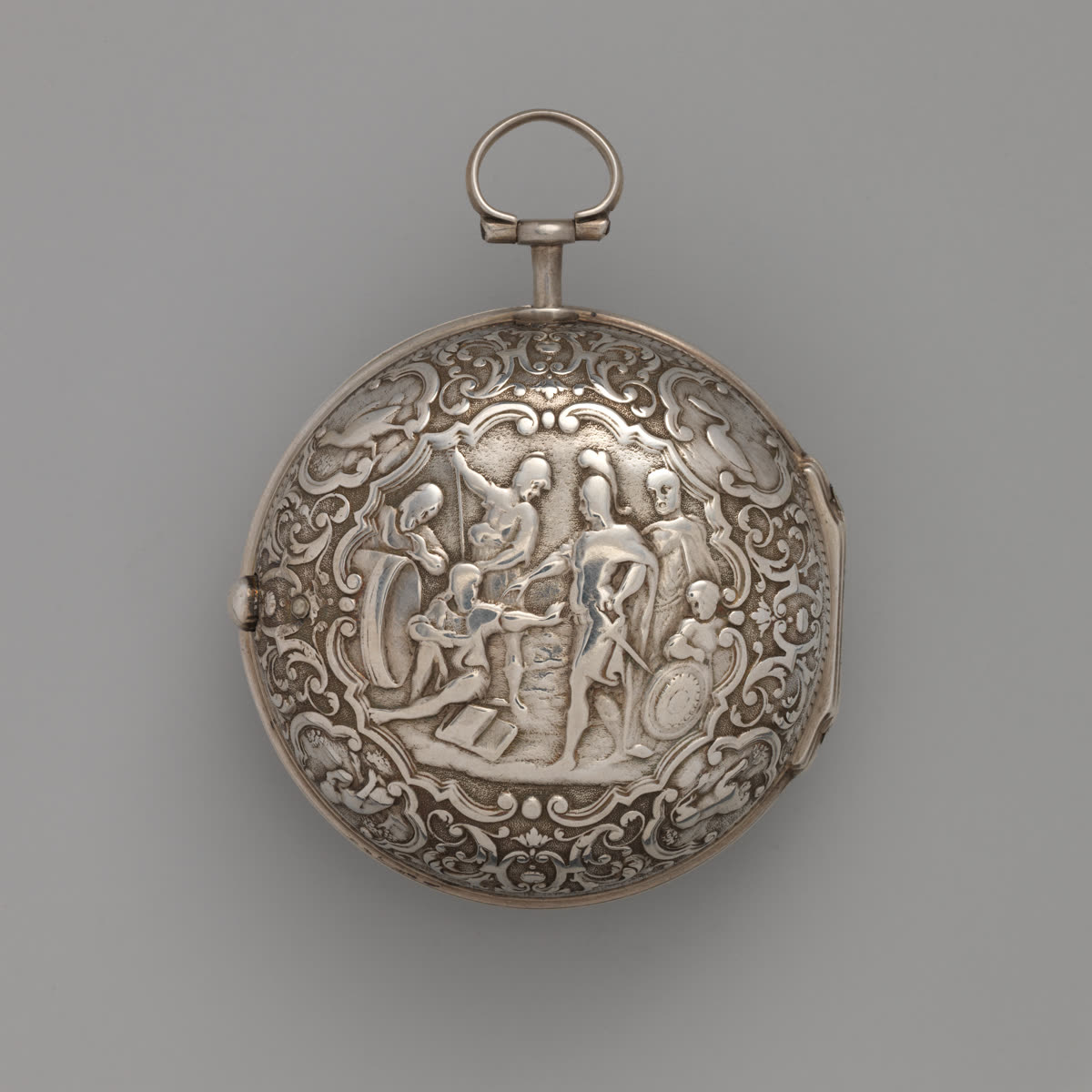
Photographs are illustrative examples of the type, not necessarily the exact object described. Verify details against the source file page.
Sources & references
- George Graham (clockmaker), Wikipedia (English), retrieved 2026-10-27 (text CC BY-SA 4.0)
- Graham, George, Watch-Wiki, retrieved 2026-10-27
- Brian Loomes, Watchmakers and Clockmakers of the World
- Mikrolisk trademark and maker index
Where sources disagree, the disagreement is stated rather than resolved silently.