
Magazine · Pocket watches
How to Wear a Pocket Watch: A Guide to Style and Carry
The pocket watch remains a definitive icon of traditional horology, blending mechanical ingenuity with refined personal style. Whether you are sporting a classic hunter case or a slim dress watch, learning to carry it correctly ensures both the safety of the timepiece and the integrity of your ensemble.
November 23, 2026 · 5 min read
AI-drafted from search research. Not yet editorially reviewed — check important facts against the cited sources.
Key takeaways
- Always secure your watch with a guard chain to prevent accidental drops.
- Choose a chain length that allows the watch to rest comfortably without tension.
- Use a dedicated pocket or pouch to prevent the case from scratching against other items.
- Regularly inspect chain links and spring rings for signs of metal fatigue.
- Reserve movement service for qualified horologists to avoid damaging the delicate train.
How to Wear a Pocket Watch with a Waistcoat
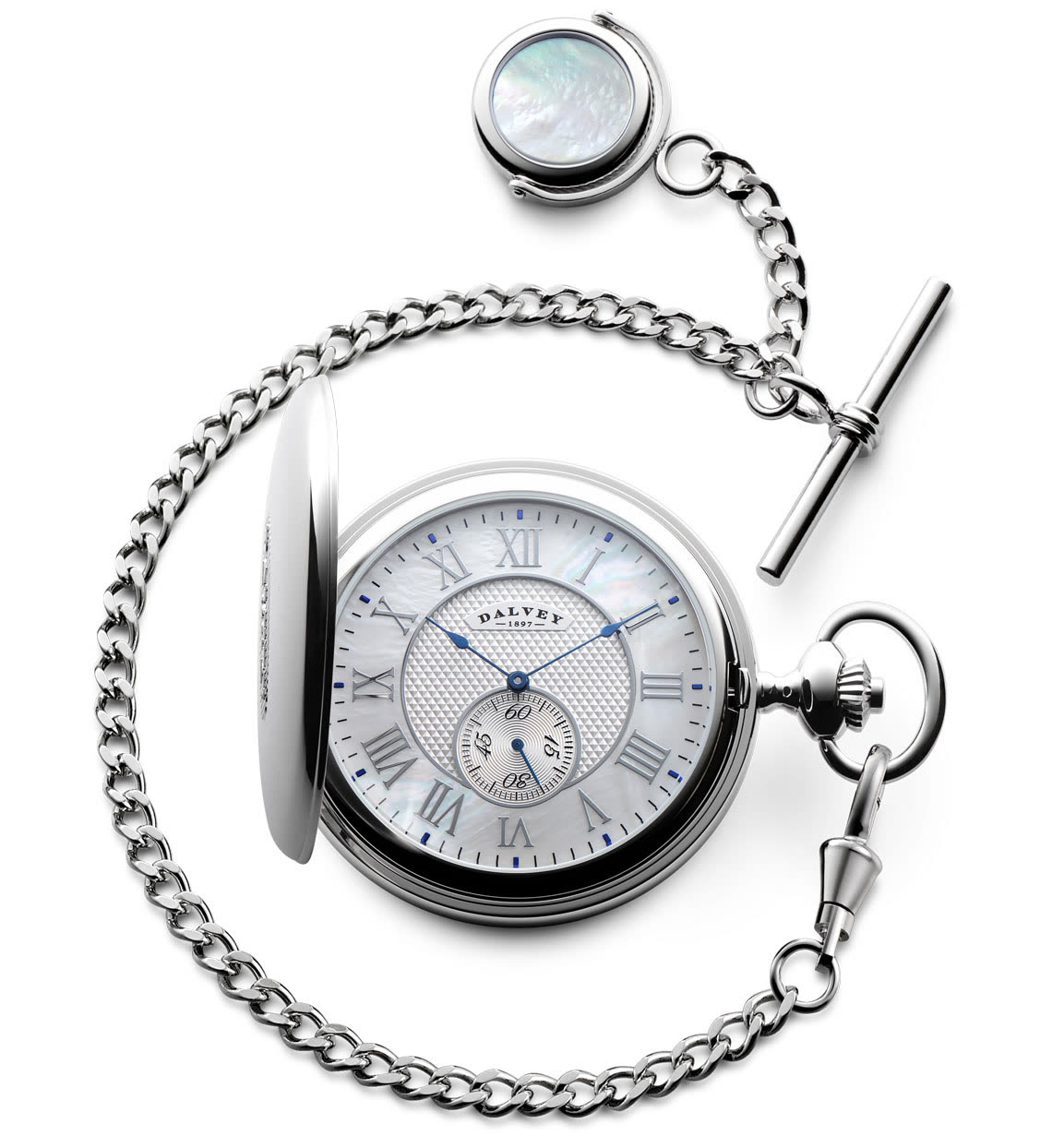
The traditional method of carrying a pocket watch involves a three-piece suit. The Albert chain is the gold standard for this look. To master this, thread the T-bar through the buttonhole of your waistcoat located nearest to your natural waistline. The chain should drape gracefully, creating a slight 'U' shape. The watch itself resides in one of the lower waistcoat pockets, traditionally on the side opposite your dominant hand. This allows you to withdraw the watch easily with your dominant hand for a quick glance at the time, ensuring your gestures remain fluid and composed.
When wearing a waistcoat, ensure the watch fits snugly but not tightly. If the chain is too short, you will struggle to pull the watch far enough to read the dial; if it is too long, the 'drape' may become cumbersome. A standard Albert chain is designed to be the perfect length for the average waistcoat cut, but always test the tension before heading out. If you are using a full hunter case, the act of opening the spring-loaded cover becomes a tactile ritual that punctuates the elegance of the ensemble.
Pocket Watch Case Orientation
How to Carry a Pocket Watch Without a Waistcoat
Modern styles often favor a more relaxed approach, integrating pocket watches into contemporary wardrobes such as blazers or even well-tailored trousers. If you lack a waistcoat, you can still wear a pocket watch by using a shorter fob chain. These chains are designed to be shorter than an Albert chain, attaching securely to a belt loop or the small coin pocket found on most jeans and slacks. By pinning or looping the chain end to your waistband, you ensure the watch remains tethered even if it slips from its pocket.
When carrying a watch in a trouser pocket, it is imperative to avoid placing it alongside keys, coins, or metallic pens. These items can easily mar the case finish, causing scratches or dents that detract from the watch’s appearance. For those who enjoy the ritual of a timepiece but prefer not to wear a chain in public, consider a small, felt-lined pouch inside your pocket. This offers a buffer against impact while keeping the watch secure. Remember that honest wear is natural over decades, but unnecessary damage from daily carry is entirely preventable.
Choosing the Right Chain and Accessories
The chains and fobs you choose are as vital to the experience as the watch itself. Gold-filled chains remain popular for their durability and historical aesthetic, while solid gold chains are often reserved for formal occasions. If you possess an antique timepiece, verify the metal content of your chain to ensure it does not cause excessive galvanic wear on the watch pendant over time. A properly sized link and a robust spring ring are the primary defenses against loss.
Historical Context: From Functional Tool to Style Statement
The evolution of how we wear timepieces is a story of societal shifts. Early watches were often pendant watches worn around the neck, evolving into the pocket-bound instruments of the industrial era. As railways demanded precision, the railroad pocket watch became a vital piece of standard-issue equipment, designed for legibility and shock resistance. Today, wearing a pocket watch is an intentional act of honoring this history, bridging the gap between centuries-old mechanical engineering and the modern world.
Conservation and Care: Maintaining Your Pocket Watch
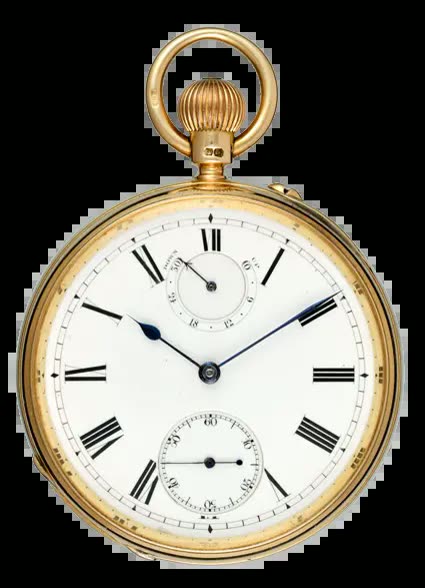
When you handle your watch, always do so over a soft surface, such as a desk mat or a velvet cloth. This minimizes the risk of damage should the watch accidentally slip from your fingers. Check your watch regularly for signs of an oval hole, where pivot wear may cause the movement to run irregularly. If you find your watch is not keeping time or the winding feels gritty, it is likely time for a professional cleaning, which is a routine necessity for ensuring the longevity of mechanical movements.
FAQs on Wearing and Using Pocket Watches
How to Verify the Suitability of a Watch for Daily Wear
Before incorporating an antique or vintage timepiece into one’s daily attire, it is critical to verify that the case integrity and movement condition are sufficient for the physical stresses of pocket carriage. Daily wear exposes a watch to movement, temperature fluctuations, and environmental particulates, which may necessitate an inspection by a professional horologist to ensure the case closure remains secure and the crystal is adequately seated.
| Feature | What it suggests | What to check next |
|---|---|---|
| Hinge tension | Sufficient grip for pocket security | Check for lateral play in the case back |
| Crown action | Keyless works are lubricated | Test if the crown holds the set position |
| Crystal fit | Impact resistance is intact | Inspect for gaps between bezel and glass |
| Pendant wear | Attachment point stability | Ensure bow loop is not thinned by friction |
What to record
- Photographic record of the bow and attachment point for wear patterns.
- Verification of the watch case type (e.g., hunter vs. open-face) relative to intended pocket placement.
- Noting the length and material of the chain to confirm it provides sufficient slack to prevent accidental drops.
- Documentation of existing case-back seals or dust covers to assess protection levels.
- Recording the orientation of the winding crown to ensure it remains accessible while carried.
- Noting the presence of any sharp or protruding edges on the case that could damage textile linings.
Further Reading and Research
For those looking to deepen their understanding of their own timepieces, we recommend reviewing our Research guides. Identifying the provenance and technical specifications of a watch can be immensely rewarding. Whether you are interested in the complexity of a repeater or the elegance of dress pocket watches, documenting your collection helps preserve these mechanical marvels for future generations. Remember, the history of horology is not just in the records, but in the careful stewardship of each individual piece.
Frequently asked questions
Should I wear a hunter-case watch differently than an open-face model?
Yes. A hunter-case watch offers more protection, allowing it to be carried in standard pockets with less risk to the crystal. However, the spring-loaded cover can be inadvertently opened by the pressure of clothing. Open-face watches are more susceptible to scratches and should ideally be stored in a dedicated pocket liner or a soft pouch to protect the dial surface when worn in a waistcoat.
How do I determine the appropriate length for a pocket watch chain?
The length should allow the watch to reach your eye level comfortably without placing tension on the chain or the attachment point. If the chain is too long, the watch may swing excessively when you walk, increasing the risk of accidental impact. If too short, you will be unable to view the dial without detaching the watch from your garment. Always test the arc of motion while standing.
Sources
- Cutmore, M., The Pocket Watch Handbook — pocket-watch construction
- de Carle, D., Practical Watch Repairing — inspection and faults
- Priestley, P., Watch Case Makers of England — case makers and responsibility marks
- de Carle, D., Practical Watch Repairing — inspection, cleaning and servicing