
Research practice
Watch Research Guides
From a first photographic record to a source-critical comparison: practical documentation, qualified attribution and the limits of catalogue evidence.
Catalogue example
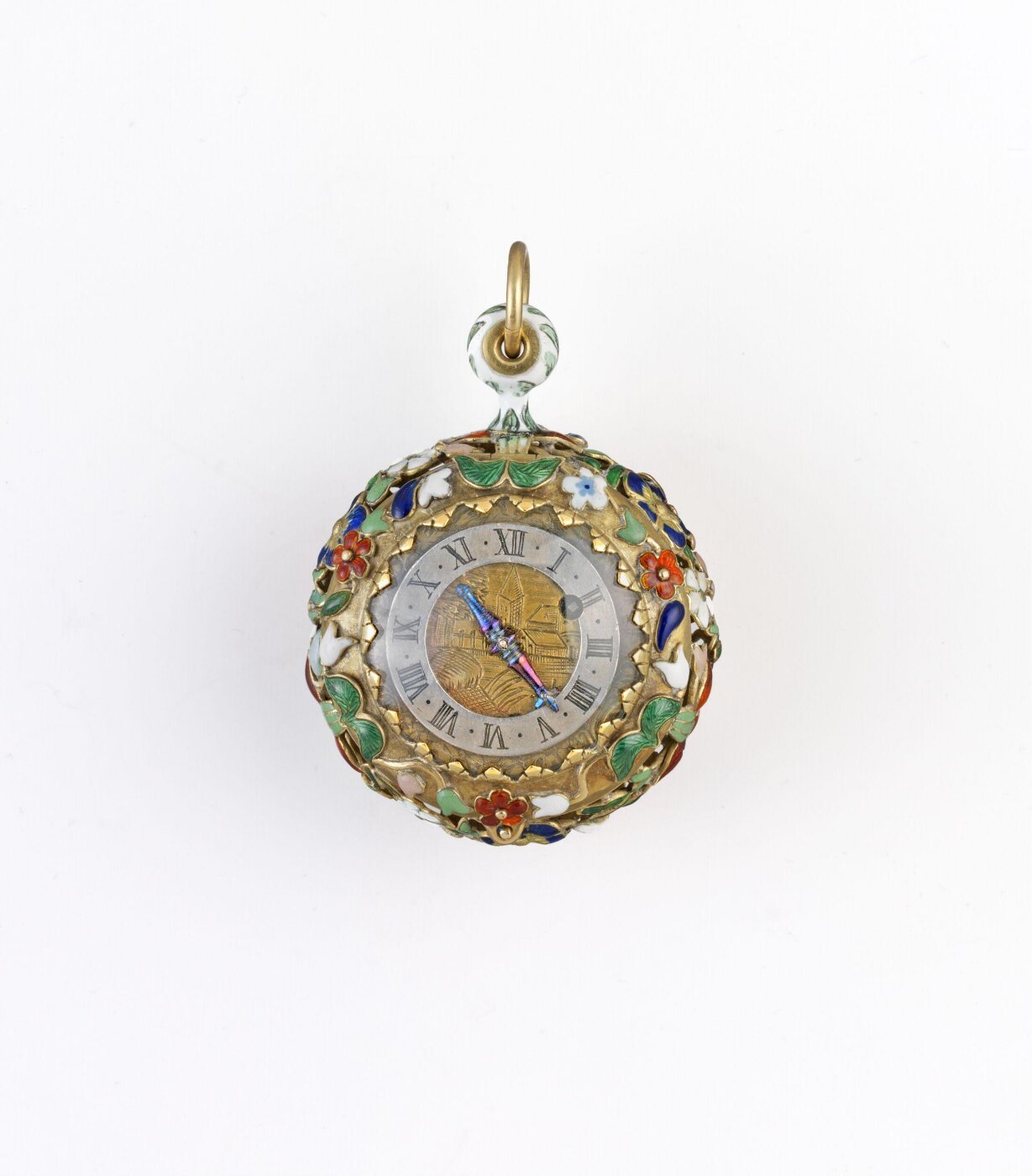
V&A M.33:1,2,3-2018: a floral enamel exterior with a later Caille movement. The museum’s proposed nineteenth-century assembly remains an interpretation.
Catalogue example
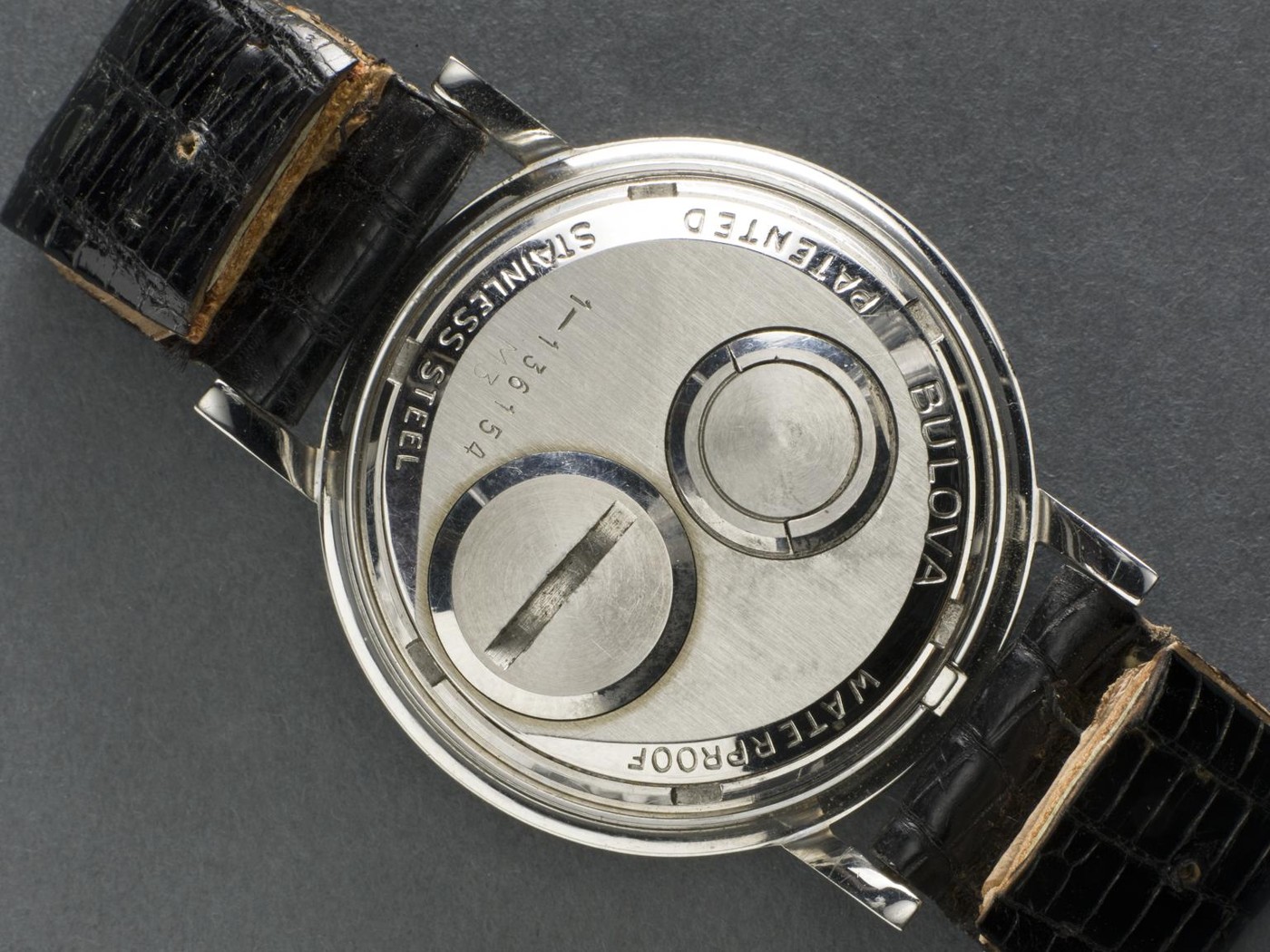
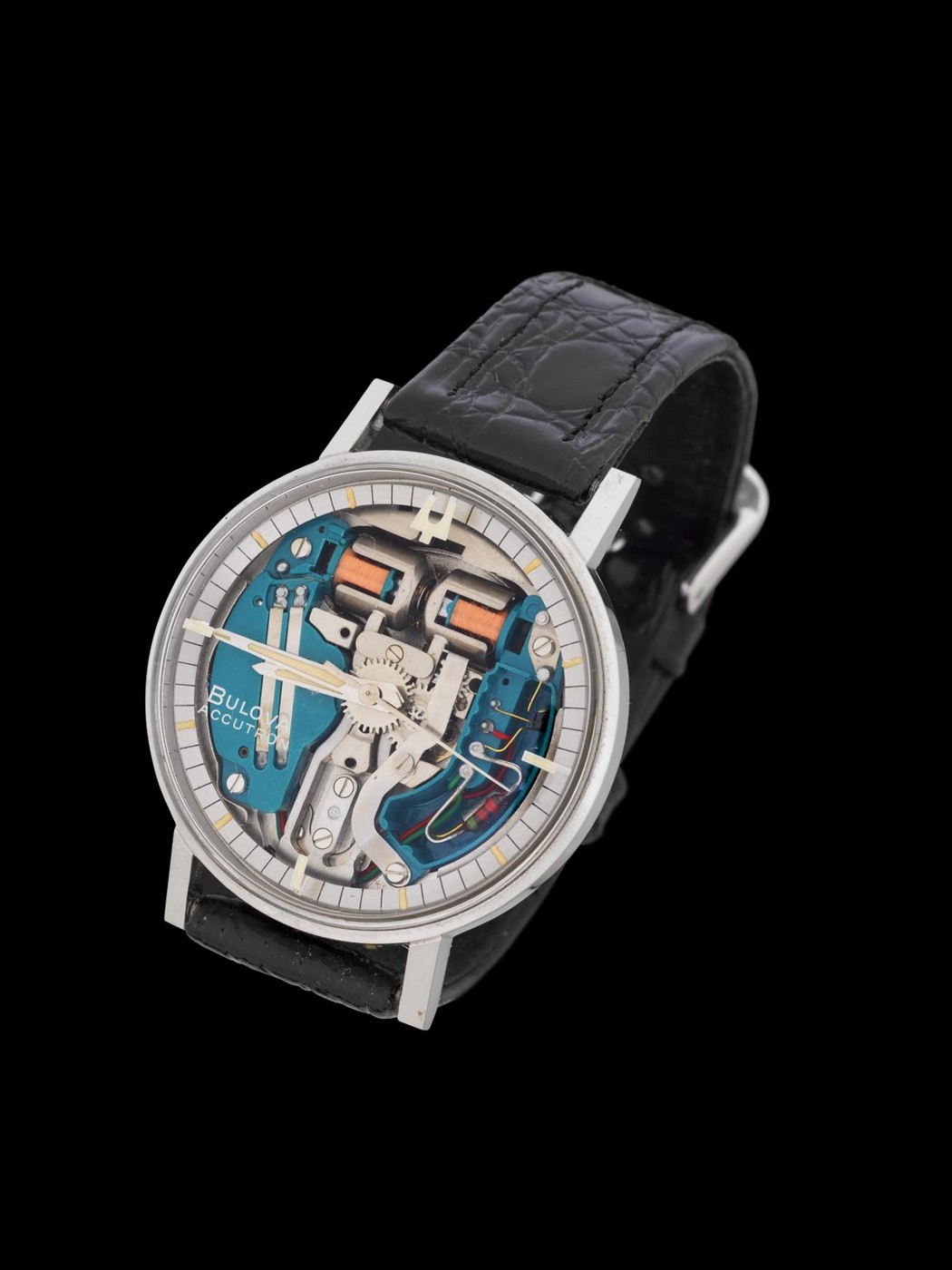
Bulova Accutron, Science Museum Group 1963-306: case-back and open-dial views. The open-dial image shows a whole watch, not an isolated tuning-fork close-up.
Catalogue example
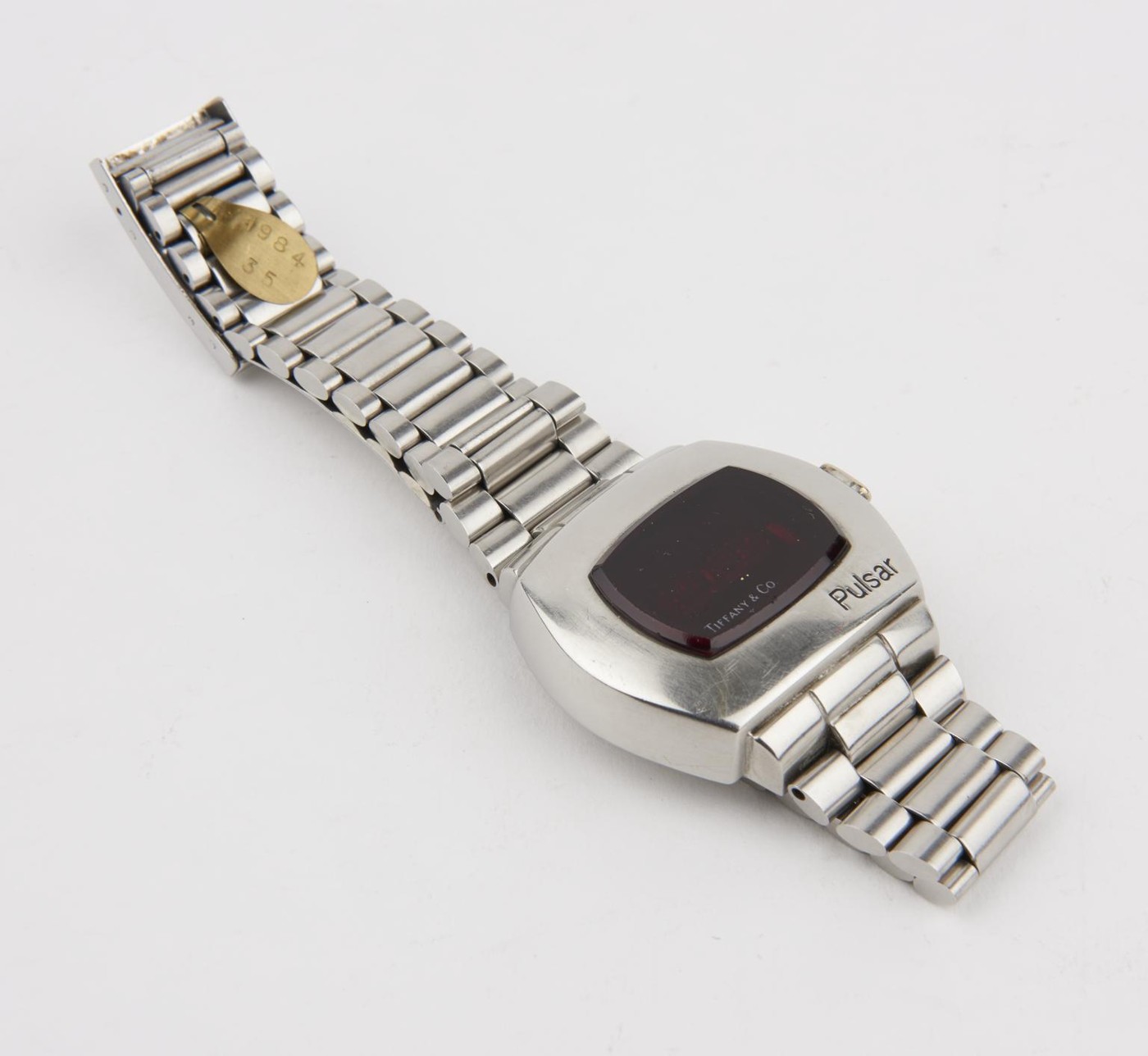
Hamilton Pulsar, Science Museum Group 1984-35. The exact museum photograph shows an unlit LED window; present operation has not been established.
Catalogue example
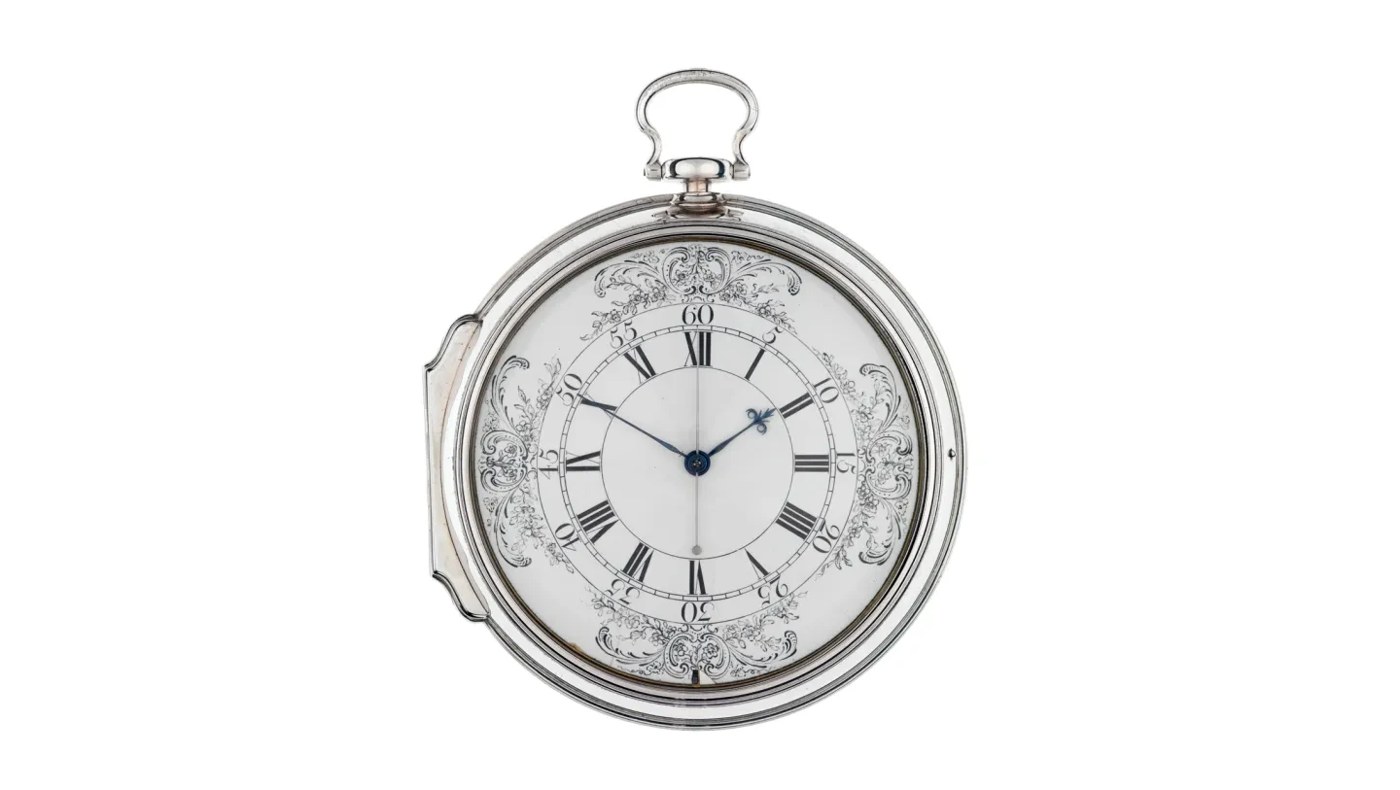
Harrison H4, photographed for Royal Museums Greenwich’s Harrison history. This contextual photograph is not a reconstruction of its escapement; current display is not established here.
Catalogue example
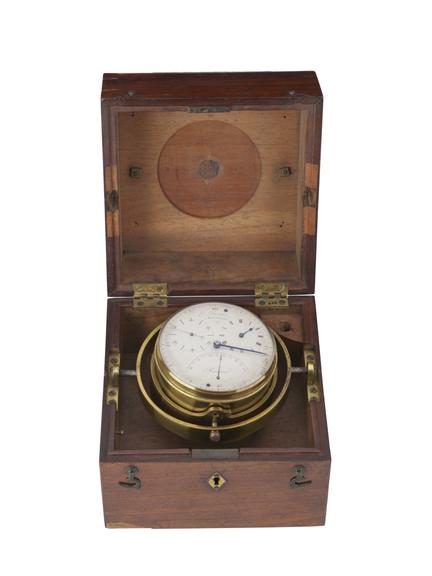
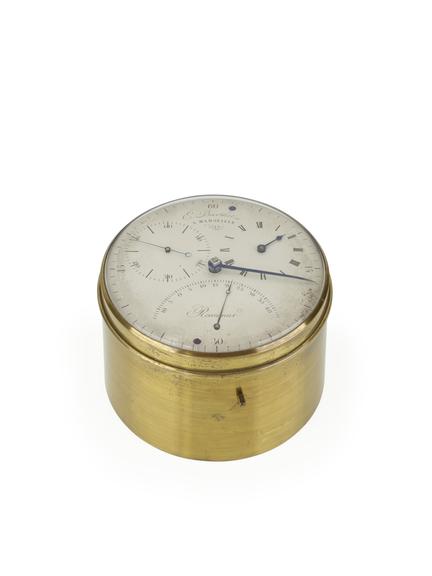
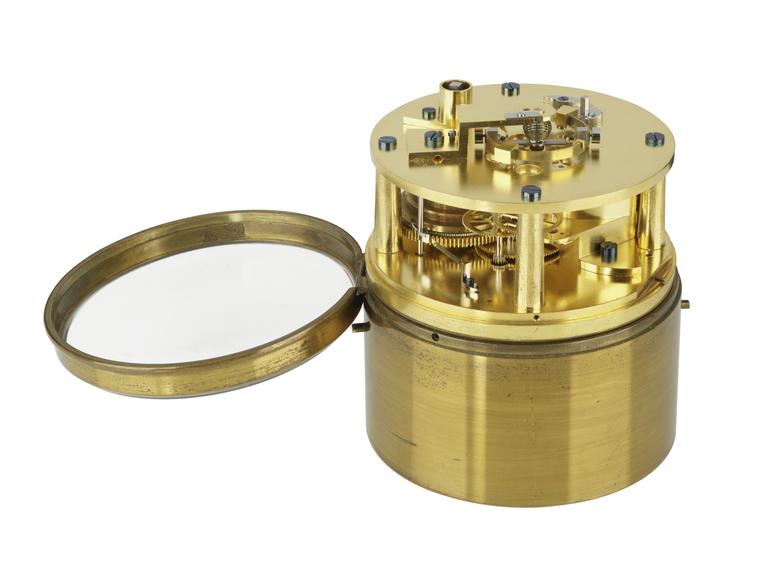
E. Barthet No. 10, L2015-3496, with thermometer and gimballed box. This exact collection photograph supplies object context; no rate book or accuracy certificate for it has been verified here.
Catalogue example
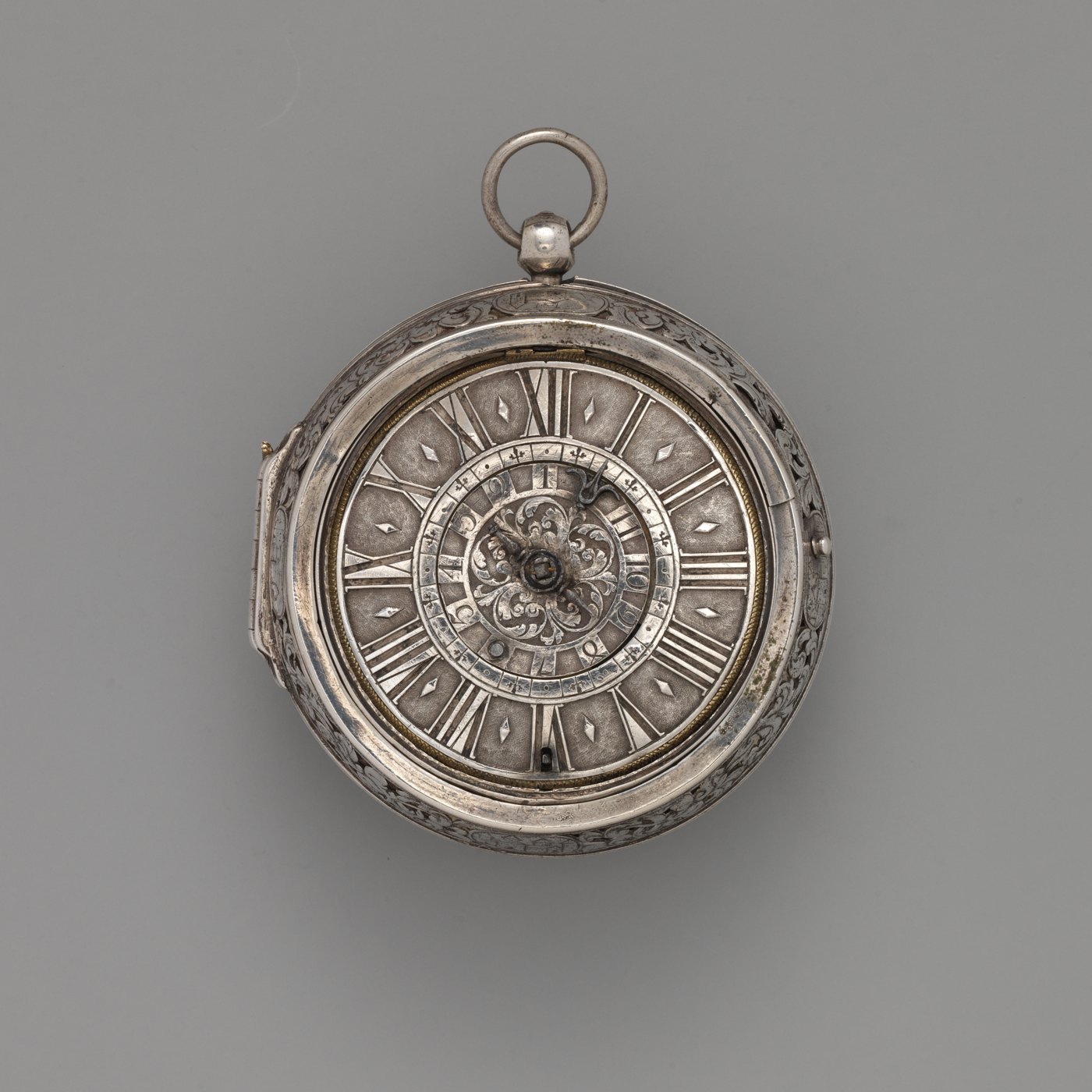
Daniel Quare clock-watch, ca. 1690, Met 17.190.1496a, b. This exterior photograph identifies the recorded object; it does not establish its hidden mechanism or current condition.
Catalogue example
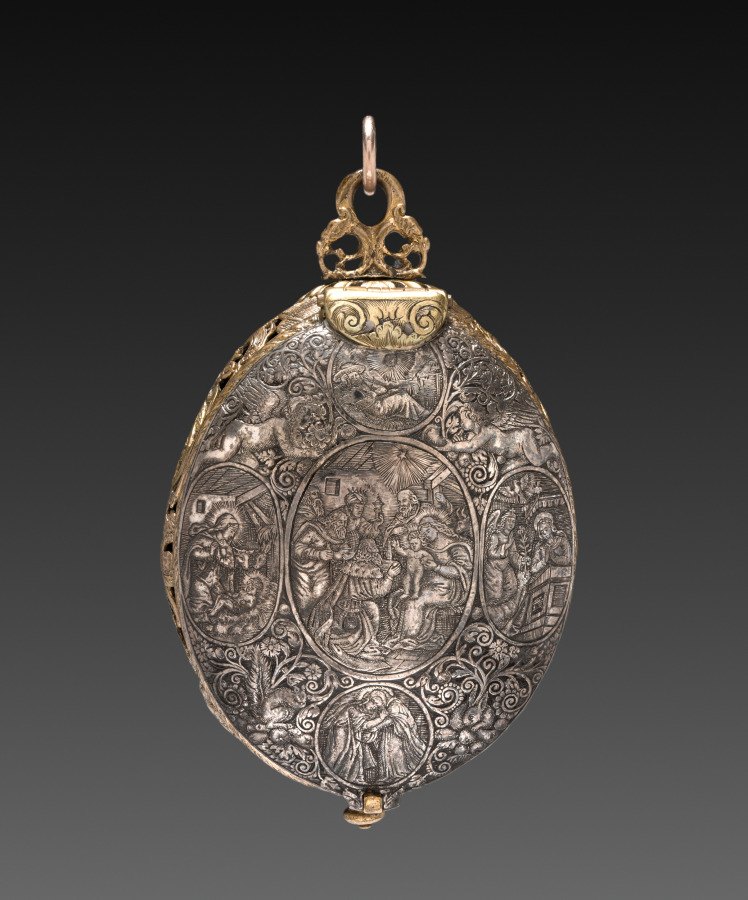
Cleveland's Engraved Egg Watch, 1929.994: designed by Denis Martinot, with decoration attributed to Theodor de Bry. The museum's qualified authorship wording must travel with the photograph.