
Related photographs
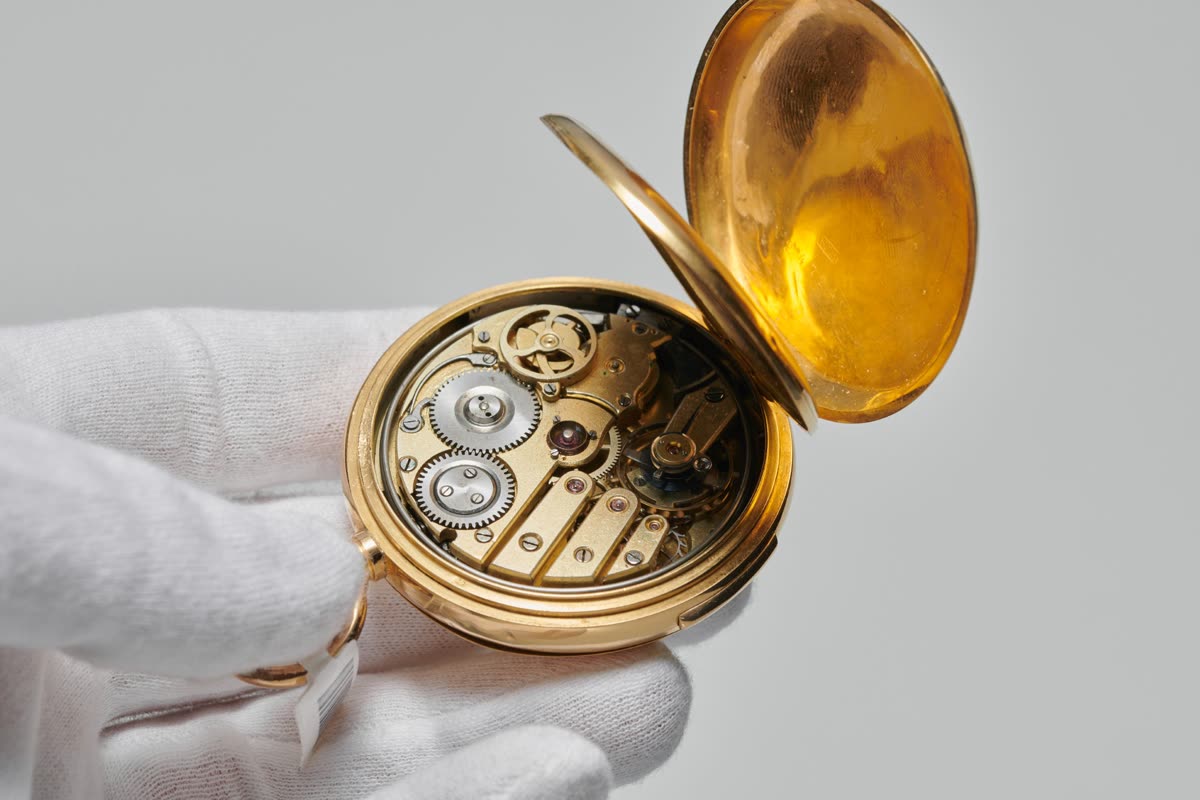
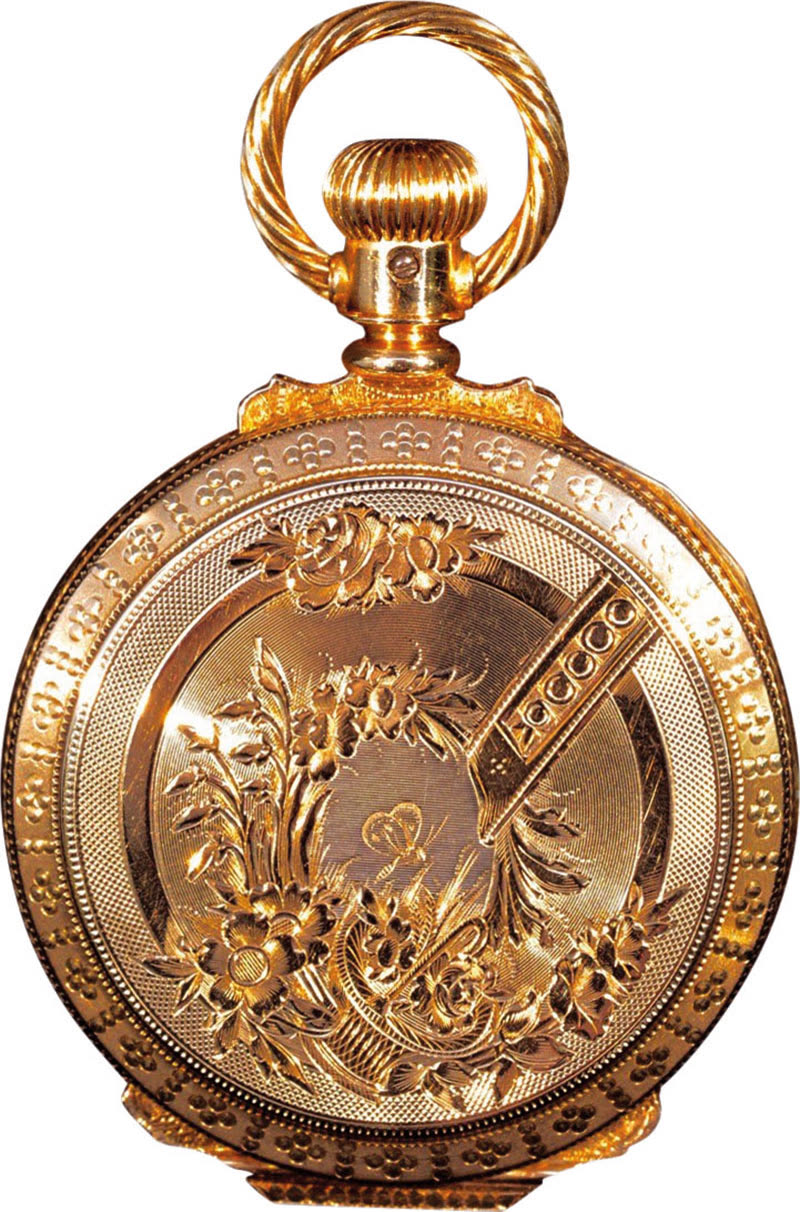
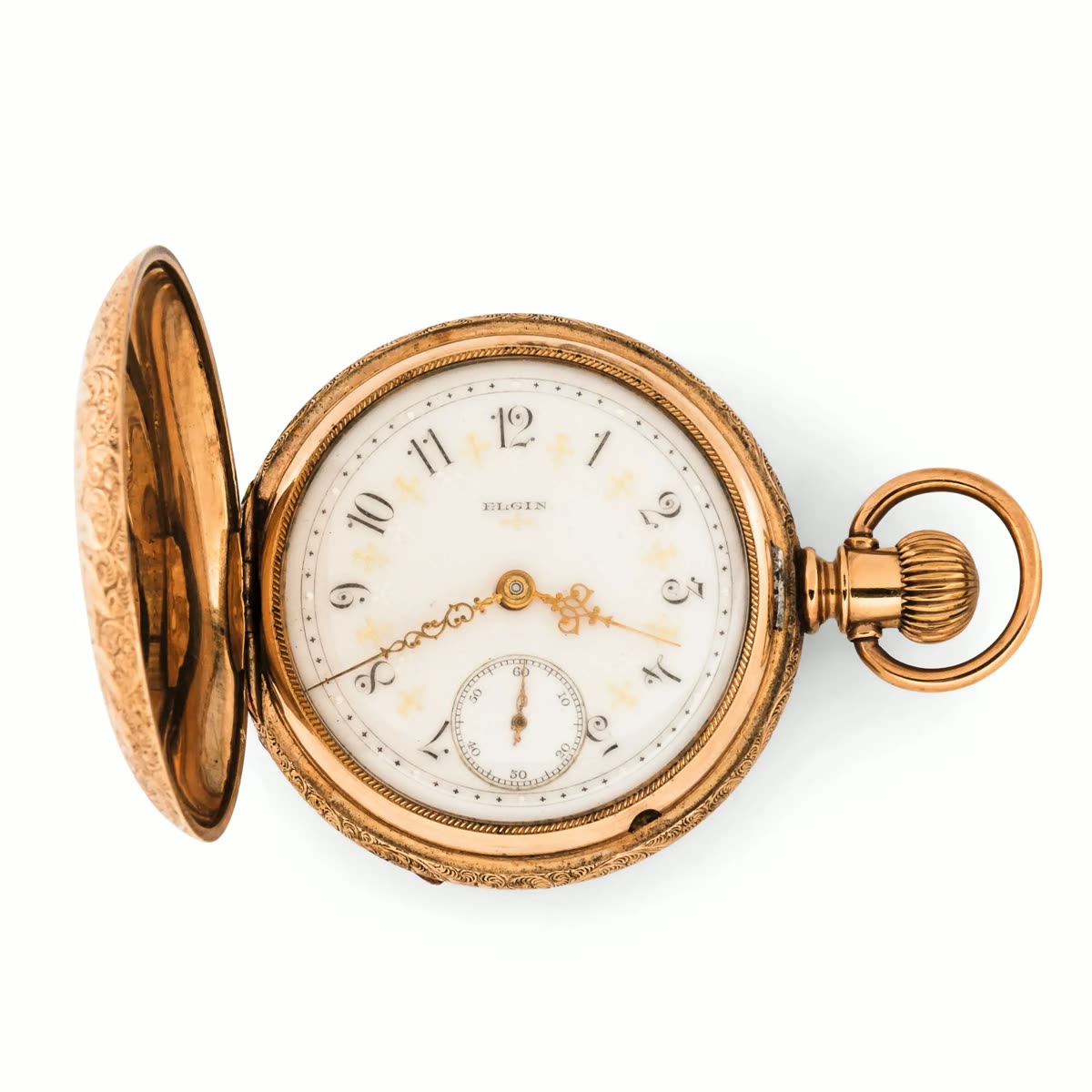
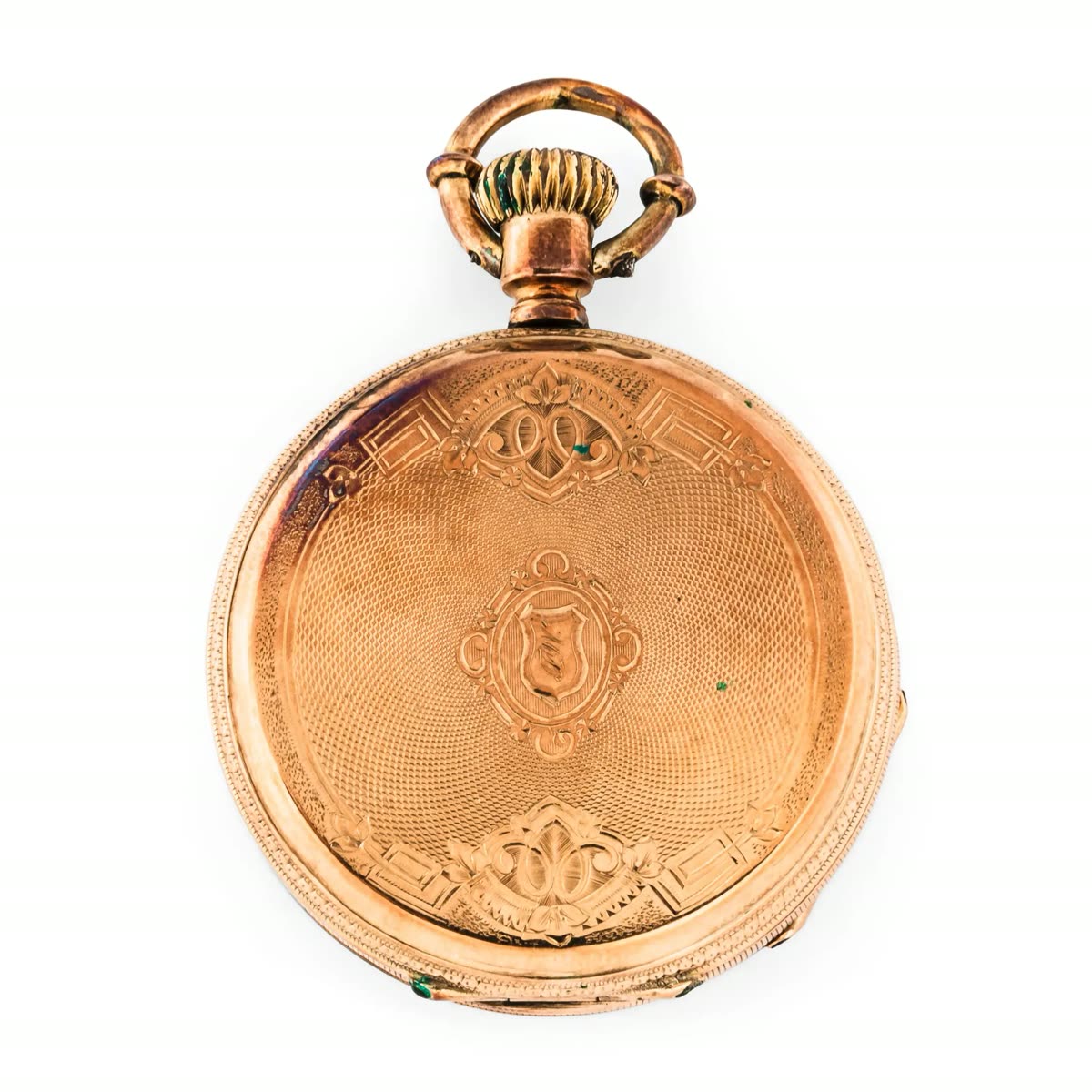
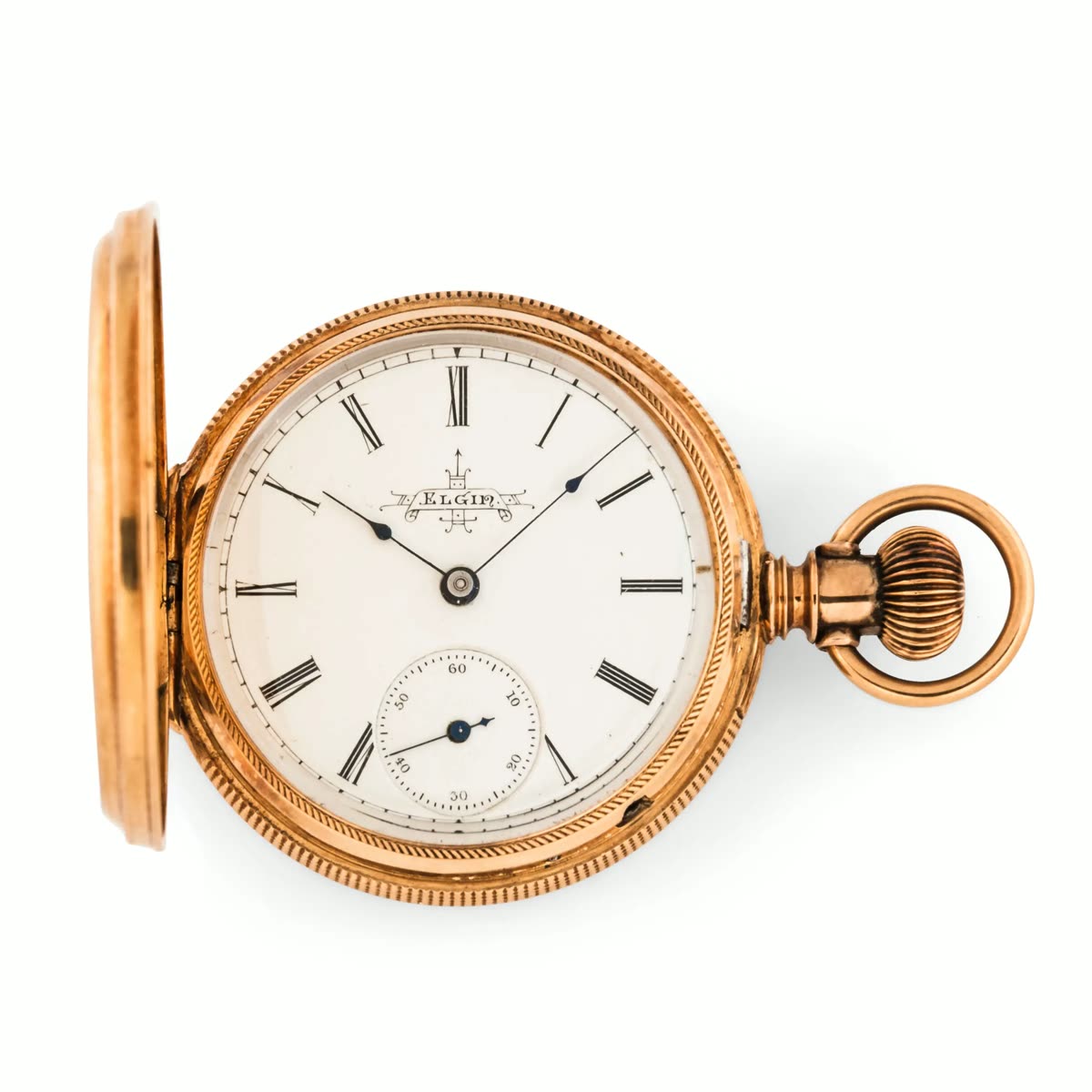
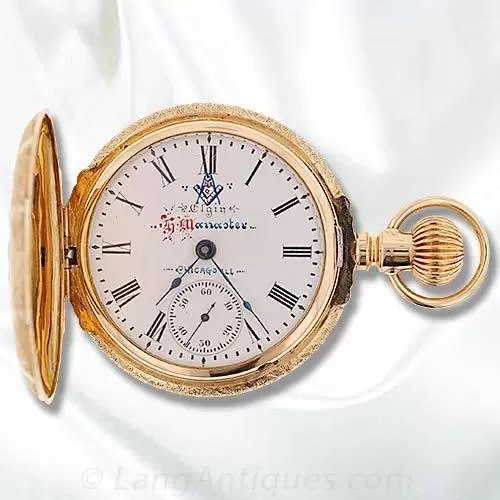
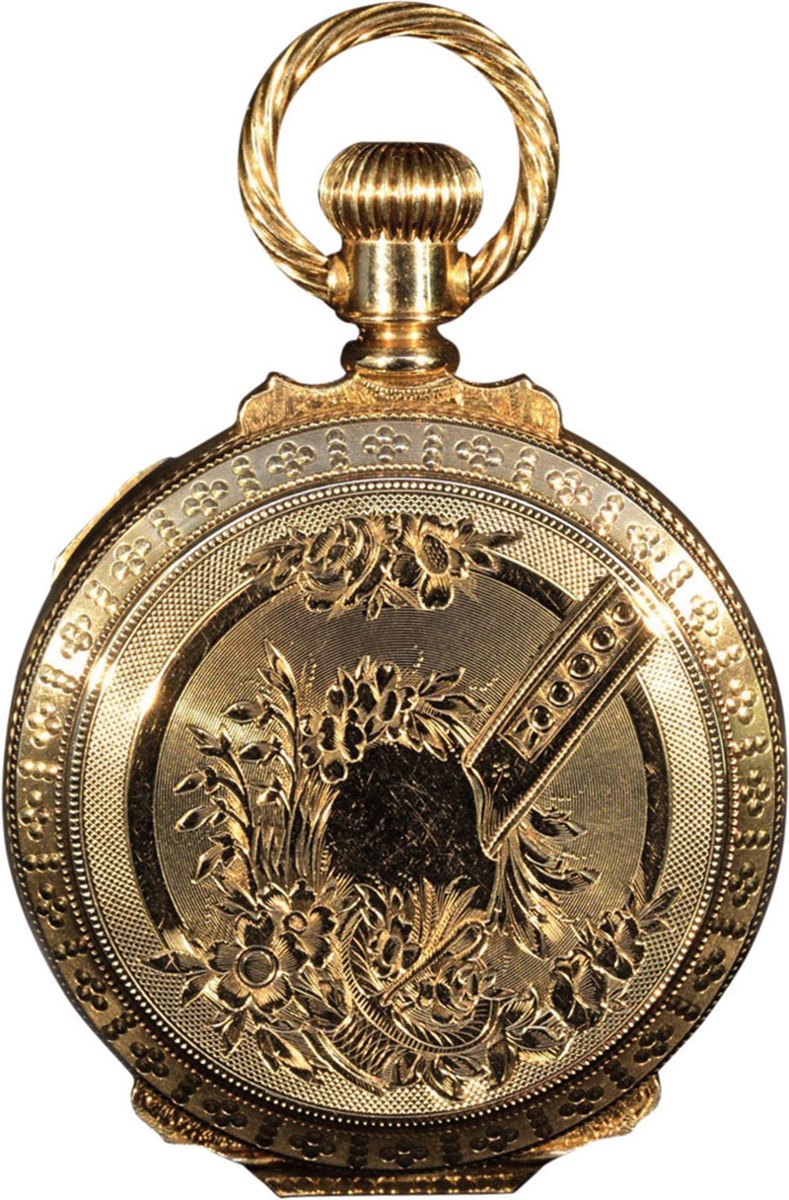
No confidently matched photograph of this subject has been found yet. These photographs show a closely related record, and are not examples of the type described on this page.
Classify the front closure first. An open-face watch has no hinged metal lid over the dial crystal. A full hunter has a hinged protective cover. A half-hunter permits reading through an aperture or glazed window in that cover, often aided by exterior hour markings. These are case descriptions: a protective lid says nothing by itself about the escapement, jewelling or production date.
Separate the lid from the bezel and inner cover. A bezel retains the dial-front crystal; a hunter lid closes over it. A rear dust cover or cuvette has another purpose. Catalogue each visible element independently, including missing or replaced crystals. A photograph of the watch open may not show whether it has a solid front lid or a windowed one, so request a closed view rather than guess.
Pendant and seconds positions help explain common layouts. Many conventional stem-wound open-face watches have the pendant at twelve and subsidiary seconds at six; conventional hunter layouts often place the pendant at three. These are useful comparisons, not universal rules. Centre seconds, unusual displays, key winding and manufacturer variants can make a simple orientation test insufficient.
A sidewinder commonly describes an unexpected relationship between pendant and seconds, often associated with a hunter-layout movement in an open-face case. This deserves research but does not alone prove later recasing. Compare the exact movement variant, the case construction and any surviving catalogue or transaction evidence before deciding whether the pairing was originally supplied or subsequently changed.
Record cover condition without forcing it. Hinge wear, dents, catch damage and spring behaviour are different observations. Not every pendant button opens a lid in the same way. If a cover resists, stop rather than pry against the crystal or movement. Precious-metal case work can affect marks, edges and finishes and needs a specialist who understands the object’s historical value.
Finish with a component-level description: case type; lid and crystal condition; pendant position; seconds arrangement; movement identification; pairing confirmed or unconfirmed. Retain separate case and movement numbers. A windowed cover is useful visual evidence for half-hunter classification, but it is not evidence that the watch is antique, untouched or ready to run.
How hunter and open-face cases developed
The hunter-case originated in England, where fox hunting men found it convenient to operate the watch with one hand while holding the reins of their horse. Early sixteenth-century timepieces were transitional in size and often featured hinged brass covers with pierced grillwork to allow time-reading without fully opening the device. By the seventeenth century, watch shapes evolved into the familiar flattened, rounded form designed to fit comfortably within pockets after the introduction of waistcoats.
Antique hunter-case watches typically featured hinges at nine o'clock with the pendant at three, whereas modern versions generally mirror open-face layouts with the pendant at twelve. After 1908, North American railroads required open-face cases for watches in railroad service. Conversion dials were also developed to allow hunter-style movements to be repurposed into open-face configurations by relocating both the stem and sub-seconds indicators.
Written from the encyclopedia entries listed under Sources; each statement was checked against the cited text.
Recognising the front of the case
| Type | Front arrangement | What to inspect |
|---|---|---|
| Open face | No hinged metal cover over the dial crystal. | Bezel, crystal and dial are exposed to view. |
| Hunter | A hinged cover protects the dial front. | Cover, hinge, catch and the fit of the movement. |
| Half-hunter | A front cover allows reading through a window or aperture. | The window and any external chapter markings. |
Evidence checklist
- Classify the case independently of the movement.
- Record whether the fitted movement is appropriate to the layout.
- Never force a cover or assume every pendant button releases it.
Pendant and seconds positions can support comparison, but recasing makes them insufficient proof of original assembly.