
Glossary · Mechanism
Turns (Swiss turns)
A simple hand lathe used with a bow or hand graver for pivot work.
Explanation
The turns is the small dead-centre lathe — a pair of pointed runners on a bed — used to true and polish pivots, fit staffs and turn small parts between centres. The watchmaker's turns predates the engine lathe in the trade and remains the correct tool for pivot work on antique movements.
In the object catalogue
Catalogued objects whose own source record mentions “Turns (Swiss turns)”. The quoted line shows where; it is the seller’s or museum’s wording, not independent verification.
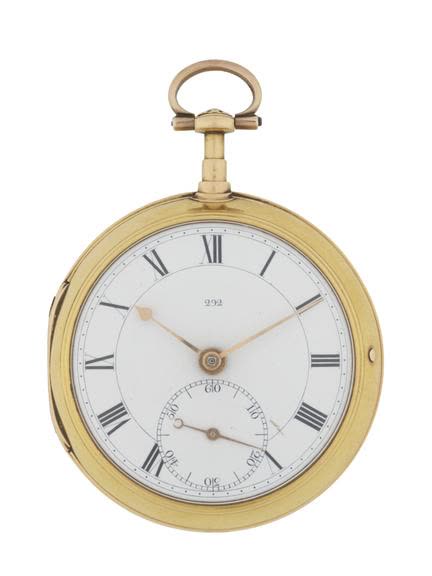
Pocket watch
John Arnold & Son Pocket Chronometer Watch with Spring Detent Escapement
“According to the Science Museum Group, this pocket chronometer watch was produced by John Arnold & Son in London and features a gold case hallmarked for 1788–1789. The case bear…”
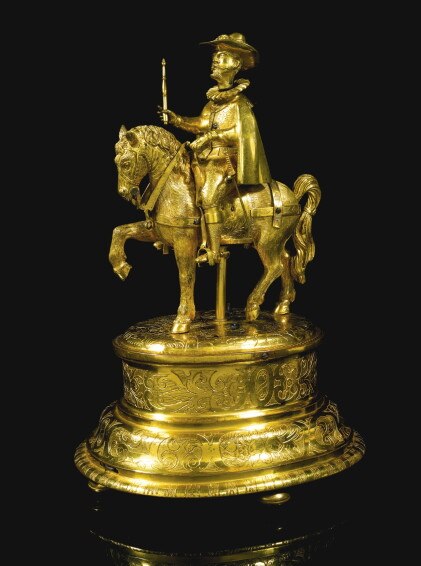
Clock
A German Renaissance gilt-copper and gilt-brass 'reiter uhr' automaton table clock, Nikolaus Schmidt
“According to the auction catalogue, this German Renaissance automaton table clock dates to circa 1580 and is attributed to Nikolaus Schmidt in Augsburg. The gilt-copper and bras…”
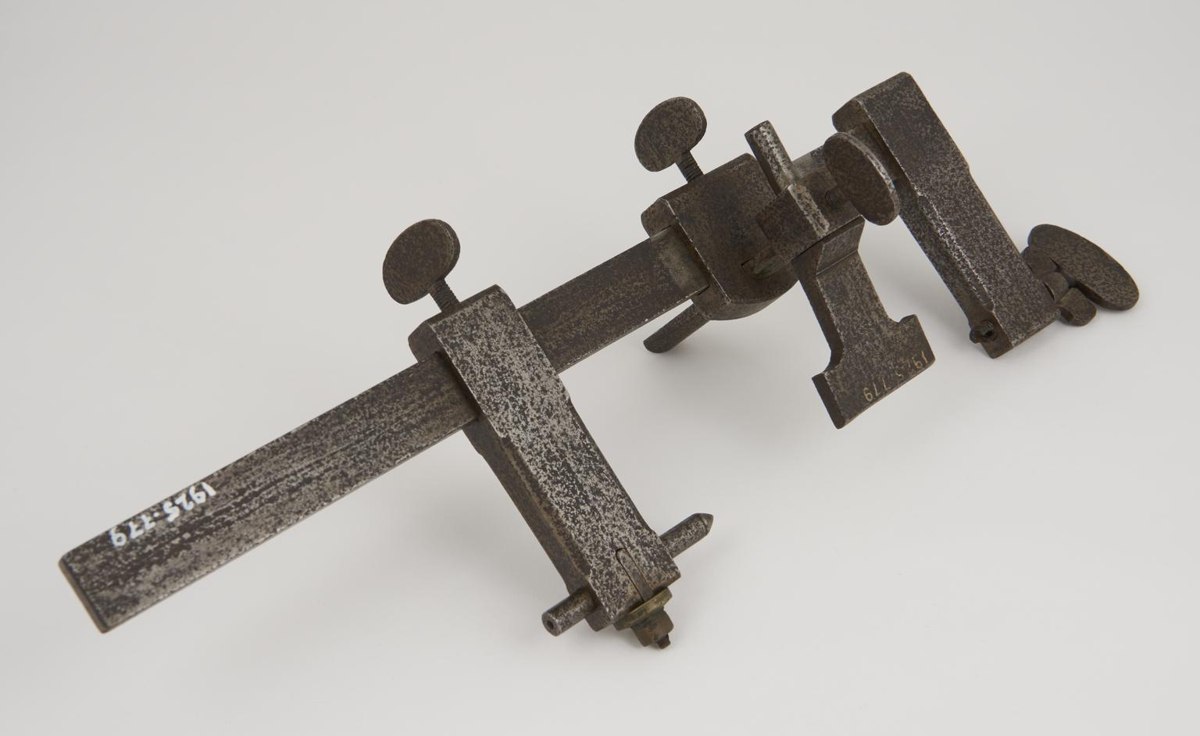
Tool
Watchmaker's lathe
“This museum-catalogued horological tool is an iron watchmaker's lathe dated by the Science Museum Group to the late 18th century. Constructed as a relatively simple hand lathe o…”
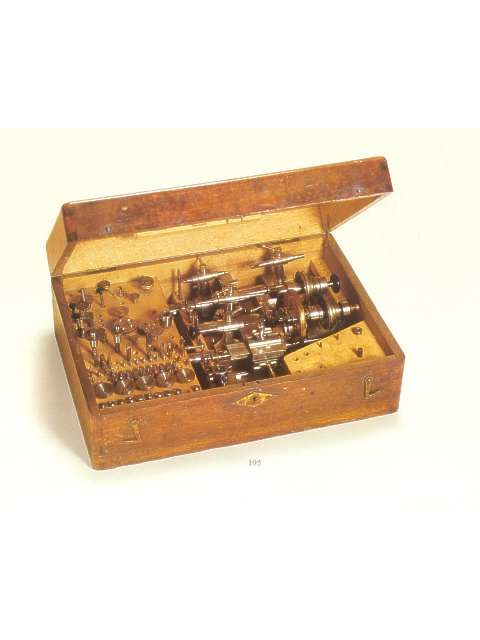
Tool
Lorch Schmidt & Co. Watchmaker's Lathe Set
“This horological tool set comprises a watchmaker's lathe and accessories attributed by the source to Lorch Schmidt & Co., Germany, circa 1940. Housed in a fitted wooden box meas…”
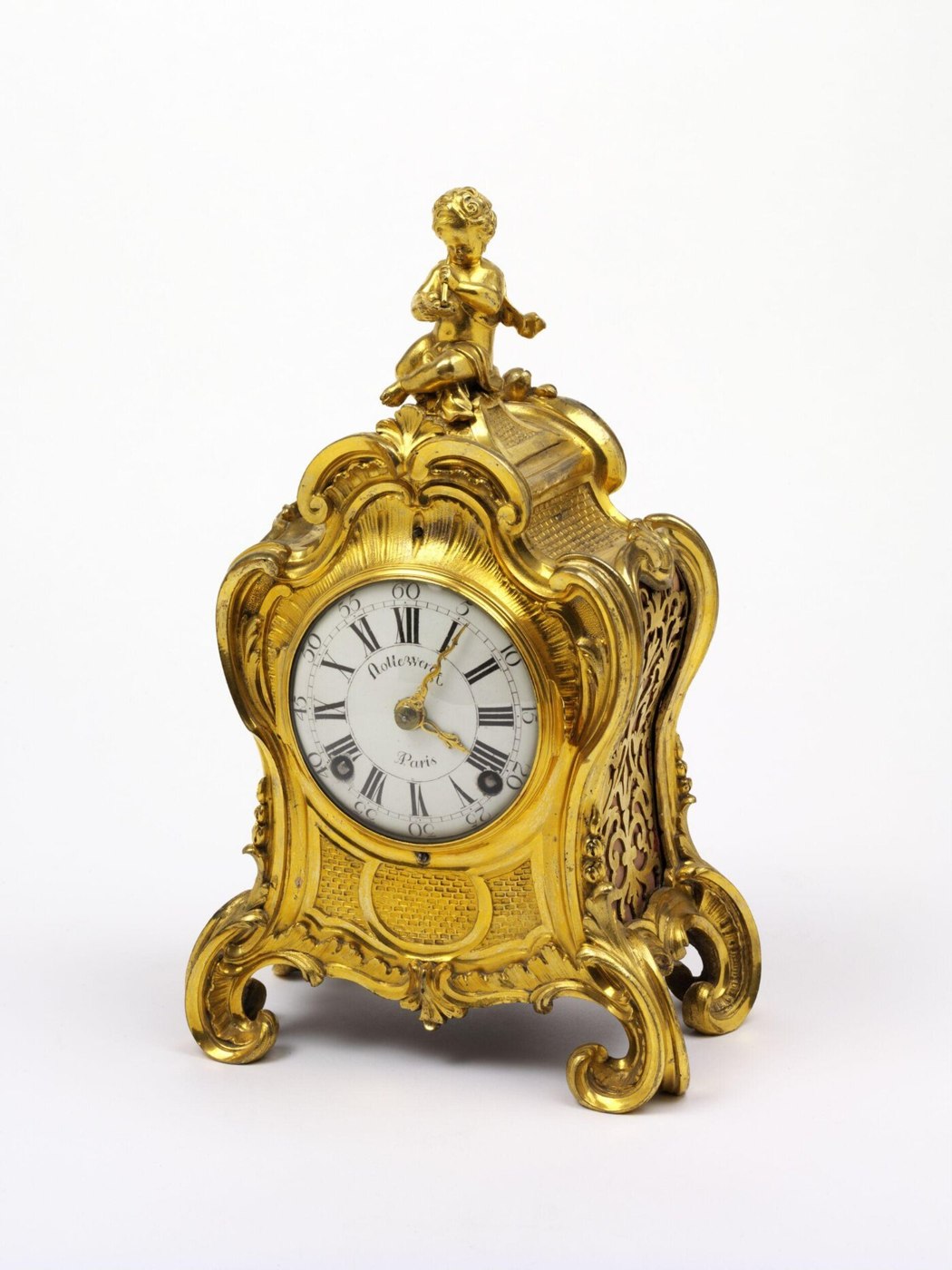
Clock
Cartel clock
“This cartel clock, dated circa 1745-1750, features an ormolu case surmounted by a finial in the form of a Cupid figure armed with a bow and arrows. The white enamel dial measure…”
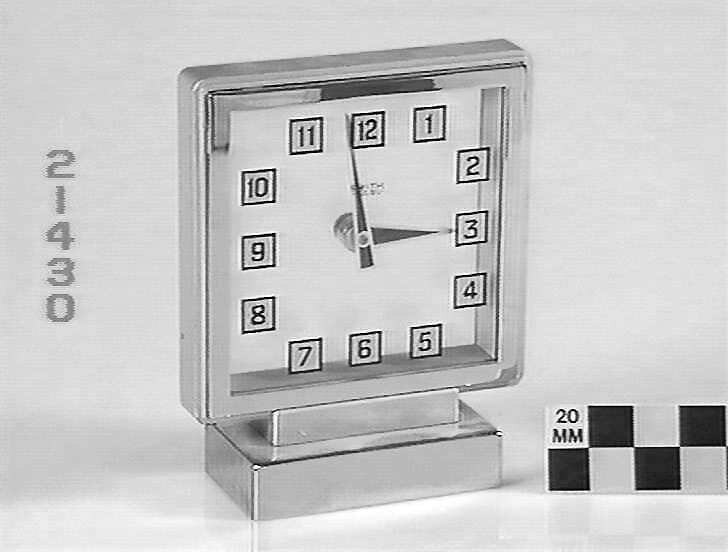
Clock
Electric mystery clock by Smiths English Clocks
“This electric mystery clock was produced by Smiths English Clocks Ltd, based in Cricklewood, England, circa 1938. The design consists of two squares of glass housed within a met…”