
Glossary · Complication
Snail
A stepped cam read by a rack tail to select a striking count; not the sounding mechanism itself.
Explanation
An hour-striking snail has successive steps at different radii. As the hour-linked cam turns, the step presented to the rack tail limits how far the rack can fall. A deeper permitted fall leaves more rack teeth to be gathered and therefore a longer intended striking sequence. The cam's outline is read mechanically; it does not power the striking train or sound a bell.
In a common twelve-hour clock the hour snail follows the hour indication through a twelve-hour cycle. Repeating mechanisms may use additional cams for quarters and minutes, with different steps and linkages. Identify which snail is meant before applying a clock hour diagram to a watch. A snail is also distinct from a count wheel's notched locking path and from snailing as a surface-finishing term.
A displaced hand or faulty rack interaction can cause a mismatch even when a snail is present. The claim that rack-and-snail work always sounds the hour shown is therefore too strong without condition and assembly qualifications. Record visible cam position only where actually examined, and keep the observed sound sequence separate from a proposed cause. Snail-themed watch decoration is not a photograph of a striking cam.
Sources & references
- https://en.wikipedia.org/wiki/Striking_clock
- https://www.icon.org.uk/conservation-hub/caring-for-your-collections/clocks.html
Where sources disagree, the disagreement is stated rather than resolved silently.
Distinctions at a glance
| Mechanism | Count reference | Qualification |
|---|---|---|
| Clock hour snail | Hour-linked cam steps | Exact layout varies |
| Repeater cams | Hours, quarters or minutes | Not one universal cam |
| Count wheel | Separate strike-sequence position | Not a snail |
| Snailing finish | Surface decoration | Not a counting cam |
What to record
- Identify hour, quarter or minute count context.
- Locate the rack tail that reads the cam.
- Separate visible construction from inferred striking faults.
Do not push a rack tail onto a snail or rotate a loaded mechanism to stage a photograph.
In the object catalogue
Catalogued objects whose own source record mentions “Snail”. The quoted line shows where; it is the seller’s or museum’s wording, not independent verification.
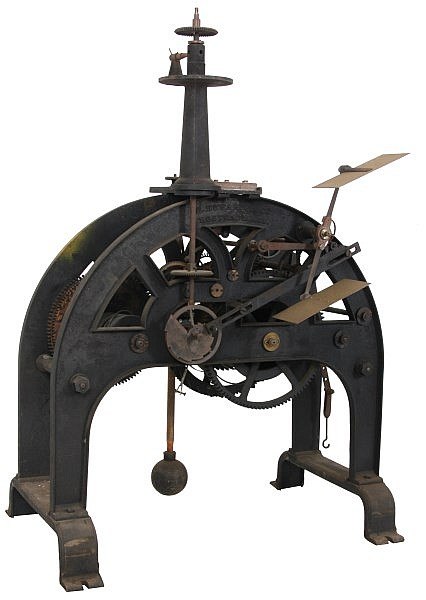
Clock
E. Howard Round Top Tower Clock
“This large tower clock mechanism by E. Howard & Co. of Boston, Massachusetts, features arched pierced cast iron side frames. According to the auction catalog, it is constructed …”
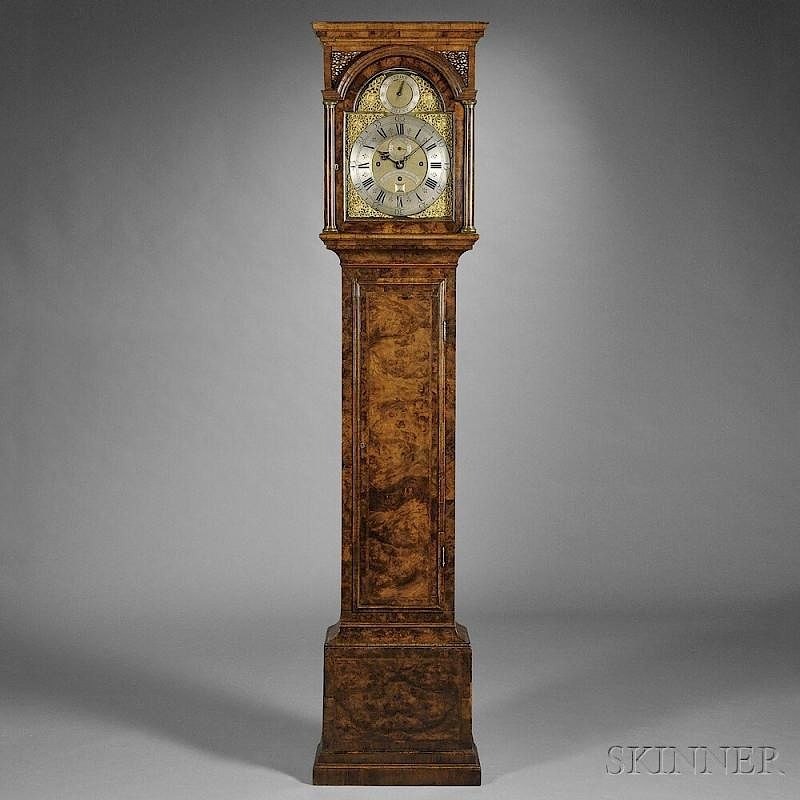
Clock
John Bushman Quarter-striking Longcase Clock
“This antique longcase clock, dating to circa 1725, is reported by the auction source as originating in London and signed on the maker's boss 'John Bushman/London'. The burl waln…”
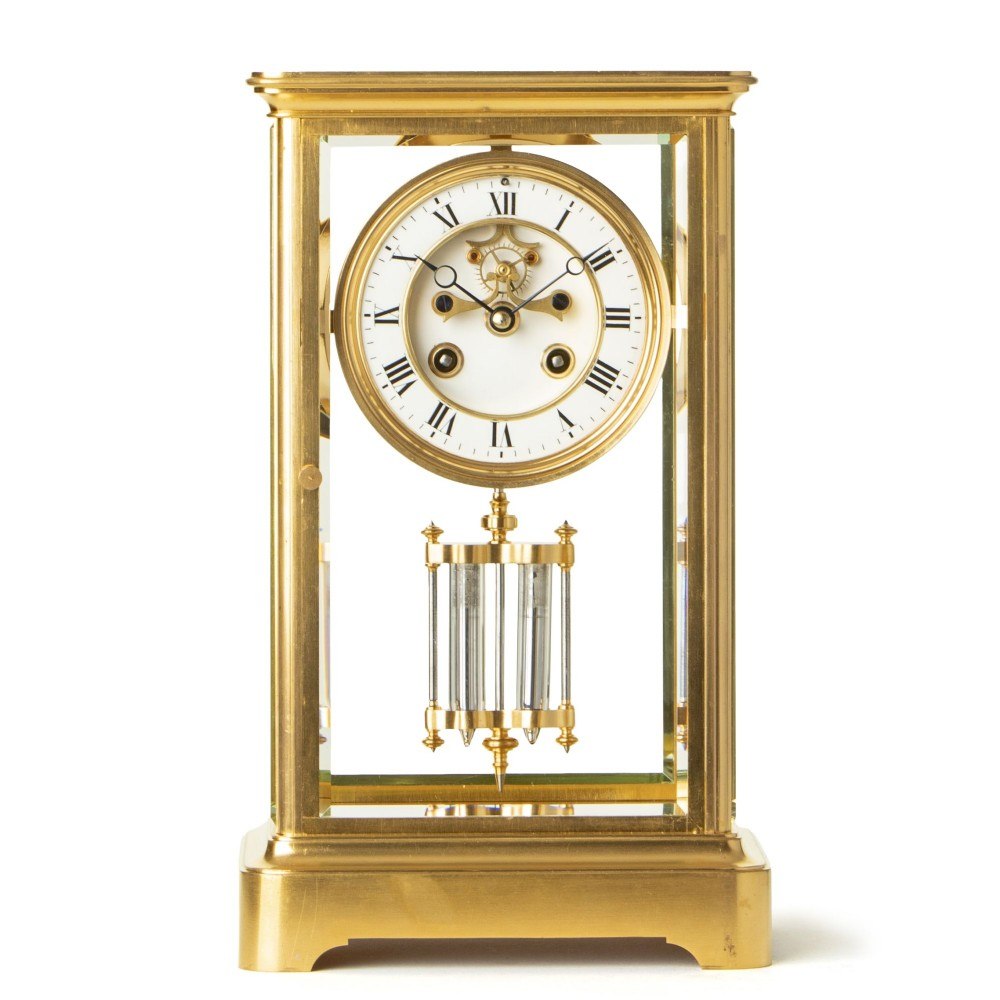
Clock
A Small French Striking Four Glass Clock
“Reported by the dealer to date to circa 1875, this French striking four-glass mantel clock is housed in a rectangular gilded brass case fitted with bevelled glass panels and sta…”
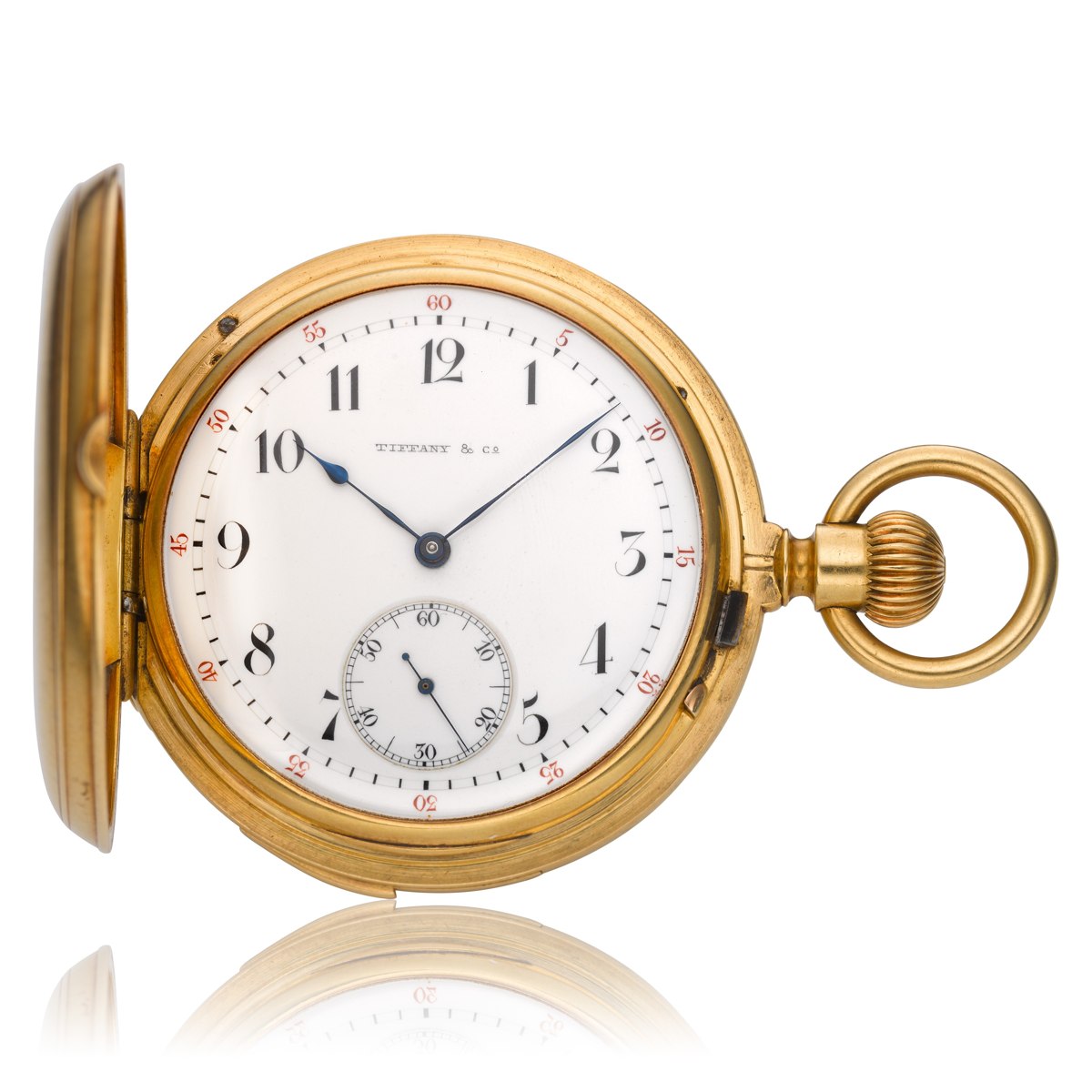
Pocket watch
Tiffany & Co. 5-Minute Repeating Hunting Case Pocket Watch
“This circa 1890s hunting case pocket watch by Tiffany & Co. features a 53 mm 18K yellow gold case housing a manual-wind movement equipped with a 5-minute repeater. According to …”
Clock
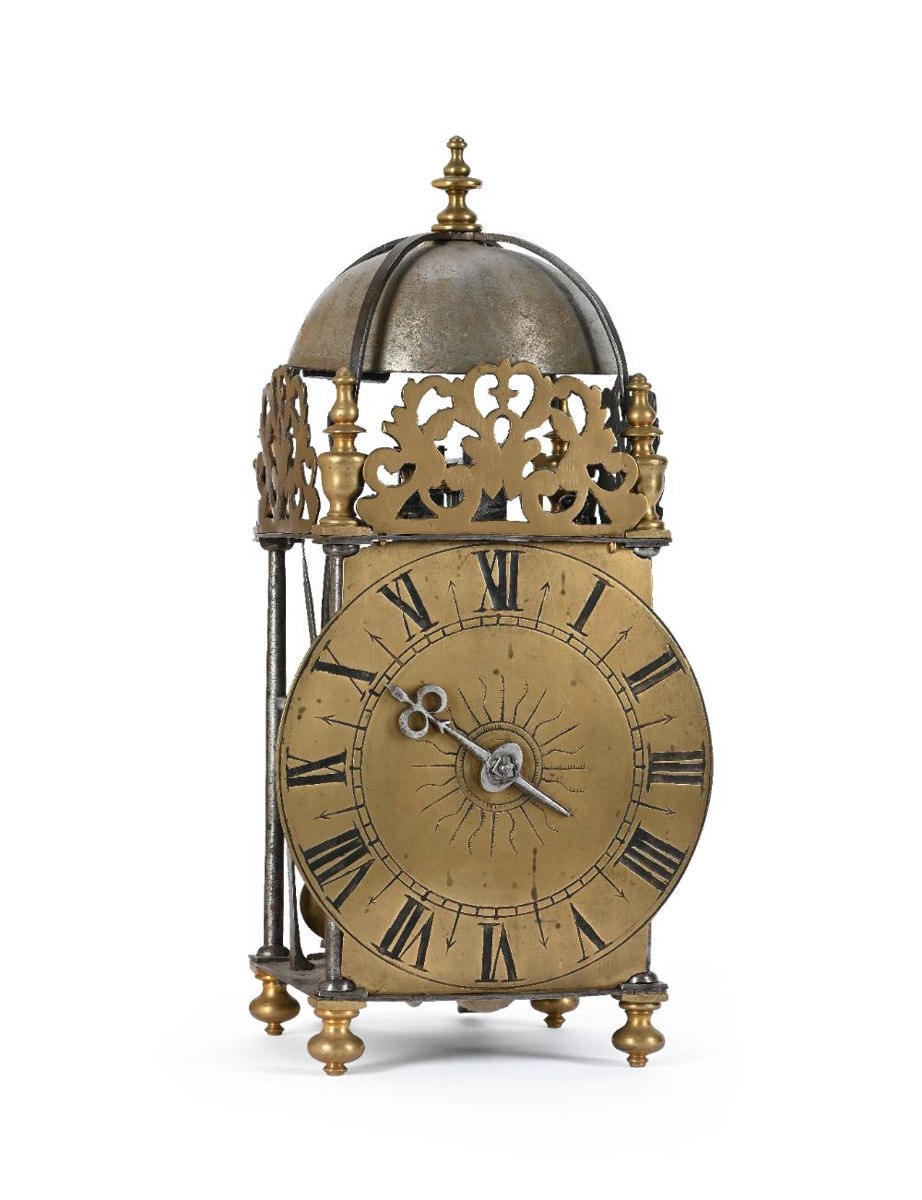
French Louis XV iron-framed rack-striking lantern clock with trip-hour repeat
“This unsigned French Louis XV lantern clock dates to circa 1730 and features an iron-framed posted bell-striking movement with separately wound brass wheel trains. The going tra…”
Pocket watch
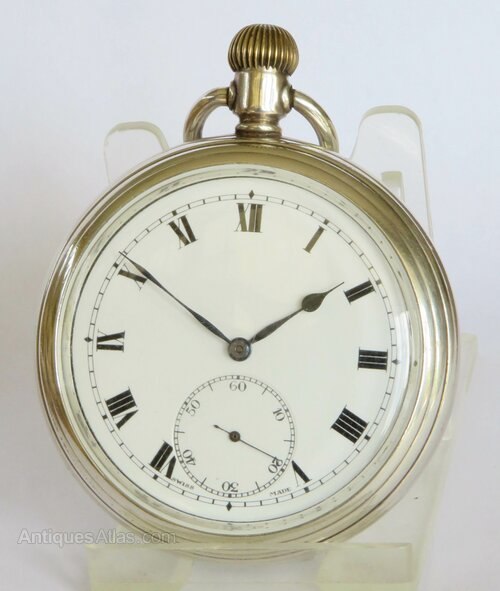
1930s Revue pocket watch
“This open-face pocket watch dates to the 1930s and contains a Swiss 17-jewel stem-winding movement identified by the seller as Revue. According to the seller, the movement inclu…”