
Glossary · Collecting
Recased
A movement fitted into a case other than its original one; a condition and originality fact, not necessarily a defect.
Explanation
A recased watch is one whose movement has been transferred to a different case. This happened for many reasons: a worn or unfashionable case replaced, a pocket-watch movement converted to a wristwatch, or a damaged case substituted. Recasing is common in the survival history of older movements and is not concealed by honest description — but it must be detected and recorded.
Evidence includes mismatched hallmarks and movement dates, case-screw marks on the movement plates that do not match the present case, a dial whose feet or style do not suit the case, and a winding crown position that fights the movement's layout. A marriage of movement and case from different periods is a recasing whether or not deception was intended.
Record the case marks, movement marks and any fitting evidence separately, and state the conclusion as 'movement and case associated' rather than inventing a shared date. A recased watch can still be a fine and honest object; its value and interpretation simply follow both histories.
Sources & references
- de Carle, D., Practical Watch Repairing — technical further reading; exact procedures require calibre documentation
- Reymondin et al., The Theory of Horology — construction and terminology further reading
Where sources disagree, the disagreement is stated rather than resolved silently.
Distinctions at a glance
| Evidence | What it shows | Limit |
|---|---|---|
| Case and movement dates differ | Association is not original | Either part may be misread |
| Unmatched case-screw marks on plates | A previous case existed | Does not date the transfer |
| Dial feet or style mismatched | Dial or case changed | Dials are also replaced alone |
| Honest description as a marriage | Both histories acknowledged | A trade listing may omit it |
What to record
- Compare case and movement dates independently.
- Record fitting marks and dial evidence.
- State association honestly in any description.
Do not force a movement into a case it does not fit; adaptor rings and bent plates destroy evidence and value.
In the object catalogue
Catalogued objects whose own source record mentions “Recased”. The quoted line shows where; it is the seller’s or museum’s wording, not independent verification.
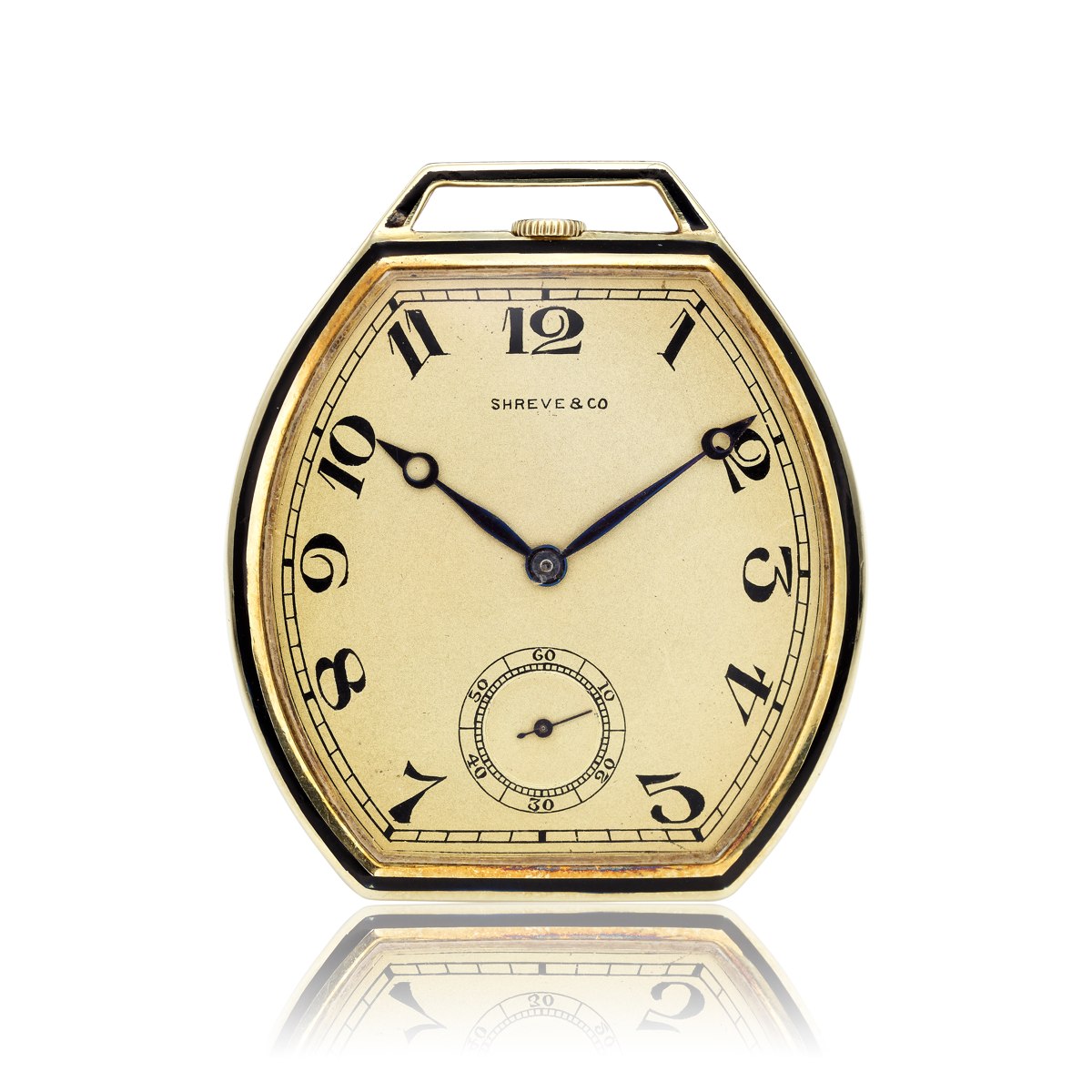
Pocket watch
Audemars Piguet for Shreve & Co. 14k Gold and Enamel Pocket Watch
“This open-face pocket watch features a manual-wind Audemars Piguet caliber 17 SVK movement retailed by Shreve & Co. Source notes date the movement to circa 1916. The watch is ho…”
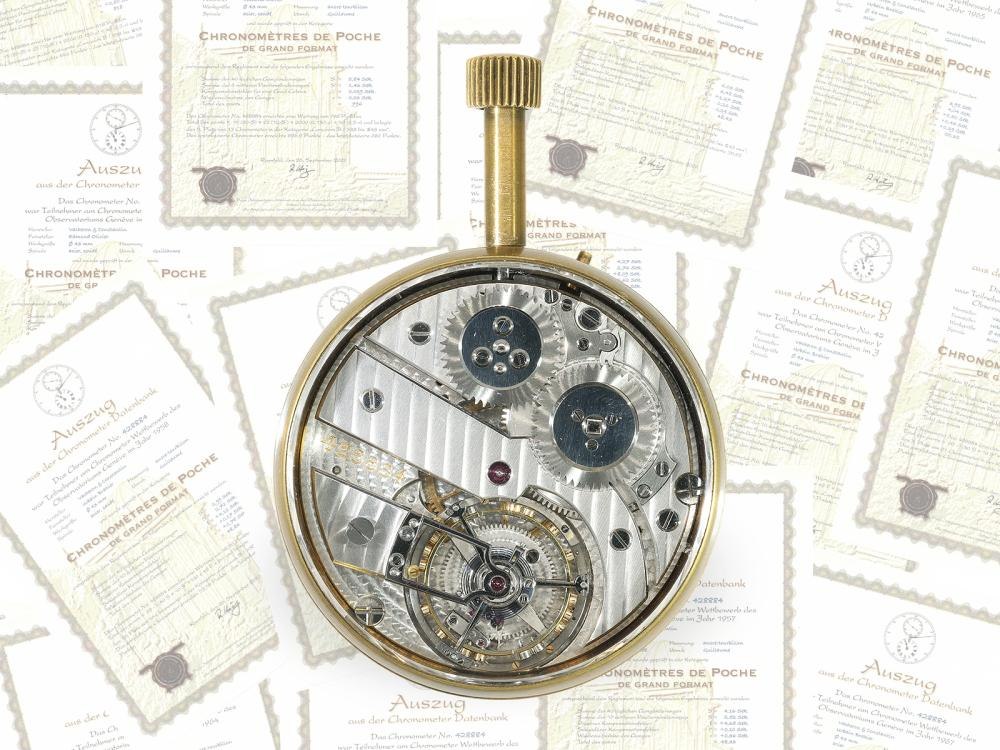
Pocket watch
Vacheron & Constantin Tourbillon Observatory Chronometer No. 428884
“This Vacheron & Constantin observatory chronometer, serial number 428884, is a specialized timing instrument produced around 1940 for participation in competitive events at the …”