
Glossary · Regulation
Poising
Balancing a balance wheel so it has no heavy spot in any position.
Explanation
Poising is balancing the balance wheel so it has no heavy point: rested on knife-edges in a poising tool, a poised balance stays in any position. Out-of-poise balances lose or gain differently in vertical positions. Poising is corrected by removing metal from the heavy side or adjusting screws, and is fundamental to positional adjustment.
In the object catalogue
Catalogued objects whose own source record mentions “Poising”. The quoted line shows where; it is the seller’s or museum’s wording, not independent verification.
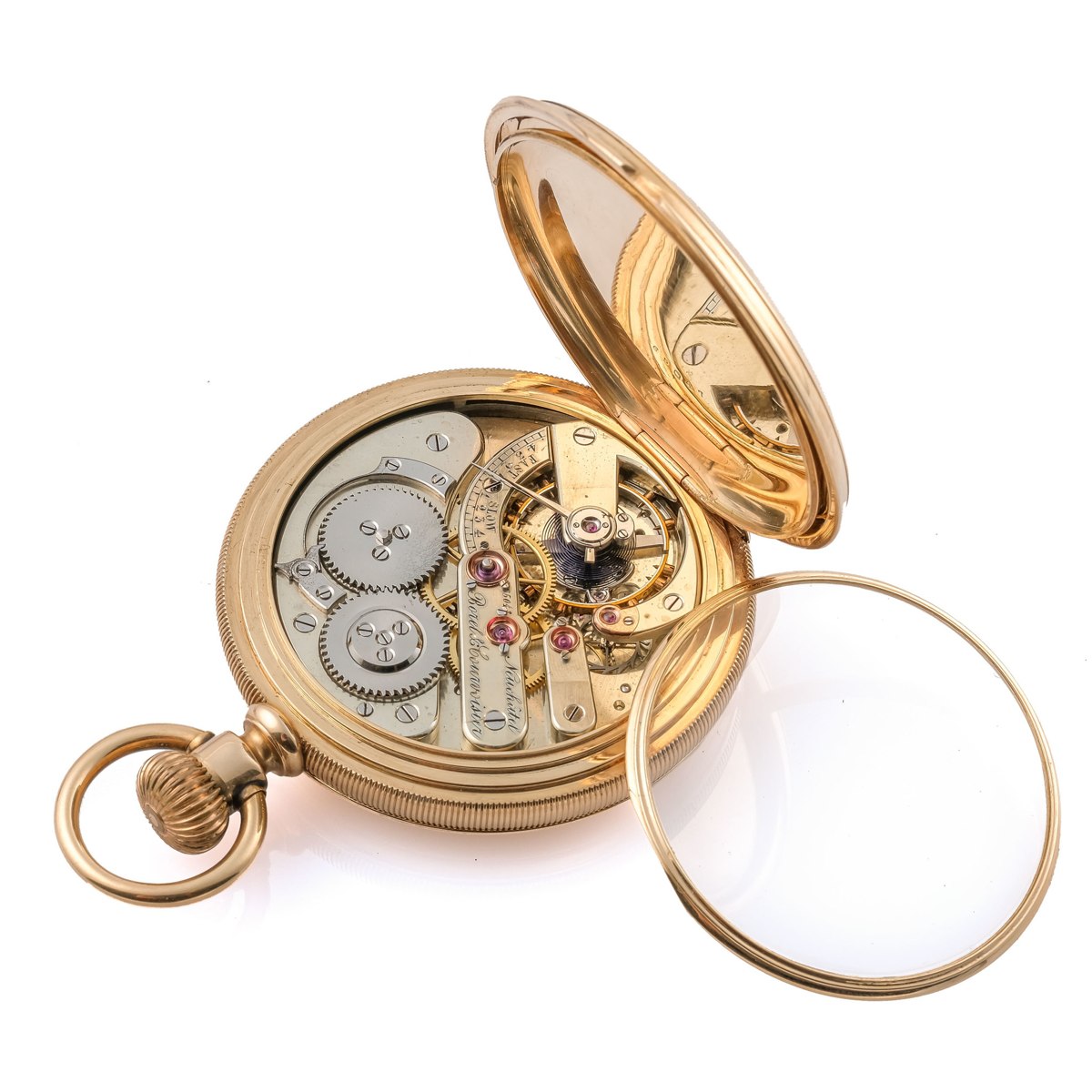
Pocket watch
Borel & Courvoisier 18K Yellow Gold Hunting-Case Pocket Watch
“According to the auction catalog, this 18K yellow gold hunting-case pocket watch was manufactured circa 1880–1890 by Borel & Courvoisier, Neuchâtel. Measuring 53 mm in diameter …”
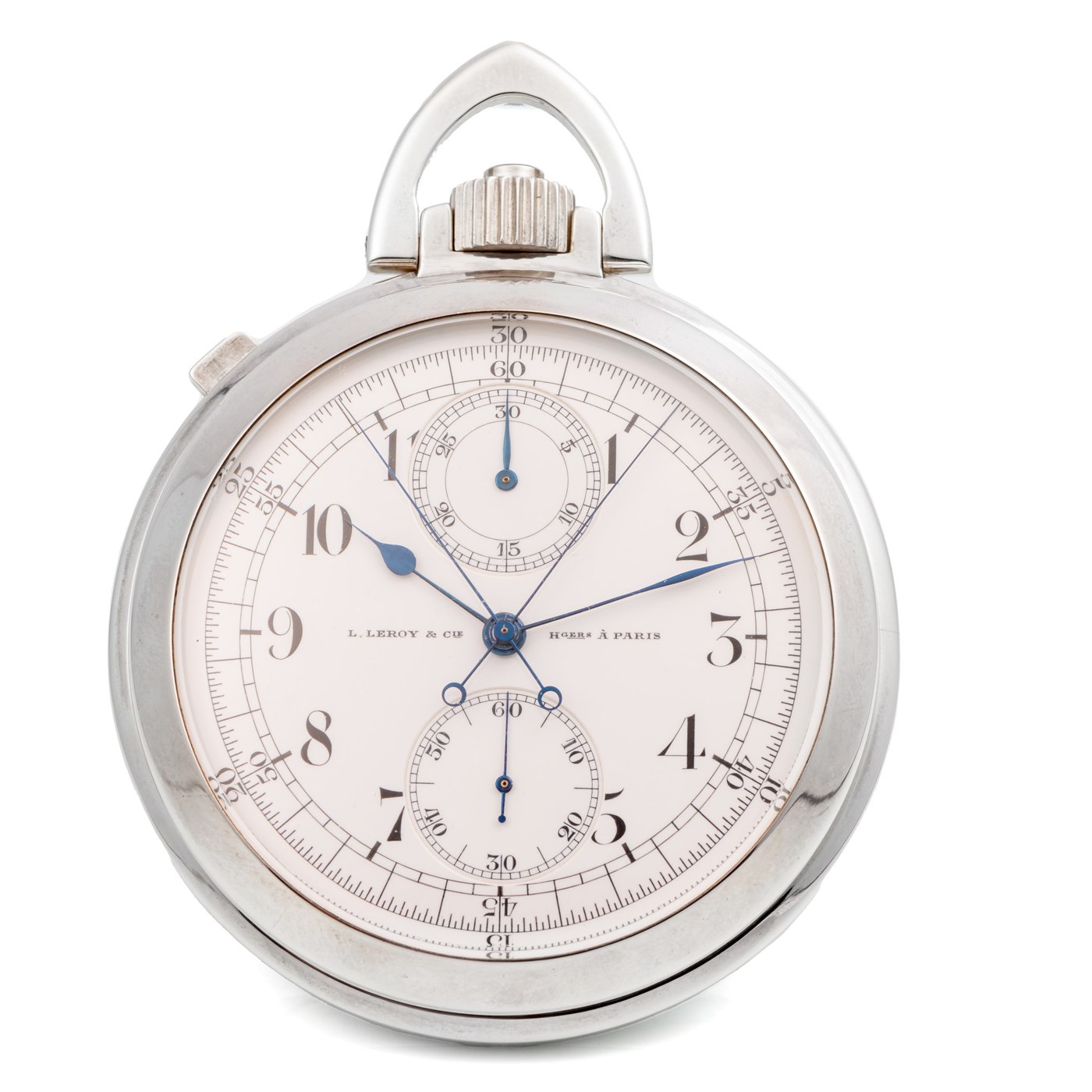
Pocket watch
L. Leroy & Cie Oversized Pocket Chronometer No. 18902
“This L. Leroy & Cie pocket chronometer, movement number 18902, is an oversized, keyless-winding scientific instrument featuring a split-seconds chronograph and an instantaneous …”
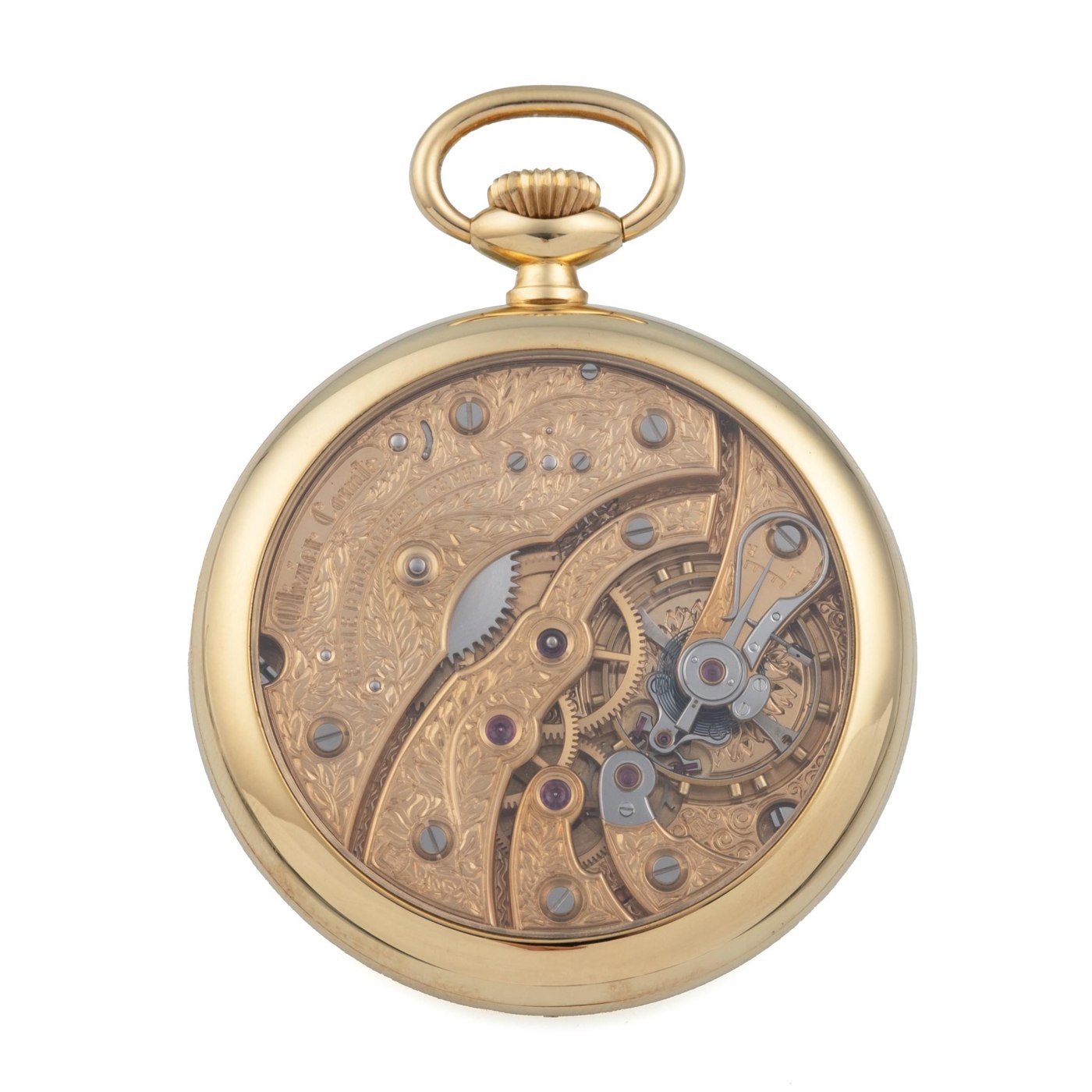
Pocket watch
Ecole d'Horlogerie Genevoise Pièce École Pocket Watch
“This manual wind open-face chronometer pocket watch is a 'Pièce École' created by Olivier Comte as part of his training at the Ecole d'Horlogerie Genevoise. The watch features a…”
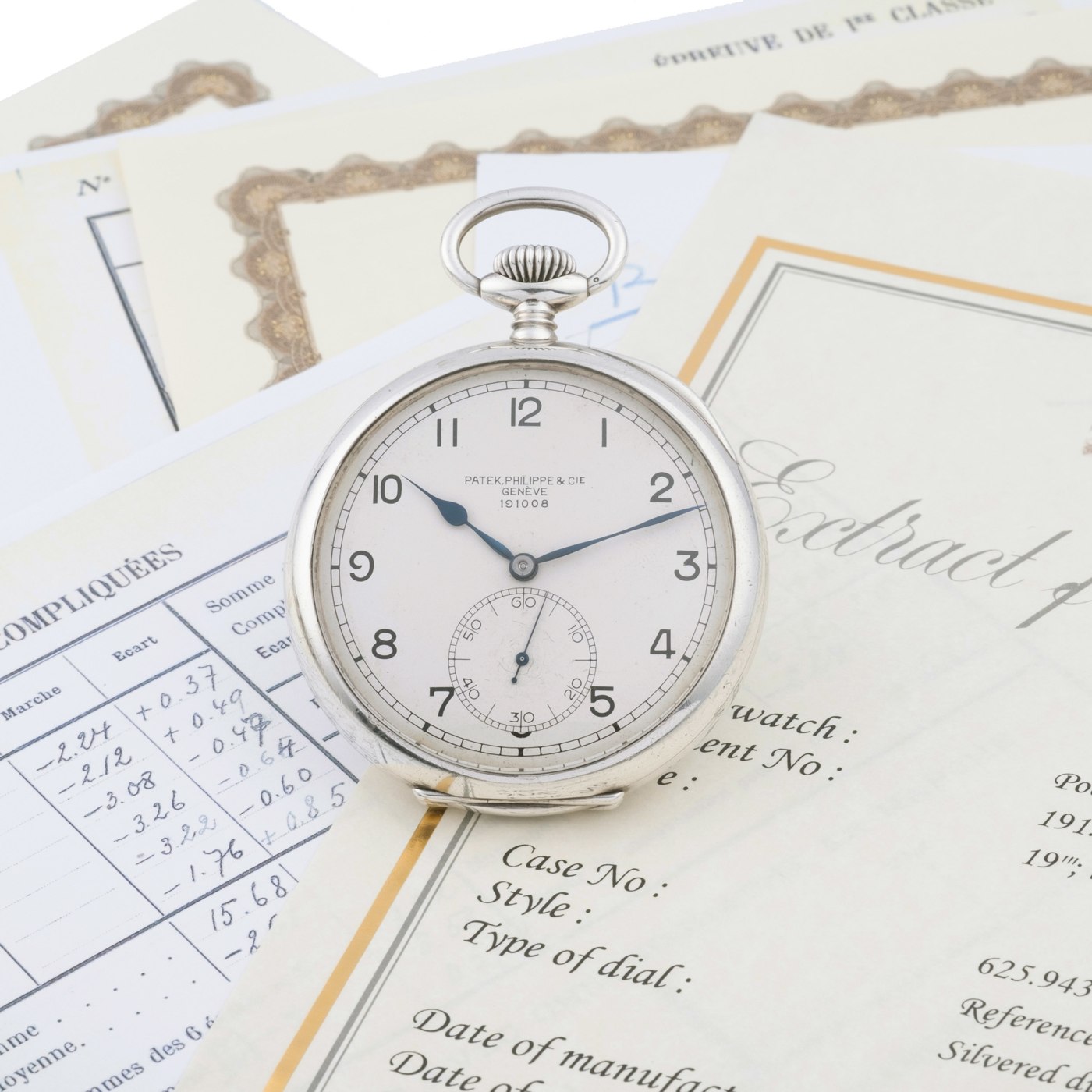
Pocket watch
Patek Philippe Ref. 738 Pocket Chronometer
“This Patek Philippe Ref. 738 pocket chronometer, manufactured in 1921, is described as a "Deck-Watch" intended for scientific use. Housed in a 0.925 silver open-face case measur…”
Pocket watch
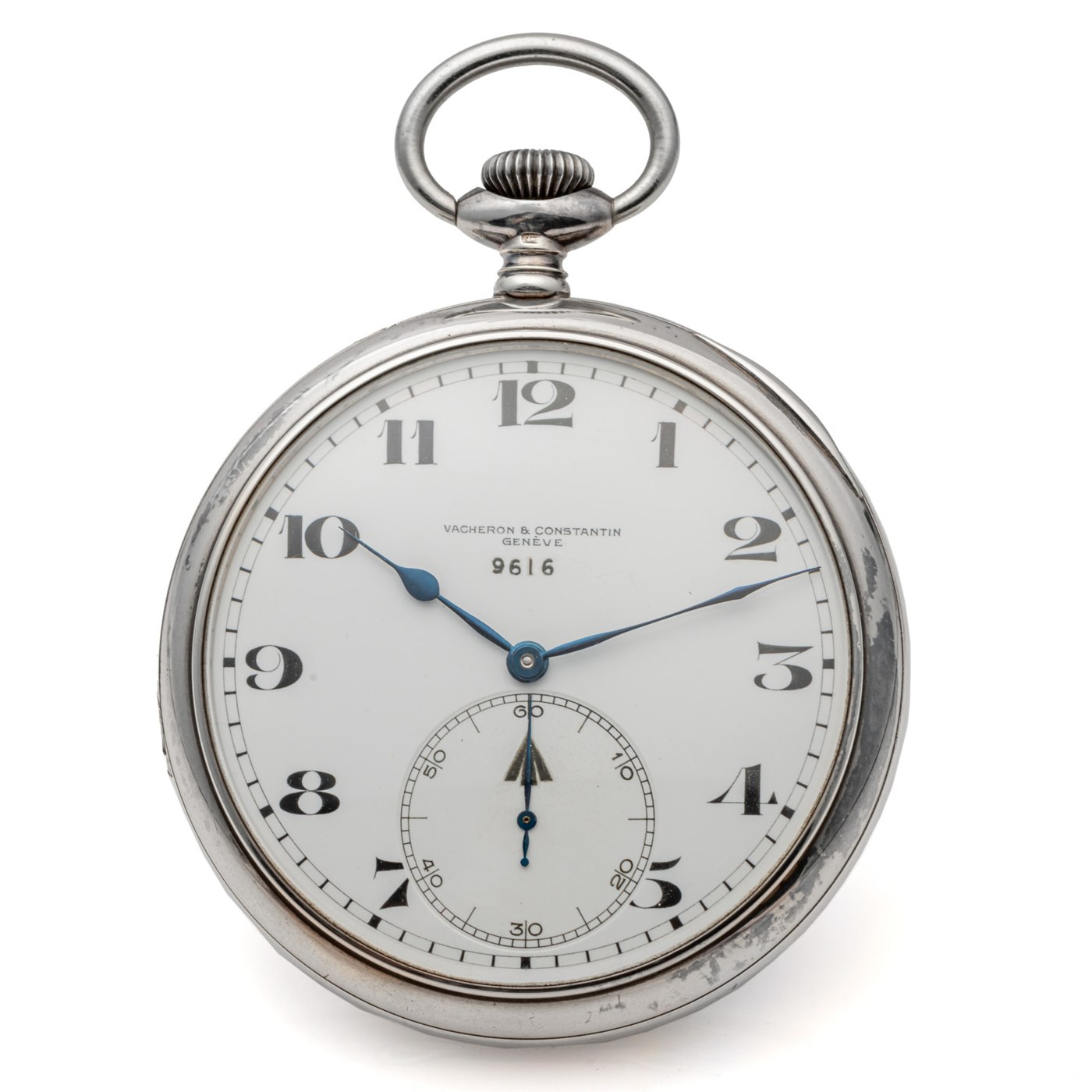
Vacheron Constantin Deck Watch
“This large, open-face, keyless-winding pocket chronometer, described as a "Deck-Watch," was manufactured by Vacheron Constantin circa 1941 for the British hydrographic service. …”
Clock
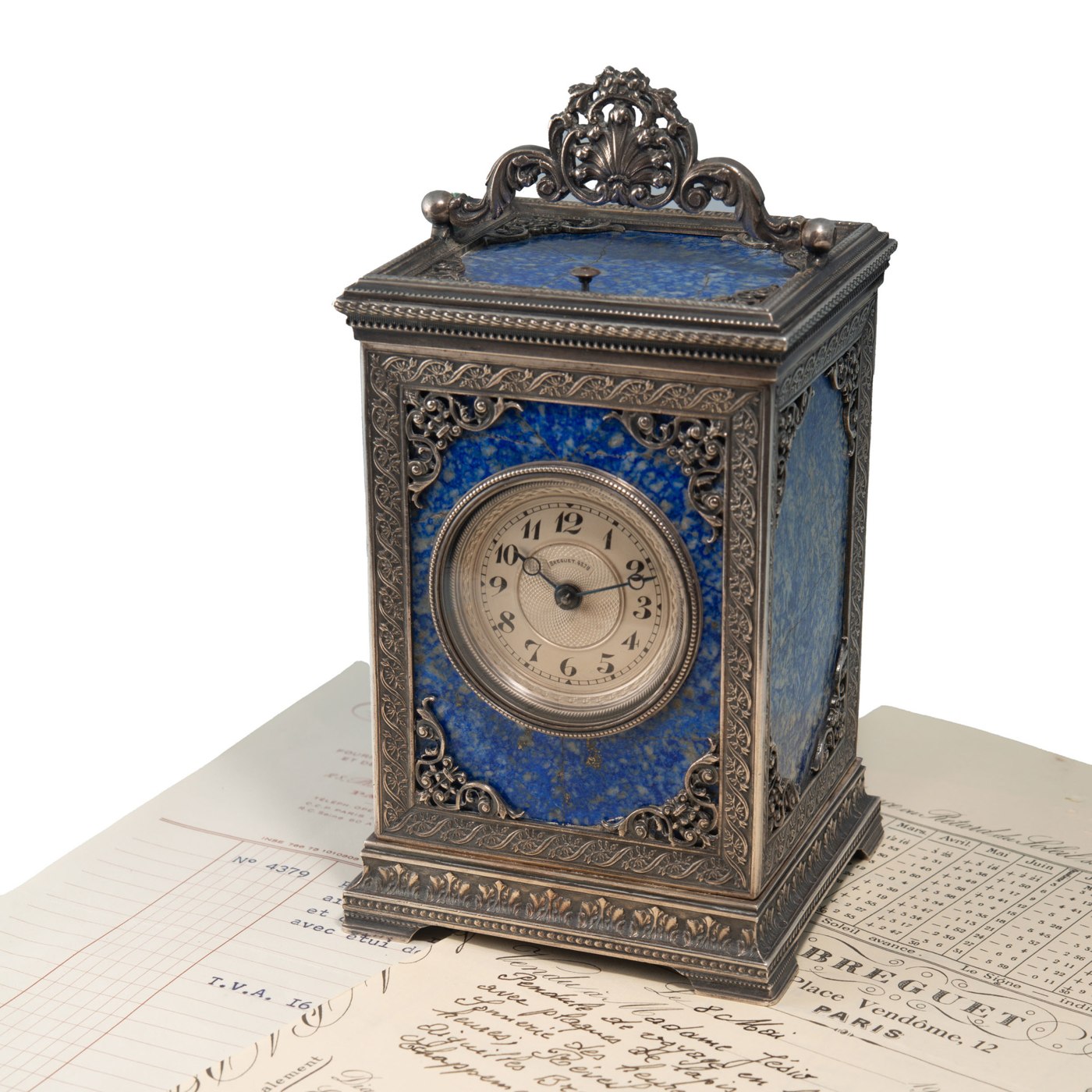
Breguet Carriage Clock
“This eight-day going carriage clock, manufactured in France and sold in May 1924, features a vertical rectangular case constructed of silvered bronze and inset lapis-lazuli pane…”