Glossary · Trade
Etching
Using acid or chemicals to engrave a design into metal.
Explanation
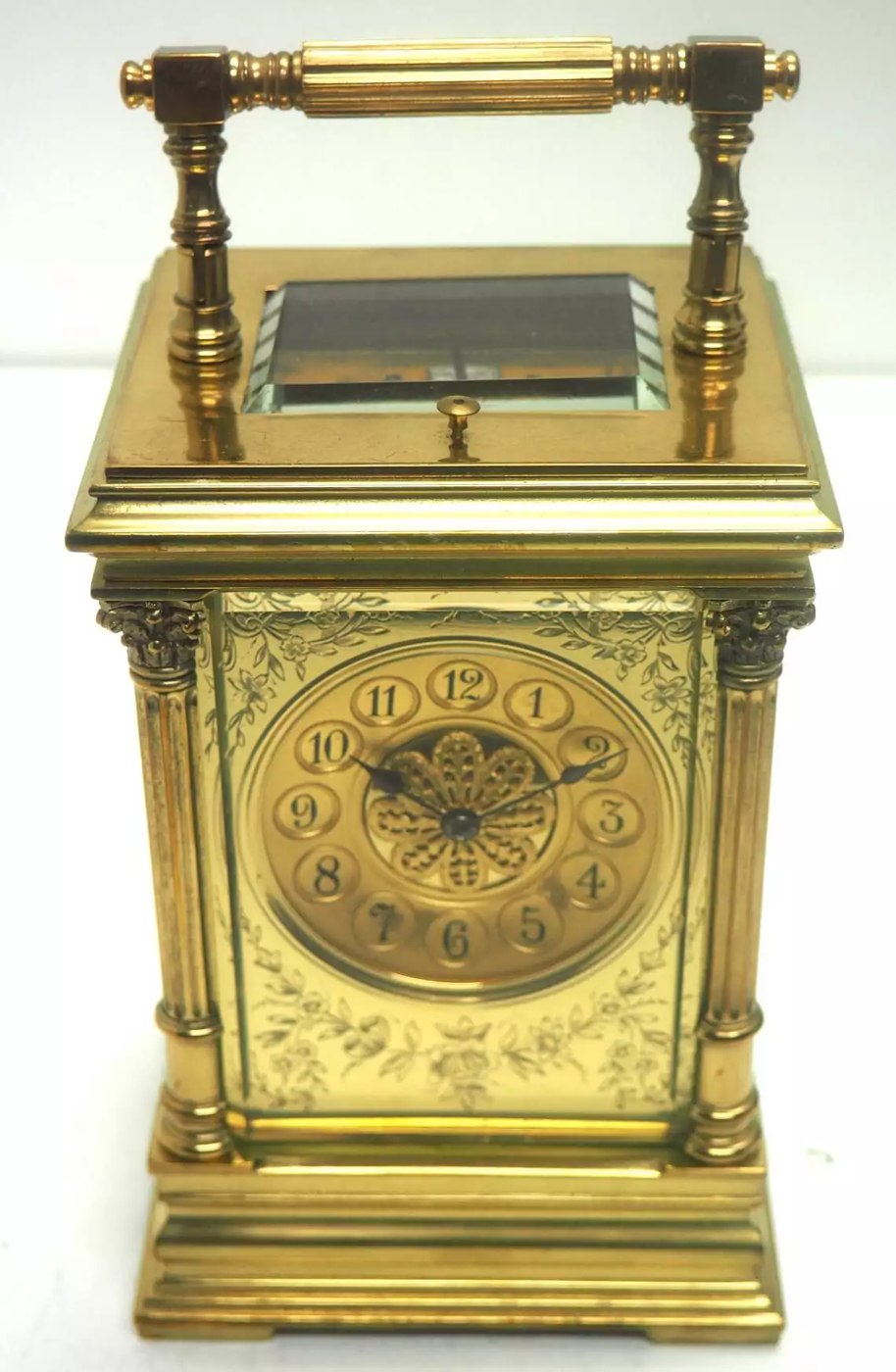
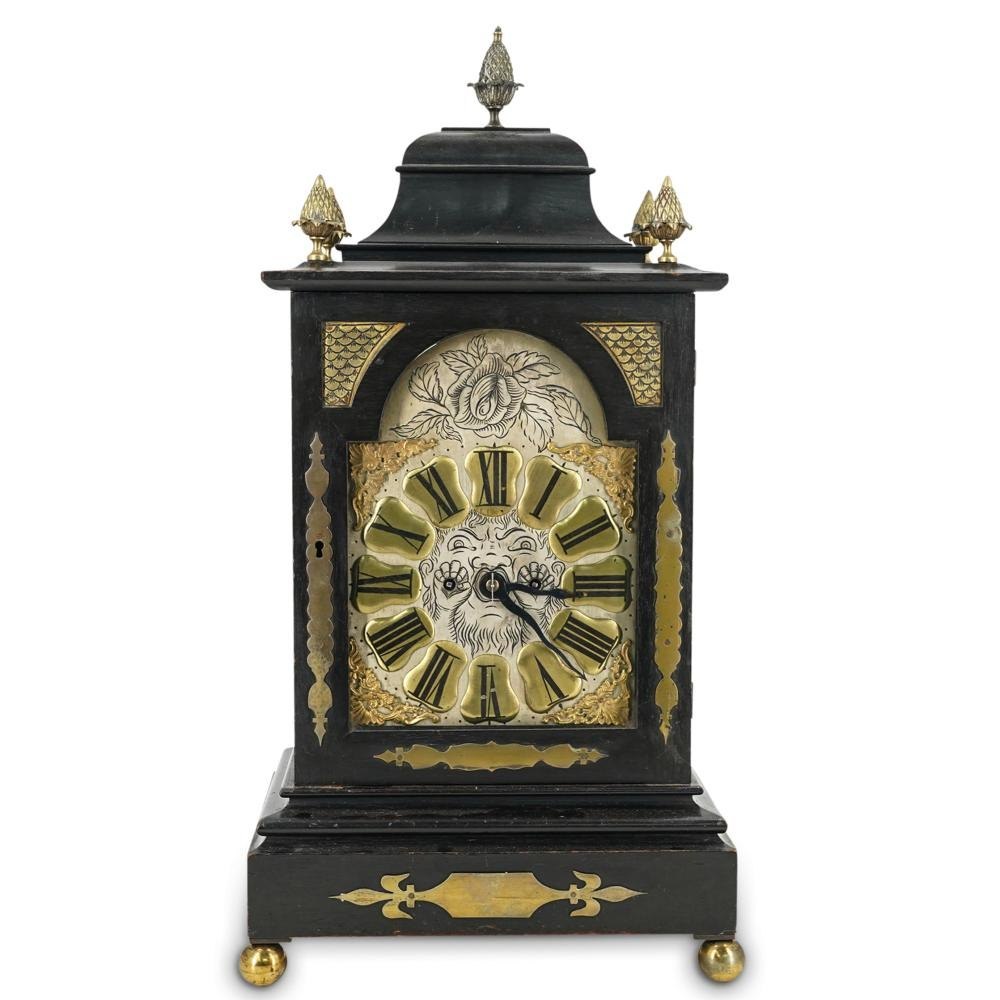
Etching uses acid or another chemical to remove metal through a protective coating, or resist, leaving the design below the surface. It is used for dial scales, case decoration, movement markings and, in modern watchmaking, for producing silicon parts by deep reactive-ion etching.
Etched markings on dials and plates differ from engraved and printed ones. Etched lines have softer edges than engraved lines and survive light cleaning better than printing, which helps when judging whether a dial has been restored.
What to record
- Under magnification, etched lines have even depth and rounded edges.
- Compare marking techniques with documented examples of the same reference.
Do not try to clean etched dials with abrasives; the filling in the lines can be lost.
In the object catalogue
Catalogued objects whose own source record mentions “Etching”. The quoted line shows where; it is the seller’s or museum’s wording, not independent verification.