
Glossary · Trade
Finisher
A craftsman completing an ébauche.
Explanation
A finisher completed and prepared a movement or watch from supplied components or an ébauche. The work could include fitting, assembly, adjustment and finishing, but the exact division of tasks varied between trades and periods. Finisher is therefore a production role, not proof that one workshop manufactured every part.
In a dispersed supply chain, movement supplier, finisher, case maker and retailer may be different people or firms. A signature needs evidence about which role it represents. Decorative finish alone cannot identify the workshop. Trade directories, supplier records and inscriptions should be evaluated together, with unresolved responsibility stated explicitly.
Sources & references
- Landes, D., Revolution in Time — organisation of watch production
- Cutmore, M., Watches 1850–1980
Where sources disagree, the disagreement is stated rather than resolved silently.
What to record
- Separate supplier, finisher and retailer roles.
- Transcribe signatures with their component locations.
Do not attribute unsigned work from decoration alone.
In the object catalogue
Catalogued objects whose own source record mentions “Finisher”. The quoted line shows where; it is the seller’s or museum’s wording, not independent verification.
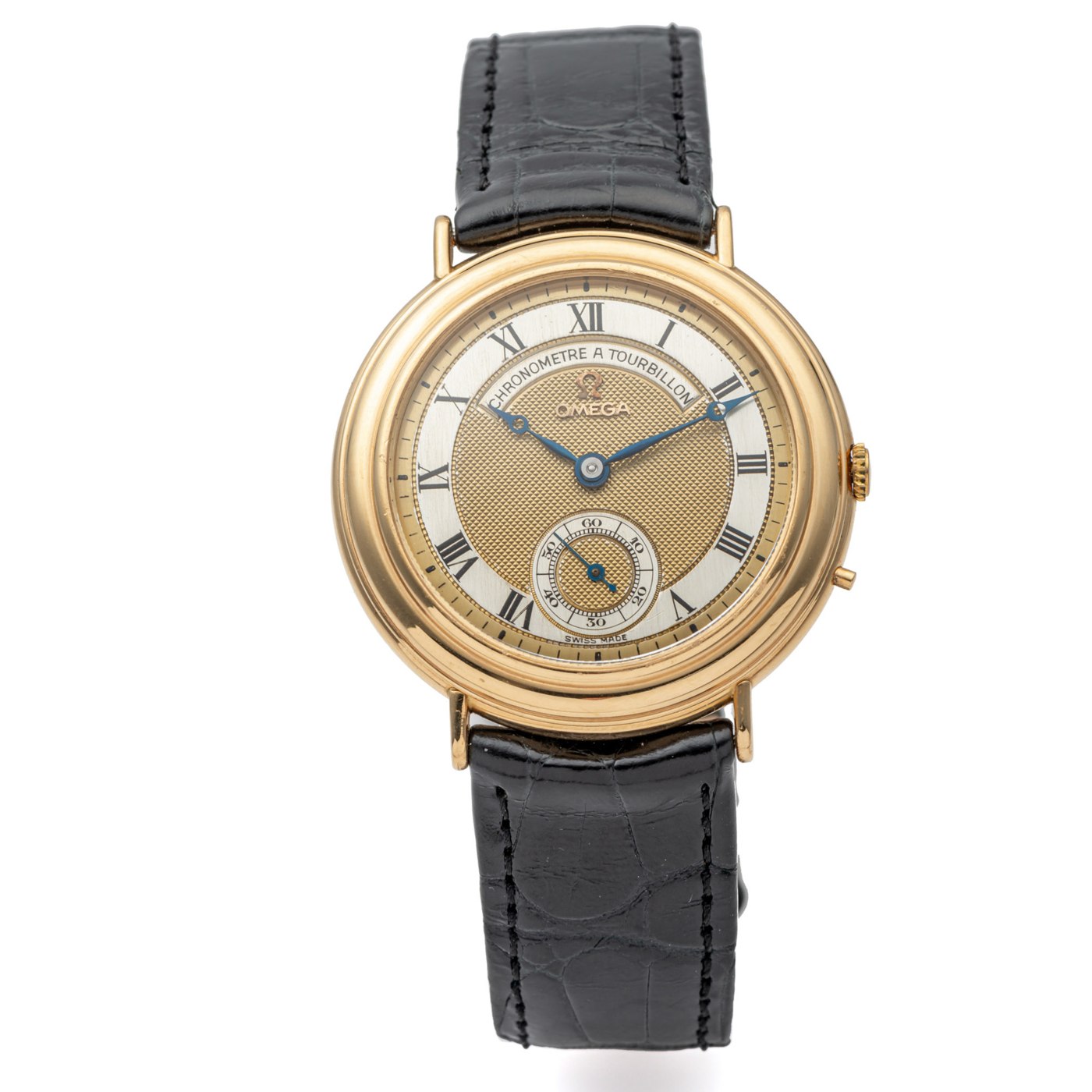
Wristwatch
Omega Chronomètre à Tourbillon wristwatch
“Movement Finisher: Franck Muller”
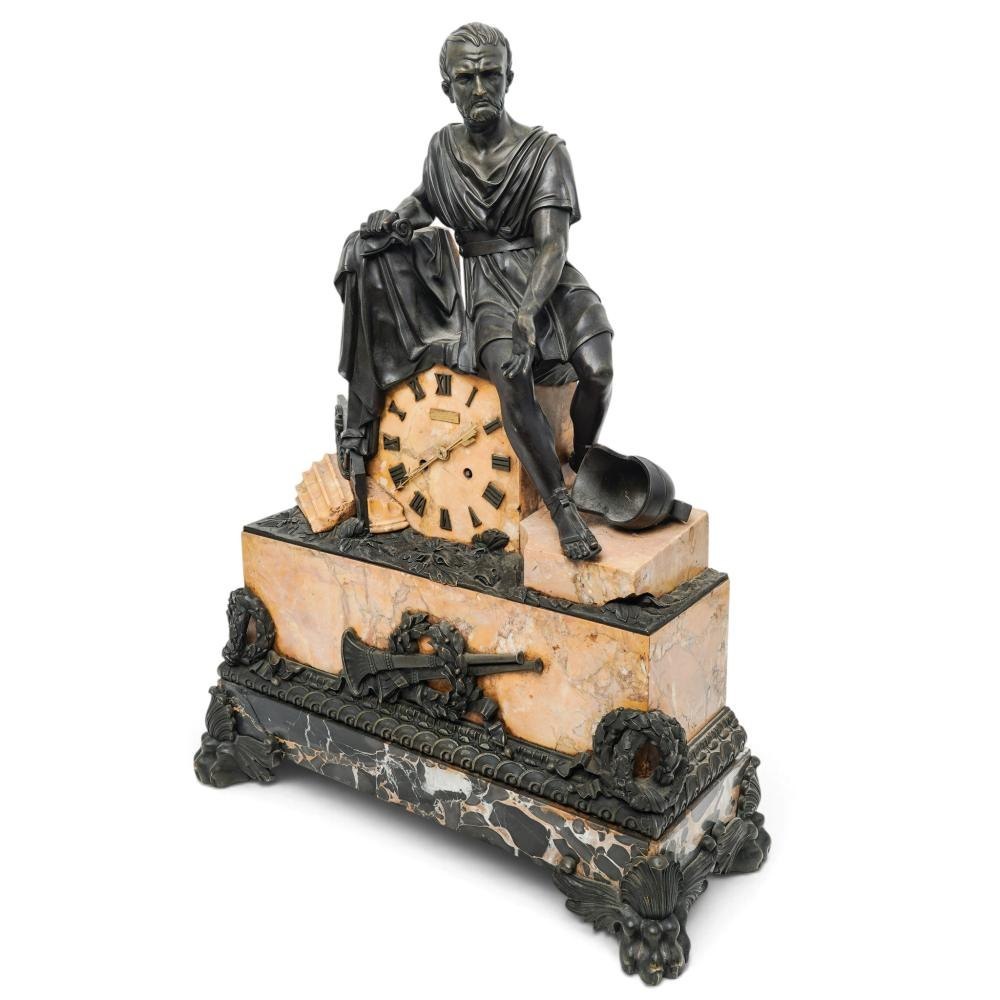
Clock
Jean-Paul Garnier French Figural Mantel Clock
“This French figural mantel clock, dating to approximately 1828–1831, features a composition by retailer and finisher Jean-Paul Garnier of Paris, who held the title of Horloger d…”