
Glossary · Regulation
Bimetallic balance
A split balance rim of two metals that changes shape with temperature to compensate the hairspring.
Explanation
The bimetallic balance has a rim of two fused metals — brass outside, steel inside — cut at two points. As temperature rises, the brass expands more and curls the free rim arms inward, compensating the weakening of the steel hairspring. It made the marine chronometer and precision pocket watch possible and dominated fine watchmaking until nickel-steel (Invar-type) hairsprings with self-compensating alloys displaced it in the 20th century.
In the object catalogue
Catalogued objects whose own source record mentions “Bimetallic balance”. The quoted line shows where; it is the seller’s or museum’s wording, not independent verification.
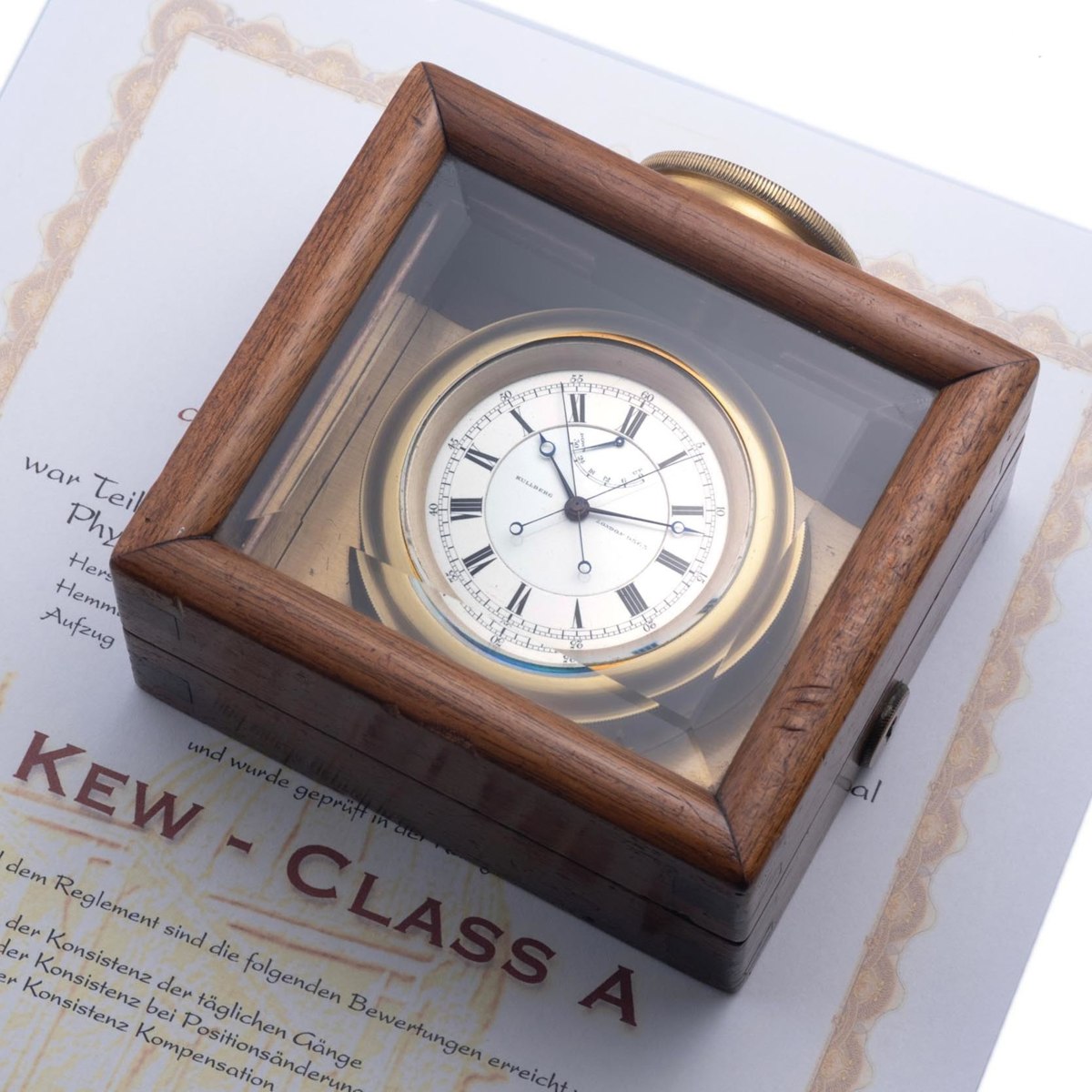
Marine chronometer
Victor Kullberg Spring Detent Deck Chronometer
“This manual-wind deck chronometer by Victor Kullberg features a split-seconds chronograph and an up-and-down 30-hour power reserve indication. Housed in a gilded brass case with…”
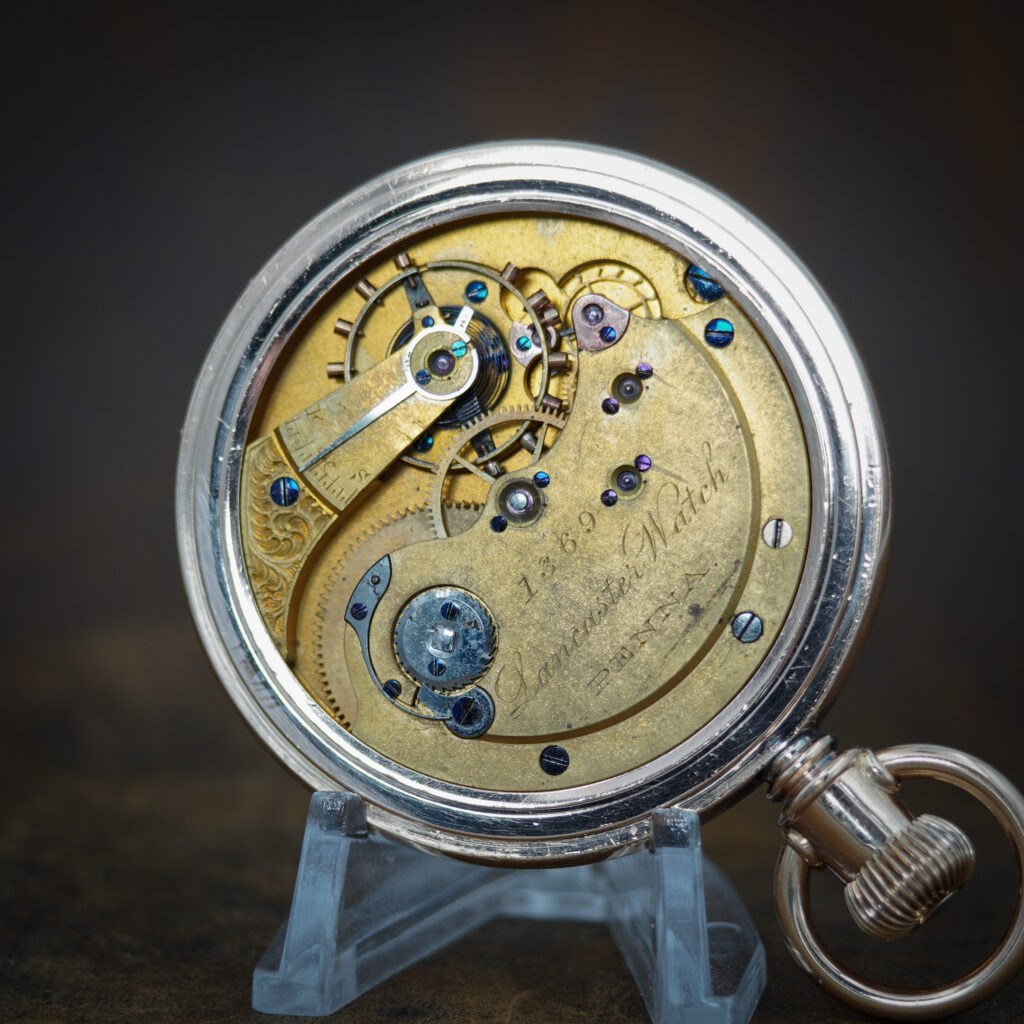
Pocket watch
Adams & Perry No. 3 20-Jewel "Lancaster Watch", Serial No. 1369
“Engraved balance cock with index regulator and bimetallic balance wheel”
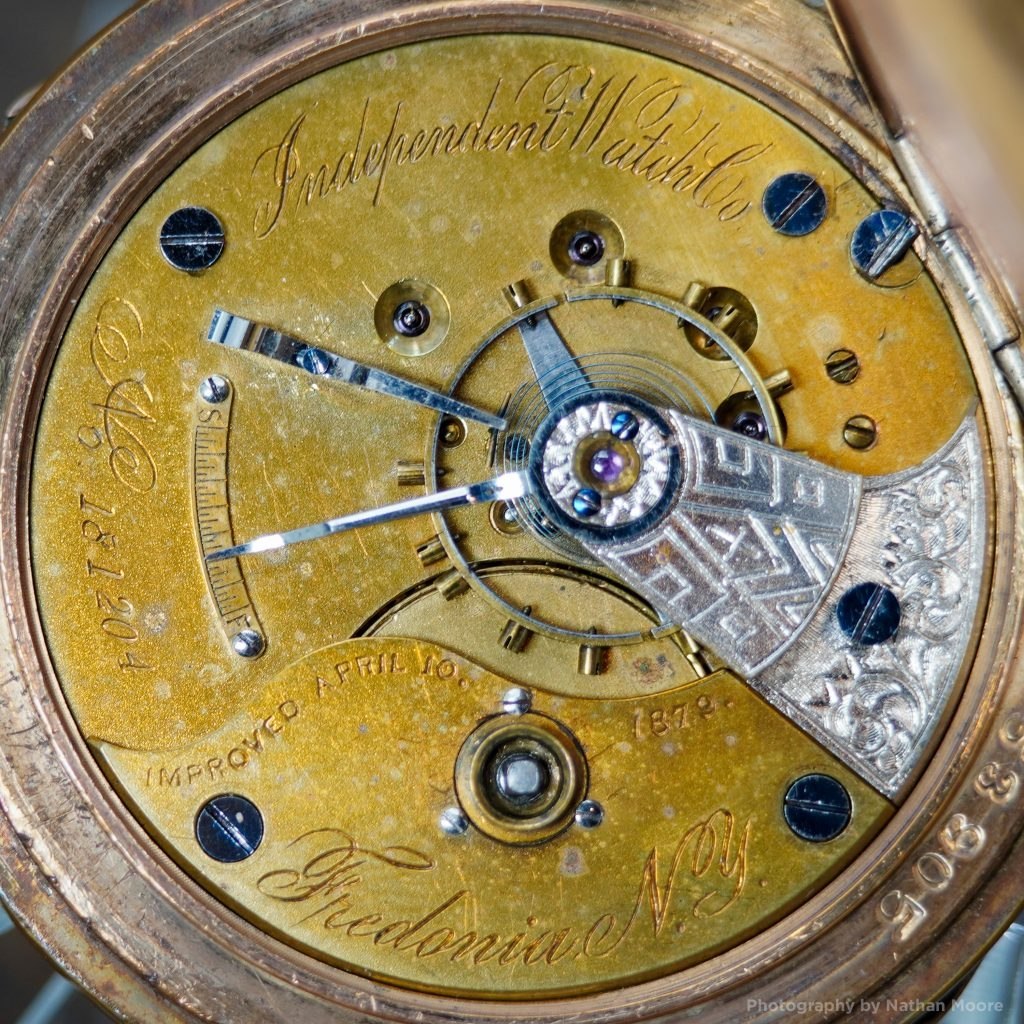
Movement
Independent Watch Co. pocket watch movement No. 181204
“This antique American pocket watch movement was produced by the Illinois Watch Company as a private-label order for the Independent Watch Co. of Fredonia, New York. Bearing engr…”
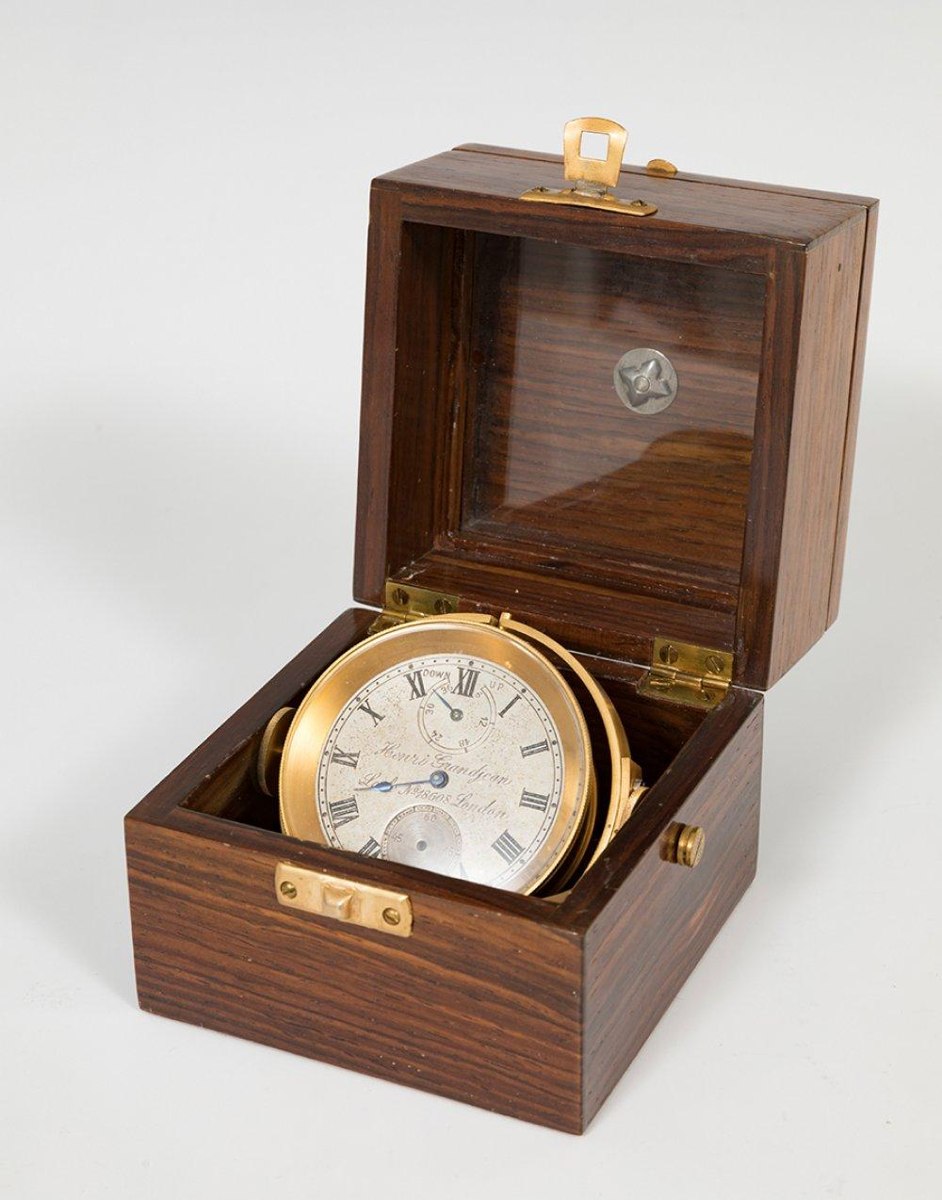
Marine chronometer
Henri Grandjean Maritime Chronometer in Wooden Box
“This nineteenth-century marine chronometer is signed Henri Grandjean and attributed by Setdart Auction House to England. Encased in a gimbaled brass bowl within a fitted dark wo…”
Movement
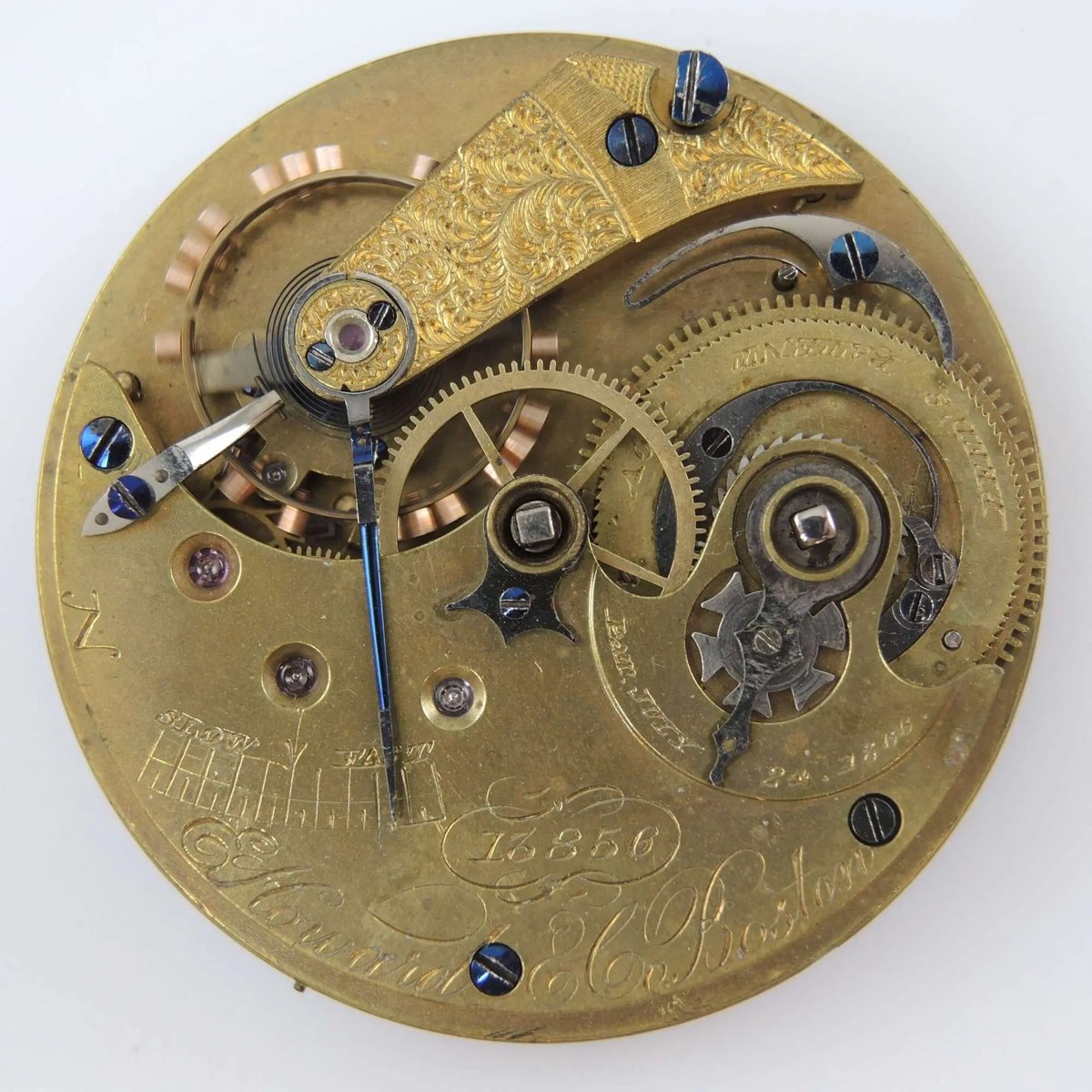
E. Howard & Co. N size Series V No 2 pocket watch movement
“This is an E. Howard & Co., Boston pocket watch movement catalogued as an N size Series V, No 2 key-wound and key-set mechanism dating to circa 1868. Built with a gilt three-qua…”
Pocket watch
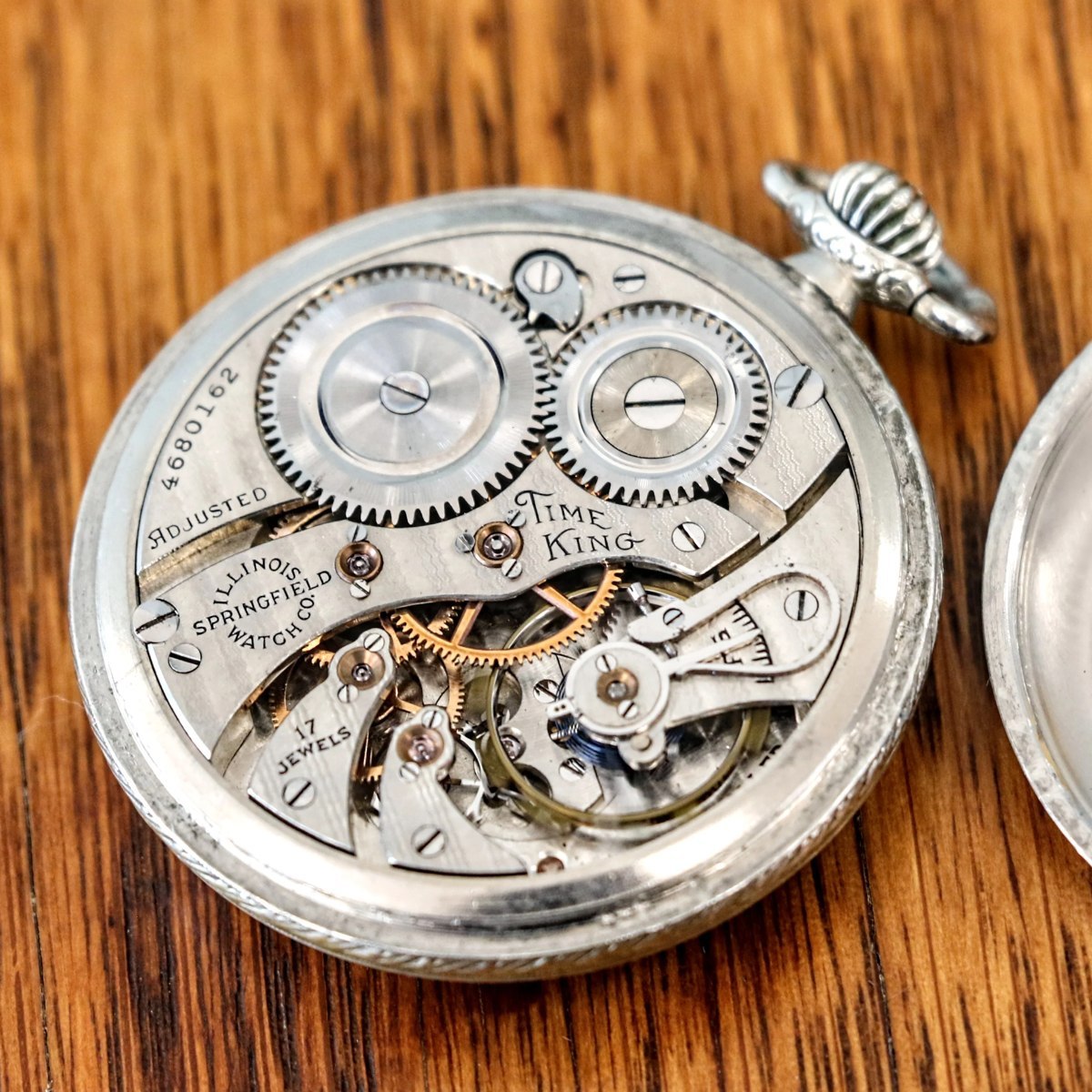
Illinois Watch Co. Time King pocket watch, size 12s, grade 405
“Bimetallic balance wheel with timing screws, blued overcoil hairspring, and micrometric regulator.”