
Glossary · Regulation
Balance
The oscillating wheel that, with its spring, forms a watch's time base.
Explanation
The balance is the weighted wheel that, with the hairspring, forms the timekeeping element of a watch. It swings to and fro at a steady frequency, releasing the escapement one impulse at a time. Older watches used cut bimetallic balances for temperature compensation; most modern ones use monometallic balances with self-compensating alloy hairsprings. Balance quality, poise and adjustment largely decide how well a watch keeps time.
In the object catalogue
Catalogued objects whose own source record mentions “Balance”. The quoted line shows where; it is the seller’s or museum’s wording, not independent verification.
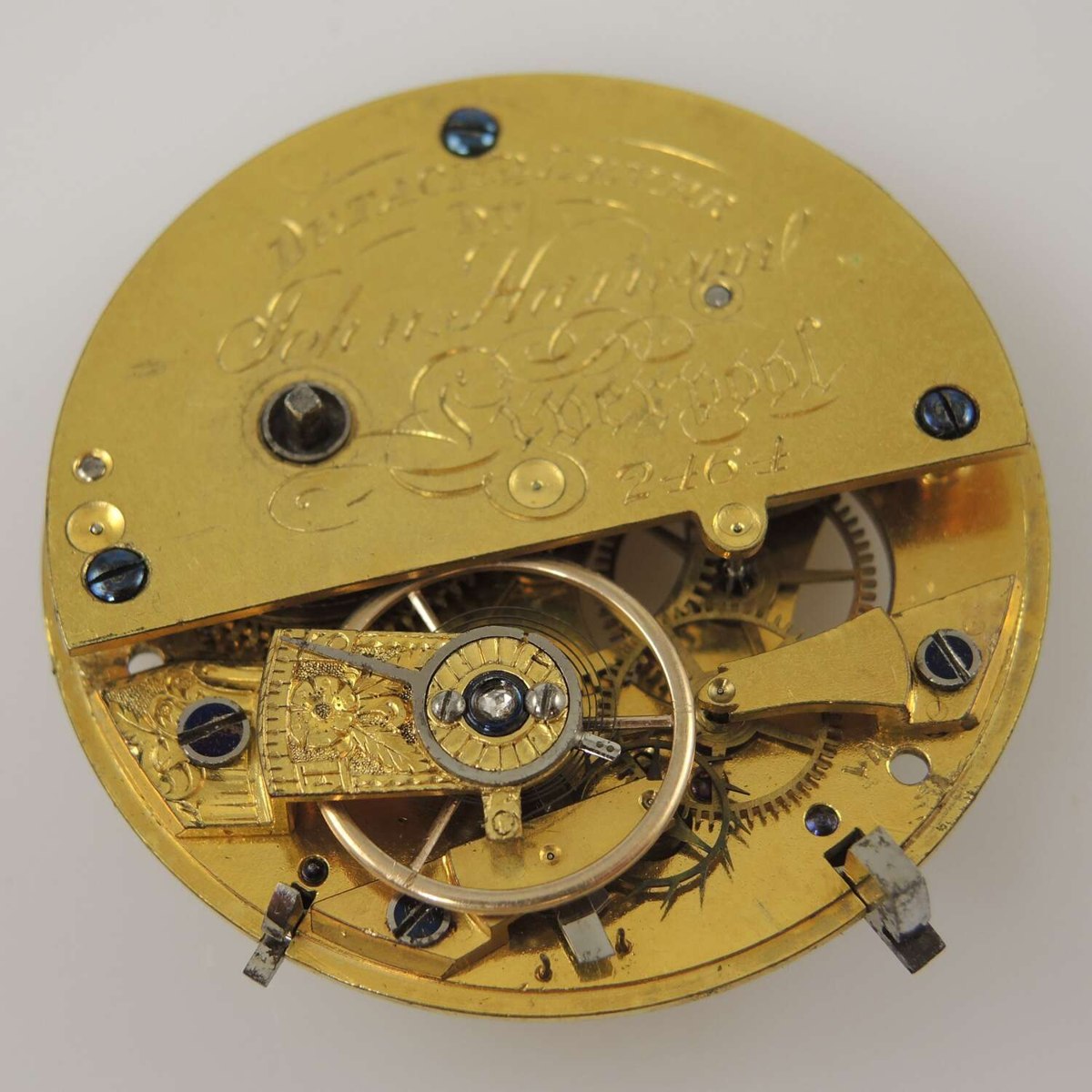
Movement
English fusee detached lever pocket watch movement by John Harrison, Liverpool
“This is an antique English fusee pocket watch movement attributed to circa 1830 and signed by John Harrison of Liverpool. The movement features a gilt 3/4 plate construction wit…”
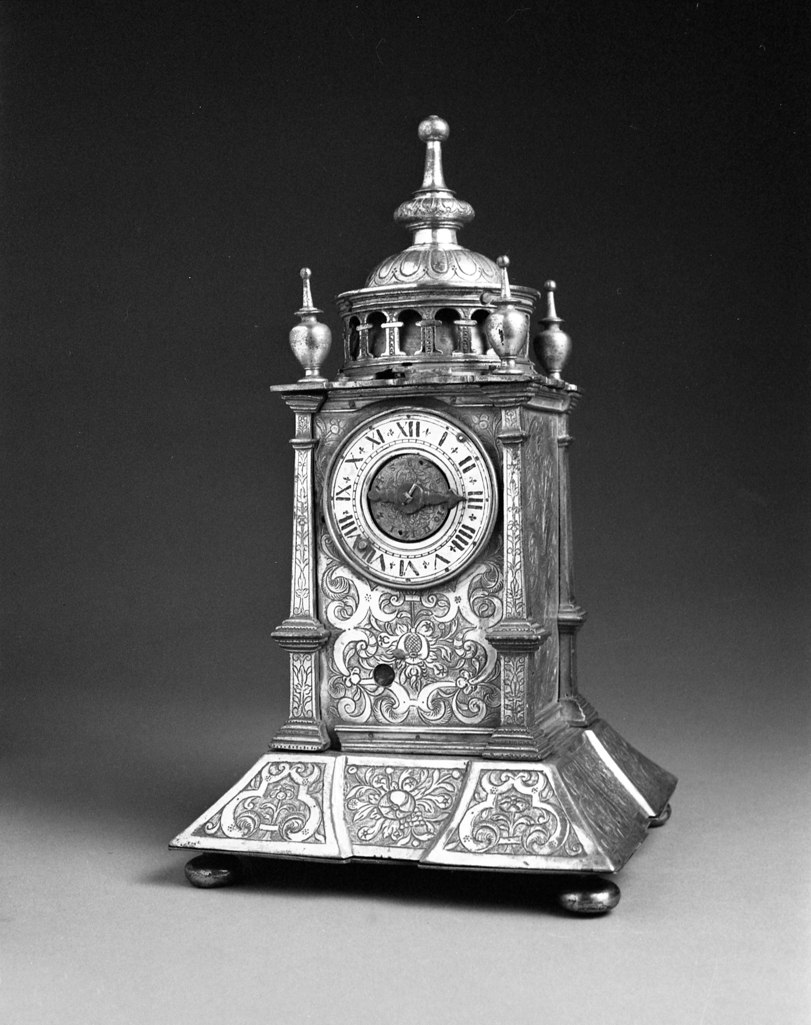
Clock
Tabernacle clock with hour striking and alarm movement
“According to the Fitzwilliam Museum, this German tabernacle clock features an hour striking and alarm movement housed in a case constructed primarily of copper gilt, accented wi…”
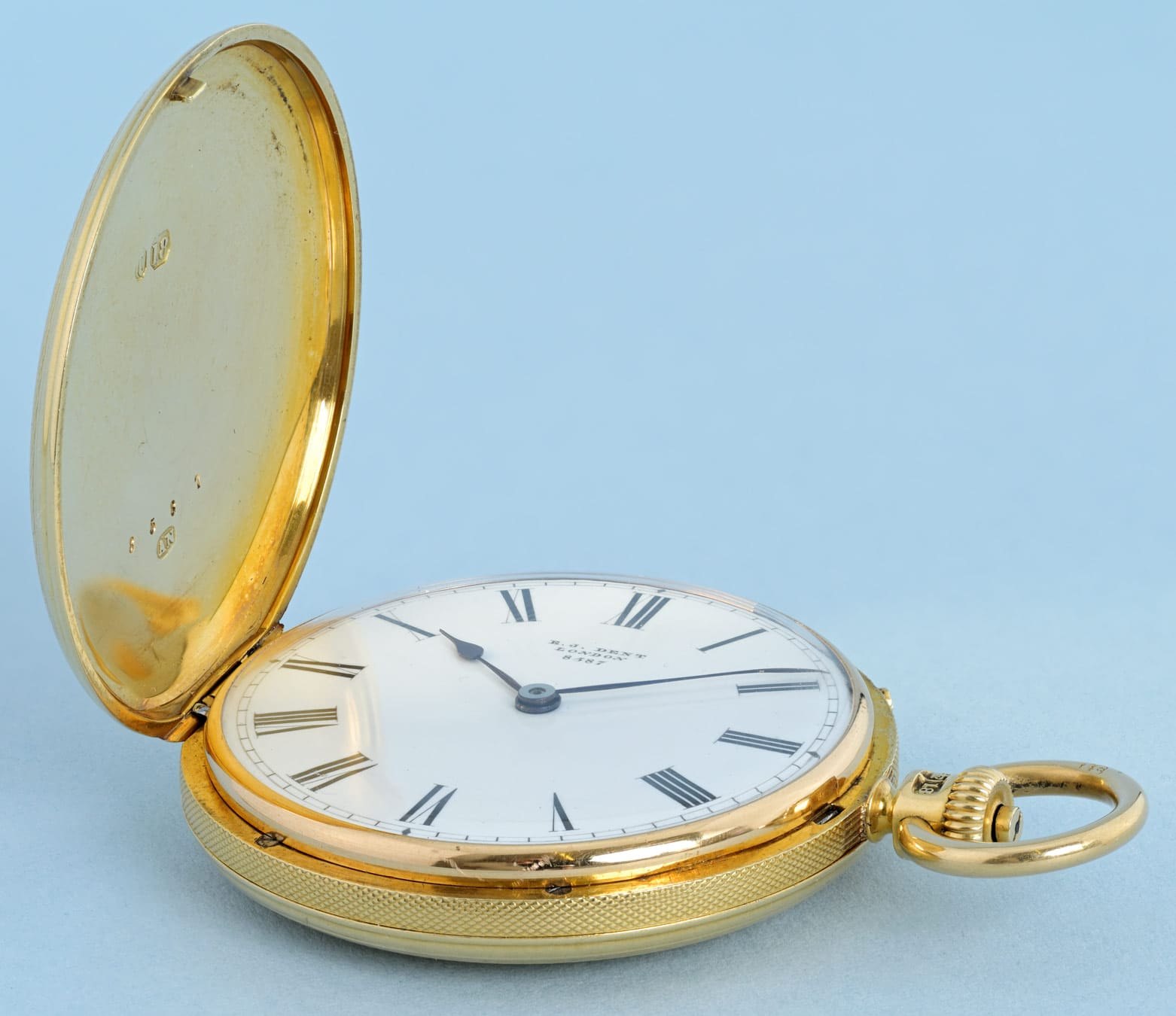
Pocket watch
Nicole Nielsen Gold Hunter Pocket Watch
“This mid-19th-century English duplex pocket watch is attributed to Nicole Nielsen and documented with London hallmarks dating to 1858. The watch is encased in an 18-carat yellow…”
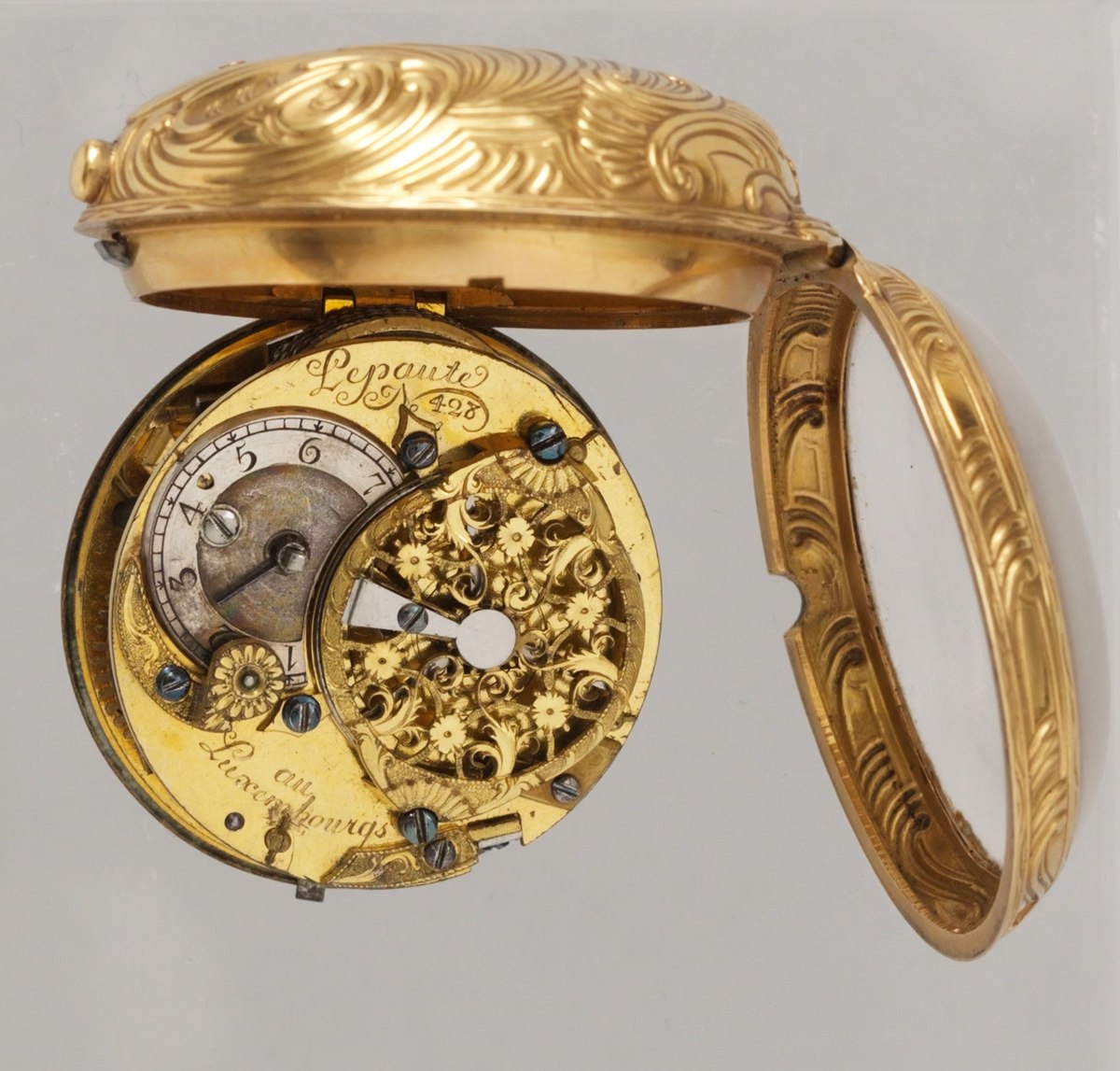
Pocket watch
Lepaute 18th-century gold pocket watch
“This 18th-century French pocket watch is housed in an 18-karat gold case measuring 4.5 cm in diameter. The source reports indistinct hallmarks on the case and a white enamel dia…”
Pocket watch
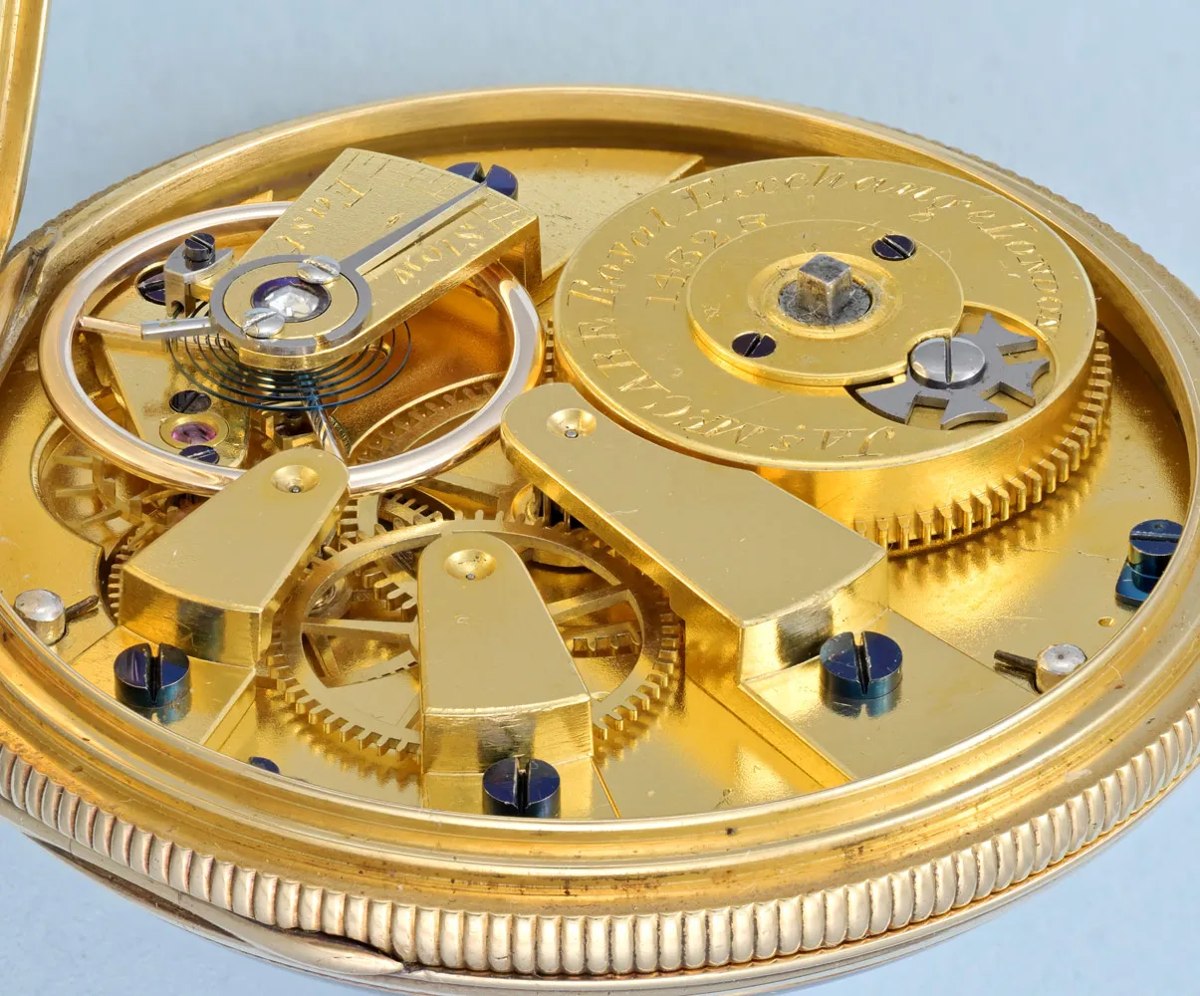
James McCabe 1834 Gold Lepine Calibre Duplex Pocket Watch
“This nineteenth-century open face pocket watch features a keywind gilt Lepine calibre bar movement with a duplex escapement, crafted by James McCabe of Royal Exchange, London, a…”
Pocket watch
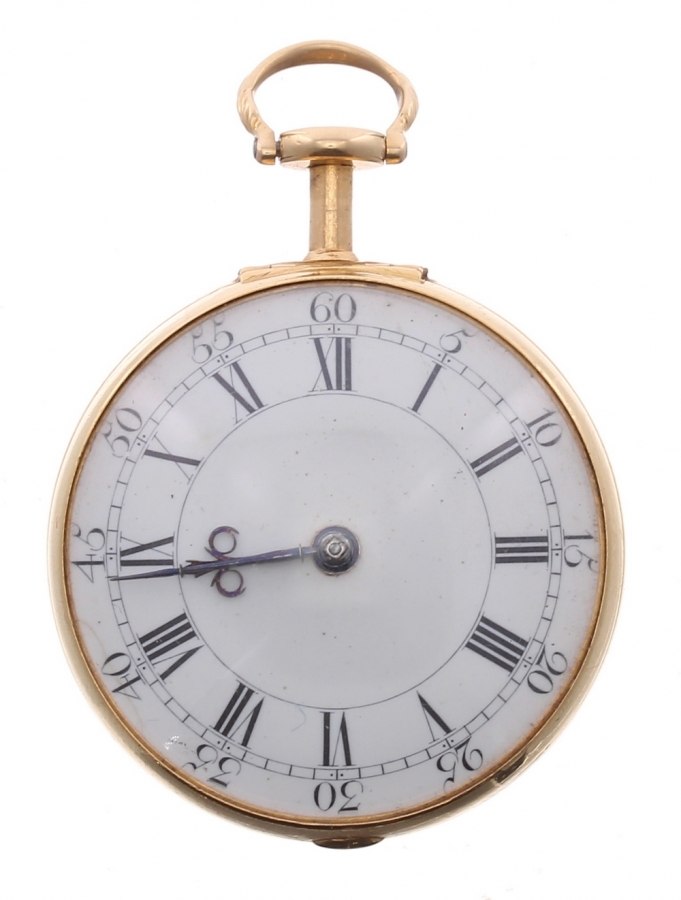
Justin Vulliamy Gold Pair Cased Pocket Watch
“This 18th-century gold pair-cased pocket watch is reported by the auctioneer to date from London, 1778. The watch features a fusee cylinder movement signed 'Justin Vulliamy, Lon…”