
Munich, Not recorded · Dates not established
Markus Purmann
Partially verifiedClock, compass, and scientific instrument maker
Life & work
Markus Purmann was an instrument maker active in Munich during the late 16th and early 17th centuries.
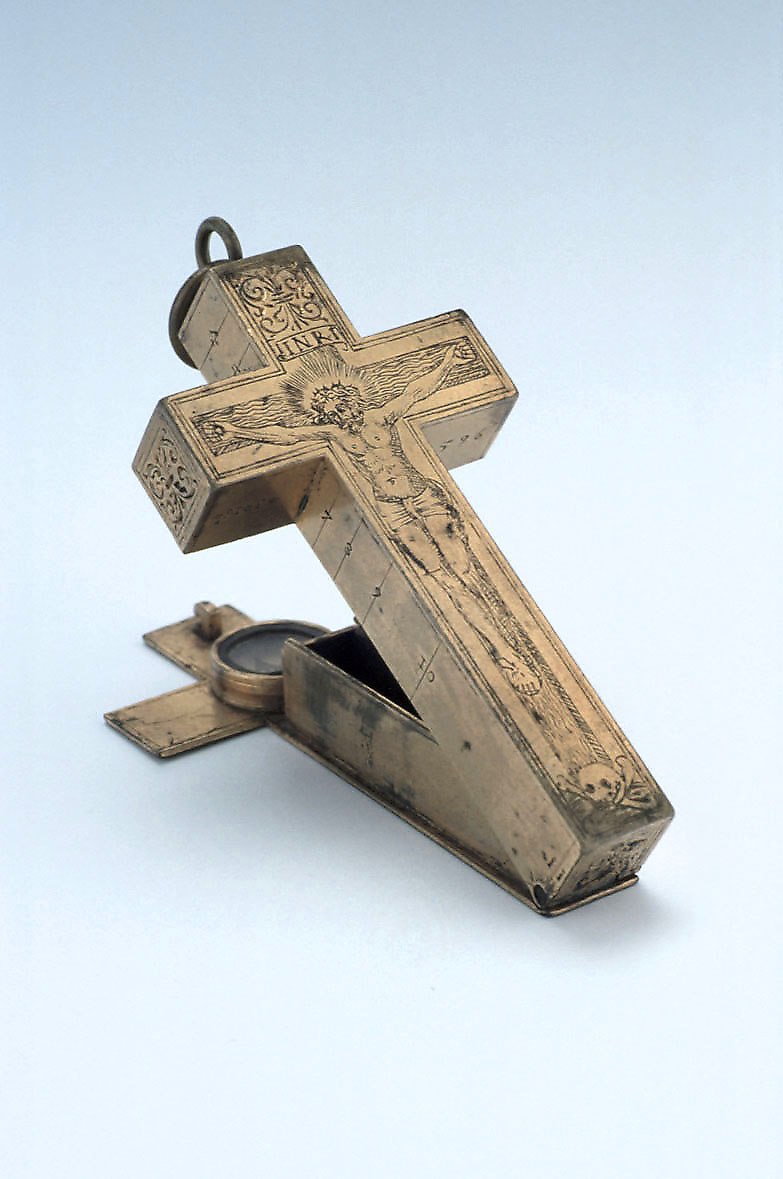
His primary professional designation as a maker of clocks and compasses appears in Munich court chamber records starting in July 1588. In addition to his horological work, Purmann was involved in the repair of brass instruments, specifically trumpets, as evidenced by payments recorded in 1590. He produced sophisticated sundials, including examples shaped like chalices and crucifixes, often designed to demonstrate complex mathematical or physical principles like refraction.
The fuller biography summarises the open references listed under Sources; each statement was checked against the cited passage. Confirm key dates in period documents before relying on them.
Training, contributions & innovations
- Purmann constructed specialized scaphe dials, or chalice dials, which utilized the refraction of light through liquid to display the time.
Documented works
- A notable 1590 chalice-style scaphe dial by Purmann is preserved within the collection of the Germanisches Nationalmuseum in Nuremberg.
- A 1602 chalice sundial is held by the Deutsches Museum in Munich.
- The Museum of the History of Science in Oxford maintains a collection of his sundials, including crucifix-shaped instruments.
Collecting significance
The catalogued pieces listed on this page show the kinds of objects auction houses, dealers and museums attribute to this maker; each attribution is the source's own.
Firms, key models & movements
No firm, model or movement in this encyclopedia is yet recorded under this maker's name.
In the object catalogue
4 catalogued objects are recorded under Markus Purmann. Attributions are as given by each source and are not independent authentication.
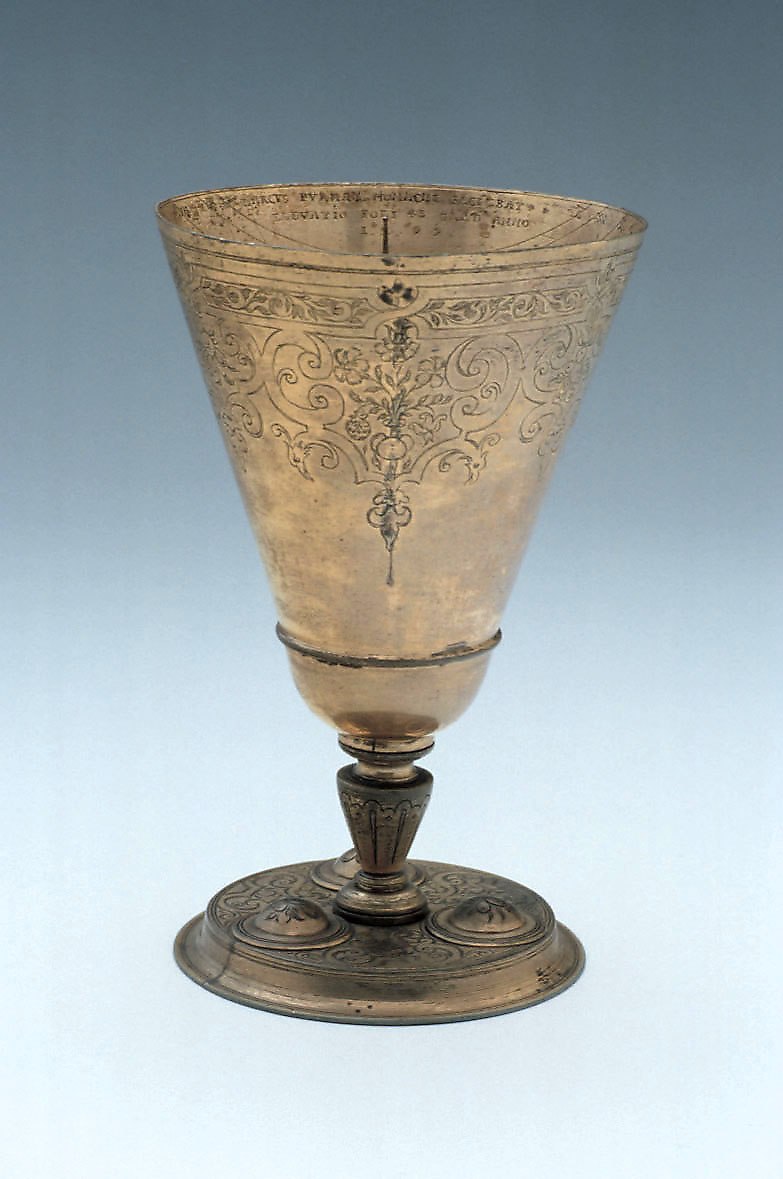
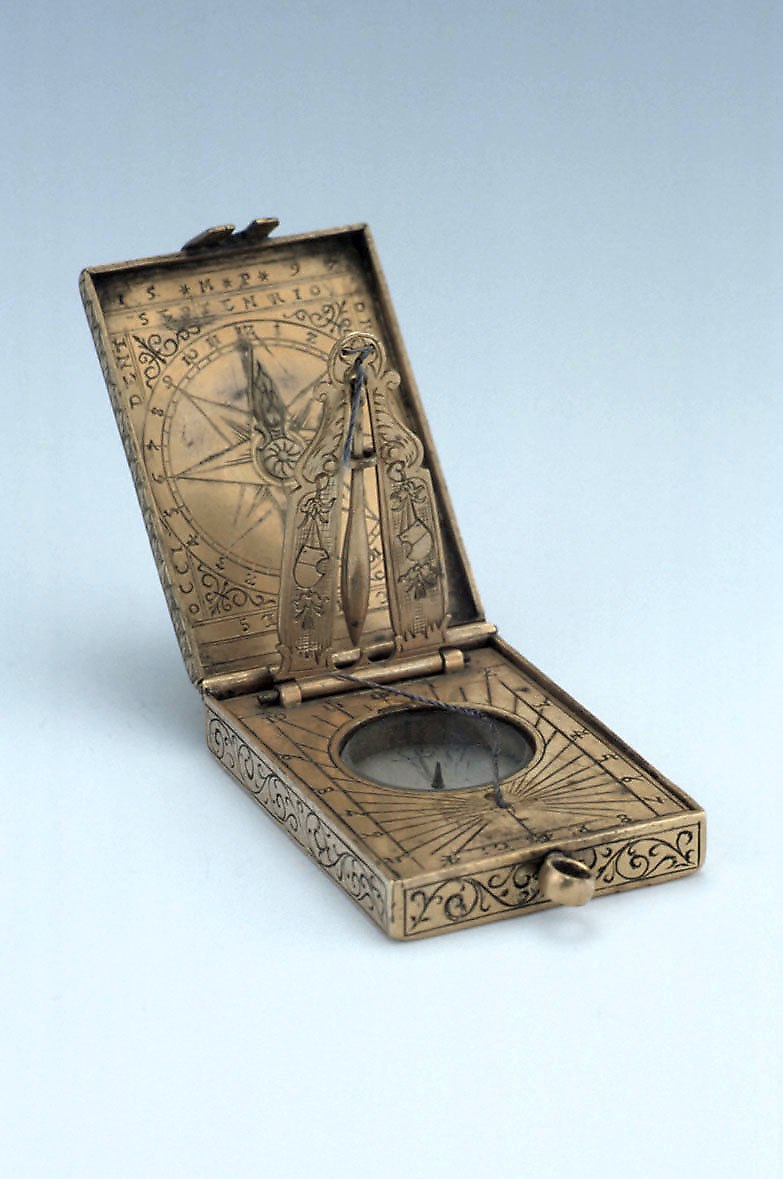
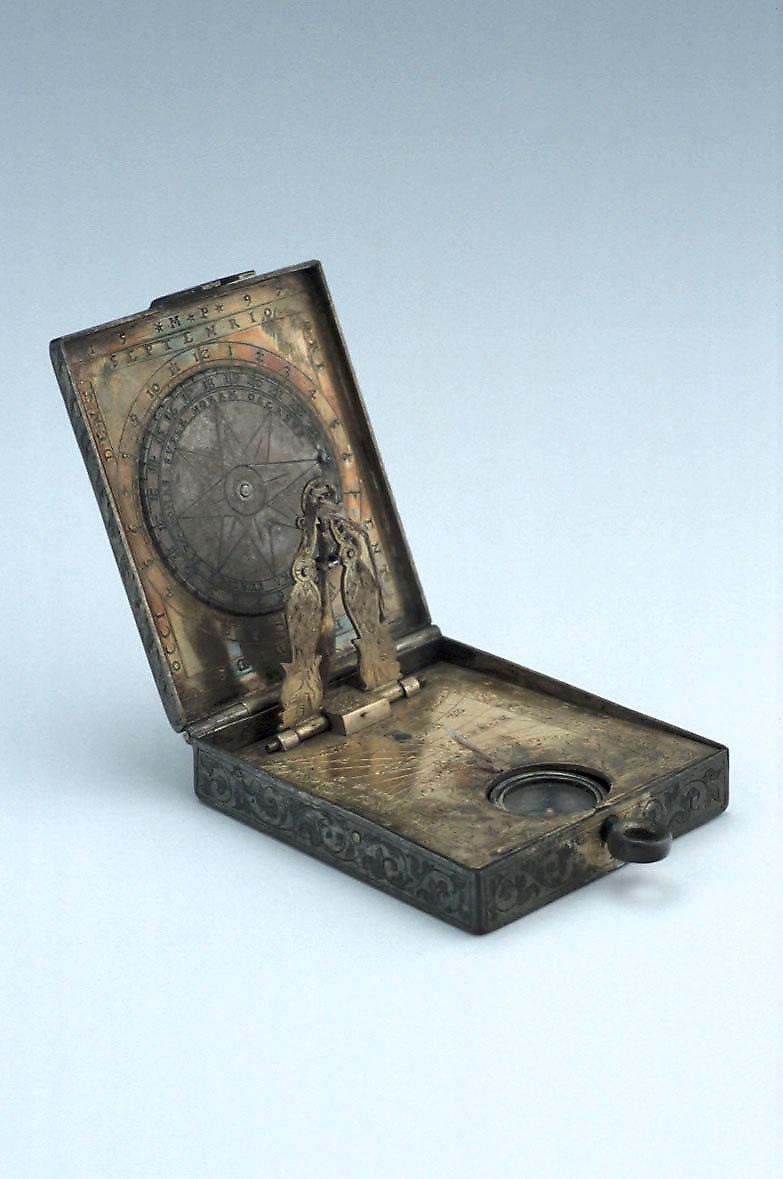
- Chalice Dial by Markus PurmannOther sundial · 1599
- Crucifix DialOther sundial · 1596
- Horizontal string-gnomon sundial by Markus PurmannHorizontal sundial · 1597
- Inclining string gnomon sundial by Markus PurmannOther sundial · 1597
Sources & references
- Bechersonnenuhr von Markus Purmann, Deutsches Museum, retrieved 2026-11-03 (paraphrased; text © the publisher)
- Deutsches Museum Digital – Gründungssammlung, Deutsches Museum, retrieved 2026-11-03 (paraphrased; text © the publisher)
- Abstracts, arithmeum.uni-bonn.de, retrieved 2026-11-03 (paraphrased; text © the publisher)
Where sources disagree, the disagreement is stated rather than resolved silently.