
London, England · 1723 – 1800
James Cox
Partially verifiedAutomata
Life & work
Automata specialist.
James Cox was a British jeweler, goldsmith, and entrepreneur based in Shoe Lane, London, who became a member of the Clockmakers Company. He collaborated with various other watchmakers and became one of the most important suppliers of clocks to the Chinese market, specifically for the Qianlong Emperor. Following economic difficulties caused by export issues and the American Revolution, Cox faced bankruptcy in 1778. Later, his business continued through his two sons, who exported watches to China, often of Swiss origin, from London and Canton.
The fuller biography summarises the open references listed under Sources; each statement was checked against the cited passage. Confirm key dates in period documents before relying on them.
Timeline
James Cox's recorded dates, dated events from this profile and its sources, and dated pieces and sales from the object catalogue. Dates are as each record gives them.
1723 · Career
Born
ca. 1760 · Catalogued piece
c. 1770–75 · Catalogued piece
1778 · Career
Following economic difficulties caused by export issues and the American Revolution, Cox faced bankruptcy in 1778.
1800 · Career
Died
Training, contributions & innovations
- Automata
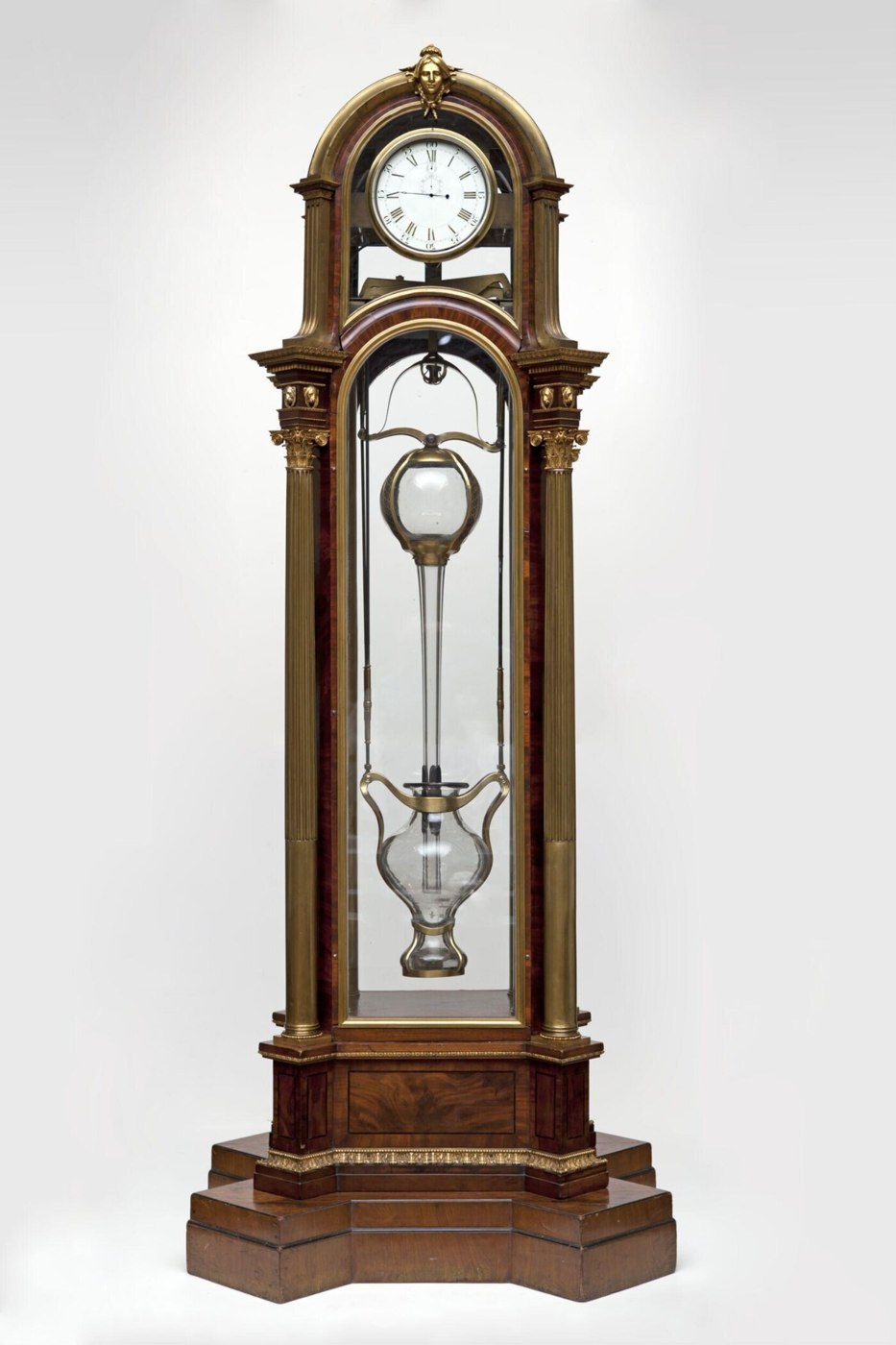
- Cox is best known for creating an atmospheric clock powered by atmospheric pressure, which he developed in collaboration with Jean-Joseph Merlin.
Inventions & patents
- N/A
Signatures & markings on surviving work
- Signed work
Documented works
- The famous Peacock Clock, an automaton, is located at the State Hermitage Museum in Saint Petersburg.
- Several of his clocks remain in the collection of the Forbidden City in Beijing.
- Additional examples of his work are held in the Metropolitan Museum of Art.
Collecting significance
Signatures on historic work were applied by retailers and by later hands; attribution should rest on the movement's construction and provenance.
Firms, key models & movements
Firms
- James Ferguson Cole · 1800s
- James McCabe · 1778
- Parkinson & Frodsham · 1801
- J. E. Caldwell & Co. · 1839
Famous objects
In the object catalogue
3 catalogued objects are recorded under James Cox. Attributions are as given by each source and are not independent authentication.
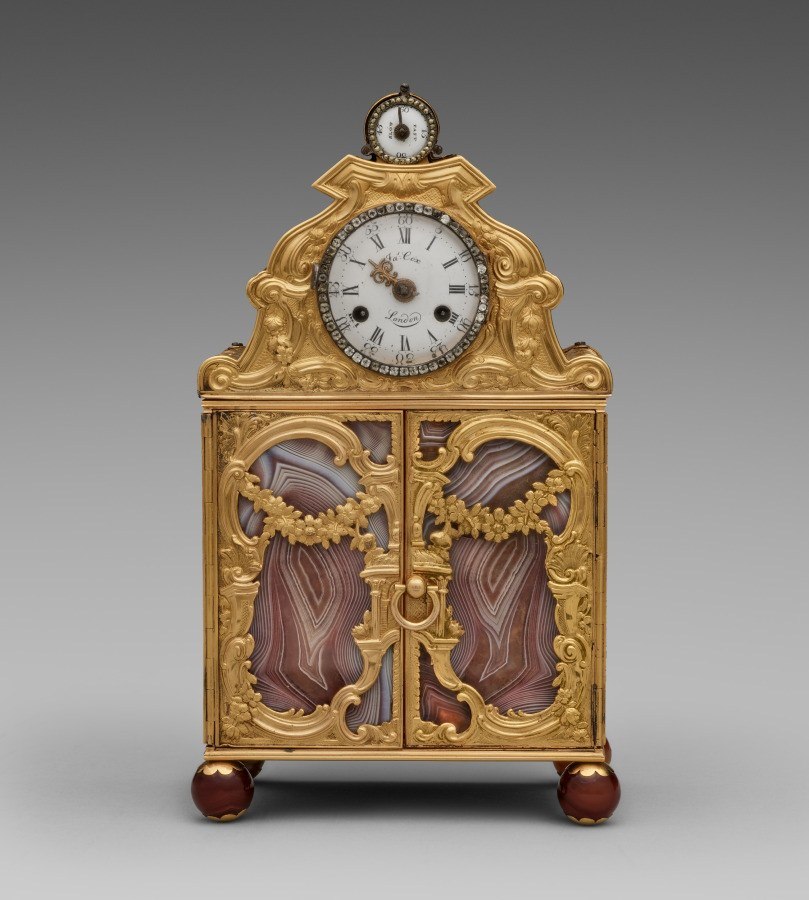
- Cabinet ClockRenaissance table clock · c. 1770–75
- Longcase clockLongcase clock · ca. 1760
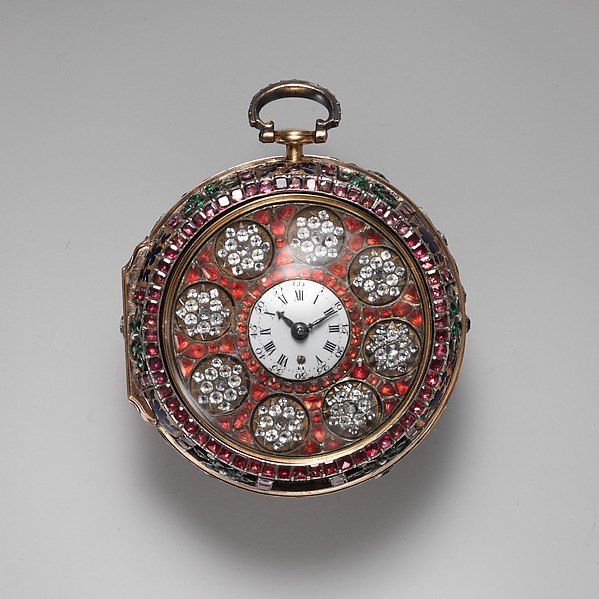
- Pair-case automaton watch by James CoxMusical & automaton watch · ca. 1770
Provenance
Where the 3 catalogued pieces by James Cox were recorded, with the collectors, owners and sales their records name.
Provenance map
Each piece is linked to the museum, auction house or dealer whose record it comes from, and to any other house or collection its own provenance names. Select a name to see its pieces.
Museums · 3 pieces
Cleveland Museum of Art
Museum · 1 piece · Directory entry
Cabinet ClockRenaissance table clock · c. 1770–75 · Record source
The record names no sale, lot or earlier owner.
Each line is copied from the object's source record and is not independently verified. Holders are as recorded when the piece was catalogued: museum objects may not be on display, and sold lots have since changed hands.
Photographs
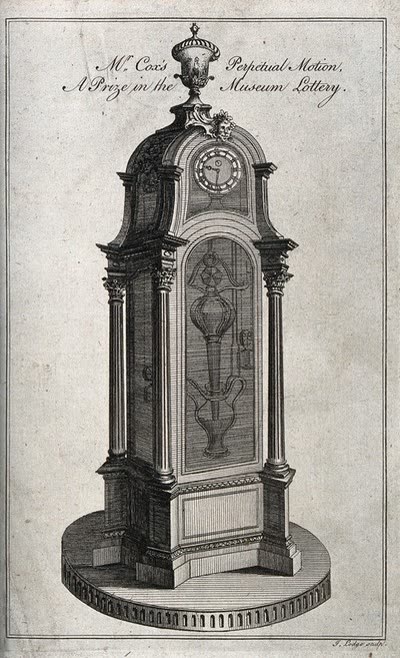
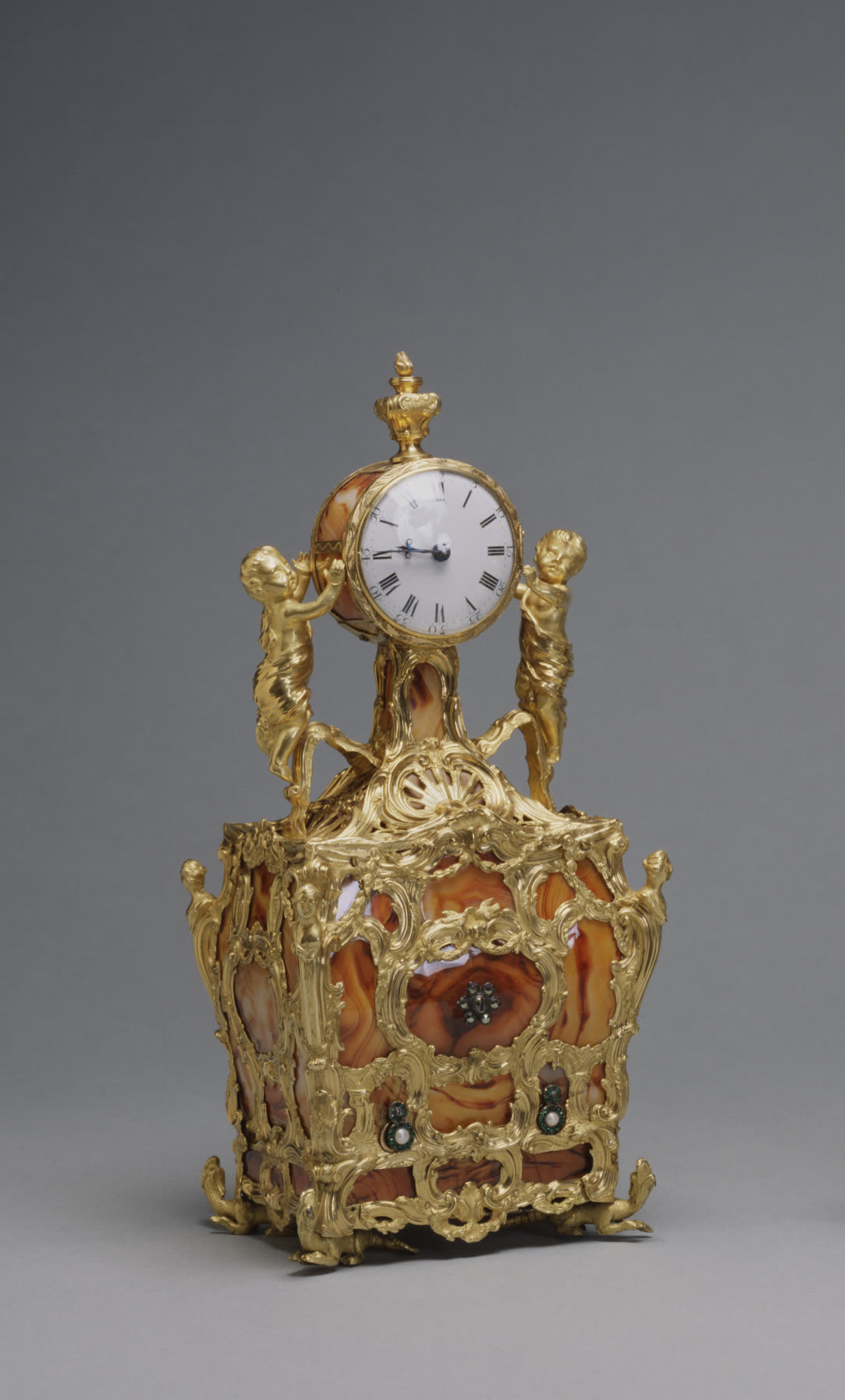
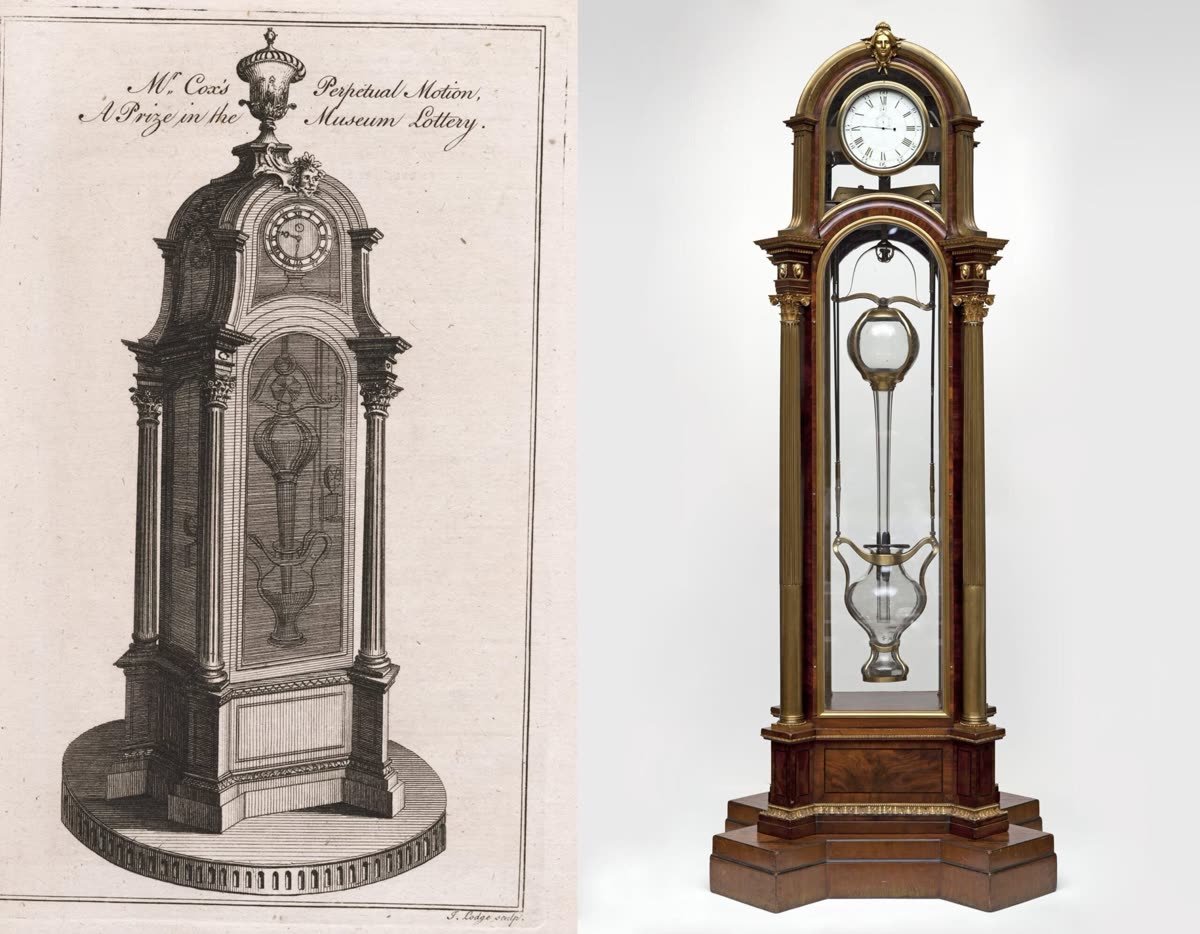
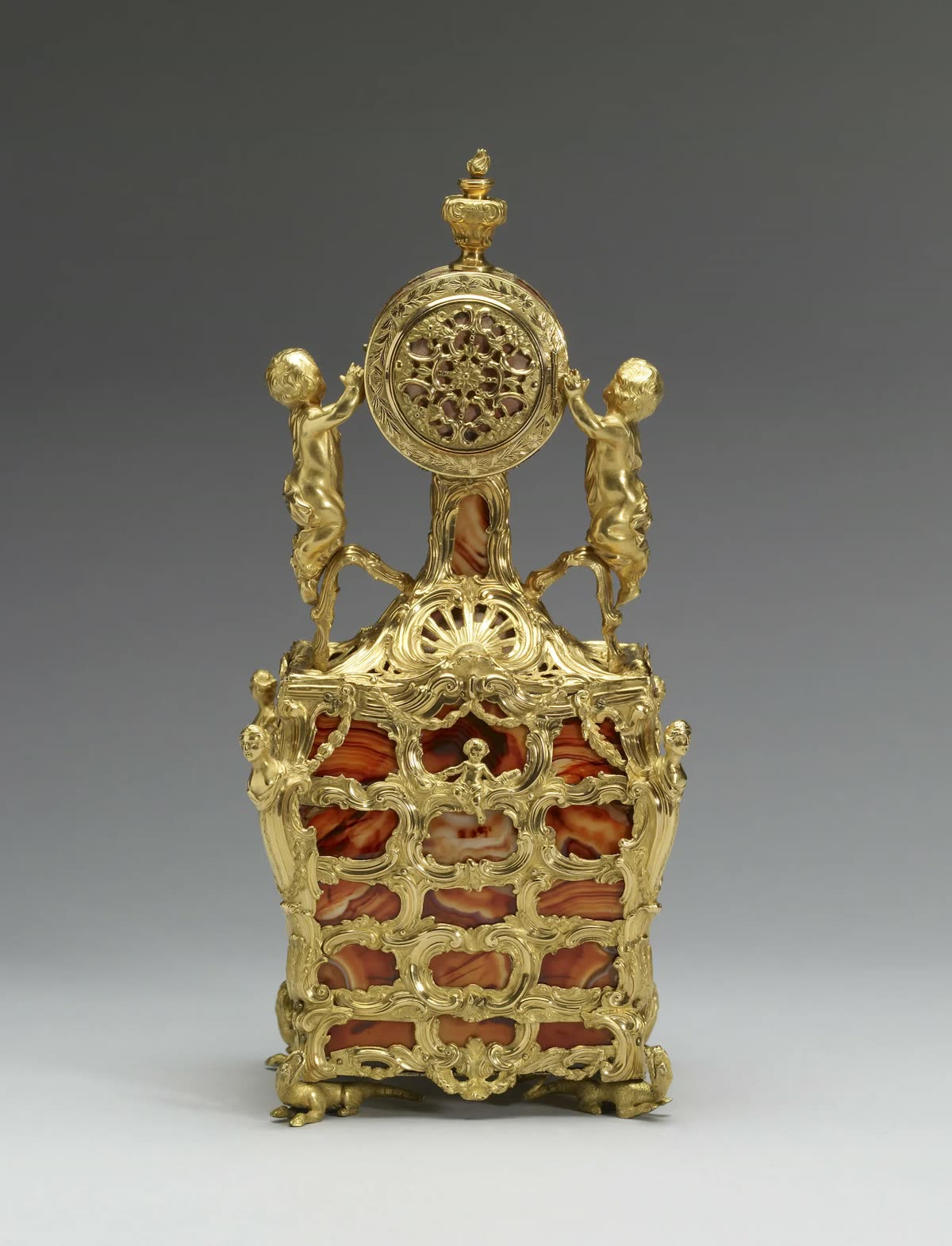
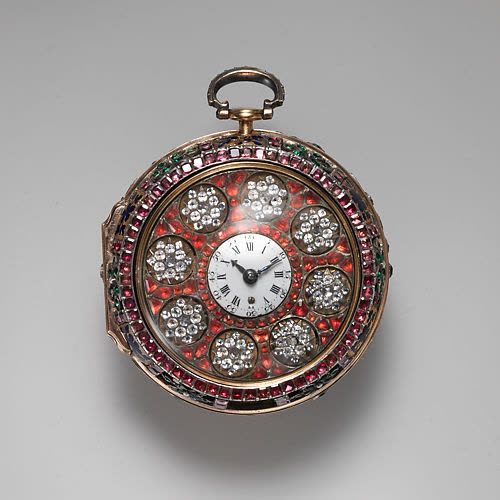
Photographs are illustrative examples of the type, not necessarily the exact object described. Verify details against the source file page.
Sources & references
- Cox, James, Watch-Wiki, retrieved 2026-10-27
- Britten, F. J., Old Clocks and Watches and Their Makers
- Loomes, B., reference works on British and European clockmakers
Where sources disagree, the disagreement is stated rather than resolved silently.