
London, United Kingdom
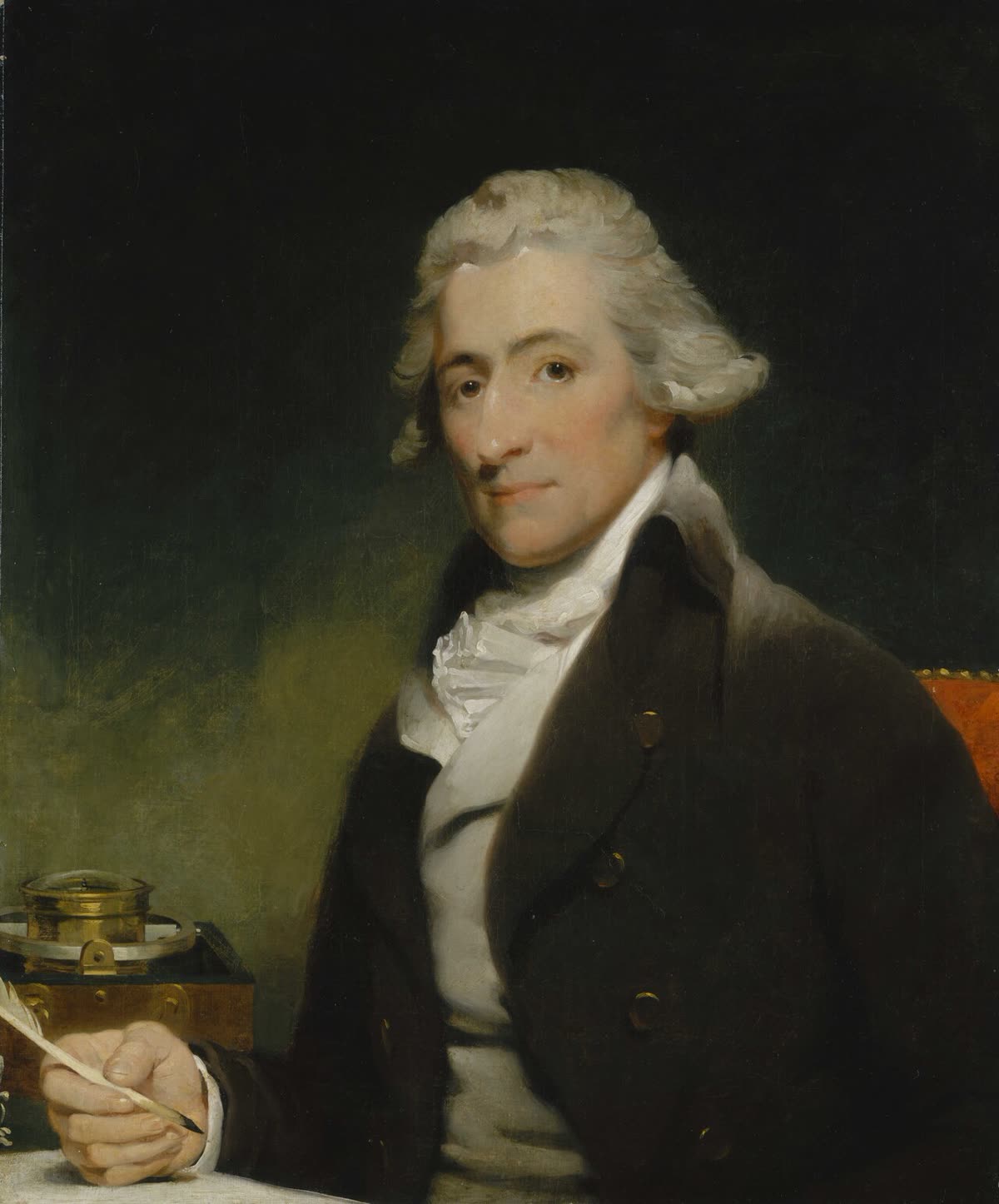
Thomas Earnshaw
Partially verifiedChronometers
History
Earnshaw's spring detent became the standard marine chronometer escapement.
Thomas Earnshaw was born in 1749 and established his own manufacturing business in London on High Holborn in 1785. He built a reputation for producing high-quality marine and pocket chronometers that became widely used in navigation. In 1815, he retired from the management of the firm, passing control to his son, Thomas Earnshaw Jr. The business continued under his son's leadership, although he did not manufacture chronometers himself.
Following the elder Earnshaw's death in 1829, the firm remained a part of the family history until the younger Earnshaw later became a director of the British Watch and Clockmaking Company in 1842. The chronometers produced by the workshop were internationally recognized and were carried on significant scientific voyages, including those of HMS Beagle and HMS Investigator.
The extended history summarises the open references listed under Sources; each statement was checked against the cited passage. Confirm key dates in period documents before relying on them.
Timeline
Thomas Earnshaw's recorded dates, dated events from this profile and its sources, and dated pieces and sales from the object catalogue. Dates are as each record gives them.
1749 · Career
Thomas Earnshaw was born in 1749 and established his own manufacturing business in London on High Holborn in 1785.
1778-1788 (circa 1783) · Catalogued piece
Thomas Earnshaw Pocket-Chronometer Movement Signed Robert Tomlin
c. 1780s · Career
Founded (London)
1790-1800 · Catalogued piece
circa 1805 · Catalogued piece
1815 · Career
In 1815, he retired from the management of the firm, passing control to his son, Thomas Earnshaw Jr. The business continued under his son's leadership, although he did not manufacture chronometers himself.
1815 · Career
Thomas Earnshaw retired from the management of his firm in 1815, passing the business to his son, Thomas Earnshaw Jr., and died in 1829.
1829 · Career
Following the elder Earnshaw's death in 1829, the firm remained a part of the family history until the younger Earnshaw later became a director of the British Watch and Clockmaking Company in 1842.
Current watchmaking & later fate
- Thomas Earnshaw retired from the management of his firm in 1815, passing the business to his son, Thomas Earnshaw Jr., and died in 1829.
- Following his retirement, Earnshaw's son continued the firm, though he did not manufacture chronometers himself.
As stated in the references listed under Sources, retrieved 2026-10-27. Ownership and collections change; check the maker's own announcements for the latest position.
Key models
- Chronometer no. 1503
- Captain William Bligh purchased this chronometer in July 1791 for an expedition to transport breadfruit plants from Tahiti to the West Indies.
- Timekeepers E520 and E543
- These two boxed chronometers were purchased in June 1801 for use on HMS Investigator during the mapping of the Australian coastline.
- Chronometer no. 509
- Carried on HMS Beagle between 1831 and 1836, this chronometer helped establish a chain of points around the world of accurately-known longitude.
Major innovations
- Earnshaw developed a spring detent chronometer escapement that eventually became a standard design for marine timekeepers.
- He also created a form of bimetallic compensation balance to improve the accuracy of his instruments.
Known markings
- 'Earnshaw'
Serial numbers
This archive holds no verified serial-number table for this maker. Do not date a piece from its serial number alone; use case hallmarks, movement design and documented comparison examples.
Collecting significance
Originality of dial, hands, case and movement is the main consideration. Check that the movement belongs to the case and that the dial has not been refinished.
Identification and dating notes
- Chronometers produced after 1805 were often supplied in lockable wooden boxes fitted with gimbals to protect against ship movement.
In the object catalogue
6 catalogued objects are recorded under Thomas Earnshaw. Attributions are as given by each source and are not independent authentication.
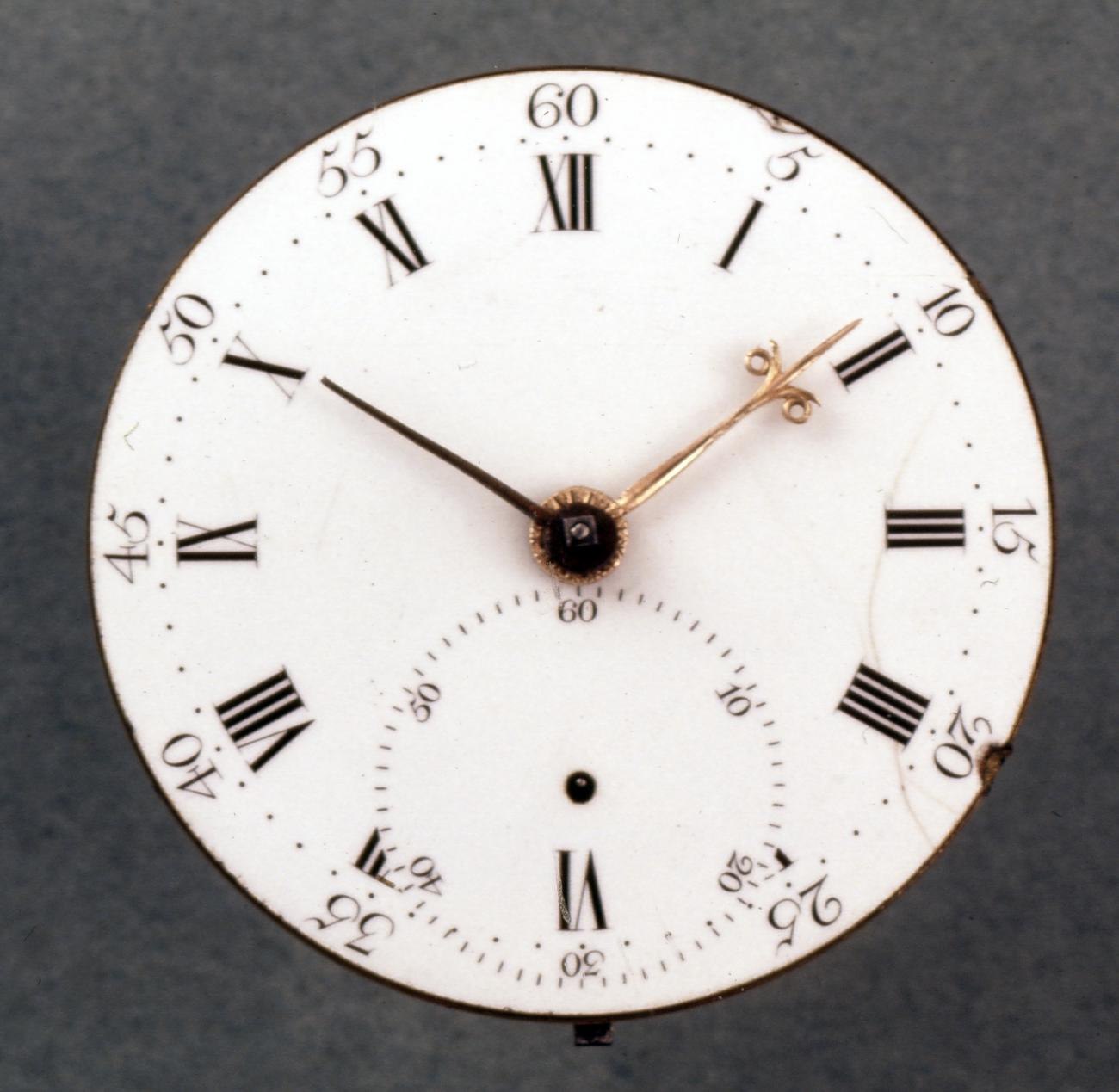
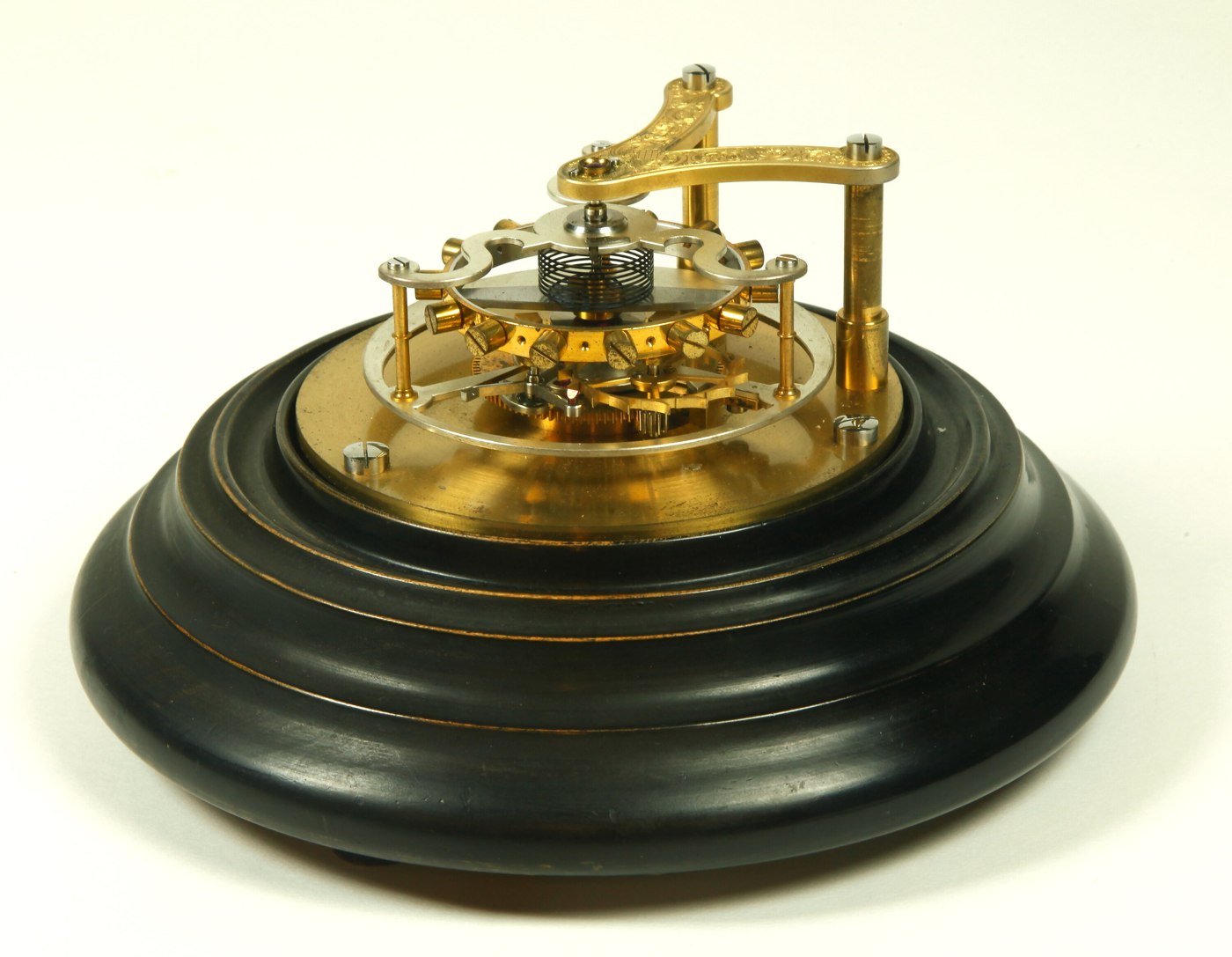
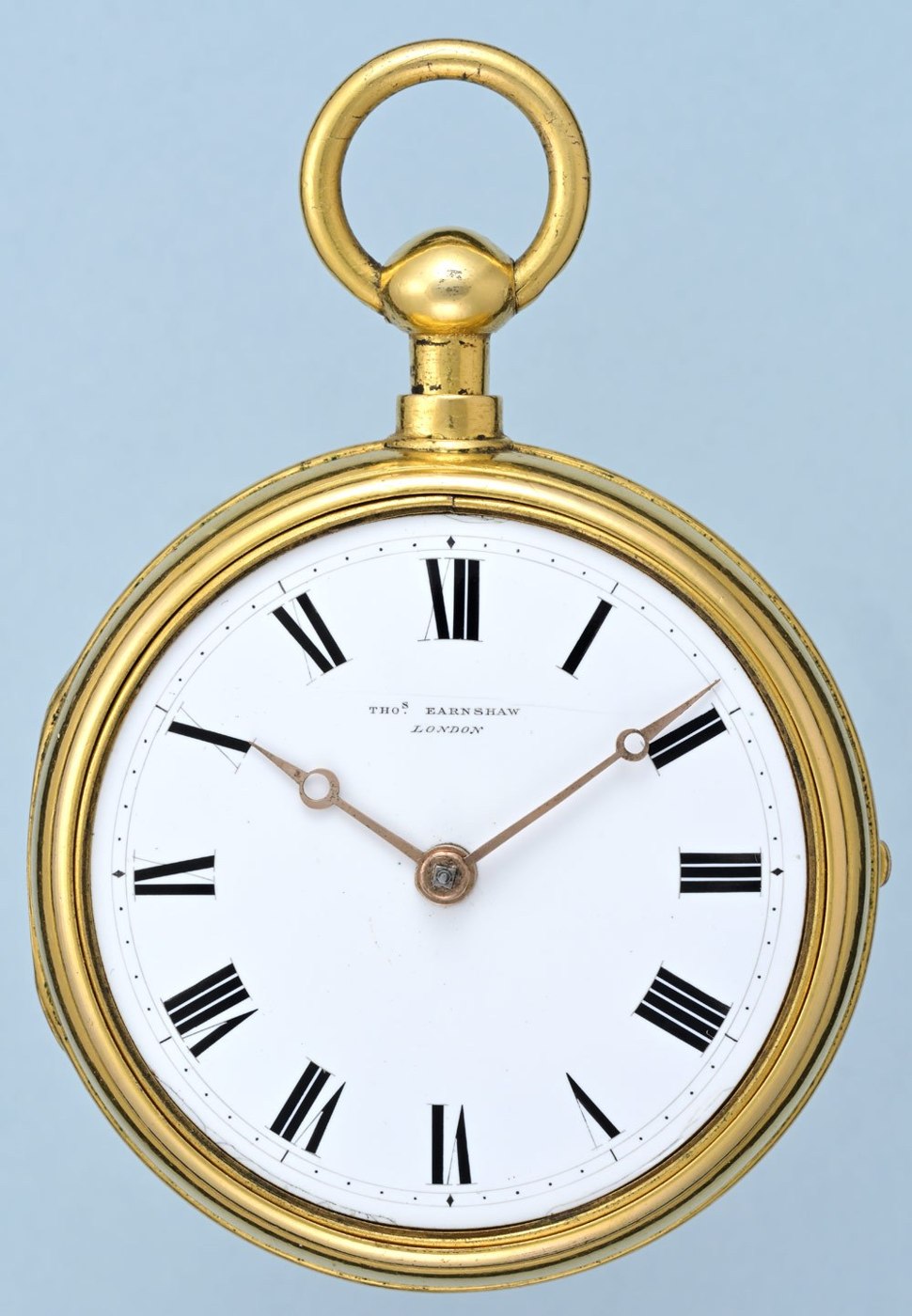
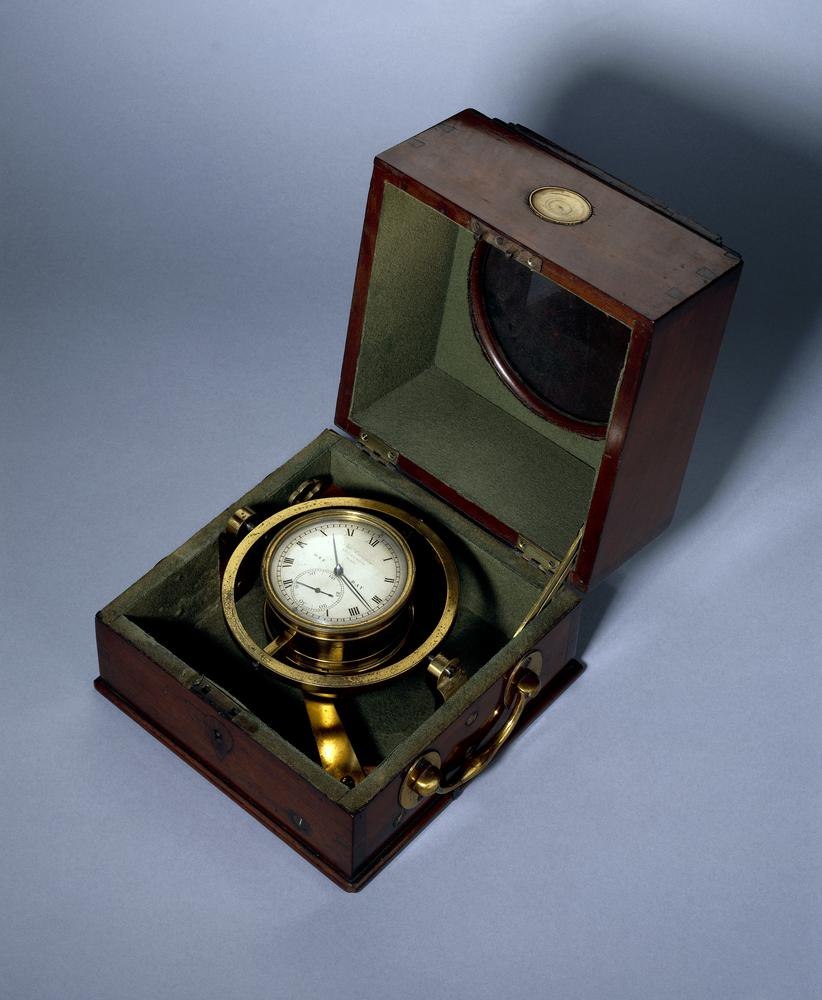
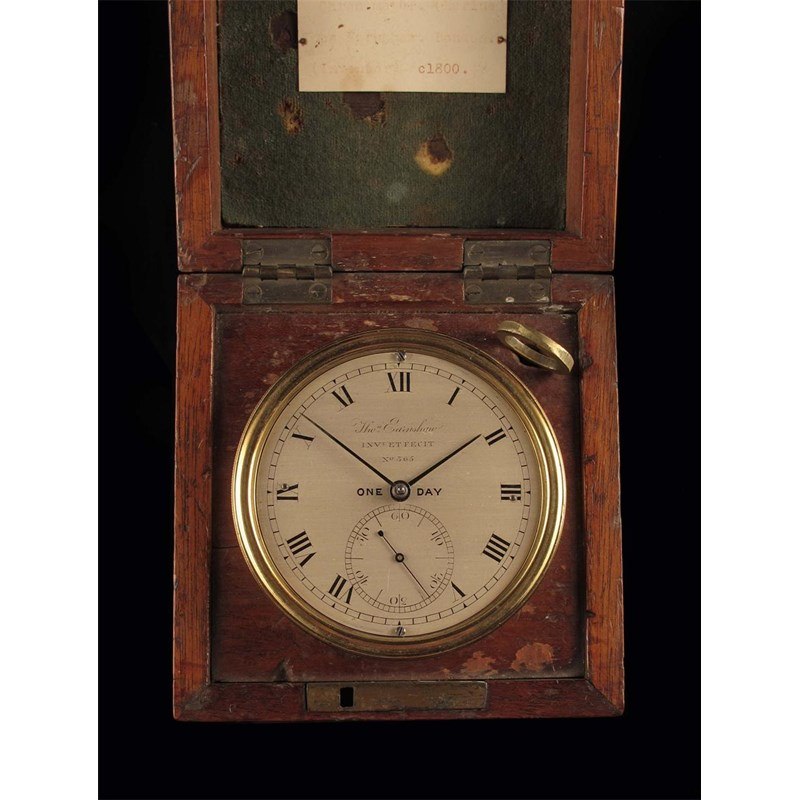
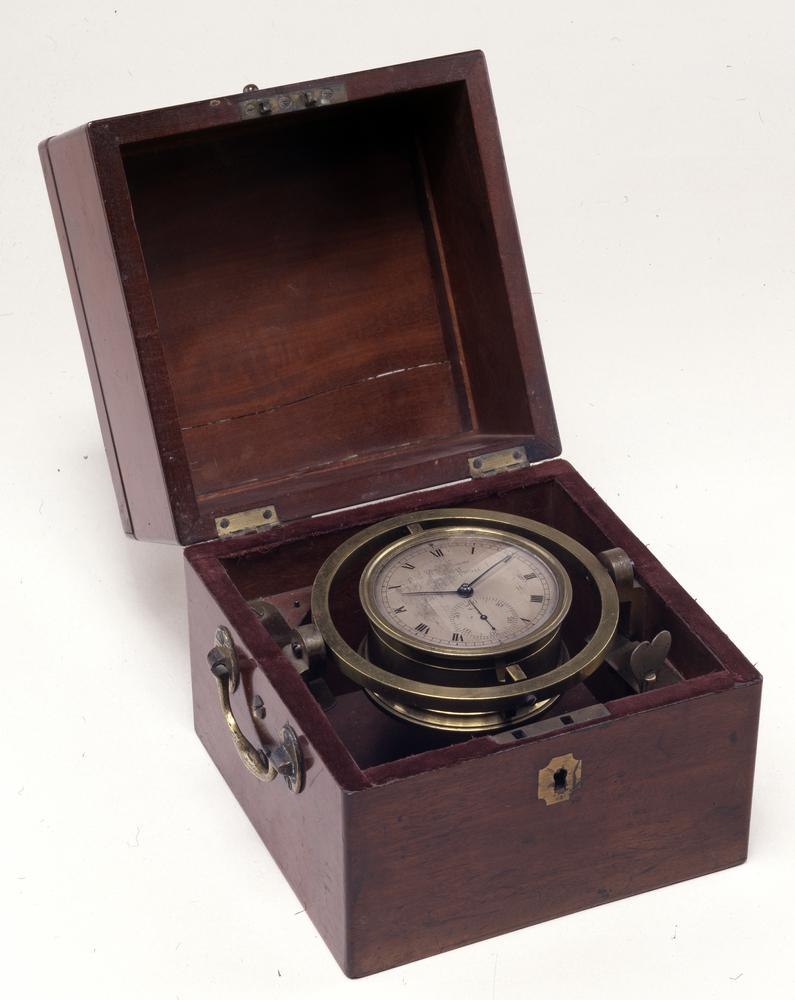
- Chronometer Escapement ModelModel & teaching piece · late 18th century
- Thomas Earnshaw Gilt Pair Cased Cylinder Pocket WatchVerge & pair-cased watch · early 19th century
- Thomas Earnshaw Marine Chronometer No. 245One-day marine chronometer · 1790-1800
- Thomas Earnshaw marine chronometer no. 509One-day marine chronometer · 1795-1805
- Thomas Earnshaw No. 365/2536 One-Day Marine ChronometerOne-day marine chronometer · circa 1805
- Thomas Earnshaw Pocket-Chronometer Movement Signed Robert TomlinPocket watch movement · 1778-1788 (circa 1783)
Provenance
Where the 6 catalogued pieces by Thomas Earnshaw were recorded, with the collectors, owners and sales their records name.
Provenance map
Each piece is linked to the museum, auction house or dealer whose record it comes from, and to any other house or collection its own provenance names. Select a name to see its pieces.
Museums · 4 pieces
Auction houses · 1 piece
Dealers & other listings · 1 piece
British Museum
Museum · 3 pieces · Directory entry
Thomas Earnshaw Marine Chronometer No. 245One-day marine chronometer · 1790-1800 · Record source
The record names no sale, lot or earlier owner.
Thomas Earnshaw marine chronometer no. 509One-day marine chronometer · 1795-1805 · Record source
The record names no sale, lot or earlier owner.
Thomas Earnshaw Pocket-Chronometer Movement Signed Robert TomlinPocket watch movement · 1778-1788 (circa 1783) · Record source
Provenance: Courtenay Adrian Ilbert Collection
Collectors, owners and donors
- Donated by Joseph Lowy, 1954Acquisition · Chronometer Escapement Model
- Courtenay Adrian Ilbert CollectionProvenance · Thomas Earnshaw Pocket-Chronometer Movement Signed Robert Tomlin
Auction history
| House | Sale & lot | Object |
|---|---|---|
| Woolley & Wallis | lot 760 | Thomas Earnshaw No. 365/2536 One-Day Marine Chronometer |
Each line is copied from the object's source record and is not independently verified. Holders are as recorded when the piece was catalogued: museum objects may not be on display, and sold lots have since changed hands.
Photographs
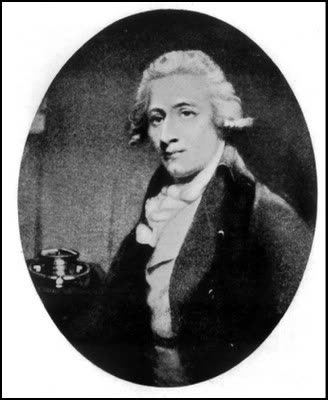
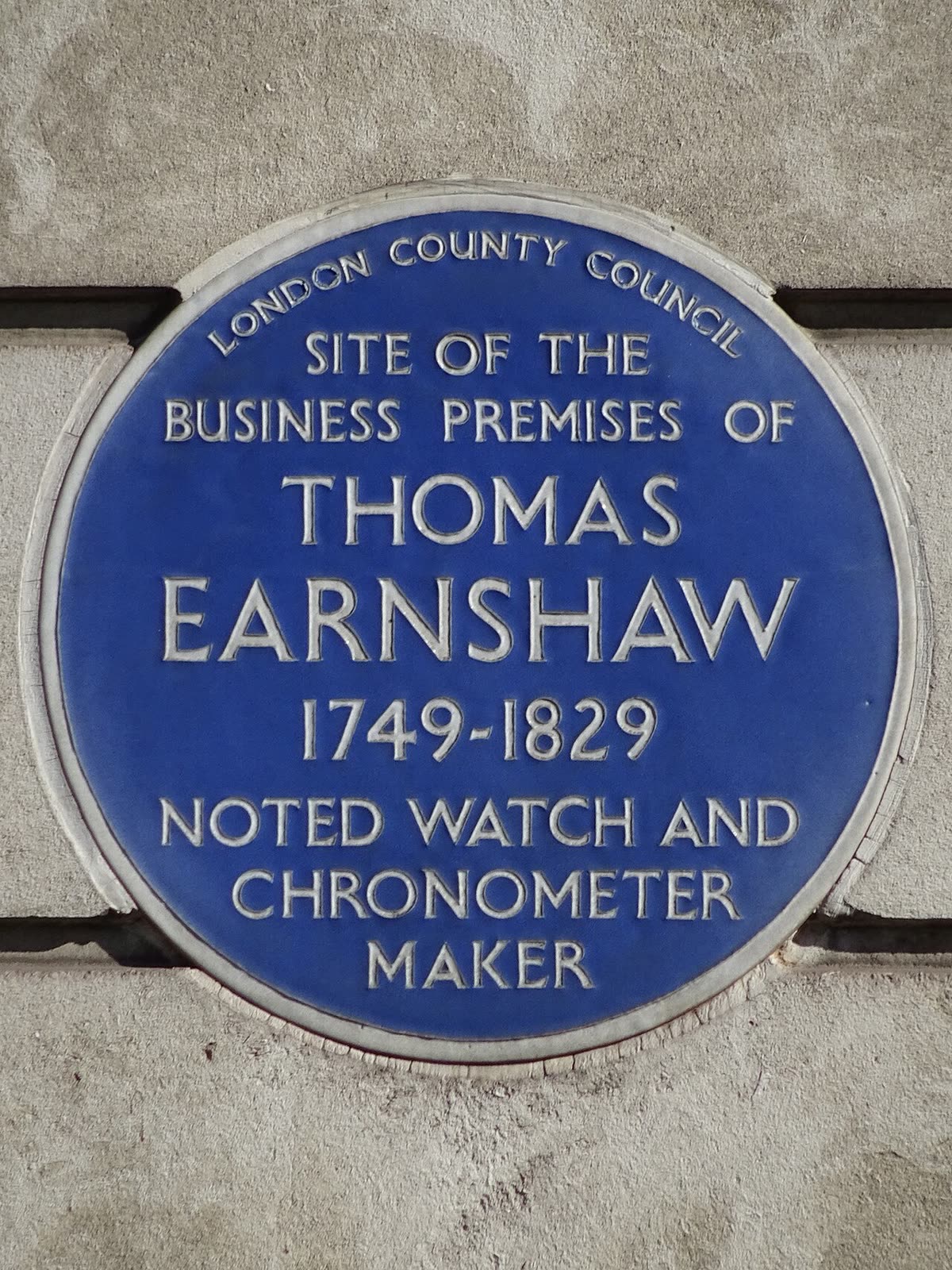
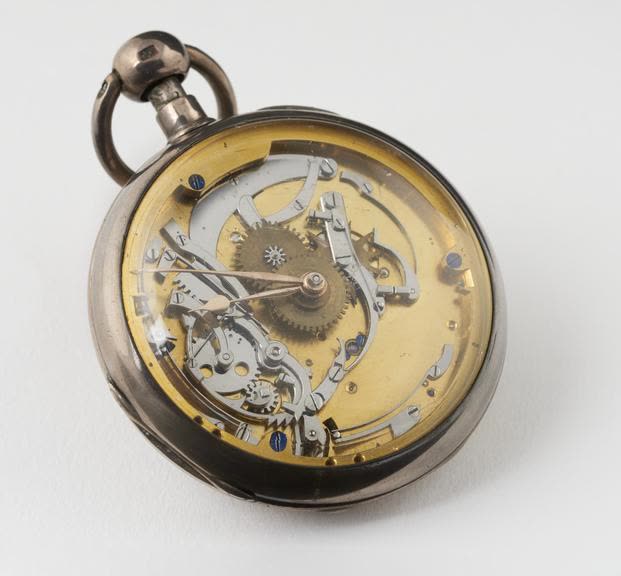
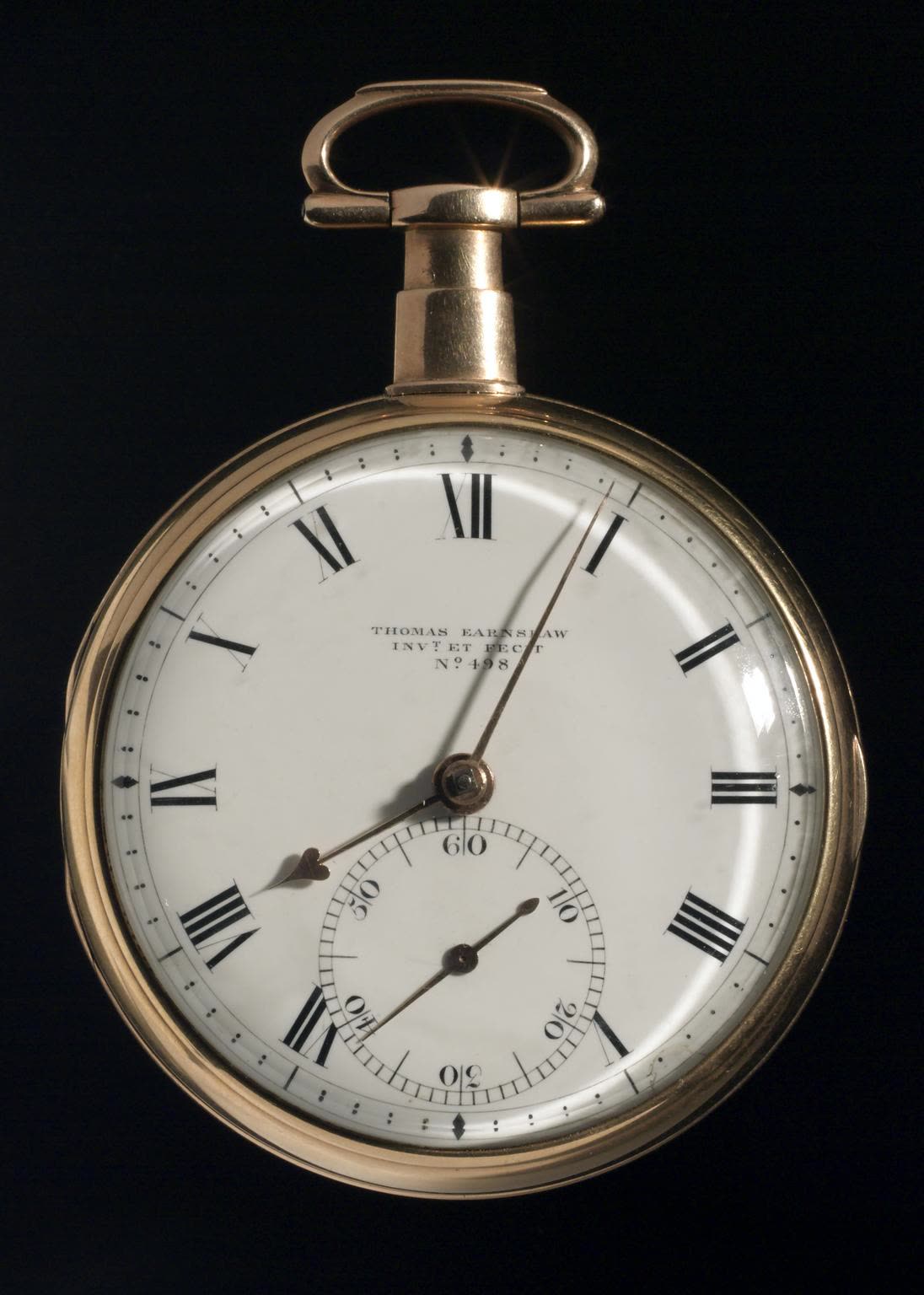
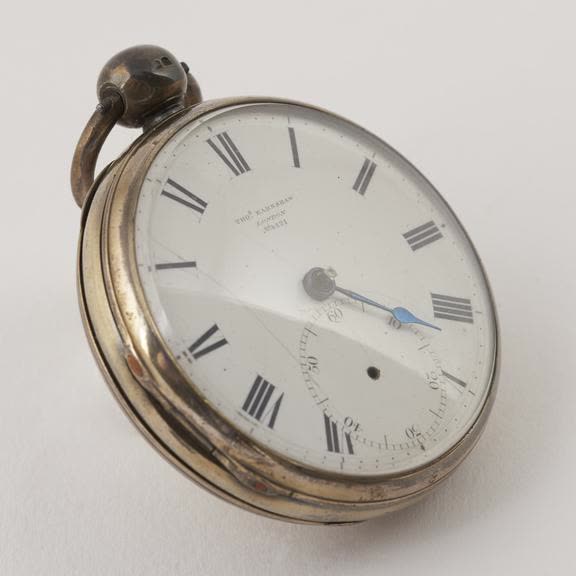
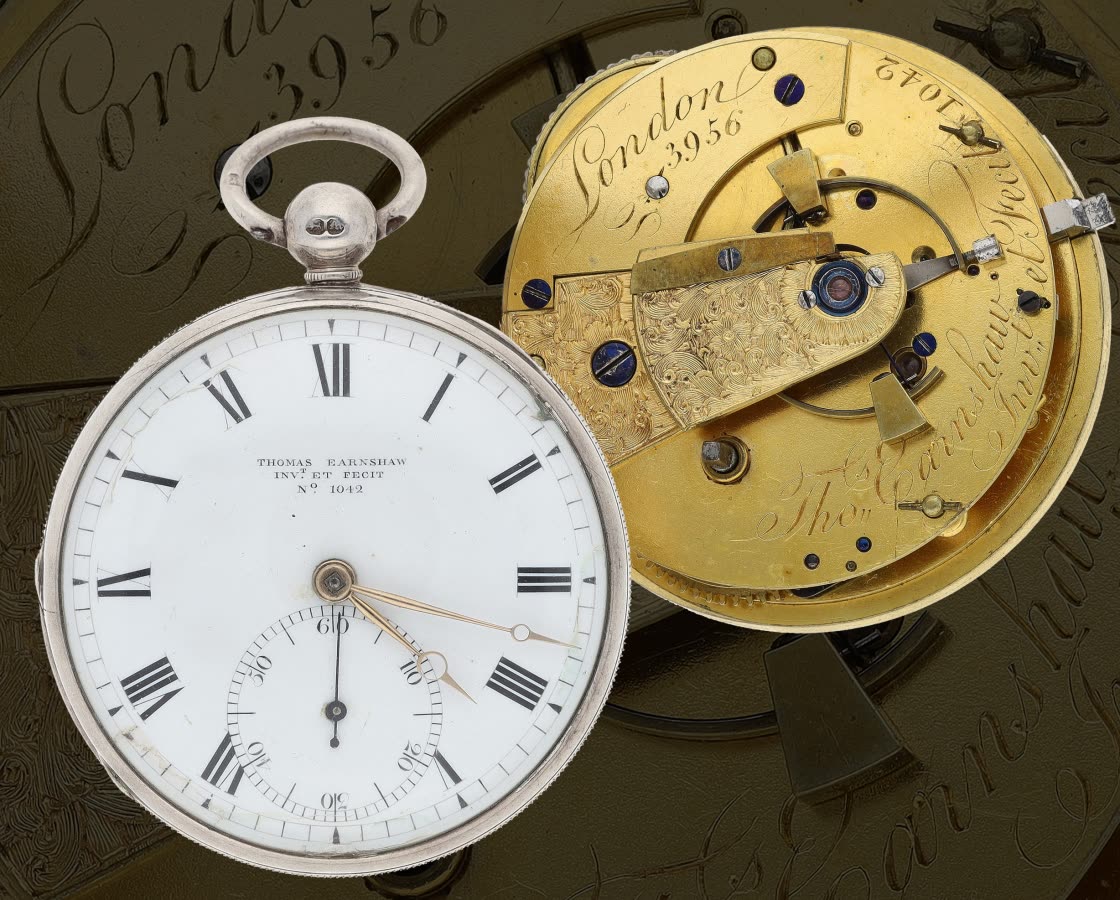
Photographs are illustrative examples of the type, not necessarily the exact object described. Verify details against the source file page.
Sources & references
- Thomas Earnshaw, Wikipedia (English), retrieved 2026-10-27 (text CC BY-SA 4.0)
- Earnshaw, Thomas, Watch-Wiki, retrieved 2026-10-27
- Brian Loomes, Watchmakers and Clockmakers of the World
- Mikrolisk trademark and maker index
Where sources disagree, the disagreement is stated rather than resolved silently.