
Glossary · Mechanism
Weight-driven
Powered by a falling weight rather than a spring.
Explanation
Weight-driven clocks are powered by a falling weight rather than a spring. Their constant driving force is ideal for precision, as in longcase clocks, regulators and turret clocks. Duration depends on the drop and the gearing: commonly thirty hours or eight days, and sometimes a month or a year in special clocks.
In the object catalogue
Catalogued objects whose own source record mentions “Weight-driven”. The quoted line shows where; it is the seller’s or museum’s wording, not independent verification.
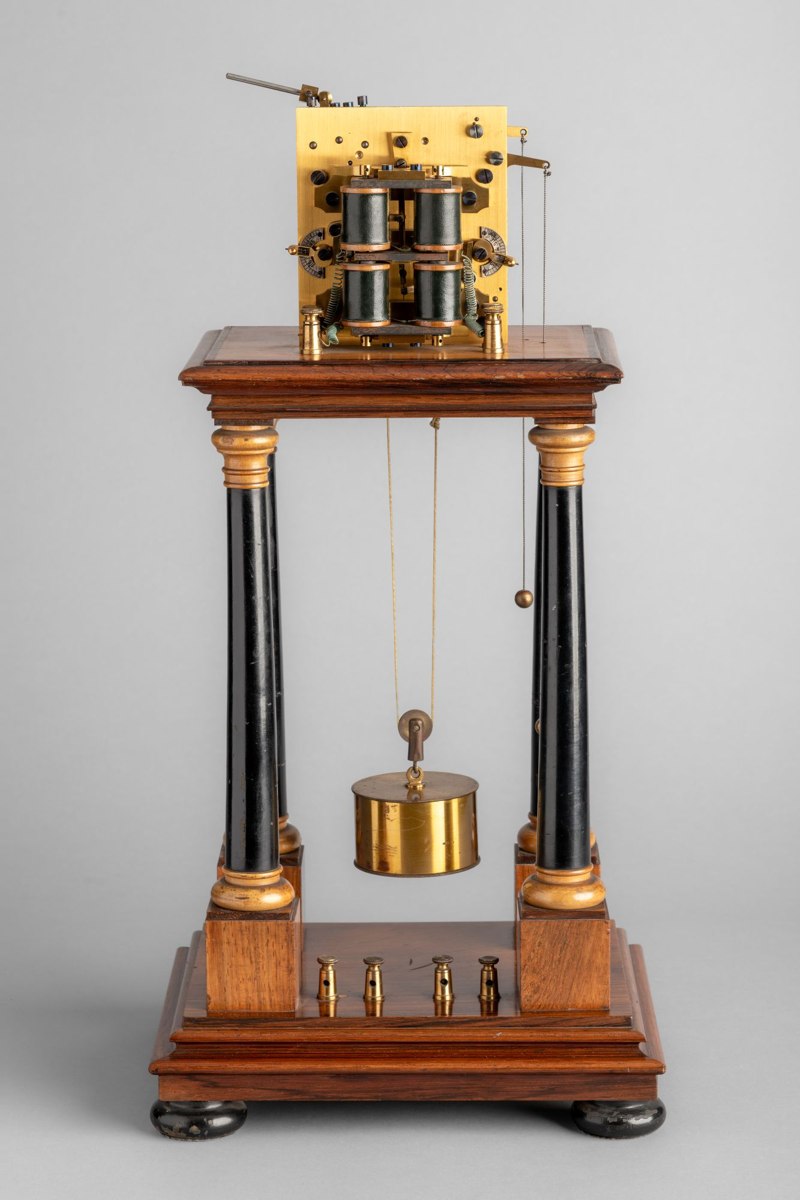
Clock
Chronoscope no. 17757
“Catalogued under reference TCW 4019 by The Clockworks, this weight-driven electric chronoscope represents a short-duration precision timer designed by clockmaker and telegraph e…”
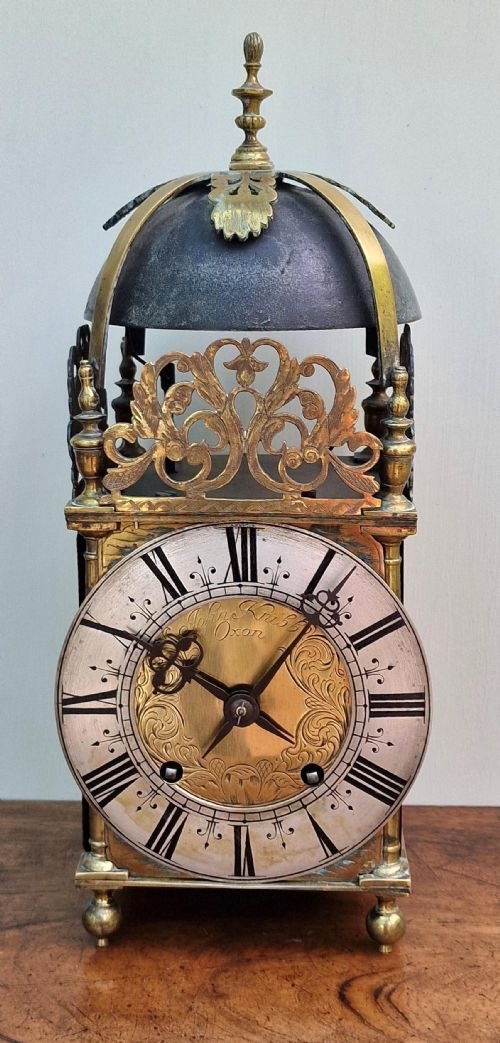
Clock
A 17th Century Lantern Clock, John Knibb of Oxford
“This lantern clock case is attributed by the seller to John Knibb of Oxford and dated to the 17th century (before 1700). The brass case features corner columns, pierced foliate …”
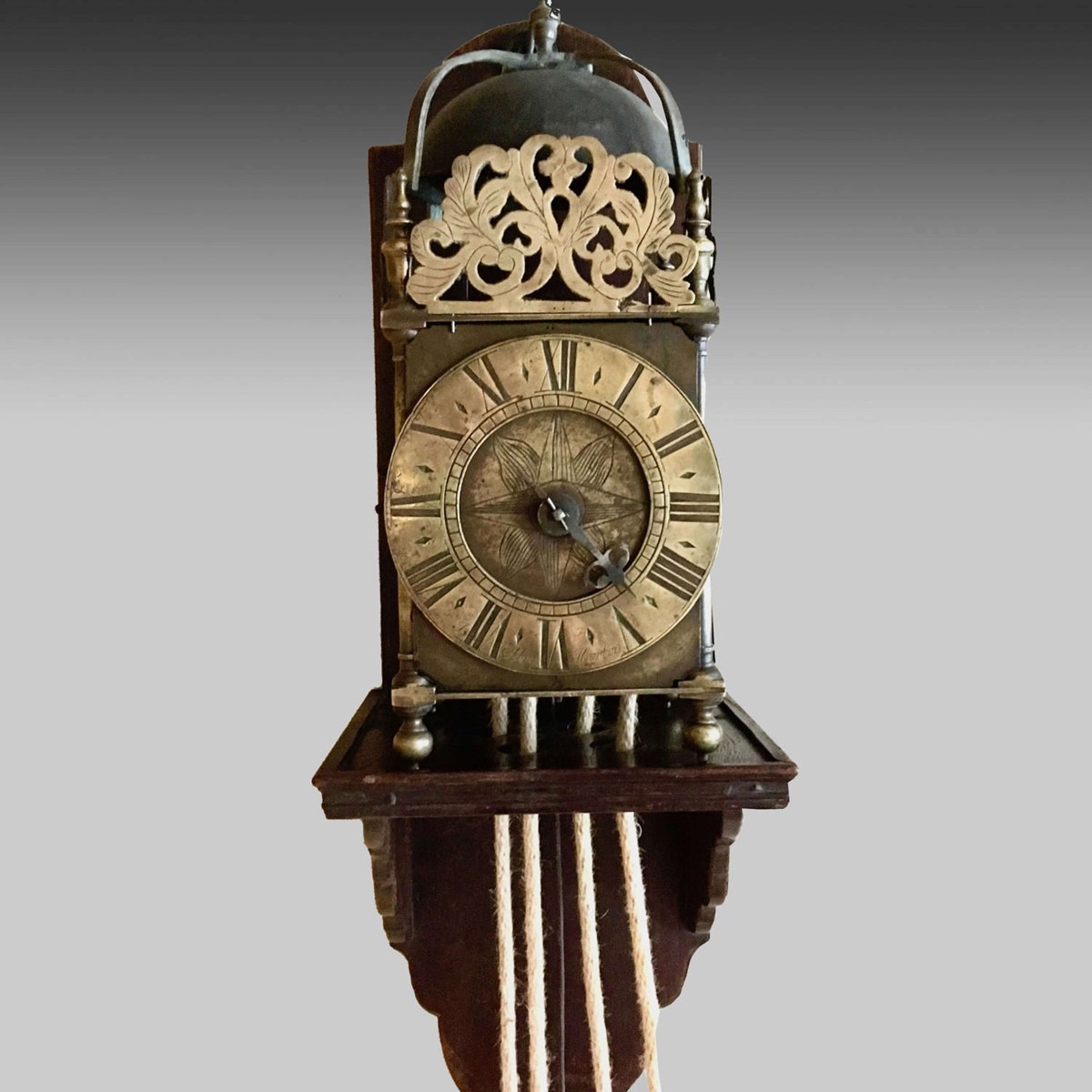
Clock
18th-century brass lantern clock by J. Ettry of Horton
“This is an 18th-century English brass lantern clock bearing the engraved dial signature 'J. Ettry. Horton', associated with the Ettry clockmaking family of Horton, Wiltshire. Th…”
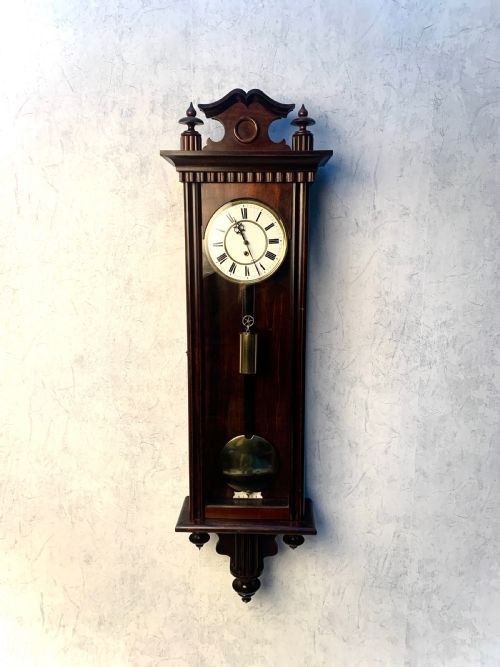
Clock
Biedermeier Vienna Regulator Wall Clock
“Dating to the nineteenth century and styled in the Biedermeier tradition, this wall-mounted regulator clock features a mahogany veneered case decorated with carved mouldings, de…”
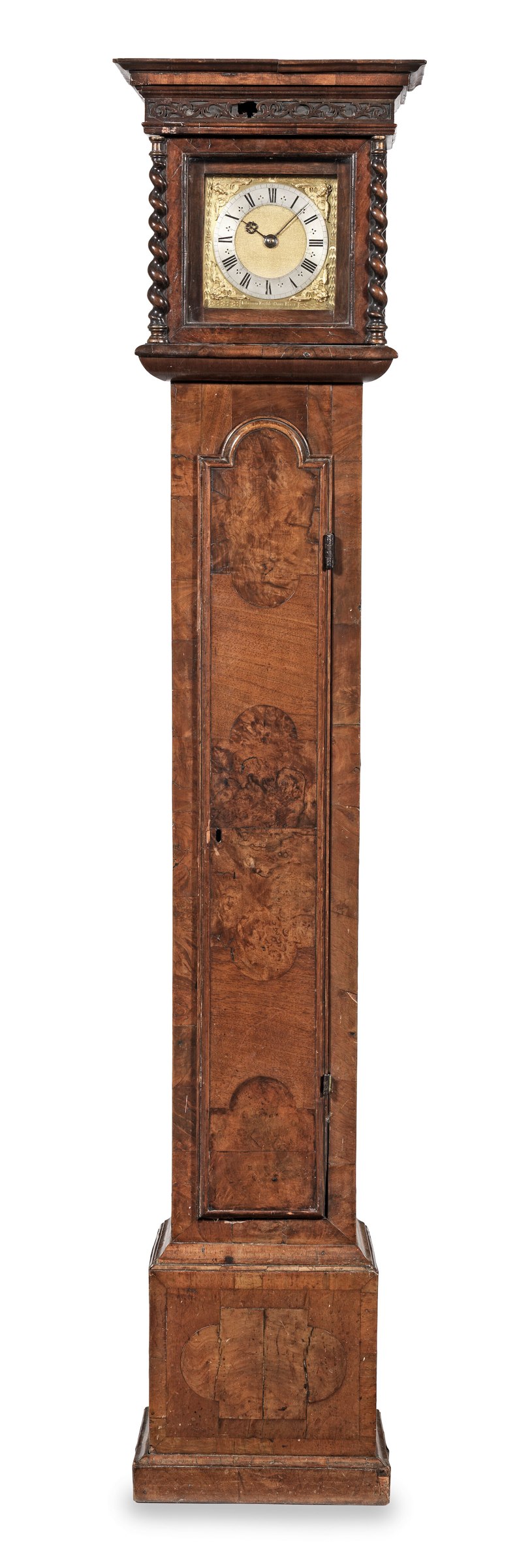
Clock
A late 17th-century weight-driven wall clock by John Knibb, Oxford (now in a floor-standing case)
“A late 17th-century weight-driven wall clock by John Knibb, Oxford (now in a floor-standing case)”
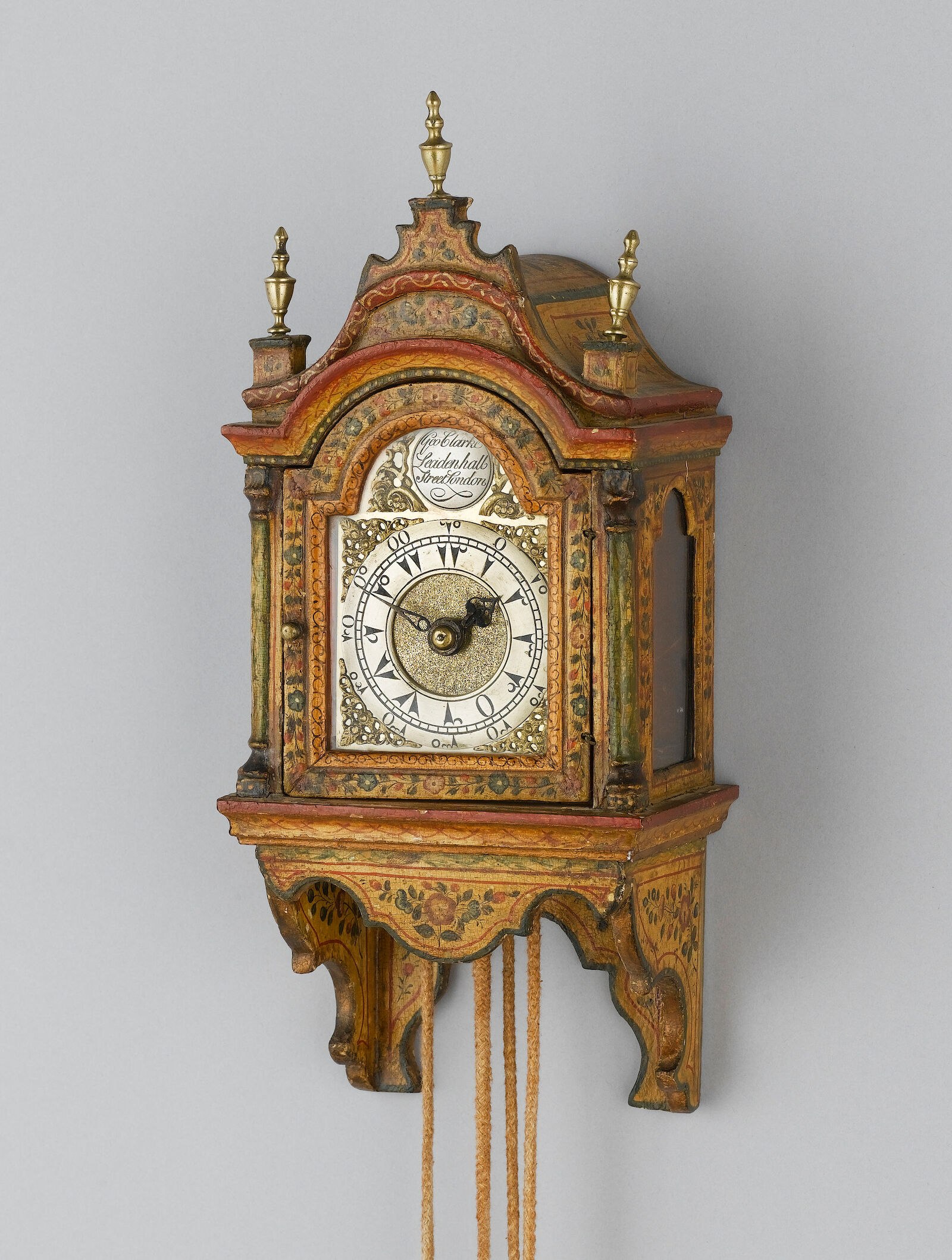
Clock
George Clarke mid-18th century lacquered hooded wall clock
“This mid-18th-century lacquered hooded wall clock is signed by George Clarke of Leadenhall Street, London. The case features a pagoda-shaped hood surmounted by three urn-form fi…”