
Glossary · Regulation
Index
The lever altering the effective length of the hairspring.
Explanation
In watch regulating work, the index is a movable regulator that changes the effective active length of a hairspring through its curb pins or equivalent guiding arrangement. Shortening the active spring generally increases rate; lengthening it generally decreases rate. Marks such as F/S or +/− indicate the maker's intended direction of adjustment, not a measured number of seconds per division.
The index is not the same as the stud that anchors the outer end of the spring. A free-sprung balance may have no conventional rate index: rate is adjusted through the balance's inertia instead. Even on an indexed movement, a poor rate can arise from faults that moving the regulator will not remedy. Spring geometry, amplitude, magnetism, wear and escapement condition require separate assessment.
What to record
- Locate the regulator scale without touching the hairspring.
- Distinguish the regulator from the spring's outer attachment.
- Record the calibre before interpreting its adjustment system.
An index adjustment cannot certify mechanical health; do not move a delicate regulator on an unfamiliar historic watch.
In the object catalogue
Catalogued objects whose own source record mentions “Index”. The quoted line shows where; it is the seller’s or museum’s wording, not independent verification.
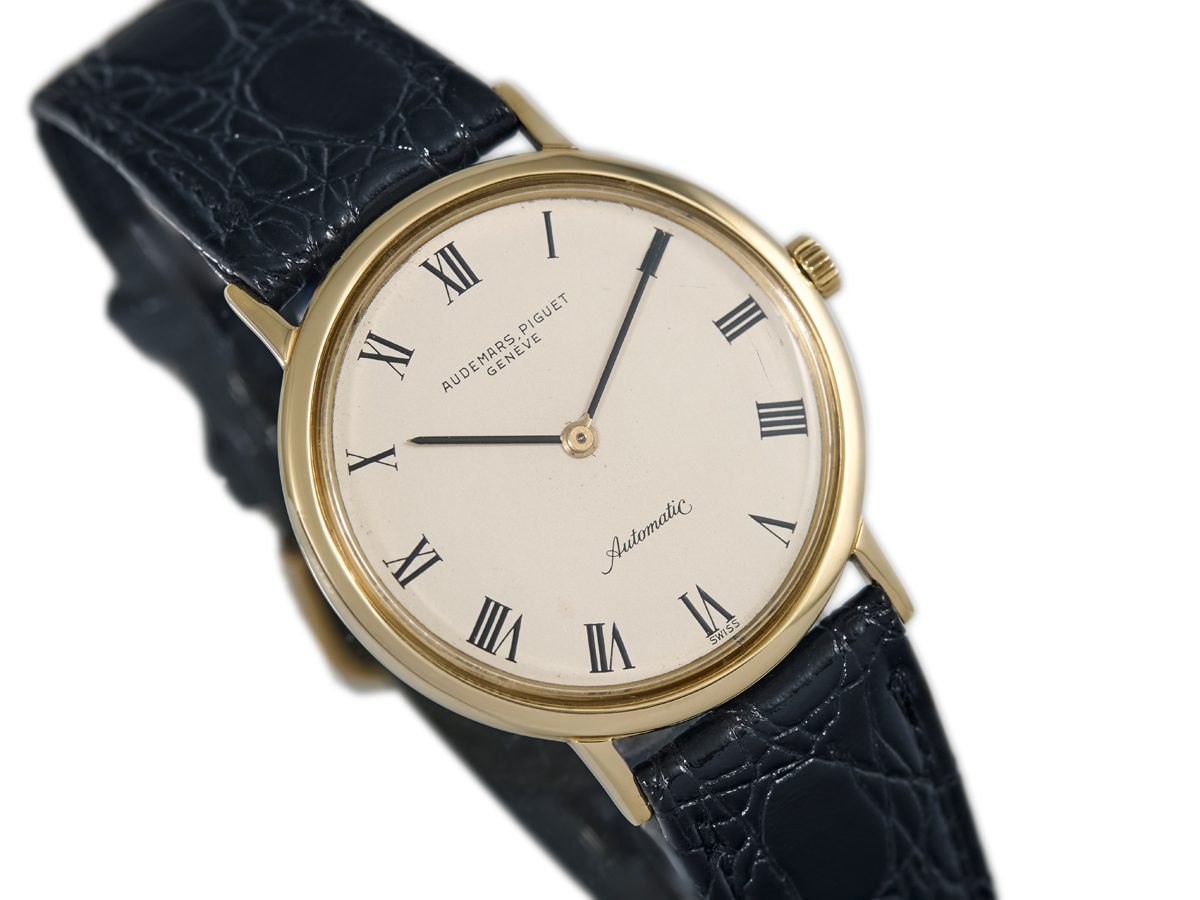
Wristwatch
Audemars Piguet Automatic Cal. K2120 18ct wristwatch
“This is an 18ct yellow gold automatic dress wristwatch manufactured by Audemars Piguet, dated by the source to circa 1974. The round case measures 34 mm in diameter excluding th…”
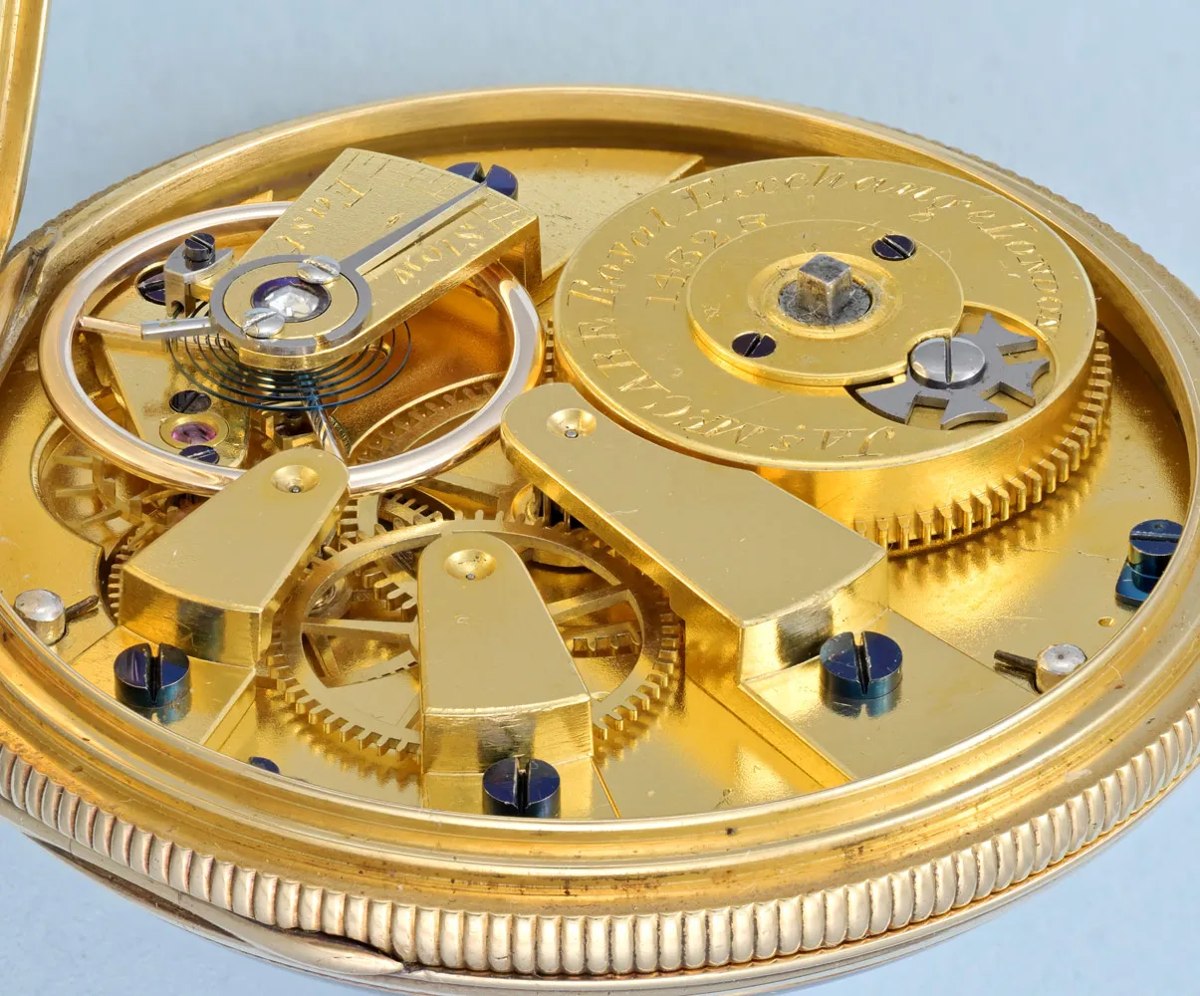
Pocket watch
James McCabe 1834 Gold Lepine Calibre Duplex Pocket Watch
“Plain balance cock fitted with a steel regulator index pointing to a scale engraved 'Slow' and 'Fast', with an endstone setting.”
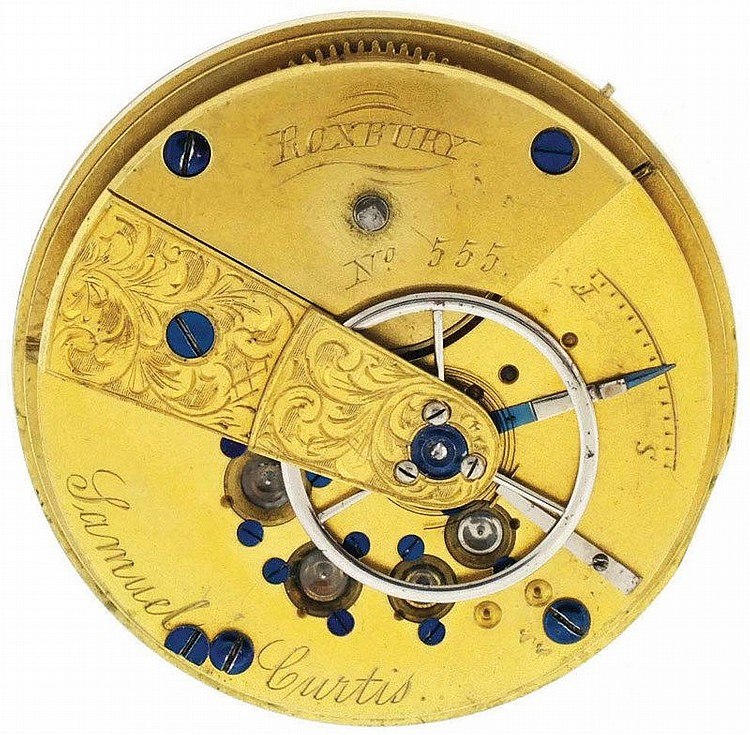
Movement
American Waltham Watch Co. Model 1857 'Samuel Curtis' Movement
“The balance bridge is decorated with foliate engraving and carries a blued index regulator pointing to an engraved 'F/S' scale.”
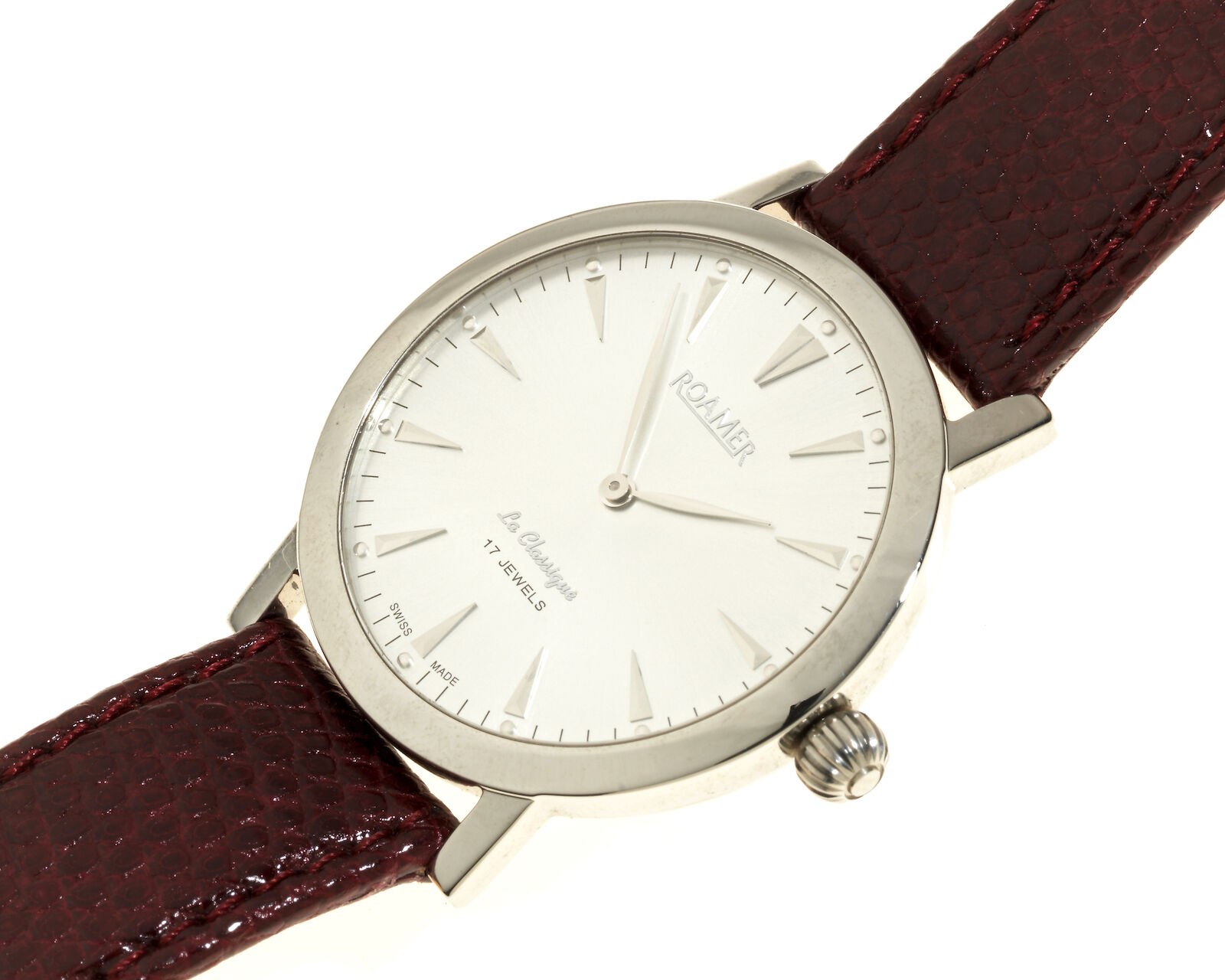
Wristwatch
Roamer La Classique stainless steel manual wind wristwatch
“Applied faceted dagger index hour markers with outer dot markers and minute chapter markings”
Pocket watch
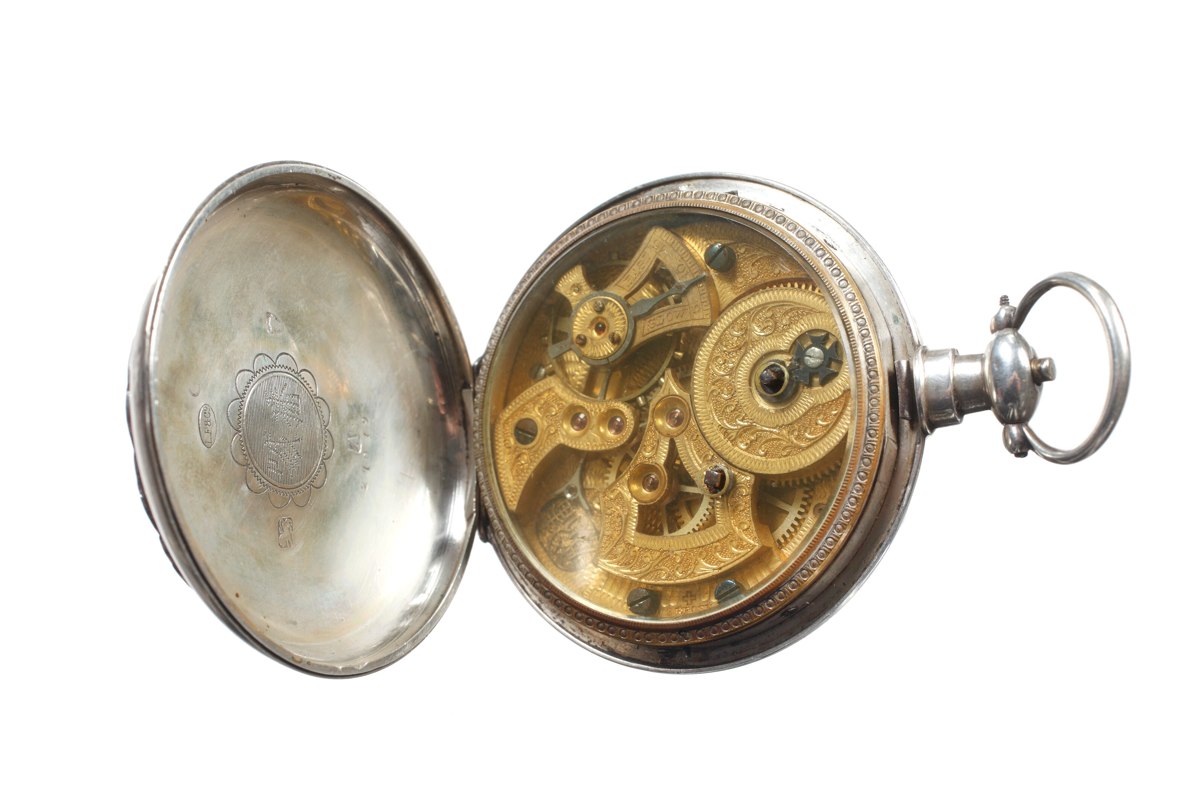
Bovet Fleurier 19th Century Open Face Pocket Watch for the Chinese Market
“According to Bonhams, this 19th-century open face pocket watch is attributed to Bovet Fleurier and was produced for the Chinese market. The movement side, visible beneath an inn…”
Pocket watch
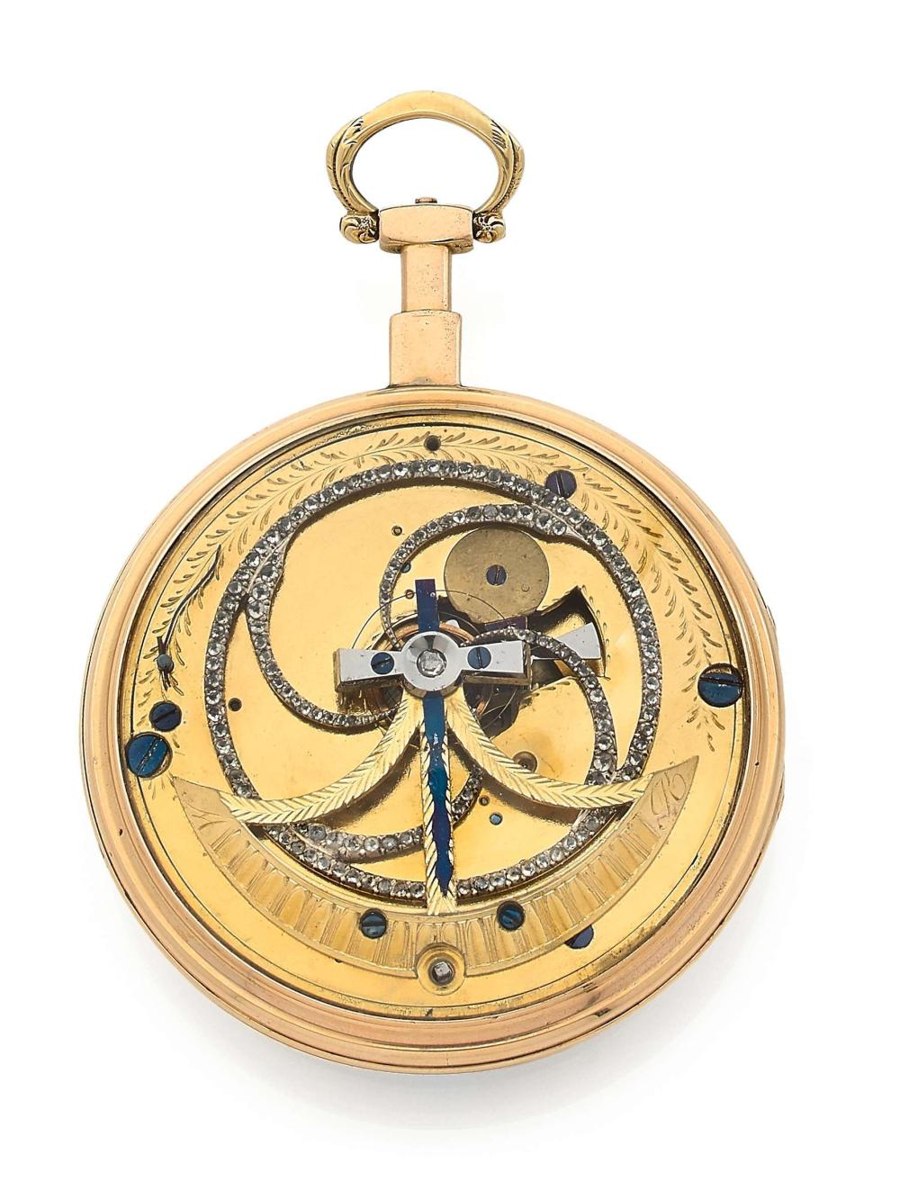
Gold pocket watch with dead center seconds, attributed to Moïse Pouzait
“Balance cock bridge features a central diamond endstone and blued steel components alongside an index regulator.”