
Glossary · Mechanism
Duplex escapement
A watch escapement combining a frictional-rest locking action with a single impulse per swing, using two sets of teeth on one escape wheel.
Explanation
The duplex escapement, developed in the late eighteenth century and associated with makers such as Thomas Tyrer and later English watchmaking, uses an escape wheel with two sets of teeth: long locking teeth that rest on a small ruby roller on the balance staff, and short impulse teeth that act on a notch in that roller once per swing. The balance receives impulse in one direction only.
The duplex offered better timekeeping than the cylinder and suited the English preference for robust, high-quality watches; it was widely used in good English pocket watches and in watches made for the Chinese market. Its weaknesses are sensitivity to shock — a jolt can disengage the locking and stop the watch — and the single-direction impulse. It was displaced by the lever as manufacturing made the lever cheaper and more reliable.
Identification cues: the characteristic escape wheel with two tooth levels, the ruby roller with its notch, and typically an English full-plate or three-quarter-plate movement. Record the escapement from the movement; duplex watches are frequently misdescribed as lever watches in trade listings.
Sources & references
- de Carle, D., Practical Watch Repairing — technical further reading; exact procedures require calibre documentation
- Reymondin et al., The Theory of Horology — construction and terminology further reading
Where sources disagree, the disagreement is stated rather than resolved silently.
Distinctions at a glance
| Feature | Duplex escapement | Comparison |
|---|---|---|
| Locking | Long teeth rest on a ruby roller | Cylinder locks on the cylinder rim |
| Impulse | Once per swing, one direction | Lever impulses in both directions |
| Typical host | English pocket watches, Chinese-market watches | Continental thin watches favour cylinder |
| Shock behaviour | Can disengage and stop after a jolt | Lever resists this with guard action |
What to record
- Confirm the two-level escape wheel before naming the escapement.
- Note any stopping after shock as characteristic behaviour, not necessarily a fault.
- Keep trade-listing descriptions separate from inspected construction.
Do not shake or sharply rotate a duplex watch to restart it; if the locking has disengaged, the watch needs a watchmaker.
In the object catalogue
Catalogued objects whose own source record mentions “Duplex escapement”. The quoted line shows where; it is the seller’s or museum’s wording, not independent verification.
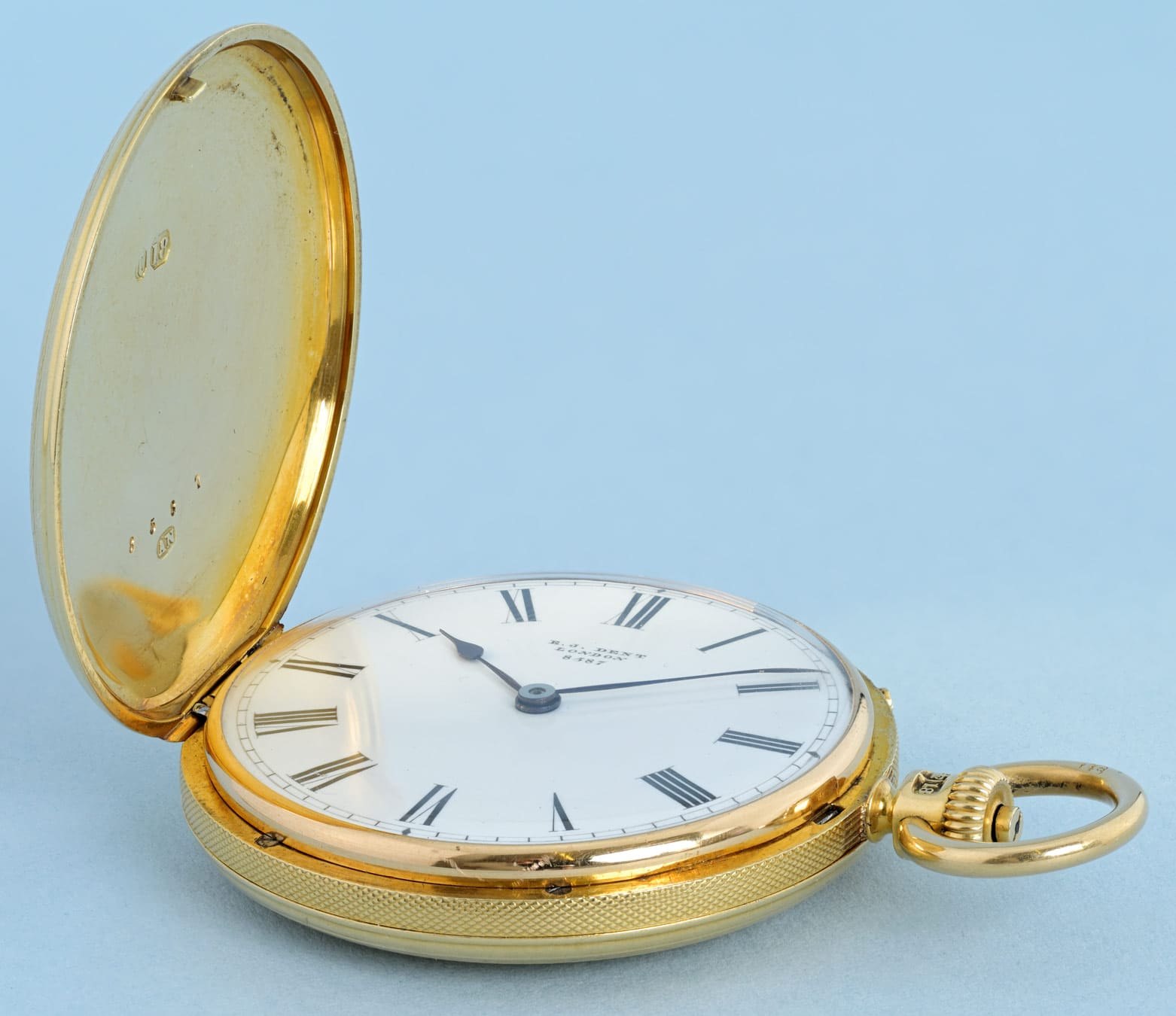
Pocket watch
Nicole Nielsen Gold Hunter Pocket Watch
“This mid-19th-century English duplex pocket watch is attributed to Nicole Nielsen and documented with London hallmarks dating to 1858. The watch is encased in an 18-carat yellow…”
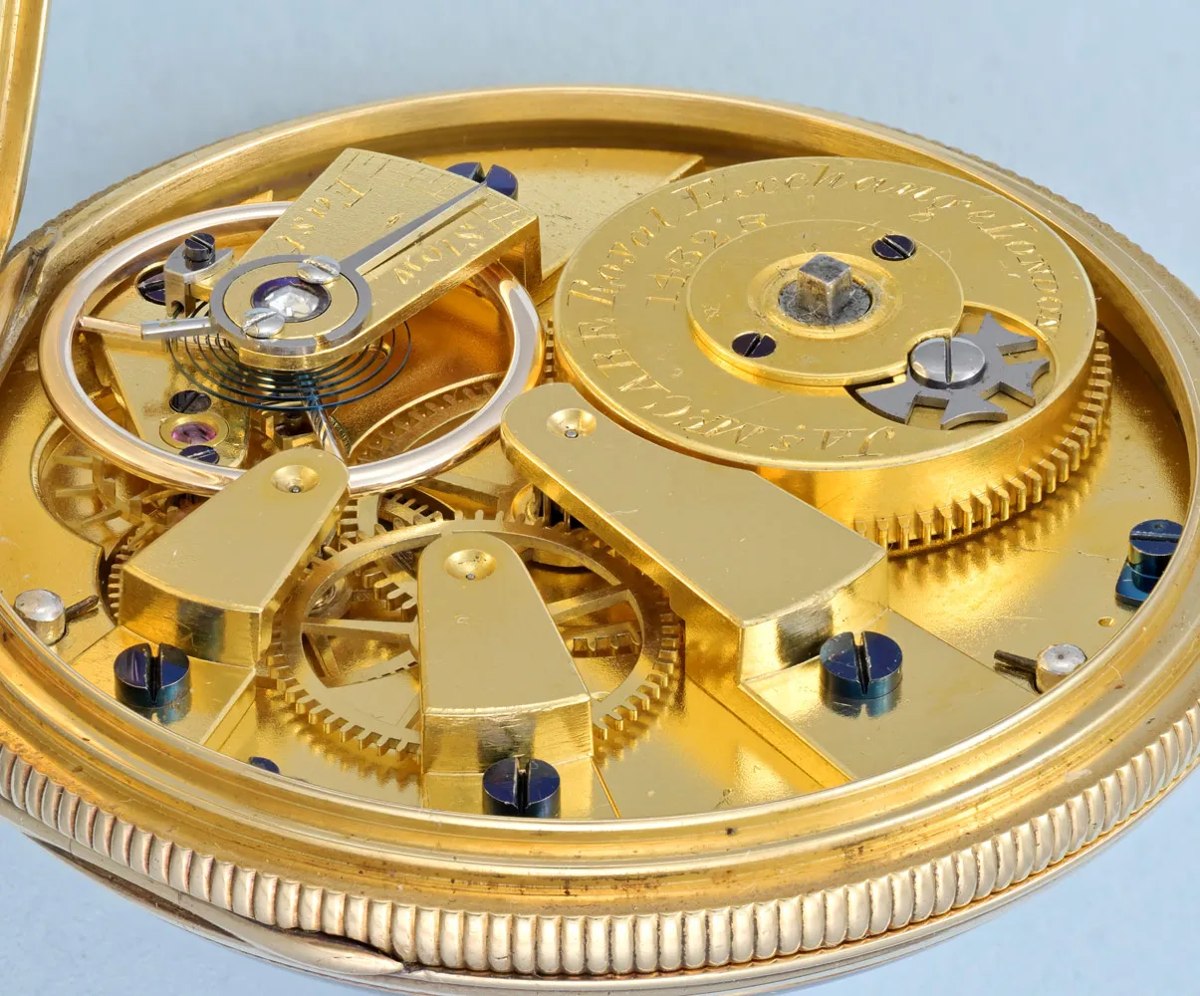
Pocket watch
James McCabe 1834 Gold Lepine Calibre Duplex Pocket Watch
“This nineteenth-century open face pocket watch features a keywind gilt Lepine calibre bar movement with a duplex escapement, crafted by James McCabe of Royal Exchange, London, a…”
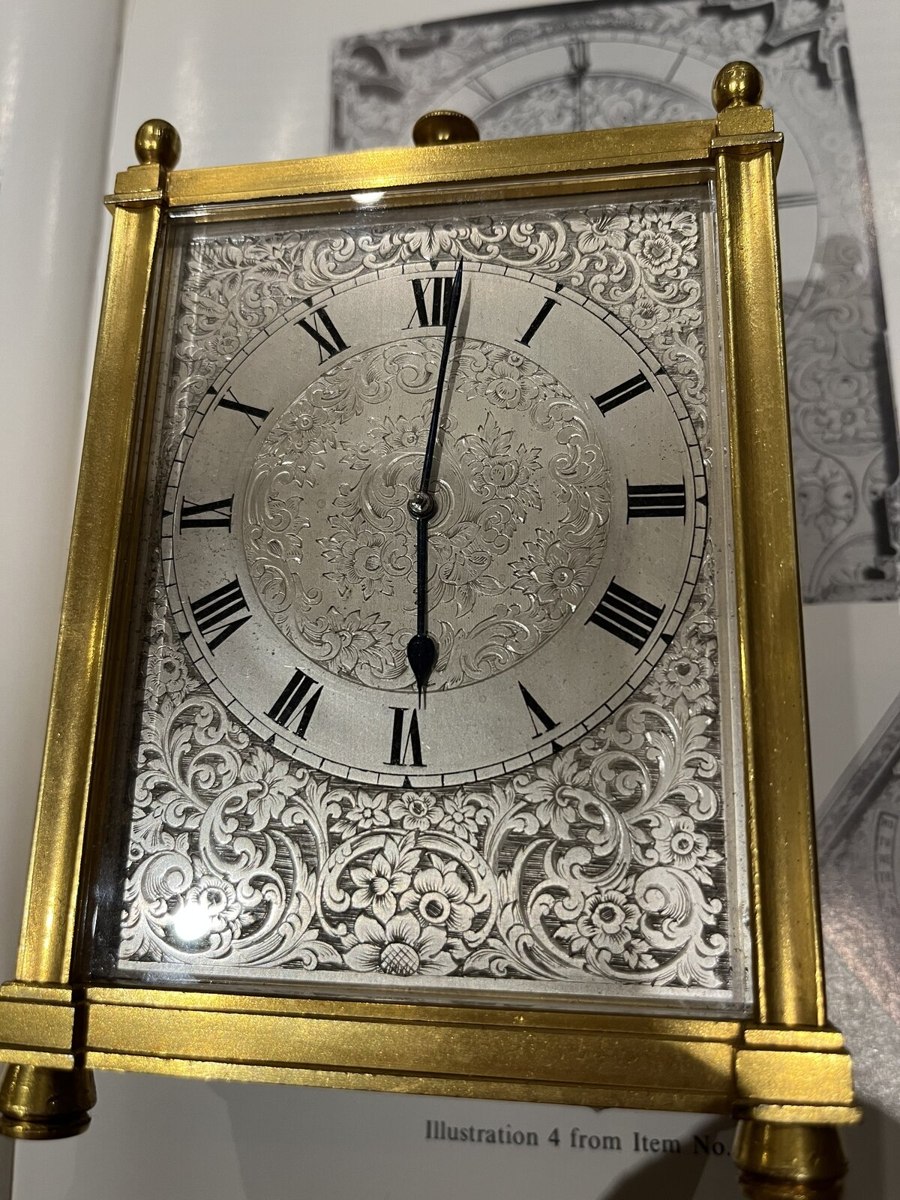
Clock
Hunt & Roskell engraved carriage clock
“This miniature carriage or mantel clock measures approximately 14 cm in height and features an engraved gilt-brass rectangular case. According to the owner, it was originally pu…”
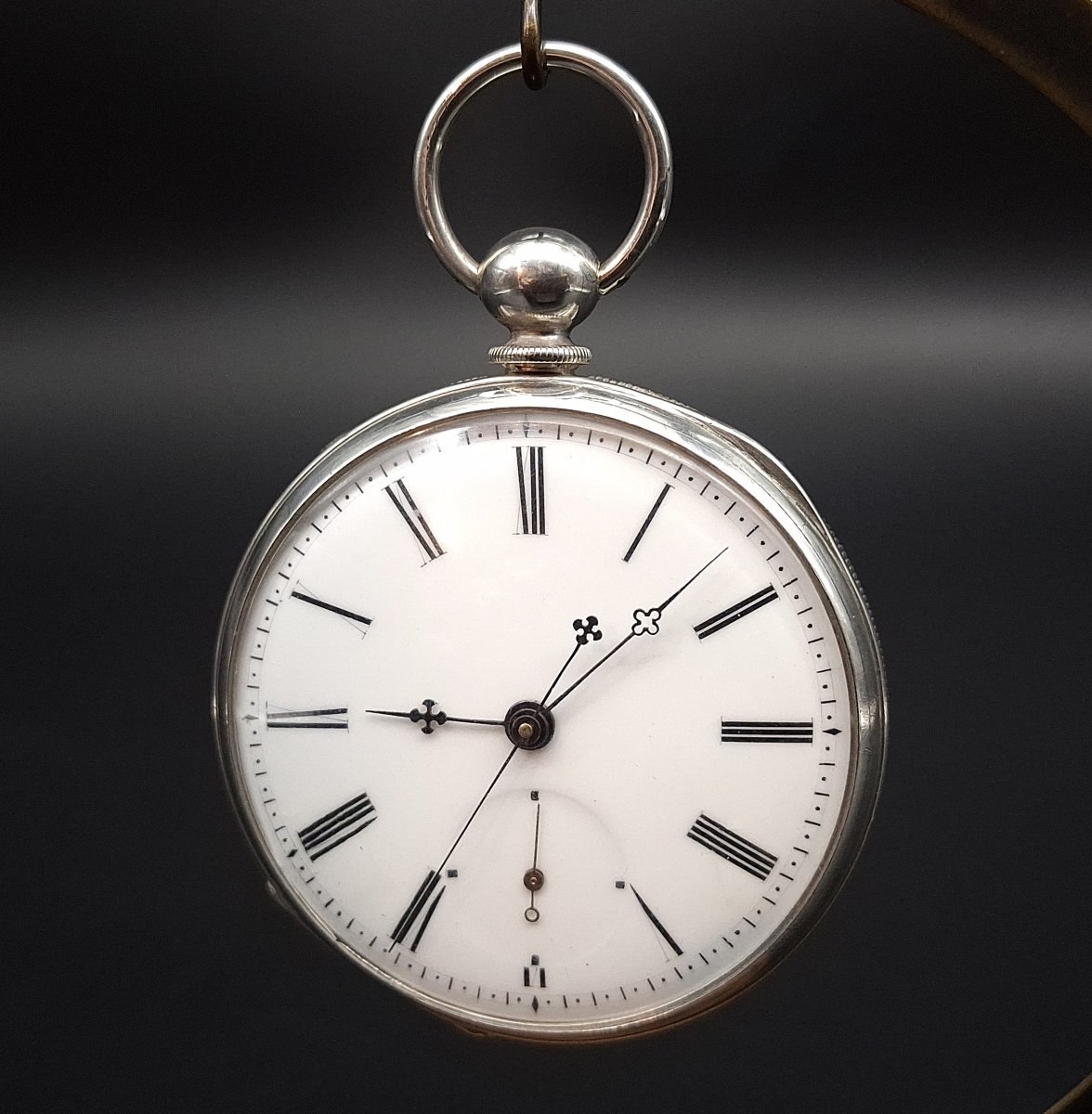
Pocket watch
Rare Diablotine Duplex Pocket Watch
“This pocket watch, dated by the seller to circa 1870, features an engraved sterling silver case reported at 55 mm in diameter. According to the seller, the watch houses a fully …”
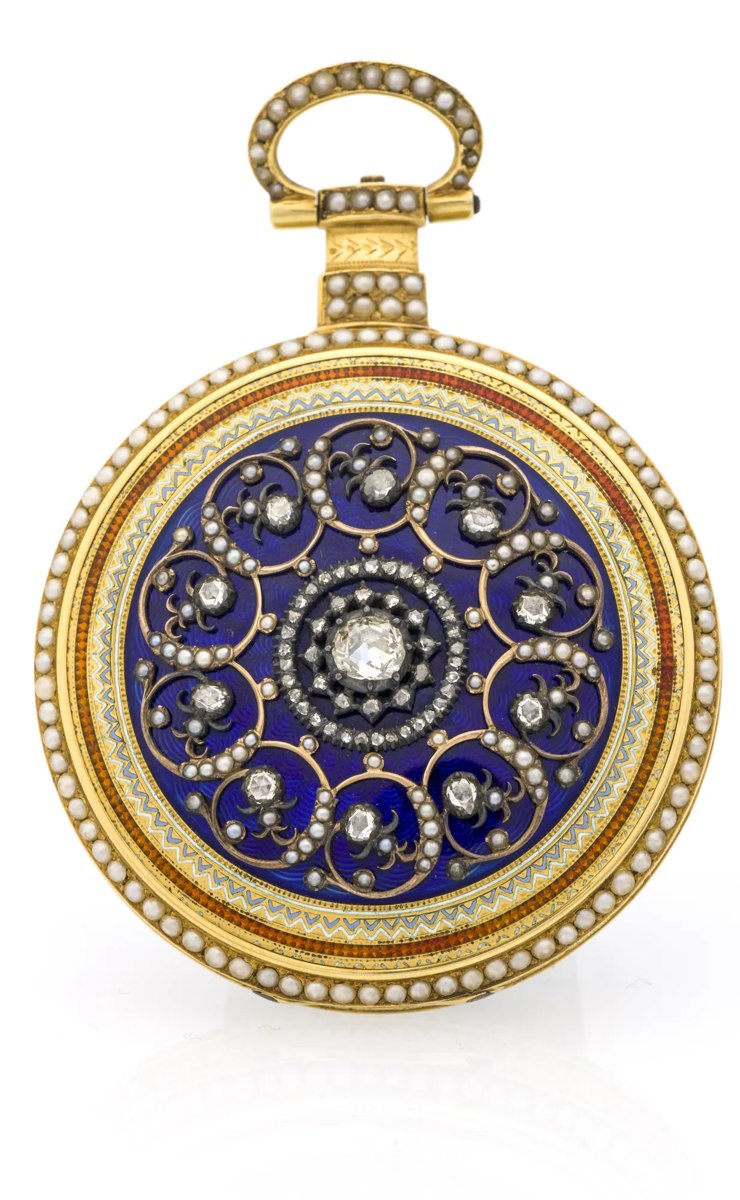
Pocket watch
William Anthony (attributed) 'Diamond Rosette' Pocket Watch, retailed by Just & Lane, No. 1855
“Movement Calibre: Chinese calibre with duplex escapement”
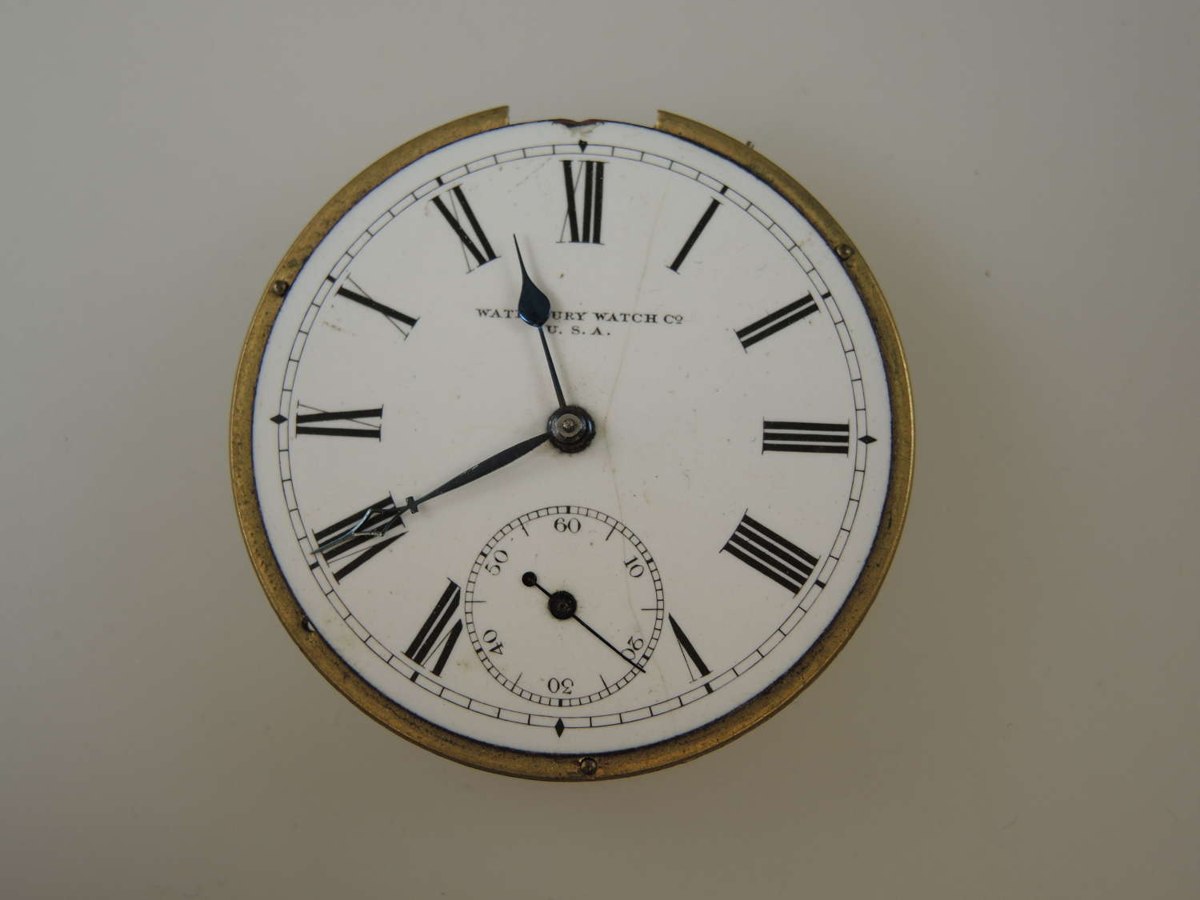
Movement
Waterbury Watch Co Duplex Series J Pocket Watch Movement
“This is an American pocket watch movement produced by the Waterbury Watch Co, dated circa 1890 by the source. According to the seller, it is an open-face, stem-wound and hand-se…”