
Glossary · Mechanism
Automatic winding (self-winding)
A mechanism using an oscillating or rotating weight to rewind the mainspring from wrist motion.
Explanation
Automatic (self-winding) winding uses the wearer's motion to wind the mainspring, usually through a pivoted rotor or, in earlier designs, a bumper weight that bounces between springs. John Harwood patented the practical wristwatch bumper system in the 1920s; full-rotor systems followed in the 1930s–40s. Automatics still benefit from occasional hand winding if unworn, and their reversers and rotor bearings are wear points.
In the object catalogue
Catalogued objects whose own source record mentions “Automatic winding (self-winding)”. The quoted line shows where; it is the seller’s or museum’s wording, not independent verification.
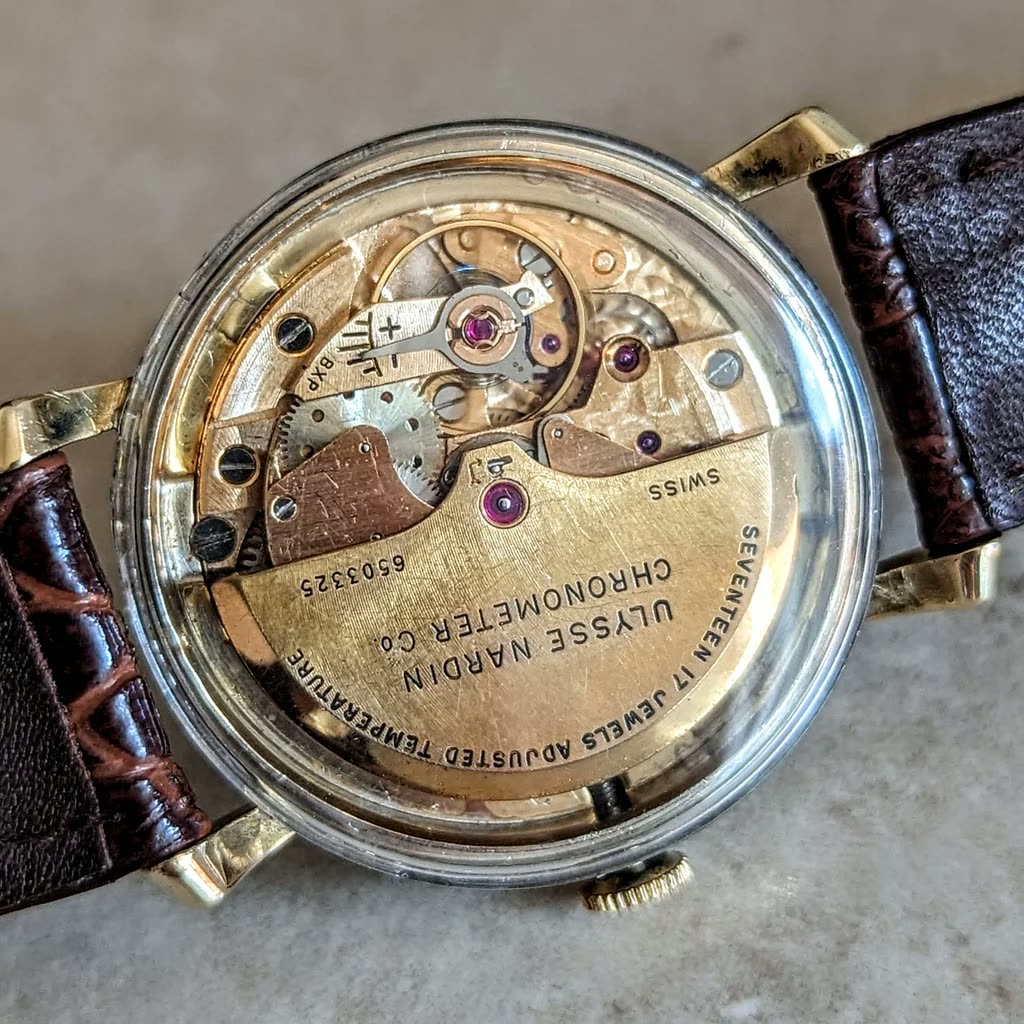
Wristwatch
Ulysse Nardin Chronometer Co. automatic wristwatch, caliber Felsa Bidynator 690
“Automatic winding rotor engraved 'ULYSSE NARDIN CHRONOMETER Co.', 'ADJUSTED TEMPERATURE', 'SEVENTEEN 17 JEWELS', 'SWISS', and serial '6503325'”
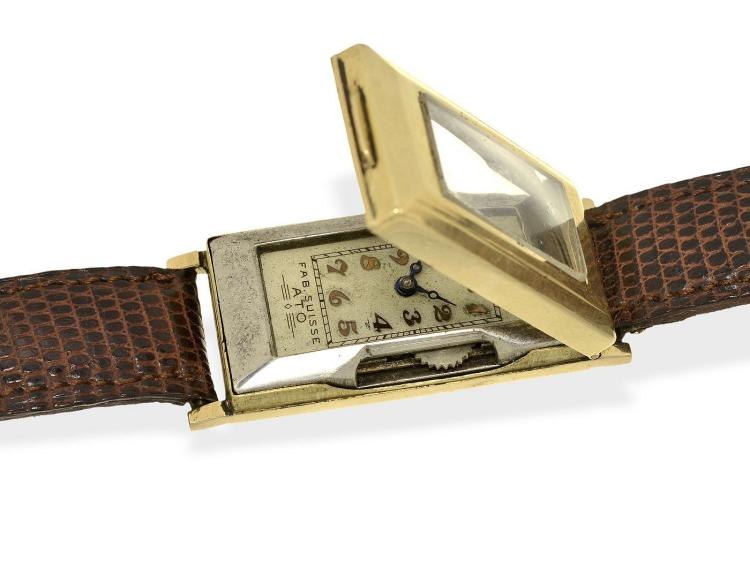
Wristwatch
ATO Rolls Hatots Patents 18K gold automatic wristwatch
“This early automatic wristwatch features an 18K gold rectangular case measuring approximately 17 by 37 mm with a liftable front bezel mechanism. Built according to Hatots Patent…”
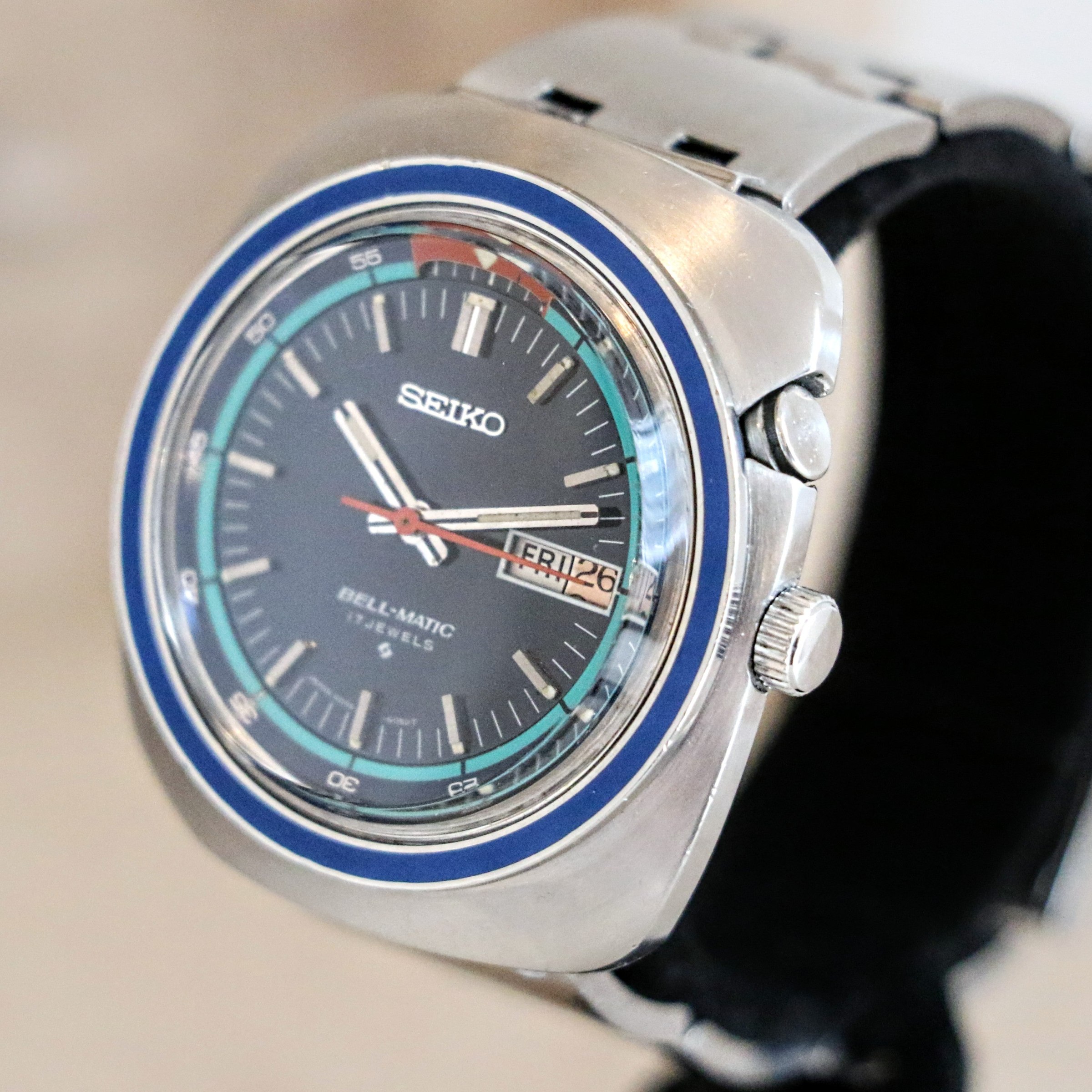
Wristwatch
Seiko Bell-Matic automatic alarm wristwatch, ref. 4006-6027
“This is a vintage Seiko Bell-Matic automatic alarm wristwatch, reference 4006-6027, dated by the seller to April 1973. It is fitted with a 17-jewel mechanical movement featuring…”
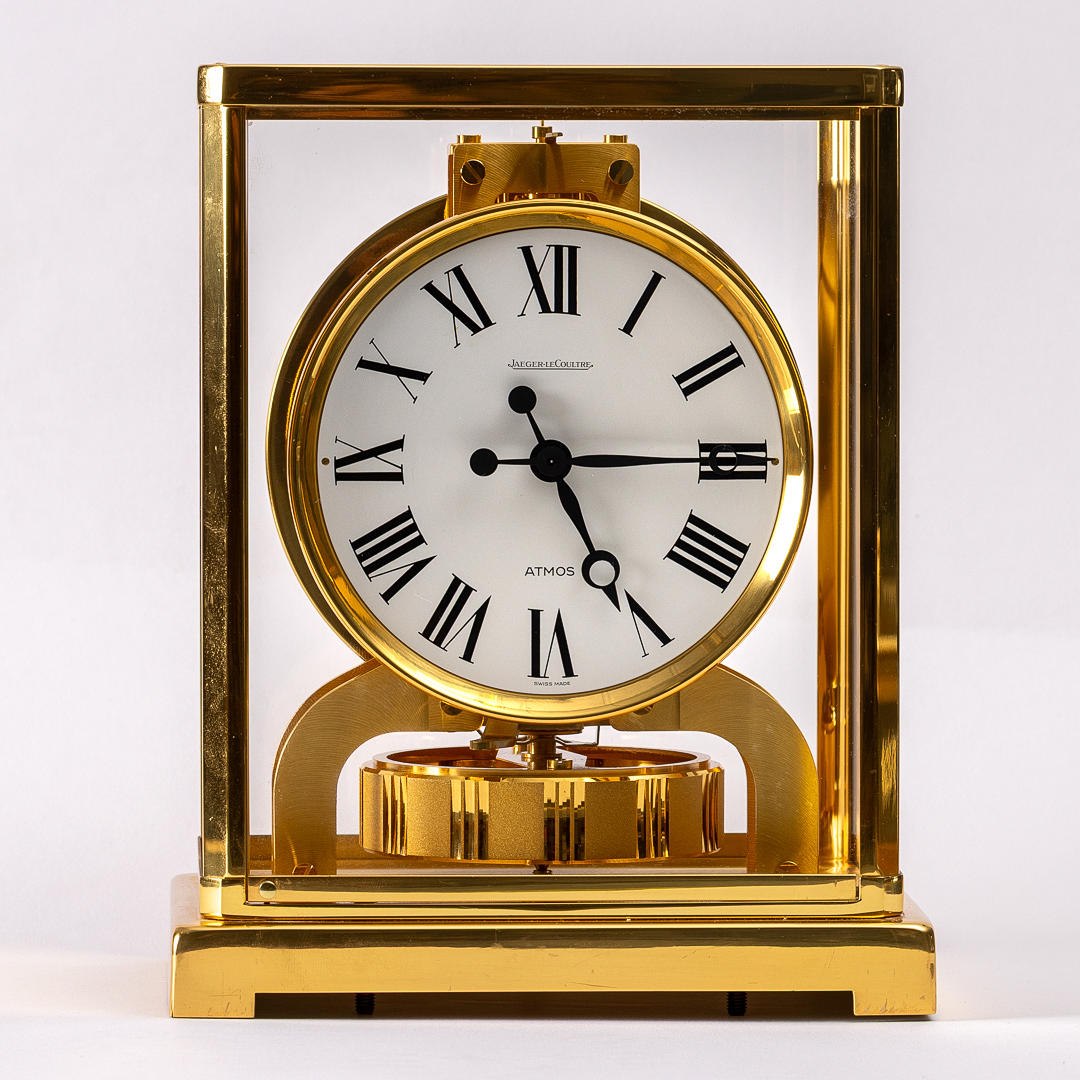
Clock
Jaeger-LeCoultre “Atmos Classique” table clock
“This Jaeger-LeCoultre 'Atmos Classique' table clock is dated by the auction house to the 1970s and bears serial number 513845. The mechanism utilizes a torsion pendulum and an a…”
Wristwatch
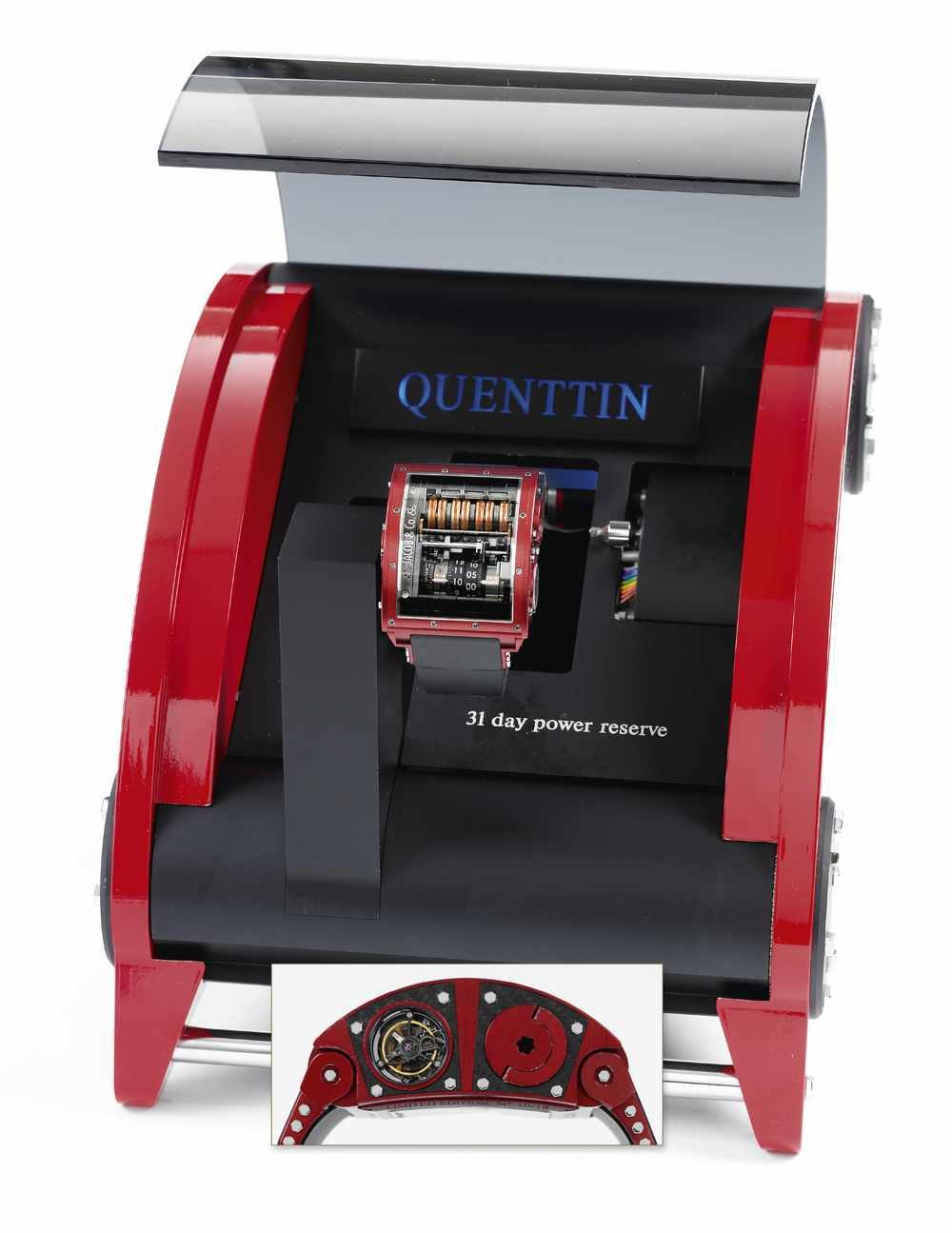
Jacob & Co. Quenttin Red Magnesium Tourbillon No. 10/18
“The Jacob & Co. Quenttin is a tourbillon wristwatch released in a limited edition of 18 pieces in 2007. This specific watch, numbered 10/18, features an oversized rectangular ca…”
Wristwatch
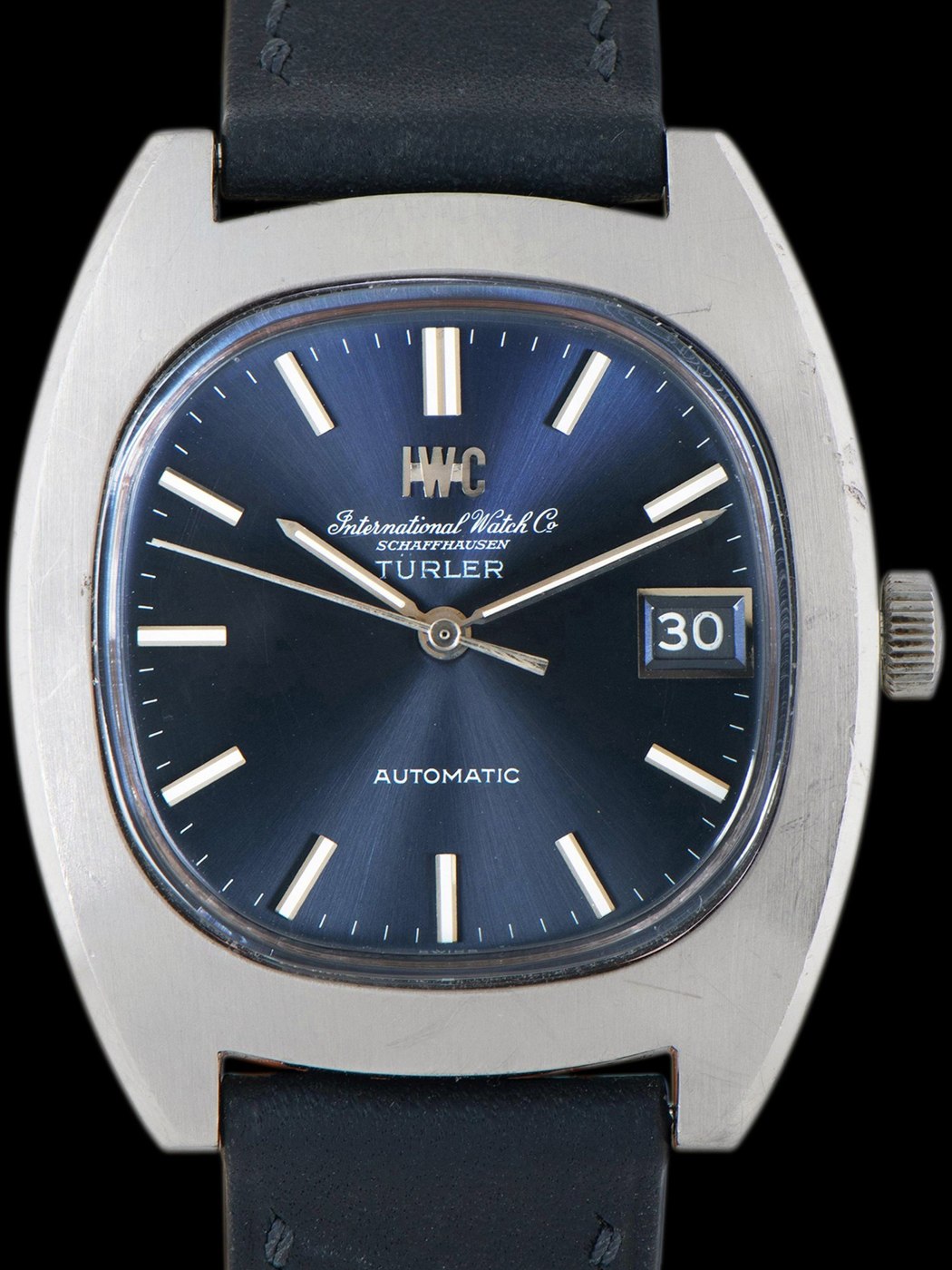
IWC Automatic Reference 1872 with Türler Signed Dial
“This vintage men's wristwatch by the Swiss manufacturer International Watch Company (IWC) dates to the 1970s. It features a stainless steel cushion-shaped case measuring 36 mm i…”