
Related photographs
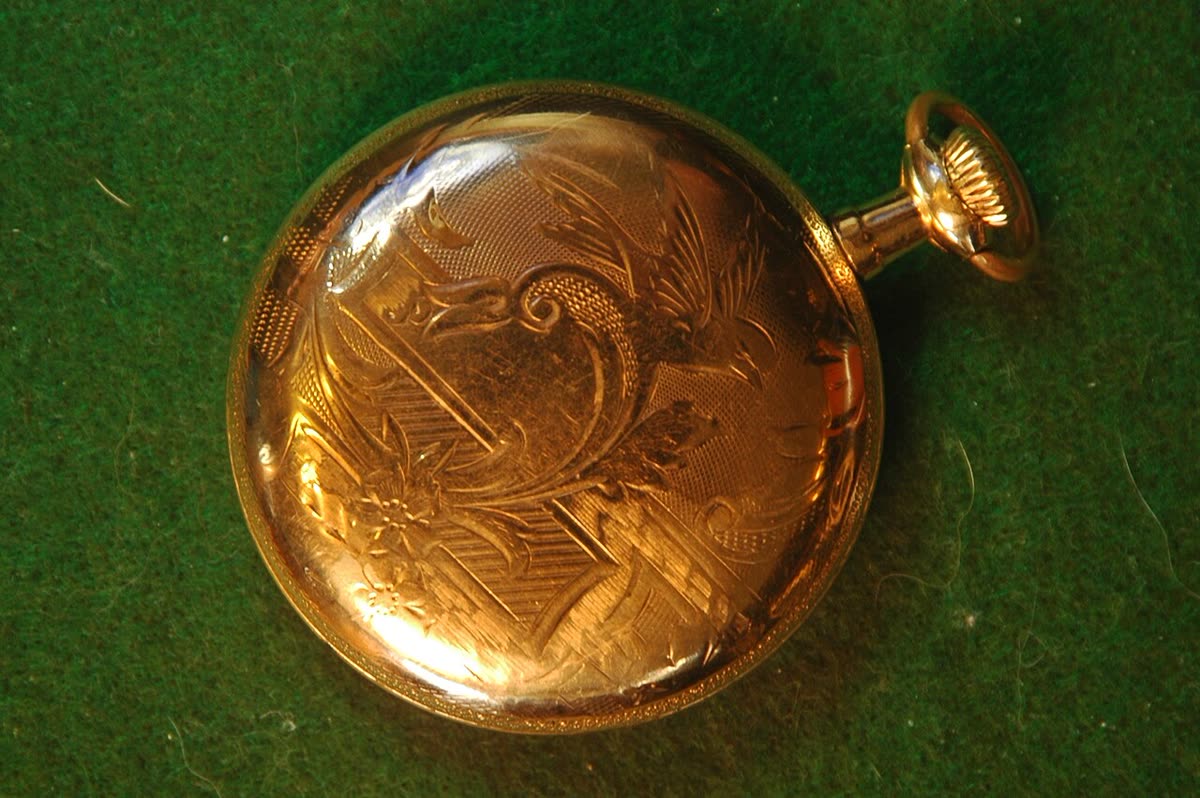
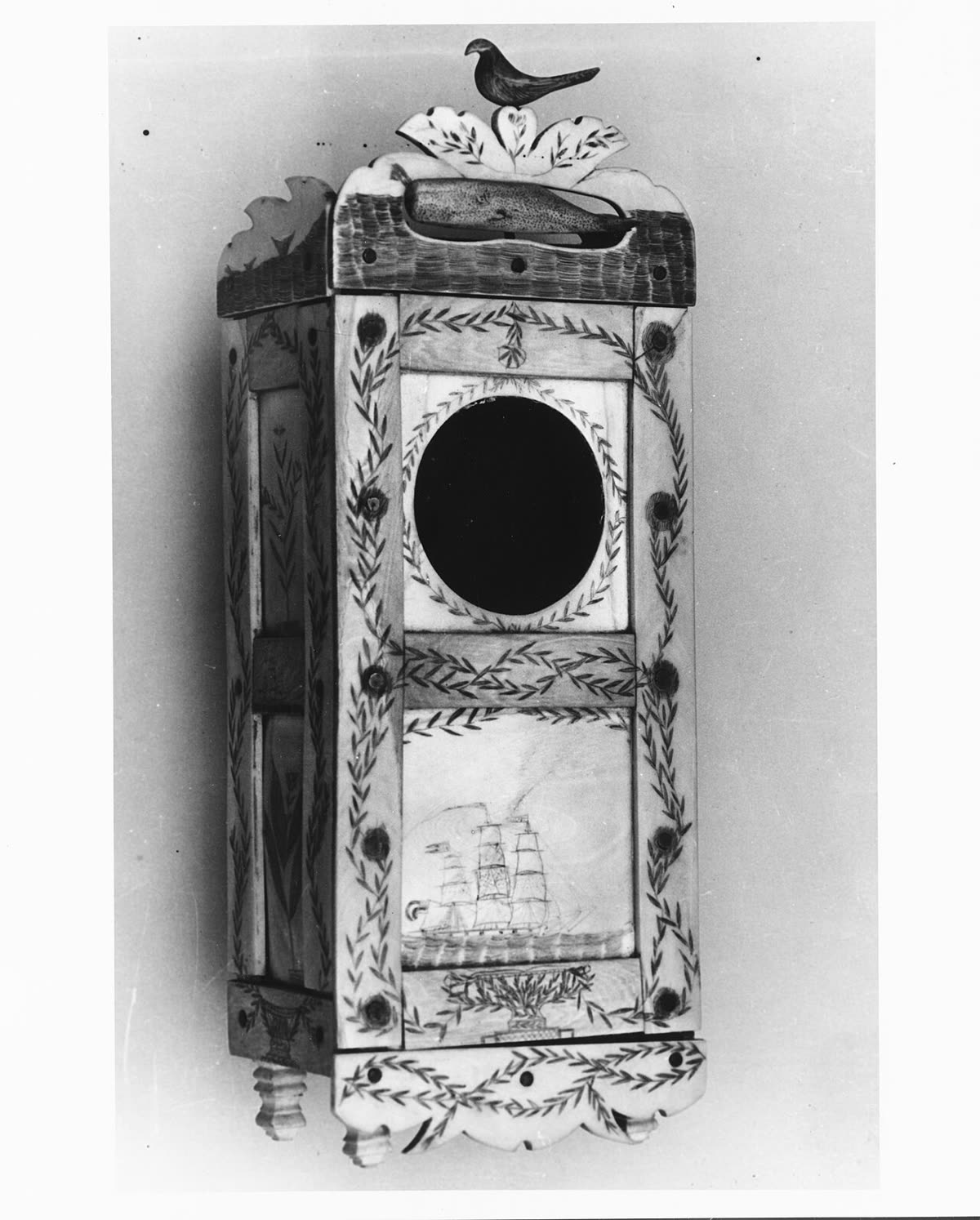
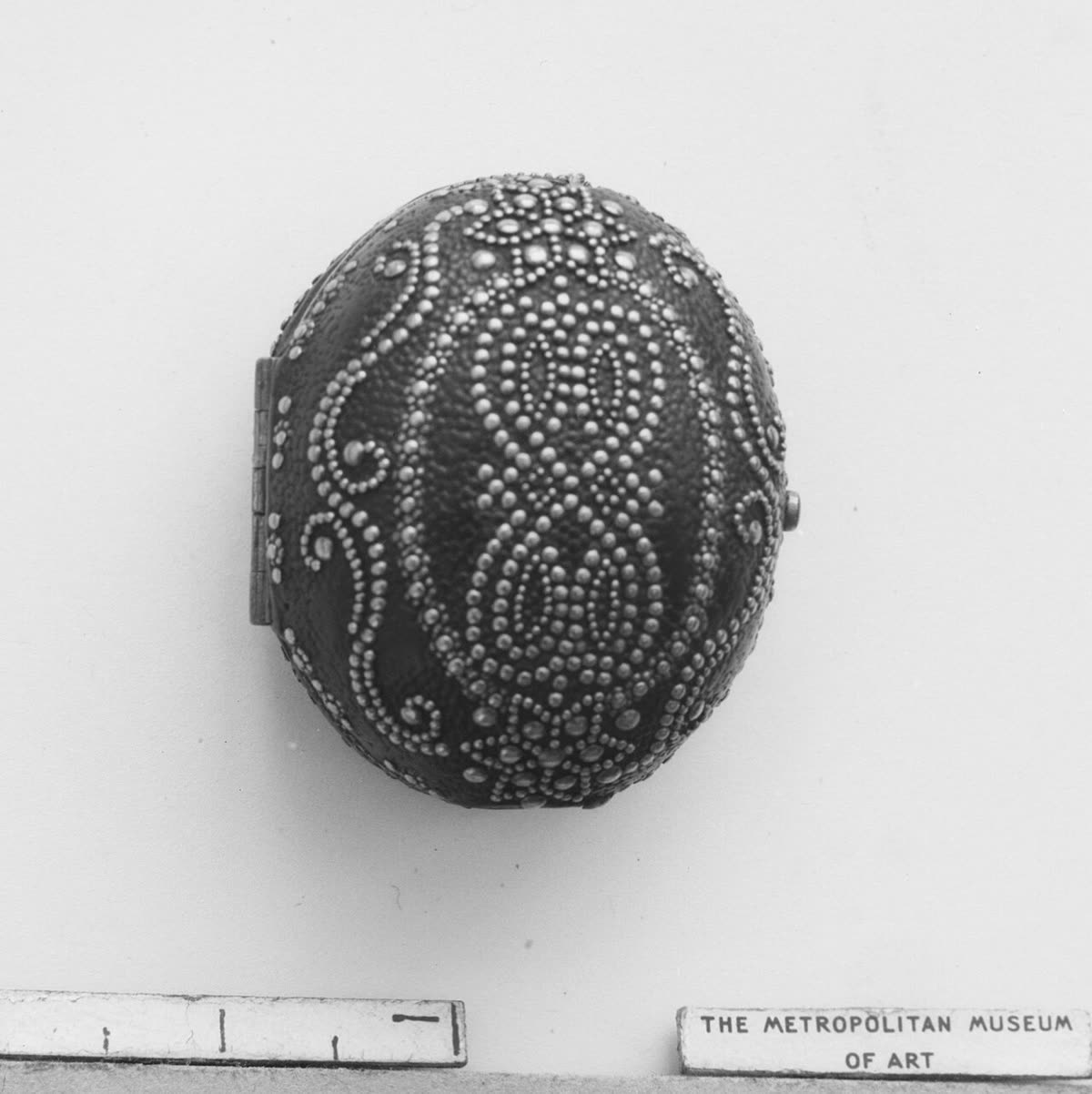
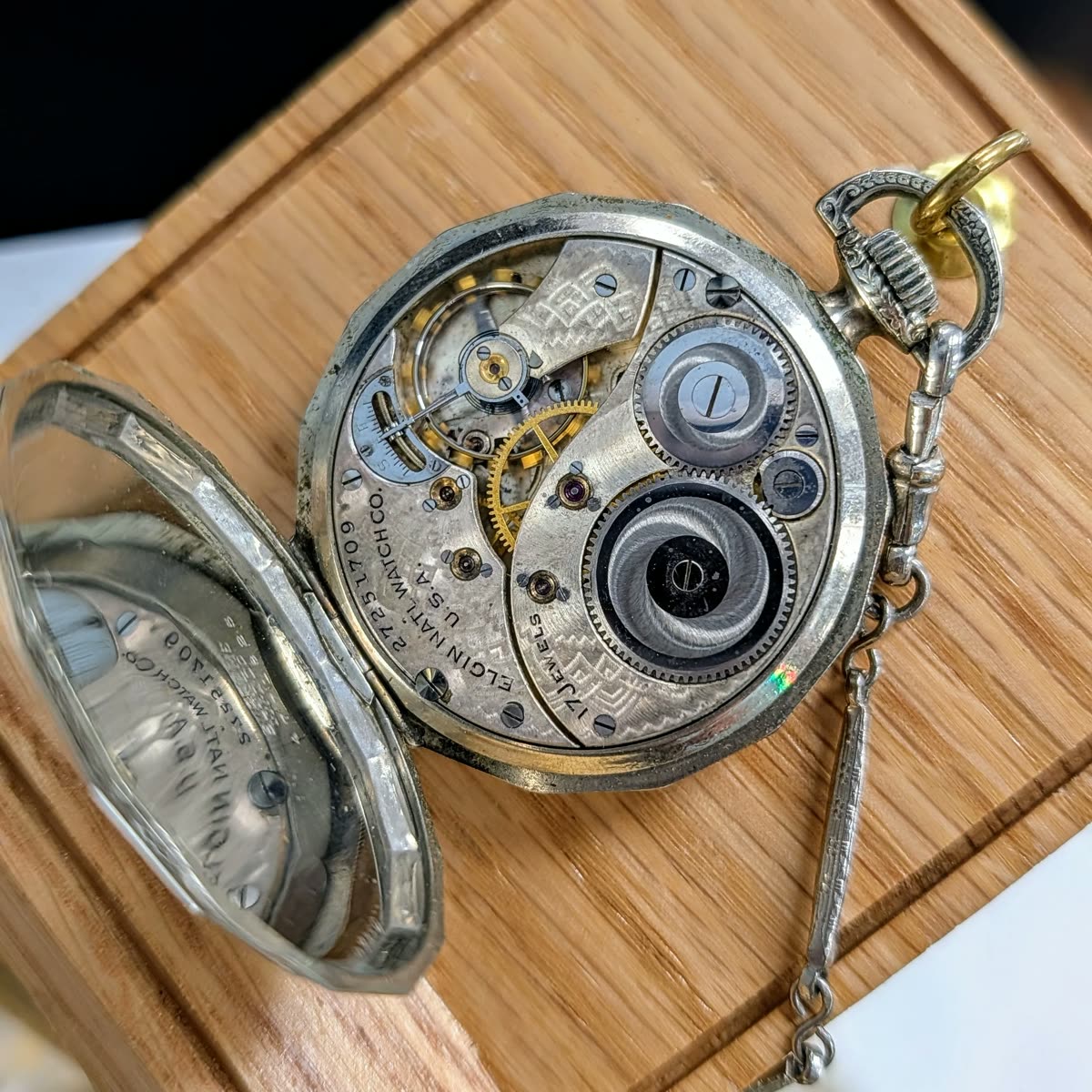
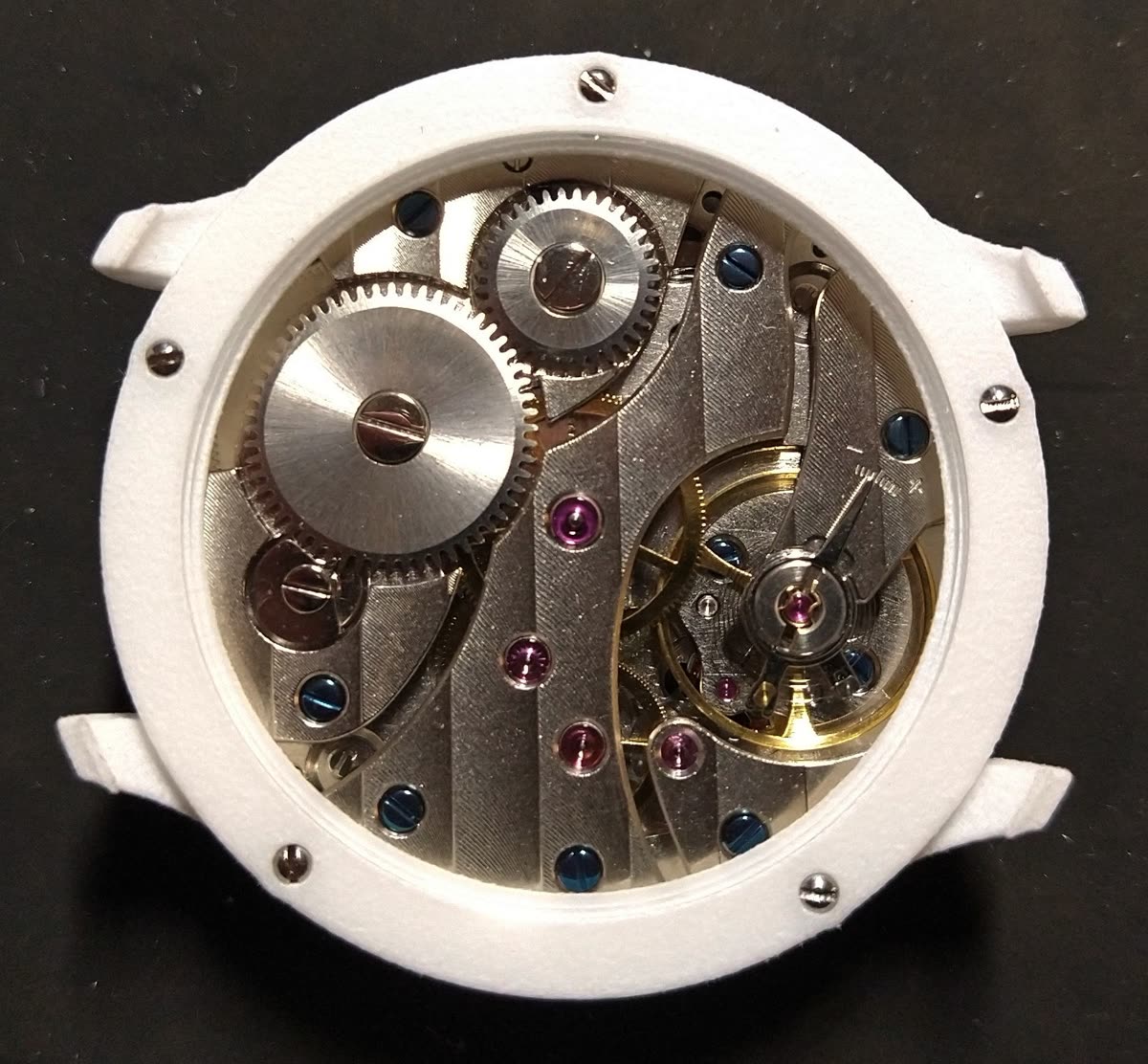
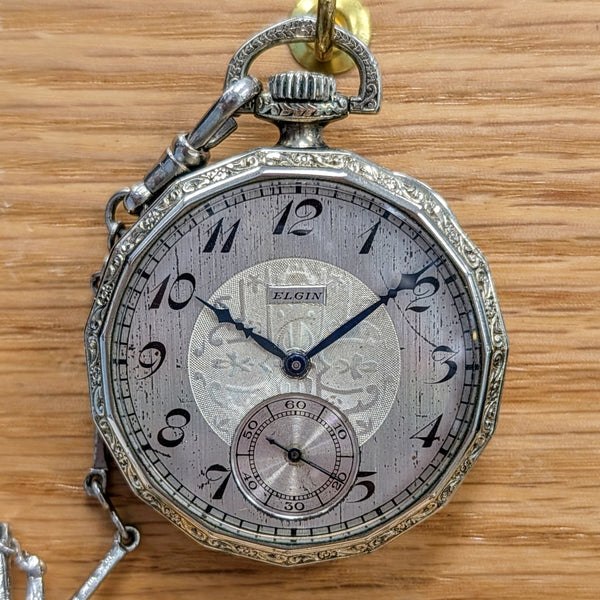
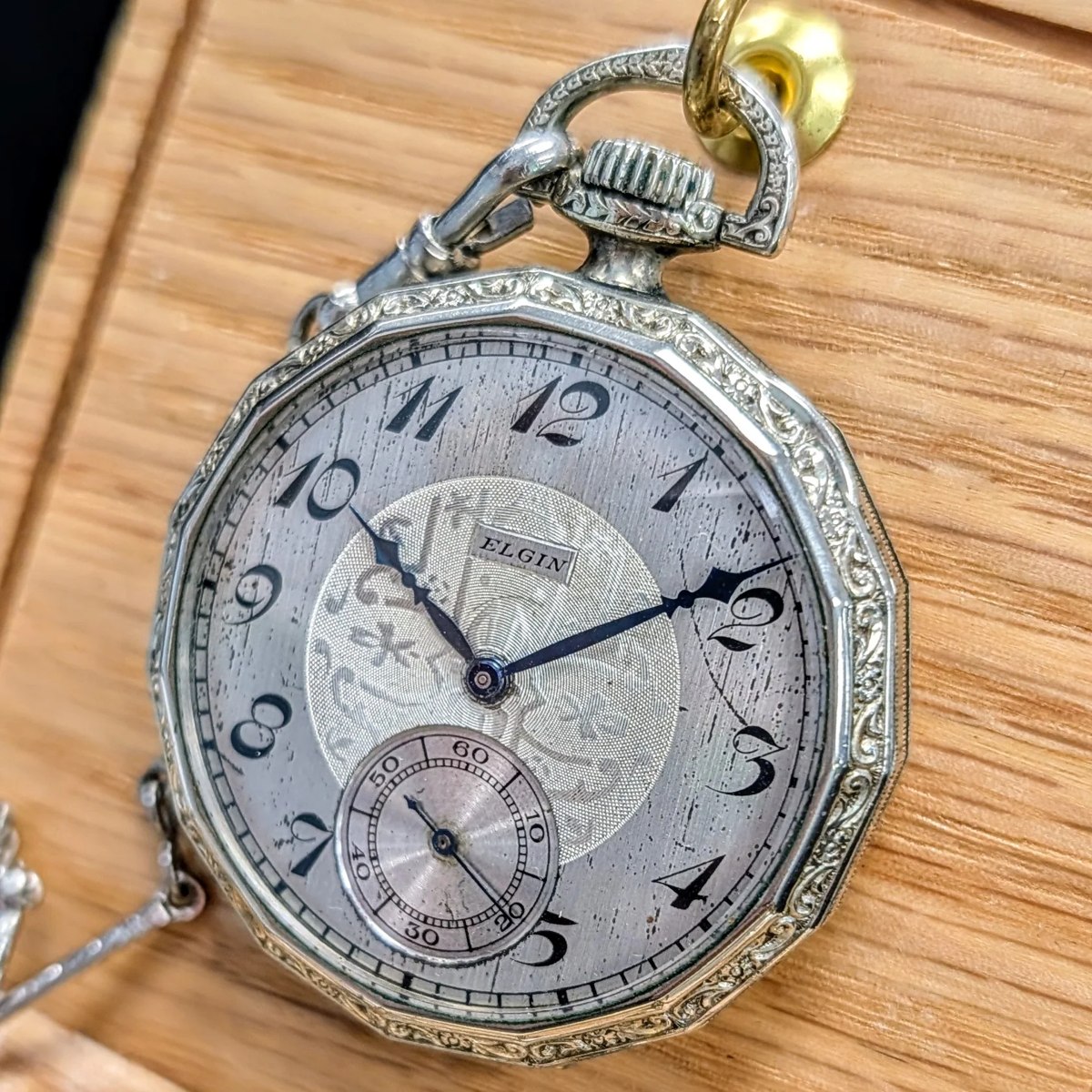
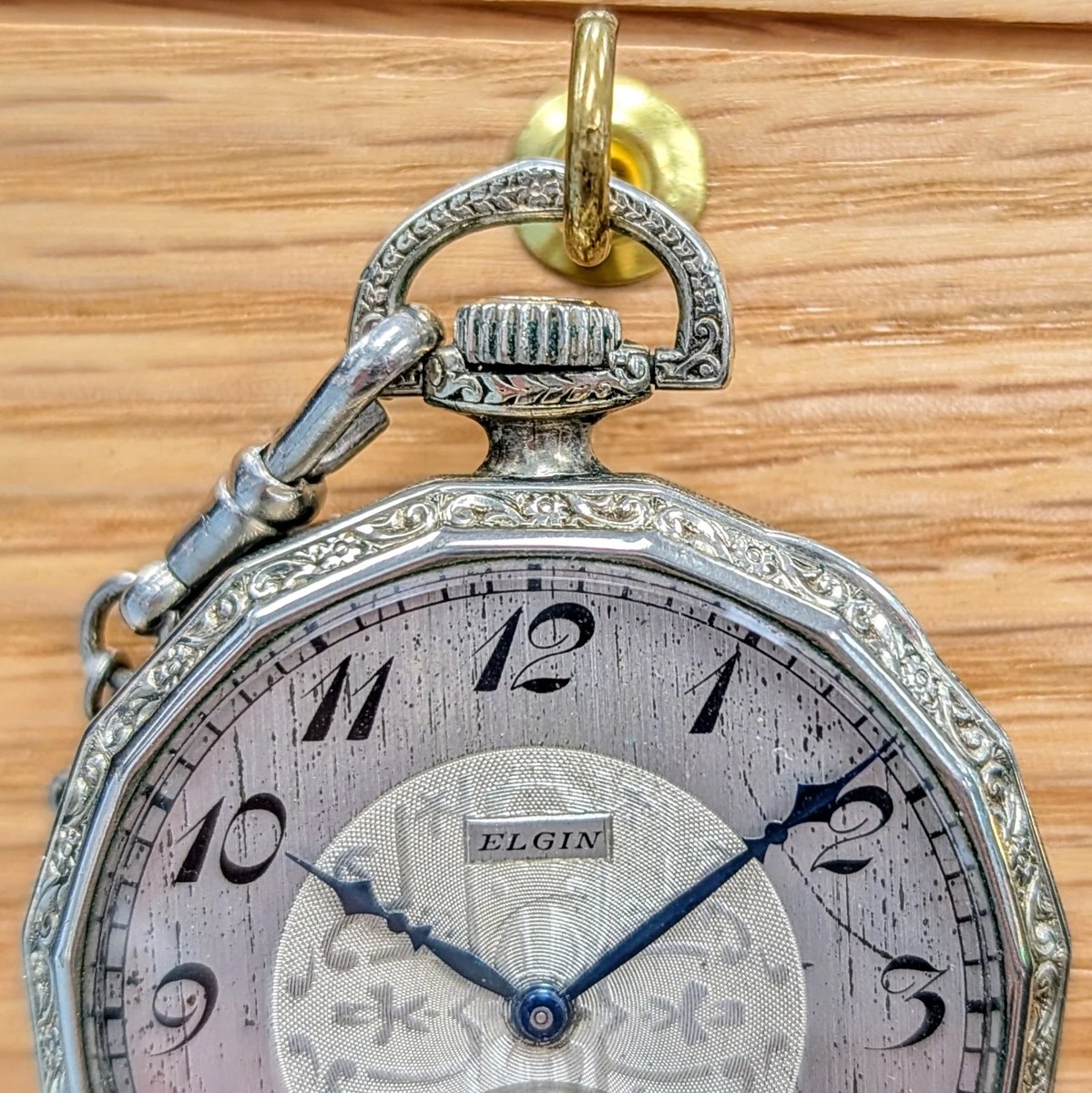
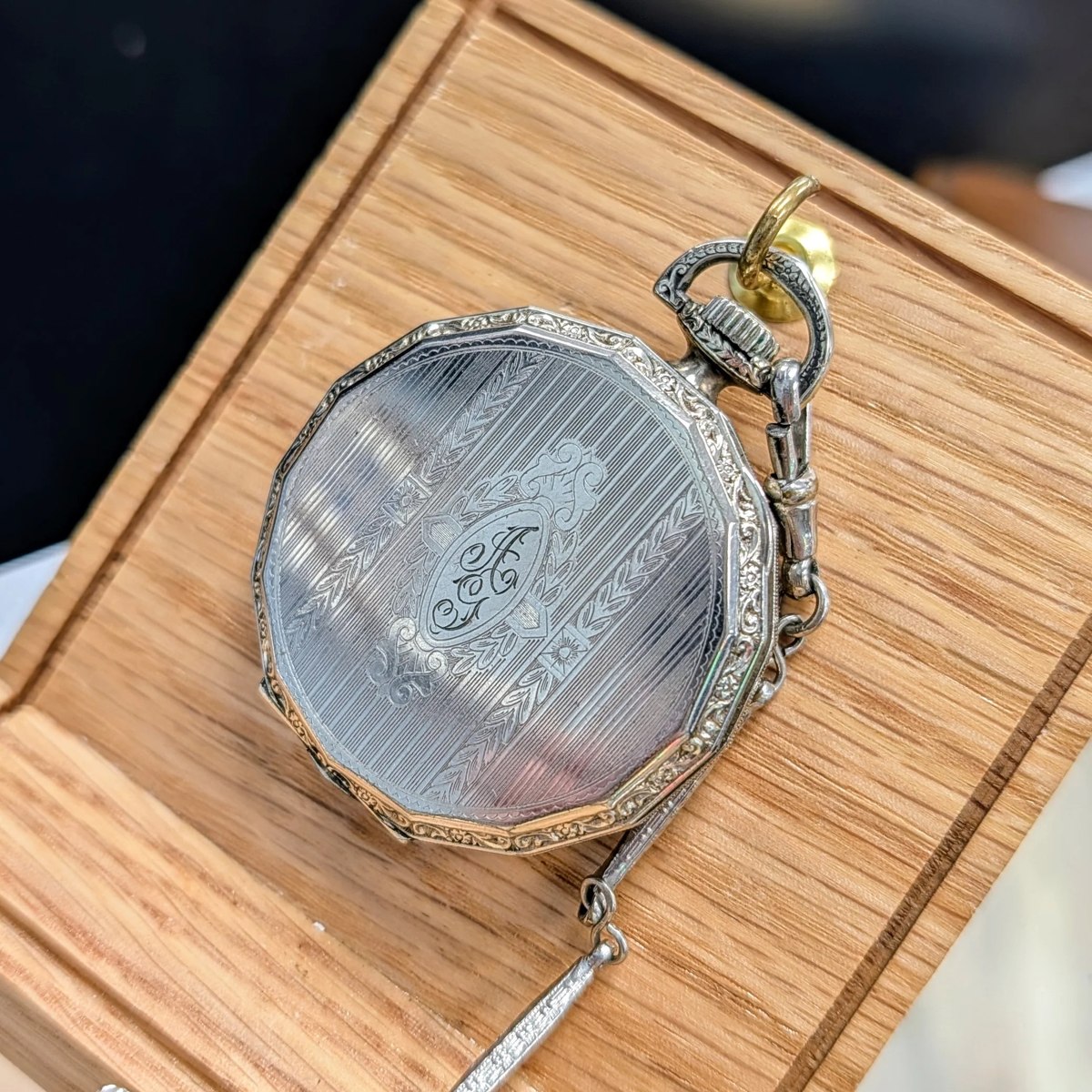
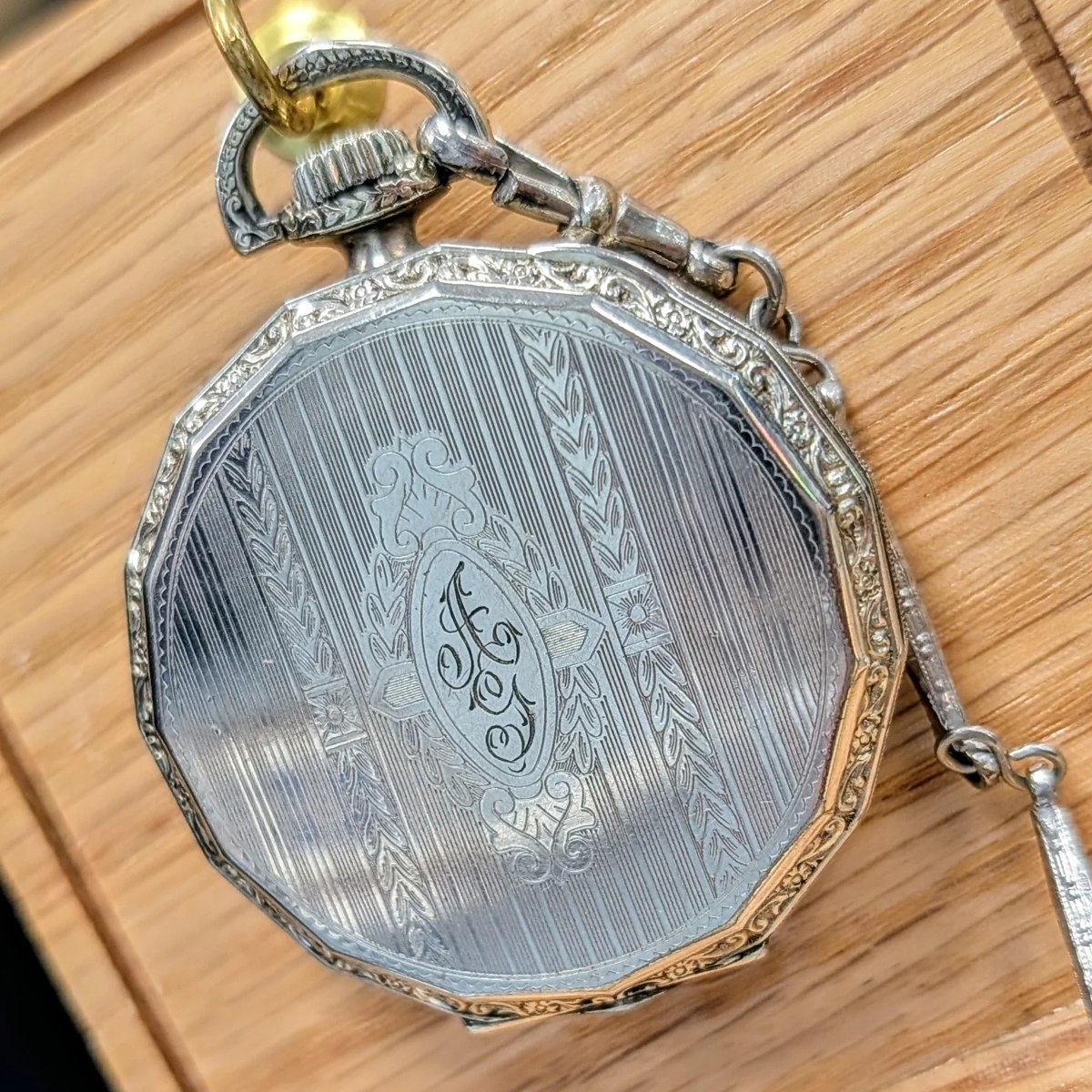
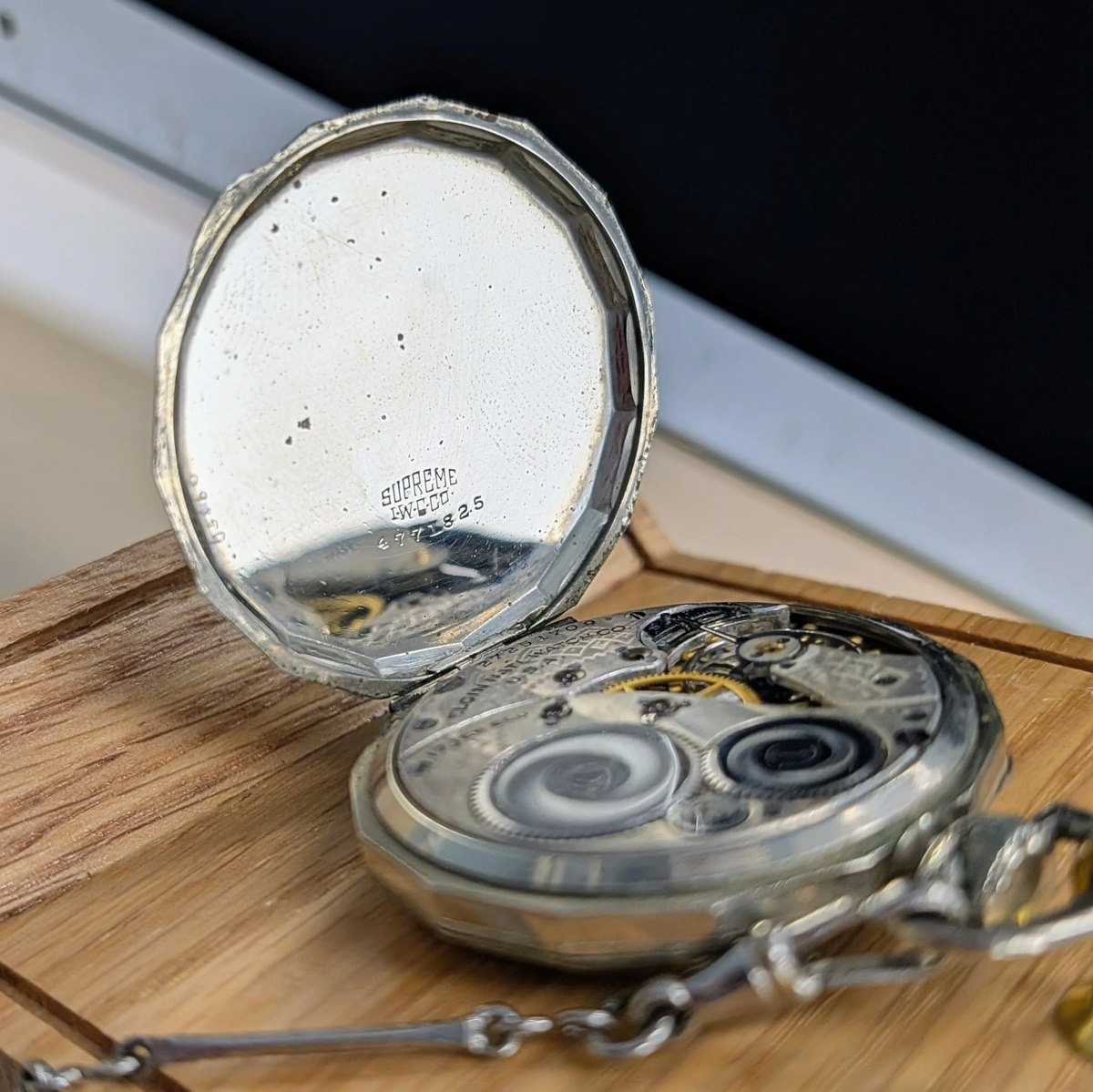
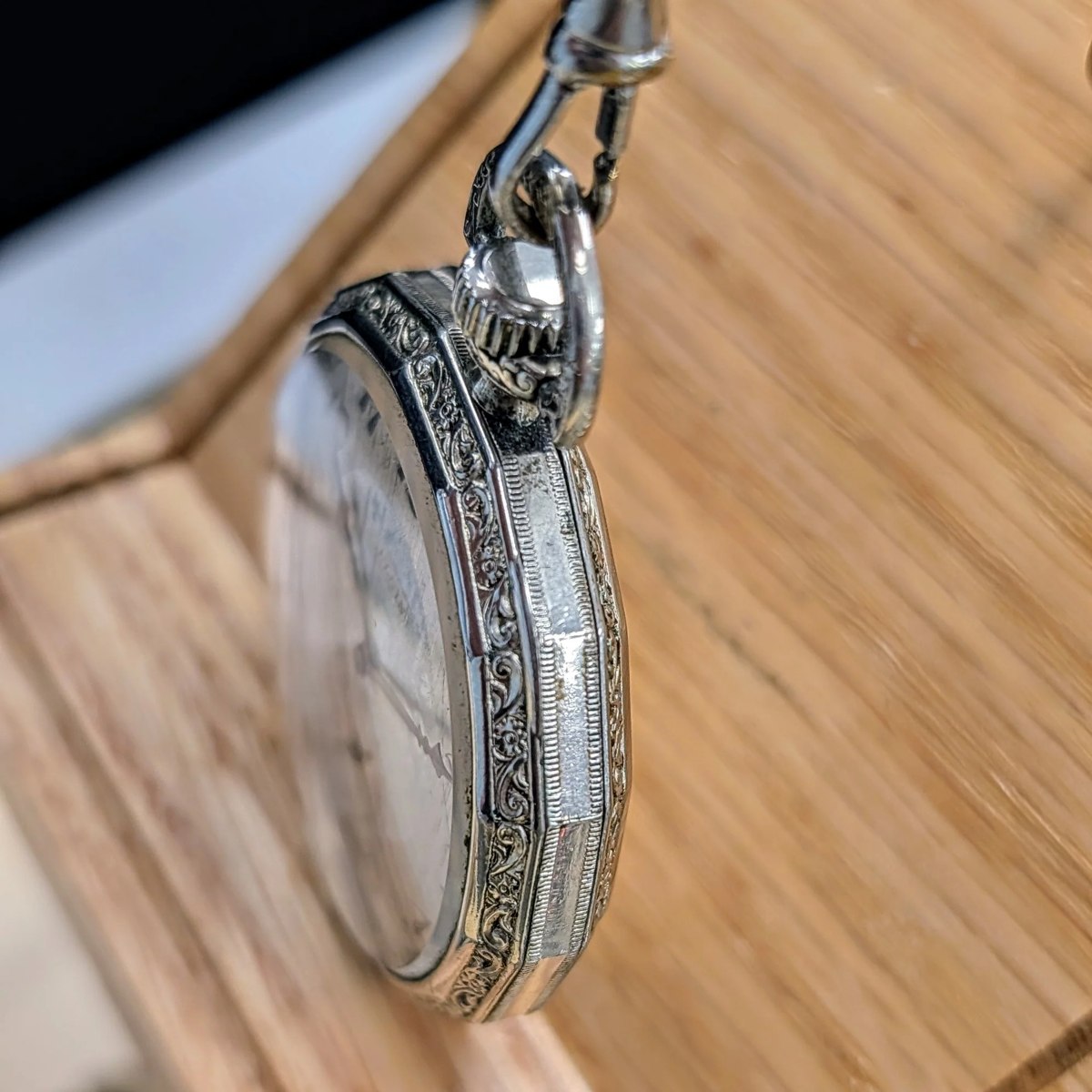
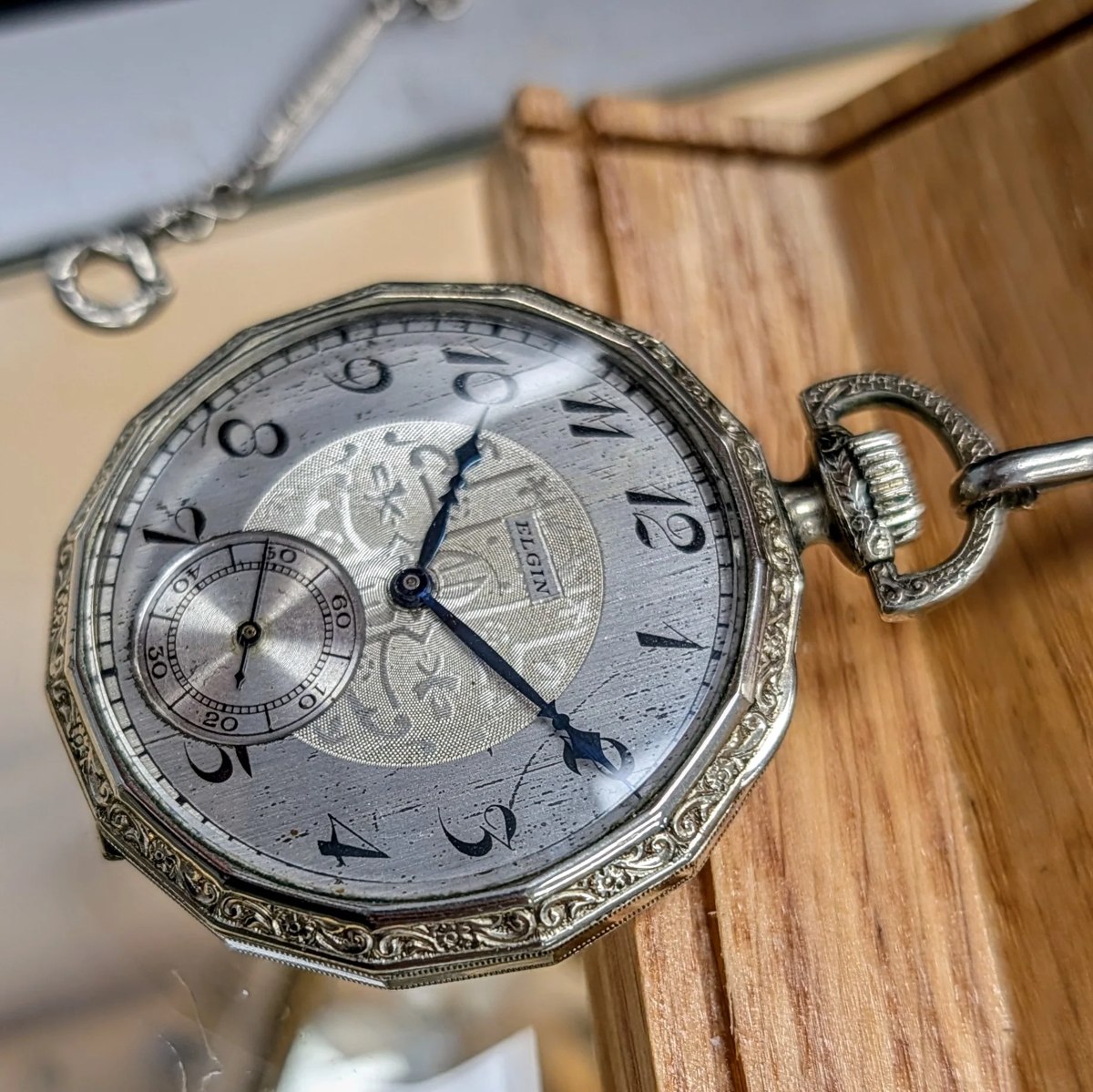
No confidently matched photograph of this subject has been found yet. These photographs show a closely related record, and are not examples of the type described on this page.
A condition grade is a compressed description, not a substitute for evidence. Two watches both described as 'good' may differ radically: one can retain an original but cracked enamel dial, while another has a spotless replacement dial. A useful assessment keeps physical condition, originality and mechanical performance separate. Otherwise a polished appearance can conceal the very alterations a researcher needs to know about.
Begin with the case and record observations rather than impressions. Note dents, cracks, corrosion, wear through plating or gold-filled layers, hinge play and the behaviour of the closure. Photograph hallmarks and numbers before any intervention. Sharp edges and crisp engraving can support an assessment of preservation, but they do not by themselves prove that a case has never been polished or that it was supplied with the movement.
Describe the dial and hands independently. On enamel, locate hairlines, chips and repairs; on painted or printed surfaces, record loss, staining and any evidence of refinishing. Distinguish 'no damage visible in this photograph' from 'undamaged'. Hands may be attractive and period-appropriate yet still be replacements. Compare their fit and style with documented examples without assuming that uniform appearance proves originality.
Mechanical condition cannot be established merely because the seconds hand moves. Record whether the watch winds, sets and runs, but do not force a reluctant crown or key to complete a checklist. A brief running observation does not confirm clean oil, healthy pivots, sound mainspring or adequate performance in different positions. An unknown service history should remain unknown until examined; unnecessary running can worsen wear.
A rate measurement needs a method. State whether it came from a timing machine or a comparison with a reference clock, how long the observation lasted and the positions tested. Timing-machine readings depend on correct settings and an appropriate signal; a promising trace is not a complete service report. For a complicated watch, calendar, chronograph or repeater condition may require specialist checks beyond ordinary timekeeping.
Originality and treatment should have their own notes. Record known dial refinishing, replacement parts, recasing and case polishing, together with the evidence supporting each conclusion. A disclosed restoration is not automatically a deception, and honest uncertainty is preferable to accusing an object of alteration from a single photograph. Keep removed parts and treatment records with the watch where possible.
An informative catalogue summary might read: 'Case dented at the lower edge; enamel dial has a hairline between four and five; hands not verified; movement runs briefly, service history unknown.' This is more useful than an unsupported numerical grade. If a grading scale is used, publish its criteria and apply it consistently. Never convert cosmetic condition into a guaranteed accuracy claim or a valuation: both require evidence beyond the grade.
What a mechanical assessment looks for
The Canadian Conservation Institute's checklist for deciding whether an old clock can be made to run starts with completeness: every working part must be present and in good condition, down to every tooth of every wheel, the axles and bearings and the springs. Gear teeth should show minimal wear with none missing, each wheel should mesh with its neighbour with very little play or backlash, and axles should turn smoothly in their bearings with almost no sideways movement. Springs must show no cracking or loss of temper, and the chains, cables or strings that carry weights must be free of fraying and loose parts. Where there is any doubt about completeness or condition, the Institute advises a professional evaluation, and only by a clockmaker acquainted with historic objects.
The Australian Institute for the Conservation of Cultural Material notes that in working equipment deterioration is mostly wear from use, concentrated at bearings, pivots, rotating or sliding parts and the contacting surfaces of gear teeth. Icon adds that even the best-maintained clocks experience wear, and that parts may eventually need repair or replacement if a clock is to go on working.
Written from the guidance and records listed under Sources, credited to each publisher and put in our own words; each statement was checked against the cited page.