
Oxford, England · 1650 – 1722
John Knibb
Partially verifiedClockmaking
Life & work
Brother of Joseph Knibb.
Born in 1650, John Knibb was the sixth son of a farmer named Thomas Knibb and his wife Elizabeth Wise. He began his career as an apprentice and assistant to his older brother, Joseph Knibb, in St. Clemens, Oxford, around 1664. Following his release from apprenticeship in 1673, he managed the family business in Oxford while his brother Joseph established himself in London.
Knibb was deeply involved in local civic life, serving as an alderman and twice holding the position of Mayor of Oxford. His horological output included pocket watches, bracket clocks, lantern clocks, longcase clocks, and wall clocks, alongside the maintenance of college turret clocks. He remained an active figure in Oxford until his unexpected death in 1722, at which time he was 72 years old.
The fuller biography summarises the open references listed under Sources; each statement was checked against the cited passage. Confirm key dates in period documents before relying on them.
Timeline
John Knibb's recorded dates, dated events from this profile and its sources, and dated pieces and sales from the object catalogue. Dates are as each record gives them.
1650 · Career
Born
1650 · Career
Born in 1650, John Knibb was the sixth son of a farmer named Thomas Knibb and his wife Elizabeth Wise.
1664 · Career
He began his career as an apprentice and assistant to his older brother, Joseph Knibb, in St. Clemens, Oxford, around 1664.
1673 · Career
Following his release from apprenticeship in 1673, he managed the family business in Oxford while his brother Joseph established himself in London.
1673 · Career
Knibb trained ten apprentices in the craft of clockmaking between 1673 and 1722, including Samuel Aldworth and Thomas Gillett.
1690 · Career
A verge pocket watch dating to approximately 1690 is currently held within the collection of The Science Museum.
1722 · Career
Died
1722 · Career
He remained an active figure in Oxford until his unexpected death in 1722, at which time he was 72 years old.
Training, contributions & innovations
- Clockmaking
- Knibb trained ten apprentices in the craft of clockmaking between 1673 and 1722, including Samuel Aldworth and Thomas Gillett.
- He successfully serviced public timepieces such as the turret clock at Wadham College and the clock at St. John's College, Oxford.
Inventions & patents
- N/A
Signatures & markings on surviving work
- Signed work
Documented works
- A verge pocket watch dating to approximately 1690 is currently held within the collection of The Science Museum.
Collecting significance
Signatures on historic work were applied by retailers and by later hands; attribution should rest on the movement's construction and provenance.
Firms, key models & movements
Firms
- Joseph Knibb · 1670s
In the object catalogue
2 catalogued objects are recorded under John Knibb. Attributions are as given by each source and are not independent authentication.
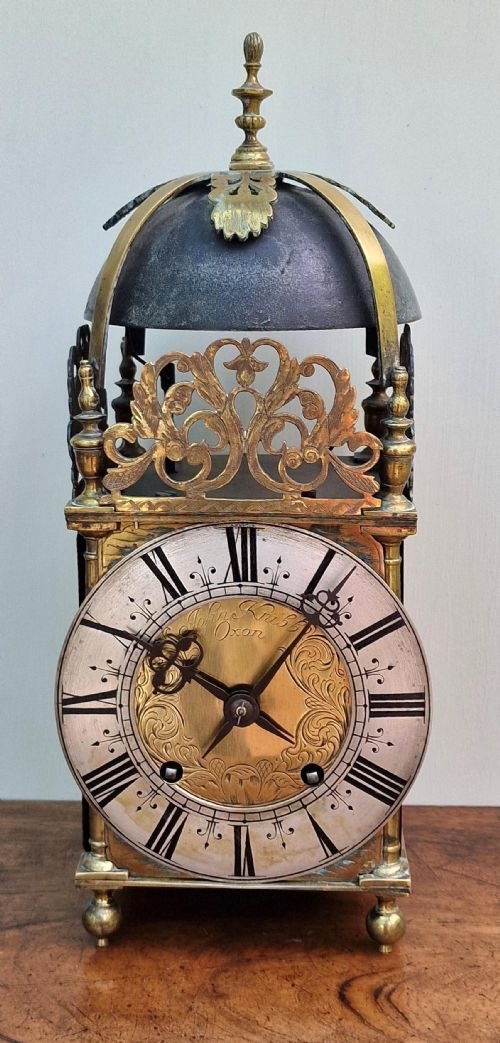
- A 17th Century Lantern Clock, John Knibb of OxfordLantern clock · 17th century (before 1700)
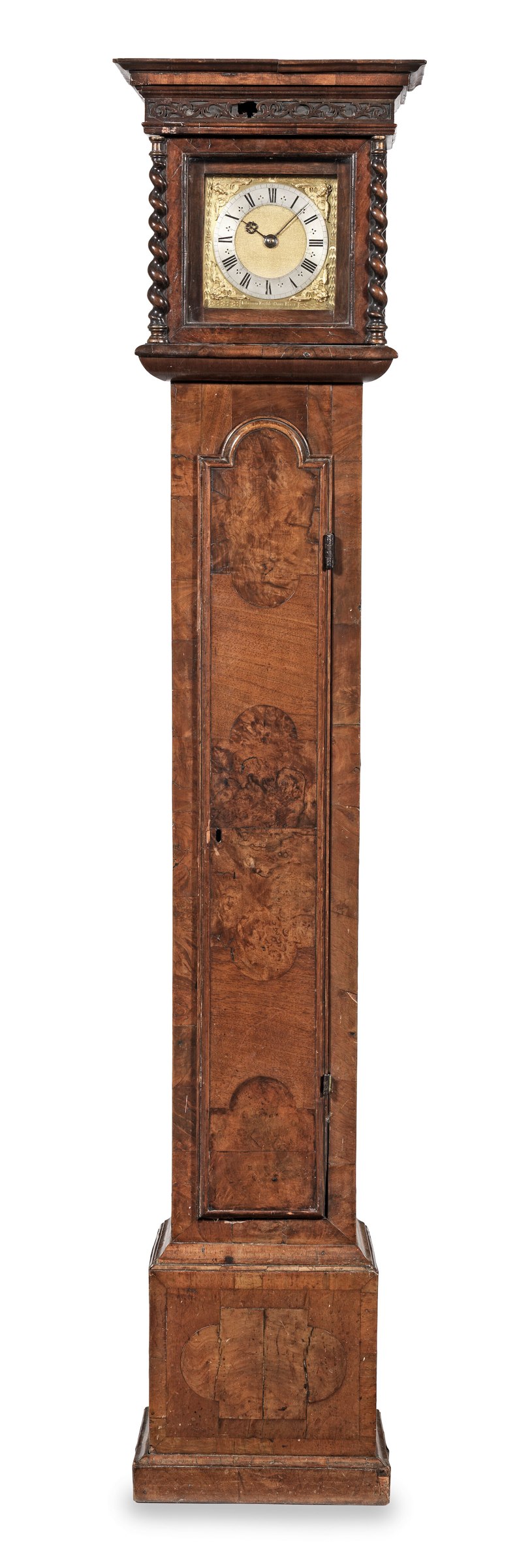
- A late 17th-century weight-driven wall clock by John Knibb, Oxford (now in a floor-standing case)Longcase clock · late 17th century
Provenance
Where the 2 catalogued pieces by John Knibb were recorded, with the collectors, owners and sales their records name.
Provenance map
Each piece is linked to the museum, auction house or dealer whose record it comes from, and to any other house or collection its own provenance names. Select a name to see its pieces.
Auction houses · 1 piece
Dealers & other listings · 1 piece
Bonhams
Auction house · 1 piece · Directory entry
A late 17th-century weight-driven wall clock by John Knibb, Oxford (now in a floor-standing case)Longcase clock · late 17th century · Record source
Bonhams: lot 22
Auction history
| House | Sale & lot | Object |
|---|---|---|
| Bonhams | lot 22 | A late 17th-century weight-driven wall clock by John Knibb, Oxford (now in a floor-standing case) |
Each line is copied from the object's source record and is not independently verified. Holders are as recorded when the piece was catalogued: museum objects may not be on display, and sold lots have since changed hands.
Photographs
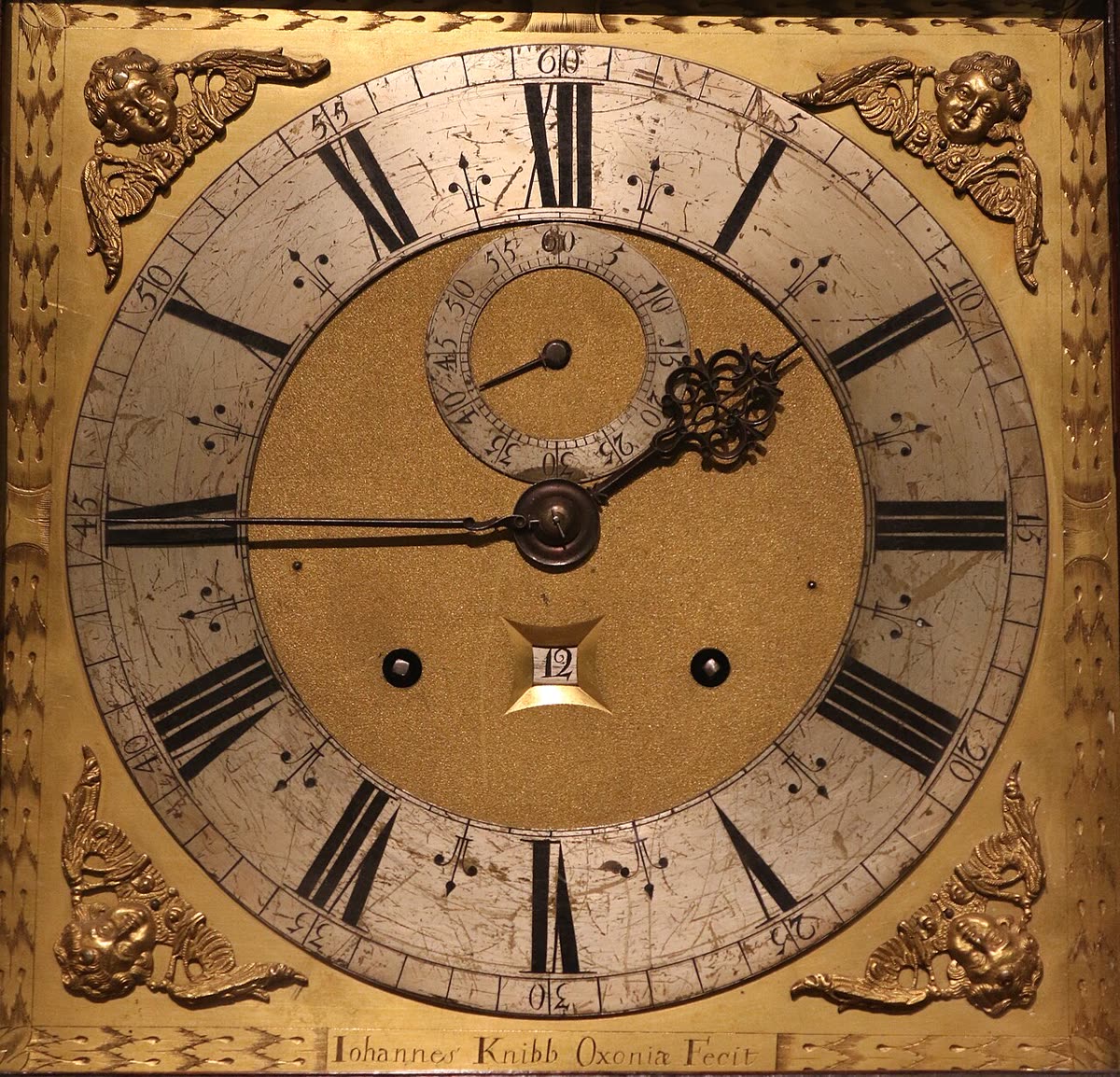
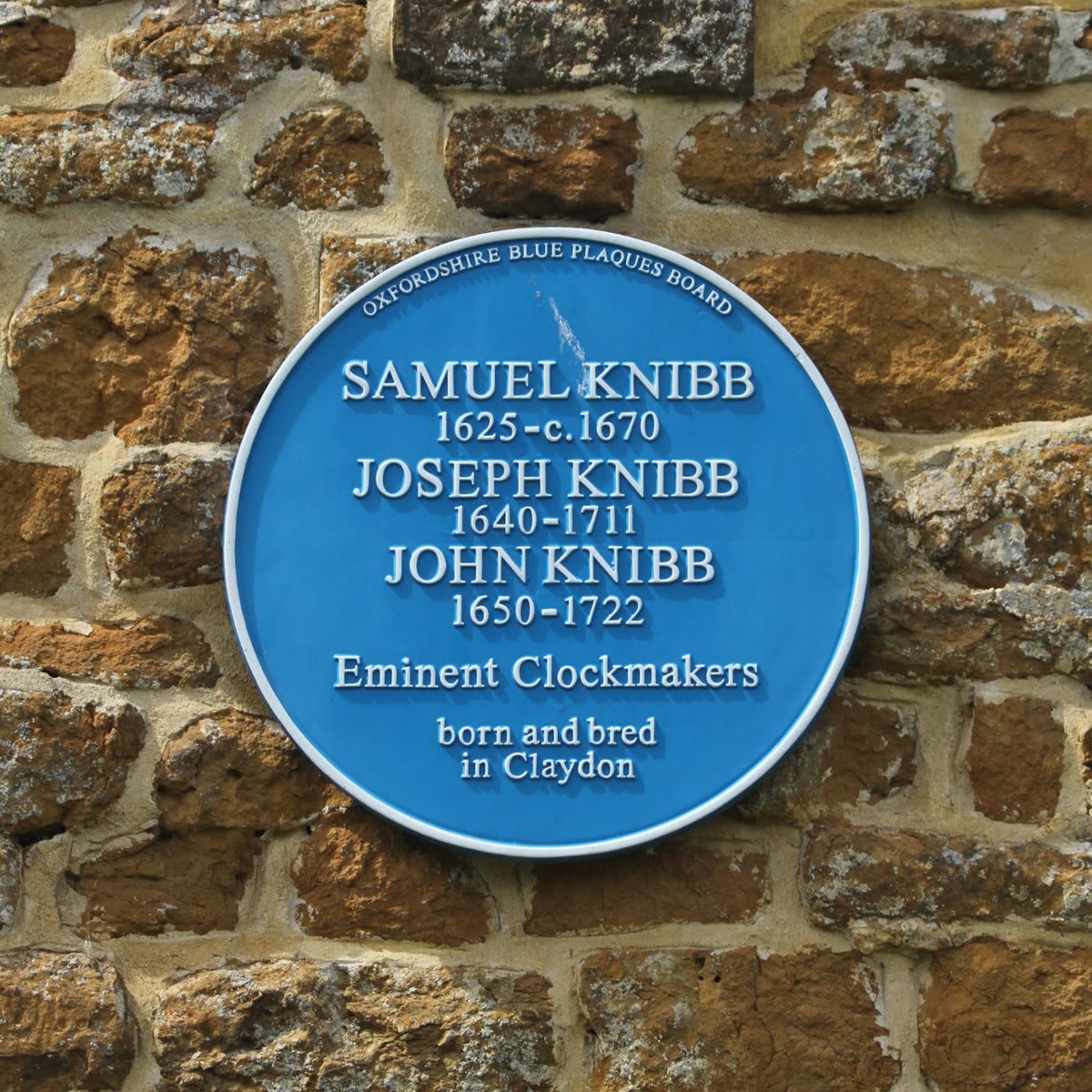
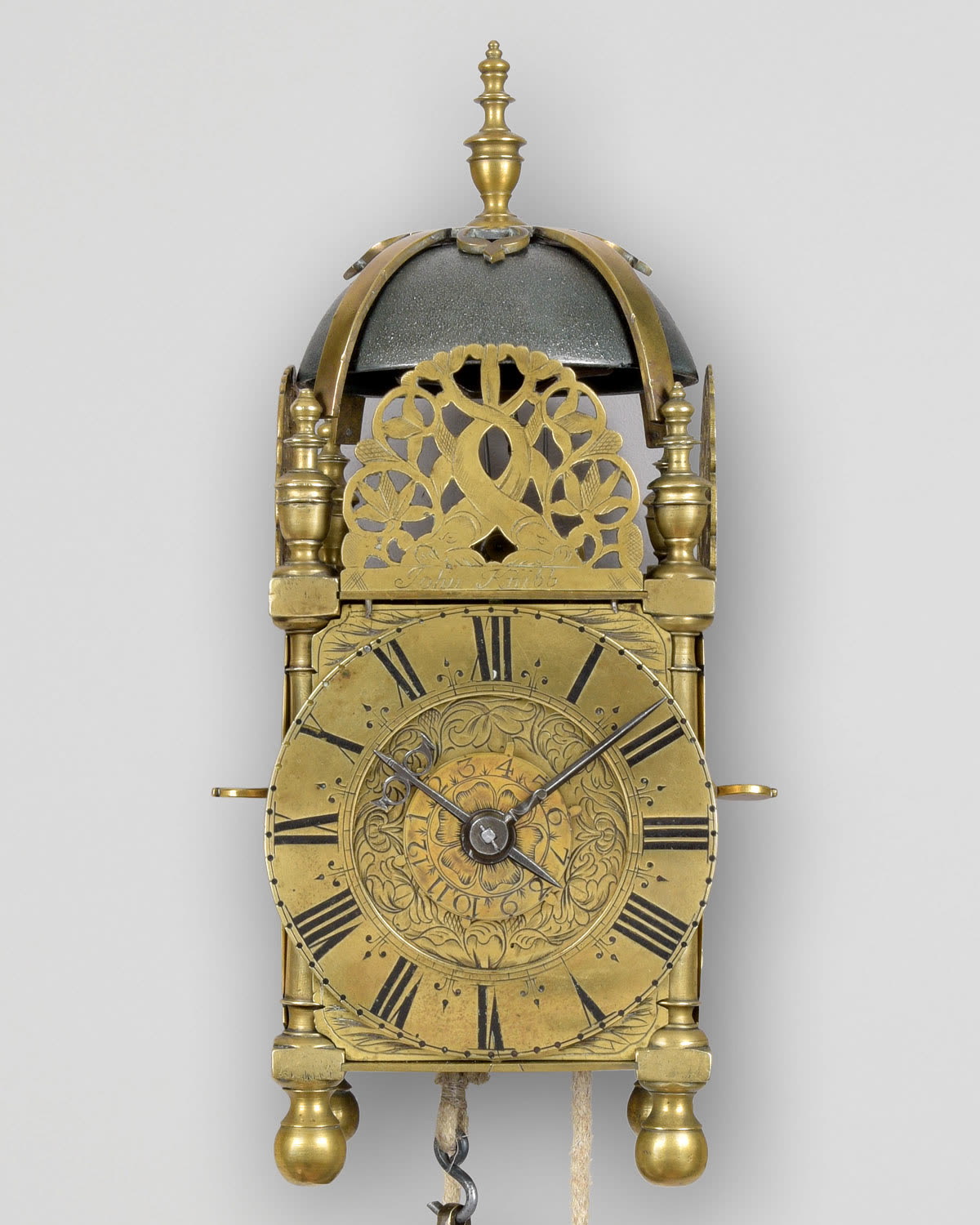
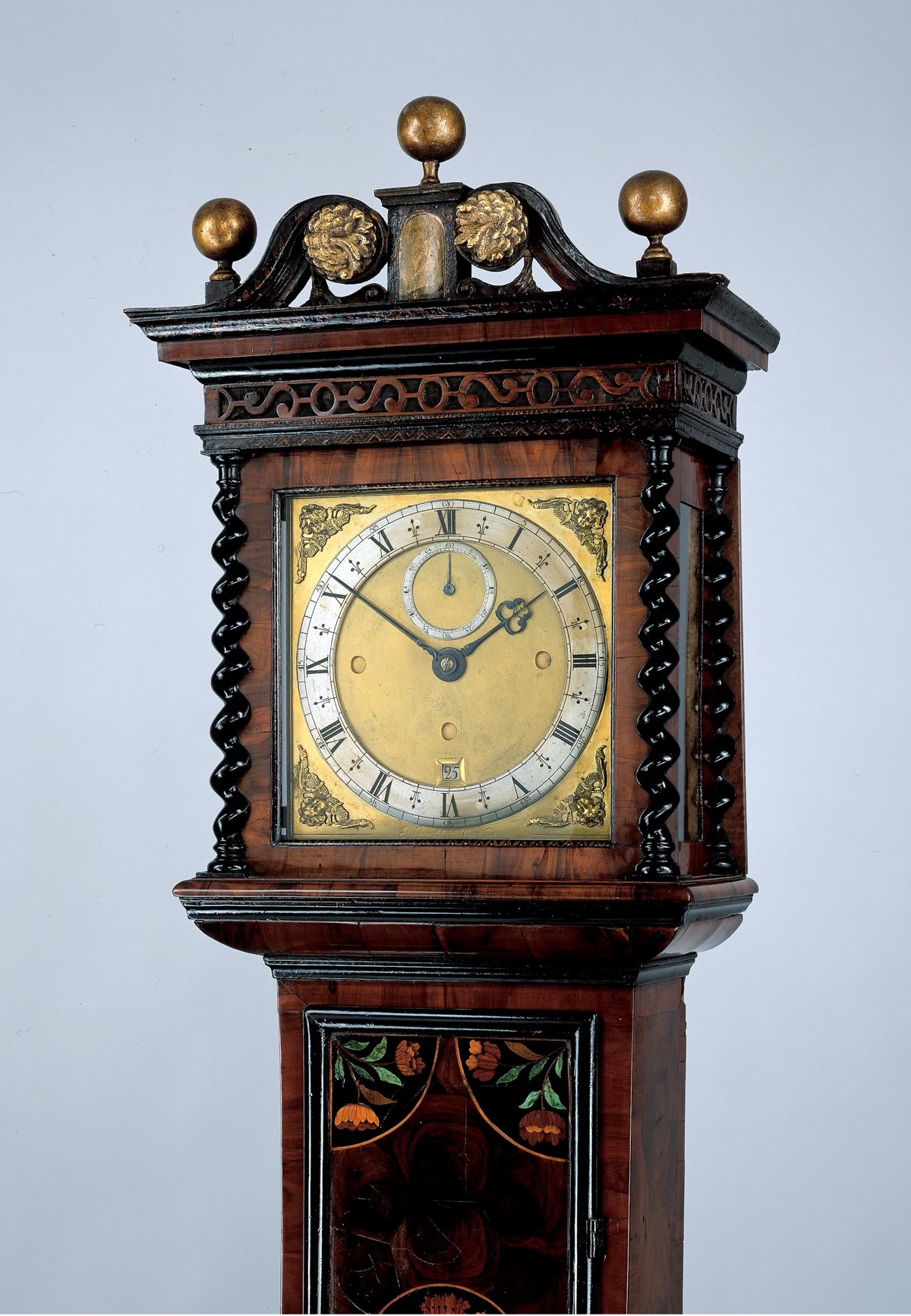
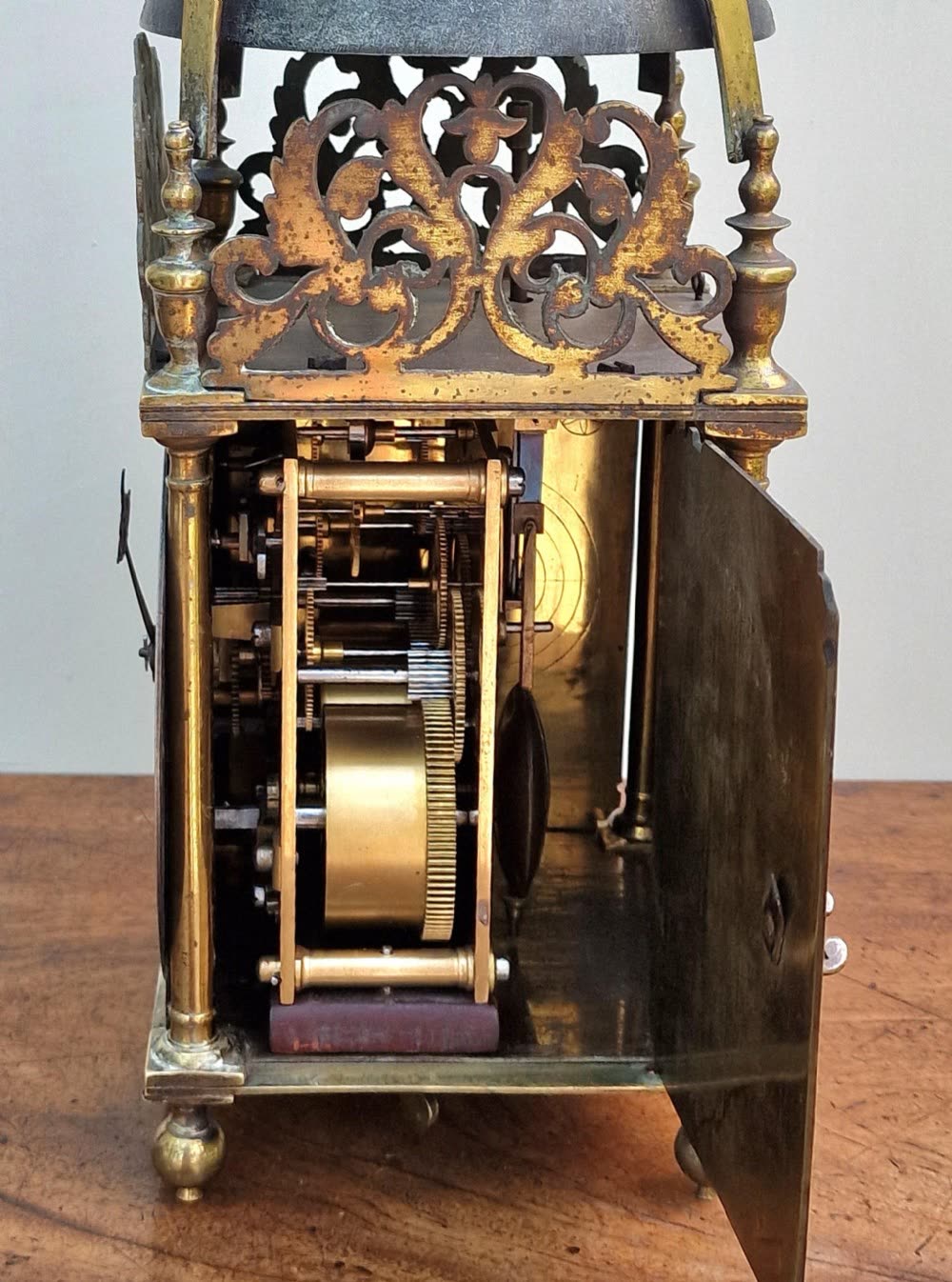
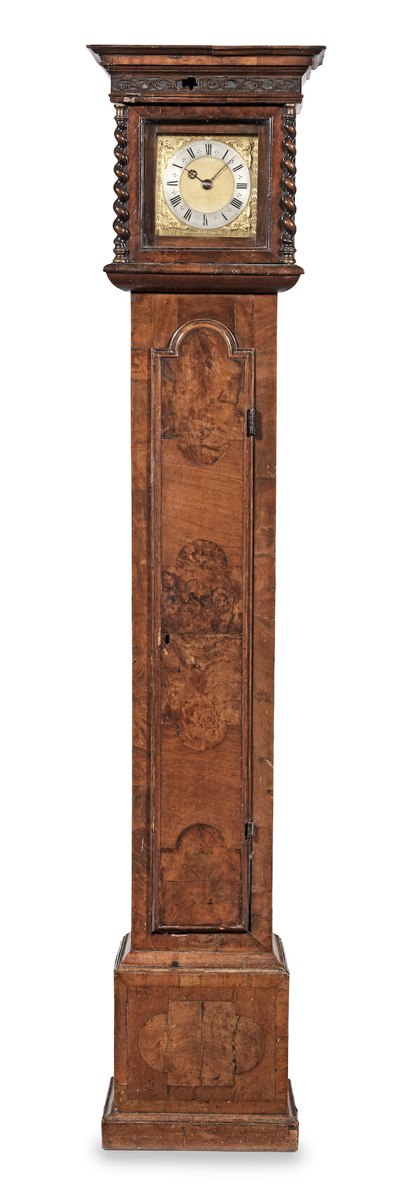
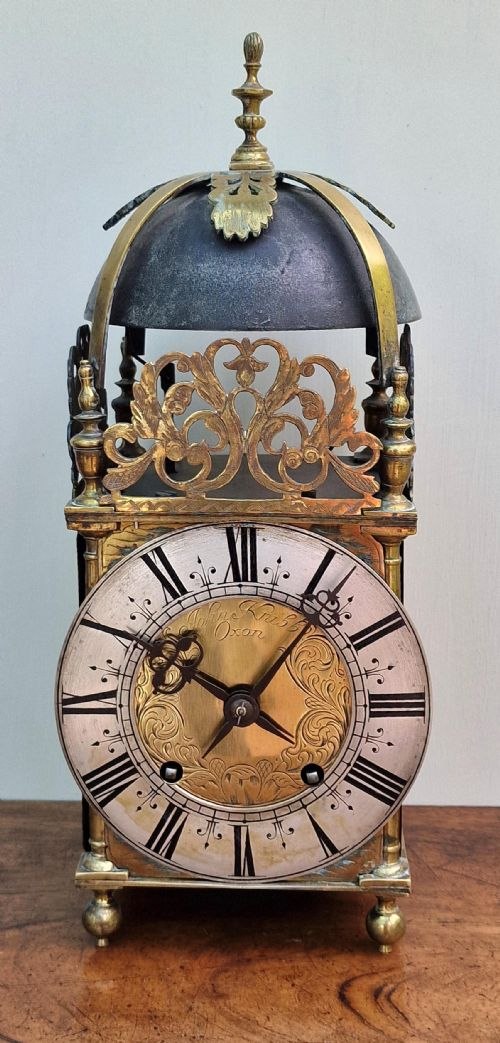
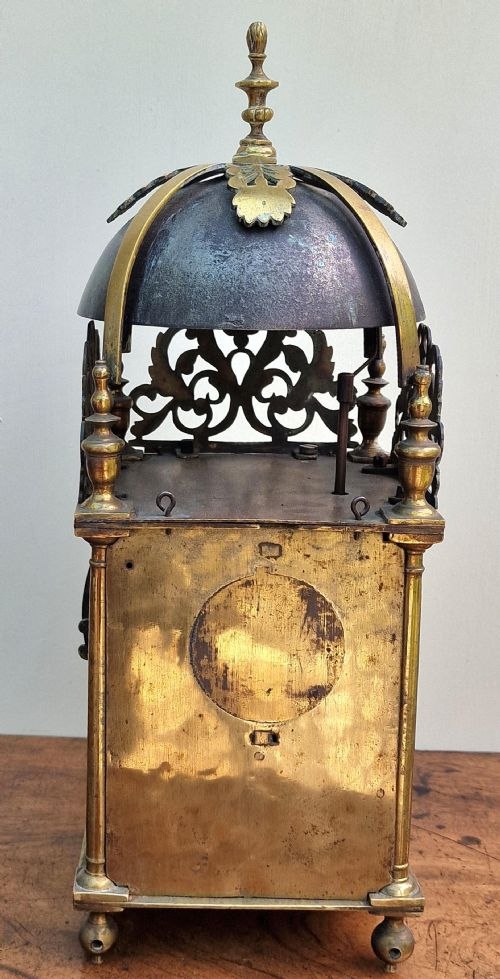
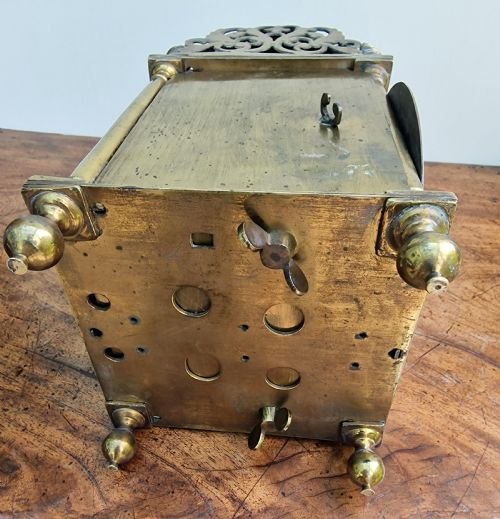
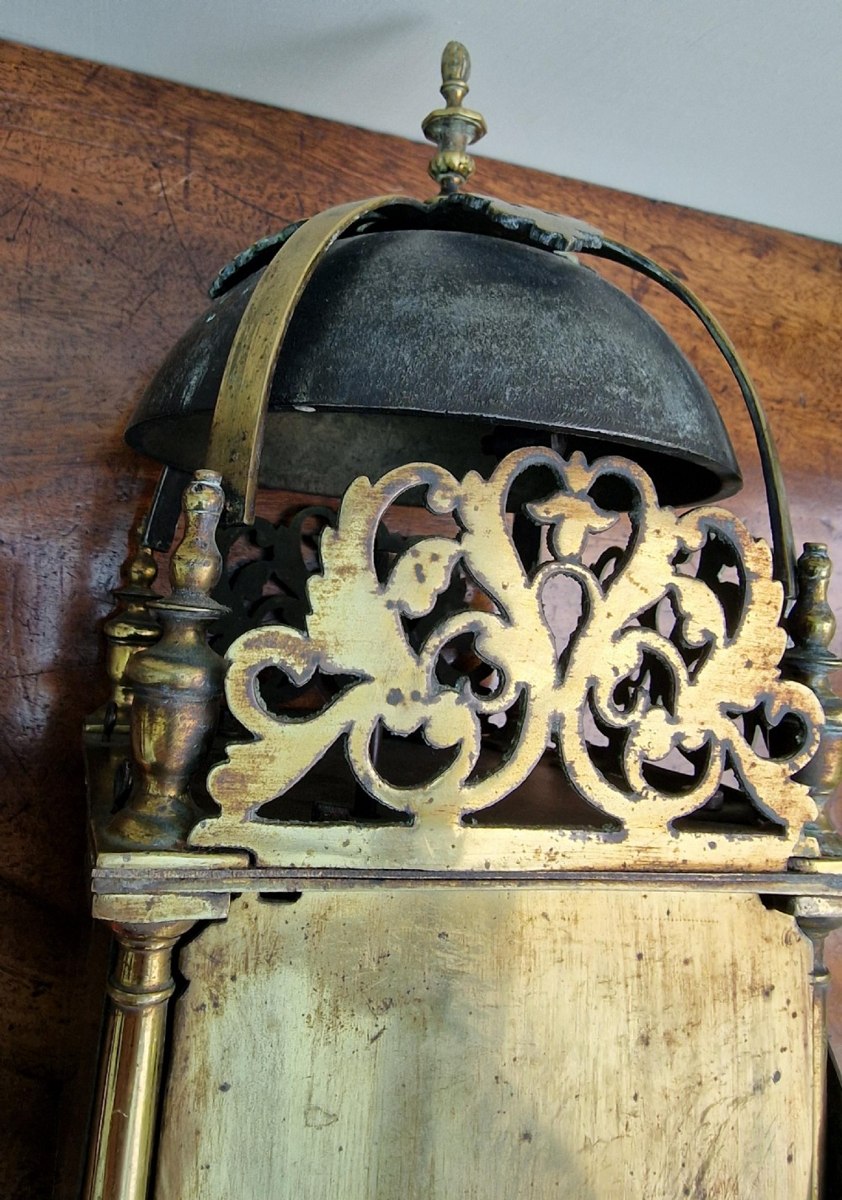
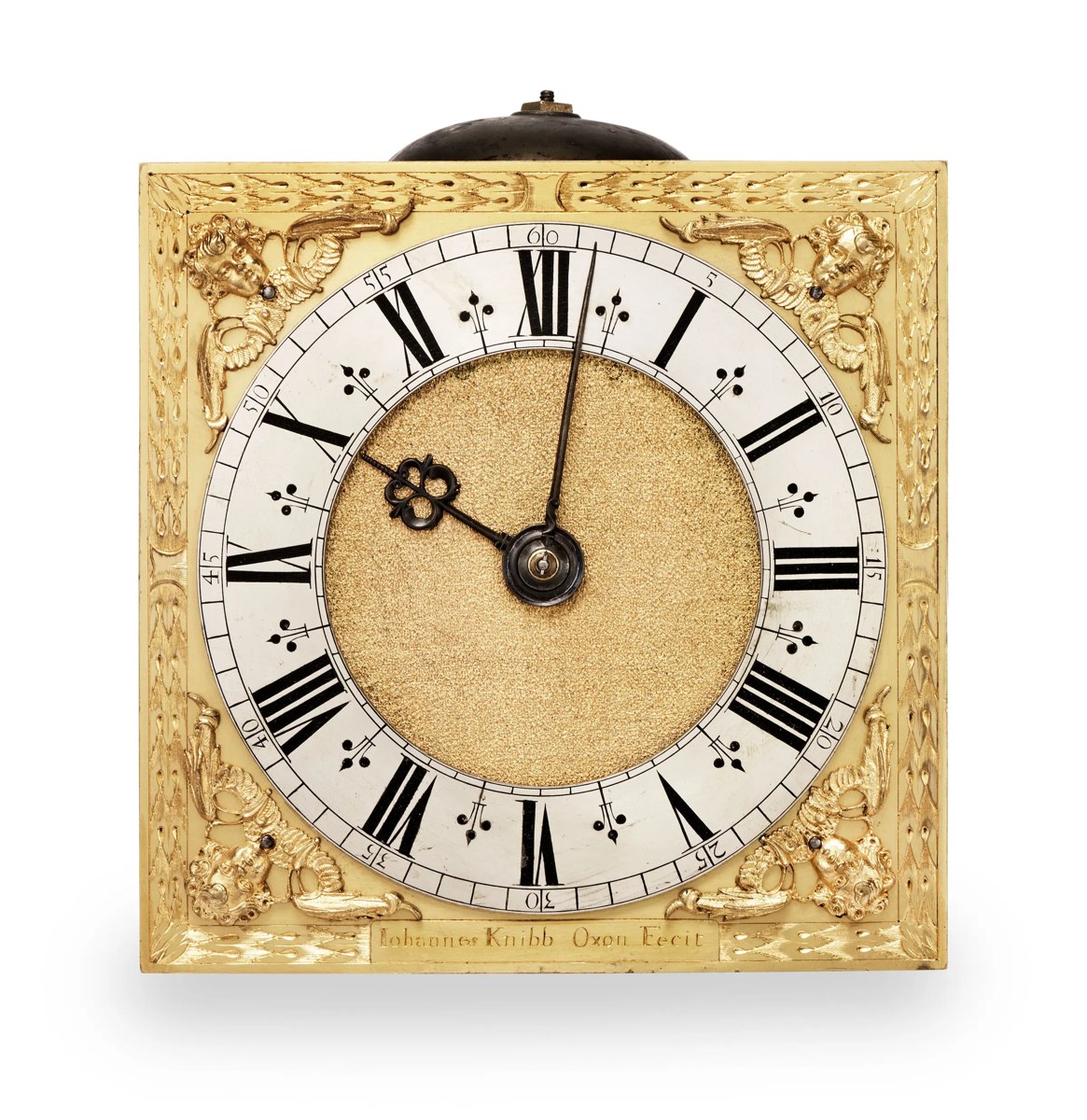
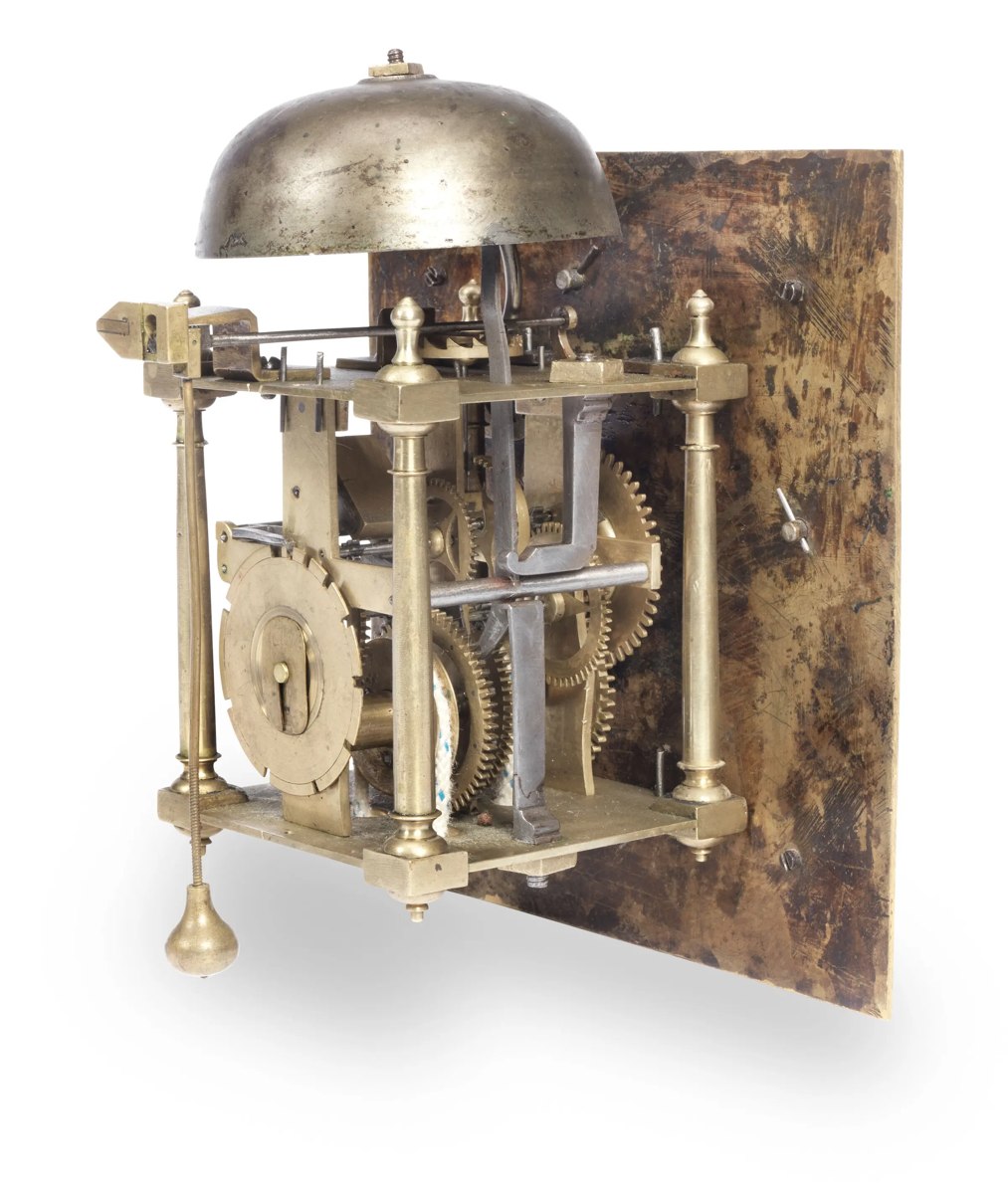
Photographs are illustrative examples of the type, not necessarily the exact object described. Verify details against the source file page.
Sources & references
- Knibb, John (1650-1722), Watch-Wiki, retrieved 2026-10-27
- Britten, F. J., Old Clocks and Watches and Their Makers
- Loomes, B., reference works on British and European clockmakers
Where sources disagree, the disagreement is stated rather than resolved silently.