
London, Britain
Joseph Knibb
Partially verifiedClocks
History
Famous London clockmaker of the 17th century.
Born in 1640, Joseph Knibb began his career in Oxford before moving to London by 1670 to join the Worshipful Company of Clockmakers. He established his business at the Dyal in Fleet Street and later operated from the House at the Dyal in Suffolk Street. Throughout his career, he served as clockmaker to both Charles II and James II, becoming a prominent figure in English horology. He retired from his London business in 1697 to reside in Hanslope, Buckinghamshire, where he continued crafting clocks until his death in 1711.
The extended history summarises the open references listed under Sources; each statement was checked against the cited passage. Confirm key dates in period documents before relying on them.
Timeline
Joseph Knibb's recorded dates, dated events from this profile and its sources, and dated pieces and sales from the object catalogue. Dates are as each record gives them.
1640 · Career
Born in 1640, Joseph Knibb began his career in Oxford before moving to London by 1670 to join the Worshipful Company of Clockmakers.
1670s · Career
Founded (London)
1670-1675 · Catalogued piece
circa 1690 · Catalogued piece
1697 · Career
He retired from his London business in 1697 to reside in Hanslope, Buckinghamshire, where he continued crafting clocks until his death in 1711.
Major innovations
- Knibb is credited with inventing the system of Roman striking and the tic-tac escapement.
Serial numbers
This archive holds no verified serial-number table for this maker. Do not date a piece from its serial number alone; use case hallmarks, movement construction, trade directories and documented comparison examples.
Collecting significance
Originality of dial, hands, case and movement is the main consideration. Confirm that the movement belongs to the case and that the dial has not been refinished, and record what is verified separately from what is inferred.
Identification and dating notes
- Clocks produced by his brother John in Oxford between 1670 and 1673 were signed with the Joseph Knibb name because John lacked the city's freedom.
In the object catalogue
3 catalogued objects are recorded under Joseph Knibb. Attributions are as given by each source and are not independent authentication.
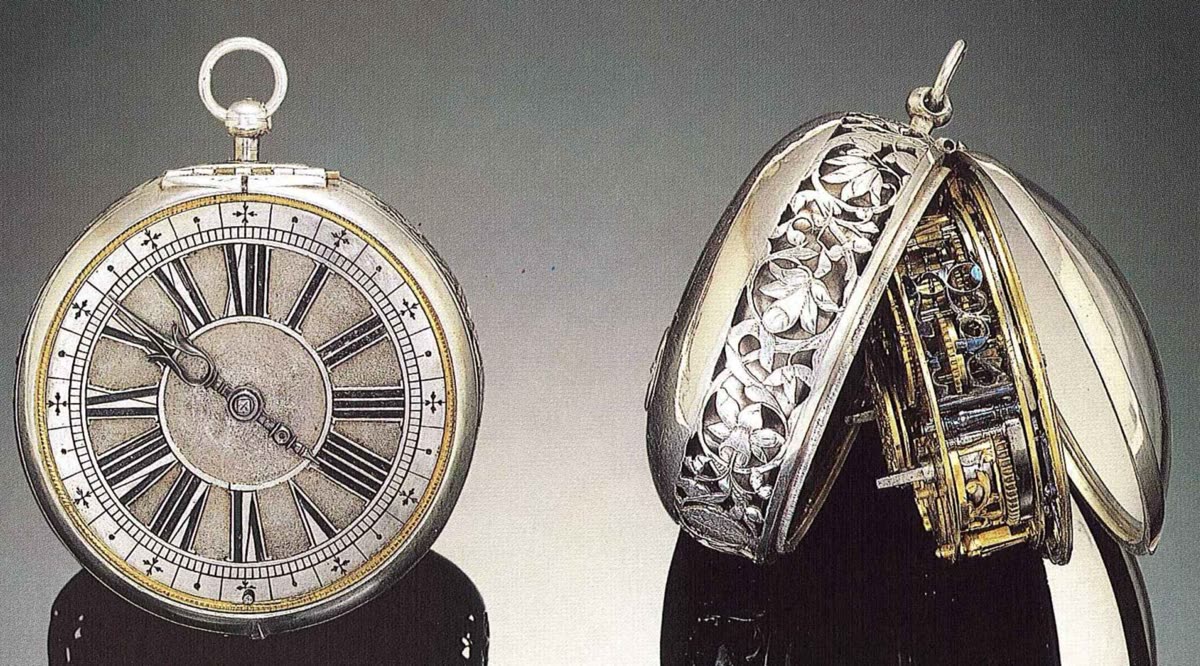
- Engraved and pierced silver watch by Joseph KnibbEarly watch (16th–17th century) · 1670-1675
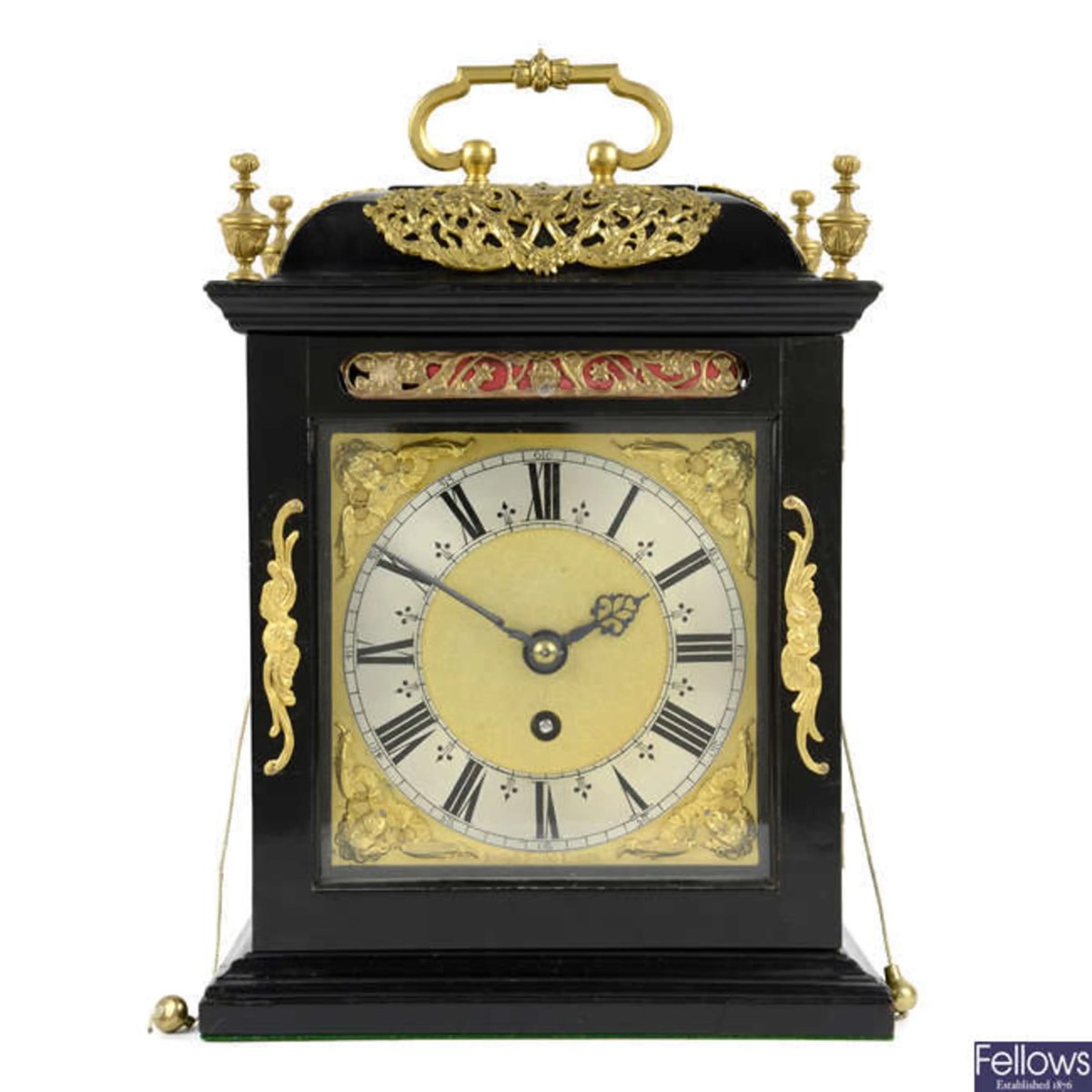
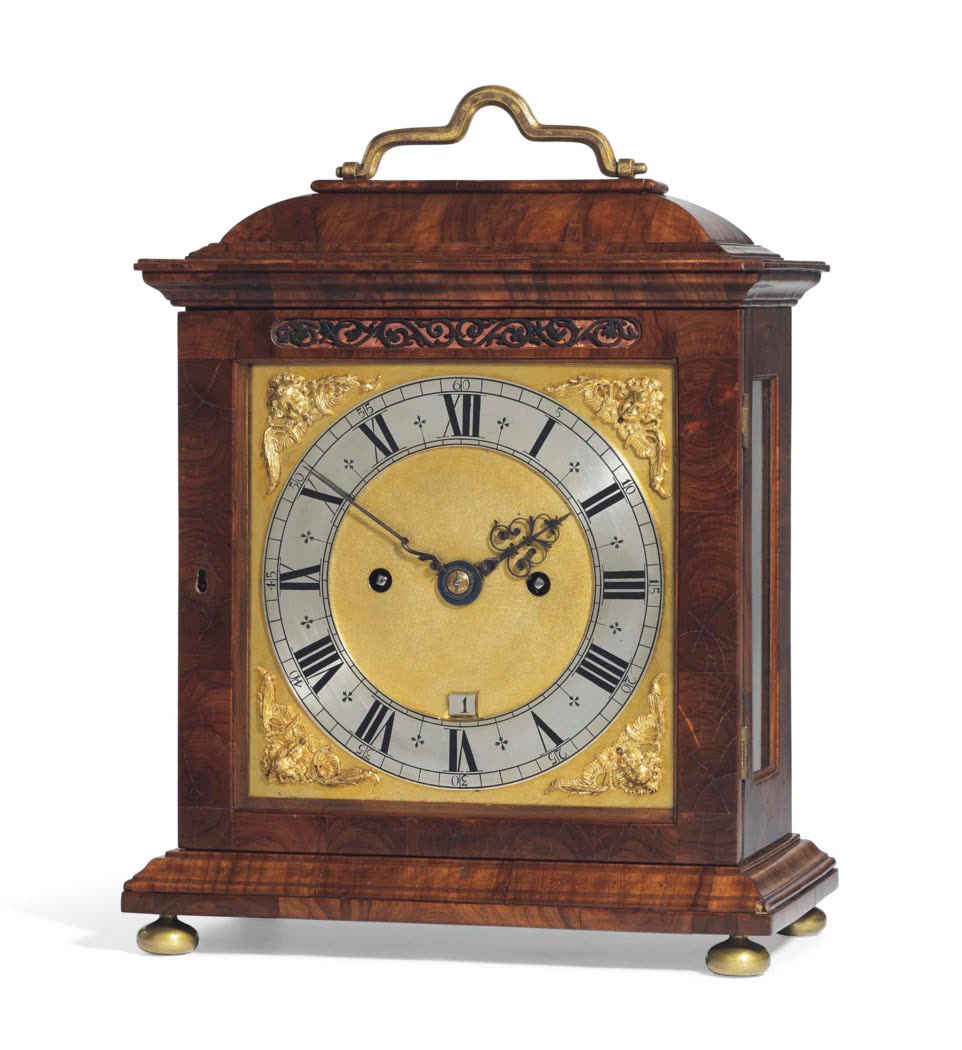
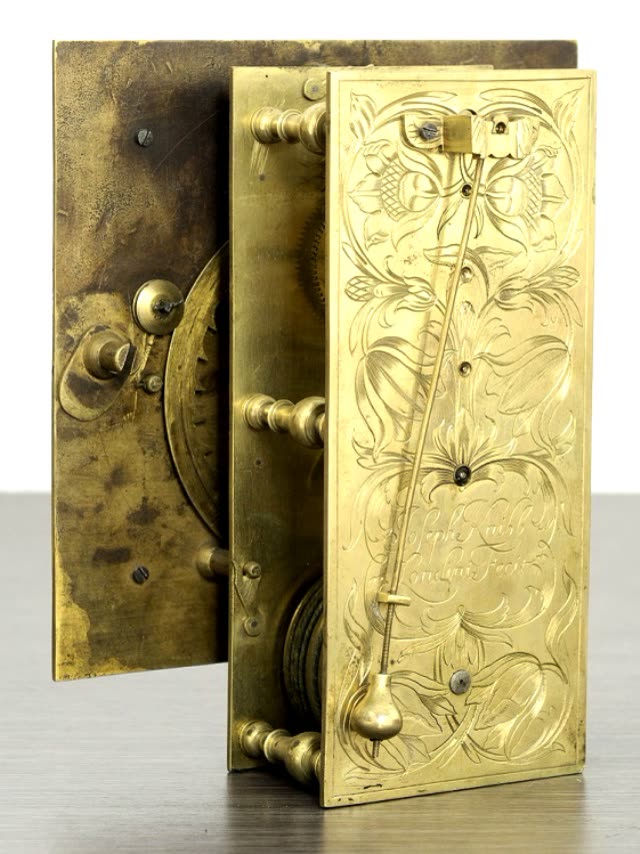
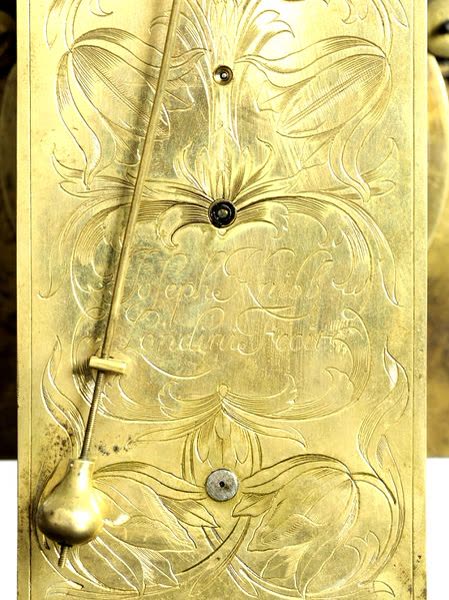
- Joseph Knibb timepiece table clockBracket clock · circa 1690
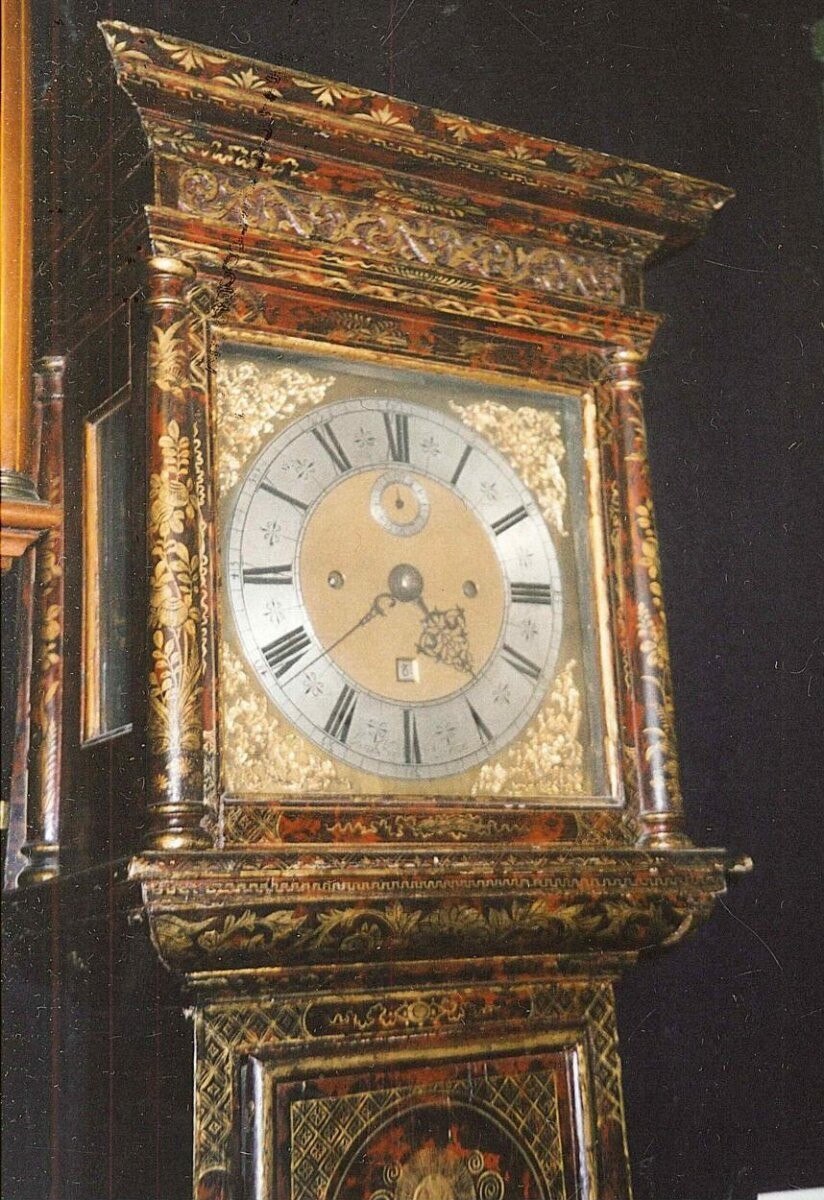
- Longcase clock with 8-day movement by Joseph KnibbLongcase clock · c.1690
Provenance
Where the 3 catalogued pieces by Joseph Knibb were recorded, with the collectors, owners and sales their records name.
Provenance map
Each piece is linked to the museum, auction house or dealer whose record it comes from, and to any other house or collection its own provenance names. Select a name to see its pieces.
Museums · 2 pieces
Auction houses · 1 piece
Victoria and Albert Museum
Museum · 2 pieces · Directory entry
Engraved and pierced silver watch by Joseph KnibbEarly watch (16th–17th century) · 1670-1675 · Record source
The record names no sale, lot or earlier owner.
Longcase clock with 8-day movement by Joseph KnibbLongcase clock · c.1690 · Record source
Provenance: Brigadier W.E. Clark
Collectors, owners and donors
- Brigadier W.E. ClarkProvenance · Longcase clock with 8-day movement by Joseph Knibb
Auction history
| House | Sale & lot | Object |
|---|---|---|
| Fellows | lot 1 | Joseph Knibb timepiece table clock |
Each line is copied from the object's source record and is not independently verified. Holders are as recorded when the piece was catalogued: museum objects may not be on display, and sold lots have since changed hands.
Photographs
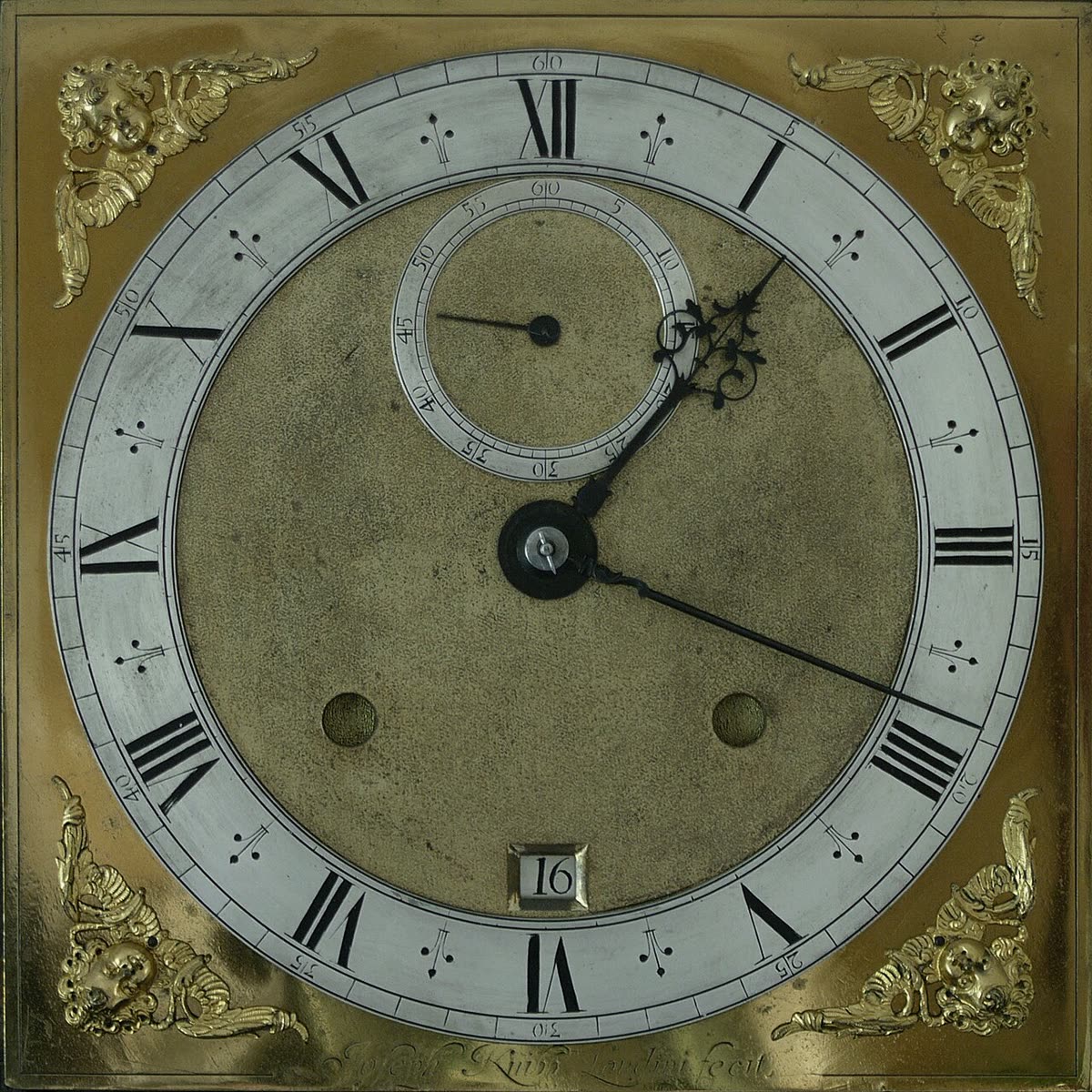
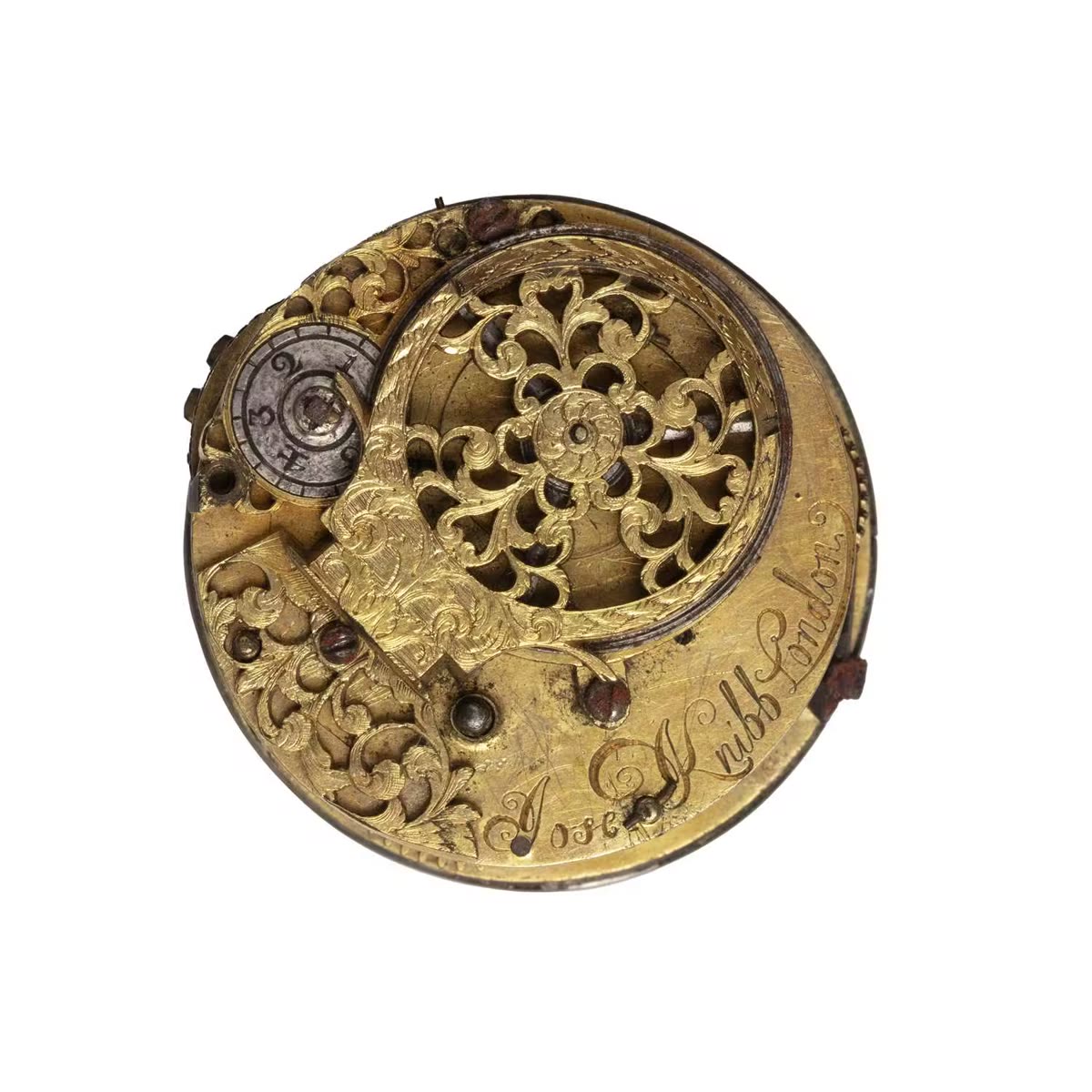
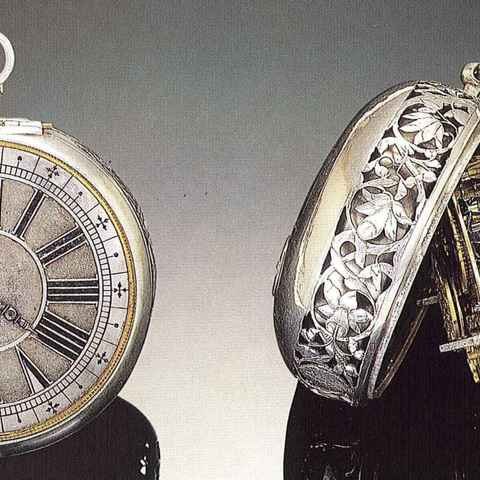
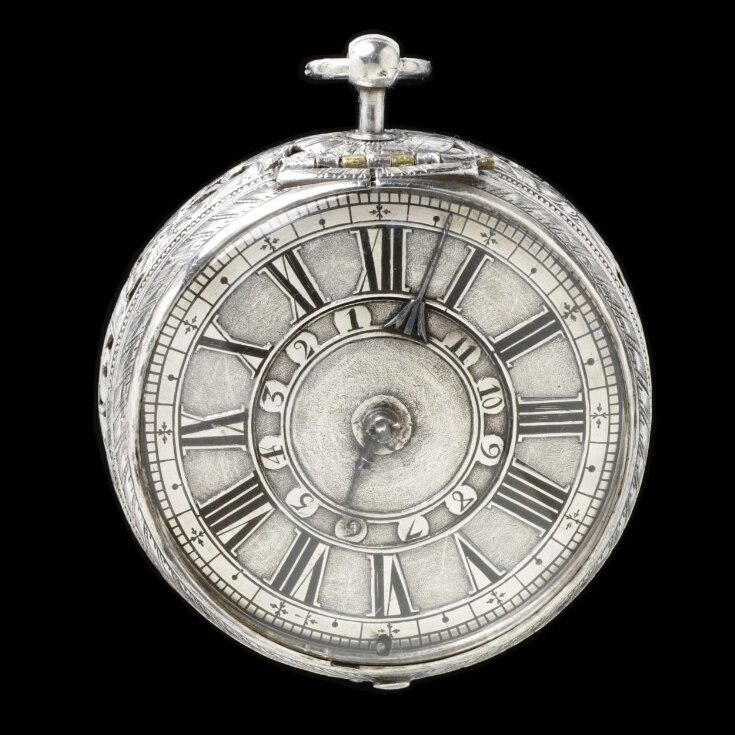
Photographs are illustrative examples of the type, not necessarily the exact object described. Verify details against the source file page.
Sources & references
- Joseph Knibb, Wikipedia (English), retrieved 2026-10-27 (text CC BY-SA 4.0)
- John Knibb, Wikipedia (English), retrieved 2026-10-27 (text CC BY-SA 4.0)
- Brian Loomes, Watchmakers and Clockmakers of the World
- Mikrolisk trademark and maker index
- Published trade directories and period material catalogues
Where sources disagree, the disagreement is stated rather than resolved silently.