
Lahore, Mughal Empire (present-day Pakistan) · Dates not established
Ḍiyā’ ad-Dīn Muḥammad
Partially verifiedScientific instrument maker producing astrolabes and celestial globes
Life & work
Diya al-Din Muhammad was a member of a prominent Lahore family of astrolabists, serving as the son of Qaim Muhammad.
Recognized as the most prolific and versatile maker in his family, he crafted complex instruments for multiple Mughal emperors. He continued the seamless manufacturing technique for celestial globes that had been established by his father. The family was renowned for their technical precision, innovative designs, and the use of high-zinc brass, which they manufactured with an advanced process.
The fuller biography summarises the open references listed under Sources; each statement was checked against the cited passage. Confirm key dates in period documents before relying on them.
Training, contributions & innovations
- His technical expertise included creating a celestial globe for Emperor Aurangzeb that projected constellation shadows when illuminated.
Documented works
- An unusually large astrolabe, often referred to as the Khalili astrolabe, was created by the maker for Emperor Shah Jahan.
- The celestial globe he produced for Emperor Aurangzeb is currently housed in the Adler Planetarium in Chicago.
Collecting significance
The catalogued pieces listed on this page show the kinds of objects auction houses, dealers and museums attribute to this maker; each attribution is the source's own.
Firms, key models & movements
Famous objects
- Astrolabe for Shah Abbas II, Oxford inventory 45747 · 1647/8 (A.H. 1057)
In the object catalogue
2 catalogued objects are recorded under Ḍiyā’ ad-Dīn Muḥammad. Attributions are as given by each source and are not independent authentication.
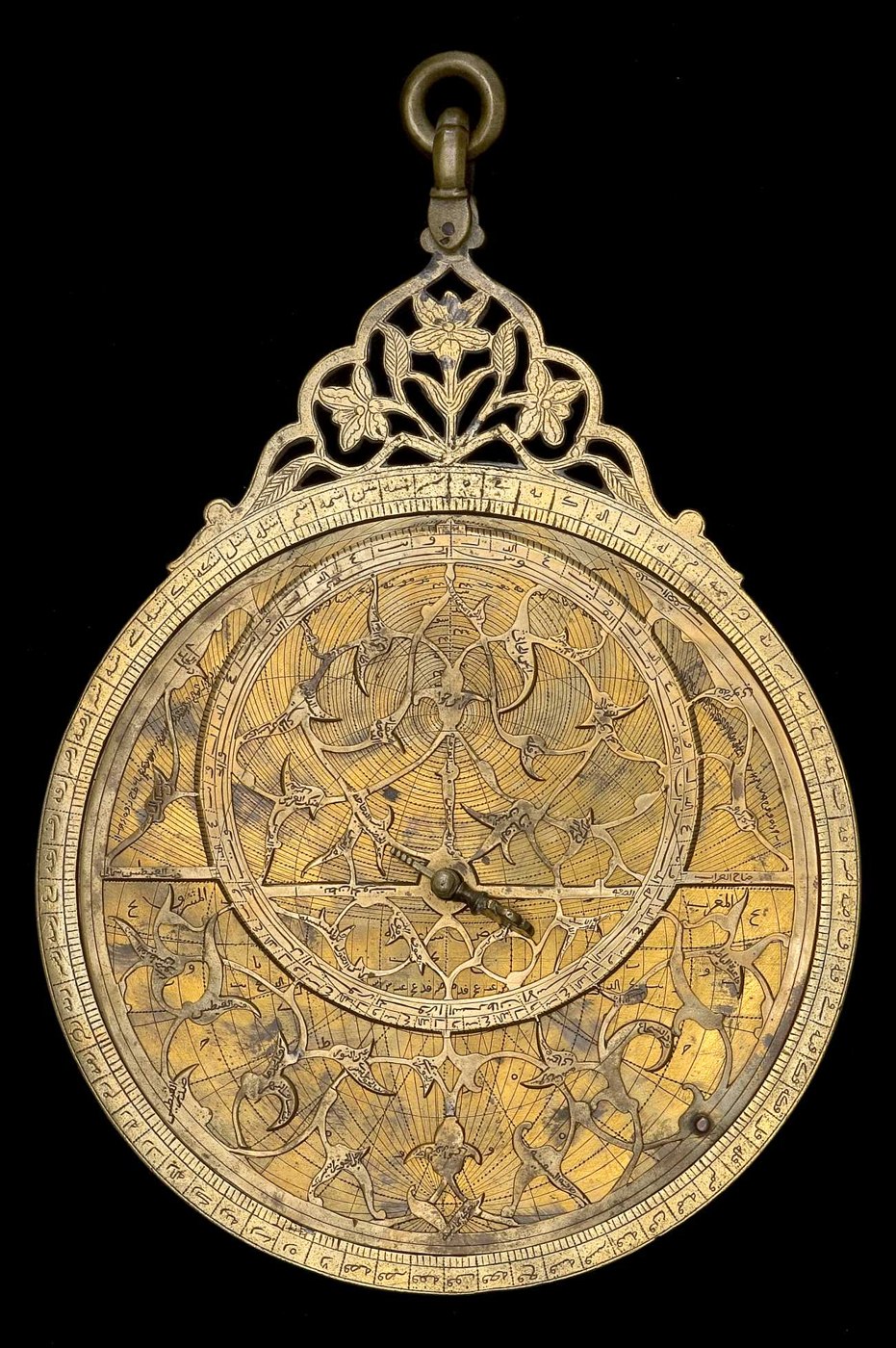
- Astrolabe by Ḍiyā’ ad-Dīn MuḥammadAstrolabe · 1653/4 (A.H. 1064)
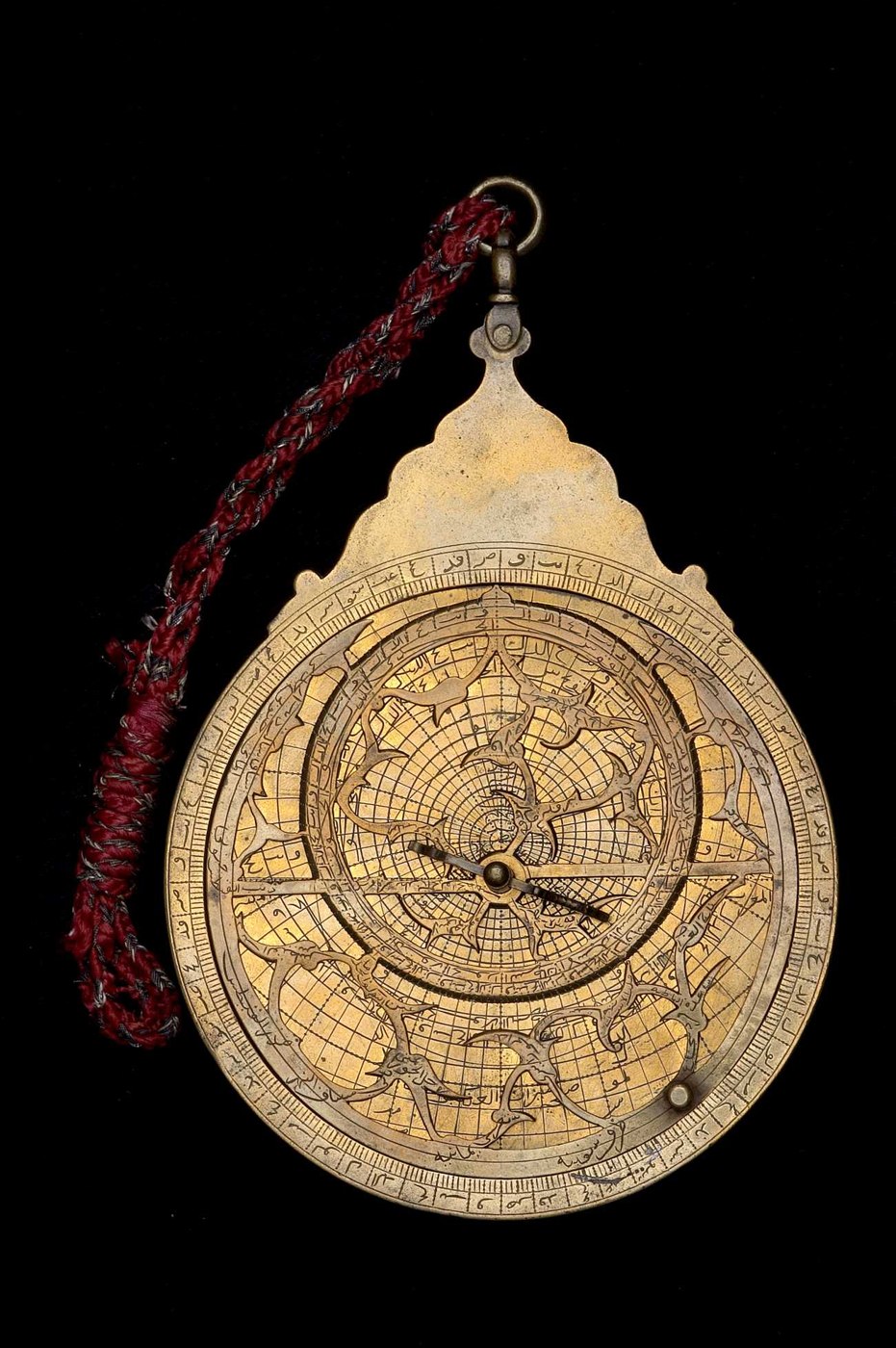
- Astrolabe by Ḍiyā’ ad-Dīn MuḥammadAstrolabe · 1658/9
Sources & references
- Lahore family of astrolabists, Wikipedia (English), retrieved 2026-11-03 (text CC BY-SA 4.0)
Where sources disagree, the disagreement is stated rather than resolved silently.